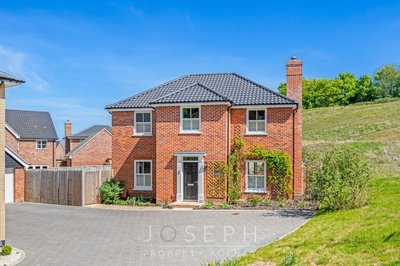
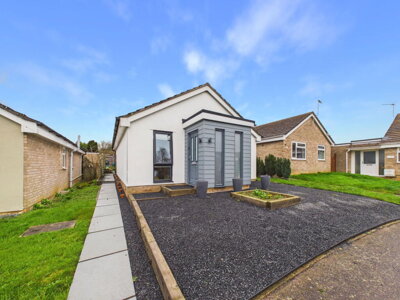
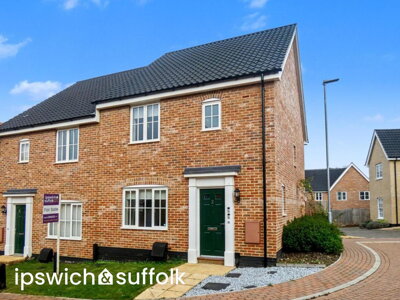
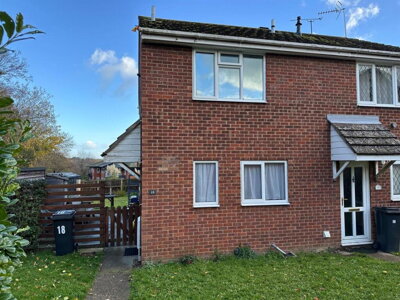
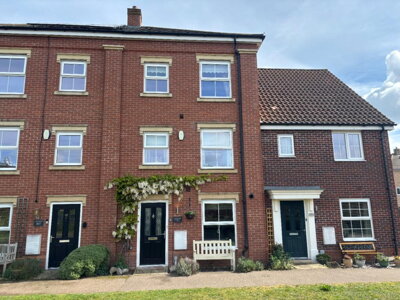
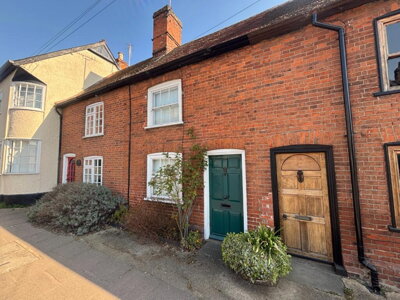
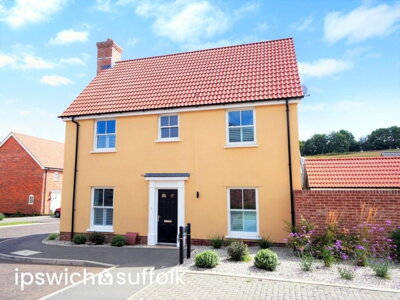
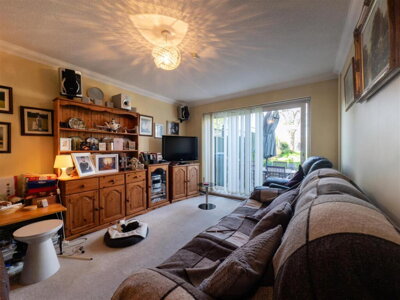
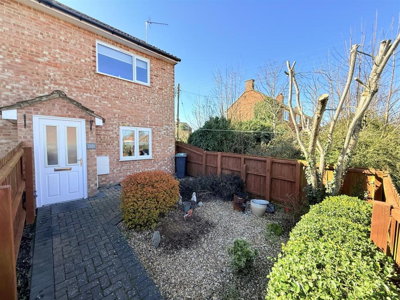
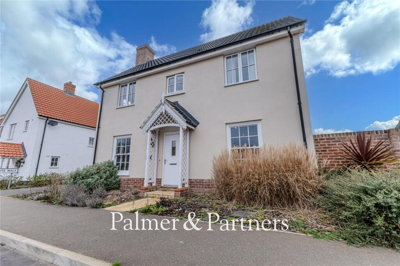
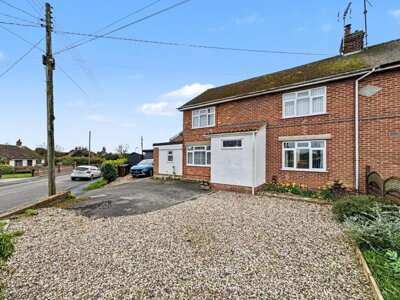
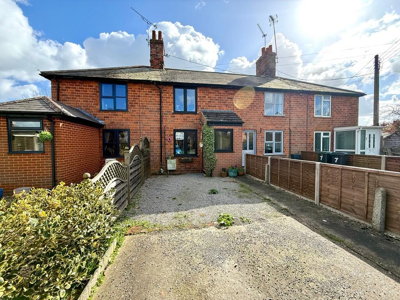
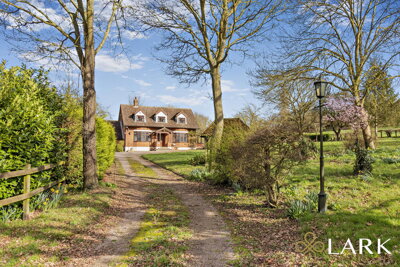
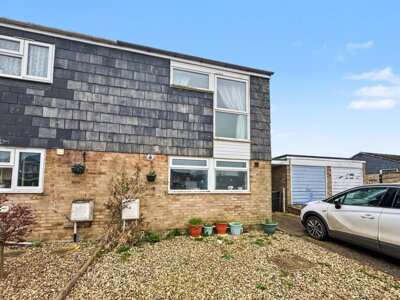
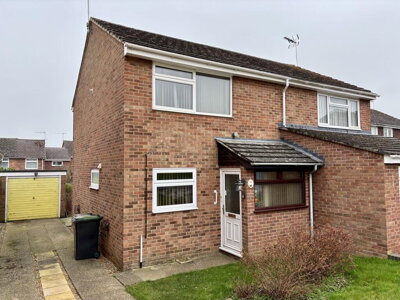
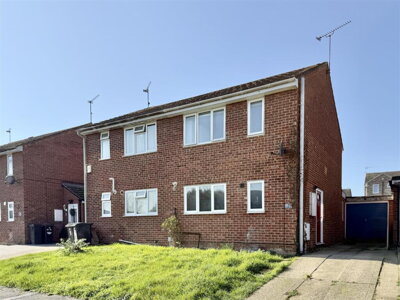
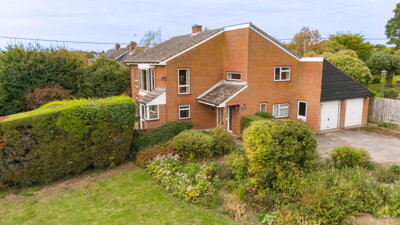
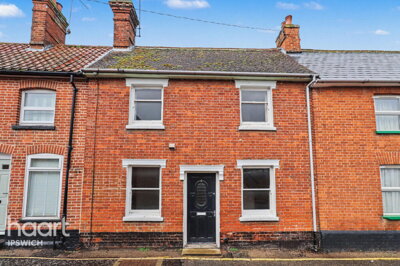
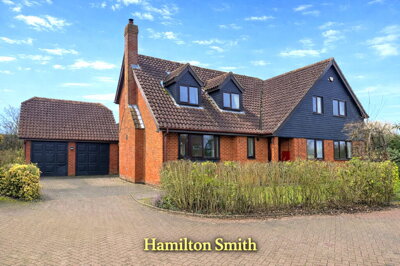
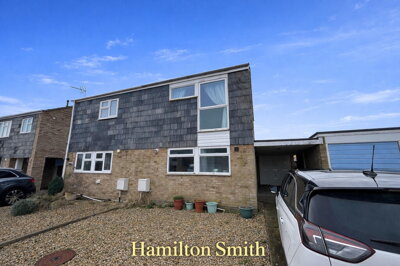
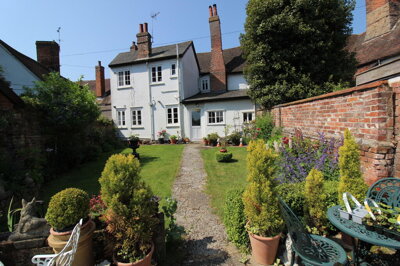
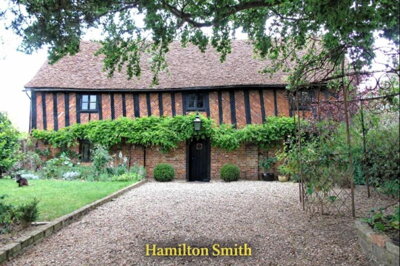
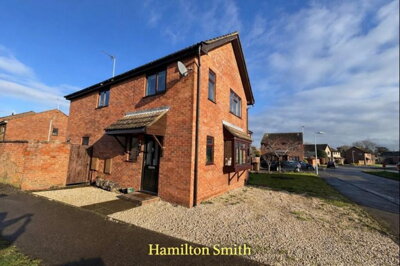
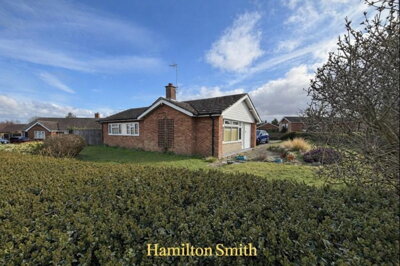
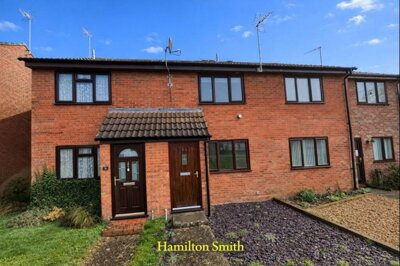
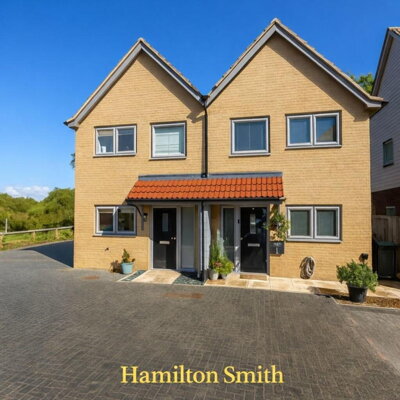
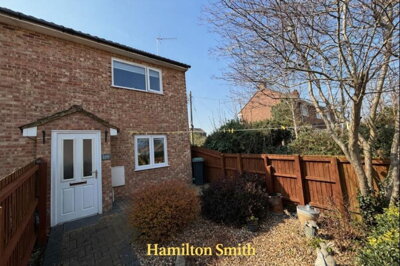
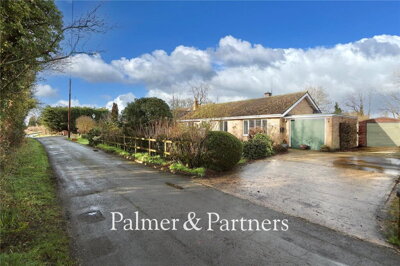
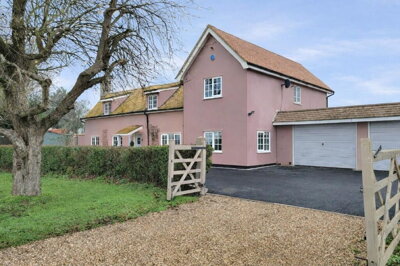
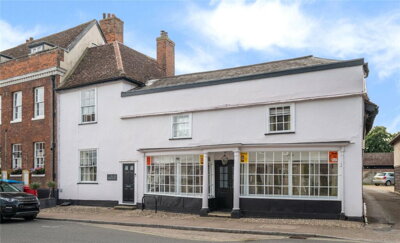
Browse 52 homes for sale in Darmsden, Mid Suffolk from local estate agents.
The Darmsden property market offers detached, semi-detached, and terraced houses spanning various price ranges and neighbourhoods. Each listing includes detailed property information, photographs, and direct contact with the marketing agent.
£0k
0
0
0
Source: home.co.uk
Showing 0 results for Houses for sale in Darmsden, Mid Suffolk.
The Langham property market presents an interesting picture for buyers considering this corner of Suffolk. The overall average price of £614,375 reflects the premium associated with rural village properties that offer space, character, and proximity to natural landscapes. Detached properties command the highest average prices at £641,000, appealing to families seeking generous gardens and privacy. Semi-detached homes average £547,500, offering more accessible entry points to village life while maintaining the character properties in this area typically provide.
Market activity in Langham has shown resilience over the past twelve months, with prices rising 3% compared to the previous year. This modest growth follows a broader pattern in the Mid Suffolk district, where the average house price reached £319,000 in December 2025, representing a 5.2% annual increase. However, Langham prices remain approximately 7% below the 2020 peak of £661,308, which may present opportunities for buyers who missed the previous market height. The village has seen 28 recorded transactions over the past year, suggesting consistent demand despite the broader economic climate.
Currently, there are no verified new-build developments specifically within the Langham postcode area, meaning buyers seeking modern specifications may need to consider properties in neighbouring villages or the surrounding Mid Suffolk region. The existing housing stock consists predominantly of traditional construction, with many homes featuring the characteristic red brick and plaintile roofs typical of historic Suffolk buildings. Properties range from charming cottages to substantial family homes, with terraced homes averaging £615,000, slightly above the overall average.
The profile of Langham buyers typically includes families seeking larger properties than town living can provide, retirees looking to downsize from working lives in London or the Home Counties, and agricultural workers tied to the farming operations that continue to define the local economy. Second-home buyers also show interest in the village, attracted by the picturesque setting and the promise of a peaceful weekend retreat away from urban pressures.

Langham embodies the essence of rural Suffolk living, offering residents a peaceful village environment while maintaining practical connections to larger towns. The village sits on the edge of the River Stour, which forms part of the parish boundary and contributes to the scenic landscape that defines this part of East Anglia. The surrounding Mid Suffolk area is characterised by undulating plateau claylands dissected by rolling river valleys, creating a varied topography of farmland, meadows, and woodland that provides endless opportunities for countryside walks and outdoor pursuits.
The local architecture reflects Langham's long history, with buildings such as Langham Hall demonstrating the traditional Suffolk construction methods of red brick with plaintiles. Langham Hall Farmhouse showcases timber-framed and rendered construction, representing the variety of building styles found throughout the village. These historic properties contribute to the character of the settlement, with many homes dating back several generations. The village maintains a strong sense of community, with local events and gatherings drawing residents together throughout the year.
Residents of Langham benefit from proximity to several market towns that provide additional shopping, dining, and entertainment options. Bury St Edmunds, with its stunning cathedral and twice-weekly markets, lies within reasonable driving distance, while Stowmarket offers further amenities and railway connections. The village itself maintains essential local services, with surrounding parishes offering village shops, pubs, and community facilities that serve the wider rural community. The combination of village tranquility and access to town amenities makes Langham an attractive prospect for families and retirees alike seeking an authentic Suffolk lifestyle.
The local economy revolves primarily around agriculture, with farms in the surrounding countryside employing workers and contributing to the rural character of the area. Equestrian facilities are also present, with several livery yards and riding schools serving the horse-loving community. Village pubs provide focal points for social life, offering meals and drinks in traditional settings that have served locals for generations. The Church of St Peter, dating from the 14th century, stands as the spiritual heart of the community and hosts various events throughout the year.

Families considering a move to Langham will find a selection of educational establishments within the surrounding Mid Suffolk area. The village falls within the catchment areas of several primary schools serving the rural communities of this part of Suffolk. These smaller village schools often provide excellent foundations for young children, with dedicated teaching staff who know their pupils individually. Parents should research specific school Ofsted ratings and admission criteria when planning a move, as catchment boundaries can affect placement decisions.
Secondary education options in the region include schools in the nearby market towns, which offer broader curriculum choices and specialist facilities. Several schools in the wider Mid Suffolk district have achieved strong Ofsted ratings, providing parents with confidence in educational standards. For families seeking grammar school education, the St Albans area and other nearby grammar schools serve communities across Suffolk, though competition for places can be significant. Transport arrangements for secondary school pupils typically involve school bus services connecting rural villages to schools in the larger towns.
Sixth form and further education provision is concentrated in Bury St Edmunds and the surrounding larger towns, where colleges offer A-level programmes and vocational qualifications. The University of Suffolk in Ipswich provides higher education opportunities within the region, while Cambridge and Norwich universities are accessible for commuters. Families should consider these educational pathways when evaluating properties in Langham, particularly those with children approaching secondary school age. Planning school arrangements in advance of a move helps ensure smooth transitions and avoids potential complications with catchment placements.
Private schooling options in the region include a range of independent schools catering to different age groups, with several located within reasonable driving distance of Langham. These institutions often have waiting lists and specific entry requirements, so early enquiry is advisable. Transport arrangements for private school pupils typically involve parent driving or shared transport arrangements with other families in the village.
Transport connectivity from Langham combines the peaceful isolation of a rural village with practical access to the wider road network. The village sits within reasonable distance of the A14, Suffolk's major east-west trunk road connecting the port of Felixstowe to Cambridge and the M1 motorway beyond. This route provides crucial links for residents who commute to work in Cambridge, Ipswich, or Norwich. The A143 also serves the area, connecting Bury St Edmunds with Great Yarmouth through the heart of Suffolk.
Rail services are available in the nearby towns of Stowmarket and Bury St Edmunds, offering connections to London Liverpool Street and Norwich respectively. Stowmarket station provides regular services to the capital, with journey times of approximately one hour forty minutes, making day commuting feasible for those working in London. Bury St Edmunds station offers similar London connections with services running throughout the day. For residents preferring to drive, the journey to Cambridge takes approximately one hour, opening employment opportunities in the university city and its surrounding technology hubs.
Local bus services connect Langham with surrounding villages and market towns, providing essential transport for those without private vehicles. These services are particularly important for school pupils, elderly residents, and those working locally. Cycling is popular in the flat Suffolk countryside, with quiet country lanes connecting villages for recreational and practical journeys. The Sustrans National Cycle Network passes through parts of Suffolk, offering traffic-free routes for cycling enthusiasts. Parking in the village is generally straightforward due to the low-density development typical of rural settlements.
For air travel, Stansted Airport is accessible within approximately 45 minutes by car, offering domestic and international flights. Norwich Airport provides additional regional flight options, while London airports are within reasonable driving distance for those seeking broader flight choices. The proximity of Felixstowe port also serves residents involved in import and export industries, providing direct access to container shipping facilities.
Understanding the construction methods used in Langham properties helps buyers appreciate both the character and potential challenges of historic Suffolk homes. The village features buildings constructed predominantly from red brick with plaintile roofs, a combination that has proven durable across centuries of East Anglian weather patterns. These materials were locally sourced and reflect the building traditions of a region where clay soils provided suitable brick-making materials and timber was abundant from the surrounding woodlands.
Timber-framed construction is particularly prevalent in older agricultural buildings and farmhouses that have been converted to residential use. Our inspectors frequently encounter issues with timber-framed properties in Langham, including beetle activity in structural timbers, wood rot in exposed elements, and movement resulting from seasonal moisture changes in the frame. The rendered exteriors common on timber-framed buildings can mask underlying timber condition, making professional surveys essential before purchase.
The clay geology throughout Mid Suffolk presents specific challenges for property owners in Langham. The underlying plateau claylands are susceptible to shrink-swell movement when moisture levels change, particularly where trees are present near foundations. Properties in the village may show signs of movement over time, including cracking to walls, sticking doors and windows, and uneven floors. Our surveyors always recommend checking the condition of foundations and drainage systems when assessing older properties in this area.
Many Langham properties retain original features including exposed beam ceilings, inglenook fireplaces, and original joinery that contribute significantly to their character and value. However, these features require ongoing maintenance to preserve them in good condition. Thatched roofs, while not universal in the village, do appear on some properties and require specialist knowledge for inspection and maintenance. Insurance costs for thatched properties typically run higher than standard home insurance, and finding specialist insurers may require research.
Explore current listings in Langham and surrounding villages to understand what properties are available at various price points. Review recent sales data to gauge whether prices are rising or stabilising in this specific corner of Mid Suffolk. Consider engaging a local estate agent with knowledge of the village market, as properties in small rural communities often sell through word of mouth or local connections before appearing on national portals.
Contact lenders or mortgage brokers to obtain an Agreement in Principle before viewing properties. This demonstrates your financial readiness to estate agents and sellers, strengthening your position when making offers on homes in competitive rural markets. Rural properties in desirable villages like Langham can attract multiple buyers, so having your finances arranged provides a crucial advantage in negotiations.
Schedule viewings of properties that match your requirements, taking time to assess the condition of buildings, the quality of gardens and outbuildings, and the overall character of the village. Pay attention to the age of the property and any signs of structural movement given the clay geology in the area. Viewing properties at different times of day helps assess noise levels, lighting, and the atmosphere of the neighbourhood.
Once you have an offer accepted, arrange for a RICS Level 2 HomeBuyer Report or Level 3 Building Survey. Given the age of many properties in Langham, professional surveys can identify issues with traditional construction, timber-framed elements, and potential concerns related to the clay soil conditions. Our inspectors are familiar with the common defects found in Suffolk period properties and can provide detailed assessments that help you make informed decisions.
Choose a solicitor experienced in rural property transactions to handle the legal aspects of your purchase. They will conduct searches, review the contract, and liaise with the Land Registry to ensure smooth transfer of ownership. Rural properties may involve additional searches related to farming operations, rights of way, and drainage arrangements that require specialist knowledge.
Your solicitor will arrange for contracts to be signed and deposits to be paid at the exchange stage. Completion typically follows shortly after, when you receive the keys and can take possession of your new home in Langham. We recommend arranging buildings insurance before completion and scheduling a thorough review of the property survey findings with your surveyor to prioritise any remedial works needed.
Purchasing a property in Langham requires careful consideration of factors specific to this rural Suffolk location. The prevalence of clay geology throughout Mid Suffolk means that buyers should pay particular attention to the condition of foundations and any signs of subsidence or movement in older properties. Properties with trees nearby may be more susceptible to ground movement as roots extract moisture from the clay soil. A thorough building survey will identify any structural concerns that might require remediation before or after purchase.
Flood risk from the River Stour should be evaluated for properties located near the waterway or in low-lying areas of the parish. While current flood risk mapping shows areas where the river level could exceed 1.76m, understanding the flood history of specific properties provides valuable context. Insurance costs may be higher for properties with significant flood exposure, and buyers should factor these ongoing costs into their budget calculations.
Many properties in Langham are likely to be freehold, though purchasers of cottages and converted agricultural buildings should verify the tenure carefully. Older properties may have unusual boundary arrangements or rights of way that affect enjoyment of the land. Conservation considerations in a village with historic buildings may impose restrictions on alterations and improvements, so prospective buyers should clarify what permissions might be required for any planned changes. Service charges and maintenance arrangements for shared facilities should also be reviewed for any properties that form part of larger estates or conversions.
The condition of agricultural outbuildings often requires careful assessment, as these structures may have been neglected while the main house was maintained. Former barns converted to residential use may have insulation and energy efficiency issues that were not addressed during conversion. Checking the specification of conversions helps ensure that the property meets modern standards and avoids unexpected remediation costs.
Understanding the full cost of purchasing property in Langham helps buyers budget accurately for their move. The Stamp Duty Land Tax threshold for standard buyers sits at £250,000, with rates of 5% applying to the portion of purchase price between £250,001 and £925,000. For a property at the Langham average price of £614,375, this translates to stamp duty of approximately £18,219 on a residential purchase. First-time buyers benefit from increased thresholds, paying no stamp duty on the first £425,000 of properties valued up to £625,000, reducing their SDLT liability to approximately £9,469 on an average-priced home.
Beyond stamp duty, buyers should budget for solicitor fees typically ranging from £500 to £1,500 depending on complexity and property value. Conveyancing costs cover title searches, contract preparation, and registration with the Land Registry. Survey costs vary by property type and inspection level, with RICS Level 2 HomeBuyer Reports starting from around £350 and comprehensive Level 3 Building Surveys from £500. Given the age of many properties in Langham, investing in a thorough survey is particularly advisable to identify any issues with traditional construction or potential concerns related to the local clay geology.
Additional purchase costs include mortgage arrangement fees, which can range from £0 to £2,000 depending on the lender and deal selected. Many buyers choose to add arrangement fees to their mortgage to spread the cost, though this increases overall interest paid. Removal costs, estate agent fees if selling simultaneously, and potential renovation expenses should all feature in your financial planning. Building insurance must be in place from completion, and life insurance or income protection provides sensible protection for your investment. Our related services section connects you with providers who can help manage these essential costs efficiently.
Renovation costs for period properties in Langham can be significant, particularly for properties that have been poorly maintained or that require specialist tradespeople familiar with historic building methods. Thatched roofs, for example, require re-thatching by specialist craftsmen every 30-40 years at considerable cost. Timber-framed properties may need repointing, render repair, or structural timber treatment. Our survey reports include cost estimates for essential repairs, helping you plan your renovation budget accurately.
The average property price in Langham, Mid Suffolk is £614,375 based on sales data from the past twelve months. Detached properties average £641,000, semi-detached homes average £547,500, and terraced properties average £615,000. Prices have risen 3% compared to the previous year, though they remain approximately 7% below the 2020 peak of £661,308. The Mid Suffolk district average was £319,000 in December 2025, meaning Langham commands a premium reflecting its village character and larger property sizes.
Properties in Langham fall under Mid Suffolk District Council jurisdiction. Council tax bands range from A to H depending on the assessed value of the property. Most traditional village homes, including Victorian and Edwardian terraces and older detached houses, typically fall in bands C through F. Banding affects annual council tax payments, with higher bands paying more. Prospective buyers can check specific bandings on the Valuation Office Agency website using the property address. The local council maintains the property valuations used to determine bands, and band changes can occur when properties are significantly altered or extended.
Langham falls within catchment areas for several primary schools serving rural communities in Mid Suffolk, including schools in nearby parishes that serve the village and surrounding hamlets. Secondary education options include schools in nearby Bury St Edmunds and Stowmarket, many of which have achieved good or outstanding Ofsted ratings. The specific school your child can attend depends on your exact address and admission policies. Parents should research individual school performance data and consider transport arrangements when evaluating educational options in this rural area, as school bus routes may affect journey times significantly.
Public transport options from Langham include local bus services connecting the village with surrounding communities and market towns, though frequency may be limited compared to urban areas. Stowmarket railway station, approximately 15 miles away, offers regular services to London Liverpool Street with journey times around one hour forty minutes. Bury St Edmunds station provides additional rail connections. However, private transport is essential for most daily activities in this rural location, and prospective residents should factor car ownership into their planning. The village lanes can be narrow in places, and larger vehicles may find passing difficult on single-track roads.
Langham and the broader Mid Suffolk area have shown steady property price growth, with the district average rising 5.2% year-on-year in December 2025. The village offers appeal through its rural character, historic properties, and proximity to employment centres including Cambridge, Bury St Edmunds, and Ipswich. While growth may be more modest than in urban hotspots, the stable local market with 28 sales recorded in 2025 indicates consistent demand. Properties with character, good gardens, and traditional features tend to retain value well in villages of this type. The lack of new-build supply in the immediate area helps maintain values for existing stock.
Stamp Duty Land Tax applies to purchases above £250,000 at standard rates: 5% on the portion between £250,001 and £925,000, 10% between £925,001 and £1.5 million, and 12% above £1.5 million. First-time buyers benefit from relief on the first £425,000 of properties up to £625,000. Given Langham's average price of £614,375, a standard buyer purchasing at this level would pay approximately £18,219 in stamp duty, while a first-time buyer would pay approximately £9,469 under current 2024-25 thresholds. Additional SDLT surcharges apply for non-UK residents.
Period properties in Langham require careful inspection due to their age and traditional construction methods. The clay geology in Mid Suffolk can cause ground movement affecting foundations, particularly in properties with inadequate drainage or nearby trees. Timber-framed buildings may show signs of rot or beetle activity, while thatched roofs and period features require specialist maintenance. We recommend commissioning a RICS Level 2 or Level 3 survey before purchase to identify any structural concerns. Insurance costs should be verified, especially for thatched or high-value historic properties. Properties near the River Stour flood plain may face higher insurance premiums or availability issues.
Langham contains several listed buildings, including Langham Hall and Langham Hall Farmhouse, which are subject to Listed Building consent requirements for any alterations or extensions. The village may fall within a conservation area, imposing additional controls on external changes to properties. These designations protect the historic character of the village but can restrict what buyers can do with properties. Planning permission from Mid Suffolk District Council may be required for various works including extensions, dormer windows, and some types of cladding. Buyers should confirm the exact status of any property they are considering purchasing.
From 4.5%
Compare mortgage deals from leading lenders
From £499
Expert property solicitors for Langham purchases
From £350
Comprehensive inspection for modern and older properties
From £500
Detailed structural survey for period properties
Properties for Sale In London

Properties for Sale In Plymouth

Properties for Sale In Liverpool

Properties for Sale In Glasgow

Properties for Sale In Sheffield

Properties for Sale In Edinburgh

Properties for Sale In Coventry

Properties for Sale In Bradford

Properties for Sale In Manchester

Properties for Sale In Birmingham

Properties for Sale In Bristol

Properties for Sale In Oxford

Properties for Sale In Leicester

Properties for Sale In Newcastle

Properties for Sale In Leeds

Properties for Sale In Southampton

Properties for Sale In Cardiff

Properties for Sale In Nottingham

Properties for Sale In Norwich

Properties for Sale In Brighton

Properties for Sale In Derby

Properties for Sale In Portsmouth

Properties for Sale In Northampton

Properties for Sale In Milton Keynes

Properties for Sale In Bournemouth

Properties for Sale In Bolton

Properties for Sale In Swansea

Properties for Sale In Swindon

Properties for Sale In Peterborough

Properties for Sale In Wolverhampton

Enter your details to see if this property is within your budget.
Loans, cards, car finance
Estimated property budget
Borrowing + deposit
You could borrow between
Typical borrowing
Monthly repayment
Est. at 4.5%
Loan-to-value
This is an estimate only. Your actual budget may vary depending on interest rates, credit history, and personal circumstances. For an accurate affordability assessment, speak to one of our free mortgage advisors.
This calculator provides estimates for illustrative purposes only and does not constitute financial advice. Your home may be repossessed if you do not keep up repayments on your mortgage. Estimates based on 4.5% interest rate, repayment mortgage. Actual rates depend on your circumstances.
Homemove is a trading name of HM Haus Group Ltd (Company No. 13873779, registered in England & Wales). Homemove Mortgages Ltd (Company No. 15947693) is an Appointed Representative of TMG Direct Limited, trading as TMG Mortgage Network, which is authorised and regulated by the Financial Conduct Authority (FRN 786245). Homemove Mortgages Ltd is entered on the FCA Register as an Appointed Representative (FRN 1022429). You can check registrations at NewRegister or by calling 0800 111 6768.

We use cookies to show you personalised content and improve your experience of our website. Find out more in our Privacy policy and Cookie policy.