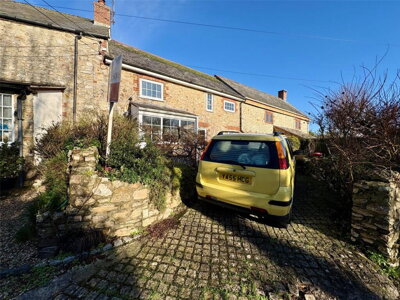
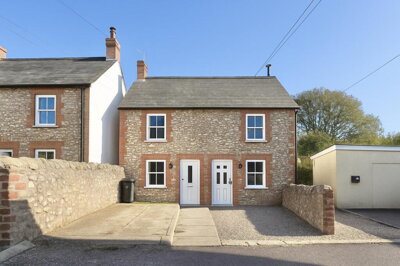
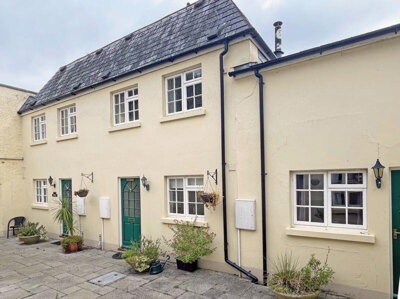
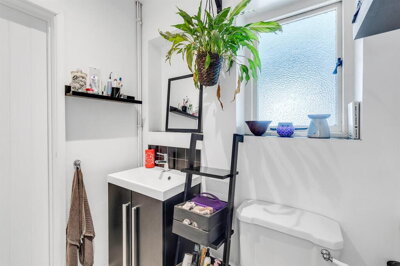
Browse 8 homes for sale in Dalwood, East Devon from local estate agents.
The 2 bed house market features detached, semi-detached, and terraced properties with two separate bedrooms plus living spaces. Properties in Dalwood range from Victorian and Edwardian period homes to modern new builds, with pricing varying across different neighbourhoods.
£325k
1
0
236
Source: home.co.uk
Showing 1 results for 2 Bedroom Houses for sale in Dalwood, East Devon. The median asking price is £325,000.
Source: home.co.uk
Terraced
1 listings
Avg £325,000
Source: home.co.uk
Source: home.co.uk
The Dalwood property market presents a nuanced picture for buyers navigating their home search in this rural corner of East Devon. Detached properties command the highest prices in the area, with the average reaching approximately £525,000, reflecting the premium placed on space, privacy, and the character that larger period homes offer. Semi-detached properties provide a more accessible entry point at around £350,000 on average, making them attractive to families and first-time buyers looking to establish themselves in this desirable location.
Over the past twelve months, property prices in Dalwood have decreased by 5.0%, creating potential opportunities for buyers who have been waiting for more favourable market conditions before committing to a purchase. This price adjustment comes alongside a limited supply of available properties, as is common in small rural villages where tight-knit communities and the appeal of village life mean homes change hands less frequently. Prospective buyers should be prepared to act decisively when a suitable property becomes available, as demand for quality homes in Dalwood remains steady despite the broader market fluctuations.

Life in Dalwood offers residents a quintessentially English rural experience, where the rhythm of village life is shaped by the changing seasons and the strong sense of community that defines so many East Devon settlements. The village takes its name from the nearby Dal Wood, an area of woodland that forms part of the local landscape and provides pleasant walking routes for residents to enjoy throughout the year. The parish church of St Peter's stands as a focal point of the community, a listed building that reflects the village's long history dating back centuries.
The local economy of Dalwood and its surrounding area is influenced by agriculture, local services, and tourism, with many residents choosing to commute to larger settlements including Axminster, Honiton, and Exeter for work. The village's position within East Devon provides easy access to the Jurassic Coast, a UNESCO World Heritage Site located just a short drive away, offering residents world-class beaches and coastal walks. Daily amenities are available in nearby villages and market towns, with Axminster providing a range of shops, supermarkets, and services within approximately five miles of Dalwood.
Families considering a move to Dalwood will find educational provision available in the surrounding East Devon area, with primary schools serving the village and its neighbouring communities. The rural nature of the location means that school transport arrangements are often a consideration for parents, with school buses connecting Dalwood to primary schools in nearby villages and towns. Early years provision is available locally, with childminders and pre-school groups operating within the parish and surrounding communities.
Secondary education is typically accessed through schools in the nearby market towns, with Axminster providing options for families seeking comprehensive schooling within reasonable travelling distance. The wider East Devon area is served by several secondary schools, some of which are rated favourably by Ofsted, providing families with choices depending on their specific circumstances and preferences. For families considering private education, Exeter offers a range of independent schools, and the journey from Dalwood to these institutions is manageable for weekly boarding arrangements or daily commuting in certain circumstances.
Transport connectivity from Dalwood centres on the road network, with the village situated along lanes that connect to the A35, the main route through East Devon running between Honiton and Axminster. The A35 provides access to the M5 motorway at junction 25 near Taunton, approximately twenty miles north of Dalwood, opening up regional and national travel options by car. Exeter, Devon's principal city, lies approximately eighteen miles to the west, accessible via the A30 and A3052 routes that pass through the surrounding countryside.
Public transport options reflect the rural nature of the area, with bus services connecting Dalwood to nearby towns and villages, though frequencies are limited compared to urban areas. Axminster railway station, located on the West of England Main Line, provides direct train services to Exeter, Bristol, and London Waterloo, with journey times to the capital taking approximately three hours. For residents working in Exeter, the combination of road and occasional rail travel provides flexibility, while those commuting to larger employment centres will find Dalwood's position advantageous despite the rural setting.
Before viewing properties, research current listings and recent sales in Dalwood and surrounding East Devon villages. Understanding local prices, property types available, and recent market trends helps you set realistic expectations and identify properties that represent genuine value. Our platform provides up-to-date listings and market data to support your research.
Once you have identified properties of interest, arrange viewings through our platform or directly with listed estate agents. In a village market like Dalwood, properties can move quickly, so be prepared to schedule viewings promptly and consider a second viewing before making any decisions. Take notes and photographs during viewings to help compare properties later.
Before making an offer, secure a mortgage agreement in principle from a lender. This demonstrates to sellers that you are a serious buyer with funding in place, strengthening your position when negotiating. Our mortgage comparison tools help you find competitive rates suited to your circumstances and the property type you are considering.
Given the age of many properties in Dalwood and the prevalence of listed buildings and conservation area restrictions, a thorough survey is essential. A Level 2 HomeBuyer Report identifies defects common to period properties, including damp, roof condition, and potential subsidence risks related to the local clay geology. This protection is particularly valuable for stone, cob, and timber-framed properties common in the village.
Once your offer is accepted, instruct a solicitor to handle the legal aspects of your purchase. They will conduct searches, review contracts, and liaise with the Land Registry and your mortgage lender. Choose a solicitor with experience in rural Devon property transactions, as local knowledge can help navigate any specific issues affecting the area.
Your solicitor will guide you through the final stages, including local authority searches, drainage checks, and any specific conditions related to the property. Once all requirements are satisfied, you will exchange contracts and set a completion date. On completion day, funds are transferred and you receive the keys to your new Dalwood home.
Properties in Dalwood are predominantly older construction, with a significant proportion built before 1919 using traditional methods and materials. The local geology presents specific considerations for buyers, as the underlying Gault Clay is susceptible to shrink-swell behaviour during periods of extreme wet or dry weather. This can lead to ground movement that affects building foundations, particularly in older properties that may have shallow or less robust foundations than modern standards require. A thorough survey should assess the condition of walls, floors, and any signs of previous movement or cracking.
The Conservation Area designation affects properties throughout the village centre, imposing restrictions on alterations, extensions, and exterior modifications that require consent from East Devon District Council. Listed buildings, of which there are numerous examples including Dalwood Manor and St Peter's Church, carry additional planning controls that protect their historic character. Prospective buyers should understand these obligations before purchasing, as they can affect future renovation plans, double glazing installation, and even interior modifications. The charm of period property ownership comes with responsibilities that buyers should embrace rather than view as obstacles.
Flood risk in Dalwood relates primarily to the River Corry, which flows through the parish, with properties in low-lying areas adjacent to watercourses facing potential fluvial flooding during extreme weather events. Surface water flooding can also occur in areas with poor drainage, a consideration for any property with large gardens or those situated below road levels. Insurance costs may reflect these risk factors, and buyers should obtain quotes before completing a purchase to avoid any surprises. Our platform provides access to surveys and reports that can help identify these issues before you commit.
The average property price in Dalwood stands at approximately £468,750 as of early 2026. Detached properties command around £525,000 on average, while semi-detached homes average £350,000. Over the past twelve months, prices have decreased by 5.0%, which may present opportunities for buyers entering the market. Ten property sales were recorded in the village over the past year, reflecting a relatively small but active local market.
Properties in Dalwood fall under East Devon District Council's jurisdiction for council tax purposes. Bands range from A through to H, with the specific band assigned to a property depending on its assessed value. Period properties and cottages in the conservation area often carry bands B through D, while larger detached homes may be in higher bands. You can check the specific band for any property through the Valuation Office Agency website or on your council tax bill.
Dalwood itself has limited school provision, with primary education typically accessed in nearby villages and towns. The surrounding East Devon area offers several primary schools within reasonable travelling distance, with Axminster providing secondary school options including Axe Valley Secondary School. Families should verify current Ofsted ratings and catchment areas, as these can change and may affect which school your child can attend from a specific address.
Public transport from Dalwood is limited, reflecting its rural village status. Bus services connect the village to Axminster and Honiton, though frequencies are reduced compared to urban areas. Axminster railway station, approximately five miles away, provides main line services to Exeter, Bristol, and London Waterloo. Most residents rely on private vehicles for daily transport, making car ownership essential for full enjoyment of village life.
Dalwood appeals to buyers seeking rural lifestyle over investment returns. The village's conservation area, limited property supply, and desirable East Devon location support long-term value retention. Rental demand exists from professionals working in nearby towns or commuting further afield, though the small population and limited local employment mean rental opportunities are fewer than in larger settlements. For buyers prioritising quality of life and community, Dalwood offers genuine appeal.
Stamp duty land tax applies to purchases over £250,000 at standard rates of 5% on the portion between £250,001 and £925,000. First-time buyers relief raises the nil-rate threshold to £425,000, with 5% payable between £425,001 and £625,000. At current Dalwood prices averaging £468,750, a first-time buyer would pay no stamp duty, while an additional purchaser would pay approximately £10,938. Your solicitor will calculate the exact amount based on your circumstances and purchase price.
The main risks relate to construction age and local geology. Many properties are pre-1919, with potential issues including damp, outdated electrics and plumbing, and timber defects such as rot or woodworm. The shrink-swell behaviour of underlying Gault Clay can cause subsidence or heave, particularly affecting properties with trees nearby or inadequate foundations. Flood risk from the River Corry affects low-lying areas. A RICS Level 2 Survey is strongly recommended to identify any defects before purchase.
From 3.84%
Compare mortgage rates from leading lenders to find the best deal for your Dalwood property purchase
From £499
Expert solicitors to handle the legal aspects of your property purchase in East Devon
From £400
HomeBuyer Report recommended for period properties in Dalwood's conservation area
From £80
Energy Performance Certificate required for all property sales
Understanding the full costs of buying a property in Dalwood extends beyond the purchase price to include stamp duty, solicitor fees, survey costs, and various other expenses that accumulate throughout the transaction. Stamp duty land tax represents the largest additional cost for most buyers, with the current threshold of £250,000 for standard purchases meaning that most properties in Dalwood will incur some liability. At the village average price of £468,750, a buyer purchasing with an existing property to sell or not as a first-time buyer would expect to pay approximately £10,938 in stamp duty.
First-time buyers benefit from the increased nil-rate threshold of £425,000, meaning that at the Dalwood average price, qualifying buyers would pay no stamp duty at all. For first-time buyers purchasing at the upper end of the market, the 5% rate applies only to the portion between £425,001 and £625,000, making Dalwood's detached properties at £525,000 still attractively positioned for those eligible. Solicitor fees typically range from £500 to £2,000 depending on complexity, with conveyancing for leasehold properties or those with unusual title arrangements potentially costing more. Search fees, land registry fees, and bank transfer charges add further modest costs to the transaction.
Survey costs merit particular attention in Dalwood given the age and character of local properties. A RICS Level 2 Survey for a standard property in the village would typically cost between £400 and £900 depending on size and value, while larger detached properties might exceed this range. Given the prevalence of stone construction, conservation area restrictions, and the underlying clay geology, the investment in a thorough survey is money well spent. Factor in removals costs, potential estate agent fees if you are selling simultaneously, and the various other expenses that accompany a house move to arrive at a complete picture of your moving budget.
Properties for Sale In London

Properties for Sale In Plymouth

Properties for Sale In Liverpool

Properties for Sale In Glasgow

Properties for Sale In Sheffield

Properties for Sale In Edinburgh

Properties for Sale In Coventry

Properties for Sale In Bradford

Properties for Sale In Manchester

Properties for Sale In Birmingham

Properties for Sale In Bristol

Properties for Sale In Oxford

Properties for Sale In Leicester

Properties for Sale In Newcastle

Properties for Sale In Leeds

Properties for Sale In Southampton

Properties for Sale In Cardiff

Properties for Sale In Nottingham

Properties for Sale In Norwich

Properties for Sale In Brighton

Properties for Sale In Derby

Properties for Sale In Portsmouth

Properties for Sale In Northampton

Properties for Sale In Milton Keynes

Properties for Sale In Bournemouth

Properties for Sale In Bolton

Properties for Sale In Swansea

Properties for Sale In Swindon

Properties for Sale In Peterborough

Properties for Sale In Wolverhampton

Enter your details to see if this property is within your budget.
Loans, cards, car finance
Estimated property budget
Borrowing + deposit
You could borrow between
Typical borrowing
Monthly repayment
Est. at 4.5%
Loan-to-value
This is an estimate only. Your actual budget may vary depending on interest rates, credit history, and personal circumstances. For an accurate affordability assessment, speak to one of our free mortgage advisors.
This calculator provides estimates for illustrative purposes only and does not constitute financial advice. Your home may be repossessed if you do not keep up repayments on your mortgage. Estimates based on 4.5% interest rate, repayment mortgage. Actual rates depend on your circumstances.
Homemove is a trading name of HM Haus Group Ltd (Company No. 13873779, registered in England & Wales). Homemove Mortgages Ltd (Company No. 15947693) is an Appointed Representative of TMG Direct Limited, trading as TMG Mortgage Network, which is authorised and regulated by the Financial Conduct Authority (FRN 786245). Homemove Mortgages Ltd is entered on the FCA Register as an Appointed Representative (FRN 1022429). You can check registrations at NewRegister or by calling 0800 111 6768.

We use cookies to show you personalised content and improve your experience of our website. Find out more in our Privacy policy and Cookie policy.