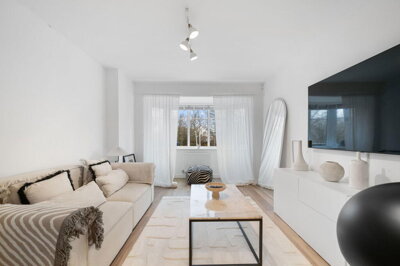
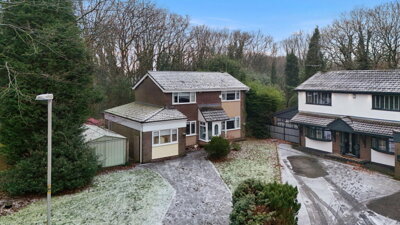
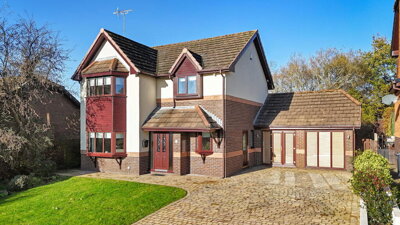
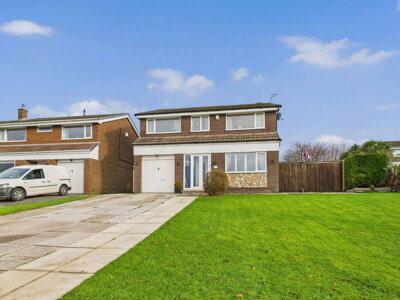
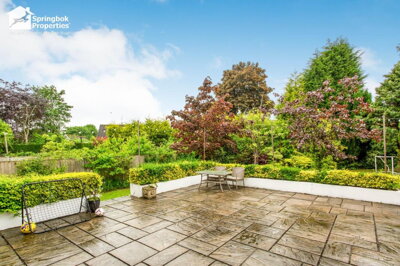
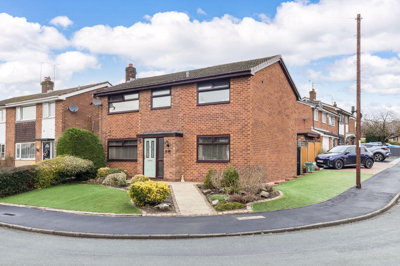
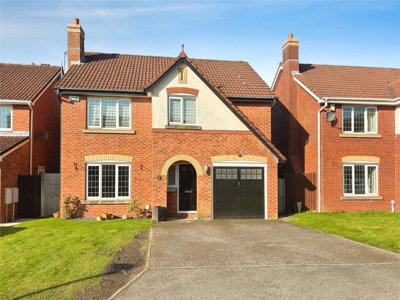
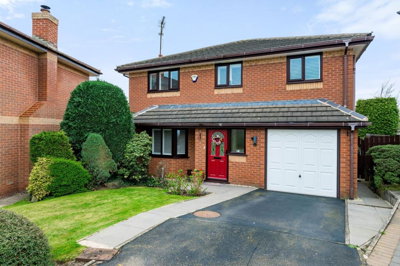
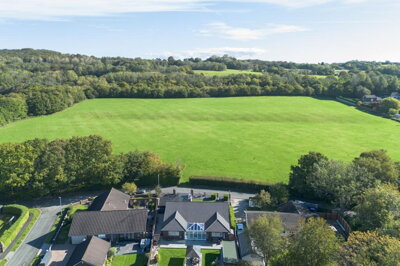
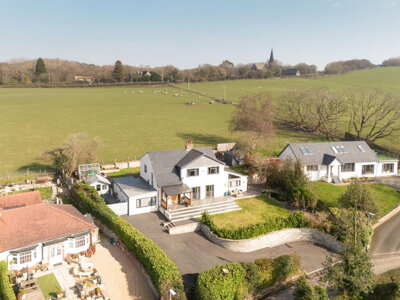
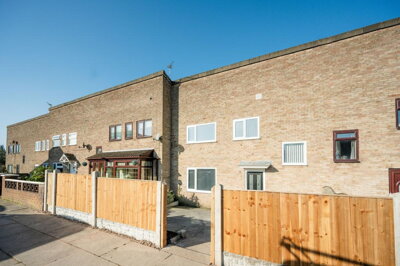
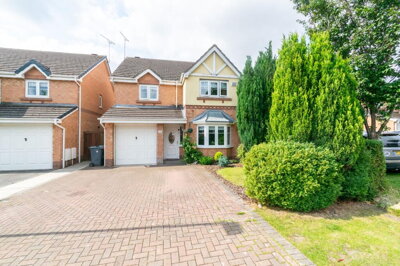
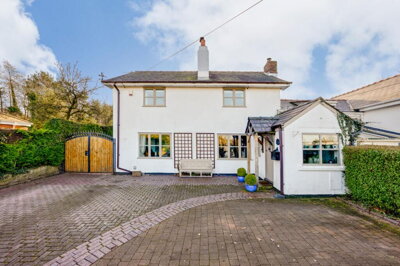
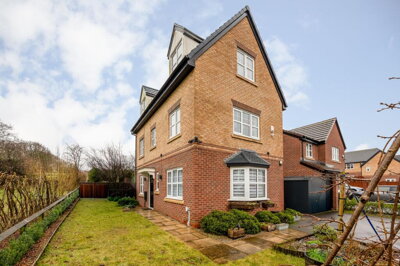
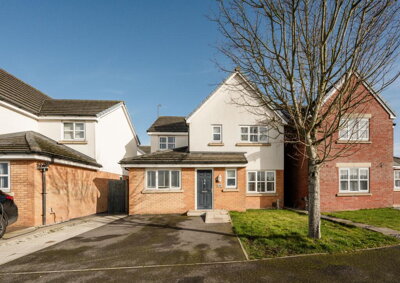
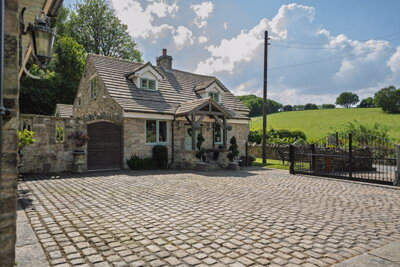
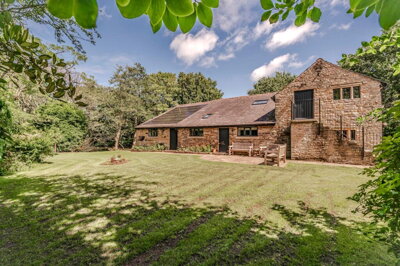
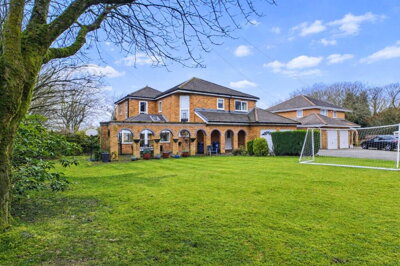
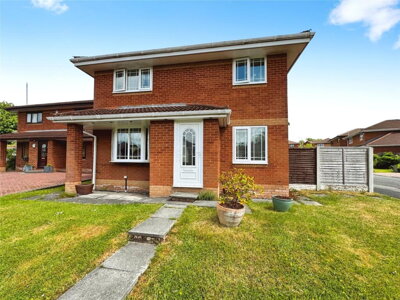
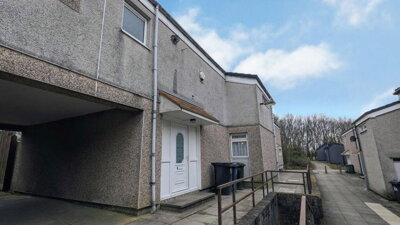
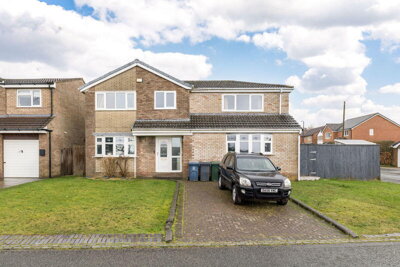
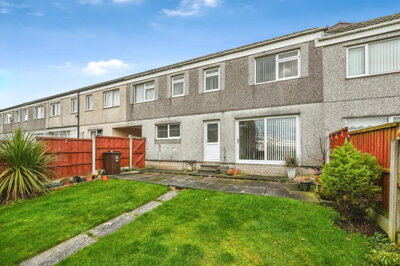
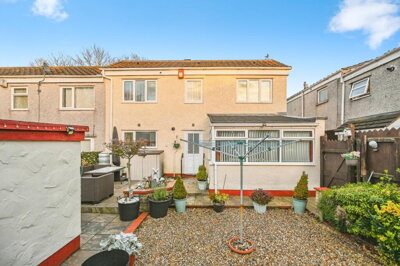
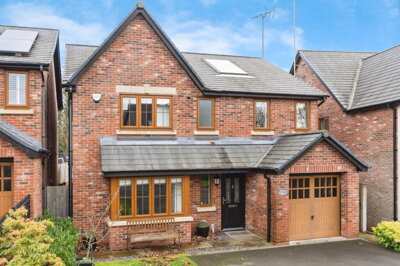
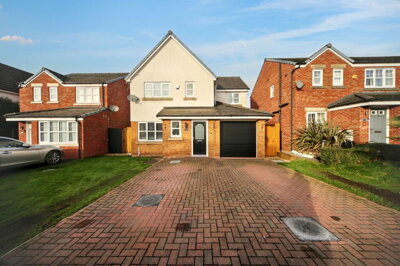
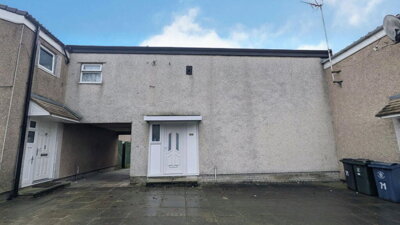
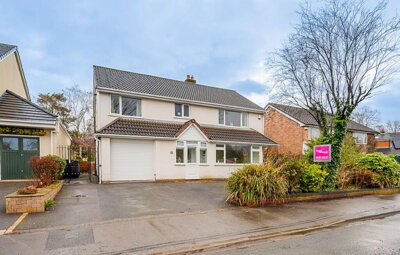
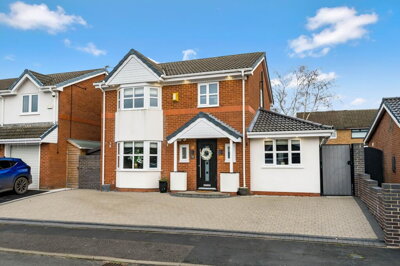
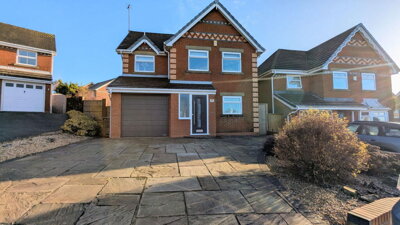
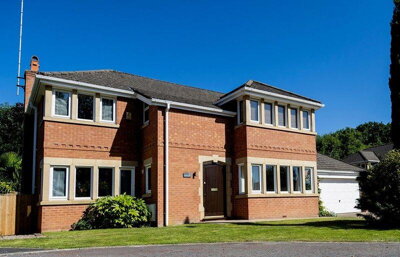
Browse 71 homes for sale in Dalton from local estate agents.
The larger property sector typically features multiple bathrooms, substantial reception space, and private gardens or off-street parking. Four bedroom houses in Dalton span detached, semi-detached, and occasionally terraced configurations, with styles ranging from period properties to modern executive homes.
The property market in Dalton, West Lancashire presents a diverse range of opportunities for buyers. Recent sales data for the wider WN8 postcode area indicates an average house price of £587,500, though this figure reflects the influence of higher-value detached properties. Breaking down by property type, detached homes in the area average around £498,000, semi-detached properties command approximately £268,667, and terraced houses typically sell for £160,864. These variations give buyers flexibility depending on their budget and space requirements.
Looking at broader West Lancashire trends, the market has shown remarkable stability with overall prices remaining relatively flat at just 0.2% change year-on-year as of December 2025. Within this steady market, certain property types have performed differently: terraced properties saw a welcome 1.4% increase, while flats experienced a modest 3.4% decline. Across Lancashire as a whole, transaction volumes dropped by 17.4% with approximately 20,400 sales in the past twelve months, reflecting broader national trends in property market activity. For buyers in Dalton, this reduced competition could mean more negotiating power and motivated sellers.
New build activity in the immediate Dalton area remains limited, with most new properties in Lancashire selling in the £300,000 to £400,000 price range. One notable exception is a new build property on Boydells Lane, WN8, demonstrating that opportunities for brand-new homes do exist in the locality. Approximately 3.6% of all property sales in Lancashire in 2025 were newly built, suggesting a steady but not overwhelming supply of new construction entering the market.
The Lancashire county housing mix shows how properties are distributed across the region, with terraced properties accounting for 37.6% of sales, semi-detached homes at 32.9%, detached houses at 21.9%, and flats comprising 7.5%. While specific Dalton figures are not available, this broader pattern provides a useful guide to the types of homes available in the surrounding area and helps set expectations for what buyers might find in the village itself.

Dalton, West Lancashire embodies the essence of Lancashire village life while remaining connected to the economic hubs of the North West. The village forms part of the civil parish of Dalton and sits within the borough of West Lancashire, a district known for its blend of rural landscapes and urban convenience. Residents of Dalton enjoy access to local amenities while being just a short journey from larger towns where comprehensive shopping, healthcare, and leisure facilities await. The community spirit in Dalton remains strong, with local events and gatherings contributing to a warm neighbourhood atmosphere that appeals to families and retirees alike.
The housing stock in Dalton reflects its Lancashire heritage, with traditional brick-built properties dominating the streetscape. As seen across the broader Lancashire county, the regional housing mix typically includes around 37.6% terraced properties, 32.9% semi-detached homes, 21.9% detached houses, and 7.5% flats. This variety ensures that buyers can find properties ranging from compact starter homes to generous family residences, all constructed using methods common throughout the North West of England. The village contains properties of various ages, with many homes dating back several decades or more, offering character and solid construction that has stood the test of time.
The local geology of Lancashire includes areas of sandstone, gritstone, and coal measures, which historically influenced construction methods and building foundations in the region. Properties built before modern building regulations may have foundations affected by the underlying ground conditions, and our inspectors regularly check for signs of movement or subsidence in older properties across the WN8 postcode area. Understanding the local geology helps buyers appreciate why certain construction methods were used and what maintenance issues might arise in properties of different ages.
Employment opportunities for Dalton residents extend beyond the village itself, with nearby Skelmersdale and Wigan providing significant job markets. The strategic location means that Liverpool and Manchester are both accessible for those working in larger urban centres, making Dalton an ideal base for professionals who value the quality of life that village living provides. Local businesses, schools, and community facilities within Dalton itself contribute to a self-sufficient village economy that meets most daily needs without requiring lengthy journeys.

Families considering a move to Dalton, West Lancashire will find a selection of educational options within the local area. The village and its surrounding parishes are served by primary schools that provide excellent foundations for young learners, with many schools in the West Lancashire area achieving good or outstanding Ofsted ratings. Secondary education options in the broader region include both comprehensive schools and grammar schools, giving parents a range of choices depending on their children's academic needs and aspirations. The presence of strong educational institutions enhances Dalton's appeal to families seeking a supportive environment for their children's development.
For sixth form and further education, students from Dalton have access to colleges in the wider West Lancashire area, offering A-levels, vocational qualifications, and apprenticeships across various disciplines. The proximity to Skelmersdale and Wigan means that additional educational resources, including further education colleges and training providers, are within reasonable commuting distance. Parents researching specific schools should verify current Ofsted ratings and catchment area boundaries, as these can influence school placement decisions and property values in surrounding streets.
The educational landscape in West Lancashire has been shaped by ongoing investment in school infrastructure and teaching standards. Local schools benefit from the area's strong community roots, with parent-teacher associations and community involvement contributing to enriched learning experiences. For families prioritising education in their property search, Dalton offers a solid foundation with access to quality schooling at all levels, making it a practical choice for those raising children in a supportive environment. Many families who relocate to Dalton specifically cite the combination of good schools and the village's family-friendly atmosphere as key factors in their decision.
Transport connectivity ranks among Dalton, West Lancashire's strongest attributes for commuters and families alike. The village enjoys proximity to major road networks, including the M6 motorway which provides direct access to Liverpool, Manchester, and the wider motorway network beyond. For those travelling by car, the strategic position of Dalton allows for straightforward journeys to employment centres in surrounding towns while maintaining the peace and quiet of village life at home. Road connections to Skelmersdale and Wigan are particularly strong, with these nearby towns offering extensive retail, healthcare, and employment opportunities.
Public transport options in the Dalton area include bus services connecting the village to surrounding towns and villages across West Lancashire. While train services may require travel to nearby larger towns for direct rail access, the bus network provides essential connectivity for those without private vehicles. For regular commuters to Manchester or Liverpool, the journey times from nearby railway stations make day-to-day travel feasible, particularly given recent improvements in service frequency on key routes. Cyclists also benefit from a network of local roads and lanes, though as with any rural area, some routes may require additional care.
Parking availability in Dalton itself reflects its village character, with residential streets generally offering free on-street parking. This contrasts favourably with parking challenges often found in larger towns and cities, adding to the quality of life for residents. For families considering the move, the combination of road, bus, and rail connections positions Dalton as a practical base that balances rural charm with urban accessibility, ensuring that employment, education, and leisure destinations remain comfortably within reach.
Start by exploring listings on Homemove to understand what is available in Dalton and surrounding West Lancashire. Consider working with a local estate agent who knows the village intimately, and get a mortgage agreement in principle to strengthen your position when making offers.
Schedule viewings to explore properties in person, paying attention to the condition of the building, the neighbourhood atmosphere, and proximity to local amenities, schools, and transport links. Take notes and photographs to help compare options later.
Once your offer is accepted, book a RICS Level 2 Survey to assess the condition of the property. This is particularly important for older properties in the area, where issues such as damp, roof condition, or outdated electrics may be present. Our inspectors have extensive experience surveying properties across the WN8 postcode area and understand the common issues that affect Lancashire homes of various ages and construction types.
Choose a conveyancing solicitor to handle the legal aspects of your purchase. They will conduct searches, review contracts, and manage the transfer of funds through to completion.
After all searches are satisfactory and finances are in place, you will exchange contracts and agree a completion date. On completion day, you receive the keys and your new life in Dalton begins.
Purchasing a property in Dalton, West Lancashire requires careful consideration of several local factors that could affect your investment. Given that many properties in the area may be several decades old, thorough surveys are essential to identify any structural concerns, maintenance issues, or potential problems that might not be visible during a standard viewing. A RICS Level 2 Survey provides a comprehensive assessment of the property's condition, highlighting defects ranging from roof condition to damp penetration and electrical safety.
Our inspectors regularly encounter common issues in properties across the WN8 area, including signs of damp in older brick-built properties, roof coverings that require maintenance or renewal, and electrical systems that may not meet current standards. Properties constructed using traditional methods common in Lancashire often feature solid walls rather than cavity walls, which can be more susceptible to moisture penetration if not properly maintained. We check the condition of rainwater goods, pointing, and external rendering, as these elements protect the structure from water damage that can lead to more serious problems over time.
Flood risk in Dalton should be researched using Environment Agency data and local council flood maps, as even properties in seemingly safe locations can be affected by surface water or groundwater issues during periods of heavy rainfall. While specific flood risk data for Dalton itself was not identified in available records, the Lancashire region has areas with varying flood histories, and individual property searches should verify the current status. The proximity of Dalton to watercourses and the local topography should be considered when assessing flood risk for specific properties.
Historical coal mining activity in West Lancashire means that some areas may have ground conditions affected by past mining operations. Our team recommends that buyers in Dalton and the surrounding WN8 postcode area consider ordering a mining search as part of their conveyancing process. Properties in areas with mining history may be at risk of ground movement, and understanding this risk before purchase allows buyers to make informed decisions and budget appropriately for any necessary remediation.
The average house price in the WN8 postcode area covering Dalton is approximately £587,500, though this figure is influenced by higher-value detached properties. Breaking down by type, detached homes average around £498,000, semi-detached properties approximately £268,667, and terraced houses around £160,864. The broader West Lancashire district shows more affordable averages at £229,000 as of December 2025, with relatively flat year-on-year price movements suggesting a stable market.
Properties in Dalton, West Lancashire fall under West Lancashire Borough Council. Council tax bands range from A to H depending on the property's assessed value, with most residential properties in the area falling within bands A through D. Prospective buyers should verify the specific band for any property they are considering, as this affects ongoing annual costs. You can check current council tax bands on the Valuation Office Agency website using the property address.
Dalton is served by local primary schools with good Ofsted ratings, while secondary education options in the wider West Lancashire area include both comprehensive schools and grammar schools. Families should research current Ofsted reports and school performance data, as well as verify catchment area boundaries, to ensure they can secure places at their preferred schools. The proximity of Dalton to quality educational institutions at all levels makes it attractive to families with children of varying ages.
Dalton has access to bus services connecting the village to Skelmersdale, Wigan, and surrounding areas. While the village itself does not have a railway station, nearby towns offer rail connections with services to Liverpool, Manchester, and beyond. The M6 motorway provides straightforward road access to major cities, making Dalton practical for commuters who prefer driving. Bus routes through the WN8 area provide regular connections to larger towns for those without private vehicles.
Dalton offers solid fundamentals for property investment, with a stable market showing minimal price fluctuations in the wider West Lancashire region. The village's proximity to employment centres in Skelmersdale, Wigan, Liverpool, and Manchester, combined with ongoing demand for family housing, suggests consistent demand. Properties requiring renovation may offer additional value opportunities for investors willing to undertake improvements. The limited new build supply in the immediate area means existing properties are unlikely to face significant competition from new developments.
As of 2024-25, stamp duty rates start at 0% for properties up to £250,000, rising to 5% on the portion between £250,001 and £925,000. First-time buyers benefit from relief on properties up to £625,000, paying 0% on the first £425,000 and 5% between £425,001 and £625,000. Buyers should calculate their specific liability based on purchase price and first-time buyer status.
West Lancashire has historical coal mining activity in some areas, and this historical context should be considered when purchasing property in Dalton. Our inspectors check for signs of subsidence or ground movement that might indicate mining-related issues, but we always recommend that buyers order a mining search as part of their legal due diligence. Properties in areas with past mining activity may require specialist insurance or remediation work, costs which should be factored into your budget.
When viewing properties in Dalton, pay particular attention to the condition of the roof, any signs of damp or moisture penetration in walls and ceilings, and the age and condition of the electrical and heating systems. Given the age of many properties in the WN8 area, outdated electrics and plumbing are common issues that may require updating after purchase. We also recommend checking the condition of windows and doors, as well as any original features that may require ongoing maintenance.
Understanding the full cost of purchasing a property in Dalton, West Lancashire extends beyond the advertised asking price. Stamp Duty Land Tax represents one of the most significant additional costs, and the current rates for 2024-25 set the threshold at £250,000 for standard buyers, meaning no tax is due on the first quarter of a million pounds. For properties priced between £250,001 and £925,000, a rate of 5% applies to the portion above £250,000, while higher-value properties attract progressively higher rates of 10% and 12% for portions above £925,000 and £1.5 million respectively.
First-time buyers purchasing in Dalton benefit from enhanced thresholds that can substantially reduce their stamp duty bill. The first-time buyer relief applies to properties up to £625,000, with 0% payable on the first £425,000 and 5% on the portion between £425,001 and £625,000. This relief can save first-time buyers thousands of pounds compared to standard rates, making property purchase more accessible for those entering the market for the first time. Properties priced above £625,000 do not qualify for first-time buyer relief, meaning standard rates apply.
Beyond stamp duty, buyers should budget for solicitor fees, which typically start from around £499 for conveyancing on a standard transaction. Survey costs should also be factored in, with a RICS Level 2 Survey costing from approximately £350 depending on property size and complexity. Mortgage arrangement fees, valuation fees, and searches add further costs, while removal expenses and any immediate repairs or furnishings needed for the new home should not be overlooked. Creating a comprehensive budget that includes these costs ensures a smooth purchase process without unexpected financial surprises.
Additional costs to budget for include building insurance from the point of exchange, which is typically a requirement of mortgage lenders, as well as land registry fees and search fees charged by the local authority. Moving costs can vary significantly depending on the volume of belongings and distance travelled, so obtaining quotes from multiple removal companies is advisable. Setting aside a contingency fund equivalent to around 10% of the purchase price for unexpected expenses after completion is a wise approach taken by many successful property buyers.
Properties for Sale In London

Properties for Sale In Plymouth

Properties for Sale In Liverpool

Properties for Sale In Glasgow

Properties for Sale In Sheffield

Properties for Sale In Edinburgh

Properties for Sale In Coventry

Properties for Sale In Bradford

Properties for Sale In Manchester

Properties for Sale In Birmingham

Properties for Sale In Bristol

Properties for Sale In Oxford

Properties for Sale In Leicester

Properties for Sale In Newcastle

Properties for Sale In Leeds

Properties for Sale In Southampton

Properties for Sale In Cardiff

Properties for Sale In Nottingham

Properties for Sale In Norwich

Properties for Sale In Brighton

Properties for Sale In Derby

Properties for Sale In Portsmouth

Properties for Sale In Northampton

Properties for Sale In Milton Keynes

Properties for Sale In Bournemouth

Properties for Sale In Bolton

Properties for Sale In Swansea

Properties for Sale In Swindon

Properties for Sale In Peterborough

Properties for Sale In Wolverhampton

Enter your details to see if this property is within your budget.
Loans, cards, car finance
Estimated property budget
Borrowing + deposit
You could borrow between
Typical borrowing
Monthly repayment
Est. at 4.5%
Loan-to-value
This is an estimate only. Your actual budget may vary depending on interest rates, credit history, and personal circumstances. For an accurate affordability assessment, speak to one of our free mortgage advisors.
This calculator provides estimates for illustrative purposes only and does not constitute financial advice. Your home may be repossessed if you do not keep up repayments on your mortgage. Estimates based on 4.5% interest rate, repayment mortgage. Actual rates depend on your circumstances.
Homemove is a trading name of HM Haus Group Ltd (Company No. 13873779, registered in England & Wales). Homemove Mortgages Ltd (Company No. 15947693) is an Appointed Representative of TMG Direct Limited, trading as TMG Mortgage Network, which is authorised and regulated by the Financial Conduct Authority (FRN 786245). Homemove Mortgages Ltd is entered on the FCA Register as an Appointed Representative (FRN 1022429). You can check registrations at NewRegister or by calling 0800 111 6768.

We use cookies to show you personalised content and improve your experience of our website. Find out more in our Privacy policy and Cookie policy.