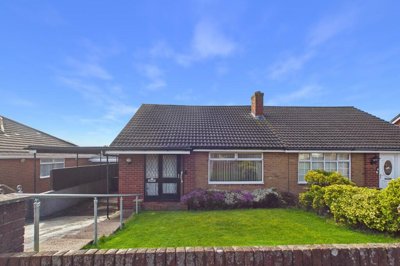
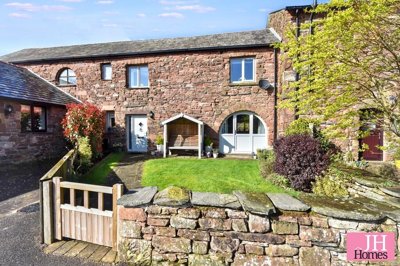
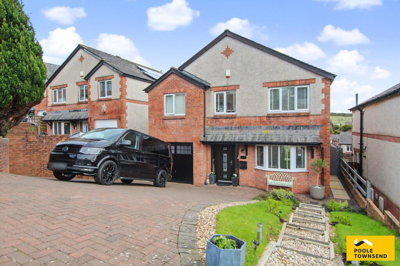
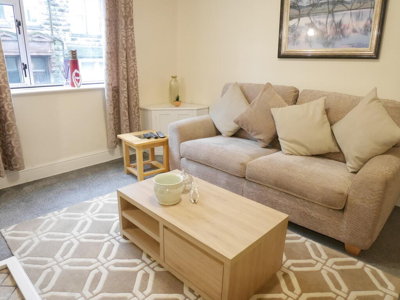
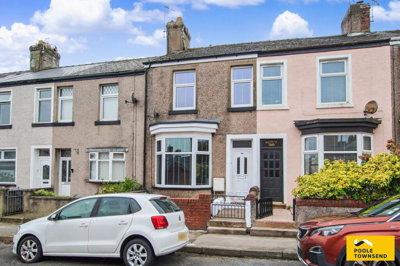
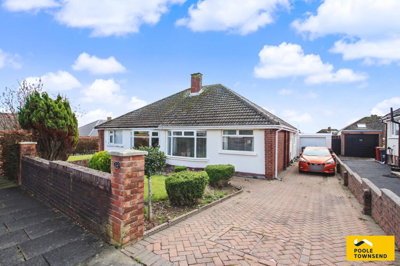
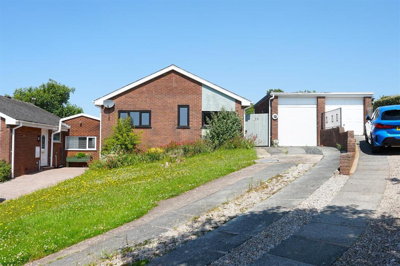
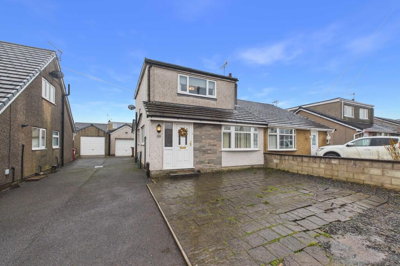
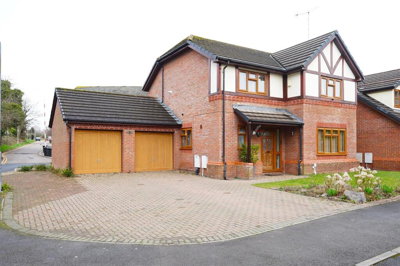
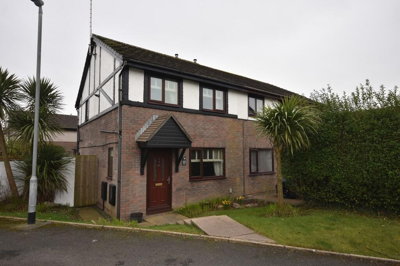
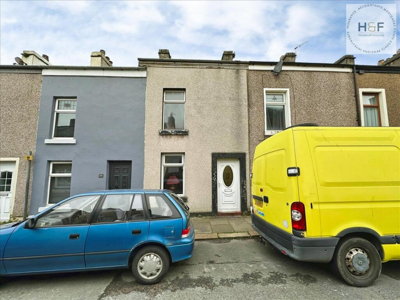
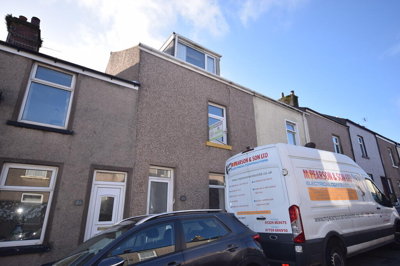
Browse 238 homes for sale in Dalton Town with Newton from local estate agents.
Our team monitors the Dalton Town with Newton property market closely, and over the past year we have seen steady stability with overall house prices increasing by approximately 1% across all property types. This modest growth reflects a healthy market that has not experienced the extreme volatility seen in larger urban centres, making it particularly appealing to buyers seeking long-term value and community stability. The current average property price of £178,054 positions Dalton Town with Newton as an affordable option within the Cumbrian market, especially when compared to property prices in the Lake District's more tourist-focused areas.
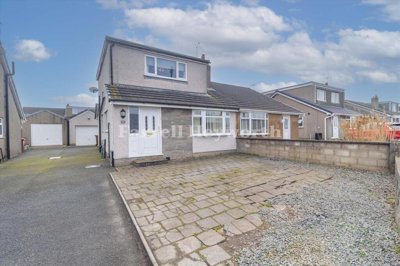
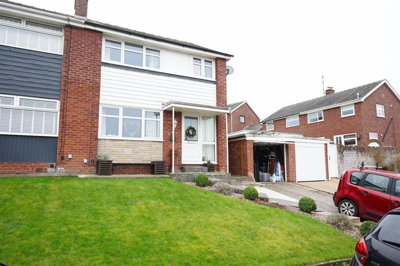
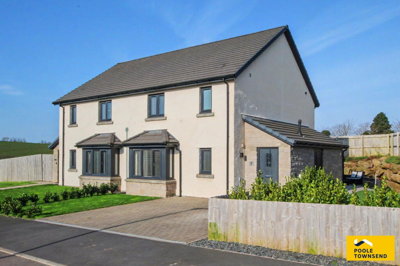
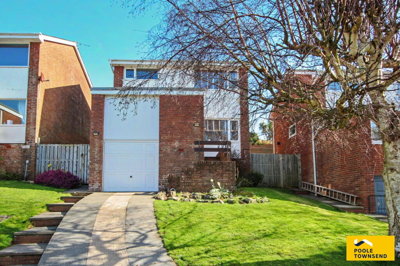
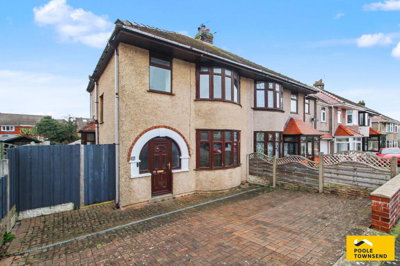
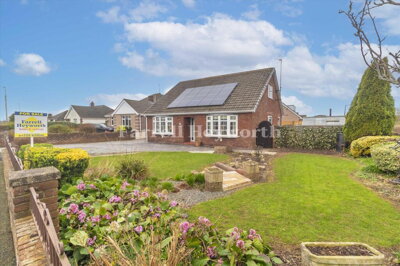
Property prices in the area vary significantly by type, providing options across different budget ranges. Detached properties command the highest prices, with an average of £280,000, reflecting the additional space and privacy they offer. Semi-detached homes, which form a substantial portion of the local housing stock at 31.5%, average around £170,000, making them popular choices for families seeking a balance between space and affordability. Terraced properties, the most common type in the area at 39.1% of stock, average £135,000 and represent an excellent entry point for first-time buyers, while flats average £90,000, offering an affordable route onto the property ladder for those seeking lower maintenance living.
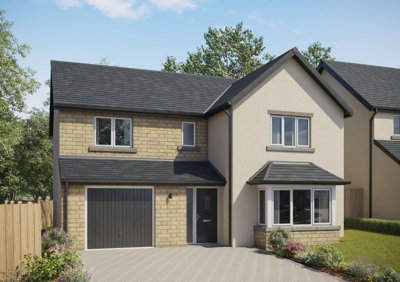
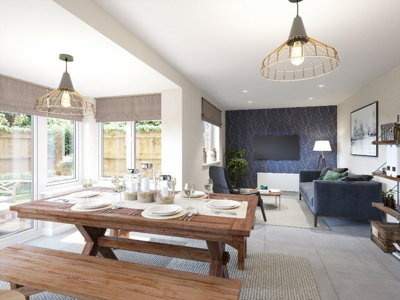
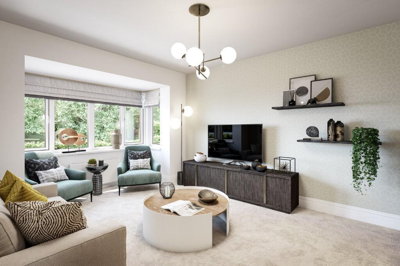
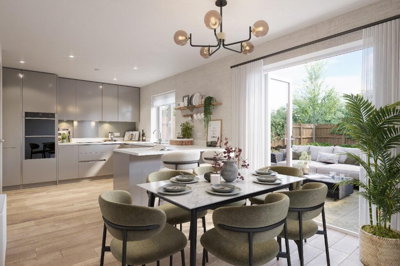
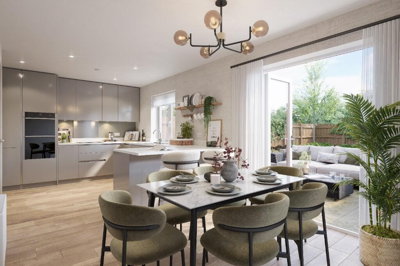
New build activity in the area includes two significant developments that are adding quality housing stock to the local market. Chapel Meadows, developed by Story Homes, offers 3, 4, and 5 bedroom homes priced from £219,995 to £369,995, while The Sycamores development by Barratt Homes provides 3 and 4 bedroom properties ranging from £209,995 to £319,995. Both developments are located within the LA15 postcode area and represent attractive options for buyers seeking modern construction with energy-efficient features and contemporary layouts.
We also observe that the sales data shows all property types remained static at 0% change over the past year. This means buyers are not facing rapidly rising prices in any particular sector, allowing for more considered decision-making across all property types rather than feeling pressured into a particular segment of the market.

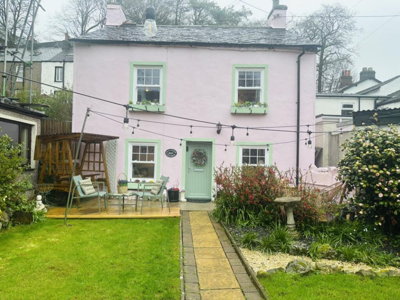
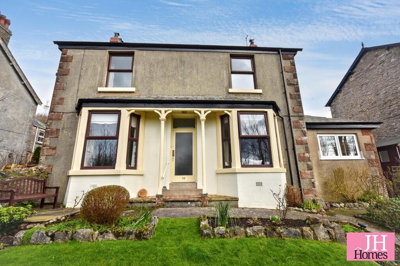
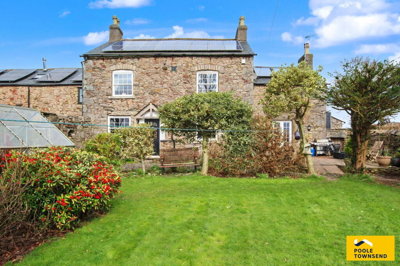
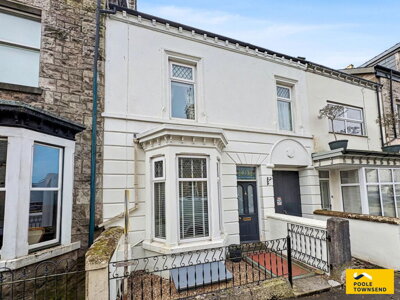
Dalton Town with Newton is a town shaped by its geological heritage and historical industries, with properties predominantly constructed from local stone that reflects the area's long association with sandstone quarrying. The grey and red sandstone buildings that line the streets give the town its distinctive character, while Victorian and Edwardian brick construction adds architectural variety to the newer housing estates that have expanded the town in more recent decades. Rendered properties also feature throughout the residential areas, adding further visual interest to the built environment. This mix of traditional and modern construction creates a townscape that feels established and rooted while continuing to evolve.
The local geology, dominated by Carboniferous Limestone with glacial till deposits, has contributed to the area's stable foundations, though buyers should be aware that shrink-swell risk from clay is generally low to moderate. The limestone bedrock provides good structural stability overall, which is reflected in the solid construction of the town's historic buildings. Surface water flooding can occur in isolated low-lying areas, particularly around Market Street and natural drainage paths during periods of heavy rainfall, so prospective buyers viewing properties in these locations should consider this factor carefully when evaluating a property.
The 2021 Census recorded a population of 7,424 across 3,296 households, creating a close-knit community where local events and the weekly market continue to play an important social role. Local employers including retail, healthcare, and education sectors provide stable employment within the town itself, while the significant presence of BAE Systems Submarines in nearby Barrow-in-Furness draws many commuters from Dalton. The town benefits from its proximity to the Lake District National Park, making it an ideal base for outdoor enthusiasts who want to explore the fells and lakes while living outside the more expensive tourist hotspots. Historically, the wider Furness area was known for iron ore mining, and while most mines are long disused, we always check historical mining records as part of our survey process for properties in this area.
The weekly market continues to draw residents from surrounding villages, reinforcing the town's role as a service centre for the local community. Market Street, which forms part of the conservation area, features several historic buildings including the prominent Dalton Castle, a medieval structure that now houses a museum. The town's heritage as a historic market centre dates back centuries, and this legacy is visible in the layout of the town centre and the architecture of its older commercial buildings.

Education provision in Dalton Town with Newton serves families at all stages of their children's educational journey, with primary and secondary schools located within easy reach of residential areas. The town maintains several primary schools that serve their local catchment communities, providing education for children from reception through to Year 6. Parents researching properties should verify current catchment area boundaries with the local education authority, as these can affect school placement decisions and property values in specific streets or neighbourhoods.
Secondary education in the area includes options for students continuing their education through to GCSE level, with further education colleges available in the wider Furness peninsula for those pursuing A-levels or vocational qualifications. The presence of quality educational institutions within and near Dalton Town with Newton makes the area attractive to families, and properties located within good school catchment areas often maintain their value well over time. Researching school performance data, including recent Ofsted inspection results, should form part of any family buyer's property search process.
With well over 50% of the local housing stock estimated to be over 50 years old, many properties in Dalton Town with Newton were built during periods when educational standards differed significantly from today. The substantial proportion of Victorian, Edwardian, and interwar housing means that many families choosing to live here are inheriting homes with period features and character that newer properties may lack. Parents should consider not only current school performance but also the long-term educational needs of their children when selecting a property location within the town. Many schools in the area are located within walking distance of residential neighbourhoods, which can be a significant advantage for families prioritising reduced school run logistics and the ability for older children to travel independently.

Transport connections from Dalton Town with Newton serve both local needs and longer-distance commuting, with the town positioned conveniently for residents who work in Barrow-in-Furness or travel further afield. The railway station on the Furness Line provides connections to Barrow-in-Furness and onward links to the national rail network via the West Coast Main Line. Commuters working at BAE Systems Submarines, which is one of the largest employers in the wider Furness area, benefit from the relatively short journey times between Dalton and the major employment centre just a few miles away.
Road connections include the A590 trunk road that passes nearby, providing access to the M6 motorway at junction 36 and connecting the area to Kendal, Lancaster, and Manchester beyond. The coastal road network links Dalton Town with Newton to the Furness peninsula's towns and villages, while the proximity to the Lake District means that weekend trips to popular destinations like Grange-over-Sands, Windermere, and Coniston are straightforward. Bus services operate throughout the town, connecting residential areas with the town centre and nearby villages.
For those who drive, parking availability within the town centre varies by location and time of day, with the market days attracting higher volumes of traffic and requiring more careful planning. The relatively compact nature of the town means that many residents can complete everyday errands on foot or by bicycle, reducing reliance on cars for local journeys. Cycling infrastructure has improved in recent years, with routes connecting residential areas to the town centre and nearby countryside for recreational cycling. The town also sits on several walking routes that connect to the wider footpath network of the Lake District and Morecambe Bay area.

Before you start viewing properties, speak to a mortgage broker or lender to obtain an agreement in principle. This confirms your borrowing capacity and strengthens your position when making offers on properties in Dalton Town with Newton. Given the average property price of £178,054, most buyers will find they fall within reasonable mortgage lending brackets, and having your finances confirmed upfront demonstrates serious intent to sellers.
Use Homemove to browse all available properties in the area, comparing prices against recent sales data. Understanding that the average property sells for around £178,054 will help you identify fairly priced homes and negotiate confidently. Take time to review both the current listings and recent sales to understand how the local market behaves across different property types and locations within the town.
Arrange viewings of properties that match your criteria, taking time to assess not just the property itself but also the neighbourhood, proximity to schools and transport, and any signs of maintenance issues that might require further investigation. When viewing period properties, look specifically for signs of damp, the condition of the roof, and the state of timber windows and doors. Our inspectors often see properties that look appealing at first glance but reveal significant issues upon closer examination.
Before completing your purchase, arrange for a RICS Level 2 Survey to assess the condition of the property. Given that over 50% of homes in Dalton Town with Newton are over 50 years old, a survey is particularly important for identifying common issues like damp, roof condition, and timber defects. In this area, our surveyors regularly encounter problems with solid wall properties lacking modern damp-proof courses, and older slate roofs requiring maintenance or replacement.
Appoint a solicitor to handle the legal aspects of your purchase, including searches, contract review, and registration of the title at the Land Registry. Local knowledge of the Furness area can be valuable for identifying any specific concerns such as historical mining records or conservation area restrictions that may affect the property.
Once all searches are satisfactory and your mortgage offer is confirmed, you will exchange contracts and agree a completion date. On completion day, the remaining balance is transferred and you receive the keys to your new home. At this point, you should have received your survey report and had the opportunity to discuss any issues identified with your solicitor.
Buyers considering properties in Dalton Town with Newton should pay particular attention to the age and construction type of any home they are viewing. With approximately 30-40% of the housing stock dating from the pre-1919 period, many properties will feature traditional solid wall construction that differs significantly from modern cavity wall insulation. These older properties often have charm and character but may require more maintenance than newer homes, and potential buyers should budget accordingly for repairs and improvements. Our inspectors frequently find that solid stone walls in local properties can show signs of weathering and erosion, particularly on north-facing elevations where rain exposure is highest.
The Dalton-in-Furness Conservation Area covers parts of the historic town centre, including Market Street, Station Road, and sections of Broughton Road. Properties within this designated area may be subject to planning restrictions that limit alterations and extensions. Listed buildings, including Grade II structures such as Dalton Castle and St Mary's Church, require special consent for many types of work and may need specialist surveys beyond a standard RICS Level 2 assessment. If you are considering purchasing a period property in the conservation area, factor in the additional costs and requirements associated with owning a listed building.
Common defects found in the local housing stock include damp issues, particularly in properties without modern damp-proof courses, and roof problems affecting slate and tile coverings. Older timber elements may show signs of rot or woodworm infestation, especially where damp conditions have prevailed. Electrical and plumbing systems in many period properties will require updating to meet current standards, and the lack of insulation in older construction can lead to higher heating costs. A thorough RICS Level 2 Survey, priced locally from £400 to £700 depending on property size, will identify these issues before you commit to your purchase.
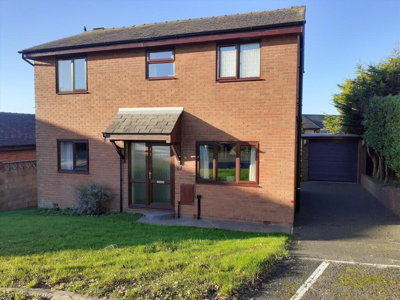
Properties built between 1919 and 1945 represent another significant portion of the local housing stock, typically featuring brick construction with potentially original timber windows and older heating systems. These interwar properties often have reasonable structural integrity but may show signs of settlement cracks or require updating of services. Properties built after 1945, particularly those from the post-war expansion period, commonly feature cavity wall construction, though the quality of original building materials and workmanship can vary considerably across this era.

The average house price in Dalton Town with Newton is currently £178,054 based on properties sold in the last 12 months. Detached properties average £280,000, semi-detached homes around £170,000, terraced properties approximately £135,000, and flats around £90,000. The market has shown modest growth of 1% over the past year, indicating stable conditions suitable for both primary residence purchases and long-term property investments. This price stability makes Dalton Town with Newton particularly attractive to buyers who may have been priced out of the Lake District's tourist hotspots but still want access to the area's natural beauty and recreational opportunities.
Properties in Dalton Town with Newton fall under Westmorland and Furness Council administration. Council tax bands range from A to H based on property valuation, and most terraced properties and smaller semis typically fall in bands A to C, while larger detached homes may be in higher bands. You should check the specific band for any property you are considering, as this affects ongoing annual costs. The average terraced property in the area, priced around £135,000, will most likely fall into band A or B, while larger family homes approaching the £280,000 average for detached properties may be in band C or D.
Dalton Town with Newton offers several primary schools serving their local catchment areas, with secondary education available at nearby schools in the Furness peninsula. Parents should research current Ofsted ratings and consider school transport arrangements when choosing a property location. The presence of quality educational options makes the town attractive to families, and properties in good catchment areas often maintain strong resale values. Many of the primary schools in Dalton Town with Newton are within walking distance of residential areas, which is a significant practical advantage for families with young children. Secondary school students may require bus transportation depending on which school they attend and where within the town they live.
Dalton Town with Newton has railway connections via the Furness Line, providing services to Barrow-in-Furness and connections to the national rail network. Bus services operate throughout the town and connect to surrounding villages and towns. The A590 road provides access to the M6 motorway at junction 36, making car travel to Kendal and beyond straightforward. Many local amenities are within walking distance of residential areas. The railway station provides regular services to Barrow-in-Furness, where commuters can connect to the broader rail network, making this a viable option for those working in Barrow but living in the more affordable Dalton area.
Dalton Town with Newton offers several factors that may appeal to property investors. The presence of BAE Systems Submarines in Barrow ensures ongoing demand from commuters, while the affordable average house price of £178,054 compares favourably with many other areas in Cumbria. Rental demand is likely driven by local workers and small families seeking the town's community atmosphere and transport connections. The stable 1% price growth over the past year suggests a measured market rather than speculative growth. Properties in the LA15 postcode area, particularly the newer developments at Chapel Meadows and The Sycamores, may offer rental potential for professionals working in Barrow who prefer the more affordable and quieter Dalton environment.
Stamp duty rates for 2024-25 are 0% on the first £250,000 of property value, 5% on the portion from £250,001 to £925,000, 10% on £925,001 to £1.5 million, and 12% above £1.5 million. First-time buyers pay 0% on the first £425,000 and 5% on the portion from £425,001 to £625,000. Given that the average property price of £178,054 falls entirely below the standard nil-rate threshold, most buyers purchasing an average-priced home in Dalton Town with Newton would pay no stamp duty at all. This represents a significant saving compared to purchasing in higher-priced regions where stamp duty can add thousands of pounds to the purchase cost.
Dalton Town with Newton has generally low risk from river and coastal flooding due to its elevated position and the absence of major rivers. However, isolated areas, particularly low-lying parts and locations near natural drainage paths, may experience surface water flooding during heavy rainfall. Areas around Market Street and some residential roads have been identified for potential surface water accumulation. A property survey and local drainage checks are recommended when viewing properties in these locations. Our surveyors always check for signs of previous water ingress in properties located in lower areas of the town, and we recommend asking the seller or their solicitor about any historical flooding incidents.
With over 50% of properties in Dalton Town with Newton estimated to be over 50 years old, buyers should watch for common period property issues including damp (rising, penetrating, or condensation-related), roof deterioration affecting slate or tile coverings, timber defects such as rot or woodworm, outdated electrical wiring and plumbing, and chimney stack condition. Properties constructed from local sandstone may show weathering or erosion over time. Commissioning a RICS Level 2 Survey before purchase is strongly advisable. Our inspectors particularly note that many Victorian and Edwardian properties in the area were built with solid brick or stone walls and original timber sash windows, which may require ongoing maintenance and could benefit from secondary glazing or restoration work.
From £400
A detailed inspection of the property condition before you buy
From £600
A comprehensive building survey for older or complex properties
From £60
Energy performance certificate required for all homes
From £499
Legal services for your property purchase
One of the significant advantages of purchasing property in Dalton Town with Newton is that the average house price of £178,054 falls below the standard Stamp Duty Land Tax nil-rate threshold of £250,000. This means that buyers purchasing a property at or near the average market price will pay no stamp duty at all, representing a substantial saving compared to purchasing in higher-priced regions where stamp duty can add thousands of pounds to the purchase cost. This price advantage makes Dalton Town with Newton particularly attractive to first-time buyers and those upgrading from cheaper properties.
For first-time buyers, the nil-rate threshold increases to £425,000 under current first-time buyer relief, with a 5% rate applying to the portion between £425,001 and £625,000. This means that first-time buyers purchasing any property up to £425,000 in Dalton Town with Newton will pay no stamp duty whatsoever. Given that even the most expensive property type in the area, detached homes averaging £280,000, falls within the first-time buyer relief threshold, the market offers excellent accessibility for those taking their first step onto the property ladder.
Beyond stamp duty, buyers should budget for additional costs including mortgage arrangement fees, survey costs, conveyancing fees, and removal expenses. RICS Level 2 Survey costs in Dalton Town with Newton typically range from £400 to £700 depending on property size, while conveyancing services are available from around £499. These costs, while modest compared to the property price itself, should be factored into your overall budget to ensure a smooth purchase process without unexpected financial pressures. For a typical 3-bedroom semi-detached house in the area, you should budget approximately £450-£550 for a RICS Level 2 Survey.

Properties for Sale In London

Properties for Sale In Plymouth

Properties for Sale In Liverpool

Properties for Sale In Glasgow

Properties for Sale In Sheffield

Properties for Sale In Edinburgh

Properties for Sale In Coventry

Properties for Sale In Bradford

Properties for Sale In Manchester

Properties for Sale In Birmingham

Properties for Sale In Bristol

Properties for Sale In Oxford

Properties for Sale In Leicester

Properties for Sale In Newcastle

Properties for Sale In Leeds

Properties for Sale In Southampton

Properties for Sale In Cardiff

Properties for Sale In Nottingham

Properties for Sale In Norwich

Properties for Sale In Brighton

Properties for Sale In Derby

Properties for Sale In Portsmouth

Properties for Sale In Northampton

Properties for Sale In Milton Keynes

Properties for Sale In Bournemouth

Properties for Sale In Bolton

Properties for Sale In Swansea

Properties for Sale In Swindon

Properties for Sale In Peterborough

Properties for Sale In Wolverhampton

Enter your details to see if this property is within your budget.
Loans, cards, car finance
Estimated property budget
Borrowing + deposit
You could borrow between
Typical borrowing
Monthly repayment
Est. at 4.5%
Loan-to-value
This is an estimate only. Your actual budget may vary depending on interest rates, credit history, and personal circumstances. For an accurate affordability assessment, speak to one of our free mortgage advisors.
This calculator provides estimates for illustrative purposes only and does not constitute financial advice. Your home may be repossessed if you do not keep up repayments on your mortgage. Estimates based on 4.5% interest rate, repayment mortgage. Actual rates depend on your circumstances.
Homemove is a trading name of HM Haus Group Ltd (Company No. 13873779, registered in England & Wales). Homemove Mortgages Ltd (Company No. 15947693) is an Appointed Representative of TMG Direct Limited, trading as TMG Mortgage Network, which is authorised and regulated by the Financial Conduct Authority (FRN 786245). Homemove Mortgages Ltd is entered on the FCA Register as an Appointed Representative (FRN 1022429). You can check registrations at NewRegister or by calling 0800 111 6768.

We use cookies to show you personalised content and improve your experience of our website. Find out more in our Privacy policy and Cookie policy.