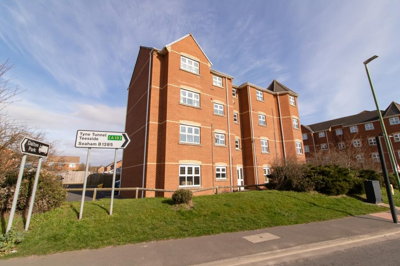
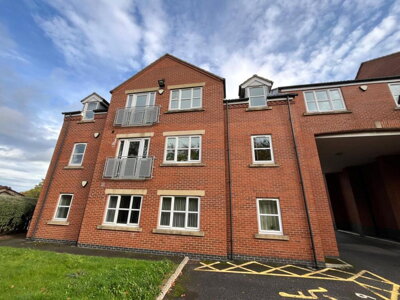
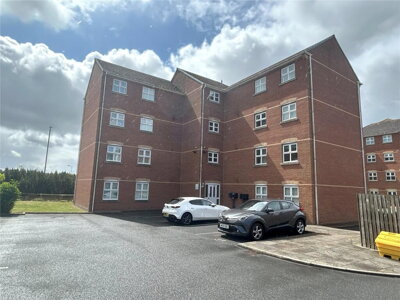
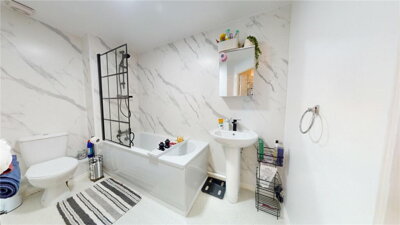
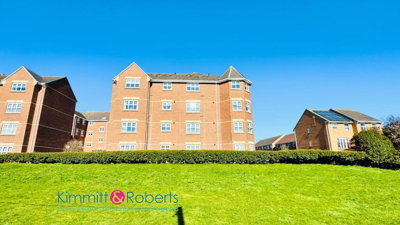
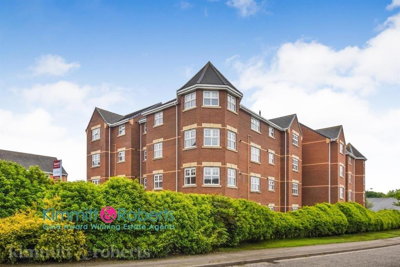
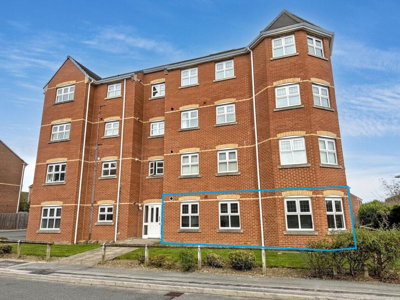
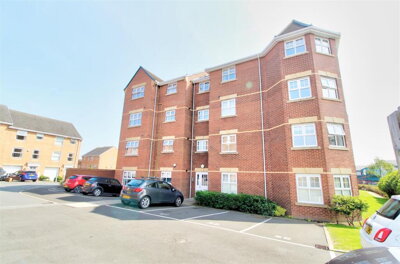
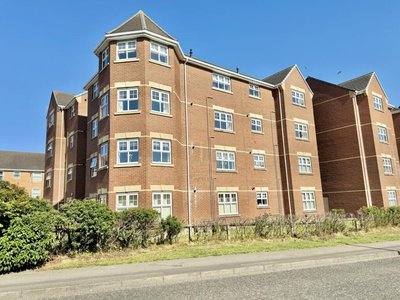
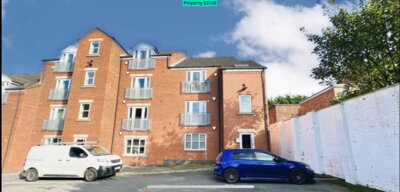
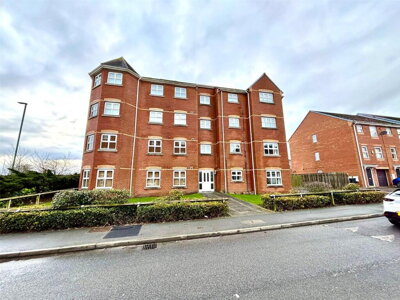
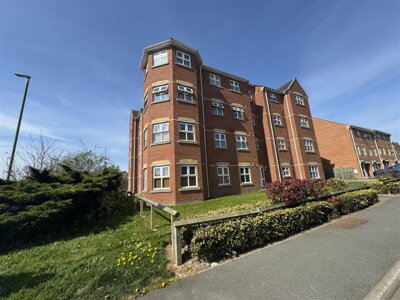
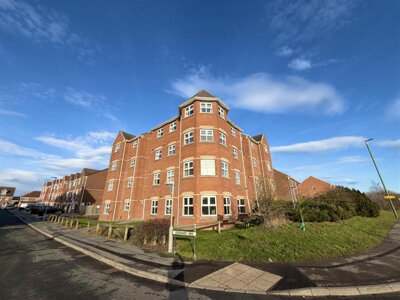
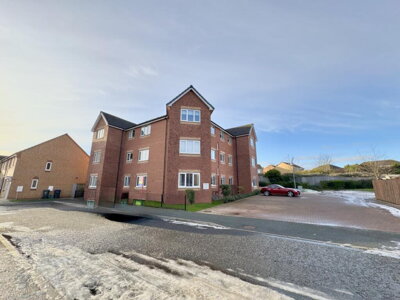
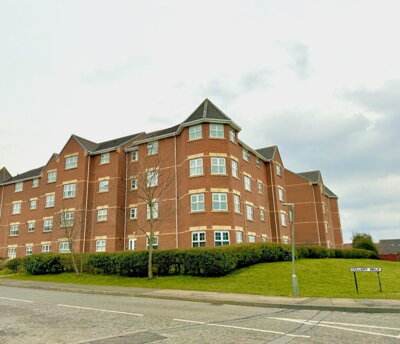
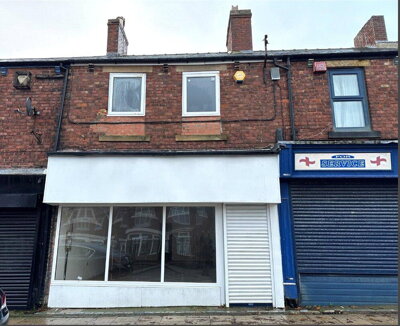
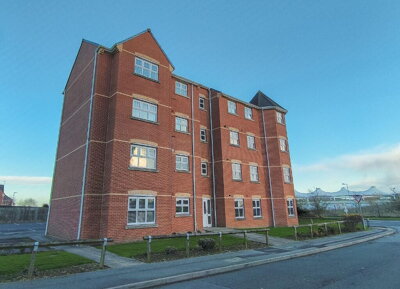
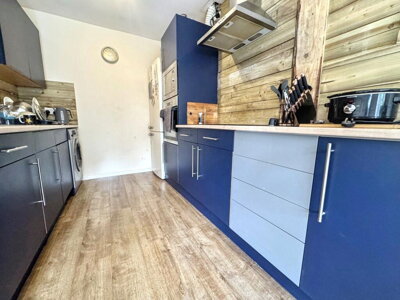
Browse 23 homes for sale in Dalton-le-Dale from local estate agents.
The 2 bed flat sector typically includes two separate bedrooms, dedicated living areas, and bathroom facilities. Properties in Dalton Le Dale span purpose-built blocks, converted period houses, and modern apartment complexes on various floors.
The Dalton-le-Dale property market has demonstrated interesting dynamics in recent years, with the village offering particularly strong value in the semi-detached segment. Semi-detached properties dominate the local market, accounting for approximately 48% of all sales, with an average price of £145,636 and a median sale price of £161,000 in 2025. These homes represent excellent value for families seeking generous interior space and gardens without the higher costs associated with fully detached properties. The dominance of this property type reflects the twentieth-century development patterns that shaped the village, creating streets of similar homes that give Dalton-le-Dale its cohesive residential character.
Detached properties in Dalton-le-Dale command higher prices, reflecting their scarcity and the additional space they offer. The average sold price for detached homes stands at £282,800, with the median price reaching £302,500. These properties appeal to buyers seeking more privacy and larger accommodation, particularly those relocating from nearby cities who can upgrade significantly for their budget. Terraced homes provide the most accessible entry point, with median prices around £115,000, making them ideal for first-time buyers and investors alike. The price gap between terraced and detached properties means that buyers can often secure substantially larger homes by choosing semi-detached or detached options without venturing into city-level pricing.
Recent market data shows some variation in reported trends, with conflicting figures between different sources regarding annual price movements. Rightmove data indicates prices were 13% down on the previous year and 18% down on the 2021 peak of £247,814, while PropertyResearch.uk reports a 12.7% increase based on Land Registry sales data. This discrepancy likely reflects differences in methodology and the relatively small sample sizes involved in village-level data. Regardless of short-term fluctuations, the overall average price of £202,788 positions Dalton-le-Dale as an affordable option within the North East property landscape, where comparable properties in Newcastle or coastal areas of Tyne and Wear would typically command significantly higher prices.

Dalton-le-Dale embodies the essence of village life in County Durham, offering residents a close-knit community atmosphere where neighbours know one another and local traditions remain valued. The village, located in the North East of England, provides a peaceful retreat from the bustle of larger towns while maintaining essential connectivity to urban amenities. As part of the larger Durham administrative area, residents benefit from county-level services and the cultural heritage associated with this historic region of England. The village community maintains active participation in local events, with residents often gathering for seasonal celebrations that strengthen the social fabric of this small settlement.
The village sits within reach of the Durham coastline, an increasingly recognised destination for coastal walks, beach outings, and appreciation of the area's natural beauty. The nearby coastline offers dramatic views and opportunities for outdoor activities, attracting visitors from across the region during warmer months. Local amenities in and around Dalton-le-Dale serve the day-to-day needs of residents, with convenience stores, pubs, and community facilities contributing to a self-sustaining local environment. The pace of life here contrasts markedly with major cities, offering families and individuals seeking a quieter lifestyle a genuine alternative without sacrificing accessibility to employment, education, and leisure opportunities in surrounding towns.
The housing stock in Dalton-le-Dale reflects the village's historical development, with semi-detached and terraced properties forming the backbone of the residential community. The predominance of these property types, built largely during the twentieth century, gives the village its distinctive character with tree-lined streets and generous plot sizes. The absence of significant new build activity in recent years (0% of 2025 sales were new builds) means that properties available tend to be established homes with mature gardens and established neighbourhoods. This mature housing stock appeals to buyers who appreciate established landscaping and the character that comes with homes that have accumulated history rather than the uniformity often found in newer developments.

Families considering a move to Dalton-le-Dale will find access to education provision within reasonable travelling distance, consistent with the pattern of village life in County Durham. Primary education needs are typically served by schools in the surrounding area, with the selection of an appropriate school often influencing family decisions about where to purchase property. The County Durham local education authority maintains a network of primary and secondary schools serving communities across the region, with admission policies based on catchment areas. Parents frequently report that the quality of local schooling is a primary driver in their decision to purchase in specific locations, making it essential to research options thoroughly before committing to a purchase.
Secondary education options in the wider area include schools offering a range of academic and vocational pathways, with sixth form provision available at larger secondary schools and colleges in nearby towns. The proximity to towns such as Seaham and Peterlee provides access to secondary schools with varied specialisms, from arts and technology to sciences and languages. Further education opportunities are readily accessible in Sunderland and other larger centres, where colleges offer extensive vocational and academic courses. Parents should research specific school performance data, Ofsted ratings, and admission arrangements when planning a move, as catchment areas can be competitive in popular locations.
The proximity of Dalton-le-Dale to the wider County Durham area means that families have access to the county's full range of educational provision, from primary schools with strong community links to secondary schools with specialist subject status. For those prioritising educational opportunities, the broader Durham area offers grammar school options and independent schools within reasonable commuting distance, providing families with meaningful choices as their children progress through their educational journey. Several secondary schools in the surrounding area have developed strong reputations for particular subjects, making them attractive options for families with specific academic interests or career aspirations for their children.
Transport connectivity from Dalton-le-Dale reflects its position within the North East transport network, offering residents meaningful options for commuting and travel. The village's location within County Durham provides access to major road corridors connecting the North East's principal cities and towns. The A19 trunk road, a major north-south route through the region, passes through the wider area, providing connections to Newcastle upon Tyne, Sunderland, and Teesside. This road network proves invaluable for residents who work in regional centres but prefer the quieter lifestyle offered by village living, with the journey to Sunderland city centre taking approximately 20 minutes by car under normal traffic conditions.
For those working in larger employment centres, commuting by public transport remains viable though may require careful planning given the village's rural setting. Bus services connect Dalton-le-Dale with surrounding towns and villages, providing essential links for residents who prefer not to rely on car travel. Rail connections are available at nearby stations including those in the wider Durham area, with CrossCountry and Northern services offering connections across the region. Many residents of similar North East villages choose to commute by car, benefiting from the relative affordability of parking in nearby towns compared to major UK cities.
The proximity to the Durham coast also offers recreational transport opportunities, with ferry connections available from nearby ports for those seeking breaks away. For international travel, Newcastle International Airport provides flights to destinations across the UK and Europe, accessible via the regional road network. The combination of road connectivity and access to regional airports positions Dalton-le-Dale as a practical base for those working across the North East while enjoying the benefits of village living. Weekend trips to Edinburgh, Leeds, or even continental European destinations become straightforward propositions from this location.
Purchasing a property in a village like Dalton-le-Dale requires attention to considerations specific to smaller communities and older housing stock. Properties in the village are predominantly semi-detached and terraced homes built during the twentieth century, meaning buyers should assess the condition of key structural elements including roofs, foundations, and external walls. The age of the housing stock means that issues such as damp proofing, window condition, and insulation standards warrant careful inspection. Our inspectors frequently identify that properties of this age may require updates to electrical systems, heating systems, or roof coverings that have reached the end of their practical service life.
Our surveyors find that damp-related issues represent one of the most common defect categories in villages like Dalton-le-Dale. Properties built with solid walls rather than cavity construction can be particularly susceptible to penetrating and rising damp, especially where original damp proof courses have deteriorated or been compromised over decades of service. Buyers should look for signs of damp including discoloured plaster, musty odours, and peeling wallpaper, particularly in ground floor rooms and areas with limited ventilation. A thorough RICS Level 2 Survey will identify any existing damp issues and provide guidance on appropriate remediation measures.
Roof conditions also merit close attention when purchasing properties in this area. Many homes in Dalton-le-Dale feature traditional pitched roofs with slate or concrete tile coverings that may be original or of similar vintage to the property itself. Our inspectors assess roof slopes for missing, slipped, or damaged tiles, examine the condition of flashings where roofs meet walls or chimneys, and evaluate the state of timbers in lofts for signs of rot or insect activity. Given the coastal location, properties may also be subject to wind-driven rain that tests the weatherproofing integrity of roof coverings and associated details.
Beyond structural considerations, buyers should investigate the tenure of properties carefully. While many village homes are freehold, some properties may have leasehold elements or shared freehold arrangements that affect your rights and responsibilities. Understanding service charges, ground rent obligations, and any future planned maintenance works helps avoid unexpected costs after purchase. Our team can recommend conveyancing specialists with experience in County Durham property transactions to ensure smooth progress through these legal details.
The local planning history of properties and the surrounding area deserves attention, particularly regarding any permitted development rights that may have been exercised by neighbouring properties. Extensions, outbuildings, or alterations completed by previous owners may have received planning permission or relied on permitted development rights, and understanding what exists can prevent surprises later. Buyers should also consider the availability of off-street parking, garden sizes appropriate to their needs, and any planned local developments that might affect the neighbourhood. While the research data indicates no significant environmental or flood risk issues for the village, conducting appropriate environmental searches provides essential protection.
Energy efficiency represents another important consideration when purchasing in Dalton-le-Dale. Properties built during the twentieth century typically have lower energy efficiency ratings than modern homes, meaning higher ongoing utility costs. Our inspectors assess insulation levels, window quality, heating system efficiency, and overall thermal performance during surveys. Understanding these factors helps buyers budget for potential improvements and negotiate appropriately. An EPC Assessment available through our services can provide official energy ratings and recommendations for efficiency upgrades.
Before viewing properties in Dalton-le-Dale, obtain a mortgage agreement in principle from a lender. This document confirms how much you can borrow and demonstrates to sellers that you are a serious, finance-ready buyer. Having this in place strengthens your position when making offers and helps you understand your true budget. Many lenders offer online application processes for agreement in principle, with decisions often available within hours for straightforward applications.
Explore the Dalton-le-Dale property market thoroughly using Homemove and other property portals. Research recent sale prices for comparable properties, understand the different neighbourhoods within and around the village, and familiarise yourself with the types of properties available. Local estate agents can provide valuable insights into the market conditions and may be aware of properties not yet listed on major portals. Understanding the difference between asking prices and achieved prices helps set realistic expectations.
Schedule viewings of properties that match your requirements. During viewings, assess the property's condition, consider any maintenance needs, and envision yourself living in the space. Take measurements and photographs for reference. If possible, visit the property at different times of day to understand noise levels and the local atmosphere. Our team recommends viewing properties in both daytime and evening to assess different aspects of the neighbourhood.
Once your offer is accepted, instruct a RICS Level 2 Survey on the property. This survey identifies structural issues, defects, and maintenance concerns that may not be visible during a standard viewing. Given that many homes in Dalton-le-Dale are established properties, a thorough survey is particularly valuable for identifying any age-related issues. The survey report will help you negotiate repairs or price adjustments before completion.
We recommend appointing a solicitor to handle the legal aspects of your purchase. Your solicitor will conduct searches, review the contract, handle land registry transfers, and manage the financial exchange. Choose a conveyancing specialist with experience in County Durham property transactions to ensure smooth progress. Our recommended solicitors understand local issues including drainage arrangements, boundary disputes, and common title complications in village properties.
The final stages involve completing all necessary checks, exchanging contracts which legally commits you to the purchase, and arranging your mortgage drawdown. Our team stays in contact with all parties to ensure progress remains on track. On completion day, you receive the keys and take ownership of your new Dalton-le-Dale home.
The average house price in Dalton-le-Dale is approximately £202,788 based on recent market data. Semi-detached properties, which make up around 48% of sales, average £145,636 with a median price of £161,000 in 2025. Detached homes command higher prices averaging £282,800 with a median of £302,500, while terraced homes offer the most affordable entry point at around £115,000 median. These prices position Dalton-le-Dale as an affordable option within County Durham and the broader North East region, particularly for buyers seeking more space for their money compared to larger cities like Newcastle or the coastal areas of Tyne and Wear where similar properties might cost significantly more.
Properties in Dalton-le-Dale fall within Durham County Council's jurisdiction for council tax purposes. Council tax bands in County Durham range from Band A (the lowest) to Band H (the highest), with the specific band determined by the property's assessed value. Most semi-detached and terraced properties in Dalton-le-Dale typically fall into Bands A to C, while larger detached properties may be placed in higher bands D or E. Prospective buyers should verify the specific council tax band of any property they are considering, as this affects ongoing annual costs and represents a significant factor in the overall affordability calculation for village homes in County Durham.
Primary and secondary education in the Dalton-le-Dale area is served by schools within the County Durham local education authority. Specific school performance and Ofsted ratings vary across the region, and parents should research current inspection results for schools in the surrounding area. Primary schools serving the village and immediate surroundings include several with established reputations for strong community engagement and academic progress. For secondary education, schools in nearby towns such as Seaham, Peterlee, and Durham offer various academic and vocational pathways, with some schools offering specialist subject status in areas such as technology, arts, or sports. For sixth form education and further education courses, institutions in Sunderland and Durham city offer extensive provision including A-levels, BTECs, and apprenticeship opportunities.
Dalton-le-Dale has public transport connections typical of a North East village, with bus services linking the village to surrounding towns and communities including Seaham and the wider County Durham area. These local bus routes typically operate at frequencies suitable for daily commuting and access to essential services. Rail connections are available at stations in the wider region, with journey times to major North East cities depending on the specific route and connections required. The Durham Coast Line provides rail access to surrounding areas, with connections available to the wider Northern and CrossCountry networks. Many residents use a combination of local bus services and rail for commuting, while others rely on car travel for greater flexibility. The A19 trunk road provides convenient road access to Sunderland, Newcastle, and other regional employment centres, making car commuting a practical option for those working in these cities.
Dalton-le-Dale offers several characteristics that may appeal to property investors. The relatively affordable average price of £202,788 compared to regional averages could provide scope for capital growth, particularly if the North East continues to attract investment and regeneration funding. The village's semi-detached and terraced properties may appeal to the rental market, including first-time tenants, young families, and small households seeking affordable accommodation within reach of employment opportunities in Sunderland and the wider region. Rental demand in County Durham villages often comes from workers in public sector roles, healthcare, and education, as well as those who prefer village lifestyles while remaining within commuting distance of urban employment. However, investors should consider local employment factors, rental demand in the immediate area, and the costs associated with property management when calculating potential returns.
Stamp duty land tax (SDLT) rates for 2024-25 apply to all purchases in Dalton-le-Dale. For properties purchased for £250,000 or less, no SDLT is payable. On the portion between £250,001 and £925,000, the rate is 5%, rising to 10% for the portion between £925,001 and £1.5 million, and 12% above £1.5 million. First-time buyers benefit from relief on properties up to £625,000, paying 0% on the first £425,000 and 5% on the portion between £425,001 and £625,000, with no relief available above £625,000. At Dalton-le-Dale's average price of £202,788, most buyers would pay no SDLT, and first-time buyers purchasing at median terraced prices of £115,000 would pay nothing, preserving more of their savings for other purchase-related costs.
The Dalton-le-Dale property market is dominated by semi-detached properties, which account for approximately 48% of all sales and represent the most commonly available property type. These semi-detached homes typically feature two or three bedrooms, with generous gardens and off-street parking typical of twentieth-century construction. Terraced homes provide more affordable options with median prices around £115,000, while detached properties offer additional space and privacy at higher price points averaging £282,800. The village has seen no new build activity in recent years, meaning available properties are established homes typically built during the twentieth century with traditional construction methods. Flats are rare in the village, with limited sales data available for this property type, making Dalton-le-Dale primarily a market for houses rather than apartments.
Understanding the full costs of purchasing property in Dalton-le-Dale helps buyers budget accurately and avoid surprises during the transaction. The primary cost component is the property price itself, with current listings spanning a range from affordable terraced homes around £115,000 to larger detached properties exceeding £300,000. At the village's average price of £202,788, most buyers will find that SDLT does not apply or applies only to a portion of the purchase price, making this an attractive feature of buying in this price range. The affordability of the local market means that buyers can often secure properties well within typical mortgage lending limits, reducing the need for high loan-to-value borrowing.
Beyond the purchase price, buyers should budget for professional services including mortgage arrangement fees (which vary by lender but typically range from £0 to £2,000 depending on the deal selected), solicitor conveyancing costs (typically £500 to £1,500 for a standard transaction in County Durham), and property surveys. A RICS Level 2 Survey typically costs from £350 depending on the property size and the surveyor instructed, with more complex or larger properties requiring higher fees. Additional costs include search fees (approximately £250 to £400), land registry fees, and removal expenses. Buildings insurance should be arranged from the point of contract exchange to protect your investment through to completion.
First-time buyers purchasing properties under £625,000 benefit from SDLT relief, which can result in significant savings. For example, a first-time buyer purchasing a terraced home at the median price of £115,000 would pay no SDLT, preserving more of their savings for other purchase-related costs. All buyers should factor in ongoing costs including council tax (the specific band depends on the property and ranges from A through to H in County Durham), utility bills, and maintenance reserves for unexpected repairs. Setting aside a contingency fund equivalent to at least 1-2% of the purchase price for the first year is prudent advice for new homeowners, as older properties frequently require some degree of immediate attention following purchase.
From 4.5%
Compare mortgage deals from leading lenders
From £499
Expert solicitors for your property purchase
From £350
Professional survey to identify property defects
From £60
Official energy performance certificate
Properties for Sale In London

Properties for Sale In Plymouth

Properties for Sale In Liverpool

Properties for Sale In Glasgow

Properties for Sale In Sheffield

Properties for Sale In Edinburgh

Properties for Sale In Coventry

Properties for Sale In Bradford

Properties for Sale In Manchester

Properties for Sale In Birmingham

Properties for Sale In Bristol

Properties for Sale In Oxford

Properties for Sale In Leicester

Properties for Sale In Newcastle

Properties for Sale In Leeds

Properties for Sale In Southampton

Properties for Sale In Cardiff

Properties for Sale In Nottingham

Properties for Sale In Norwich

Properties for Sale In Brighton

Properties for Sale In Derby

Properties for Sale In Portsmouth

Properties for Sale In Northampton

Properties for Sale In Milton Keynes

Properties for Sale In Bournemouth

Properties for Sale In Bolton

Properties for Sale In Swansea

Properties for Sale In Swindon

Properties for Sale In Peterborough

Properties for Sale In Wolverhampton

Enter your details to see if this property is within your budget.
Loans, cards, car finance
Estimated property budget
Borrowing + deposit
You could borrow between
Typical borrowing
Monthly repayment
Est. at 4.5%
Loan-to-value
This is an estimate only. Your actual budget may vary depending on interest rates, credit history, and personal circumstances. For an accurate affordability assessment, speak to one of our free mortgage advisors.
This calculator provides estimates for illustrative purposes only and does not constitute financial advice. Your home may be repossessed if you do not keep up repayments on your mortgage. Estimates based on 4.5% interest rate, repayment mortgage. Actual rates depend on your circumstances.
Homemove is a trading name of HM Haus Group Ltd (Company No. 13873779, registered in England & Wales). Homemove Mortgages Ltd (Company No. 15947693) is an Appointed Representative of TMG Direct Limited, trading as TMG Mortgage Network, which is authorised and regulated by the Financial Conduct Authority (FRN 786245). Homemove Mortgages Ltd is entered on the FCA Register as an Appointed Representative (FRN 1022429). You can check registrations at NewRegister or by calling 0800 111 6768.

We use cookies to show you personalised content and improve your experience of our website. Find out more in our Privacy policy and Cookie policy.