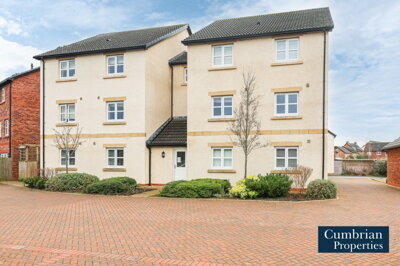
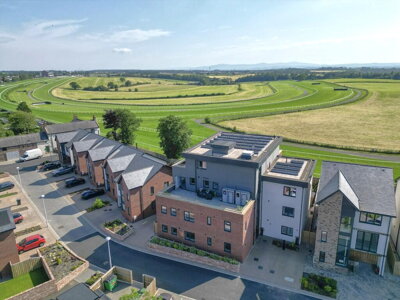
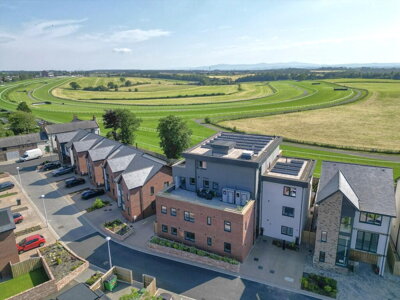
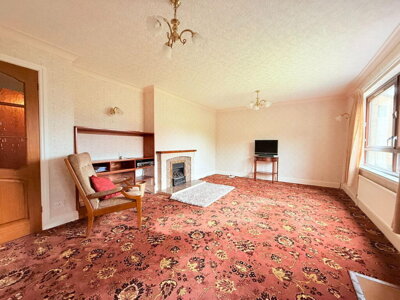
Browse 4 homes for sale in Dalston, Cumberland from local estate agents.
Studio apartments feature open-plan living spaces without separate bedrooms, incorporating sleeping, living, kitchen, and bathroom facilities. The Dalston studio market includes properties in modern apartment complexes, converted Victorian and Georgian buildings, and purpose-built developments.
£0k
0
0
0
Source: home.co.uk
Showing 0 results for Studio Flats for sale in Dalston, Cumberland.
The Dalston property market offers a diverse selection of homes to suit varying budgets and lifestyles, reflecting the area's position as one of Hackney's most active residential zones. Zoopla records an average property price of around £680,000 in Dalston, with Rightmove reporting £658,000, while property type breakdowns reveal significant variation. Flats dominate the local market at approximately £565,000 to £570,000, while terraced properties command around £1.1 million to £1.2 million. Semi-detached homes, rarer in this densely-developed urban area, average between £1.57 million and £1.72 million, with detached properties reaching approximately £1.35 million to £1.46 million according to recent transactions.
Recent market data shows Dalston experienced a 12-month price correction, with overall values declining around 2.2% following peak prices recorded in 2022. This adjustment follows broader London market trends, though property types have performed differently, with flats showing modest growth of around 4% while larger detached homes fell by approximately 17.8%. Despite these short-term fluctuations, the Dalston market recorded 276 residential sales over the past year, indicating sustained buyer interest in the area. First-time buyers will find entry-level options in the flat market, while families seeking terraced or semi-detached homes should anticipate competitive bidding in this popular zone 2 location.
The area attracts a diverse mix of buyers, from young professionals working in finance, technology, and creative industries to families drawn by the excellent schools and green spaces. Investors appreciate Dalston's strong rental demand, driven by the area's popularity with young professionals seeking easy commutes to the City and Canary Wharf. Our platform provides up-to-date listings covering properties available from local estate agents across all price ranges, enabling buyers to monitor market activity and identify appropriate opportunities as they arise.
£658,000
Average Price
£570,000
Flats Average
£1,120,000
Terraced Average
£1,570,000
Semi-Detached Average
276
Sales (12 months)
-2.2%
Price Change (12m)
Dalston embodies the dynamic character of inner-London borough life, with a rich history dating back to the medieval period when the area formed part of the parish of Hackney. The name derives from the Saxon "Deoppa's tun," meaning the settlement of Deoppa, reflecting the neighbourhood's ancient origins. By the Victorian era, Dalston had emerged as a prosperous suburb for City merchants, evidenced by the handsome terraces and semi-detached houses that still line many residential streets. The conservation areas, including Dalston Lane/Kingsland Road and parts of De Beauvoir Town, preserve this architectural heritage and maintain the special character that distinguishes the neighbourhood from surrounding areas.
Today's Dalston is celebrated for its independent spirit and cultural vitality, qualities that have attracted creative industries and food businesses in significant numbers. Kingsland Road hosts an eclectic mix of independent cafes, Turkish restaurants, vintage shops, and contemporary galleries that animate the street scene throughout the week. Dalston Square, developed in the 2010s, introduced new retail and residential elements to the area, while theRio Cinema continues to serve as a beloved community venue showing mainstream and independent films. Ridley Road Market brings weekend bustle to the area, offering fresh produce, textiles, and household goods in the tradition of East London street trading.
Green spaces provide welcome respite from the urban density, with Clissold Park nearby offering 25 acres of landscaped grounds, children's playgrounds, and a paddling pool that proves particularly popular with families during summer months. The park's café and tennis courts add to its appeal as a neighbourhood amenity, while its location on the border of Dalston and Stoke Newington makes it easily accessible to residents across both areas. The Regent's Canal passes to the south of Dalston, providing walking and cycling routes connecting the area to Islington, Camden, and Little Venice, offering scenic access to central London's waterways.
Education provision in Dalston serves families across all age groups, with primary schools including Dalston Primary School and Thornhill Primary School serving the immediate local area. Dalston Primary occupies modern facilities onmatics and English, preparing pupils for secondary transfer with many progressing to schools across Hackney. The borough's secondary schools have achieved notable success in recent years, with Hackney Downs School, The City Academy, and Skinners' Academy all serving the Dalston catchment area. These schools benefit from strong sixth-form provision and extracurricular programmes that support pupil development beyond academic achievements.
For families seeking faith-based education, St.oke Newington School for Girls and Cardinal Pole Catholic School offer denominational options within easy travelling distance of Dalston. Several well-regarded independent schools in the surrounding boroughs provide additional options for families considering private education, with admissions processes typically requiring registration well in advance of entry dates. Transport connections mean that families can also access selective schools in neighbouring boroughs, including the highly-regarded St. Paul's School consortium, though these require competitive entrance examinations.
Higher education opportunities are readily accessible from Dalston's central position, with University of London institutions including Queen Mary University of London, London School of Economics, and King's College London all reachable via Overground and Underground connections. Young professionals considering career development will find that Dalston's location provides convenient access to further and higher education options that support career progression across a wide range of industries.
Dalston benefits from excellent public transport connections that make it one of Hackney's most accessible districts for commuters working across the capital. Dalston Junction station provides Overground services on the East London line, offering direct connections to Whitechapel, Shoreditch High Street, and the junctions at Canada Water and Surrey Quays that connect to the Jubilee line and Docklands Light Railway. Dalston Kingsland station, served by the same Overground line, provides additional capacity and accessibility for residents in the northern part of the neighbourhood. Journey times from Dalston Junction to Canary Wharf take approximately 25 minutes, while Shoreditch High Street is reachable in around 12 minutes.
The area sits within London Transport Zone 2, placing the City, Shoreditch, and Islington within easy reach using public transport. Underground services are accessible via connections at Highbury and Islington (Victoria and Northern lines), allowing direct access to the West End and the northern suburbs. Bus services operating along Kingsland Road, Dalston Lane, and surrounding streets provide extensive route options across east and central London, with stops conveniently located throughout the residential areas. Night bus services ensure that residents can return home from late shifts or evening activities without relying on expensive taxi services.
Road connections serve residents who prefer driving or need vehicle access for work purposes. The A10 Kingsland Road provides direct access to the City, while the A501 Old Street and A503 Camden Road offer routes northwards. The A12 and A13 provide eastern access toward Stratford and the Docklands, while the North Circular Road connects to the wider motorway network for regional travel. Cycling infrastructure has improved significantly in recent years, with protected cycle lanes along key routes encouraging sustainable commuting and reducing car dependency among local residents.
Begin your property search by reviewing current listings in Dalston and the surrounding Hackney area. Our platform provides up-to-date information on properties available from local estate agents, including asking prices, property types, and estimated sale times. Understanding the local market context, including recent price trends showing approximately 2.2% annual declines, will help you identify appropriate properties and make competitive offers.
Contact estate agents in the Dalston area to arrange viewings of properties matching your criteria. We recommend viewing several properties to compare their condition, location within the neighbourhood, and proximity to transport links and amenities. Take notes on each property's features and any maintenance concerns that may require further investigation before committing to a purchase.
Before making formal offers, obtain a mortgage agreement in principle from a qualified lender. This demonstrates to sellers that you have secured financing and are positioned to proceed quickly, which is particularly important in competitive Dalston where well-presented properties may attract multiple offers. Our mortgage comparison tool helps you compare rates and find the most suitable product for your circumstances.
Given Dalston's prevalence of Victorian and Edwardian properties constructed with London stock brick, we strongly recommend arranging a RICS Level 2 Survey before completing your purchase. Our inspectors assess properties for common defects including damp, roof deterioration, subsidence risk related to London Clay geology, and outdated electrical systems. A comprehensive survey typically costs between £400 and £900 depending on property value and size, providing essential information to inform your purchase decision.
Appoint a solicitor experienced in Hackney property transactions to handle the legal aspects of your purchase. Your solicitor will conduct searches with Hackney Council, check for conservation area restrictions, verify listed building status if applicable, and handle Land Registry documentation to ensure a smooth transfer of ownership.
Once all searches are satisfactory and your mortgage offer is confirmed, your solicitor will arrange for contracts to be exchanged, committing both parties to the transaction. On the agreed completion date, the remaining balance is transferred, and you receive the keys to your new Dalston home.
Properties in Dalston span several architectural periods, from traditional Victorian and Edwardian terraces to post-war conversions and contemporary new-build apartments. The predominant construction material for older properties is London stock brick, a distinctive yellow-brown brick that characterises much of Hackney's Victorian housing stock. Roof coverings typically use slate or clay tiles that require regular inspection for signs of deterioration, particularly given the age of many properties in the area. When evaluating older properties, pay particular attention to the condition of the brickwork, looking for signs of cracking, spalling, or previous repairs that may indicate underlying structural concerns.
The local geology of the Dalston area consists largely of London Clay, which is known for its shrink-swell potential that can cause foundation movement. Properties with shallow foundations or those located near mature trees face particular risk of subsidence or heave as soil moisture levels fluctuate seasonally. A professional RICS Level 2 Survey is essential to identify any structural issues that may not be apparent during a visual inspection, with surveyors specifically assessing the relationship between existing vegetation and building foundations. Flood risk in Dalston is generally limited to surface water flooding during periods of intense rainfall, a common concern in urban areas with extensive impermeable surfaces, though the area is not adjacent to major rivers.
If you are considering a property within one of Dalston's conservation areas, including the Dalston Lane/Kingsland Road Conservation Area or the De Beauvoir Town Conservation Area, be aware that permitted development rights may be restricted, requiring planning permission for extensions, dormer windows, or significant alterations. Listed buildings require specialist maintenance using traditional materials and techniques, which can increase ongoing upkeep costs but also preserve the character and distinctive features that contribute to the area's appeal. Our inspectors regularly survey properties in these designations and can advise on the implications for your purchase.
Property prices in Dalston average around £658,000 according to Rightmove data, though significant variation exists by property type. Flats average approximately £570,000, terraced properties around £1.1 million to £1.2 million, and semi-detached homes reaching £1.57 million to £1.72 million. Recent market trends show overall prices declining approximately 2.2% over the past year following peak values in 2022, though flat values have shown modest growth while larger properties experienced larger corrections. The Dalston market recorded 276 residential sales in the past 12 months, indicating sustained transaction volumes despite market adjustments.
Properties in Dalston fall within Hackney Council's jurisdiction. Council tax bands in the borough range from Band A for lower-value flats and apartments to Band H for the most valuable detached properties and substantial period houses. Most two-bedroom Victorian conversions and purpose-built flats in Dalston fall into Bands B to D, with three-bedroom family houses typically assessed in Bands D to F. Annual charges reflect the local authority's provision of services including waste collection, road maintenance, and local education provision.
Dalston Primary School and Thornhill Primary School serve the immediate local area for primary education, both offering good academic outcomes and strong community engagement. Secondary options include Hackney Downs School, The City Academy, and Skinners' Academy, all accessible to Dalston families via short bus journeys or walking routes. The surrounding borough offers additional options including faith schools and well-regarded independent schools for families seeking alternative educational settings. Transport connections also provide access to selective schools in neighbouring boroughs for families willing to travel.
Dalston is exceptionally well-served by public transport, with Dalston Junction and Dalston Kingsland Overground stations providing direct services across the TfL network. Journey times include approximately 25 minutes to Canary Wharf, 12 minutes to Shoreditch, and connections to the Underground network via Highbury and Islington. Bus services operating along Kingsland Road and Dalston Lane provide extensive route options across east and central London, with night buses ensuring accessibility around the clock. The area sits within Zone 2, providing excellent value for daily commuting compared to more central locations.
Dalston offers several advantages for property investors, including strong rental demand from young professionals working in finance, technology, and creative industries. The area's excellent transport connections make it attractive to tenants seeking easy commutes to the City, Canary Wharf, and the West End. Rental yields in the Dalston area are competitive relative to inner London averages, though capital growth prospects depend on broader London market conditions and local development activity. Properties within walking distance of Dalston Junction station typically command premium rents and maintain strong occupancy levels.
Stamp duty land tax applies to all residential property purchases in England with rates varying by price and buyer circumstances. For properties up to £250,000, no SDLT is payable. Between £250,001 and £925,000, the rate is 5% on the portion above £250,000, rising to 10% on amounts between £925,001 and £1.5 million, and 12% on any portion exceeding £1.5 million. First-time buyers purchasing properties up to £425,000 qualify for relief, paying no SDLT on the first £425,000 of their purchase. Given Dalston's average property prices around £658,000, most purchases will incur SDLT at the standard rate unless first-time buyer relief applies.
From 4.5% APR
Compare competitive mortgage rates from leading lenders to find the right finance for your Dalston property purchase
From £499
Expert property solicitors handling all legal aspects of your Dalston purchase including Hackney Council searches
From £400
Our inspectors assess Dalston properties for damp, subsidence, roof defects and other common issues in Victorian and Edwardian housing
From £80
Energy Performance Certificate required for all property sales in England
When purchasing property in Dalston, budget carefully for the additional costs beyond the purchase price. Stamp duty land tax is calculated on a tiered system, with no tax charged on the first £250,000 of the purchase price, 5% on the amount between £250,001 and £925,000, 10% on the portion from £925,001 to £1.5 million, and 12% on any amount exceeding £1.5 million. First-time buyers purchasing properties up to £425,000 qualify for relief, paying no SDLT on the first £425,000, making this threshold particularly relevant for the flat market where average prices sit around £570,000.
Solicitor fees for conveyancing in the Hackney area typically range from £499 to £1,200 depending on transaction complexity and property value. This covers legal work including property searches, contract preparation, and registration with HM Land Registry. Additional costs include search fees from Hackney Council, plus disbursements for drainage and water searches, environmental searches, and Land Registry fees. A mortgage arrangement fee of 0% to 1.5% of the loan amount may apply depending on your lender, while RICS Level 2 Survey costs range from £400 for a basic inspection on a modest flat to £900 or more for a comprehensive assessment on a larger Victorian property.
Factor in removal costs, which vary depending on the distance of your move and volume of belongings, typically ranging from £400 to £2,500 for a London move. Buildings insurance should be arranged from the point of exchange as you become legally responsible for the property at that stage. Service charges and ground rent apply to leasehold properties, which represent the majority of flats in Dalston, so review the lease terms carefully to understand annual costs and any special charges. Planning a detailed budget before completing your purchase ensures a smooth transition to your new Dalston home without unexpected financial surprises.

Properties for Sale In London

Properties for Sale In Plymouth

Properties for Sale In Liverpool

Properties for Sale In Glasgow

Properties for Sale In Sheffield

Properties for Sale In Edinburgh

Properties for Sale In Coventry

Properties for Sale In Bradford

Properties for Sale In Manchester

Properties for Sale In Birmingham

Properties for Sale In Bristol

Properties for Sale In Oxford

Properties for Sale In Leicester

Properties for Sale In Newcastle

Properties for Sale In Leeds

Properties for Sale In Southampton

Properties for Sale In Cardiff

Properties for Sale In Nottingham

Properties for Sale In Norwich

Properties for Sale In Brighton

Properties for Sale In Derby

Properties for Sale In Portsmouth

Properties for Sale In Northampton

Properties for Sale In Milton Keynes

Properties for Sale In Bournemouth

Properties for Sale In Bolton

Properties for Sale In Swansea

Properties for Sale In Swindon

Properties for Sale In Peterborough

Properties for Sale In Wolverhampton

Enter your details to see if this property is within your budget.
Loans, cards, car finance
Estimated property budget
Borrowing + deposit
You could borrow between
Typical borrowing
Monthly repayment
Est. at 4.5%
Loan-to-value
This is an estimate only. Your actual budget may vary depending on interest rates, credit history, and personal circumstances. For an accurate affordability assessment, speak to one of our free mortgage advisors.
This calculator provides estimates for illustrative purposes only and does not constitute financial advice. Your home may be repossessed if you do not keep up repayments on your mortgage. Estimates based on 4.5% interest rate, repayment mortgage. Actual rates depend on your circumstances.
Homemove is a trading name of HM Haus Group Ltd (Company No. 13873779, registered in England & Wales). Homemove Mortgages Ltd (Company No. 15947693) is an Appointed Representative of TMG Direct Limited, trading as TMG Mortgage Network, which is authorised and regulated by the Financial Conduct Authority (FRN 786245). Homemove Mortgages Ltd is entered on the FCA Register as an Appointed Representative (FRN 1022429). You can check registrations at NewRegister or by calling 0800 111 6768.

We use cookies to show you personalised content and improve your experience of our website. Find out more in our Privacy policy and Cookie policy.