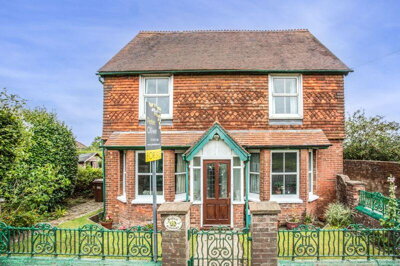
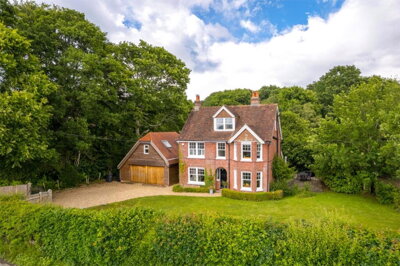
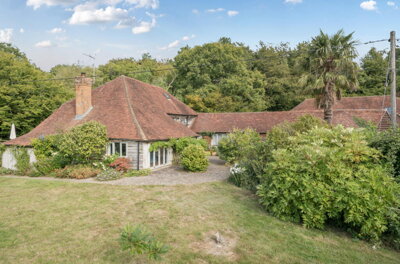
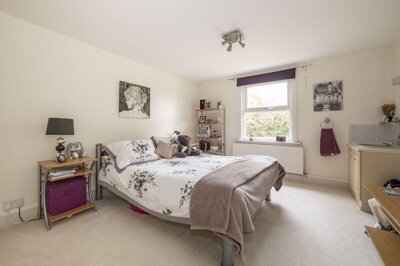
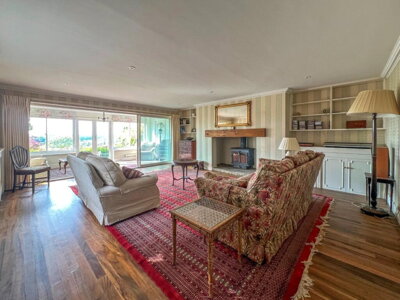
Browse 5 homes for sale in Dallington, Rother from local estate agents.
The larger property sector typically features multiple bathrooms, substantial reception space, and private gardens or off-street parking. Four bedroom houses in Dallington span detached, semi-detached, and occasionally terraced configurations, with styles ranging from period properties to modern executive homes.
£1.01M
2
0
173
Source: home.co.uk
Showing 2 results for 4 Bedroom Houses for sale in Dallington, Rother. The median asking price is £1,012,500.
Source: home.co.uk
Detached
2 listings
Avg £1.01M
Source: home.co.uk
Source: home.co.uk
The Dallington property market has experienced notable shifts over the past year, with house prices dropping approximately 12% compared to the previous twelve months. This correction follows a broader market trend, with prices now sitting 35% below the 2022 peak of £1,282,750, creating potential opportunities for buyers who were previously priced out of this prestigious location. The TN21 postcode area has recorded 85 property sales on Rightmove over the past year, with Zoopla reporting 234 total listings in the broader Dallington search area, indicating market activity despite the price adjustment. These figures suggest a healthy level of interest in the village despite broader economic uncertainties affecting the national property market.
Property types in Dallington skew heavily toward detached family homes, which command an average price of £934,067 in the current market. Semi-detached properties provide a more accessible entry point at around £540,000, while terraced cottages and period farmhouses offer character options across various price brackets. The village contains no active new-build developments, meaning buyers purchasing in Dallington can expect to acquire properties with genuine historical character, often featuring original features, generous plot sizes, and the traditional construction methods associated with East Sussex rural housing. Many properties come with outbuildings, stables, or paddocks, appealing to buyers seeking equestrian facilities or additional storage.
Our inspectors frequently assess properties across the Dallington area, and we find that most homes here require careful evaluation due to their age and traditional construction. The weatherboard exteriors common to local properties need regular maintenance to prevent water ingress, while period features such as original sash windows, exposed beams, and inglenook fireplaces require specialist care to preserve their character and functionality. Buyers should budget for ongoing maintenance costs that may exceed those associated with modern properties.

Dallington embodies the classic English village aesthetic, with properties predominantly featuring traditional weatherboard construction and period details that reflect centuries of rural heritage. The village sits within the High Weald AONB, a landscape characterised by ancient woodland, rolling farmland, and distinctive hedgerows that have shaped the local environment for generations. Properties here range from modest labourers' cottages to substantial Georgian and Victorian farmhouses, many retaining original features such as exposed beam ceilings, inglenook fireplaces, and sash windows that speak to the craftsmanship of previous centuries. The village street pattern follows historic routes that evolved organically over centuries rather than conforming to modern grid layouts.
The community spirit in Dallington remains strong, centred around the historic parish church and the village pub, both serving as gathering points for residents throughout the year. Local events, parish council meetings, and informal gatherings at the pub maintain the interconnected feel that larger settlements often lack. The surrounding countryside offers an extensive network of public footpaths and bridleways, with the 1066 Country walk passing through nearby villages and providing residents with direct access to walking routes of national significance. Cycling enthusiasts appreciate the quiet lanes that connect Dallington to surrounding villages, while birdwatchers and naturalists find the ancient woodland pockets particularly valuable for wildlife observation.
The village's position within the AONB means planning restrictions protect the area's character, ensuring that new development respects the traditional scale and appearance of existing properties. Residents benefit from Dark Sky designations in parts of the High Weald, where minimal light pollution allows for stunning night-time star observation. The slower pace of life in Dallington attracts buyers seeking refuge from urban pressures, while the sense of community and belonging provides a quality of life that modern housing developments often struggle to replicate.

Families considering a move to Dallington will find a selection of primary schools within easy reach in the surrounding villages and market towns. The local primary schools in nearby Battle and Heathfield serve the Dallington catchment area, with these institutions providing education for children from reception through to Year 6. Several of these schools have achieved good Ofsted ratings in recent inspections, reflecting the quality of education available to young families in the wider area. The village's position means that school transport arrangements are typically available for children attending their designated primary school, though parents should confirm current arrangements with East Sussex County Council before finalising any purchase.
Primary schools serving Dallington families include those in the Battle area, which has historically performed well in local education rankings. Many families choose to relocate to the Dallington area specifically for the combination of rural lifestyle and access to these well-regarded schools. Applications for school places should be made through the East Sussex County Council admissions system, and parents are advised to apply early given the competitive nature of popular rural school catchments. School performance data, including SATs results and inspection outcomes, is available through the Gov.uk website for those wishing to compare local options.
Secondary education options include the Battle Abbey School, a historic independent school with a strong academic reputation, and various state secondary schools in the surrounding towns offering comprehensive education up to A-Level standard. Battle Abbey School, situated within the historic Battle Abbey grounds, offers both day and boarding places with a curriculum emphasising traditional academic subjects alongside modern teaching methods. State secondary schools in Battle, Crowborough, and Heathfield provide alternatives for families seeking comprehensive secondary education within reasonable travelling distance.
Sixth form provision is available at colleges in Battle and further afield in Eastbourne, providing post-16 students with diverse subject choices and progression routes to higher education. Parents should note that catchment areas can be competitive in popular rural locations, and early enquiry with East Sussex County Council regarding current school allocations is advisable when planning a family move to Dallington. Independent school applications should be made directly to individual institutions, with entrance assessments typically required for admission.
Dallington enjoys a strategic position within East Sussex, offering residents reasonable access to major road networks while maintaining its rural character. The village lies within reasonable distance of the A259 coast road, providing connections to the seaside towns of Eastbourne and Hastings, while the A21 offers a direct route toward Tunbridge Wells and London. For residents commuting to larger employment centres, the journey times involve moderate distances, with typical car journeys to Tunbridge Wells taking around 35-40 minutes, and journeys to the coast taking 20-30 minutes depending on traffic conditions. The journey to London by car typically takes around 90 minutes outside peak hours.
Public transport options from Dallington are limited, as is common in rural villages, with local bus services providing connections to nearby towns rather than direct links to major cities. The Stagecoach 304 and 305 bus routes connect Dallington with Battle and Heathfield, providing essential services for those without private vehicles. Bus services operate on reduced schedules compared to urban areas, so residents should check current timetables carefully when planning daily travel arrangements. Many households in Dallington maintain two cars to accommodate different commuting and family needs.
The nearest railway stations are located in Battle and Etchingham, offering Southeastern services to London Bridge via a change at Tunbridge Wells or a direct service to the capital. Journey times by train to London typically range from 90 minutes to two hours depending on connections, making Dallington more suitable for those working locally or with flexible commuting arrangements. The direct service from Etchingham to London Bridge takes approximately one hour and twenty minutes, while connections via Tunbridge Wells extend journey times but offer greater flexibility in travel planning.
Many residents of villages like Dallington choose to work from home or operate businesses from home offices, taking advantage of the peaceful environment and fast broadband connections now available in most rural East Sussex locations. Remote working has become increasingly common among Dallington residents, with many using the village as a base for London-based employment that requires only occasional office attendance. Broadband speeds have improved significantly in recent years, though prospective buyers should verify specific availability at their chosen property address.
Spend time exploring Dallington and surrounding villages at different times of day and week to understand the community atmosphere, traffic patterns, and noise levels. Visit local amenities in Battle and Heathfield to assess shopping, healthcare, and leisure facilities. Check broadband speeds and mobile signal strength if working from home is important. Drive the local roads at peak times to understand commute realities, and speak with existing residents about their experiences of village living throughout different seasons.
Contact a mortgage broker or bank to obtain an Agreement in Principle before starting your property search. With average prices at £835,550, most purchases will require substantial mortgages, and having your finances confirmed strengthens your position when making offers in what can be a competitive market for quality properties. Several specialist rural mortgage brokers operate in the South East who understand the unique requirements of purchasing period properties with unusual construction or land elements.
Work with local estate agents active in the Dallington and Battle market to arrange viewings of suitable properties. Many homes here are period properties requiring careful assessment, so attending viewings with an open mind about renovation potential is advisable. Take notes and photographs during viewings to help compare properties later. Consider attending open viewings at multiple properties before narrowing your search, as the character and condition of similar-looking homes can vary significantly.
Given the age of most properties in Dallington, we strongly recommend booking a RICS Level 2 Survey before completing your purchase. This detailed inspection will identify any structural issues, damp problems, roof condition concerns, or outdated electrics common in period properties. For listed buildings or properties in the AONB, consider whether a more comprehensive survey is needed. Our team has extensive experience surveying properties across the Dallington area and understands the common issues affecting local housing stock.
Choose a solicitor experienced in rural property transactions to handle the legal aspects of your purchase. They will conduct local searches, check drainage arrangements, verify ownership of boundaries, and ensure all planning permissions for any previous works are in order. Rural properties may require additional checks regarding rights of way or common land, and properties relying on private septic systems need specialist drainage surveys.
Once all surveys, searches, and legal checks are satisfactory, your solicitor will arrange for contracts to be signed and the deposit to be paid. On completion day, the remaining funds are transferred, and you receive the keys to your new Dallington home. Remember to redirect mail, transfer utilities, and notify relevant parties of your change of address. Consider arranging buildings insurance from exchange date, as the property becomes your legal responsibility at this point.
Properties in Dallington typically date from the Georgian or Victorian periods, with many having origins in earlier centuries, meaning buyers should carefully assess the condition of structural elements, roofs, and foundations. The traditional weatherboard construction found on many local properties requires ongoing maintenance, and prospective buyers should look for signs of rot, pest damage, or water ingress that may indicate more serious underlying issues. Our surveyors frequently identify issues with weatherboard cladding, particularly where paint has deteriorated or gaps have allowed water penetration behind the timber.
A thorough RICS Level 2 Survey becomes particularly valuable in identifying these common concerns before purchase is completed. Properties in Dallington often feature original slate or clay tile roofs that may require re-pointing or replacement of individual tiles, while chimney stacks and flashings should be inspected for signs of deterioration. The geology of the High Weald means some properties may be built on clay soils that exhibit shrink-swell movement, though our inspectors check for tell-tale signs of subsidence or structural movement during every survey.
The presence of Grade II listed properties throughout Dallington means that planning and listed building consent requirements may affect your purchase and future renovation plans. Any modifications to listed properties must respect their historical character, and works often require specialist contractors and heritage-approved materials. Buildings in the AONB also face additional planning considerations, so understanding these constraints before committing to a purchase ensures no unexpected surprises during any future improvement projects. We recommend requesting copies of all previous planning permissions and listed building consents from the vendor before proceeding.
Drainage arrangements for rural properties warrant specific investigation, as some homes may rely on private septic systems or borehole water supplies rather than mains services. Our surveyors check for evidence of septic tank maintenance, borehole water quality, and the condition of private drainage systems during every inspection. Properties with private water supplies will require annual testing and maintenance, costs that should be factored into your overall budget when comparing properties with mains-connected alternatives.
The average house price in Dallington, East Sussex stands at £835,550 based on recent sales data. Detached properties average £934,067, while semi-detached homes fetch around £540,000. Property prices have decreased by approximately 12% over the past year and are now 35% below the 2022 peak of £1,282,750, potentially creating opportunities for buyers in this prestigious AONB village location. The 12-month price correction follows a broader national trend but has brought some previously unaffordable properties within reach of a wider range of buyers.
Properties in Dallington fall under Rother District Council, with most period homes placed in bands D through G depending on their size, condition, and valuation. Rural properties with substantial land or outbuildings may attract higher banding. Prospective buyers should check specific properties with Rother District Council or the Land Registry to confirm exact council tax bands before purchasing. Council tax bills in Rother district typically range from £1,800 to £3,000 annually for residential properties in this category.
Dallington is served by primary schools in surrounding villages and towns, with Good-rated schools available in nearby Battle and Heathfield. Secondary options include Battle Abbey School for independent education and various state secondary schools within reasonable travelling distance. East Sussex County Council can confirm current catchment areas and admissions criteria for all local schools. The Battle area schools have historically achieved above-average results in GCSE examinations, making this a strong draw for families prioritising education in their property search.
Public transport options in Dallington are limited, reflecting its rural village character. Local bus services connect to nearby towns including Battle and Heathfield, where train stations provide Southeastern rail services to London and the coast. Residents typically rely on cars for daily commuting, though the village position offers reasonable road access to regional employment centres. The nearest railway station at Battle offers direct services to London Bridge during peak hours, with journey times of approximately 90 minutes to the capital.
Dallington's location within the High Weald AONB, combined with its character properties and limited supply of available homes, makes it attractive to buyers seeking a stable long-term investment. The village appeals to families, retired couples, and those working remotely who value countryside living. While price corrections have occurred recently, the AONB designation and heritage status of many properties provide a degree of protection for values over time. Properties in the AONB consistently attract premium prices relative to similar properties outside designated areas, reflecting the desirability of the protected landscape.
Stamp Duty Land Tax rates for standard buyers start at 0% on the first £250,000 of property value, then 5% on the portion up to £925,000, with higher rates above that threshold. First-time buyers purchasing properties under £625,000 may qualify for relief, paying 0% up to £425,000 and 5% between £425,000 and £625,000. Given Dallington's average price of £835,550, most buyers will pay SDLT on at least some portion of their purchase. On a typical £835,550 property, a standard buyer would pay approximately £28,750 in stamp duty.
Beyond the purchase price and stamp duty, buyers should budget for solicitor conveyancing fees typically ranging from £500 to £2,000, plus disbursements for local searches including drainage, environmental, and Land Registry checks. A RICS Level 2 Survey costs between £350 and £800 depending on property size, while an Energy Performance Certificate arranged by the seller typically costs £60-120. Removal quotes, mortgage arrangement fees, and potential renovation costs for period properties should also be factored into your overall budget.
Dallington contains a significant concentration of Grade II listed properties, reflecting its historic origins and architectural heritage. Any property listed under the Historic Buildings and Ancient Monuments Act requires listed building consent for alterations, and buyers should understand these constraints before committing to a purchase. Specialist surveys may be recommended for listed properties, and renovation projects often require heritage-approved materials and traditional building techniques. We have experience surveying listed properties across the High Weald AONB and can advise on the specific considerations affecting these homes.
From £350
Our inspectors assess period properties across Dallington, identifying structural concerns, damp issues, and roof condition
From £60
Energy Performance Certificate for your Dallington property
From 4.5%
Competitive mortgage rates for rural property purchases
From £499
Expert solicitors for rural property transactions
Purchasing a property in Dallington involves several costs beyond the purchase price, with Stamp Duty Land Tax representing one of the largest additional expenses. For a property priced at the current average of £835,550, a standard buyer would pay SDLT at 0% on the first £250,000, then 5% on the next £575,000 above £250,000, resulting in total stamp duty of approximately £28,750. These calculations should be verified with HMRC or a solicitor, as thresholds can change with each budget announcement. First-time buyers may benefit from reduced rates if the property price falls within qualifying thresholds.
Beyond stamp duty, buyers should budget for solicitor conveyancing fees typically ranging from £500 to £2,000 depending on complexity, plus disbursements for local searches which may include drainage and water authority checks, environmental searches, and Land Registry fees. Rural properties in Dallington often require additional searches covering septic tank compliance, borehole water supplies, and rights of way across farmland, which can add to the overall legal costs. We recommend obtaining quotes from at least three conveyancing solicitors to compare both cost and service levels before instructing.
A RICS Level 2 Survey costs between £350 and £800 depending on property size, while an Energy Performance Certificate must be arranged by the seller before completion and typically costs £60-120. Removal quotes for moving day, surveyors for mortgage valuation, and potential renovation costs for period properties should also be factored into your overall budget when calculating the true cost of buying in Dallington. Properties in Dallington frequently require ongoing maintenance that can exceed costs associated with modern homes, so building a contingency fund for unexpected repairs is advisable.
Many buyers underestimate the total costs involved in purchasing a period property in a location like Dallington. Beyond the immediate purchase costs, period homes may require updates to electrical systems, heating systems, or plumbing that do not meet current regulations. Our surveyors always check for these issues during inspections and will flag any concerns that require attention before or shortly after purchase. Budgeting an additional 10-15% of the purchase price for essential renovations and updates over the first few years of ownership is a sensible approach for period property buyers.
Properties for Sale In London

Properties for Sale In Plymouth

Properties for Sale In Liverpool

Properties for Sale In Glasgow

Properties for Sale In Sheffield

Properties for Sale In Edinburgh

Properties for Sale In Coventry

Properties for Sale In Bradford

Properties for Sale In Manchester

Properties for Sale In Birmingham

Properties for Sale In Bristol

Properties for Sale In Oxford

Properties for Sale In Leicester

Properties for Sale In Newcastle

Properties for Sale In Leeds

Properties for Sale In Southampton

Properties for Sale In Cardiff

Properties for Sale In Nottingham

Properties for Sale In Norwich

Properties for Sale In Brighton

Properties for Sale In Derby

Properties for Sale In Portsmouth

Properties for Sale In Northampton

Properties for Sale In Milton Keynes

Properties for Sale In Bournemouth

Properties for Sale In Bolton

Properties for Sale In Swansea

Properties for Sale In Swindon

Properties for Sale In Peterborough

Properties for Sale In Wolverhampton

Enter your details to see if this property is within your budget.
Loans, cards, car finance
Estimated property budget
Borrowing + deposit
You could borrow between
Typical borrowing
Monthly repayment
Est. at 4.5%
Loan-to-value
This is an estimate only. Your actual budget may vary depending on interest rates, credit history, and personal circumstances. For an accurate affordability assessment, speak to one of our free mortgage advisors.
This calculator provides estimates for illustrative purposes only and does not constitute financial advice. Your home may be repossessed if you do not keep up repayments on your mortgage. Estimates based on 4.5% interest rate, repayment mortgage. Actual rates depend on your circumstances.
Homemove is a trading name of HM Haus Group Ltd (Company No. 13873779, registered in England & Wales). Homemove Mortgages Ltd (Company No. 15947693) is an Appointed Representative of TMG Direct Limited, trading as TMG Mortgage Network, which is authorised and regulated by the Financial Conduct Authority (FRN 786245). Homemove Mortgages Ltd is entered on the FCA Register as an Appointed Representative (FRN 1022429). You can check registrations at NewRegister or by calling 0800 111 6768.

We use cookies to show you personalised content and improve your experience of our website. Find out more in our Privacy policy and Cookie policy.