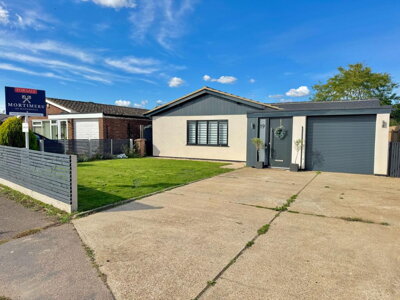
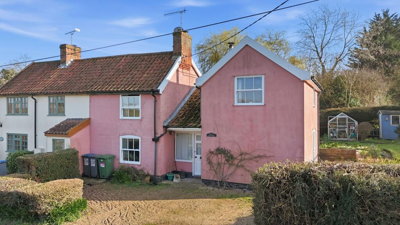
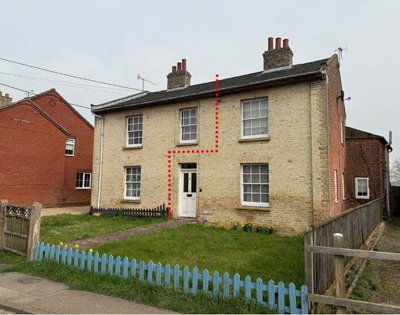
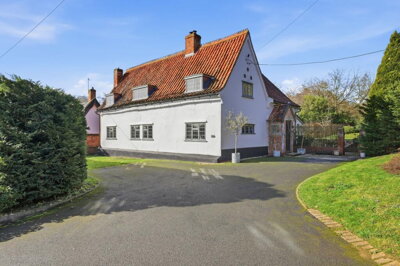
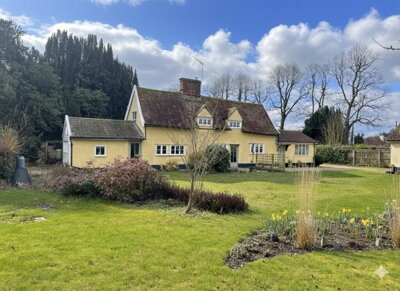
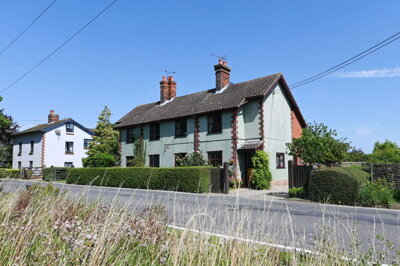
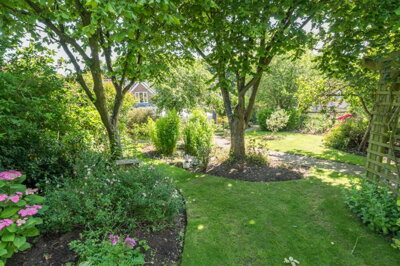
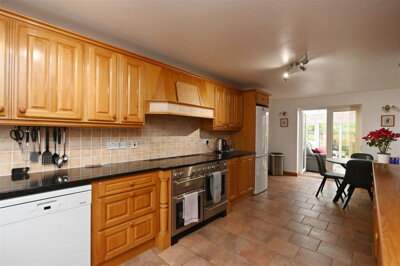
Browse 8 homes for sale in Dallinghoo, East Suffolk from local estate agents.
Three bedroom properties represent a significant portion of the Dallinghoo housing market, offering space for families with multiple reception rooms and gardens in many cases. Browse detached, semi-detached, and terraced options ranging from period character homes to contemporary developments.
£0k
0
0
0
Source: home.co.uk
Showing 0 results for 3 Bedroom Houses for sale in Dallinghoo, East Suffolk.
The Dallinghoo property market presents a compelling opportunity for buyers seeking rural Suffolk living without the premium prices found in nearby market towns like Woodbridge. According to Rightmove data, the average sold price for properties in Dallinghoo stands at approximately £264,000, while Zoopla reports slightly higher figures at around £412,000 based on recent transactions. The variation between sources reflects the limited number of sales in this small village, where each property sale can significantly influence average statistics. OnTheMarket reports an average price paid of £190,000 as of February 2026, further illustrating how individual sales distort market averages in villages with low transaction volumes.
A notable recent sale included a charming barn conversion at 2 The Old School House on School Road, which sold for £412,000 in November 2025, demonstrating strong demand for unique period properties. Savills also lists a high-quality barn conversion in Dallinghoo's private rural setting, highlighting ongoing interest in heritage conversions within the village. In contrast, a more modest three-bedroom semi-detached at 4 Church Road achieved £260,000 in January 2025, showing the range of property values across different housing types. These recent sales provide useful benchmarks for prospective buyers exploring the Dallinghoo property market.
Property prices in Dallinghoo have experienced some correction in recent months, with Rightmove indicating a 15% decrease compared to the previous year and a 76% reduction from the 2021 peak of £1,111,250. OnTheMarket reports an even steeper decline of 29.8% over the last twelve months, while Bricks&Logic states prices are down an average of 4.8% since February 2024. These figures suggest a market normalisation after the pandemic-driven rural property boom, creating potential entry points for buyers who may have been priced out during the peak period. The village's lack of new build developments means properties here are predominantly character homes with genuine heritage credentials, appealing to buyers prioritising authenticity over modern specifications.

Life in Dallinghoo revolves around the rhythms of rural Suffolk, where the agricultural landscape frames daily life and community bonds remain strong. The village takes its name from the Old English "Dallingah" meaning "the meadow of the dal (valley people)", a name that hints at the area's long history as productive farmland. Historically, the local economy centred on sheep, barley, dairy, and pig farming during the 16th century, evolving through the 19th century to include wheat, turnips, barley, and clover rotation. Today, farming in the surrounding countryside remains primarily intensive cereal, sugar beet, and pea cultivation, though fewer workers are needed due to modern mechanisation.
The demographic profile of Dallinghoo reveals a community that differs somewhat from national averages. The immediate area around the IP13 postcode shows notably high rates of married residents at 65.8%, significantly above the UK average of 44%, suggesting a settled family demographic. The male population slightly predominates at 51.7%, and household incomes average around £50,400, indicating moderate prosperity typical of prosperous rural areas. Residents tend to be employed in varied occupations, reflecting the diverse economic nature of the surrounding region. The area around IP13 0JT shows slightly higher wealth levels than the average household in England and Wales, making Dallinghoo an attractive prospect for those seeking a stable, established community.
The architectural heritage of Dallinghoo is remarkable for a village of its size, with over a dozen listed buildings including the Grade II* Church of St Mary, which dates back to 1086 and features striking flint construction with stone dressings. Dallinghoo Hall, rebuilt after a fire in 1729, stands as a Grade II listed country house, while numerous farmhouses and cottages throughout the village showcase the craftsmanship of different eras, from late 16th-century timber-framed buildings to Victorian brick additions. Other notable listed buildings include Brook Farmhouse, Cambridge Cottage, Gull Farmhouse, Home Farmhouse, Moat Farmhouse, Post Office House, Pound Corner House, Ridleys, Robins Nest, Whitehouse Farmhouse, and the Dallinghoo War Memorial, all contributing to the village's protected heritage character.
The village has remained remarkably stable in size since 1851, when 73 inhabited houses were recorded, a number that has changed little since. This continuity has preserved the village's intimate scale and character, making it an ideal location for those seeking an authentic Suffolk village experience. The village's position in the Suffolk countryside makes cycling a pleasant option for short local journeys, with quiet country lanes offering scenic routes between Dallinghoo and neighbouring villages like Eyke and Boulge. For those seeking rural Suffolk living with genuine heritage credentials, Dallinghoo offers a compelling proposition that larger nearby towns cannot replicate.

Families considering a move to Dallinghoo will find a selection of educational options within reasonable driving distance across the East Suffolk region. The village itself falls within the catchment area for primary schools in nearby villages and towns, with several good options available in the surrounding countryside. Primary education is typically provided at village schools in communities like Wickham Market or Halesworth, which serve the surrounding rural parishes. These smaller schools often benefit from strong community ties and individual attention for pupils, reflecting the nurturing environment that rural Suffolk schools are known for.
Secondary education in the area centres on schools in larger towns such as Woodbridge and Framlingham, both of which offer comprehensive secondary education with good Ofsted ratings. Framlingham College, a well-regarded independent school, is also accessible from Dallinghoo and provides an alternative for families seeking private education. The independent school provides education from nursery through to sixth form, offering a seamless educational pathway for families committed to private schooling. Parents should verify current catchment areas and admissions policies with Suffolk County Council, as these can change and may influence school placement decisions.
For families with younger children, the early years provision in surrounding villages includes playgroups and nursery facilities that serve the Dallinghoo community. The village's small population means that these local facilities are often oversubscribed, so prospective residents with preschool children should research availability well in advance of any planned move. Transport arrangements for school-age children are typically managed through the county council's school transport policy, with bus services connecting Dallinghoo to nearby schools. Given the rural nature of the area, understanding these arrangements is an important part of the property search process for families with school-age children.
Transport connections from Dallinghoo reflect its rural Suffolk location, offering a peaceful environment while maintaining reasonable connectivity to larger centres of employment and amenities. The village is situated approximately 6 miles from Woodbridge, a historic market town on the River Deben that provides a range of shopping, dining, and recreational facilities. Woodbridge also offers mainline railway connections to Ipswich and beyond, with services to London Liverpool Street taking approximately 1 hour 40 minutes. The journey to Woodbridge itself can be made by car along country lanes that showcase the beautiful Suffolk countryside, though public transport options are more limited.
For commuters working in Ipswich, the A12 road provides a direct route south from the Dallinghoo area, with the journey taking approximately 30-40 minutes depending on traffic conditions. The A12 connects Dallinghoo to the broader Suffolk road network, linking the village to destinations including Aldeburgh, Saxmundham, and eventually the A14 trunk road that provides access to Cambridge and the midlands beyond. Those working in Norwich will find the journey takes approximately 1 hour via the A140 and A14 routes through Diss. Daily commuting to London from Dallinghoo is feasible for those with flexible working arrangements, with the nearest major station providing regular services to the capital.
Local bus services operated by Suffolk County Council connect Dallinghoo with surrounding villages and market towns, though frequencies are limited compared to urban areas. Residents without cars should factor these schedules into their daily routines, particularly for essential journeys such as grocery shopping and medical appointments. The village's position in the Suffolk countryside makes cycling a pleasant option for short local journeys, with quiet country lanes offering scenic routes between villages. For air travel, Norwich International Airport is approximately 50 miles distant and offers domestic flights plus some European destinations, while London Stansted is accessible within approximately 2 hours by car.
Explore online property listings on Homemove to understand what is currently available in Dallinghoo and the surrounding East Suffolk villages. With average prices ranging from £264,000 to £412,000, knowing your budget will help you focus on realistic options. Given the limited number of properties available in this small village, being prepared before you begin viewing is essential. Register with local estate agents who operate in the IP13 postcode area to receive alerts when new properties become available, as homes for sale in Dallinghoo often sell quickly to buyers already known to agents.
Once you have identified properties of interest, contact the listing agents to arrange viewings. Many properties in Dallinghoo are character homes that benefit from early inspection to assess their condition and potential. Take time to visit the village at different times of day to get a genuine feel for the community atmosphere and noise levels from surrounding farmland. Given the village's concentration of listed buildings, consider how any planning restrictions might affect your intended use of the property.
Before making an offer, secure a mortgage agreement in principle from a lender. This demonstrates your financial credibility to sellers and can strengthen your negotiating position, particularly in a village market where sellers may receive multiple enquiries. Compare rates from different lenders to ensure you secure the most favourable deal for your circumstances. For properties at the higher end of the Dallinghoo market, such as barn conversions or period farmhouses, ensure your lender is comfortable with non-standard construction if applicable.
Given the age of many properties in Dallinghoo and the prevalence of listed buildings, we strongly recommend commissioning a RICS Level 2 survey before completing your purchase. This home buyer's report will identify any structural issues, damp, or defects that may affect the property's value or require remediation. For older or more complex properties, such as the late 16th-century farmhouses found throughout the village, a RICS Level 3 Building Survey may be more appropriate to assess timber framing, flint construction, and other heritage building methods.
appoint a solicitor with experience in rural Suffolk property transactions to handle the legal aspects of your purchase. They will conduct local authority searches, check the title deeds, and manage communications with the seller's representatives. Using a solicitor familiar with East Suffolk properties can help identify any area-specific issues that may arise during the transaction, including flood risk assessments and septic tank compliance for rural properties.
Once all surveys and legal checks are satisfactory, you will proceed to exchange contracts and pay your deposit. Completion typically follows shortly after, at which point you will receive the keys to your new Dallinghoo home. Remember that stamp duty rates for properties above £250,000 will apply according to current thresholds, so factor these costs into your overall budget before committing to a purchase.
Purchasing a property in Dallinghoo requires careful consideration of the factors that distinguish this historic Suffolk village from more urban locations. The high concentration of listed buildings throughout the village, including the Grade II* Church of St Mary, Dallinghoo Hall, and numerous historic farmhouses, means that many properties may carry listing status that restricts alterations and improvements. Before purchasing any listed property, prospective buyers should obtain a Local Authority Search that reveals any planning permissions, listed building consents, or enforcement notices affecting the property and neighbouring buildings. The Dallinghoo conservation area principles will govern what changes are permissible to preserve the village's historic character.
Building materials in Dallinghoo properties reflect centuries of local construction traditions, with flint being particularly prevalent in ecclesiastical and substantial buildings, while brick and timber framing appear in cottages and farmhouses. Properties like Gull Farmhouse, dating from the late 16th or early 17th century with 18th and 20th century additions, showcase the various phases of modification that characterise many village homes. Understanding these construction methods is important for assessing maintenance requirements and potential issues such as damp penetration in flint walls or timber frame movement. A thorough RICS survey can identify areas requiring attention and help you budget for future maintenance on heritage properties.
Flood risk and drainage require investigation for any rural Suffolk property, and while specific flood data for Dallinghoo was not found in current records, the agricultural landscape and proximity to small watercourses suggests cautious due diligence is advisable. Checking the Environment Agency flood maps and discussing drainage with neighbours can provide valuable insights. Similarly, septic tank arrangements and private water supplies may apply in this village setting, and buyers should verify these systems are properly maintained and compliant with current regulations. Service charges and maintenance arrangements for any shared facilities should be clarified before commitment.
Average sold prices in Dallinghoo vary between sources, with Rightmove reporting approximately £264,000 and Zoopla showing around £412,000 based on recent transactions. The variation reflects the small number of sales in this village, where individual property sales can significantly influence average figures. Recent sales include a three-bedroom semi-detached at 4 Church Road that sold for £260,000 in January 2025 and a barn conversion at 2 The Old School House that achieved £412,000 in November 2025. OnTheMarket reports an average price paid of £190,000 as of February 2026, illustrating how low transaction volumes distort market statistics in villages like Dallinghoo.
Properties in Dallinghoo fall under East Suffolk Council's jurisdiction for council tax purposes. The specific banding depends on the property's valuation and characteristics, with typical rural Suffolk cottages and farmhouses often falling in bands B through E. Properties in the village range from modest period cottages to substantial farmhouses, so council tax bands will vary accordingly. Prospective buyers should check the valuation band directly with East Suffolk Council or via the government council tax valuation service before purchasing.
Dallinghoo itself does not have a school on-site, but the village falls within catchment areas for primary schools in surrounding villages and towns. Secondary education options include schools in Woodbridge and Framlingham, with Framlingham College providing independent schooling for those seeking private education from nursery through to sixth form. Parents should verify current admissions criteria and catchment boundaries with Suffolk County Council, as these can affect placement decisions and may change periodically.
Public transport options from Dallinghoo are limited, reflecting its rural village location. Local bus services operated by Suffolk County Council connect the village to surrounding communities and market towns, though frequencies are lower than in urban areas. The nearest mainline railway station is in Woodbridge, approximately 6 miles away, offering connections to Ipswich and London Liverpool Street with journey times of around 1 hour 40 minutes to the capital. Most residents rely on private vehicles for daily transport needs.
Dallinghoo offers stable property values within a historic village setting, though the limited number of sales means the market can be less liquid than larger towns. The village's strong community atmosphere, excellent heritage credentials, and proximity to Woodbridge make it attractive to buyers seeking rural Suffolk living. Recent price adjustments have brought values back to more sustainable levels following the 2021 peak of £1,111,250, with Rightmove showing a 76% reduction from that peak, potentially creating buying opportunities for long-term investors who value the village's unique character and the scarcity of available properties.
Stamp duty rates in Dallinghoo follow standard England thresholds. No SDLT is payable on purchases up to £250,000. For properties priced between £250,001 and £925,000, a 5% rate applies on the portion above £250,000. Given that average property prices in Dallinghoo typically fall within the £264,000 to £412,000 range, most buyers will need to budget for SDLT on amounts exceeding the nil-rate threshold. First-time buyers may benefit from relief on properties up to £625,000, with zero SDLT on the first £425,000 and 5% on amounts between £425,001 and £625,000.
Dallinghoo has a remarkable concentration of listed buildings for its size, with over a dozen structures receiving protection. These include the Grade II* Church of St Mary, the Grade II listed Dallinghoo Hall, Brook Farmhouse, Cambridge Cottage, Gull Farmhouse, Home Farmhouse, Moat Farmhouse, Post Office House, Pound Corner House, Ridleys, Robins Nest, Whitehouse Farmhouse, and the Dallinghoo War Memorial. Properties may also be affected by their proximity to listed structures, so a pre-purchase check is advisable before committing to any purchase in the village.
Older properties in Dallinghoo typically feature traditional construction methods including flint walls, timber framing, and brick plinths that require specific maintenance knowledge. When viewing period properties, pay attention to signs of damp in flint construction, movement in timber frames, and the condition of original C17 windows with moulded mullions and surrounds. A RICS Level 2 or Level 3 survey is strongly recommended for properties of this age, particularly those with non-standard construction or listed building status, to identify any issues requiring remediation before purchase.
From £350
A comprehensive survey for conventional properties in reasonable condition. Ideal for most homes for sale in Dallinghoo.
From £600
A detailed building survey recommended for older, larger, or non-standard properties. Essential for listed buildings in Dallinghoo.
From 4.5%
Competitive mortgage rates for buyers purchasing property in Dallinghoo and the wider Suffolk area.
From £499
Expert solicitors handling property transactions in rural Suffolk, including listed building considerations.
Understanding the full costs of purchasing property in Dallinghoo extends beyond the advertised asking price to include various fees and taxes. Stamp Duty Land Tax (SDLT) represents the most significant additional cost, with standard rates starting at 0% for purchases up to £250,000, rising to 5% on the portion between £250,001 and £925,000. Given that average property prices in Dallinghoo typically fall within the £264,000 to £412,000 range, most buyers will need to budget for SDLT on the amount exceeding £250,000. For a property priced at £350,000, this would result in SDLT of £5,000 on the £100,000 above the nil-rate threshold.
First-time buyers in Dallinghoo benefit from more generous SDLT relief, with no tax payable on the first £425,000 and a reduced 5% rate on the portion between £425,001 and £625,000. This relief applies to buyers who have not previously owned property anywhere in the world, though it is withdrawn if the property is not occupied as the buyer's main residence. For first-time buyers purchasing a typical Dallinghoo property at £300,000, no SDLT would be payable on the first £250,000, with only £1,250 due on the remaining £50,000 at the 2.5% first-time buyer rate. Those purchasing above £625,000 do not qualify for first-time buyer relief at all.
Beyond SDLT, buyers should budget for solicitor fees typically ranging from £500 to £2,000 depending on the complexity of the transaction and property value. Survey costs for a RICS Level 2 HomeBuyer Report generally start from around £350-£450 for properties in the Dallinghoo price range, rising to approximately £600 for more complex period properties. Given the age and character of many Dallinghoo properties, a more detailed RICS Level 3 Building Survey may be advisable for older or listed buildings, with costs starting from approximately £600. Mortgage arrangement fees, valuation fees, and Land Registry registration costs add further expenses that should be factored into your total budget before committing to a purchase.
Properties for Sale In London

Properties for Sale In Plymouth

Properties for Sale In Liverpool

Properties for Sale In Glasgow

Properties for Sale In Sheffield

Properties for Sale In Edinburgh

Properties for Sale In Coventry

Properties for Sale In Bradford

Properties for Sale In Manchester

Properties for Sale In Birmingham

Properties for Sale In Bristol

Properties for Sale In Oxford

Properties for Sale In Leicester

Properties for Sale In Newcastle

Properties for Sale In Leeds

Properties for Sale In Southampton

Properties for Sale In Cardiff

Properties for Sale In Nottingham

Properties for Sale In Norwich

Properties for Sale In Brighton

Properties for Sale In Derby

Properties for Sale In Portsmouth

Properties for Sale In Northampton

Properties for Sale In Milton Keynes

Properties for Sale In Bournemouth

Properties for Sale In Bolton

Properties for Sale In Swansea

Properties for Sale In Swindon

Properties for Sale In Peterborough

Properties for Sale In Wolverhampton

Enter your details to see if this property is within your budget.
Loans, cards, car finance
Estimated property budget
Borrowing + deposit
You could borrow between
Typical borrowing
Monthly repayment
Est. at 4.5%
Loan-to-value
This is an estimate only. Your actual budget may vary depending on interest rates, credit history, and personal circumstances. For an accurate affordability assessment, speak to one of our free mortgage advisors.
This calculator provides estimates for illustrative purposes only and does not constitute financial advice. Your home may be repossessed if you do not keep up repayments on your mortgage. Estimates based on 4.5% interest rate, repayment mortgage. Actual rates depend on your circumstances.
Homemove is a trading name of HM Haus Group Ltd (Company No. 13873779, registered in England & Wales). Homemove Mortgages Ltd (Company No. 15947693) is an Appointed Representative of TMG Direct Limited, trading as TMG Mortgage Network, which is authorised and regulated by the Financial Conduct Authority (FRN 786245). Homemove Mortgages Ltd is entered on the FCA Register as an Appointed Representative (FRN 1022429). You can check registrations at NewRegister or by calling 0800 111 6768.

We use cookies to show you personalised content and improve your experience of our website. Find out more in our Privacy policy and Cookie policy.