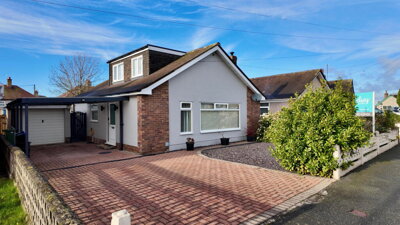
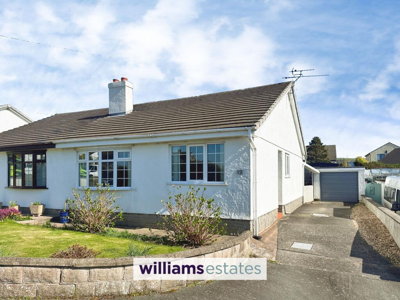
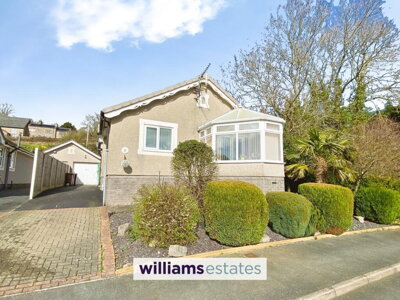
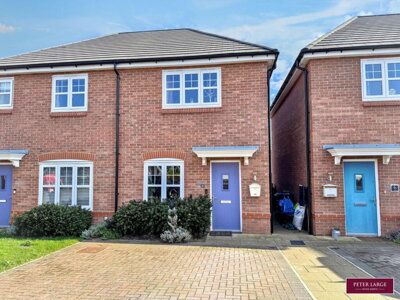
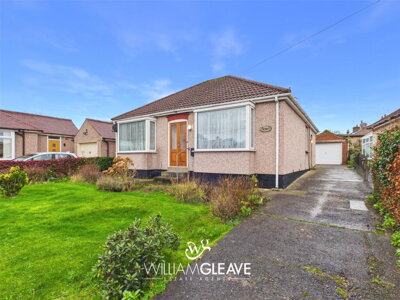
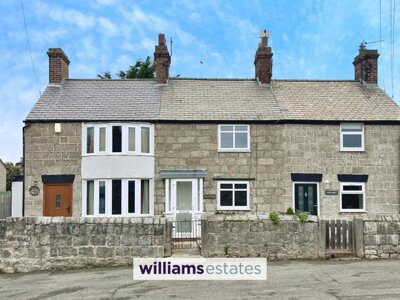
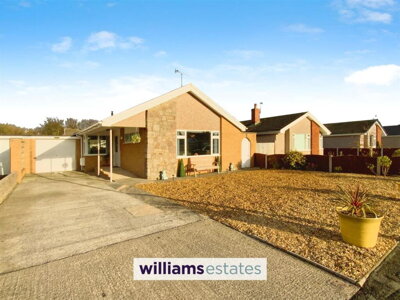
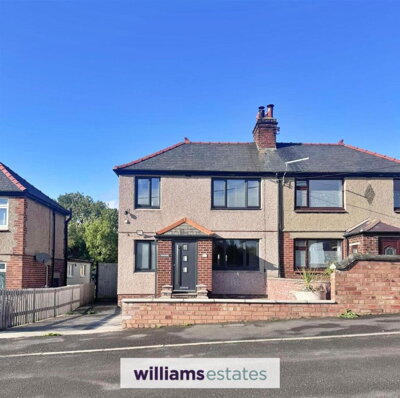
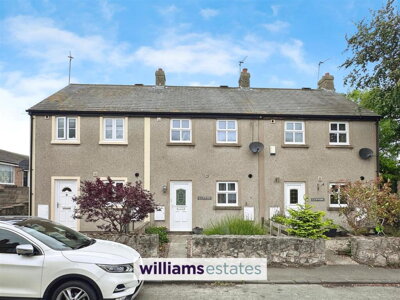
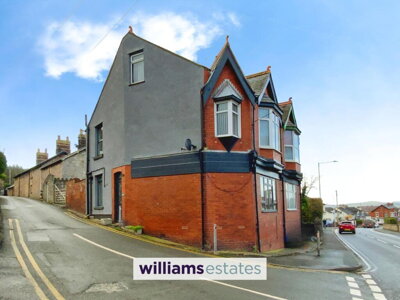
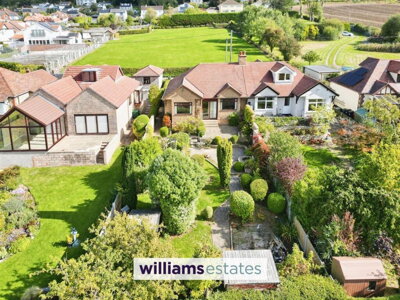
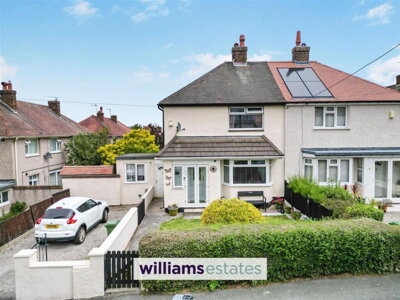
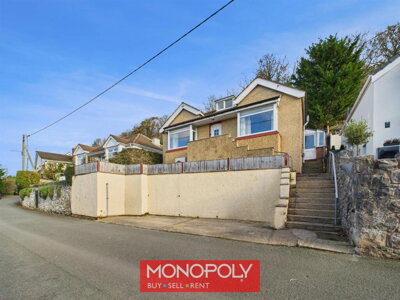
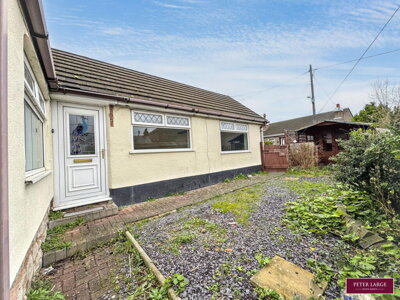
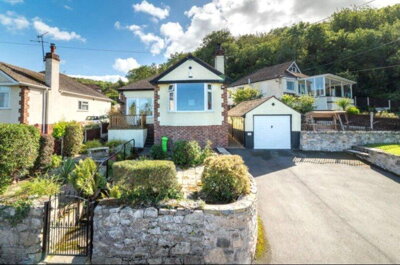
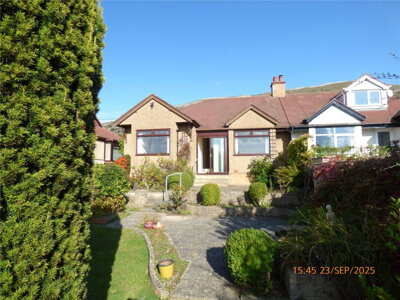
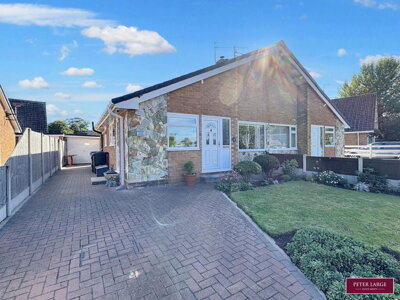
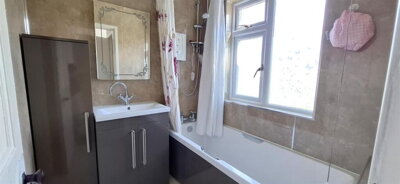
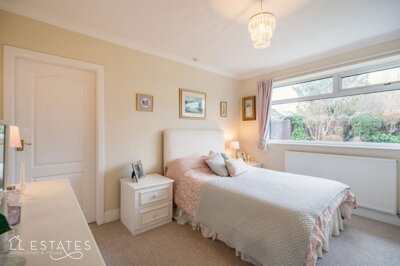
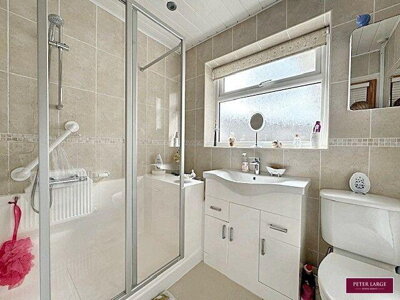
Browse 20 homes for sale in Cwm, Denbighshire from local estate agents.
The 2 bed house market features detached, semi-detached, and terraced properties with two separate bedrooms plus living spaces. Properties in Cwm range from Victorian and Edwardian period homes to modern new builds, with pricing varying across different neighbourhoods.
£0k
0
0
0
Source: home.co.uk
Showing 0 results for 2 Bedroom Houses for sale in Cwm, Denbighshire.
The property market in Cwm, Denbighshire reflects the broader characteristics of rural North Wales, where traditional stone-built properties and terraced cottages dominate the housing stock. Properties in this area typically include period cottages dating from the Victorian and Edwardian eras, mid-century semis, and occasional older farm buildings that have been converted into residential homes. The village atmosphere and proximity to stunning countryside make this an attractive location for buyers seeking value outside major urban centres.
Across Denbighshire, house prices have shown steady growth in recent years, with the regional average increasing by around 2.2% annually in line with broader Welsh market trends. Property types available in and around Cwm include traditional terraced cottages with original features, semi-detached family homes suitable for first-time buyers and growing families, and detached properties offering generous gardens and rural views. New build activity in rural Denbighshire villages like Cwm remains limited, meaning most available properties are established homes with character and history.
The lower end of the Cwm market typically features terraced cottages priced from around £120,000 to £180,000, with many requiring varying degrees of modernisation. Semi-detached family homes generally range from £150,000 to £220,000 depending on condition, location within the village, and garden size. Larger detached properties with substantial plots can reach £250,000 or more, particularly those offering elevated positions with views across the Vale of Clwyd. Properties requiring renovation may present opportunities for buyers willing to invest in improvements to create their ideal home in this sought-after rural location.

Life in Cwm, Denbighshire offers a tranquil pace that contrasts sharply with the pressures of city living. The village sits within the Vale of Clwyd, a fertile valley flanked by the Clwydian Range hills to the east and the peaks of the Denbighshire moors to the west. Residents enjoy access to extensive public footpaths and bridleways that criss-cross the surrounding countryside, making the area particularly popular with hikers, cyclists, and nature lovers who appreciate the freedom of the Welsh outdoors.
The local community in Cwm remains active and welcoming, with a village hall hosting regular events, quizzes, and seasonal celebrations that bring neighbours together. The nearby market town of Ruthin, approximately 5 miles from the village, provides essential services including a GP surgery, pharmacy, and a selection of independent shops selling local produce and artisan goods. Denbigh, another short drive away, offers additional amenities and hosts a weekly market where local farmers and craftspeople sell their wares throughout the year.
Outdoor recreation defines much of daily life in this part of Denbighshire. The Offas Dyke Path National Trail passes through the region, attracting walkers from across the UK and beyond. The nearby Clwydian Range provides opportunities for more challenging hikes with spectacular views across North Wales to the coast. For water sports enthusiasts, Llyn Brenig offers sailing, fishing, and watersports facilities, while the River Clwyd itself provides opportunities for kayaking and angling. Golfers will find several courses within reasonable driving distance, including courses in Ruthin and Denbigh that welcome members and visitors alike.
The cultural calendar in the surrounding area includes numerous events throughout the year. Ruthin hosts an annual craft fair and the Ruthin Festival brings music and entertainment to the town each summer. The nearby town of Denbigh holds regular events celebrating its historic castle and the surrounding countryside. Local pubs and restaurants serve traditional Welsh fare, with many sourcing ingredients from local farms and suppliers. The community spirit and strong sense of local identity make Cwm and its neighbouring villages particularly appealing to families and individuals seeking a genuine Welsh village experience.
Families moving to Cwm will find several primary school options serving the village and surrounding area. Ysgol Llanfair Dyffryn Clwyd is a Welsh-medium primary school located in the nearby village of Llanfair DC, providing education for children aged 3-11 with strong links to the local community. St. Peter's Primary School in Ruthin offers English-medium education and has built a solid reputation for academic achievement and nurturing pupil development over many years.
Secondary education is available at the comprehensive schools in Ruthin and Denbigh, both of which serve as the main feeder schools for students from the surrounding villages including Cwm. Schools in the area consistently work to maintain good standards, with many receiving favourable Ofsted inspections in recent years. For families seeking further education, Coleg Cambria in Wrexham provides a wide range of vocational and academic courses, while the University of Wales Trinity Saint David in Bangor offers higher education options within reasonable travelling distance.
Parents should verify current catchment area boundaries with Denbighshire County Council before purchasing, as school admissions policies can affect which schools children would be eligible to attend from any new address in Cwm. The admissions process operates on a priority basis, with catchment area residence typically forming a key criterion. Those with children approaching school age should contact the admissions team at Denbighshire County Council to confirm which schools serve their specific address and understand the timeline for applications.
Transport connectivity from Cwm centres on the A494 road which passes through the village and connects to the larger towns of Ruthin and Mold. The A494 provides direct access to the A55 North Wales Expressway at Rhyl or St. Asaph, linking residents to Chester and the motorway network beyond. For commuters working in Chester or Liverpool, the journey by car typically takes around 45 minutes to an hour depending on traffic conditions and the specific destination.
Public transport options serving Cwm and the surrounding villages include local bus routes operated by Arriva Buses Wales, connecting Ruthin with Denbigh and other nearby towns. The services provide essential connectivity for those without private vehicles, though frequencies are reduced compared to urban areas. The nearest railway stations are in Chester and Rhyl, offering connections to major cities including Manchester, Birmingham, and London via the West Coast Main Line. Many residents of rural Denbighshire villages choose to drive for daily commuting, making off-street parking at home an important consideration when evaluating properties in the area.
For those working in larger cities, the commute from Cwm requires planning but remains manageable for those accustomed to rural living. Chester, approximately 25 miles away, offers a park-and-ride scheme that can reduce city centre journey times during peak hours. Manchester can be reached in around 90 minutes by car, while Liverpool takes approximately an hour depending on the route chosen and traffic conditions. Those considering regular commuting should factor journey times into their decision-making process and ideally test the route during typical working hours before committing to a purchase.
Spend time exploring Cwm and neighbouring villages at different times of day and week. Visit local shops and amenities in Ruthin to understand what daily life would be like. Speak with current residents to learn about the community atmosphere and any considerations for newcomers. Understanding the local property market, recent sales, and what drives prices in this part of Denbighshire will help you make informed decisions throughout the buying process.
Before scheduling viewings, obtain a mortgage agreement in principle from a lender or broker. This document confirms how much you can borrow and demonstrates to sellers that you are a serious, financially prepared buyer when making an offer on a property. Having your financing arranged before making offers gives you a significant advantage in competitive situations and helps you set realistic budget limits.
Contact estate agents listing properties in Cwm to arrange viewings of homes that match your requirements. Take notes and photographs during viewings, paying attention to the condition of roofs, windows, and plumbing in older properties. Consider viewing several properties to compare value and condition. A methodical approach to viewing helps you build a clear picture of what your money buys in this specific market.
Once you have had an offer accepted, arrange for a RICS Level 2 Home Survey on the property. This independent assessment identifies any structural issues, damp problems, or necessary repairs before you commit to purchase. For older properties common in Cwm, surveys provide valuable negotiating leverage if issues are discovered. We can arrange surveys through our network of qualified RICS inspectors who know the local housing stock well.
Choose a conveyancing solicitor to handle the legal aspects of your purchase. Your solicitor will conduct searches with Denbighshire County Council, handle land registry checks, and manage the transfer of funds on completion day. Local knowledge helps, so consider solicitors experienced with Denbighshire properties who understand common issues in the area such as rights of way, common land, and older title deeds.
Once all searches are satisfactory and your mortgage is finalized, you will exchange contracts with the seller and pay your deposit. Completion typically follows within days or weeks, at which point you will receive the keys and officially become the owner of your new home in Cwm. Plan your move carefully, particularly if the property requires any immediate repairs or if you are selling a current home simultaneously.
Properties in Cwm are predominantly older construction, with many homes built using traditional methods common throughout rural North Wales. Stone walls, slate roofs, and solid brick construction are typical features of period cottages and terraces in the area. When viewing older properties, pay particular attention to the condition of roofing materials, as slate roofs can require significant maintenance and replacement costs if deteriorated. Ask about the age of windows and doors, as draughty single-glazed frames are common in unmodernised properties and will affect your heating costs.
Flood risk is an important consideration for properties in the Vale of Clwyd, given the area's proximity to the River Clwyd and its tributaries. Request information about any previous flooding incidents and check with Denbighshire County Council regarding flood plain boundaries. Properties on elevated ground within the village may offer better protection against flood risk while also providing attractive views across the surrounding countryside. Drainage and soakaway conditions should be investigated for properties with large gardens, as clay soil conditions can affect septic tank installations in rural locations.
The age of properties in Cwm means that electrical wiring, plumbing, and heating systems may require updating to meet modern standards. Ask about the date of any rewiring work and whether the property has a modern consumer unit with appropriate circuit protection. Many traditional cottages still have original wiring that would need professional assessment and likely replacement. Similarly, heating systems should be checked for efficiency and condition, with oil-fired and LPG systems common in rural locations where mains gas is unavailable.
Energy efficiency represents another important consideration when evaluating properties in Cwm. Traditional stone cottages typically have poor insulation levels due to their solid wall construction, meaning higher heating costs compared to modern properties. An EPC assessment can provide guidance on current energy performance and help you budget for any improvements needed. Buyers should factor potential insulation and heating upgrades into their overall budget when purchasing period properties in this area.
Beyond the property purchase price, buyers should budget for several additional costs when purchasing in Cwm. Stamp Duty Land Tax represents the most significant expense, with rates of 5% applying to the portion of purchase price between £250,001 and £925,000 for standard purchases. First-time buyers can benefit from relief on purchases up to £625,000, reducing costs for those entering the property market. A £250,000 property would incur no SDLT for any buyer, while a £350,000 home would attract £5,000 in stamp duty under standard rates.
Legal costs for conveyancing typically range from £500 to £1,500 depending on property value and complexity, with additional disbursements for local searches, bankruptcy checks, and land registry fees adding another £300 to £500. Survey costs for a RICS Level 2 Home Survey start from around £350 for smaller properties, with more expensive homes requiring larger surveys. Buyers purchasing energy-inefficient older properties common in Cwm should factor potential insulation and heating improvements into their budgets, as many traditional cottages have poor energy ratings requiring investment to bring up to modern standards.
Additional costs to budget for include removal expenses, buildings insurance from completion date, and any mortgage arrangement fees charged by your lender. If the property you are purchasing is a leasehold property, you may also need to pay ground rent and service charges. Those buying properties with large gardens or land should consider ongoing maintenance costs. Setting aside a contingency fund equivalent to around 10% of purchase price for unexpected costs is prudent, particularly when buying older properties that may reveal issues requiring attention.
Specific sales data for Cwm village itself is limited due to the small number of transactions in rural communities. However, Denbighshire average property prices have shown steady growth, with the broader Welsh market seeing annual increases of around 2.2%. Properties in Cwm typically include terraced cottages priced from around £120,000 to £180,000, semi-detached homes ranging from £150,000 to £220,000, and larger detached properties reaching £250,000 or more depending on size and location. New buyers should budget for properties requiring some modernisation when seeking entry-level options in this village setting. Our listings provide current asking prices for properties available in Cwm and the surrounding villages.
Properties in Cwm fall under Denbighshire County Council jurisdiction and are assigned council tax bands based on property value and type. Band A properties, typically the lowest valued homes, currently pay around £1,200 to £1,400 annually. Bands B through D cover the majority of standard family homes in the area, with charges ranging from approximately £1,400 to £1,900 per year. Larger detached properties and those with recent improvements may be placed in higher bands E through H, with corresponding increases in council tax contributions. You can check the council tax band for any specific property through the Valuation Office Agency website.
The surrounding area offers a choice of primary schools including Welsh-medium education at Ysgol Llanfair Dyffryn Clwyd and English-medium options in Ruthin. Secondary education is well-served by schools in Ruthin and Denbigh, both of which have established reputations for good academic results and strong pastoral care. Parents should verify current catchment area boundaries with Denbighshire County Council before purchasing, as school admissions policies can affect which schools children would be eligible to attend from any new address. Visiting schools and meeting staff can provide valuable insight into the educational environment before committing to a purchase.
Public transport options from Cwm include local bus services connecting to Ruthin and Denbigh, though frequencies are limited compared to urban areas with typically one or two services per hour on main routes. The nearest railway stations are located in Chester and Rhyl, both offering direct services to major UK destinations including London, Manchester, and Birmingham. Many residents of Cwm rely on private vehicles for daily commuting and essential journeys, making car ownership important for full participation in community life. Those without access to a car should factor the limited public transport options into their decision to purchase in this rural location.
Property in Cwm and the surrounding villages of Denbighshire can represent solid value compared to coastal areas of North Wales such as Anglesey or the Llŷn Peninsula. Rural villages with good transport connections to larger towns tend to maintain their appeal for buyers seeking countryside living without premium coastal prices. Properties suitable for letting, such as character cottages or homes with land, may appeal to investors, though the limited local employment base means tenant demand comes primarily from those working remotely or in nearby towns like Ruthin and Denbigh. Capital growth in rural Denbighshire has tracked national averages, with the 2.2% annual increase in Welsh property values providing steady if unspectacular returns.
Stamp Duty Land Tax applies to all property purchases in England and Wales, including Cwm in Denbighshire. Standard rates start at 0% on the first £250,000 of purchase price, rising to 5% on the portion between £250,001 and £925,000. First-time buyers purchasing properties up to £625,000 may qualify for relief, paying 0% on the first £425,000 and 5% between £425,001 and £625,000. Properties priced above £1.5 million incur higher rates of 10% and 12% on portions above that threshold. Use our stamp duty calculator to estimate your liability based on your specific purchase price and circumstances.
Properties for Sale In London

Properties for Sale In Plymouth

Properties for Sale In Liverpool

Properties for Sale In Glasgow

Properties for Sale In Sheffield

Properties for Sale In Edinburgh

Properties for Sale In Coventry

Properties for Sale In Bradford

Properties for Sale In Manchester

Properties for Sale In Birmingham

Properties for Sale In Bristol

Properties for Sale In Oxford

Properties for Sale In Leicester

Properties for Sale In Newcastle

Properties for Sale In Leeds

Properties for Sale In Southampton

Properties for Sale In Cardiff

Properties for Sale In Nottingham

Properties for Sale In Norwich

Properties for Sale In Brighton

Properties for Sale In Derby

Properties for Sale In Portsmouth

Properties for Sale In Northampton

Properties for Sale In Milton Keynes

Properties for Sale In Bournemouth

Properties for Sale In Bolton

Properties for Sale In Swansea

Properties for Sale In Swindon

Properties for Sale In Peterborough

Properties for Sale In Wolverhampton

Enter your details to see if this property is within your budget.
Loans, cards, car finance
Estimated property budget
Borrowing + deposit
You could borrow between
Typical borrowing
Monthly repayment
Est. at 4.5%
Loan-to-value
This is an estimate only. Your actual budget may vary depending on interest rates, credit history, and personal circumstances. For an accurate affordability assessment, speak to one of our free mortgage advisors.
This calculator provides estimates for illustrative purposes only and does not constitute financial advice. Your home may be repossessed if you do not keep up repayments on your mortgage. Estimates based on 4.5% interest rate, repayment mortgage. Actual rates depend on your circumstances.
Homemove is a trading name of HM Haus Group Ltd (Company No. 13873779, registered in England & Wales). Homemove Mortgages Ltd (Company No. 15947693) is an Appointed Representative of TMG Direct Limited, trading as TMG Mortgage Network, which is authorised and regulated by the Financial Conduct Authority (FRN 786245). Homemove Mortgages Ltd is entered on the FCA Register as an Appointed Representative (FRN 1022429). You can check registrations at NewRegister or by calling 0800 111 6768.

We use cookies to show you personalised content and improve your experience of our website. Find out more in our Privacy policy and Cookie policy.