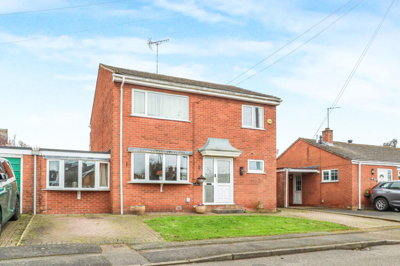
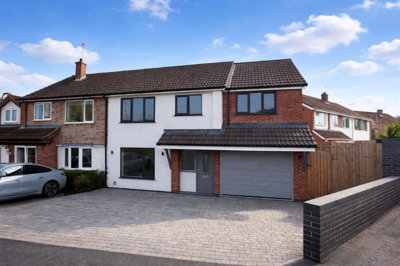
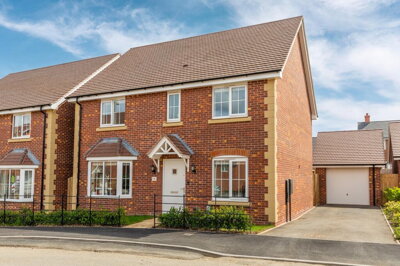
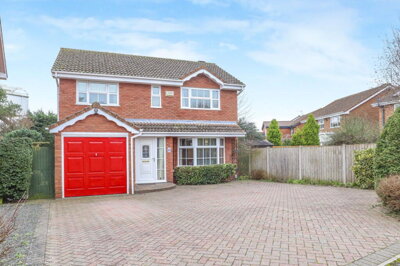
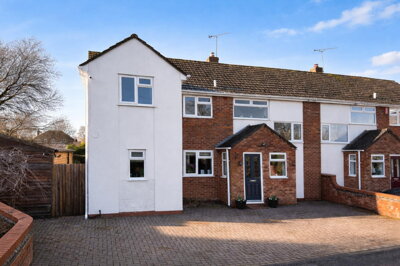
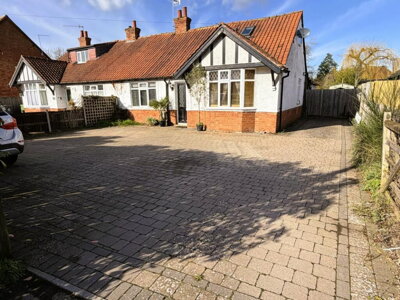
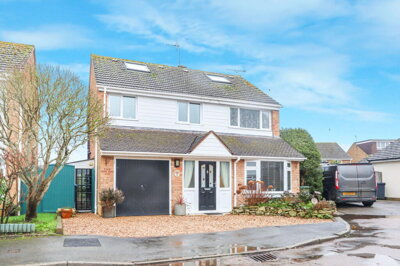
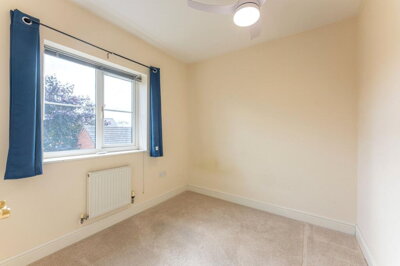
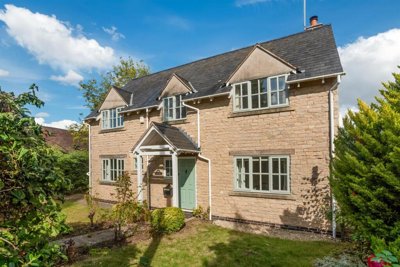
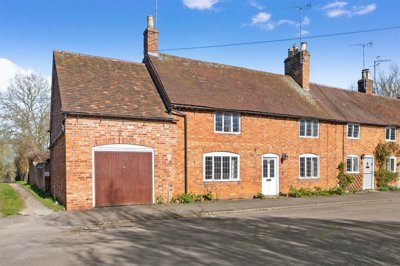
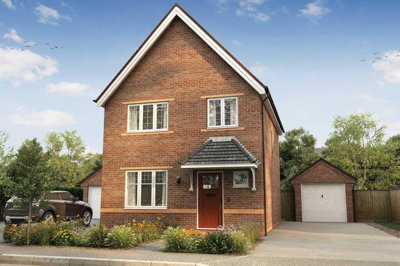
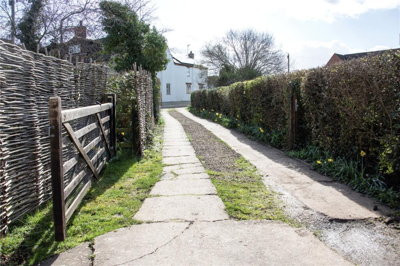
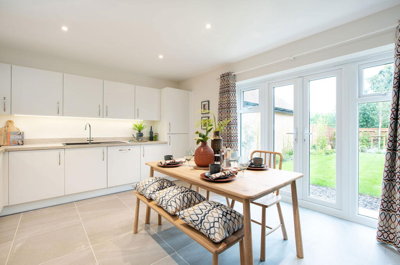
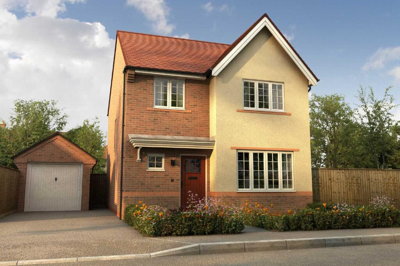
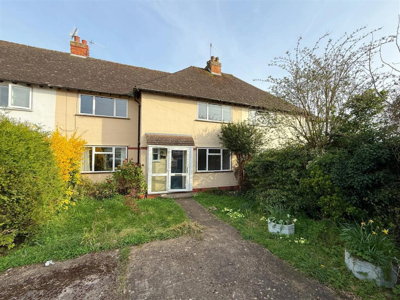
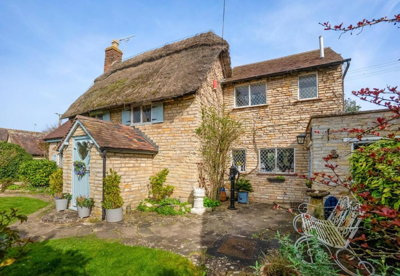
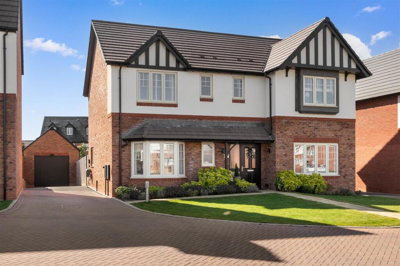
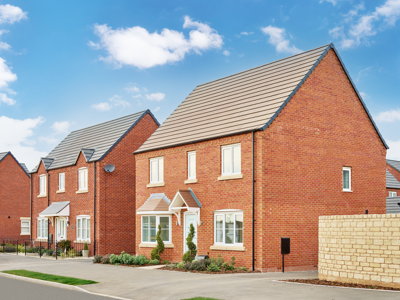
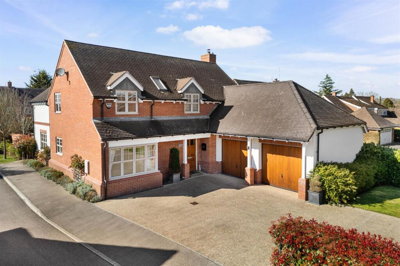
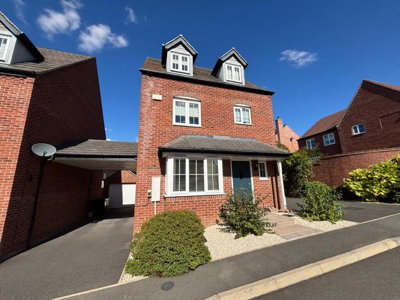
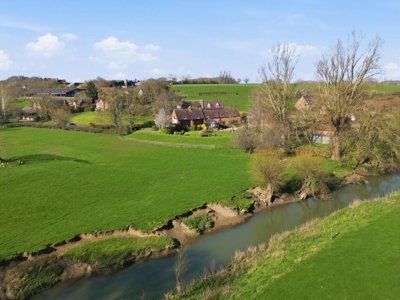
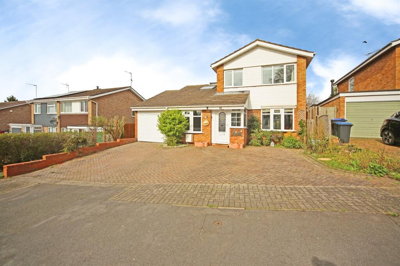
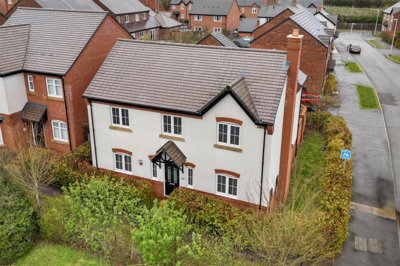
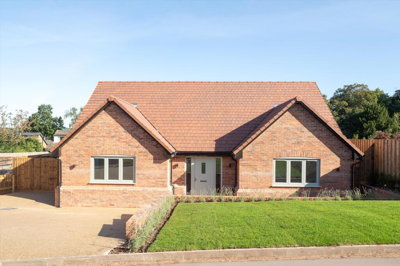
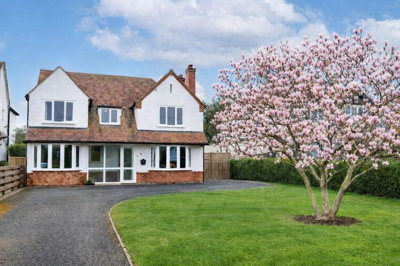
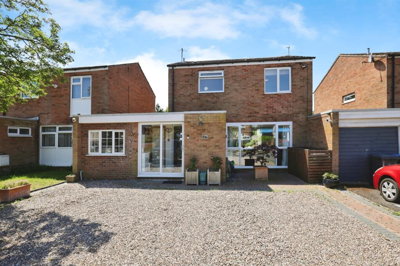
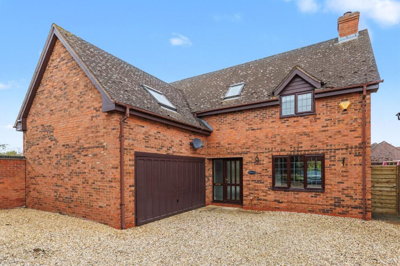
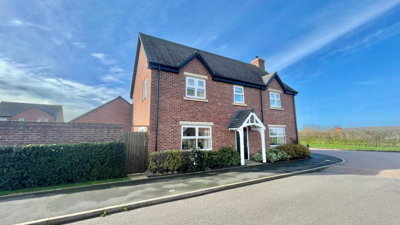
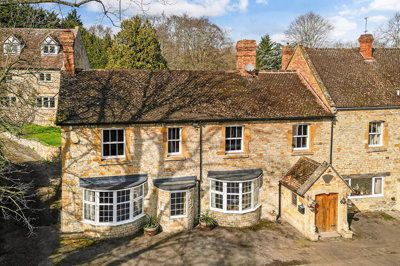
Browse 213 homes for sale in CV37 from local estate agents.
The larger property sector typically features multiple bathrooms, substantial reception space, and private gardens or off-street parking. Four bedroom houses in CV37 span detached, semi-detached, and occasionally terraced configurations, with styles ranging from period properties to modern executive homes.
£550k
106
11
89
Source: home.co.uk
Showing 106 results for 4 Bedroom Houses for sale in CV37. 11 new listings added this week. The median asking price is £550,000.
Source: home.co.uk
Detached
78 listings
Avg £745,551
Semi-Detached
22 listings
Avg £506,250
Terraced
6 listings
Avg £479,667
Source: home.co.uk
Source: home.co.uk
The Stratford-upon-Avon property market has demonstrated resilience and steady growth, with Rightmove reporting that overall sold prices in CV37 were 6% higher over the last year compared to the previous twelve months, and now 3% above the 2022 peak of £446,645. This positive trajectory reflects strong demand from buyers seeking the quality of life the town offers, balanced against a relatively limited supply of properties coming to market. Zoopla records an average sold price of £452,543 over the last 12 months, with 338 properties changing hands according to Home.co.uk data.
Property values in CV37 vary significantly by type, with detached homes commanding the highest prices at an average of £638,928, followed by semi-detached properties at £395,647 and terraced properties at £337,205 according to Rightmove data. Flats remain the most affordable option at around £227,103. Some postcode sub-areas within CV37 show particularly strong performance, with CV37 6SL recording a remarkable 48% increase in prices over the last year, while CV37 7 saw growth of 6.3% and CV37 9 experienced a slight dip of 0.3%.
The mix of property types in Stratford-upon-Avon reflects its long history as a market town, with a significant proportion of older properties dating from the 16th and 17th centuries alongside more modern residential development. Areas like Bishopton and Tiddington feature post-war and later housing estates, while the town centre retains its medieval street pattern with timber-framed buildings and narrow lanes. Newer developments have expanded the housing offer in recent decades, providing family homes with contemporary construction methods including cavity wall insulation and modern plumbing and electrical systems.

Stratford-upon-Avon nestles gracefully along the River Avon in south Warwickshire, surrounded by rolling countryside that forms part of the Shakespeare Country region. The town centre retains its medieval street pattern with narrow lanes and timber-framed buildings, many of which date from the 16th and 17th centuries when the town flourished as a market centre. The River Avon itself provides a scenic backdrop for leisurely walks along the Bancroft Gardens and towards the historic tramway bridge, while the surrounding Warwickshire countryside offers excellent walking, cycling, and bridleway routes through farmland and woodland.
The local economy centres on tourism, with visitors drawn to the five Shakespeare houses managed by the Shakespeare Birthplace Trust, the Royal Shakespeare Company theatre complex, and numerous heritage attractions throughout the town. This tourism sector supports a vibrant hospitality industry featuring traditional pubs, contemporary restaurants, and boutique cafes, while Henley Street and Wood Street offer an mix of national retailers and independent shops selling everything from antiques to artisan foods. The weekly market in Rother Street has trading roots stretching back to the 13th century, and there are regular farmers markets and craft fairs throughout the year.
Beyond the tourist heartland, Stratford-upon-Avon offers excellent everyday amenities including supermarkets, healthcare facilities, and recreational venues. The district hospital serves the wider south Warwickshire area, while sports facilities include the Stratford Olympic Pool, several gyms, and golf clubs in the surrounding countryside. The town's proximity to the Cotswolds, Warwick Castle, and the Shakespeare Heritage Trail makes it an ideal base for exploring the region, while Birmingham's shops, entertainment, and employment opportunities remain accessible for day trips or commuting.

Education provision in Stratford-upon-Avon serves families well across all age groups, with the town offering a selection of primary and secondary schools that consistently achieve above-average results. The Edward VI Grammar School, a selective grammar school founded in 1553, serves academically able students from across the region and regularly features among the top-performing state schools in Warwickshire. For families seeking faith-based education, the St. Mary's Catholic Primary School provides excellent primary provision, while both of the main secondary schools offer sixth form courses that prepare students for university and vocational pathways.
Early years education is well catered for through numerous nurseries and pre-schools scattered throughout the town, including both private settings and those attached to primary schools. The Stratford-upon-Avon College provides further education opportunities for post-16 students seeking vocational qualifications and A-levels, while the University of Warwick in Coventry and the University of Birmingham are within commuting distance for older students. Parents purchasing property in CV37 should research specific school catchment areas, as admission policies can be competitive in popular areas, particularly for the grammar schools which admit based on selection testing results.
The quality of local schools significantly influences property values in certain neighbourhoods, with areas close to the Edward VI Grammar School and other highly-rated primaries commanding premium prices. Bishopton has seen particular interest from families due to its mix of housing and proximity to several primary schools, while Tiddington offers more affordable options while still providing good access to town centre amenities. The grammar school selection process means families often begin preparing for entry assessments several years in advance, making educational planning an important factor when choosing where to buy in CV37.
Stratford-upon-Avon benefits from excellent transport connections that make it practical for commuters working in larger cities while enjoying the lifestyle benefits of a smaller town. The Stratford-upon-Avon railway station, operated by West Midlands Railway, provides regular services to Birmingham Snow Hill via Warwick, Leamington Spa, and Solihull, with journey times to Birmingham of approximately 50 minutes. Additional services connect to London Marylebone via the Chiltern Railways route through Banbury, with journey times of around two hours, making Stratford accessible for capital commuters.
Road connections serve the town well via the A46 dual carriageway which provides a direct link to Coventry and the M40 motorway at Warwick, giving access to Oxford and London to the south and Birmingham to the north. Local bus services operated by Stagecoach connect Stratford with surrounding villages and towns including Warwick, Alcester, and Henley-in-Arden, while Stagecoach's X50 service provides a direct connection to Birmingham city centre. For air travel, Birmingham Airport is approximately 30 miles away via the M42, offering domestic and international flights. Cyclists benefit from National Cycle Route 5 which passes through the town, connecting with broader cycling networks across Warwickshire.
Parking provision in the town centre can be challenging during peak tourist seasons, which is worth considering for those planning to commute by car. Several public car parks serve the shopping and leisure areas, while residents of properties in the historic core may qualify for resident parking permits subject to availability. The town's position at the intersection of the A46 and A439 provides reasonable access to the wider road network, though rush hour traffic through the town centre can experience delays, particularly during school runs and tourist season.
Properties in Stratford-upon-Avon and the surrounding CV37 area display a fascinating variety of construction methods reflecting the town's long history and the evolution of building practices over the centuries. The historic core contains numerous timber-framed buildings with cruck construction, exposed beams, and wattle-and-daub infill panels, many of which have been re-clad in brick or render over the centuries. Red brick became the dominant local building material from the Tudor period onwards, with distinctive warm tones reflecting the clay deposits found throughout Warwickshire.
Local stone from historic quarries in the surrounding countryside has been used extensively in older properties, particularly for foundations, boundary walls, and important civic buildings. The Mercia Mudstone Group underlying much of the area provides locally-sourced building material but also creates clay-rich soils that can be susceptible to shrink-swell behaviour affecting foundations. Modern developments in areas like Bishopton and Tiddington use contemporary construction methods including cavity wall construction with brick or render finishes, concrete foundations, and trussed rafter roofs.
Older properties, particularly those in the town centre conservation area, often feature solid brick or stone walls without cavity insulation, solid timber floorboards rather than suspended floors, and older plumbing and electrical systems that may require upgrading. Understanding the construction type is essential for budgeting maintenance costs, as traditional solid-walled buildings require different treatment than modern cavity-wall properties. A thorough survey by a qualified professional can identify potential issues related to the specific construction methods used in any property you are considering purchasing.
Properties in Stratford-upon-Avon, particularly those located near the River Avon or in low-lying areas, should be carefully assessed for flood risk before purchase. The River Avon flows through the heart of the town, and while flood defences have been improved over the years, the river has historically caused flooding in areas adjacent to the watercourse during periods of heavy rainfall and high water levels. Properties on streets such as Waterside, Bridge Street, and areas near the Bancroft Gardens warrant particular attention when assessing flood risk.
Surface water flooding represents an additional consideration in urbanised locations where drainage systems can become overwhelmed during periods of intense rainfall. The Environment Agency maintains flood risk maps that identify areas susceptible to surface water flooding, and we recommend requesting an environmental search from your conveyancing solicitor that will identify any flood risk affecting the property you are considering purchasing. This search will also identify ground stability issues, including any potential shrink-swell behaviour in clay-rich soils that can affect foundations.
Stratford-upon-Avon is not a coal mining area, so mining subsidence is unlikely to be a widespread concern across CV37. However, historical quarrying for local stone and building materials could represent a localised issue in some areas, and a proper conveyancing search should identify any former mineral workings that might affect a specific property. The overall environmental risk profile for most of CV37 is relatively low, but due diligence through appropriate searches remains essential for any property purchase.
Properties in Stratford-upon-Avon present some unique considerations for buyers, particularly those searching within the town centre where numerous buildings are Listed or located within conservation areas. Listed buildings are protected under the Planning (Listed Buildings and Conservation Areas) Act 1990, meaning that any alterations, extensions, or even some repairs require Listed Building Consent from Stratford-on-Avon District Council. These properties often require specialist surveys and buyers should budget for potentially higher maintenance costs, as original features such as timber frames, leaded windows, and historic plasterwork require careful upkeep.
The local geology in parts of Warwickshire includes clay-rich soils from the Mercia Mudstone Group, which can be susceptible to shrink-swell behaviour that affects foundations. Properties in areas near the River Avon should be checked for flood risk, as the river has historically caused flooding in low-lying areas adjacent to the watercourse. Surface water flooding can also occur in urbanised locations where drainage systems become overwhelmed during heavy rainfall. We recommend requesting an environmental search from your conveyancing solicitor that will identify any flood risk, ground stability issues, or contamination concerns affecting the property.
Many properties in the CV37 area will be constructed using traditional methods including solid brick or stone walls, timber floors, and older plumbing and electrical systems. Properties built before modern standards may have outdated electrics, lead water pipes, or asbestos-containing materials that should be assessed by a qualified surveyor. Common defects found in older properties across the area include damp issues (rising damp, penetrating damp, and condensation), roof defects such as missing tiles or worn felt, timber defects including rot and woodworm, and potential structural movement related to the underlying clay geology. Flats in particular may be leasehold with service charges and ground rent arrangements that should be carefully reviewed before purchase.
Obtain a mortgage agreement in principle from a lender before viewing properties. This demonstrates to estate agents and sellers that you are a serious buyer with funding already arranged. Stratford-upon-Avon's competitive market means sellers often prefer offers from buyers who can move quickly, with mortgage finance already confirmed.
Spend time exploring different neighbourhoods within CV37, from the historic town centre with its Listed buildings and conservation areas to residential areas like Bishopton, Tiddington, and the villages surrounding Stratford. Consider your priorities for schools, transport, amenities, and property type. Each neighbourhood offers different advantages, from the character of period properties near the river to the practicality of modern family homes on newer estates.
Use Homemove to search for properties matching your criteria and arrange viewings through the listed estate agents. View properties at different times of day to understand noise levels, traffic, and the neighbourhood character at various hours. Pay particular attention to the condition of older properties and any signs of damp, structural movement, or maintenance issues that may require attention.
Once you have an offer accepted, instruct a RICS Level 2 Survey to assess the property condition. Given Stratford-upon-Avon's older housing stock with its mix of timber-framed buildings, solid-walled properties, and period features, a thorough survey is essential to identify any structural issues, damp problems, or required repairs before you commit to purchase. Properties in conservation areas or Listed buildings may benefit from a more detailed RICS Level 3 Building Survey.
Your solicitor will handle the legal transfer of ownership, conduct searches with Stratford-on-Avon District Council, and liaise with your mortgage lender. They will report on any planning restrictions, rights of way, or other matters affecting the property, including any heritage designations that may affect how you can use or alter the property in future.
Once all searches are satisfactory and your mortgage offer is confirmed, you will exchange contracts and pay your deposit. Completion typically follows within 2-4 weeks, when the remaining funds are transferred and you receive the keys to your new home in Stratford-upon-Avon. At this point, you can begin the exciting process of making the property your own.
The average house price in CV37 is currently £462,195 according to Rightmove data, with Zoopla reporting a similar figure of £452,543 for properties sold in the last 12 months. Detached properties average around £638,928, semi-detached homes £395,647, terraced properties £337,205, and flats approximately £227,103. The market has shown 6% growth over the past year, indicating strong demand for property in this historic town, with some sub-areas like CV37 6SL recording increases of up to 48%.
Council tax bands in Stratford-upon-Avon are set by Stratford-on-Avon District Council. Bands range from A (the lowest) to H (the highest), with the actual amount payable depending on the property's valuation band. Most residential properties in the CV37 area fall within bands A through E, with larger detached properties in areas like Bishopton potentially attracting higher bands. Your solicitor can confirm the exact band during conveyancing, and you can check current council tax rates on the Stratford-on-Avon District Council website.
Stratford-upon-Avon offers excellent educational options at all levels. The Edward VI Grammar School is a highly selective grammar school with an outstanding reputation, while King Edward VI School provides comprehensive secondary education. Primary schools including St. Mary's Catholic Primary and Thomas Jolyffe Primary School achieve strong academic results. Parents should verify current catchment areas and admission policies directly with Warwickshire County Council, as these can change annually and can be particularly competitive for popular schools in the area.
Stratford-upon-Avon railway station offers regular services to Birmingham Snow Hill (approximately 50 minutes) and London Marylebone (approximately 2 hours) via West Midlands Railway and Chiltern Railways. The town is served by Stagecoach bus services connecting to surrounding towns including Warwick, Leamington Spa, and Alcester. The nearby M40 motorway provides road connections to Birmingham, Oxford, and London. Birmingham Airport is approximately 30 miles away, while the X50 bus service provides a direct connection to Birmingham city centre for those preferring public transport.
Stratford-upon-Avon has historically demonstrated stable property values with consistent demand driven by tourism, education, and its appeal as a commuter town. The area attracts buyers seeking both primary residences and holiday let investments, particularly given its strong tourism economy and year-round visitor numbers to the Shakespeare attractions. Properties in conservation areas or with Shakespeare heritage connections can command premium prices, while the 6% annual price growth indicates healthy market conditions. The limited supply of properties coming to market relative to demand supports continued value stability, though as with any investment, prospective buyers should consider their long-term plans and local market factors carefully.
Stamp Duty Land Tax (SDLT) rates from April 2025 are 0% on the first £250,000 of property value, 5% on £250,001 to £925,000, 10% on £925,001 to £1.5 million, and 12% above £1.5 million. First-time buyers benefit from relief on the first £425,000 (0% rate), with 5% applied between £425,001 and £625,000. With an average property price of £462,195 in CV37, a standard buyer purchasing at this price point would pay approximately £10,610 in SDLT, while a first-time buyer might pay nothing on the first £425,000 and 5% on the remaining £37,195.
Stratford-upon-Avon has a significant concentration of Listed buildings and several designated conservation areas, particularly within the historic town centre and surrounding areas associated with Shakespeare's life and legacy. Properties within these areas are subject to stricter planning controls under the Planning (Listed Buildings and Conservation Areas) Act 1990, requiring Listed Building Consent for most alterations, extensions, or significant repairs. If you are considering purchasing a Listed property, you should budget for potentially higher maintenance costs and specialist survey requirements, as original features including timber frames, leaded windows, and historic plasterwork require careful upkeep to preserve their character and comply with heritage protection regulations.
Given the significant proportion of older properties in the CV37 area, common defects include damp issues (rising damp, penetrating damp, and condensation) particularly in solid-walled buildings without cavity insulation. Roof defects such as missing tiles, worn felt, and lead flashing issues are frequently identified in period properties due to age and exposure to the elements. Timber defects including rot and woodworm can affect timber-framed buildings and properties with timber floors. Properties built before modern standards may have outdated electrical wiring, lead water pipes, or asbestos-containing materials. The underlying clay geology in parts of the area can also cause foundation movement through shrink-swell behaviour, particularly during prolonged dry or wet periods. A thorough survey before purchase can identify these issues and help you budget for any necessary repairs.
From 3.89%
Find competitive mortgage deals for your Stratford-upon-Avon property
From £499
Expert legal services for your CV37 property purchase
From £400
Professional survey for your Stratford-upon-Avon home
From £85
Energy performance certificate for your property
Understanding the full costs of purchasing property in Stratford-upon-Avon is essential for budgeting effectively. Beyond the property purchase price, buyers should budget for Stamp Duty Land Tax, which applies to all freehold and leasehold purchases above £250,000 at standard rates. For a typical CV37 property at the current average price of £462,195, a standard buyer would pay SDLT of approximately £10,610. First-time buyers purchasing properties up to £625,000 may qualify for relief, reducing their SDLT liability significantly on lower-priced properties.
Legal costs for conveyancing in the Stratford-upon-Avon area typically range from £499 to £1,500 depending on the complexity of the transaction and whether the property is leasehold. Your solicitor will conduct essential searches including a local authority search with Stratford-on-Avon District Council, an environmental search to identify flood risk and ground stability concerns, and a drainage and water search. Survey costs should also be factored in, with RICS Level 2 Surveys ranging from £400 for smaller properties to £900 or more for larger homes. Mortgage arrangement fees, valuation fees, and broker costs can add a further £1,000-2,000 to your buying costs, while removal expenses and any immediate repairs or renovations should also be considered when setting your budget.
For a property at the CV37 average price of £462,195, total buying costs including SDLT, legal fees, survey, mortgage fees, and moving costs might typically total £15,000-20,000. However, this varies significantly depending on property value, whether you are a first-time buyer, and the condition of the property you purchase. Properties requiring significant repairs or renovations may incur additional costs that should be factored into your overall budget when making an offer.
Properties for Sale In London

Properties for Sale In Plymouth

Properties for Sale In Liverpool

Properties for Sale In Glasgow

Properties for Sale In Sheffield

Properties for Sale In Edinburgh

Properties for Sale In Coventry

Properties for Sale In Bradford

Properties for Sale In Manchester

Properties for Sale In Birmingham

Properties for Sale In Bristol

Properties for Sale In Oxford

Properties for Sale In Leicester

Properties for Sale In Newcastle

Properties for Sale In Leeds

Properties for Sale In Southampton

Properties for Sale In Cardiff

Properties for Sale In Nottingham

Properties for Sale In Norwich

Properties for Sale In Brighton

Properties for Sale In Derby

Properties for Sale In Portsmouth

Properties for Sale In Northampton

Properties for Sale In Milton Keynes

Properties for Sale In Bournemouth

Properties for Sale In Bolton

Properties for Sale In Swansea

Properties for Sale In Swindon

Properties for Sale In Peterborough

Properties for Sale In Wolverhampton

Enter your details to see if this property is within your budget.
Loans, cards, car finance
Estimated property budget
Borrowing + deposit
You could borrow between
Typical borrowing
Monthly repayment
Est. at 4.5%
Loan-to-value
This is an estimate only. Your actual budget may vary depending on interest rates, credit history, and personal circumstances. For an accurate affordability assessment, speak to one of our free mortgage advisors.
This calculator provides estimates for illustrative purposes only and does not constitute financial advice. Your home may be repossessed if you do not keep up repayments on your mortgage. Estimates based on 4.5% interest rate, repayment mortgage. Actual rates depend on your circumstances.
Homemove is a trading name of HM Haus Group Ltd (Company No. 13873779, registered in England & Wales). Homemove Mortgages Ltd (Company No. 15947693) is an Appointed Representative of TMG Direct Limited, trading as TMG Mortgage Network, which is authorised and regulated by the Financial Conduct Authority (FRN 786245). Homemove Mortgages Ltd is entered on the FCA Register as an Appointed Representative (FRN 1022429). You can check registrations at NewRegister or by calling 0800 111 6768.

We use cookies to show you personalised content and improve your experience of our website. Find out more in our Privacy policy and Cookie policy.