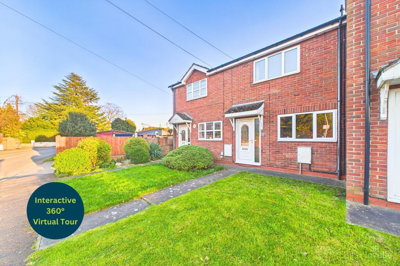
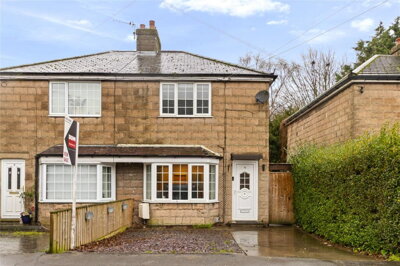
Browse 2 homes for sale in Croxton from local estate agents.
The 2 bed house market features detached, semi-detached, and terraced properties with two separate bedrooms plus living spaces. Properties in Croxton range from Victorian and Edwardian period homes to modern new builds, with pricing varying across different neighbourhoods.
The North Lincolnshire property market has demonstrated consistent growth, with house prices rising by 4.3% in the year leading to December 2025. This trend reflects broader demand for rural properties as more buyers seek space, access to countryside, and better value for money compared to urban centres. In Croxton itself, property types typically include traditional stone and brick cottages, mid-century detached houses, and occasional converted farm buildings that offer generous proportions and rural charm. The village attracts buyers who appreciate architectural character, large gardens, and the privacy that comes with less densely populated areas.
Detached properties in the North Lincolnshire area command an average price of £251,000, making them a significant investment but offering substantial space for families or those working from home. Semi-detached homes average £163,000, representing excellent value for buyers seeking a balance between village living and modern convenience. Terraced properties and cottages average £133,000, while flats in the region average £78,000. For Croxton specifically, terraced cottages and semi-detached houses form a notable part of the housing stock, often featuring original features such as exposed beams, inglenook fireplaces, and solid timber doors that appeal to buyers seeking character properties.
The North Lincolnshire housing market saw approximately 2,215 property transactions in the twelve months to September 2025, indicating healthy market activity despite economic headwinds affecting the wider UK property sector. This transaction volume demonstrates buyer confidence in the region and suggests that properties priced competitively still achieve sales within reasonable timeframes. For anyone considering a move to Croxton, the current market conditions present both opportunity and consideration - rising values mean that buying sooner rather than later may secure better prices, while the variety of property types available means that most buyers can find something suited to their requirements and budget.
Property values in villages like Croxton often show resilience during market fluctuations, as the limited supply of rural homes combined with persistent demand from buyers seeking lifestyle changes helps support prices. First-time buyers entering the market in this area benefit from relatively accessible price points, with many terraced properties and smaller cottages available below the national average. Investors considering rental opportunities in North Lincolnshire will find that tenant demand remains steady, particularly for properties offering good access to employment centres in Scunthorpe and surrounding industrial areas.

Croxton embodies the essence of rural Lincolnshire living, offering residents a tranquil environment surrounded by farmland, gentle rolling hills, and the kinds of landscapes that define this part of England. The village community maintains strong traditions, with local events, fetes, and gatherings providing regular opportunities for neighbours to connect and socialise. Walking routes crisscross the surrounding countryside, taking in farmland, woodland areas, and the kind of expansive skies that Lincolnshire is famous for. The pace of life here moves at a comfortable rhythm, far removed from the pressures of urban living yet connected enough to modern amenities that daily life remains convenient.
The wider North Lincolnshire area shows a housing stock dominated by detached properties at 42.2%, with semi-detached houses at 30.6% and terraced properties at 23.3%. This mix provides good variety for buyers with different needs and budgets. Many properties in villages like Croxton date from various periods, meaning you can find everything from Victorian-era workers cottages to post-war family homes and more recent constructions. The demographic of rural villages in this part of Lincolnshire tends to include a mix of long-established families, commuters who work in nearby towns, and retirees seeking a peaceful retirement setting. Local amenities in surrounding villages and market towns ensure that residents do not need to travel far for shopping, healthcare, or leisure activities.
The geography of North Lincolnshire influences daily life in villages like Croxton, with the relatively flat landscape making cycling and walking popular activities throughout the year. The proximity to the Humber Estuary affects the local character, bringing maritime influences and creating the wide open skies that visitors often comment upon. Agricultural activity surrounds the village, with farmland stretching to the horizon and seasonal changes providing a constantly shifting backdrop to daily life. Local produce, farm shops, and countryside markets contribute to a lifestyle that many buyers find appealing when considering a move away from urban areas.
Community life in North Lincolnshire villages typically revolves around parish councils, local pubs, village halls, and places of worship that serve as social hubs throughout the year. New residents to Croxton can expect a warm welcome from existing community members, with opportunities to participate in events ranging from summer fetes to winter celebrations. The sense of belonging that develops in villages where people know their neighbours creates a social environment that many buyers find difficult to replicate in larger towns and cities.

Families considering a move to Croxton will find educational options available across North Lincolnshire, with primary schools serving the village and surrounding rural communities. Primary school children typically attend schools in nearby villages or towns, with school transport arrangements supporting those living in more remote locations. The county maintains a network of primary schools that have earned solid reputations for academic achievement and nurturing environments. For secondary education, pupils generally travel to larger settlements where schools offer broader curricula, specialist facilities, and comprehensive extracurricular programmes.
North Lincolnshire schools perform well in national assessments, with the local education authority supporting school improvement initiatives across the region. Primary schools in the surrounding market towns serve catchment areas that extend into rural villages like Croxton, with schools in towns such as Brigg and Barton-upon-Humber providing strong educational foundations for younger children. These primary institutions typically offer small class sizes that allow teachers to provide individual attention, a benefit often highlighted by parents making the move from larger urban areas where school sizes can be significantly larger.
For secondary education, pupils from Croxton typically travel to schools in nearby market towns that offer comprehensive curricula and good examination results. Schools in the North Lincolnshire area provide GCSE and A-Level programmes, with several offering sixth form provision that allows students to continue their education locally without needing to travel to larger cities. The John Harrison Academy in Cleethorpes and Huntcliff School in Skegness represent examples of secondary schools serving wider Lincolnshire communities, while comprehensive schools in Scunthorpe provide additional options for families willing to travel.
Parents should research specific school catchment areas when considering where to buy, as admission policies can affect placement. North Lincolnshire Council publishes catchment maps and admission criteria that prospective buyers should review carefully before committing to a purchase. Several secondary schools in the area offer sixth form provision, while further education colleges in larger towns provide vocational and academic courses for older students. When buying a property in Croxton, verifying the local schooling situation with North Lincolnshire Council and visiting schools directly will help families make informed decisions about their children's education.
Transport connectivity from Croxton centres on the road network that links rural villages to larger towns and employment centres. The A1077 and other main roads provide routes to Scunthorpe, the largest town in North Lincolnshire, where residents access shopping centres, healthcare facilities, and employment opportunities. Barnetby railway station, situated on the Sheffield to Grimsby line, offers rail connections for those commuting further afield. The station provides links to major cities including Sheffield and Nottingham, making Croxton viable for residents who need to travel for work while enjoying village living.
Bus services operate throughout North Lincolnshire, connecting villages to market towns on scheduled routes. However, rural bus provision typically offers less frequent services than urban areas, making private transport advantageous for daily commuting and errands. The area benefits from proximity to the M180 motorway, providing connections to Hull, Doncaster, and the wider motorway network. For air travel, Humberside Airport offers domestic and European flights within reasonable driving distance. Cyclists appreciate the quieter rural lanes, though the flat Lincolnshire landscape also provides opportunities for longer rides across the Wolds or coastal routes.
Commuting from Croxton has become increasingly viable as remote working practices have become normalised, with many residents choosing to live in the village while working from home most days and travelling to offices only occasionally. The proximity to the M180 places Croxton within reasonable driving distance of employment centres in South Yorkshire and Humberside, while the A15 provides a direct route north towards Hull. Those working in Scunthorpe benefit from a straightforward commute that takes advantage of the areas connecting road network without the traffic congestion experienced in larger cities.
For those who need to travel further afield for work, Barnetby station offers regular services to destinations including Sheffield, where residents can connect to the national rail network and reach London in approximately two hours. Grimsby, accessible via road or rail, provides additional employment opportunities in the port and manufacturing sectors that form part of the local economy. The combination of flexible working arrangements and practical transport options makes village living increasingly accessible for professionals who previously would have needed to live closer to their places of work.
Before viewing properties, obtain a mortgage agreement in principle from a lender. This demonstrates your financial credibility to sellers and agents while helping you understand your realistic budget. Given current average prices of around £180,000 in North Lincolnshire, factor in deposit requirements and monthly repayments that fit comfortably within your finances. Speaking to a mortgage broker who understands the local market can help you explore the full range of products available and find a deal suited to your circumstances.
Spend time exploring Croxton at different times of day and week. Visit local amenities, speak to residents about the community, and check proximity to schools, shops, and transport links. Understanding the village character helps ensure it matches your lifestyle expectations and that you feel genuinely at home here. Drive the routes you would use daily to understand journey times to work, schools, and leisure activities.
Work with local estate agents to arrange viewings of suitable properties. Take notes on property condition, note any potential issues that might require survey investigation, and assess whether asking prices reflect the property value given current market trends of 4.3% annual growth. When viewing properties in Croxton, pay particular attention to the construction of older cottages, the condition of thatched roofs where applicable, and the maintenance history of period features.
Once you have made an offer and it has been accepted, book a RICS Level 2 Survey to assess the property condition thoroughly. For older properties common in rural villages, this surveyor inspection identifies defects, maintenance issues, and potential repair costs before you commit fully. Our RICS Level 2 Survey for Croxton properties starts from £350 and provides the detailed assessment needed when purchasing a property with character features that may require specialist maintenance.
Choose a solicitor experienced in rural property transactions to handle the legal aspects of your purchase. They will conduct searches, review contracts, and manage the transfer of ownership. Budget for conveyancing fees as part of your overall buying costs. For properties in villages like Croxton, your solicitor should pay particular attention to rights of way, drainage arrangements, and any shared maintenance responsibilities that commonly affect rural properties.
Finalize your mortgage, pay your deposit, and coordinate with your solicitor to exchange contracts and complete your purchase. On completion day, you will receive the keys to your new home in Croxton and can begin settling into your new village community. Take time to introduce yourself to neighbours, explore local amenities, and start building connections within the community that will make your transition to village life smooth and enjoyable.
Purchasing a property in a rural village like Croxton requires attention to specific considerations beyond standard property searches. Flood risk should be investigated using Environment Agency maps, particularly for properties near watercourses or in low-lying areas of the countryside. Rural properties may sit in flood plains given the proximity to farmland and drainage channels. Checking historical flood records and the property's previous flood insurance history provides valuable insight into potential future issues.
Conservation areas and listed buildings require careful consideration for buyers. Properties with listed status may have restrictions on alterations, renovations, and extensions that affect your plans for the home. North Lincolnshire Council maintains records on designated conservation areas and listed buildings, and your solicitor should investigate these during the conveyancing process. Older properties throughout Lincolnshire often feature traditional construction methods and materials that differ from modern buildings, making professional surveys particularly valuable for identifying any associated maintenance needs.
For properties with land, septic tanks, private water supplies, or off-mains drainage systems require verification of their compliance with current regulations. Service charges and maintenance fees for shared facilities should be clearly understood before purchase. Properties on private lanes may involve shared responsibility for road maintenance, and boundary responsibilities can sometimes lead to disputes if not clearly documented. Your solicitor's local authority searches will reveal much of this information, but personal due diligence during viewings and conversations with neighbours provides additional assurance.
Properties in North Lincolnshire often feature traditional construction including solid brick walls, clay tile roofs, and timber frame elements that require different maintenance approaches compared to modern cavity wall construction. Older cottages may have original sash windows that need careful restoration rather than replacement, while larger detached properties may feature original fireplaces, staircases, and architectural details that form part of their character. Understanding the maintenance implications of these period features helps buyers budget appropriately for the future care of their property.
Specific sales data for Croxton itself is limited due to the village's small size, with fewer property transactions occurring in smaller rural communities compared to larger towns. The broader North Lincolnshire area shows an average house price of approximately £180,000 as of December 2025, with detached properties averaging £251,000, semi-detached at £163,000, and terraced properties at £133,000. Property prices in Croxton village itself tend to reflect the character of the housing stock, with traditional cottages and period properties commanding prices in line with their condition, location within the village, and available outdoor space. The 4.3% annual price growth seen across North Lincolnshire suggests that property values in villages like Croxton have remained robust despite broader economic uncertainty affecting the national property market.
Properties in Croxton fall under North Lincolnshire Council administration, which handles all council tax matters for the DN39 postcode area. Council tax bands range from A through to H, with actual banding depending on the property's assessed value at the time of the 1991 valuation. Most residential properties in rural villages like Croxton typically fall within bands A through D, with modest terraced cottages and small period properties often attracting Band A or B ratings. Larger detached homes with significant gardens or those that have been extended over the years may be placed in higher bands C or D. Prospective buyers should verify the specific banding for any property they are considering with North Lincolnshire Council as part of their due diligence before purchase, as council tax costs form part of the ongoing financial commitment associated with owning a home.
Primary education in the Croxton area is served by schools in surrounding villages and towns, with admission determined by catchment areas administered by North Lincolnshire Council. Schools in nearby settlements such as Brigg and Barton-upon-Humber provide strong primary education options for families willing to travel short distances, while school transport arrangements supported by the local authority help pupils from more remote locations access education. Secondary schools in market towns across North Lincolnshire offer GCSE programmes, sixth form provision, and a range of extracurricular activities that provide comprehensive educational opportunities for older children. When relocating to a rural village, verifying current school catchments and admission policies is essential, as these can change and may affect which schools your children can attend.
Public transport connectivity from Croxton follows typical rural patterns, with scheduled bus services linking the village to nearby towns and villages, though frequencies may be limited compared to urban areas. The Stagecoach and local operator services provide routes connecting North Lincolnshire villages to market towns where residents can access additional transport options. The nearest railway station is Barnetby, situated on the Sheffield to Grimsby line, providing connections to Sheffield, Nottingham, and Grimsby for those needing to travel further afield. For daily commuting and errands, private vehicle ownership is advantageous given the rural location, though the proximity to the A1077 and M180 motorway provides road connections to Hull, Doncaster, and the wider national network that many residents find sufficient for their needs.
The North Lincolnshire property market has shown consistent growth, with prices rising by 4.3% over the twelve months to December 2025, indicating healthy market conditions that support property investment. Rural villages like Croxton attract interest from buyers seeking lifestyle changes, downsizers looking to release equity from larger urban homes, and those priced out of property markets in larger cities who still want to own their own home. The approximately 2,215 property transactions recorded in North Lincolnshire over the twelve months to September 2025 demonstrates active market participation and suggests that properties can be sold within reasonable timeframes when priced correctly. Rental demand in the wider North Lincolnshire area supports investment potential, particularly for properties offering good access to employment centres in Scunthorpe and surrounding industrial areas, though properties in small villages may have more limited tenant pools compared to larger towns.
For standard residential purchases, stamp duty rates from April 2025 apply, with 0% charged on the first £250,000 of purchase price, 5% on the portion from £250,001 to £925,000, 10% on the portion from £925,001 to £1.5 million, and 12% on any amount above £1.5 million. First-time buyers benefit from relief on purchases up to £625,000, paying 0% on the first £425,000 and 5% on the remainder up to that threshold. For most properties in Croxton, falling within the £133,000 to £251,000 range, stamp duty liability would be minimal or zero for qualifying buyers. A first-time buyer purchasing a terraced cottage at £133,000 would pay no stamp duty whatsoever, while a standard buyer purchasing the same property would also pay nothing due to the nil rate band extending to £250,000.
When viewing properties in Croxton and similar North Lincolnshire villages, pay particular attention to the condition of traditional construction features common in older properties. Roofs on period cottages may have been recovered in modern materials over original thatch or slate, so understanding the full roof history helps anticipate future maintenance needs. Check the condition of original windows, looking for signs of rot in timber frames and assessing whether secondary glazing or replacement windows have been fitted. Properties with solid walls rather than cavity insulation may show signs of penetrating or rising damp that needs addressing, particularly in properties where modern heating systems have replaced traditional ventilation arrangements. Outbuildings, barns, and land attached to properties should be assessed separately, as their condition and planning status affect both value and potential uses.
Secure financing for your Croxton property purchase with competitive mortgage rates from trusted lenders
From 3.5%
Expert property solicitors handling all legal aspects of your Croxton home purchase
From £499
Our inspectors assess property condition throughout North Lincolnshire, identifying defects before you commit
From £350
Energy performance certificates required for all property sales in England and Wales
From £80
Understanding the full costs of buying property in Croxton extends beyond the purchase price itself. Stamp duty land tax represents a significant consideration, though for most properties in this price range, the liability remains manageable. A typical semi-detached home at £163,000 would attract no stamp duty for a first-time buyer, while a detached property at £251,000 would incur duty only on amounts above the relevant threshold. Standard buyers would pay 5% on the £1,000 portion above £250,000, resulting in £50 stamp duty for that scenario.
Additional buying costs include solicitor conveyancing fees, typically ranging from £500 to £1,500 depending on complexity and property value. Survey costs for a RICS Level 2 Survey generally start from around £350 for standard properties, rising for larger homes or those requiring more detailed inspection. Mortgage arrangement fees, valuation fees, and broker charges can add several hundred pounds to upfront costs. Land registry fees for registering your ownership and local authority search fees complete the typical purchase cost package. Budgeting for these additional expenses, which often total £3,000 to £5,000 on top of deposit and purchase price, ensures a smooth transaction without unexpected shortfalls.
Moving costs represent another consideration, particularly for those relocating from further afield. Removal firms, packing services, and storage if required can quickly accumulate. Setting aside funds equivalent to approximately 1-2% of the purchase price for all associated costs beyond the deposit and mortgage represents prudent financial planning. Homemove provides access to recommended service providers who can support each stage of your purchase, helping you manage costs effectively while securing your new home in Croxton. Factor in ongoing costs such as buildings insurance, council tax, utility bills, and regular maintenance when calculating the true cost of homeownership in this rural village setting.
Properties for Sale In London

Properties for Sale In Plymouth

Properties for Sale In Liverpool

Properties for Sale In Glasgow

Properties for Sale In Sheffield

Properties for Sale In Edinburgh

Properties for Sale In Coventry

Properties for Sale In Bradford

Properties for Sale In Manchester

Properties for Sale In Birmingham

Properties for Sale In Bristol

Properties for Sale In Oxford

Properties for Sale In Leicester

Properties for Sale In Newcastle

Properties for Sale In Leeds

Properties for Sale In Southampton

Properties for Sale In Cardiff

Properties for Sale In Nottingham

Properties for Sale In Norwich

Properties for Sale In Brighton

Properties for Sale In Derby

Properties for Sale In Portsmouth

Properties for Sale In Northampton

Properties for Sale In Milton Keynes

Properties for Sale In Bournemouth

Properties for Sale In Bolton

Properties for Sale In Swansea

Properties for Sale In Swindon

Properties for Sale In Peterborough

Properties for Sale In Wolverhampton

Enter your details to see if this property is within your budget.
Loans, cards, car finance
Estimated property budget
Borrowing + deposit
You could borrow between
Typical borrowing
Monthly repayment
Est. at 4.5%
Loan-to-value
This is an estimate only. Your actual budget may vary depending on interest rates, credit history, and personal circumstances. For an accurate affordability assessment, speak to one of our free mortgage advisors.
This calculator provides estimates for illustrative purposes only and does not constitute financial advice. Your home may be repossessed if you do not keep up repayments on your mortgage. Estimates based on 4.5% interest rate, repayment mortgage. Actual rates depend on your circumstances.
Homemove is a trading name of HM Haus Group Ltd (Company No. 13873779, registered in England & Wales). Homemove Mortgages Ltd (Company No. 15947693) is an Appointed Representative of TMG Direct Limited, trading as TMG Mortgage Network, which is authorised and regulated by the Financial Conduct Authority (FRN 786245). Homemove Mortgages Ltd is entered on the FCA Register as an Appointed Representative (FRN 1022429). You can check registrations at NewRegister or by calling 0800 111 6768.

We use cookies to show you personalised content and improve your experience of our website. Find out more in our Privacy policy and Cookie policy.