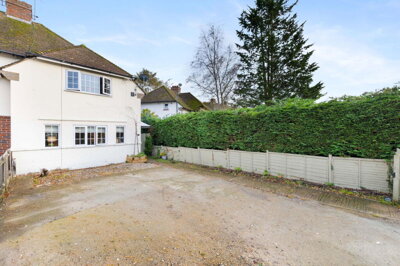
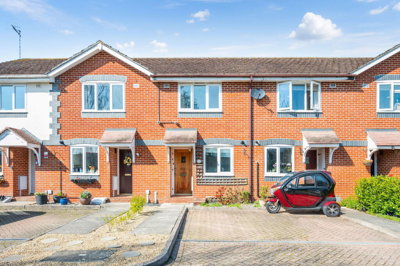
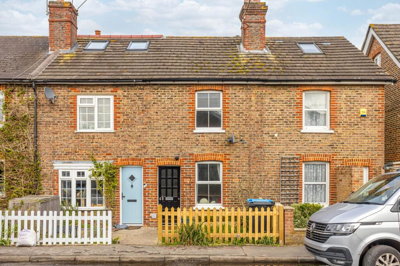
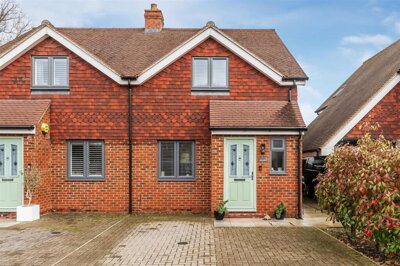
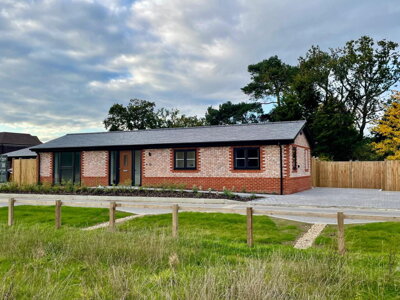
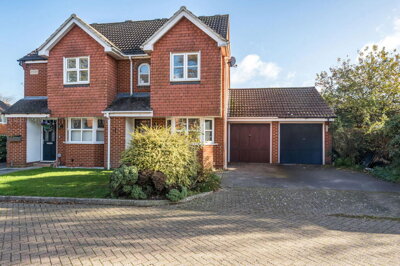
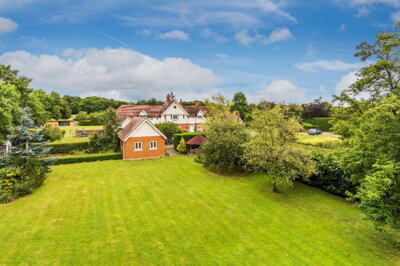
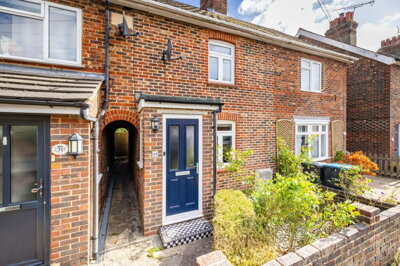
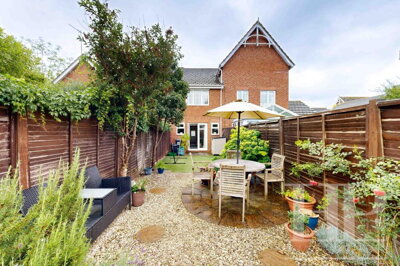
Browse 9 homes for sale in Crowhurst from local estate agents.
The 2 bed house market features detached, semi-detached, and terraced properties with two separate bedrooms plus living spaces. Properties in Crowhurst range from Victorian and Edwardian period homes to modern new builds, with pricing varying across different neighbourhoods.
The Crowhurst property market reflects the character of this small Surrey village, with detached homes commanding significant premiums over other property types. Detached properties in Crowhurst have sold for an average of £602,000, with semi-detached homes achieving even higher prices at approximately £758,750 on average. Terraced properties offer relatively more accessible entry points at around £355,000, making them suitable for first-time buyers or those seeking a smaller footprint. Flats in the wider Tandridge district have seen price decreases of 5.0% year-on-year, though specific Crowhurst flat data remains limited due to the predominantly houses-focused nature of the local housing stock.
Recent market trends show that overall sold prices in Crowhurst have experienced notable corrections, sitting 24% down on the previous year and 37% below the 2022 peak of £823,667. This cooling follows the broader national property market patterns, creating potential opportunities for buyers who missed the pandemic-era surge. The wider Tandridge district recorded an average house price of £495,000 in December 2025, representing a 3.2% annual fall. For buyers with longer-term perspectives, these adjusted prices may represent improved affordability in a village where properties traditionally hold strong appeal due to the Green Belt location and limited supply.
New build activity in Crowhurst remains limited but includes notable developments such as Gainsford Place, an exclusive development of nine luxury three, four, and five-bedroom homes situated in this desirable village setting. The Crowhurst Brickworks site delivered 16 homes on 1.6 acres, including five social housing units designed in a Wealden parish style using vernacular materials. These additions to the housing stock have been carefully integrated into the village character, maintaining the architectural traditions established over centuries.

Crowhurst offers a genuinely rural lifestyle that prioritises community connection and natural beauty over urban convenience. The parish economy centres on agriculture, with eight working farms specialising in dairy, arable, and equestrian pursuits providing employment for approximately 100 people across around 30 small businesses housed in converted farm buildings. The village has no central nucleus, with properties scattered across the landscape in the traditional Wealden pattern, creating a dispersed community character that rewards exploration on foot or by bicycle along the network of public bridleways and footpaths.
The demographics of Crowhurst reflect its appeal to families seeking space and its challenges regarding affordability. The community is noted as ageing, with many long-term residents remaining in larger family homes they may no longer need but cannot easily replace within the village. High property prices and limited new development have created a shortage of lower-cost housing, meaning younger families and key workers often face barriers to remaining in the parish. The Housing Needs Survey identified 124 dwellings in the parish, a modest increase of five from the 2011 census figure, suggesting continued restraint on housing expansion consistent with Green Belt protection.
The village's architectural heritage profoundly shapes its character, with 16 listed houses and numerous listed barns and granaries dotting the landscape. Crowhurst Place stands as the centrepiece, a Grade I listed timber-framed moated manor house dating from around 1425, accompanied by a Grade II* listed Granary and Barn. The Church of St George, primarily dating from the 12th to 15th centuries, provides another architectural landmark. The parish council has also identified non-designated heritage assets including The Old Rectory, The Old Exchange House, Plough Inn, and Random Cottage, recognising their historical and social value to the community.
The traditional building style of Crowhurst reflects centuries of Wealden craftsmanship, with timber-framed construction, brick base courses, and clay tile hanging being hallmarks of the local vernacular. Many historic properties feature renders at ground level with tile hanging above, a style designed to protect the timber frame from weather while allowing the building to breathe. Some homes were constructed using bricks from the local Crowhurst Brickworks, which produced distinctive clay bricks that have weathered alongside the sandstone and timber of older structures over generations.

Families considering a move to Crowhurst should note that the village itself does not contain a school, doctor's surgery, local shop, or post office. Primary education is typically accessed in neighbouring communities, with several good schools available within a short drive of the village. Parents should research current catchment areas and admission arrangements carefully, as rural school admissions can be competitive and geographic boundaries change annually. Transport arrangements for primary-aged children typically require private car travel or family coordination, which is an important practical consideration for working parents.
Secondary education options in the surrounding Tandridge area include well-regarded schools in towns such as Oxted, Redhill, and Reigate. The Grammar School system in Surrey means that academically able students may have opportunities to sit selection tests for grammar school places, which remain popular with families who value academic rigour. Independent schools are also available in the broader region, offering alternative educational pathways for families with particular preferences. Sixth form and further education provision is accessible in nearby larger towns, with good transport connections supporting older students who may travel independently.
Early years childcare options in rural villages like Crowhurst often depend on registered childminders and smaller nurseries operating from neighbouring communities. Parents should establish childcare arrangements before completing a property purchase, particularly for families with pre-school aged children who require consistent care while parents work or commute. The village's lack of immediate educational infrastructure is balanced by its peaceful environment and strong community connections, making it particularly suitable for families where one parent works part-time or from home, or where children are old enough to travel to school independently.
Transport and commuting represent the most significant practical consideration for Crowhurst residents, given the village's rural nature and lack of public transport infrastructure within the parish itself. Most residents rely heavily on private car transport for daily necessities including shopping, school runs, healthcare appointments, and social activities. The A22 runs through the northern part of the parish, providing connections to East Grinstead and the broader road network, while the M25 motorway is accessible within approximately 15-20 minutes by car, opening routes to London and the wider motorway network.
Rail services are available in nearby towns, with stations in Edenbridge, Oxted, and Dormansland offering connections to London Bridge and London Victoria. Journey times to central London typically range from 45 minutes to over an hour, making Crowhurst potentially viable for commuters who can work flexibly or travel outside peak hours. Bus services connecting Crowhurst to neighbouring villages and towns operate but are limited in frequency, making them impractical as sole transportation for those with conventional working hours. Cyclists benefit from some scenic routes, though the hilly Wealden terrain presents challenges for less experienced riders.
For residents who work locally, perhaps in the agricultural sector or in the small businesses operating from converted farm buildings, Crowhurst offers an ideal base with minimal commuting requirements. The surrounding countryside provides extensive opportunities for walking and cycling recreation, while the proximity to larger towns ensures access to employment opportunities, retail therapy, and cultural amenities when needed. Many residents find that the quality of life benefits of rural living in Crowhurst more than compensate for the additional transport considerations, particularly those who have the flexibility to work from home for some or all of the working week.
Spend time exploring Crowhurst before committing to a purchase. Visit at different times of day and week, speak to existing residents about their experience, and understand the implications of Green Belt living, limited local amenities, and transport requirements. The village's dispersed nature means some properties may be isolated from neighbours, so understanding your preferred location within the parish is valuable.
Before viewing properties, obtain a mortgage agreement in principle from a lender. This strengthens your position when making offers and demonstrates to sellers that you have financing arranged. Crowhurst's higher average property values mean larger mortgages are typical, so ensure your borrowing capacity matches your target properties.
Work with local estate agents who know the Crowhurst market intimately. View multiple properties to understand the range available, paying attention to construction materials, property condition, and any signs of structural issues common in older properties.
Given the prevalence of older properties in Crowhurst, including many listed buildings and traditional Wealden construction, a thorough survey is essential. Our inspectors have extensive experience examining period properties and will identify defects that might not be apparent during a casual viewing. The RICS Level 2 Survey costs from £445 for standard properties, rising to around £586 for homes valued above £500,000.
Choose a solicitor experienced in rural property transactions, particularly for listed buildings or properties in conservation areas. They will handle local authority searches, review title deeds, and ensure planning permissions are in order. Budget from £499 for conveyancing services.
Once surveys are satisfactory and legal checks complete, you will exchange contracts and pay your deposit. Completion typically follows within weeks, after which you receive keys and take ownership of your Crowhurst home. Register your ownership with the Land Registry and update your address with all relevant parties.
Properties in Crowhurst present unique considerations for buyers, largely due to the village's age, rural location, and heritage status. The traditional building materials used locally include timber-framed construction, brick base courses, hung clay tiles, and plain clay roof tiles, reflecting centuries of Wealden building traditions. These materials are generally durable when properly maintained but require understanding of their characteristics and maintenance needs. Any buyer considering a period property should budget for ongoing maintenance costs that may exceed those for modern homes.
The presence of Wealden Clay in the local geology creates potential shrink-swell risks for property foundations, particularly where moisture levels fluctuate. Trees located near properties can exacerbate these issues as their root systems extract moisture from the clay soil. Subsidence indicators may include large cracks in walls, uneven floors, or doors and windows that stick or don't close properly. Our surveyors frequently identify foundation concerns during inspections of Crowhurst properties, and a thorough survey will assess foundation condition and flag any concerns that warrant further investigation by a structural engineer.
Conservation considerations significantly impact properties throughout Crowhurst. The village's position within the Green Belt limits development possibilities, protecting the rural landscape but potentially restricting future extensions or outbuilding conversions. Listed buildings require consent for alterations and have restrictions on permitted development rights, meaning changes to windows, doors, roofing materials, or external features require Listed Building Consent from the local planning authority. Buyers should understand these obligations before purchasing, as they can affect both costs and future flexibility. Service charges and maintenance contributions for properties within developments or on private estates should also be verified, as these can vary considerably.
Older properties in Crowhurst commonly exhibit defects that our inspectors are trained to identify. These include dampness resulting from inadequate waterproofing or poor ventilation, which is particularly prevalent in timber-framed buildings where breathability must be maintained. Roof deterioration affects many period properties, with original clay tiles often requiring replacement after decades of weather exposure. Outdated electrical systems are common in properties that have not been modernised, and our surveyors will note any visible wiring that does not meet current safety standards. Properties such as Crowhurst Place and other historic farmsteads may also show signs of deflecting timbers, where structural beams have moved over centuries of loading.
Zoopla records an average sold price of £622,500 in Crowhurst over the last 12 months, with other sources citing figures between £519,667 and £677,500 depending on methodology. Detached properties average around £602,000, semi-detached homes achieve approximately £758,750, and terraced properties sell for around £355,000. Recent market trends show prices have corrected from the 2022 peak of £823,667, sitting approximately 24-37% below that level depending on the comparison period used. The wider Tandridge district recorded an average house price of £495,000 in December 2025, indicating that Crowhurst commands a premium reflecting its desirable rural character and limited supply.
Properties in Crowhurst fall under Tandridge District Council for council tax purposes. Bands range from A to H based on property value, with most traditional village homes likely falling in bands D to F due to the rural premium on property values and the prevalence of larger period properties. Properties such as converted barns and granaries may attract higher bands given their size and character. Prospective buyers should verify the specific band with the local authority or check listing details, as council tax bands can be challenged if they believe a property has been incorrectly assessed.
Crowhurst itself does not have a school within the village, so families typically access primary education in neighbouring communities. Outstanding and good-rated primary schools can be found in nearby towns including Oxted and Edenbridge, with many serving villages across the wider Tandridge district. Secondary options include both grammar schools and comprehensive schools in the surrounding area, with grammars in towns like Oxted and Tunbridge Wells being popular choices for academically able students. The nearest sixth form colleges are located in larger nearby towns, with good transport connections supporting older students. Parents should check current admission policies and catchment areas, as these are reviewed annually and can affect school allocations.
Public transport within Crowhurst itself is extremely limited, with no railway station, minimal bus services, and no local amenities within walking distance. The nearest railway stations are in Edenbridge, Oxted, and Dormansland, offering connections to London Bridge and London Victoria with journey times of 45-60 minutes depending on the service. Bus services connecting to neighbouring towns operate but with limited frequency, making private car ownership essential for most residents. The M25 motorway is accessible within approximately 15-20 minutes by car, providing connections to the wider motorway network for those commuting to areas beyond London.
Crowhurst offers several factors that may appeal to investors, including the scarcity of properties due to Green Belt restrictions, the presence of historic listed buildings that attract buyers seeking character homes, and the strong demand for rural living in Surrey. However, the small population of approximately 360 residents and lack of local amenities may limit rental demand to specific tenant profiles such as remote workers, retirees, or families prioritising countryside living. The village's dispersed nature and limited employment opportunities within the parish itself should also be considered when assessing rental potential. Any investor should weigh these factors against the proven ability of rural Surrey villages to retain value over longer periods.
For properties purchased in England, standard SDLT rates apply with 0% up to £250,000, 5% from £250,001 to £925,000, 10% from £925,001 to £1.5 million, and 12% above £1.5 million. First-time buyers benefit from relief on the first £425,000, paying 5% between £425,001 and £625,000, with no relief above £625,000. Given average Crowhurst prices around £622,500, a typical first-time buyer purchasing at this level would pay approximately £9,875 in stamp duty after first-time buyer relief, compared to £18,625 for a non-first-time buyer at the same price point.
Crowhurst is notable for its dominant landscape setting featuring fast-running streams, which indicates potential for river-related surface water flooding during periods of heavy rainfall. The Wealden Clay geology can contribute to surface water runoff issues, as clay soils have low absorbency and can channel water quickly across the landscape. Properties near watercourses or in low-lying areas should be researched carefully using Environment Agency flood maps before purchase, and appropriate building insurance should be arranged accordingly. The village is not located in a coastal area, so tidal flooding is not a concern for Crowhurst properties.
From £445
Our inspectors assess properties for defects common in Crowhurst's older housing stock, including timber-framed construction and Wealden Clay foundation concerns
From £600
A comprehensive building survey recommended for listed properties and historic homes in Crowhurst's conservation areas
From £80
Energy performance certificate required for all property sales, particularly relevant for older properties with potential insulation issues
From £499
Solicitors experienced in rural property transactions, including listed buildings and Green Belt considerations
From 3.5%
Specialist mortgage advice for rural properties, including larger loans typical for Crowhurst's higher property values
Understanding the full costs of buying a property in Crowhurst extends beyond the purchase price to include stamp duty, survey fees, legal costs, and moving expenses. The current SDLT thresholds for residential purchases in England are 0% on the first £250,000, 5% between £250,001 and £925,000, 10% between £925,001 and £1.5 million, and 12% on any amount above £1.5 million. For a typical Crowhurst property at the current average price of £622,500, a non-first-time buyer would incur SDLT of approximately £18,625 under standard rates.
First-time buyers benefit from relief that raises the nil-rate threshold to £425,000, with 5% applying between £425,001 and £625,000. This means a first-time buyer purchasing at the Crowhurst average price of £622,500 would pay SDLT of approximately £9,875, saving nearly £9,000 compared to a buyer who has previously owned property. However, first-time buyer relief is not available for purchases above £625,000, so higher-value properties in this desirable village would not benefit from this advantage. Buyers should verify their eligibility for first-time buyer status before assuming relief applies.
Additional costs to budget for include mortgage arrangement fees, which typically range from £500 to £2,000 depending on the lender and product selected. A RICS Level 2 Survey for a Crowhurst property, likely valued above £500,000, would cost approximately £586 on average, rising to £930 for properties above £600,000. For older listed properties or those with complex construction, a RICS Level 3 Survey provides more detailed analysis and may be recommended despite the higher cost. Conveyancing fees for legal services typically start from £499 and increase based on transaction complexity, particularly for listed buildings or properties with unusual title arrangements. Buildings insurance should be arranged from the point of exchange, and removals costs vary significantly based on volume and distance. Overall, buyers should budget an additional 3-5% of the purchase price to cover these ancillary costs when calculating their total budget.
Properties for Sale In London

Properties for Sale In Plymouth

Properties for Sale In Liverpool

Properties for Sale In Glasgow

Properties for Sale In Sheffield

Properties for Sale In Edinburgh

Properties for Sale In Coventry

Properties for Sale In Bradford

Properties for Sale In Manchester

Properties for Sale In Birmingham

Properties for Sale In Bristol

Properties for Sale In Oxford

Properties for Sale In Leicester

Properties for Sale In Newcastle

Properties for Sale In Leeds

Properties for Sale In Southampton

Properties for Sale In Cardiff

Properties for Sale In Nottingham

Properties for Sale In Norwich

Properties for Sale In Brighton

Properties for Sale In Derby

Properties for Sale In Portsmouth

Properties for Sale In Northampton

Properties for Sale In Milton Keynes

Properties for Sale In Bournemouth

Properties for Sale In Bolton

Properties for Sale In Swansea

Properties for Sale In Swindon

Properties for Sale In Peterborough

Properties for Sale In Wolverhampton

Enter your details to see if this property is within your budget.
Loans, cards, car finance
Estimated property budget
Borrowing + deposit
You could borrow between
Typical borrowing
Monthly repayment
Est. at 4.5%
Loan-to-value
This is an estimate only. Your actual budget may vary depending on interest rates, credit history, and personal circumstances. For an accurate affordability assessment, speak to one of our free mortgage advisors.
This calculator provides estimates for illustrative purposes only and does not constitute financial advice. Your home may be repossessed if you do not keep up repayments on your mortgage. Estimates based on 4.5% interest rate, repayment mortgage. Actual rates depend on your circumstances.
Homemove is a trading name of HM Haus Group Ltd (Company No. 13873779, registered in England & Wales). Homemove Mortgages Ltd (Company No. 15947693) is an Appointed Representative of TMG Direct Limited, trading as TMG Mortgage Network, which is authorised and regulated by the Financial Conduct Authority (FRN 786245). Homemove Mortgages Ltd is entered on the FCA Register as an Appointed Representative (FRN 1022429). You can check registrations at NewRegister or by calling 0800 111 6768.

We use cookies to show you personalised content and improve your experience of our website. Find out more in our Privacy policy and Cookie policy.