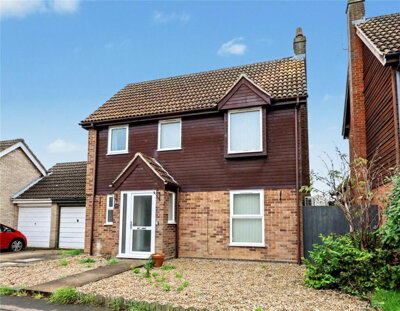
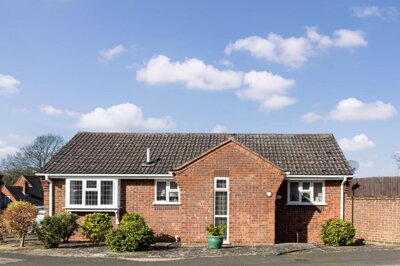
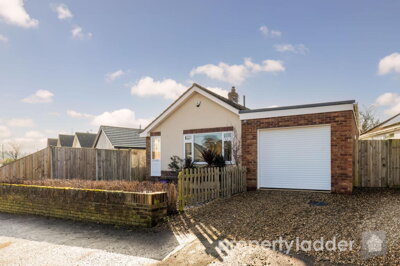
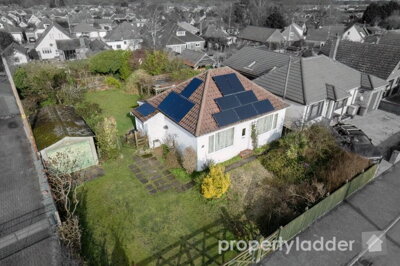
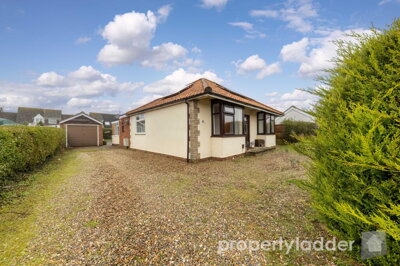
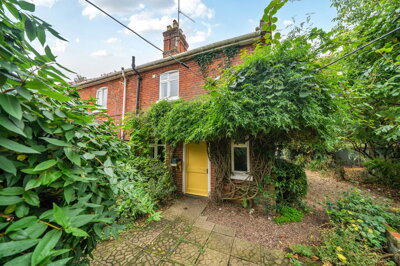
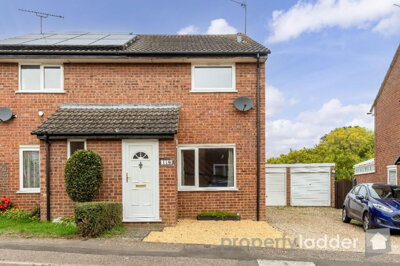
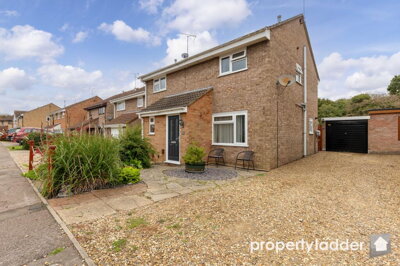
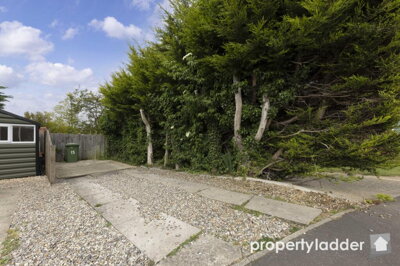
Browse 12 homes for sale in Crostwick, Broadland from local estate agents.
The 2 bed house market features detached, semi-detached, and terraced properties with two separate bedrooms plus living spaces. Properties in Crostwick range from Victorian and Edwardian period homes to modern new builds, with pricing varying across different neighbourhoods.
£0k
0
0
0
Source: home.co.uk
Showing 0 results for 2 Bedroom Houses for sale in Crostwick, Broadland.
The Crostwick property market has shown remarkable strength over the past twelve months, with house prices in the NR12 7DE postcode increasing by 18% compared to the previous year. This growth builds on an existing peak in 2023, with prices now sitting approximately 19% above that previous high point. The current average property price in the NR12 7DE area stands at £289,000, reflecting the continued demand for homes in this desirable Norfolk village location. This price appreciation has outperformed many comparable rural locations in Norfolk, suggesting strong underlying buyer demand for the Crostwick lifestyle proposition.
Looking at recent transaction data for the NR12 7BB postcode, the market reveals significant variation depending on property type and specification. Detached homes have commanded premium prices, with notable sales including a property on Hall Lane achieving £320,000 in July 2023, while larger detached bungalows have sold for £635,000 in May 2023 and £650,000 in December 2022. These figures demonstrate that the village accommodates a diverse range of budgets, from more modest first homes to substantial family properties with generous grounds extending well beyond what comparable properties might offer in more urban settings.
Semi-detached properties offer more accessible entry points to the Crostwick market, with a sale completed at £184,000 in April 2022. For buyers seeking terraced properties or apartments, the nearby towns of Spixworth and Old Catton within the broader NR10 postcode area may offer additional options, though these tend to represent different lifestyle choices than the village character that defines Crostwick itself. The village remains characterised primarily by detached and semi-detached homes set on spacious plots, with property availability in the immediate area tending towards established residential stock rather than new-build developments.

Crostwick embodies the quintessential Norfolk village experience, sitting within the Broadland district where the county's distinctive rural character remains largely intact despite proximity to Norwich. The village forms part of a cluster of communities that have maintained their individual identities while benefiting from shared local amenities and community facilities. The local area is characterised by the classic East Anglian landscape of rolling farmland, with the underlying chalk geology providing the free-draining soils typical of the region. Flint, embedded naturally within the chalk strata, has historically been used as a building material in Norfolk, contributing to the traditional aesthetic of the area's older properties.
The architectural heritage of Crostwick and its surrounding villages reflects the building traditions of East Anglia, where local materials have always shaped construction practices. Properties in the area typically feature Norfolk red brick, distinguished by its characteristic colour resulting from the high iron content in local clay deposits, paired with clay pantile roofing. These materials were produced locally until the twentieth century, and their use remains evident in buildings throughout the village. Some older properties in the broader area may incorporate flint, either as infill in timber-framed structures or as facing material in their own right, demonstrating the practical adaptation of locally available materials by Norfolk builders over centuries.
The village itself has maintained its rural character, with no significant new-build developments within the immediate postcode area, meaning properties available tend to be either established homes or conversions of existing agricultural buildings. This relative scarcity of new-build supply has contributed to the strength of the existing property market, as buyers seeking the Crostwick lifestyle have limited options beyond the established housing stock. Community facilities in the village include a parish church and access to village halls in neighbouring communities, while more comprehensive amenities are available in nearby towns that are easily reached by car.
Understanding the construction methods typical of properties in the Crostwick area can help buyers appreciate both the character of homes here and the potential maintenance considerations that may arise. The predominant building material in this part of Norfolk is brick, particularly the distinctive Norfolk red brick that takes its colour from the iron-rich local clay. Unlike some areas of England where brick was an imported material, Norfolk brickworks produced locally for centuries, creating a consistency of appearance that defines villages throughout the region. Properties built with this local brick typically feature clay pantile roofs, another locally produced material that has proven durable across generations of use.
Beneath the surface, many properties in the Crostwick area are constructed using traditional timber-framed methods with brick or flint external walls. This construction approach, common throughout East Anglia, reflects both the availability of timber from the region's historic woodlands and the relative scarcity of suitable building stone. The combination of timber frame and masonry cladding can perform well when maintained correctly, though prospective buyers should be aware that elements such as oak beams, original joinery, and traditional lime-based mortars require appropriate upkeep. Our inspectors frequently assess properties of this age and construction type, identifying issues that are often resolvable but which benefit from early identification through a professional survey.
Flint also appears in local construction, either incorporated within brick walls or used independently where chalk outcrops provided access to this hard silica material. Roman bricks, produced to different dimensional standards than modern bricks, are sometimes found reused in older structures, often in distinctive courses within flint walls. While no specific listed buildings or conservation areas were identified within Crostwick itself, the surrounding Broadland district contains numerous properties built using these traditional methods. Properties dating from the Victorian and Edwardian periods onward tend to feature more conventional brick construction with improved insulation properties, though many family homes in the village will predate modern building regulations.
Families considering a move to Crostwick will find a selection of educational options within comfortable reach, with primary schools serving the village and surrounding communities in the broader Broadland area. Several primary schools in the vicinity have achieved good or outstanding Ofsted ratings, providing parents with reassurance regarding educational quality. The specific school serving Crostwick families may depend on exact postcode and catchment area boundaries, which parents should verify before committing to a property purchase, as school admission policies are based on proximity and can significantly affect which institutions children are eligible to attend.
Secondary education is available at schools in nearby towns including Norwich and the surrounding market towns, with many families choosing to travel slightly further to access preferred institutions or specialist subjects not available at smaller local schools. The broader area offers a variety of state secondary schools with different specialisms, including technology colleges and schools with strong arts or sciences provision. For families seeking grammar school education, the nearby city of Norwich provides access to these selective schools, though entry requires passing the relevant selection assessment.
For families with older children requiring sixth form provision, A-level courses and vocational qualifications are available at secondary schools with sixth forms and at separate colleges in the surrounding area. The nearby city of Norwich provides additional educational opportunities including private schools and specialist colleges, should parents wish to explore alternatives to the state system. Parents are strongly advised to research specific catchment areas and admission policies for schools in the Crostwick postcode before proceeding with a property purchase, as these details can vary and will directly influence educational options available to their children. School performance data and recent Ofsted reports are publicly available through government websites and merit review during the property search process, particularly for families who consider educational provision a priority in their relocation decision.
Crostwick benefits from its position within the Broadland district, offering residents a practical balance between rural tranquility and urban connectivity. The village sits within comfortable reach of Norwich, with the city centre accessible via the A1151 and surrounding road network. This makes Crostwick particularly attractive to commuters who work in Norwich but prefer a countryside lifestyle away from the city's congestion and higher property prices. The journey to Norwich city centre typically takes around 20-30 minutes by car, depending on traffic conditions and the specific destination within the city. The A1151 provides a direct route, connecting Crostwick with the northern approaches to Norwich and onwards to the city centre.
For those who rely on public transport, bus services connect Crostwick with surrounding villages and Norwich, providing an alternative to car travel for daily commuting. Stagecoach and other local operators run services along the main routes, though frequency may be more limited than on urban routes, making advance planning worthwhile for regular commuters. Norwich railway station offers direct rail services to London Liverpool Street, with journey times of approximately two hours, making day travel to the capital feasible for both business and leisure purposes. Additional rail services from Norwich connect to Cambridge, Birmingham, and Liverpool, providing broader national connectivity from this regional hub.
The village's position also provides reasonable access to the Norfolk coast, with popular destinations along the Broads and coastline reachable within an hour's drive. The North Norfolk coast, including towns such as Cromer and Sheringham, offers day-trip opportunities, while the Broads National Park provides opportunities for waterways exploration. Parking provision within the village itself is generally adequate for residential purposes, though visitors to the area during peak summer months may find on-street parking more limited as tourist traffic increases on routes towards the coast. Car ownership remains advantageous for those working locally or requiring frequent travel, given the rural nature of the village and the practical benefits of personal transport in this part of Norfolk.
Begin by exploring current listings in Crostwick and the broader NR12 postcode area. Understanding what properties are available, their typical price ranges, and recent sale prices will help you set realistic expectations and identify properties that match your requirements. The Crostwick market currently shows prices ranging from around £184,000 for entry-level semi-detached properties to £650,000 for substantial detached homes with generous grounds, with the majority of activity concentrated in the £289,000 average range.
Before arranging viewings, contact a mortgage broker or lender to obtain an Agreement in Principle. This document confirms how much you can borrow and demonstrates to sellers that you are a serious buyer with financing already in place. With the average Crostwick property priced at £289,000, most buyers will require a mortgage, and having documentation ready can strengthen your position when making offers on desirable properties in this competitive market.
Contact estate agents active in the Crostwick area to arrange viewings of properties that interest you. Take time to assess not just the property itself but also the neighbourhood, proximity to amenities, and travel times to work or school. Many properties in Crostwick are character homes set on substantial plots, so consider whether garden maintenance and property upkeep align with your lifestyle expectations.
Once you have had an offer accepted, arrange a RICS Level 2 survey to assess the property's condition. Given that many properties in the Crostwick area may be over 50 years old and constructed using traditional methods, this survey will identify any defects, damp issues, timber defects, or structural concerns before you commit to purchase. The typical cost for a RICS Level 2 survey on a property of this value range is approximately £455, though older or more complex properties may incur additional charges.
Appoint a solicitor to handle the legal aspects of your purchase, including searches, contracts, and registration of ownership. Your solicitor will liaise with the seller's representatives and manage the transfer of funds on completion. Conveyancing costs typically start from around £499 for standard transactions but may increase depending on complexity, particularly for older properties or those with unusual features.
Once all searches are satisfactory and contracts are signed, you will exchange contracts with the seller and pay a deposit, typically 10% of the purchase price. Completion typically follows within weeks, at which point you will receive the keys to your new Crostwick home and can begin the process of settling into this attractive Norfolk village.
Property purchases in Crostwick require careful attention to matters specific to Norfolk's rural property market. Given the village's character and the age of many properties in the area, prospective buyers should arrange appropriate surveys before committing to purchase. A RICS Level 2 survey provides a thorough assessment of a property's condition, highlighting issues such as damp, timber defects, structural movement, and roof condition. Properties built with traditional East Anglian methods, including timber frame construction with brick or flint external walls, may benefit from specialist inspection to ensure all elements are in good order. Our inspectors have extensive experience assessing properties of this type and can identify issues that may not be apparent to the untrained eye.
While no specific flood risk data was identified for the immediate Crostwick area, Norfolk's geography means that drainage and water management are worth considering, particularly for properties with large gardens or those in lower-lying positions. The underlying chalk geology of the region generally provides good drainage, but local topography can create variations. Prospective buyers should review local planning constraints through the Broadland District Council planning portal, as specific policies may affect plans for extensions, outbuildings, or changes of use. Properties with significant land or outbuildings may offer potential for additional development or conversion, subject to obtaining necessary planning permissions, which can influence both the purchase price and future value.
Energy Performance Certificate ratings vary considerably between older and more recently constructed properties, and upgrading insulation and heating systems in traditional Norfolk homes can represent a significant investment worth factoring into overall purchase costs. Properties featuring Norfolk red brick construction and clay pantile roofs may have solid wall construction that is more difficult to insulate than modern cavity wall properties, though options exist including internal wall insulation systems that preserve the external appearance. The age of electrical installations and heating systems should also be assessed, as rewiring or boiler replacement can add substantial costs to renovation budgets. For listed buildings or properties in conservation areas, any modifications will require appropriate consents, adding both time and cost to any works.
The average property price in the NR12 7DE postcode area of Crostwick currently stands at £289,000, based on recent sales data. This represents a significant increase of 18% compared to the previous year and sits approximately 19% above the previous 2023 peak of £243,000. Detached properties command premium prices, with recent sales achieving between £320,000 and £650,000 depending on size and specification, while semi-detached homes have sold for around £184,000. The village accommodates a range of budgets, from more modest first homes to substantial family properties with extensive grounds. The market has shown particular strength at the upper end, with detached bungalows achieving premium prices in recent sales.
Properties in Crostwick fall within the Broadland District Council area and are assigned council tax bands ranging from A through to H, depending on the property's value and type as assessed in April 1991. Most family homes in the village, including detached and semi-detached properties typical of the area, typically fall into bands B to E. Prospective buyers should check the specific council tax band of any property they are considering, as this affects ongoing annual costs that should be factored into the overall budget for property ownership. Band values are assigned by the Valuation Office Agency based on the property's characteristics as of April 1991, with subsequent modifications limited to bands for significant alterations or improvements.
Crostwick is served by several primary schools in the surrounding Broadland area, with many achieving good or outstanding Ofsted ratings. The specific school serving a property will depend on catchment area boundaries, which parents should verify before purchase as admission policies are based on proximity. Secondary education options include schools in nearby towns such as Norwich and surrounding market towns, with many families prepared to travel slightly further to access preferred institutions. The nearby city of Norwich provides additional options including grammar schools and independent schools for families seeking specialist or private education. Sixth form provision is available at secondary schools with sixth forms and at further education colleges in the surrounding area, offering A-level courses and vocational qualifications.
Crostwick is connected to surrounding areas via bus services that link the village with Norwich and other local towns, though service frequency may be more limited than on urban routes. Norwich railway station provides direct services to London Liverpool Street in approximately two hours, making regular commuting to the capital feasible for those working in the capital or seeking capital connections. The village's road connections via the A1151 and surrounding network provide straightforward access to Norwich city centre within 20-30 minutes by car under normal conditions. However, for those working locally or requiring frequent travel to amenities not available in the village, car ownership remains advantageous given the rural nature of the location and the practical realities of accessing services across this part of Norfolk.
The Crostwick property market has demonstrated consistent growth, with prices in the local postcode rising 18% over the past twelve months and sitting 19% above the previous 2023 peak. The village's combination of rural character, good transport links to Norwich, and relative affordability compared to the city makes it attractive to both owner-occupiers and investors. Rental demand in the broader Norwich area remains steady, supported by the city's growing economy, university presence, and hospital complex, which may translate to rental opportunities for property investors. The limited new-build supply in the immediate area supports existing property values, though investors should consider that rental yields in rural Norfolk locations may be lower than in urban areas due to higher property values relative to achievable rents.
Stamp Duty Land Tax applies to all property purchases in England. For a property priced at the Crostwick average of £289,000, a standard buyer would pay no stamp duty on the first £250,000 and 5% on the remaining £39,000, totalling £1,950 in SDLT. First-time buyers purchasing properties up to £425,000 would pay no stamp duty on the first £425,000, potentially saving the full amount if the property falls within this threshold. For most Crostwick properties priced below £500,000, stamp duty costs will be relatively modest under the standard system. First-time buyer relief tapers on properties between £425,001 and £625,000, after which no relief is available.
When viewing properties in Crostwick, prospective buyers should pay particular attention to the construction and condition of traditional Norfolk buildings, including the state of Norfolk red brick walls, clay pantile roofs, and any timber-framed elements. Signs of damp, particularly in older properties with solid walls, warrant careful investigation, as do any indications of structural movement or subsidence. The size and orientation of gardens should be assessed against maintenance requirements and personal preferences, as many Crostwick properties feature generous plots that require ongoing upkeep. Checking the age and condition of heating systems, electrical installations, and insulation will help estimate potential renovation costs. We recommend arranging a RICS Level 2 survey before committing to purchase, as this will identify any issues that require attention or negotiation with the seller.
From £455
A thorough condition report for properties in reasonable condition, ideal for most homes in Crostwick including traditional Norfolk brick and timber frame construction.
From £60
Energy Performance Certificate required for all property sales, assessing insulation and heating efficiency relevant to older Norfolk properties.
From 4.5% APR
Competitive mortgage rates available for Crostwick property purchases, with typical APR starting from 4.5% depending on circumstances.
From £499
Professional legal services for your property purchase, handling contracts, searches, and registration with experience of Broadland area transactions.
Understanding the full costs of purchasing property in Crostwick is essential for budgeting effectively. Beyond the property purchase price itself, buyers must account for Stamp Duty Land Tax, which applies to all property purchases in England. For a property priced at the Crostwick average of £289,000, a standard buyer would pay no stamp duty on the first £250,000 and 5% on the remaining £39,000, totalling £1,950 in SDLT. First-time buyers purchasing properties up to £425,000 would pay no stamp duty on the first £425,000, potentially saving the full amount if the property falls within this threshold and qualifying as first-time buyers under HMRC definitions.
Additional purchase costs include solicitor fees for conveyancing, which typically start from around £499 for standard transactions but can increase depending on complexity. The complexity of conveyancing may be greater for older properties, those with unusual features, or properties where the title requires additional investigation. A RICS Level 2 survey costs approximately £455 on average nationally, though this can vary based on property size and value, and older or non-standard properties may incur additional charges of between 10-40% above base pricing. For a property valued at £289,000, survey costs might fall around the national average, representing good value given the detailed assessment of condition provided.
Legal searches, including local authority, drainage, and environmental searches, typically cost between £250 and £400 and are essential for identifying any issues that may affect the property or the buyer. Mortgage arrangement fees, if applicable, vary by lender but often range from 0% to 1% of the loan amount. Survey and valuation fees for mortgage purposes are typically arranged by the lender and may be bundled with the mortgage product. Budgeting for removals, potential renovation costs, and a contingency buffer of at least 10-15% of purchase price for unexpected issues discovered during survey or after moving is prudent for any buyer entering the Crostwick property market.

Properties for Sale In London

Properties for Sale In Plymouth

Properties for Sale In Liverpool

Properties for Sale In Glasgow

Properties for Sale In Sheffield

Properties for Sale In Edinburgh

Properties for Sale In Coventry

Properties for Sale In Bradford

Properties for Sale In Manchester

Properties for Sale In Birmingham

Properties for Sale In Bristol

Properties for Sale In Oxford

Properties for Sale In Leicester

Properties for Sale In Newcastle

Properties for Sale In Leeds

Properties for Sale In Southampton

Properties for Sale In Cardiff

Properties for Sale In Nottingham

Properties for Sale In Norwich

Properties for Sale In Brighton

Properties for Sale In Derby

Properties for Sale In Portsmouth

Properties for Sale In Northampton

Properties for Sale In Milton Keynes

Properties for Sale In Bournemouth

Properties for Sale In Bolton

Properties for Sale In Swansea

Properties for Sale In Swindon

Properties for Sale In Peterborough

Properties for Sale In Wolverhampton

Enter your details to see if this property is within your budget.
Loans, cards, car finance
Estimated property budget
Borrowing + deposit
You could borrow between
Typical borrowing
Monthly repayment
Est. at 4.5%
Loan-to-value
This is an estimate only. Your actual budget may vary depending on interest rates, credit history, and personal circumstances. For an accurate affordability assessment, speak to one of our free mortgage advisors.
This calculator provides estimates for illustrative purposes only and does not constitute financial advice. Your home may be repossessed if you do not keep up repayments on your mortgage. Estimates based on 4.5% interest rate, repayment mortgage. Actual rates depend on your circumstances.
Homemove is a trading name of HM Haus Group Ltd (Company No. 13873779, registered in England & Wales). Homemove Mortgages Ltd (Company No. 15947693) is an Appointed Representative of TMG Direct Limited, trading as TMG Mortgage Network, which is authorised and regulated by the Financial Conduct Authority (FRN 786245). Homemove Mortgages Ltd is entered on the FCA Register as an Appointed Representative (FRN 1022429). You can check registrations at NewRegister or by calling 0800 111 6768.

We use cookies to show you personalised content and improve your experience of our website. Find out more in our Privacy policy and Cookie policy.