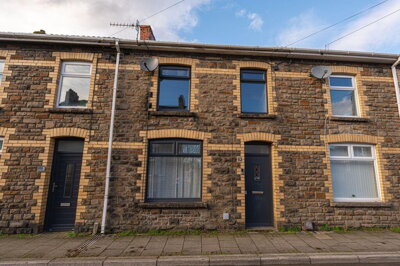
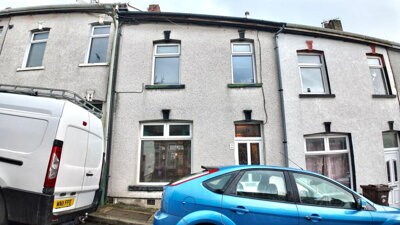
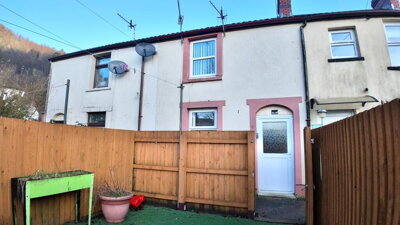
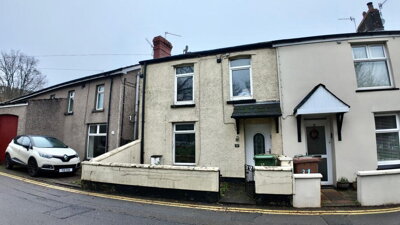
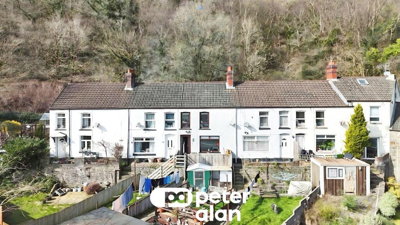
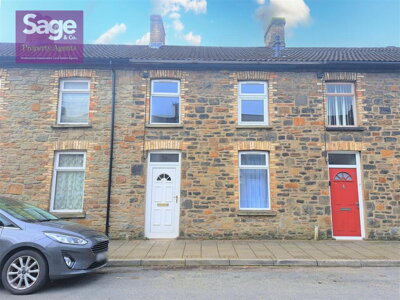
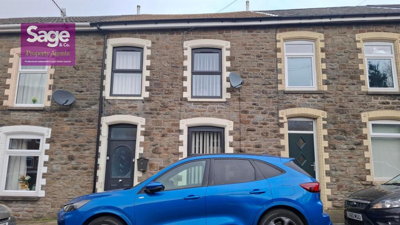
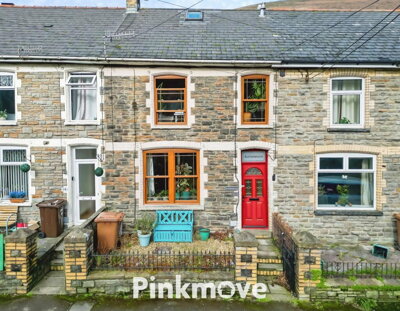
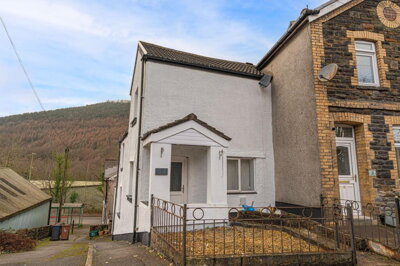
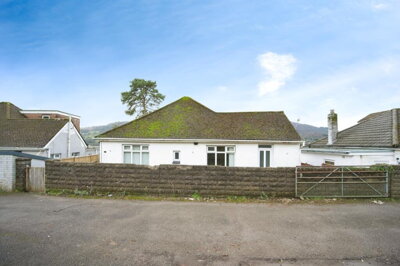
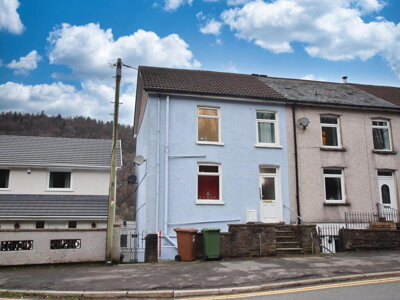
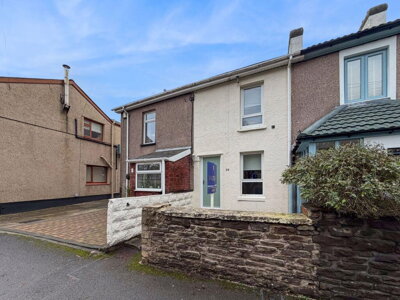
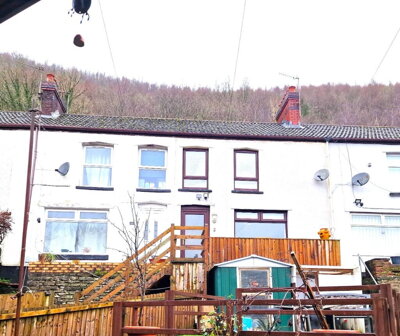
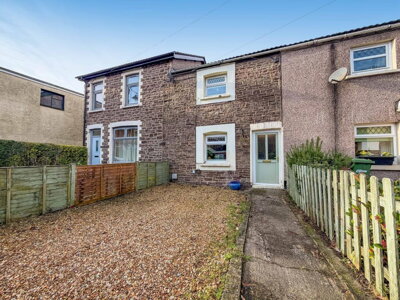
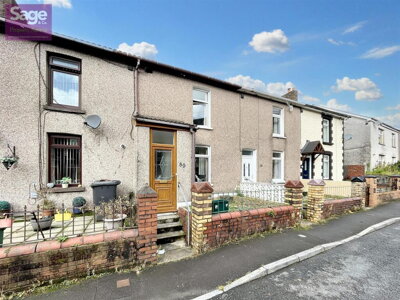
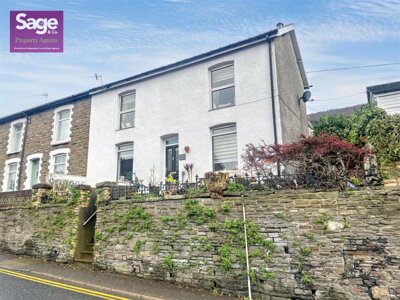
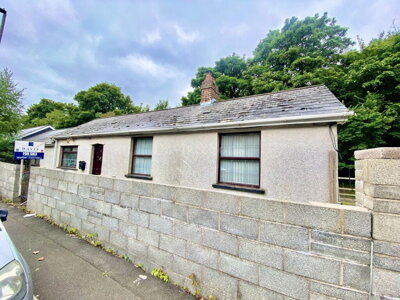
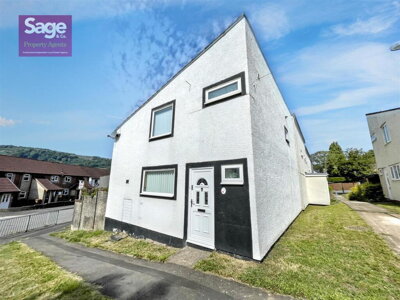
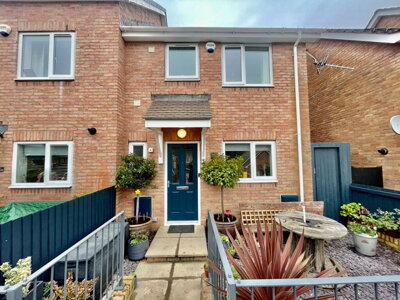
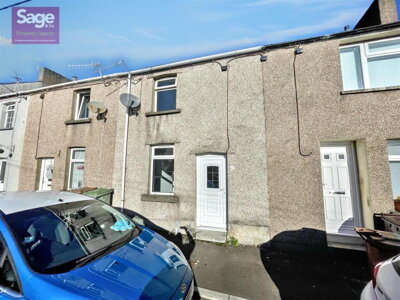
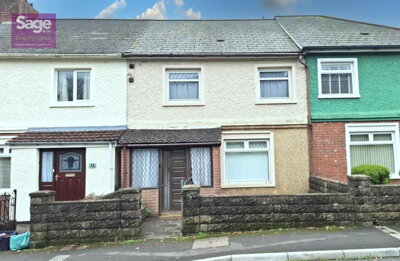
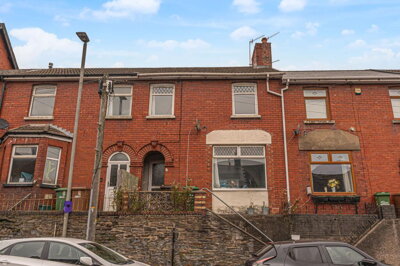
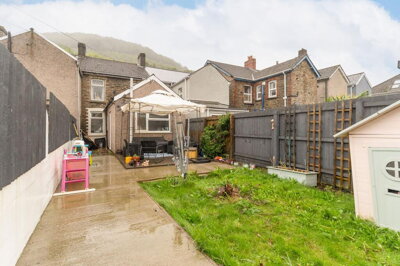
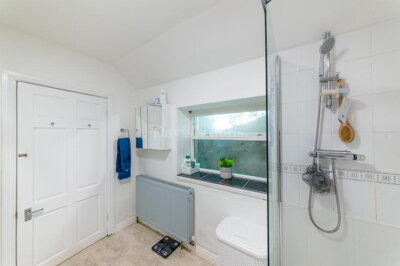
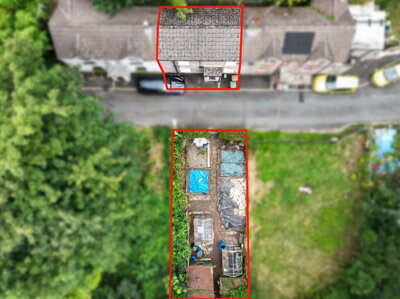
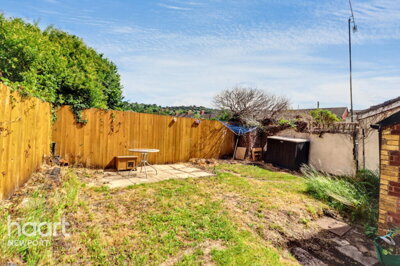
Browse 26 homes for sale in Crosskeys, Caerphilly from local estate agents.
The 2 bed house market features detached, semi-detached, and terraced properties with two separate bedrooms plus living spaces. Properties in Crosskeys range from Victorian and Edwardian period homes to modern new builds, with pricing varying across different neighbourhoods.
£170k
3
0
23
Source: home.co.uk
Showing 3 results for 2 Bedroom Houses for sale in Crosskeys, Caerphilly. The median asking price is £170,000.
Source: home.co.uk
Terraced
3 listings
Avg £160,667
Source: home.co.uk
Source: home.co.uk
The Crosskeys property market sits within the broader Caerphilly county borough housing landscape, offering properties that typically represent strong value compared to Cardiff and other major South Wales centres. While specific average price data for Crosskeys itself requires verification through Land Registry records, the NP11 postcode area has seen consistent activity driven by local demand from families and professionals seeking more affordable alternatives to city living. The village attracts buyers who appreciate its community atmosphere while requiring straightforward access to employment opportunities in surrounding towns. First-time buyers in particular find Crosskeys an attractive prospect given the entry-level price points available for terraced properties and the availability of shared ownership schemes through new developments.
Property types in Crosskeys include traditional Welsh terraced houses that dominate the older housing stock, reflecting the village's origins as a mining community from the 1830s. Semi-detached properties became more common during later periods of expansion, while flats and apartments are available both in conversions and within newer developments. The two significant new-build schemes currently underway will add 44 new homes to the area, including 16 energy-efficient apartments at the former St Catherine's Church site being delivered by United Welsh in partnership with Caerphilly County Borough Council. A separate development approved for the Newtown Industrial Estate will bring 25 three-bedroom homes, bungalows, and apartments, with three properties designated for social rent as part of the planning agreement.

Crosskeys carries the proud heritage of a South Wales mining village while evolving to meet contemporary needs. The population of approximately 3,265 residents, based on 2011 census data, creates an intimate community atmosphere where neighbours know one another and local businesses serve regular customers by name. The village developed from the 1830s onward specifically to support the coal mining industry, and while those industrial roots have transformed, the built environment still reflects those working-class origins. Traditional Welsh stone and brick construction characterises much of the older housing stock, lending the streetscape a coherent aesthetic that newer developments are beginning to complement. The Sirhowy River flows near the village, contributing to local character while also presenting the flood risk considerations that prospective buyers should understand.
Daily life in Crosskeys benefits from practical local amenities that serve everyday needs without requiring journeys to larger centres. The Coleg Gwent Crosskeys Campus provides further education opportunities and serves as a community landmark, while local shops, pubs, and services cluster around the village centre. Community facilities support residents of all ages, and the area benefits from Welsh Government investment in coal tip safety and broader regeneration efforts aimed at restoring pride in former industrial communities. The manufacturing sector remains significant in the Welsh economy, employing over 150,000 people, with many Crosskeys residents finding employment in these industries across the region. Cultural life in the village reflects its Welsh identity, with community events and local traditions maintaining the social fabric that makes village living distinctive.

Families considering a move to Crosskeys will find educational provision within easy reach, with primary schools serving the village and surrounding communities. The local schooling landscape in the Caerphilly county borough includes both English and Welsh medium education options, allowing parents to choose provision that aligns with their language preferences for their children. Primary school-aged children can access local schools within the village or nearby communities, with the catchment area system determining placement eligibility for each address. Secondary education is available at schools in nearby towns, with school transport links supporting families who live further from secondary school sites. The presence of Coleg Gwent's Crosskeys Campus extends educational provision into the further education sector, offering vocational courses and qualifications that serve both young people progressing from secondary education and adult learners seeking new skills or career changes.
When evaluating school quality, parents should consult Ofsted reports and Estyn reports for Welsh education inspectorate assessments to understand current performance standards. Catchment areas can significantly influence which schools children can access, and property prices in specific streets can reflect their inclusion within popular school catchments. For families prioritising secondary school options, researching the performance of schools in the surrounding area, including those in nearby towns accessible via the A467 trunk road, provides important context for decision-making. Sixth form provision and A-level courses are available at secondary schools within reasonable commuting distance, while Coleg Gwent offers further education pathways including vocational qualifications and apprenticeships that many students pursue after GCSE completion.
Before arranging viewings or making offers, obtain a mortgage agreement in principle from a lender. This confirms your borrowing capacity and strengthens your position when negotiating with sellers. Use our mortgage comparison tool to explore rates and find suitable products for your situation.
Explore current listings in Crosskeys to understand what is available at your budget, and research the specific neighbourhood where you want to buy. Consider factors like flood risk areas, proximity to schools, and the age of properties in different streets when narrowing your search.
Once you have identified properties of interest, contact estate agents to arrange viewings. Visit properties at different times of day to understand noise levels, lighting, and the neighbourhood atmosphere. Take notes and photographs to help compare options later.
For any property you are seriously considering, book a professional survey before proceeding. Given Crosskeys' history as a mining community and the age of much of its housing stock, a survey can identify issues like subsidence risk, damp, or roof problems that may not be visible during a viewing.
Once your offer is accepted, instruct a conveyancing solicitor to handle the legal transfer of ownership. Your solicitor will conduct searches, review the contract, and manage communication between your lender and the seller's representatives through to completion.
After all surveys, searches, and legal work are satisfactory, you will exchange contracts and pay your deposit. Completion typically follows within days or weeks, at which point you receive the keys and take ownership of your new Crosskeys home.
Purchasing property in Crosskeys requires awareness of several area-specific factors that can affect your investment. The village sits within the South Wales Coalfield, and historical mining activity means that subsidence risk warrants careful consideration, particularly for older properties with shallower foundations. Clay soil conditions in the region can exacerbate subsidence issues as the ground shrinks and swells with weather changes, making professional surveys essential before purchase. The flood risk in Crosskeys is notable, with approximately 15.2% of properties facing some flood risk over the next 30 years, and proximity to the Sirhowy River requires particular attention when evaluating specific properties. Surface water flooding can occur during heavy rainfall events, so drainage and ground conditions should form part of your property assessment.
The age of properties in Crosskeys means that traditional construction features require scrutiny during the buying process. Many homes built during the Victorian and Edwardian periods will have solid walls rather than cavity wall insulation, different roofing materials, and potentially outdated electrical systems that may require updating. Traditional Welsh stone and brick construction is generally robust, but the passage of time can reveal defects in foundations, walls, and drainage systems that surveys are designed to identify. When purchasing flats or apartments, pay close attention to service charges, ground rent terms, and the condition of communal areas, as these ongoing costs can significantly affect the true cost of ownership. Listed buildings in neighbouring Pontywaun and any conservation area restrictions may apply to certain properties, requiring specialist consideration and potentially more detailed surveys beyond a standard assessment.
Properties in Crosskeys reflect the building traditions of a South Wales mining community that developed from the 1830s onward. The older terraced housing that defines much of the village centre was constructed using locally sourced materials typical of the region, including Welsh sandstone and hand-made bricks produced in local yards. These Victorian and Edwardian terraces typically feature solid brick or stone walls without cavity insulation, steep pitched roofs covered with Welsh slate or plain clay tiles, and traditional sash windows. The construction methods used in this era relied on lime-based mortars rather than modern cement, which allows walls to breathe but requires specific maintenance approaches that differ from newer properties.
The age of much of the housing stock in Crosskeys means that foundations are often shallower than modern building standards require. Properties built during the mining era frequently have foundations designed for stable ground conditions that mining activity may have subsequently affected. Timber construction elements, including floor joists and roof structures, were common in this period and can be susceptible to damp or woodworm if not properly maintained. Understanding the original construction methods helps buyers appreciate why professional surveys are particularly valuable for this type of property, as issues may not be apparent during a standard viewing but can have significant cost implications.
Newer developments in Crosskeys use contemporary construction methods that meet current building regulations. Timber frame construction with cavity wall insulation and modern roofing materials provides improved thermal efficiency compared to older properties. These newer homes offer different maintenance considerations and running costs compared to traditional terraced properties, which can influence overall affordability calculations. When evaluating properties across different eras of construction, buyers should consider not only purchase price but also potential energy costs, maintenance requirements, and the lifespan of key building components. A professional survey can help identify any construction-related issues regardless of property age.
Crosskeys developed as a mining community from the 1830s, and this heritage has shaped both the built environment and the ground conditions that affect property owners today. The coal mining industry that gave the village its purpose has left a legacy that buyers should understand before purchasing. Historical mining activity beneath and around the village can affect ground stability, and properties with shallower foundations or those built directly above former workings may experience movement over time. The Welsh Government has invested significantly in coal tip safety across former mining communities in Wales, acknowledging the ongoing nature of these historical impacts.
Clay soils are prevalent throughout the South Wales Valleys region, including the area around Crosskeys. This type of soil is particularly susceptible to shrink-swell behaviour as moisture levels change with seasons and weather patterns. During extended dry periods, clay contracts and can cause subsidence as the ground shifts beneath foundations. Conversely, after heavy rainfall, clay absorbs water and expands, which can also affect structures. Properties in Crosskeys should be evaluated with these ground conditions in mind, and any signs of cracking, movement, or damp should be professionally assessed before purchase.
The combination of historical mining activity and clay soil conditions makes professional property surveys particularly valuable in Crosskeys. While many properties in the village have stood for over a century without major structural issues, the underlying ground conditions mean that problems can develop, particularly in older properties that may have experienced decades of minor ground movement. We recommend that buyers commission a thorough survey before committing to purchase, focusing on foundation condition, any signs of subsidence or settlement, damp penetration, and roof structure integrity. These checks provide essential reassurance when buying older properties in a former mining area.
Flood risk is a significant consideration for anyone buying property in Crosskeys, with approximately 15.2% of properties in the area facing some degree of flood risk over the next 30 years. This figure is notably higher than the national average and reflects the local geography and hydrology of the South Wales Valleys. The Sirhowy River flows near the village, and while flood defences provide some protection, the risk of river flooding cannot be entirely eliminated. Surface water flooding during periods of heavy rainfall is also a consideration, particularly for properties in lower-lying areas or those with drainage challenges.
When evaluating flood risk for a specific property, buyers should investigate the Flood Risk from Rivers and Sea data available through naturalresources.wales.gov.uk, which provides detailed mapping of flood zones across Wales. Properties within the planning flood zone may face restrictions on certain types of development or insurance availability, and mortgage lenders will typically require flood risk assessments as part of their valuation process. A professional survey should include assessment of drainage systems, ground levels, and any evidence of previous flooding or water damage that may not be immediately apparent.
The flood risk in Crosskeys does not necessarily preclude purchasing property in the area, but it should be factored into both the decision-making process and the budget for any purchase. Properties that have flood risk may require specific insurance coverage, and buyers should obtain quotes before completion to understand ongoing costs. Flood resilience measures, such as raising electrical fittings above ground floor level or installing non-return valves in drainage systems, can reduce the impact of flooding if it occurs. Understanding the specific flood risk for a property, rather than relying on general area statistics, is essential for making an informed purchase decision.
Crosskeys benefits from practical transport connections that make commuting to major employment centres straightforward for residents. The village sits near the A467 trunk road, which provides direct links to Newport to the east and Caerphilly to the west, connecting residents to wider employment opportunities across South Wales. The A48 and M4 motorway are accessible via the A467, offering routes to Cardiff, Bristol, and beyond for those working further afield. For daily commuters to Cardiff, the journey by road typically takes around 30-40 minutes depending on traffic conditions, making Crosskeys a viable option for professionals who work in the capital but prefer village living. The local bus network provides public transport options, though services may be less frequent than on major urban routes, making private vehicle ownership practical for many households.
Rail connections are available through nearby stations on the Ebbw Vale line, providing passenger services that have improved connectivity for South Wales Valley communities in recent years. These rail services link residents to Cardiff Central and other destinations on the national rail network, offering an alternative to road commuting for those working in the capital or needing to travel further afield. The rail infrastructure serving the former coalfield communities represents a significant improvement from historical public transport provision, supporting economic activity and access to services across the region. Cycling infrastructure varies throughout the area, with some routes available for recreational purposes and shorter local journeys, though the hilly terrain common to South Wales Valleys communities means that cycling is more popular for leisure than as a primary commuting method for most residents.
Specific average house price data for Crosskeys alone requires verification through Land Registry records as prices can vary by street and property type. The NP11 postcode area generally offers more affordable options compared to Cardiff and surrounding towns, with terraced properties typically representing the entry-level segment of the market. New developments at the former St Catherine's Church site and Newtown Industrial Estate will bring additional properties to the market at various price points. To understand current values for specific property types in Crosskeys, search our platform for active listings and compare prices across similar homes currently available in the village.
Properties in Crosskeys fall under Caerphilly County Borough Council for council tax purposes, with bands ranging from A to I depending on the property value assessment. Most traditional terraced homes in the village typically fall into lower bands given their relatively modest market values compared to larger properties. You can verify the specific council tax band for any property through the Welsh Government Valuation Office agency listing, which provides searchable records for all properties in Wales. Council tax payments fund local services including education, waste collection, and community facilities that Crosskeys residents use daily.
Crosskeys is served by local primary schools within the village and nearby communities, with secondary schools accessible in surrounding towns via school transport or the local road network. The Coleg Gwent Crosskeys Campus provides further education opportunities including vocational courses and apprenticeships that serve both school-leavers and adult learners. For current performance information, consult Estyn reports for Welsh education inspectorate assessments and consider visiting schools directly to understand their facilities and ethos. Catchment area boundaries for primary schools are determined by Caerphilly County Borough Council and can affect which schools children are eligible to attend from specific addresses.
Crosskeys is connected to the wider region via the A467 trunk road and local bus services that link the village to Newport, Caerphilly, and surrounding communities. The Ebbw Vale rail line serves nearby stations, providing passenger services to Cardiff and connections to the national rail network, representing a significant improvement in connectivity for South Wales Valley communities in recent years. While public transport options are available, many residents rely on private vehicles for daily commuting and errands, particularly given the village location and variable bus service frequencies. Planning for transport access is worth considering when choosing where to live within the village.
Crosskeys offers potential for buyers seeking more affordable property within reach of major employment centres in South Wales, with prices typically below those in Cardiff and surrounding towns. The village benefits from ongoing regeneration activity, including new housing developments and Welsh Government investment in former coalfield communities through initiatives such as coal tip safety programmes. Property values in the Caerphilly borough have shown consistent activity, though capital growth will depend on broader market conditions, local economic development, and infrastructure improvements over time. Flood risk and subsidence considerations should factor into investment decisions for specific properties.
Stamp duty land tax in Wales operates under Welsh devolved taxation with current thresholds for residential purchases starting at 0% for the first £225,000, rising to 5% on the portion up to £400,000, 10% up to £750,000, and 12% above that. For a typical terraced property in Crosskeys priced around £180,000 to £220,000, the stamp duty bill would be minimal or zero for most buyers. First-time buyers in Wales may benefit from relief on purchases up to £260,000, eliminating stamp duty on the first £180,000. Always verify current rates with HMRC or a financial adviser as thresholds can change with each budget.
Yes, Crosskeys has active new-build development activity including 16 apartments at the former St Catherine's Church site on Gladstone Street, being delivered by United Welsh for social rent with construction beginning in January 2025. A separate development of 28 homes has been approved for the Newtown Industrial Estate, including 25 three-bedroom houses, a two-bedroom bungalow, and two one-bedroom apartments with three units designated for social rent. Browse our platform to see what new-build options are currently available or coming soon in the village.
Understanding the full costs of buying property in Crosskeys extends beyond the purchase price to include stamp duty land tax, solicitor fees, survey costs, and ongoing expenses. In Wales, residential stamp duty land tax applies to the total purchase price using banding rates that start at 0% for the first £225,000. For a typical terraced property in Crosskeys priced around £180,000 to £220,000, the stamp duty bill would be minimal or zero for most buyers, representing a meaningful saving compared to higher-value property markets. First-time buyers purchasing properties up to £260,000 can claim relief that eliminates stamp duty on the first £180,000, providing valuable support for those entering the property market.
Solicitor fees for conveyancing typically range from £500 to £1,500 depending on the complexity of the transaction and whether the property is freehold or leasehold. Additional costs include local authority searches, which investigate planning history, environmental risks, and other factors relevant to the property and its surroundings. A professional survey, costing between £350 and £600 depending on property size and value, provides professional assessment of condition that proves particularly valuable for older properties in Crosskeys given the subsidence and flood risk considerations in the area. Factor in mortgage arrangement fees, valuation fees charged by your lender, and Land Registry registration fees to arrive at a comprehensive budget for your purchase.
Building insurance must be in place from completion, and you should also budget for moving costs and any immediate repairs or improvements you plan to undertake once you have keys to your new home. For properties in flood risk areas, specialist insurance may be required and quotes should be obtained before completion to understand ongoing costs. Understanding the total cost of purchase helps you set a realistic budget and avoid surprises at the end of the transaction process.
Properties for Sale In London

Properties for Sale In Plymouth

Properties for Sale In Liverpool

Properties for Sale In Glasgow

Properties for Sale In Sheffield

Properties for Sale In Edinburgh

Properties for Sale In Coventry

Properties for Sale In Bradford

Properties for Sale In Manchester

Properties for Sale In Birmingham

Properties for Sale In Bristol

Properties for Sale In Oxford

Properties for Sale In Leicester

Properties for Sale In Newcastle

Properties for Sale In Leeds

Properties for Sale In Southampton

Properties for Sale In Cardiff

Properties for Sale In Nottingham

Properties for Sale In Norwich

Properties for Sale In Brighton

Properties for Sale In Derby

Properties for Sale In Portsmouth

Properties for Sale In Northampton

Properties for Sale In Milton Keynes

Properties for Sale In Bournemouth

Properties for Sale In Bolton

Properties for Sale In Swansea

Properties for Sale In Swindon

Properties for Sale In Peterborough

Properties for Sale In Wolverhampton

Enter your details to see if this property is within your budget.
Loans, cards, car finance
Estimated property budget
Borrowing + deposit
You could borrow between
Typical borrowing
Monthly repayment
Est. at 4.5%
Loan-to-value
This is an estimate only. Your actual budget may vary depending on interest rates, credit history, and personal circumstances. For an accurate affordability assessment, speak to one of our free mortgage advisors.
This calculator provides estimates for illustrative purposes only and does not constitute financial advice. Your home may be repossessed if you do not keep up repayments on your mortgage. Estimates based on 4.5% interest rate, repayment mortgage. Actual rates depend on your circumstances.
Homemove is a trading name of HM Haus Group Ltd (Company No. 13873779, registered in England & Wales). Homemove Mortgages Ltd (Company No. 15947693) is an Appointed Representative of TMG Direct Limited, trading as TMG Mortgage Network, which is authorised and regulated by the Financial Conduct Authority (FRN 786245). Homemove Mortgages Ltd is entered on the FCA Register as an Appointed Representative (FRN 1022429). You can check registrations at NewRegister or by calling 0800 111 6768.

We use cookies to show you personalised content and improve your experience of our website. Find out more in our Privacy policy and Cookie policy.