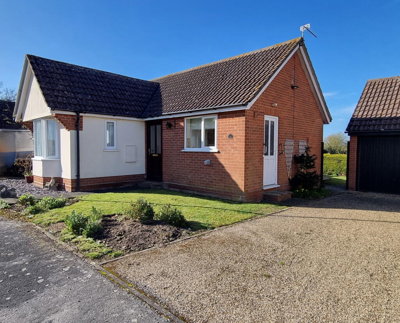
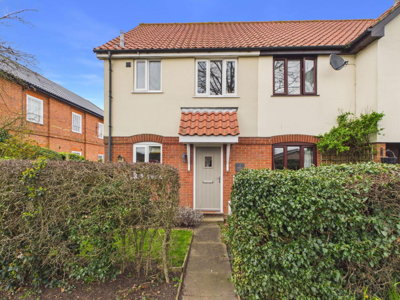
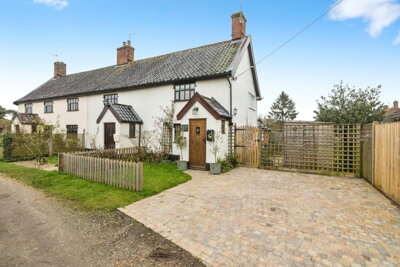
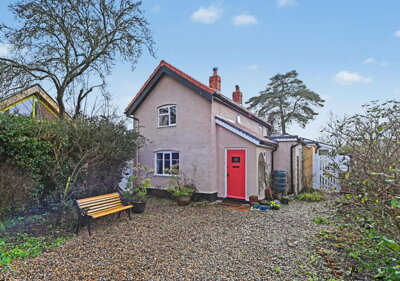
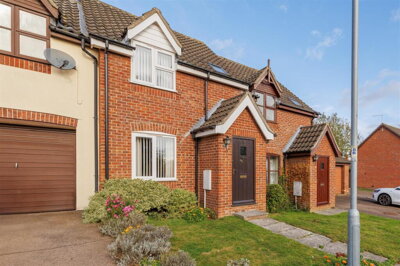
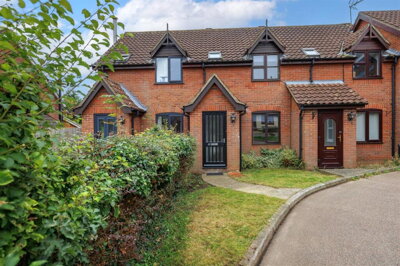
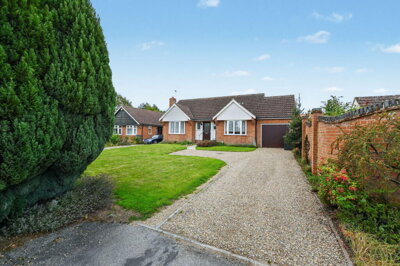
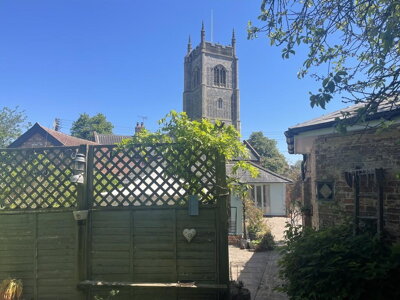
Browse 8 homes for sale in Cratfield, East Suffolk from local estate agents.
The 2 bed house market features detached, semi-detached, and terraced properties with two separate bedrooms plus living spaces. Properties in Cratfield range from Victorian and Edwardian period homes to modern new builds, with pricing varying across different neighbourhoods.
£0k
0
0
0
Source: home.co.uk
Showing 0 results for 2 Bedroom Houses for sale in Cratfield, East Suffolk.
The Cratfield property market has experienced notable price adjustments over the past year, presenting opportunities for buyers in this sought-after rural location. According to recent data, overall average prices in the village stand at approximately £416,875, with detached properties commanding around £489,167 and semi-detached homes available from £200,000. The postcode sector IP19 0, which encompasses Cratfield and surrounding villages, has recorded a 10.2% price reduction over the last twelve months, with houses specifically seeing a 13.6% decline. These figures suggest a market that has corrected following the 2022 peak of £598,750, creating potential entry points for purchasers who may have previously found the area beyond their budget.
Sales activity in the Cratfield area has remained steady, with approximately 26-27 transactions recorded in the past twelve months across the broader IP19 0 sector. Properties along The Street, Cratfield IP19 have achieved average prices of around £340,850, while those near Bell Green have similarly traded at approximately £338,750. The village predominantly features traditional detached and semi-detached homes, many dating from the 19th century and earlier, constructed in the characteristic Suffolk vernacular style. Notably, no active new build developments have been identified within Cratfield itself, meaning buyers seeking modern specifications will need to look to neighbouring communities or accept the character that comes with period properties.
The housing stock in Cratfield reflects its long agricultural history, with properties typically constructed using traditional methods common to rural Suffolk. Exposed timber frames, clay plain tiles, and red brick or flint construction can be found throughout the village, reflecting the building materials readily available in East Anglia for centuries. Many homes feature the distinctive Suffolk white brick, while others incorporate local flint gathered from fields, particularly in older boundary walls and outbuildings. When purchasing in Cratfield, buyers should recognise that these traditional materials require different maintenance approaches compared to modern construction, and specialist contractors familiar with period properties are advisable for any renovation work.

Cratfield embodies the quintessential Suffolk village experience, offering residents a tranquil pace of life surrounded by some of East Anglia's most attractive countryside. The village forms part of the civil parish of Cratfield, situated in the East Suffolk district, and benefits from a close-knit community atmosphere where neighbours are known to one another. The historic parish church of St. Mary stands as a focal point of the community, its medieval architecture reflecting the village's long history dating back to the Saxon period. Local amenities include a traditional public house, providing an essential social hub for villagers and visitors alike, where home-cooked food and local ales can be enjoyed in a warm, welcoming environment. The pub serves not only as a place for refreshment but also as a venue for village events and gatherings that strengthen community bonds throughout the year.
The surrounding landscape of Cratfield comprises gently rolling arable farmland, interspersed with hedgerows and small woodlands that support an array of wildlife. The area is crisscrossed by public footpaths and bridleways, making it ideal for countryside walks, cycling, and horse riding. The village's location provides easy access to the Suffolk Heritage Coast, with popular destinations such as Southwold and Aldeburgh within reasonable driving distance. Nearby market towns including Halesworth offer additional shopping facilities, restaurants, and services, while the Broads National Park lies to the north, providing further recreational opportunities. The rural economy of Cratfield is traditionally rooted in agriculture, though increasing numbers of residents work remotely or commute to larger employment centres in Norwich, Ipswich, and London via the excellent rail connections at Diss or Halesworth.
The village's position within the Waveney Valley offers practical benefits for daily life despite its rural setting. Halesworth, just a short drive away, provides a good range of essential services including a supermarket, independent shops, medical centre, and secondary school. The town hosts a weekly market and various cultural events throughout the year, serving as the commercial hub for the surrounding villages. For larger shopping trips or specialist services, Bungay and Beccles are easily reachable, while Norwich offers a comprehensive range of retail, entertainment, and healthcare facilities within approximately 45 minutes by car. This balance of village tranquility with accessible town amenities makes Cratfield particularly attractive to families and those seeking a slower pace of life without complete isolation.
Transport connectivity from Cratfield centres primarily on road networks, with the village situated approximately 3 miles from the A144 road that runs between Bungay and Halesworth. The A145 provides onward connections to Beccles and the Broads area, while the A12 trunk road lies a short drive to the south, linking the village to Ipswich and London via the M25. For a rural location, Cratfield offers reasonable access to the strategic road network, making car travel the most practical option for most daily requirements. Bus services operated by local providers connect Cratfield to surrounding villages and towns, though frequency is limited, making car ownership practically essential for residents who need to commute or access services regularly.
Rail travel is accessible via nearby stations at Halesworth and Diss, both offering regular services to Norwich, Cambridge, and London Liverpool Street. The East Anglian rail network has seen significant service improvements in recent years, with journey times to London averaging around 90 minutes from Diss. Norwich provides additional national rail connections and an international airport offering flights to European destinations. For commuters working in Ipswich, the journey by car takes approximately 40 minutes under normal traffic conditions, while Cambridge is reachable in around an hour. The combination of road and rail options makes Cratfield viable for those who need to travel to employment centres while preferring the quieter pace of village life.
Daily commuters from Cratfield typically drive to their nearest railway station, with parking available at both Halesworth and Diss. Halesworth station offers the advantage of closer proximity, making it the preferred option for those working in Norwich or the coast, while Diss provides a broader range of services including direct connections to London Liverpool Street. Season ticket prices for regular commuters vary depending on destination, and those considering a regular commute should factor these costs into their budget calculations. The village's position also means that some residents work part or full-time from home, taking advantage of the peaceful environment and the improved broadband services that have become available in recent years, though prospective buyers should verify specific broadband speeds at their intended property.
Properties in Cratfield are predominantly traditional constructions dating from the Georgian, Victorian, and earlier periods, reflecting the village's long history as a settled agricultural community. When considering a purchase, buyers should pay particular attention to the condition of thatch roofs, where present, as these require specialist maintenance and carry higher insurance costs than standard slate or tile coverings. Many homes in the village feature exposed timber beams, inglenook fireplaces, and original floorboards, all adding character but requiring appropriate care. Given the age of the housing stock, electrical rewiring may be necessary in older properties, and buyers should request evidence of recent electrical certification or factor the cost of updating into their budget. Period properties also commonly feature single-glazed windows, and energy efficiency upgrades represent a consideration for those seeking modern comfort levels.
Due to the rural nature of Cratfield, prospective buyers should investigate the availability and speed of broadband services, which can vary significantly across the village depending on proximity to the cabinet. Mobile phone reception may be limited for some networks, and those working from home should conduct thorough checks before committing to a purchase. Properties on private drainage systems, which are common in rural villages without mains sewerage, require careful inspection and maintenance, with septic tanks and cess pits requiring regular emptying. Flood risk in Cratfield itself appears minimal based on available mapping data, though the broader East Suffolk coastal area should be considered when evaluating properties in neighbouring lower-lying areas. Insurance premiums can vary considerably between properties, so obtaining buildings insurance quotes before completing a purchase is advisable.
The local geology in parts of Suffolk can include clay deposits that present shrink-swell risks for foundations, particularly during periods of drought or where large trees are present near structures. Our inspectors pay particular attention to signs of movement or subsidence in period properties, checking for cracking to walls, doors that stick, and uneven floors that may indicate foundation issues. Given that most properties in Cratfield predate modern building regulations, buyers should also investigate whether any alterations or extensions have received proper planning consent and building regulation approval. Documentation for previous works can be obtained from East Suffolk Council, and any undocumented additions may need regularisation, potentially at the buyer's expense following purchase.
Spend time exploring Cratfield at different times of day and week to understand the community atmosphere and whether it suits your lifestyle preferences. Visit the local pub, walk the footpaths, and chat with residents to gauge whether the village matches your expectations. Check the proximity of your potential new home to nearest schools, shops, and transport links. Use Homemove to set up instant alerts for new listings matching your criteria so you never miss a property that meets your requirements.
Contact a mortgage broker to discuss your borrowing capacity and obtain an agreement in principle before commencing property viewings. Current Stamp Duty Land Tax thresholds for standard purchases start at 0% for the first £250,000 of property value, rising to 5% between £250,001 and £925,000. First-time buyers enjoy enhanced relief up to £425,000, meaning most Cratfield properties fall within zero-SDLT territory for first-time purchasers. Having your financing arranged demonstrates your seriousness as a buyer and strengthens your position when making offers on desirable village properties.
Work with Homemove to browse all available properties in Cratfield and receive alerts when new listings match your criteria. Our platform aggregates listings from multiple estate agents, giving you a comprehensive view of the market without needing to check numerous individual websites. Schedule viewings promptly as desirable village properties can attract multiple interested buyers, and Cratfield's limited stock means competition for the best properties can be surprisingly strong despite the overall market correction.
Once you have found your ideal property, arrange a detailed survey to assess its condition. A RICS Level 2 HomeBuyer Report is particularly suitable for traditional period properties in Cratfield, identifying defects such as subsidence risk, damp penetration, and roof condition that are common in older properties. Given the age and traditional construction of most homes in the village, this investment is strongly recommended to avoid unexpected repair costs after purchase. Our inspectors understand the specific issues affecting Suffolk period properties and can provide detailed assessments tailored to local construction methods.
Appoint a conveyancing solicitor experienced with rural properties to handle the legal transfer of ownership. They will conduct local authority searches specific to East Suffolk Council, investigate the planning history, and ensure all drainage and access arrangements are properly documented. Exchange and completion typically proceed within 4-6 weeks of agreed terms, though rural properties with complex titles or private drainage systems may require additional time for due diligence.
Current average house prices in Cratfield range from approximately £339,000 to £417,000 depending on the data source referenced. Detached properties typically command higher prices averaging around £489,000, while semi-detached homes can be found from £200,000. The market has experienced a cooling period over the past year, with prices in the IP19 0 postcode sector falling by around 10.2% over twelve months. Properties along The Street and near Bell Green have recently traded at approximately £338,000-£341,000. The village last saw peak prices in 2022 when averages reached approximately £599,000, suggesting current conditions offer more accessible entry points for buyers seeking to establish themselves in this desirable rural location.
Properties in Cratfield fall under East Suffolk Council's jurisdiction for council tax purposes. Bands in rural Suffolk villages typically range from Band A for lower-value properties up to Band H for the most valuable homes, with Band D being common for average-sized period properties of traditional construction. Exact bands depend on the property's assessed value as of April 1991, and larger detached homes with multiple bedrooms in Cratfield often fall into Bands E or F. Prospective buyers can verify the specific band for any listing through the Valuation Office Agency website or their solicitor during the conveyancing process.
Cratfield itself does not have a primary school within the village, with local primary education provided by schools in neighbouring communities such as Halesworth and surrounding villages. Primary schools in the surrounding area include St. Edmund's Catholic Primary School and Holy Trinity Primary School in Bungay, both serving families across the wider catchment area. For secondary education, students typically travel to schools in Bungay, Halesworth, or Beccles, with several options offering sixth-form provision for older students. Parents should verify current catchment boundaries with East Suffolk Council as these are subject to periodic review, and school transport arrangements should be confirmed before committing to a purchase.
Public transport options from Cratfield are limited due to its rural nature, with bus services providing the primary public transport link to surrounding villages and towns. Services operate less frequently than in urban areas, typically with one or two buses per day on certain routes, making car ownership effectively essential for most residents. The nearest railway stations are at Halesworth and Diss, both offering regular services to Norwich and London Liverpool Street, with journey times to the capital of approximately 90 minutes from Diss. The village is best suited to residents with access to private transport, and those considering a move to Cratfield should carefully review the practical implications of limited public transport before committing to a purchase.
Cratfield offers potential for property investment, though buyers should have realistic expectations about rental yields and capital growth in a small rural village with limited local employment. The Suffolk countryside continues to attract buyers seeking peaceful lifestyles, and demand from downsizers and remote workers has supported values in recent years despite the 2024-25 price correction. Rental demand in the immediate village is likely modest due to limited local employment, though properties commanding views across the Waveney Valley or offering exceptional character could attract premium rents from those valuing the rural lifestyle. Properties requiring renovation may appeal to those seeking to add value through improvement works, though buyers should budget for the additional costs and complexities associated with renovating period properties in conservation areas where applicable.
Stamp Duty Land Tax for a property purchased at the current average price of around £339,000-£417,000 in Cratfield would be calculated as follows for a standard buyer: nothing on the first £250,000, then 5% on the amount between £250,001 and £417,000, resulting in approximately £8,350 in SDLT for a property at the upper end of the average range. First-time buyers purchasing properties up to £425,000 pay no duty on the first £425,000, potentially saving around £8,350 compared to standard rates for most properties in Cratfield. Properties above £625,000 do not qualify for first-time buyer relief, and additional costs including solicitor fees, survey costs, and moving expenses should be budgeted separately alongside the purchase price.
From £350
A detailed inspection of the property condition, ideal for period properties. Identifies defects common in traditional Suffolk homes.
From £499
Professional legal services for your property purchase in Cratfield.
From 4.5%
Competitive mortgage rates for buying in rural Suffolk.
Purchasing a property in Cratfield involves several costs beyond the purchase price itself, and understanding these from the outset helps avoid financial surprises during the transaction. The Stamp Duty Land Tax represents the most significant additional cost, and for a typical property at current average prices of £339,000, a standard buyer would pay approximately £4,450 under current 2024-25 thresholds. First-time buyers purchasing properties up to £425,000 would pay no SDLT at all, representing a substantial saving that could be redirected towards furniture or renovation work on their new village home. Properties priced between £425,001 and £625,000 incur 5% SDLT on the amount above £425,000, with relief tapering accordingly for those purchasing at the higher end of the market.
Solicitor conveyancing costs for rural properties in East Suffolk typically start from around £499 for basic transaction work, rising to £1,500 or more for leasehold properties or those with complex title issues involving right of way or shared drainage arrangements common in villages. A RICS Level 2 HomeBuyer Report, strongly recommended given the age of properties in Cratfield, costs from approximately £350 depending on property size and value, and this investment can save buyers thousands by identifying defects before completion. Surveyors experienced with period properties in rural Suffolk will understand the common issues affecting homes of this age, including timber frame construction, thatch roofing where present, and private drainage systems that require specialist knowledge to assess properly.
Removal costs vary considerably based on distance and volume of belongings, while buildings insurance should be arranged before completion at typically £200-400 annually for a standard village property. Setting aside a contingency fund of 5-10% of the purchase price for unexpected issues discovered during surveys is prudent advice for any buyer in the village, particularly given that many properties have been occupied by elderly owners who may have deferred maintenance. Energy performance certificates are required before sale, and properties in Cratfield frequently fall into lower bands due to their age and traditional construction, meaning buyers should expect an EPC assessment as part of the sales process. Factor these costs into your overall budget alongside estate agent fees if you are selling a current property simultaneously, and remember that the total cost of moving typically adds 2-3% to the purchase price when all expenses are included.

Properties for Sale In London

Properties for Sale In Plymouth

Properties for Sale In Liverpool

Properties for Sale In Glasgow

Properties for Sale In Sheffield

Properties for Sale In Edinburgh

Properties for Sale In Coventry

Properties for Sale In Bradford

Properties for Sale In Manchester

Properties for Sale In Birmingham

Properties for Sale In Bristol

Properties for Sale In Oxford

Properties for Sale In Leicester

Properties for Sale In Newcastle

Properties for Sale In Leeds

Properties for Sale In Southampton

Properties for Sale In Cardiff

Properties for Sale In Nottingham

Properties for Sale In Norwich

Properties for Sale In Brighton

Properties for Sale In Derby

Properties for Sale In Portsmouth

Properties for Sale In Northampton

Properties for Sale In Milton Keynes

Properties for Sale In Bournemouth

Properties for Sale In Bolton

Properties for Sale In Swansea

Properties for Sale In Swindon

Properties for Sale In Peterborough

Properties for Sale In Wolverhampton

Enter your details to see if this property is within your budget.
Loans, cards, car finance
Estimated property budget
Borrowing + deposit
You could borrow between
Typical borrowing
Monthly repayment
Est. at 4.5%
Loan-to-value
This is an estimate only. Your actual budget may vary depending on interest rates, credit history, and personal circumstances. For an accurate affordability assessment, speak to one of our free mortgage advisors.
This calculator provides estimates for illustrative purposes only and does not constitute financial advice. Your home may be repossessed if you do not keep up repayments on your mortgage. Estimates based on 4.5% interest rate, repayment mortgage. Actual rates depend on your circumstances.
Homemove is a trading name of HM Haus Group Ltd (Company No. 13873779, registered in England & Wales). Homemove Mortgages Ltd (Company No. 15947693) is an Appointed Representative of TMG Direct Limited, trading as TMG Mortgage Network, which is authorised and regulated by the Financial Conduct Authority (FRN 786245). Homemove Mortgages Ltd is entered on the FCA Register as an Appointed Representative (FRN 1022429). You can check registrations at NewRegister or by calling 0800 111 6768.

We use cookies to show you personalised content and improve your experience of our website. Find out more in our Privacy policy and Cookie policy.