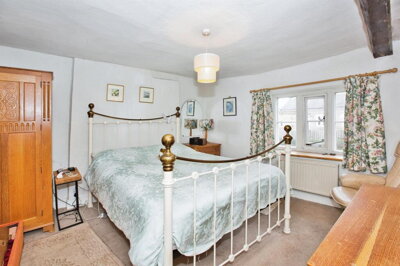
Browse 9 homes for sale in Cranmore, Somerset from local estate agents.
Three bedroom properties represent a significant portion of the Cranmore housing market, offering space for families with multiple reception rooms and gardens in many cases. Browse detached, semi-detached, and terraced options ranging from period character homes to contemporary developments.
£305k
1
0
53
Source: home.co.uk
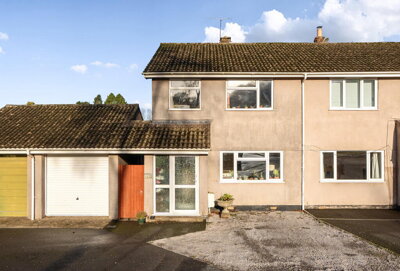
Showing 1 results for 3 Bedroom Houses for sale in Cranmore, Somerset. The median asking price is £305,000.
Source: home.co.uk
Semi-Detached
1 listings
Avg £305,000
Source: home.co.uk
Source: home.co.uk
The Cranmore property market in Somerset has demonstrated remarkable strength over the past twelve months, with Rightmove recording 126 successful sales in the local area. Zoopla data shows an additional 16 property sales in the immediate Cranmore vicinity, with a further 28 transactions in the surrounding East Cranmore area. This activity reflects a healthy market where properties are finding buyers relatively quickly, supported by continued interest from both local movers and those relocating from larger urban centres. The overall average price of £515,000 positions Cranmore as a premium rural market, yet prices remain competitive when compared to similar villages in surrounding counties.
Property types in Cranmore cater primarily to families and those seeking space, with detached homes dominating the upper end of the market at approximately £675,000. Semi-detached cottages represent excellent value at around £435,000, offering buyers the opportunity to acquire character properties with original features such as exposed beams, inglenook fireplaces, and stone walls. The market does not currently show significant new-build development activity, meaning buyers are purchasing existing properties that carry the charm and solid construction associated with traditional Somerset buildings. Land with planning permission for a four-bedroom detached dwelling has become available locally at Dean Street Farm, indicating some new development interest in the area, though this remains limited compared to established housing stock.
Historical sold prices data for Cranmore shows that while the market has experienced fluctuations, the current 20% increase over the past year reflects renewed buyer confidence in the area. Compared to the 2010 peak of £587,000, current values demonstrate the market's recovery and long-term stability. For buyers considering property investment in Cranmore, this data suggests a resilient market with consistent demand, particularly for properties offering character and space that appeal to families seeking countryside living without compromising on access to employment centres.

Life in Cranmore, Somerset, revolves around the rhythms of countryside living, where community spirit runs deep and neighbours become friends. The village maintains a traditional character with properties ranging from historic cottages to more contemporary family homes, creating a varied streetscape that reflects centuries of continuous habitation. Local amenities include a welcoming pub where villagers gather for Sunday lunches and quiz nights, a village hall hosting everything from craft fairs to amateur dramatics, and nearby farm shops selling fresh produce from the surrounding agricultural land. The sense of belonging that develops in communities like Cranmore proves particularly attractive to families raising children and those seeking to escape the anonymity of urban environments.
The surrounding Somerset countryside offers exceptional recreational opportunities, with numerous public footpaths and bridleways threading through rolling farmland and past historic landmarks. Cranmore sits conveniently between the Mendip Hills Area of Outstanding Natural Beauty and the Somerset Levels, giving residents easy access to some of the region's most spectacular landscapes. The county is famous for its cider production, with several working orchards and cideries welcoming visitors for tastings and tours throughout the year. Local towns like Shepton Mallet provide practical amenities including supermarkets, doctors' surgeries, and independent shops, while larger centres such as Bath and Bristol offer comprehensive retail, cultural, and entertainment facilities within reasonable driving distance.
The local economy benefits from a mix of agricultural activity, small businesses, and commuters who travel to nearby towns for work. Many residents work in professional occupations in Bristol or Bath, taking advantage of the excellent road connections while enjoying the lifestyle benefits of countryside living. The presence of traditional tradespeople, including builders, electricians, and plumbers familiar with period properties, supports the maintenance needs of the village's older housing stock. Community events throughout the year, including summer fetes, harvest festivals, and winter gatherings, reinforce the social fabric that makes village life in Cranmore so rewarding for its residents.
Families considering a move to Cranmore will find a selection of educational options available within the local area, serving children from nursery age through to secondary education. Primary education is well-catered for with village and small town schools serving the surrounding communities, many of which benefit from good Ofsted ratings and intimate class sizes that allow teachers to provide individual attention to each pupil. The rural setting of these schools often includes extensive outdoor learning spaces, giving children opportunities to explore nature and develop an appreciation for the environment as part of their everyday education. Parents frequently cite the nurturing atmosphere of smaller schools as a significant advantage when choosing to relocate to villages like Cranmore.
Secondary education options in the wider area include several well-regarded schools serving the Shepton Mallet catchment and surrounding villages. Students can progress to specialist subjects and extracurricular activities including sports, music, and drama programs that rival those available in larger towns. For families requiring boarding facilities or specialized educational approaches, the wider Somerset area offers additional independent schooling options. Sixth form provision is available in nearby towns, with sixth form colleges providing a bridge between secondary education and university or vocational training. The presence of quality educational establishments throughout the region ensures that families moving to Cranmore need not compromise on their children's academic opportunities despite choosing countryside living.
When relocating to the Cranmore area, parents should research specific school catchments as admission arrangements can affect which institutions children can access. School performance data, including examination results and Ofsted reports, is readily available online and can help inform decisions about where to focus a property search. Many families choose to view properties in areas where schools with the strongest ratings are located, balancing this priority against other factors such as commute times and property preferences. The relatively compact nature of the BA4 postcode area means that several good schools are accessible from Cranmore, giving families flexibility in their educational choices.

Connectivity from Cranmore, Somerset, proves surprisingly good for a rural village, with several transport options available to residents who need to travel for work or leisure. The A37 runs through nearby Shepton Mallet, providing direct access to Bristol city centre within approximately 45 minutes to an hour depending on traffic conditions. The A361 connects the area to Taunton and the M5 motorway, opening up broader regional access for those commuting to Exeter, Plymouth, or Birmingham. Local bus services operated by local companies connect Cranmore with surrounding villages and market towns, providing essential connectivity for those without private vehicles. Petrol stations and convenience services are readily available in Shepton Mallet for residents.
For those who travel further afield, Bristol Temple Meads railway station offers connections to London Paddington in approximately 90 minutes, while Bath Spa station provides access to the west country and regular services to the capital. The proximity of Cranmore to Bristol Airport, reachable in under an hour, makes international travel accessible for both business and leisure travellers. Within the village itself, Cranmore maintains a quiet, pedestrian-friendly character where daily amenities can often be reached on foot or by bicycle. The Somerset countryside provides scenic cycling routes that connect with the national cycling network, encouraging sustainable travel for both commuting and recreational purposes. Parking availability in the village remains adequate for residents' needs, with properties typically offering off-street parking or garage spaces.
Commuters working in Bristol particularly benefit from the relative ease of travel compared to more distant rural locations, with the journey time comparable to some suburban areas closer to the city. Those working in Bath can access the city via the A37 and A39, enjoying scenic drives through the Somerset countryside before arriving at their workplace. The flexibility of working from home, increasingly common in many professions, adds further appeal to living in Cranmore, as residents can enjoy countryside living while maintaining productive working lives without lengthy daily commutes.
Obtain a mortgage agreement in principle before beginning your property search. This strengthens your position when making offers and demonstrates to sellers that you are a serious, capable buyer. Cranmore properties attract competitive interest, so being financially prepared gives you an advantage over other buyers who have not yet arranged their funding. Contacting a mortgage broker familiar with Somerset properties can help you understand the full range of financing options available for rural homes.
Explore current listings and recent sales data for Cranmore and the surrounding BA4 postcode area. Understanding price trends, property types available, and how long homes typically take to sell helps you make informed decisions and identify good value when it arises. The 20% price increase over the past year indicates a growing market worth studying carefully, while historical data showing prices 12% below the 2010 peak suggests long-term value stability.
Visit properties that match your criteria in person to assess their true character and condition. Pay particular attention to the age of properties, any original features mentioned in listings, and the general maintenance standards of the neighbourhood. Take notes and photographs during viewings to help compare properties later in the decision-making process. Viewing multiple properties helps establish a sense of what represents fair value in the current Cranmore market.
Before finalizing your purchase, book a RICS Level 2 Homebuyer Report to identify any structural issues, maintenance concerns, or potential problems with the property. Given the age of many Somerset properties, professional surveys prove particularly valuable for uncovering hidden defects that may not be apparent during a standard viewing. Properties in Cranmore may include traditional construction methods that benefit from expert assessment by surveyors familiar with period buildings.
Appoint a solicitor with experience in Somerset property transactions to handle the legal aspects of your purchase. They will conduct searches, review contracts, and coordinate with the seller's legal team to ensure a smooth transfer of ownership. Local knowledge can prove beneficial when dealing with specific Somerset requirements and any queries relating to flooding, drainage, or rights of way that affect rural properties.
Once all searches are satisfactory and legal enquiries resolved, you will exchange contracts and pay your deposit. Completion typically follows within days or weeks, at which point you receive the keys to your new Cranmore home and can begin settling into your Somerset village life. Allow time for setting up utilities, broadband, and other services that may take longer to arrange in rural locations compared to urban areas.
Purchasing property in Cranmore, Somerset requires attention to several area-specific factors that may not be immediately apparent during viewings. Many properties in this rural village will be older constructions, potentially dating back several decades or even centuries in some cases, which means original features such as thatched roofs, stone walls, and timber beams are common. While these features contribute significantly to the charm and character of Somerset homes, they also require ongoing maintenance and specialist care that prospective buyers should budget for accordingly. Understanding the age and construction type of any property you are considering helps you anticipate maintenance requirements and associated costs.
Rural properties in the Cranmore area may sit outside formal flood risk zones, but prospective buyers should still investigate local drainage patterns and the history of any water-related issues with specific properties. Somerset's clay soils can cause movement in buildings over time, making it worthwhile to commission thorough structural surveys that check for any signs of subsidence or movement. Properties located within or near agricultural land may occasionally experience issues with roots, drainage, or boundary disputes that a professional survey can identify before purchase. Conservation considerations may apply to certain older properties, restricting permitted development rights and requiring planning permission for alterations, so checking the status of any property you are seriously considering proves essential.
Leasehold arrangements are relatively uncommon in rural villages like Cranmore, where freehold ownership dominates the housing stock. Detached properties and cottages typically sell as freehold, giving owners full control over their land and buildings without ongoing ground rent or service charge obligations. However, some modern conversions or smaller developments may have leasehold elements that require careful review. When evaluating properties, consider the access arrangements, parking provision, and garden boundaries, as these practical matters significantly affect daily life in a village setting. Speaking with current residents provides valuable insights into what it is truly like to live in Cranmore that no listing can fully convey.
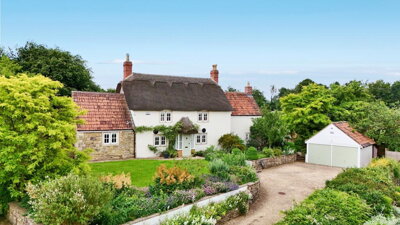
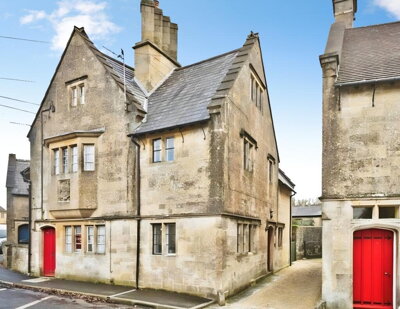
Properties in Cranmore predominantly reflect traditional Somerset construction methods that have been used in the region for generations. Semi-detached cottages in the village often feature original features including exposed beams, stone walls, and inglenook fireplaces that showcase the craftsmanship of local builders from decades and centuries past. These traditional construction techniques, while contributing enormously to the visual appeal and character of village homes, also require owners to understand the maintenance needs associated with period properties. Stone walls, in particular, may have been constructed using local Somerset stone that was readily available when properties were built, creating distinctive appearances that vary throughout the village.
The lack of significant new-build development in Cranmore means that most properties in the village fall into the category of established homes that would benefit from a thorough survey before purchase. Properties constructed before the mid-twentieth century may have solid walls rather than cavity walls, affecting insulation performance and making different approaches to renovation and improvement necessary. Electrical systems in older properties may require updating to meet current standards, and prospective buyers should factor potential rewiring costs into their budget. Similarly, plumbing systems in older homes may use materials that have been superseded, requiring eventual replacement to ensure reliable service and avoid potential leaks.
Professional surveys of properties in the Cranmore area should be conducted by surveyors experienced with traditional construction methods common throughout Somerset. Our inspectors are familiar with the characteristic features and potential issues associated with period properties, from thatched roofs requiring specialist repair to timber-framed structures that may show signs of movement over time. The combination of traditional construction and the local clay soil conditions means that properties here benefit from careful assessment by professionals who understand how these factors interact and what warning signs to look for during inspection.
Understanding the full cost of purchasing property in Cranmore, Somerset extends well beyond the advertised asking price. Stamp Duty Land Tax represents the most significant additional cost for most buyers, with the standard threshold beginning at £250,000 for residential purchases in England. At Cranmore's average price of £515,000, a standard buyer without first-time buyer status would pay SDLT on the amount exceeding £250,000, resulting in a tax liability of approximately £12,500 on the portion between £250,001 and £500,000. However, first-time buyers purchasing properties up to £625,000 benefit from relief on the first £425,000, reducing their SDLT to around £4,500, a substantial saving that makes property purchase more accessible for those entering the market for the first time.
Beyond stamp duty, buyers should budget for solicitor conveyancing fees typically ranging from £500 to £2,000 depending on the complexity of the transaction and the property value. Local search fees charged by Somerset County Council and Mendip District Council cover enquiries into local planning, highways, and environmental matters, usually costing between £200 and £400. Survey costs vary depending on the level of inspection chosen, with RICS Level 2 Homebuyer Reports starting from approximately £350 for standard properties. A mortgage arrangement fee of around 0.5% to 1.5% of the loan amount may apply depending on the lender and product chosen. Buildings insurance must be in place from the point of exchange, and removals costs, while variable, should also be factored into the overall moving budget.
For buyers purchasing character properties in Cranmore, additional costs may arise from the unique requirements of older Somerset buildings. Specialist surveys for listed buildings or properties in conservation areas can cost more than standard inspections due to the additional expertise required. Properties with thatched roofs, historic stonework, or traditional construction methods may require specialist tradespeople for any renovation work, and sourcing appropriate materials can add to costs. Land registry fees for registering your ownership title are typically modest but should be included in your calculations. Building a comprehensive budget that accounts for these various expenses ensures you are not caught out by unexpected costs during the purchase process and can proceed with confidence to completion.
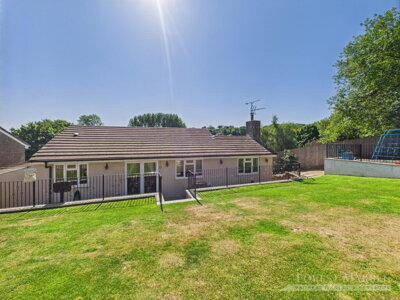
The average house price in Cranmore, Somerset currently stands at approximately £515,000 based on recent sales data. Detached properties average around £675,000, while semi-detached homes are more accessible at approximately £435,000. The local market has shown strong performance with prices rising 20% over the past twelve months, indicating healthy demand for property in this Somerset village. First-time buyers and families looking for character properties should note that bungalows and cottages represent the more affordable entry points to the local market, with a 2-bedroom detached bungalow selling for £425,000 in recent transactions.
Properties in Cranmore fall under Mendip District Council, which covers the BA4 postcode area and surrounding villages including Shepton Mallet and surrounding rural communities. Council tax bands vary by property based on valuation, with most residential properties in rural Somerset falling within bands A through E. Prospective buyers should check the specific band for any property they are considering, as this affects ongoing annual costs alongside other factors such as water rates and parish council charges that may apply to village residents. Band D properties in the Mendip area typically pay around £1,800 to £2,000 per year in council tax.
Cranmore is served by several primary schools in the surrounding villages and small towns, many of which have received good ratings from Ofsted. Secondary education options in the wider area include well-regarded schools with comprehensive curricula and strong extracurricular programs including sports, music, and drama. Parents should research specific catchments and admission arrangements when considering properties, as school catchment areas can affect which institutions children can access. The presence of sixth form colleges in nearby towns provides continuation options for older students seeking advanced qualifications before university or vocational training.
Public transport options from Cranmore include local bus services connecting the village with Shepton Mallet and surrounding communities, providing essential connectivity for daily travel needs. Rail connections are available at stations in Bath and Bristol, accessible by car or bus, offering direct services to London Paddington in approximately 90 minutes from Bristol Temple Meads. The proximity to the A37 and A361 provides excellent road connections to Bristol, Bath, Taunton, and the motorway network via the M5 at Taunton. However, like many rural villages, Cranmore's public transport frequency is limited compared to urban areas, making private vehicle ownership practical for most residents.
The Cranmore property market has demonstrated consistent strength, with prices rising 20% in the past year and showing long-term resilience despite fluctuations in the wider national market. Historical data shows current prices sitting approximately 12% below the 2010 peak of £587,000, suggesting potential for future growth as the market continues its recovery. The combination of Somerset's popularity as a relocation destination, limited new build supply, and the enduring appeal of village living supports continued demand for local properties. Rural villages with good transport connections to major employment centres tend to hold their value well over time. Investors and buyers should consider factors including rental demand, potential for capital growth, and the cost of maintaining period properties when evaluating investment potential in the area.
Stamp Duty Land Tax applies to all property purchases in England, with standard rates starting at 0% on the first £250,000 of purchase price, rising to 5% on the portion between £250,001 and £925,000. For properties priced above £925,000, rates increase to 10% up to £1.5 million and 12% above that threshold. First-time buyers may qualify for relief on the first £425,000 of a property purchase, reducing the effective cost significantly for eligible buyers purchasing properties within those price limits. Given Cranmore's average property price of £515,000, many buyers would benefit from first-time buyer relief if applicable, while higher-value purchases would attract standard SDLT rates of approximately £12,500 for the portion between £250,001 and £500,000.
From 3.5% APR
Find competitive mortgage deals with rates from 3.5% APR
From £499
Expert solicitors to handle your Cranmore property purchase
From £350
Professional survey to identify any issues with your new Cranmore home
From £80
Energy performance certificate for your Cranmore property
Properties for Sale In London

Properties for Sale In Plymouth

Properties for Sale In Liverpool

Properties for Sale In Glasgow

Properties for Sale In Sheffield

Properties for Sale In Edinburgh

Properties for Sale In Coventry

Properties for Sale In Bradford

Properties for Sale In Manchester

Properties for Sale In Birmingham

Properties for Sale In Bristol

Properties for Sale In Oxford

Properties for Sale In Leicester

Properties for Sale In Newcastle

Properties for Sale In Leeds

Properties for Sale In Southampton

Properties for Sale In Cardiff

Properties for Sale In Nottingham

Properties for Sale In Norwich

Properties for Sale In Brighton

Properties for Sale In Derby

Properties for Sale In Portsmouth

Properties for Sale In Northampton

Properties for Sale In Milton Keynes

Properties for Sale In Bournemouth

Properties for Sale In Bolton

Properties for Sale In Swansea

Properties for Sale In Swindon

Properties for Sale In Peterborough

Properties for Sale In Wolverhampton

Enter your details to see if this property is within your budget.
Loans, cards, car finance
Estimated property budget
Borrowing + deposit
You could borrow between
Typical borrowing
Monthly repayment
Est. at 4.5%
Loan-to-value
This is an estimate only. Your actual budget may vary depending on interest rates, credit history, and personal circumstances. For an accurate affordability assessment, speak to one of our free mortgage advisors.
This calculator provides estimates for illustrative purposes only and does not constitute financial advice. Your home may be repossessed if you do not keep up repayments on your mortgage. Estimates based on 4.5% interest rate, repayment mortgage. Actual rates depend on your circumstances.
Homemove is a trading name of HM Haus Group Ltd (Company No. 13873779, registered in England & Wales). Homemove Mortgages Ltd (Company No. 15947693) is an Appointed Representative of TMG Direct Limited, trading as TMG Mortgage Network, which is authorised and regulated by the Financial Conduct Authority (FRN 786245). Homemove Mortgages Ltd is entered on the FCA Register as an Appointed Representative (FRN 1022429). You can check registrations at NewRegister or by calling 0800 111 6768.

We use cookies to show you personalised content and improve your experience of our website. Find out more in our Privacy policy and Cookie policy.