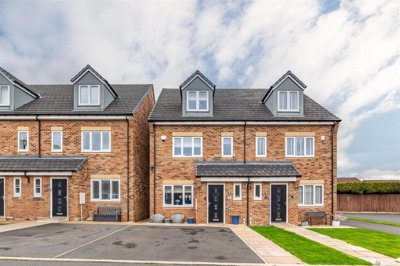
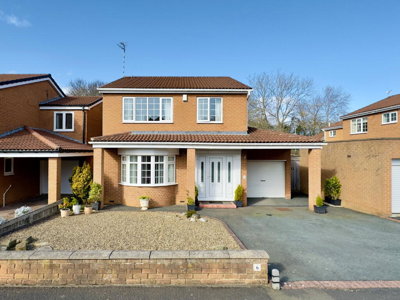
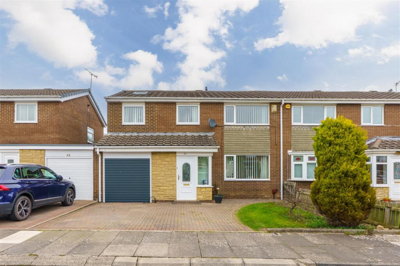
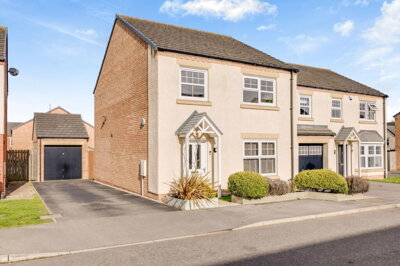
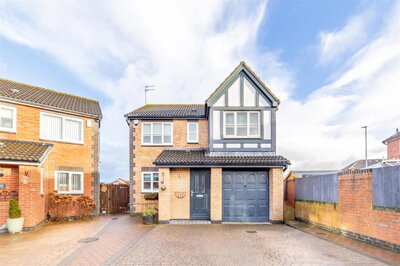
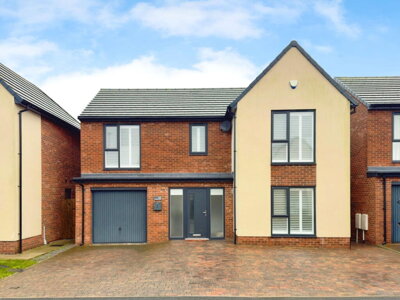
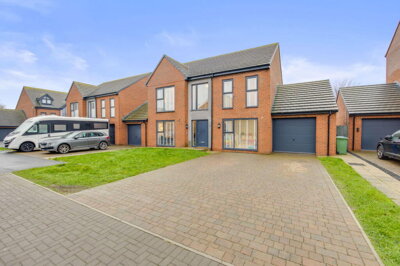
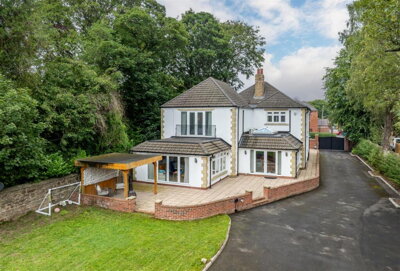
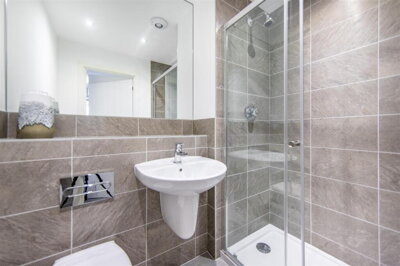
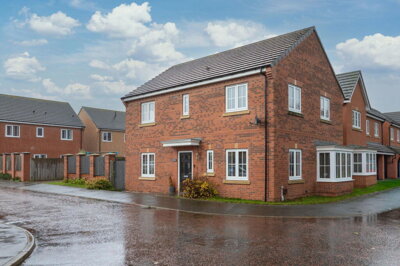
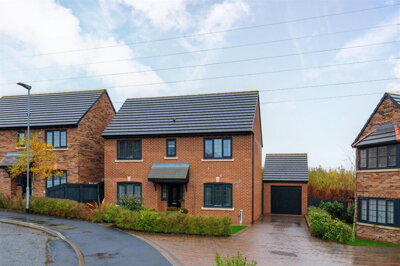
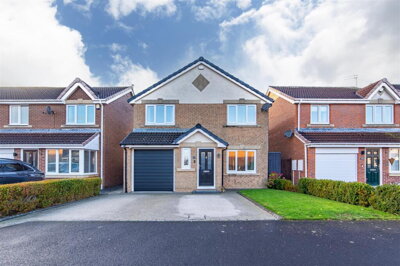
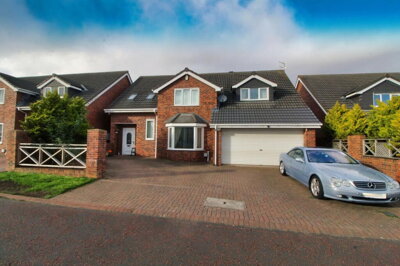
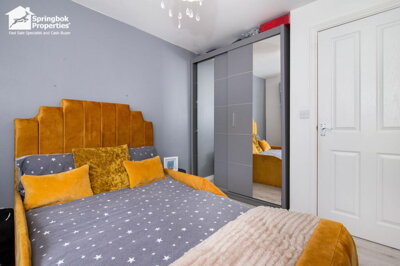
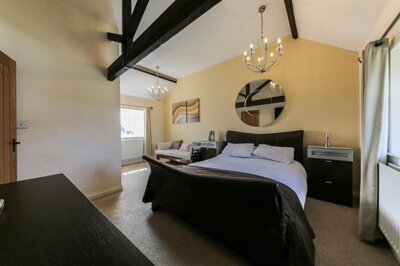
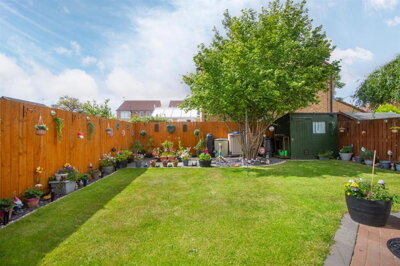
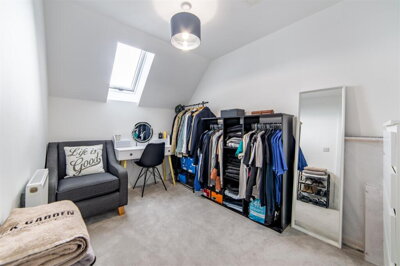
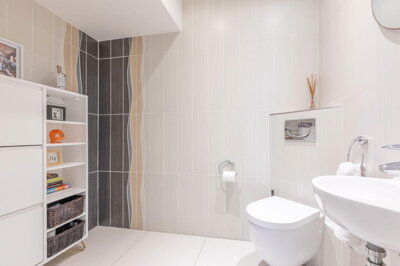
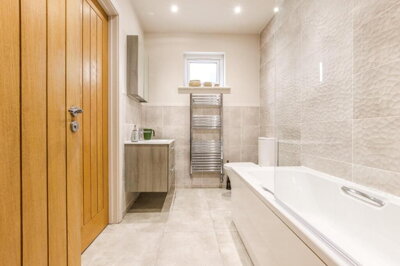
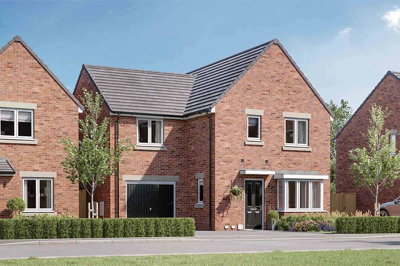
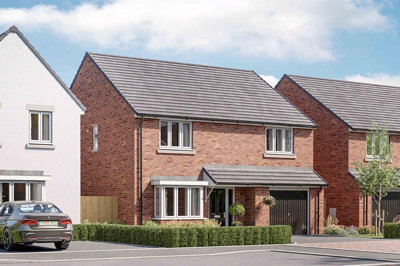
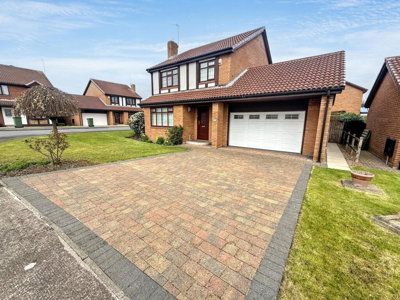
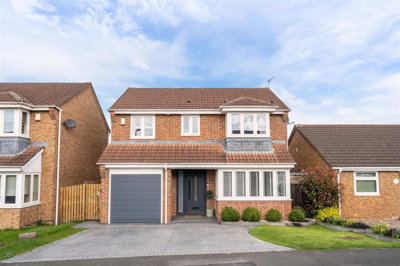
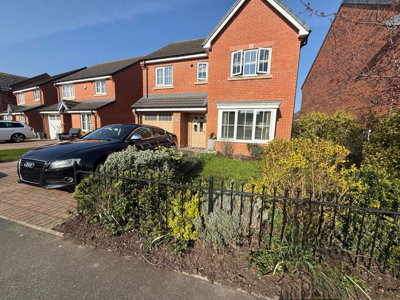
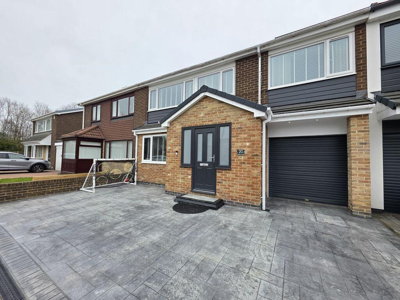
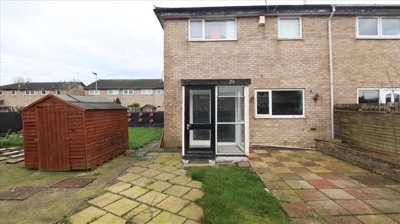
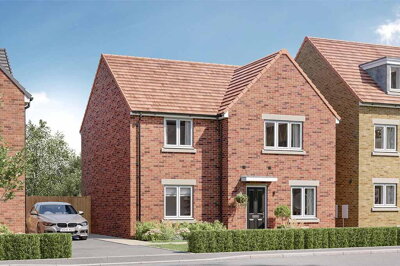
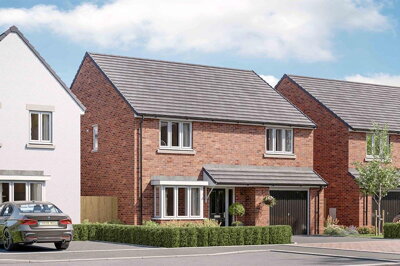
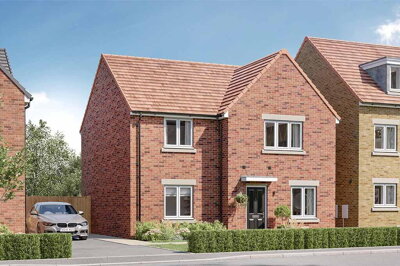
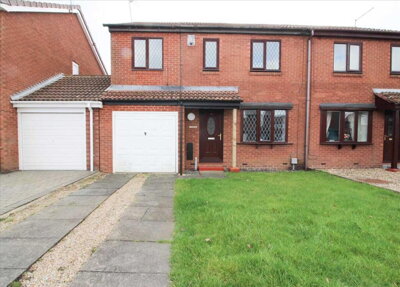
Browse 86 homes for sale in Cramlington, Northumberland from local estate agents.
The larger property sector typically features multiple bathrooms, substantial reception space, and private gardens or off-street parking. Four bedroom houses in Cramlington span detached, semi-detached, and occasionally terraced configurations, with styles ranging from period properties to modern executive homes.
£355k
32
4
69
Source: home.co.uk
Showing 32 results for 4 Bedroom Houses for sale in Cramlington, Northumberland. 4 new listings added this week. The median asking price is £354,995.
Source: home.co.uk
Detached
25 listings
Avg £381,837
Semi-Detached
6 listings
Avg £261,333
Terraced
1 listings
Avg £115,000
Source: home.co.uk
Source: home.co.uk
The Cramlington property market presents attractive opportunities across all property types. Detached homes command the highest prices at an average of £296,000, offering generous space for growing families who need multiple bedrooms, gardens, and off-street parking. Semi-detached properties, which make up 38.2% of the local housing stock according to the 2021 Census, average £189,000 and represent the most common housing type in the area. These homes often feature the post-war and later construction quality that characterises much of the town, with good room sizes and practical layouts that appeal to a wide range of buyers.
Terraced properties in Cramlington average £147,000, providing an accessible entry point for first-time buyers looking to get onto the property ladder in a desirable location. Flats and apartments, averaging £93,000, offer affordable alternatives for singles, couples, or investors seeking rental opportunities in a town with strong tenant demand. The new build sector remains active with three major developments currently selling, including The Fairways by Bellway offering 3, 4, and 5-bedroom homes from £249,995 to £429,995, and Moorland Green by Persimmon with 2, 3, 4, and 5-bedroom homes ranging from £165,950 to £319,950.
Barley Meadows from Taylor Wimpey adds further choice with 3 and 4-bedroom homes priced from £229,950 to £309,950. These new build developments provide modern energy-efficient homes with warranty coverage, appealing to buyers who prioritise contemporary construction standards and the reassurance that comes with a new property. The Fairways development at Arcot (NE23 7QA) sits on the eastern edge of town, while Moorland Green and Barley Meadows in the NE23 6XG and NE23 6XJ postcodes serve the southern approaches to Cramlington.

Source: Rightmove, February 2026
Cramlington is home to approximately 31,093 residents across 13,446 households, creating a substantial community with all the amenities expected of a well-established town. The population size supports a good range of local shops, restaurants, healthcare facilities, and recreational amenities without the congestion often experienced in larger cities. The town centre features the Manor Walks Shopping Centre, providing retail therapy close to home and reducing the need to travel to Newcastle for everyday shopping. The community atmosphere in Cramlington appeals particularly to families, with numerous parks, playing fields, and family-friendly venues throughout the residential areas.
The character of Cramlington reflects its planned development history, with distinct residential neighbourhoods offering varied atmospheres. The housing stock splits fairly evenly between properties built between 1945 and 1980 (42.3%) and post-1980 construction (43.9%), giving the town a predominantly modern appearance with mature trees and established gardens softening the urban environment. Only 5.1% of properties pre-date 1919, meaning most buyers will encounter the cavity-wall brick construction and concrete tile roofing typical of mid to late 20th century British housing. This younger housing stock generally requires less maintenance than historic properties in older towns and often benefits from more contemporary insulation and building standards.
Employment opportunities in Cramlington attract workers from the surrounding area, with key sectors including pharmaceuticals, advanced manufacturing, and distribution. Aesica Pharmaceuticals represents one of the significant employers, while the retail sector centred on Manor Walks provides additional jobs. The proximity to Newcastle upon Tyne, approximately 10 miles north, extends career options for those willing to commute, making Cramlington an excellent base for professionals who want suburban or semi-rural living without sacrificing access to urban employment markets. The local economy benefits from this blend of manufacturing, pharmaceutical, and service sector jobs, providing diverse employment opportunities that support the residential community.

Education provision in Cramlington serves families well, with multiple primary and secondary schools serving the local population. The town includes several primary schools within easy walking distance of residential areas, reducing morning commute stress for parents and allowing children to walk or cycle to school. Secondary education options provide good academic and vocational pathways, with schools in the area preparing students for further education and employment. Parents should research individual school performance data and catchment areas, as these factors significantly impact property values and daily family routines in any given neighbourhood.
For families considering sixth form options, Cramlington Community High School and neighbouring establishments offer A-Level courses, while further education colleges in the wider area provide additional vocational pathways. The presence of quality schools makes Cramlington particularly attractive to families with children, contributing to the stable residential demand that characterises the local property market. When searching for property, parents should verify current school catchment boundaries, as these can change and may affect which school their children would attend. Properties in sought-after school catchments often command premium prices, so understanding catchment areas before making an offer is essential for families prioritising education access.
The education sector also provides significant local employment, with teachers and support staff among the residents who contribute to Cramlington's community life. School performance, Ofsted ratings, and available places should factor into any property decision for families with children, as should consideration of any planned changes to school provision in the area. Checking the latest Ofsted reports and performance data on the government school comparison website helps families make informed decisions about which neighbourhoods best suit their children's educational needs.
Transport connections from Cramlington serve both local needs and longer-distance commuting effectively. The town sits near major road routes that connect to Newcastle upon Tyne and the wider North East motorway network, making car travel convenient for those working in the city or travelling further afield. The A189 provides direct access to Newcastle, while connections to the A1 trunk road put destinations beyond within easy reach. For residents who commute by car, the journey time to central Newcastle typically takes around 25 minutes outside peak hours, though this extends during busy periods.
Public transport options include bus services connecting Cramlington with Newcastle, Blyth, and other nearby towns. The Tyne and Wear Metro does not extend directly to Cramlington, but bus connections provide access to Metro stations in surrounding areas for those who prefer rail travel into Newcastle or other regional destinations. Rail services from Newcastle Central Station offer connections to major cities including Edinburgh, York, Leeds, and London, with journey times to the capital taking around three hours by train from Newcastle. This connectivity makes Cramlington practical for professionals who work in Newcastle but prefer the space and value offered by a smaller town.
For cyclists and pedestrians, Cramlington offers reasonably flat terrain and dedicated paths in newer developments, though the distances to key destinations mean cycling is more practical for local journeys than for commuting to Newcastle. The town provides adequate parking facilities, with most residential properties offering off-street parking, addressing a common urban concern and contributing to the quality of life for car-owning households. Newer housing estates typically include allocated parking spaces or garages, while older properties often have driveways or hard standings that accommodate multiple vehicles.
Before scheduling viewings in Cramlington, obtain a mortgage agreement in principle from a lender. This document confirms your borrowing capacity and demonstrates to estate agents and sellers that you are a serious buyer with finance already arranged. Having this in place strengthens your position when making an offer and can help accelerate the process once you find your ideal property.
Explore current listings to understand property values across different streets and property types. Consider factors such as proximity to schools, transport links, and local amenities when prioritising areas within Cramlington. Note that the average property price is £201,313, but prices vary significantly between flats at £93,000 and detached homes at £296,000.
Once you have identified suitable properties, contact estate agents to schedule viewings. Take time to examine each property carefully, checking the condition of the building, the size of rooms, garden access, and parking facilities. Ask about the age of the property, recent renovations, and any planned changes to the local area.
Before completing your purchase, arrange for a RICS Level 2 Survey, particularly for properties over 20 years old which make up 56.1% of Cramlington's housing stock. Survey costs typically range from £400 to £700 depending on property size. This professional inspection identifies defects that may not be visible during viewings, including potential issues with damp, roofing, electrics, and plumbing.
Appoint a conveyancing solicitor to handle the legal aspects of your purchase. They will conduct searches including a mining report, as Northumberland's coal mining history means properties may require assessment for potential subsidence risks. Your solicitor will handle contracts, Land Registry matters, and ensure all necessary checks are completed before completion.
Once all searches are satisfactory and both parties agree on terms, you will exchange contracts and pay your deposit. On the completion date, the remaining funds are transferred and you receive the keys to your new Cramlington home. Ensure you have buildings insurance in place from this date.
Property buyers in Cramlington should consider several area-specific factors when evaluating potential purchases. The mining legacy of Northumberland means that a mining search should be included in your conveyancing process, checking for any history of coal mining beneath or near the property that might affect foundations or insurance. While Cramlington itself developed largely after the main mining era, the underlying geology includes Carboniferous rocks with coal seams that warrant investigation for complete . The glacial till and boulder clay deposits that overlay parts of the area can also present shrink-swell behaviour, particularly where trees are located close to properties with shallower foundations.
Flood risk varies across different parts of Cramlington, with some areas near smaller watercourses and low-lying land showing susceptibility to surface water flooding during heavy rainfall. The Environment Agency flood maps indicate areas of low, medium, and high surface water flood risk across the town. Properties near the River Blyth tributaries require particular attention, though most residential areas in central Cramlington sit at lower risk. Buyers should check the specific flood risk for any property they are considering and factor this into insurance costs and property resilience measures.
The predominant construction type in Cramlington uses cavity wall brick construction with concrete tile roofing, typical of post-war and modern developments. When viewing properties, look for signs of damp, particularly in older properties where rising damp or penetrating damp may indicate maintenance issues. The presence of asbestos-containing materials should be considered for properties built before 2000, particularly in textured coatings, old pipe lagging, or insulation materials. A thorough RICS Level 2 Survey will identify such concerns and help you negotiate appropriate terms with the seller.
Conservation areas and listed buildings are less common in Cramlington compared to older towns, as the area developed primarily from the 1960s onwards. However, the nearby historic village of Stannington contains listed buildings that may be of interest to buyers seeking period properties with character. Most buyers in Cramlington will find standard freehold properties, though flats will typically be leasehold with associated service charges and ground rent to factor into overall costs.
The average house price in Cramlington is £201,313 as of early 2026, with prices ranging significantly by property type. Detached properties average £296,000, semi-detached homes average £189,000, terraced properties average £147,000, and flats average £93,000. House prices have increased by approximately 2% over the past 12 months, indicating steady market growth and sustained demand for properties in this Northumberland town. With 395 property sales recorded in the past year, the market shows healthy activity levels for a town of this size.
Properties in Cramlington fall under Northumberland Council's council tax banding system. Most properties in the town, given their post-war and modern construction, typically fall within bands A through D, with the specific band depending on the property's assessed value. Prospective buyers should verify the council tax band for any specific property, as this affects annual running costs and should be factored into budget planning alongside mortgage payments and utility bills. Band D properties in Northumberland currently pay around £1,800 to £2,000 per year, though this varies by valuation band.
Cramlington offers good educational provision with several primary and secondary schools serving the local community. The town includes schools rated well by Ofsted, though parents should research current performance data and verify catchment areas, as these can influence which schools children attend. School quality is a significant factor in the local property market, with homes in desirable school catchment areas often commanding premium values. Families should check the latest exam results and inspection reports when considering properties, as school performance directly impacts both daily family life and long-term property values.
Cramlington has bus services connecting to Newcastle and surrounding towns including Blyth, with journey times to Newcastle taking around 30-40 minutes depending on the route and traffic conditions. The Tyne and Wear Metro does not extend directly to Cramlington, but bus links provide access to nearby Metro stations for onward travel. Rail connections from Newcastle Central Station offer services to major UK cities including London, Edinburgh, Leeds, and York. The A189 road provides direct car access to Newcastle in approximately 25 minutes outside peak times.
Cramlington offers several factors that appeal to property investors, including more affordable average prices compared to Newcastle, a population of over 31,000 supporting tenant demand, and strong local employment in sectors like pharmaceuticals and manufacturing. The steady 2% annual price increase demonstrates market stability, while new build developments attract buyers seeking modern homes. Rental demand exists from professionals working in local industries or commuting to Newcastle, making both capital growth and rental yield potential attractive considerations for investors. The three active new build developments provide options for investors seeking modern properties with warranty coverage.
Stamp duty land tax applies to all property purchases in England, including Cramlington. For properties purchased at the current average price of £201,313, a standard buyer would pay no stamp duty on the portion up to £250,000. First-time buyers benefit from relief on the portion up to £425,000, meaning a first-time buyer purchasing at the average price would pay no stamp duty at all. Properties above £425,000 incur 5% on the portion between £425,001 and £625,000, while purchases above £625,000 receive no first-time buyer relief.
Given that over half of Cramlington's properties were built before 1980, common defects include damp issues (rising, penetrating, or condensation-related), roof deterioration affecting tiles, flashing, and gutters, and outdated electrical systems that may not meet current safety standards. Properties built before 2000 may contain asbestos in textured coatings or pipe lagging. Mining-related subsidence, while not widespread in Cramlington, should be checked through appropriate searches given Northumberland's coal mining history. A RICS Level 2 Survey will identify these issues and help you make an informed purchase decision.
Understanding the full costs of purchasing property in Cramlington helps you budget accurately and avoid financial surprises during the transaction. The purchase price represents the largest cost, but additional expenses including stamp duty, legal fees, survey costs, and moving expenses can add significantly to your budget. For a property at the current average price of £201,313, a standard buyer with no previous property ownership would pay no stamp duty under current thresholds, as the first £250,000 of residential property purchases incurs 0% SDLT.
First-time buyers enjoy enhanced relief that raises the nil-rate band to £425,000, meaning that first-time purchasers of properties up to this price would pay no stamp duty whatsoever. This represents substantial savings for buyers entering the property market in Cramlington, where the average price falls comfortably within this threshold. Properties priced between £425,001 and £625,000 incur 5% SDLT on that portion, while purchases above £625,000 receive no first-time buyer relief. Investors and those purchasing additional properties pay a 3% surcharge on all thresholds.
Beyond stamp duty, budget for conveyancing costs typically ranging from £499 to £1,500 depending on the complexity of your transaction and whether the property is leasehold or freehold. A RICS Level 2 Survey costs approximately £400 to £700 depending on property size, while an EPC assessment costs around £80 to £120. Removal costs vary based on distance and volume, while mortgage arrangement fees typically range from £0 to £2,000 depending on the lender and product chosen. Factor in searches including drainage, local authority, and mining reports, which together cost approximately £250 to £400. Getting a mortgage agreement in principle before viewing properties ensures you understand your true budget and can act quickly when you find the right home.
Properties for Sale In London

Properties for Sale In Plymouth

Properties for Sale In Liverpool

Properties for Sale In Glasgow

Properties for Sale In Sheffield

Properties for Sale In Edinburgh

Properties for Sale In Coventry

Properties for Sale In Bradford

Properties for Sale In Manchester

Properties for Sale In Birmingham

Properties for Sale In Bristol

Properties for Sale In Oxford

Properties for Sale In Leicester

Properties for Sale In Newcastle

Properties for Sale In Leeds

Properties for Sale In Southampton

Properties for Sale In Cardiff

Properties for Sale In Nottingham

Properties for Sale In Norwich

Properties for Sale In Brighton

Properties for Sale In Derby

Properties for Sale In Portsmouth

Properties for Sale In Northampton

Properties for Sale In Milton Keynes

Properties for Sale In Bournemouth

Properties for Sale In Bolton

Properties for Sale In Swansea

Properties for Sale In Swindon

Properties for Sale In Peterborough

Properties for Sale In Wolverhampton

Enter your details to see if this property is within your budget.
Loans, cards, car finance
Estimated property budget
Borrowing + deposit
You could borrow between
Typical borrowing
Monthly repayment
Est. at 4.5%
Loan-to-value
This is an estimate only. Your actual budget may vary depending on interest rates, credit history, and personal circumstances. For an accurate affordability assessment, speak to one of our free mortgage advisors.
This calculator provides estimates for illustrative purposes only and does not constitute financial advice. Your home may be repossessed if you do not keep up repayments on your mortgage. Estimates based on 4.5% interest rate, repayment mortgage. Actual rates depend on your circumstances.
Homemove is a trading name of HM Haus Group Ltd (Company No. 13873779, registered in England & Wales). Homemove Mortgages Ltd (Company No. 15947693) is an Appointed Representative of TMG Direct Limited, trading as TMG Mortgage Network, which is authorised and regulated by the Financial Conduct Authority (FRN 786245). Homemove Mortgages Ltd is entered on the FCA Register as an Appointed Representative (FRN 1022429). You can check registrations at NewRegister or by calling 0800 111 6768.

We use cookies to show you personalised content and improve your experience of our website. Find out more in our Privacy policy and Cookie policy.