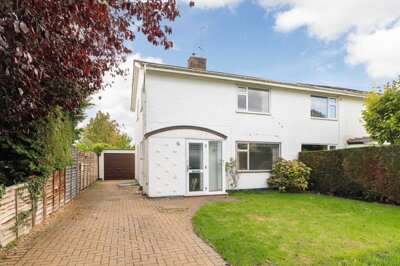
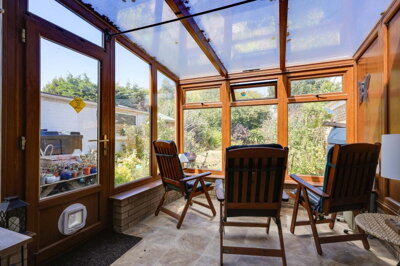
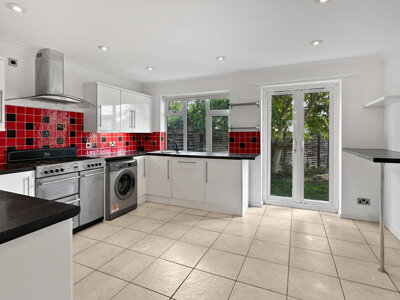
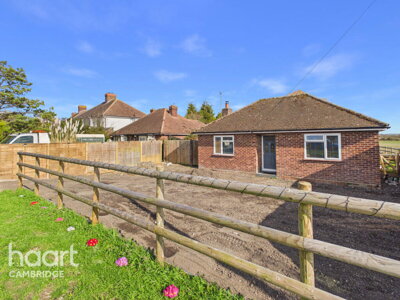
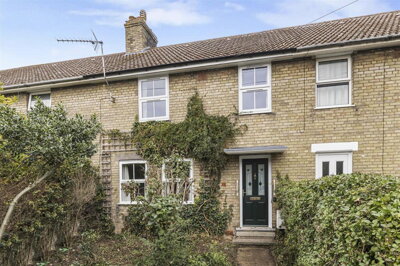
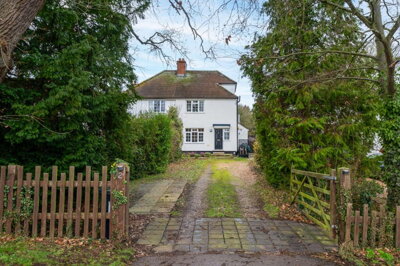
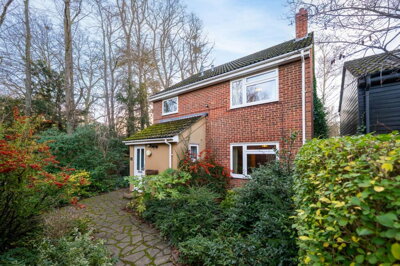
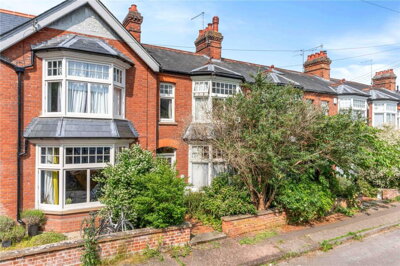
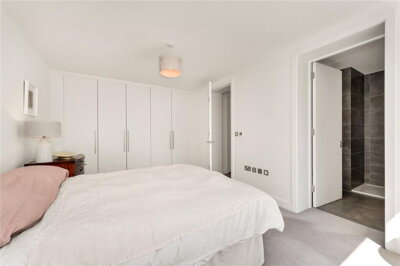
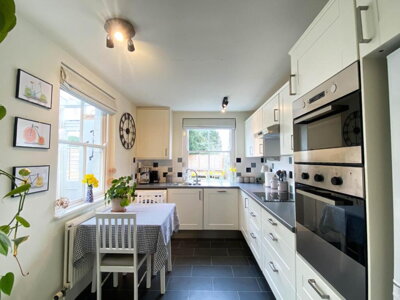
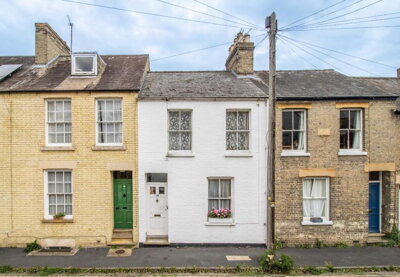
Browse 11 homes for sale in Coton, South Cambridgeshire from local estate agents.
Three bedroom properties represent a significant portion of the Coton housing market, offering space for families with multiple reception rooms and gardens in many cases. Browse detached, semi-detached, and terraced options ranging from period character homes to contemporary developments.
£0k
0
0
0
Source: home.co.uk
Showing 0 results for 3 Bedroom Houses for sale in Coton, South Cambridgeshire.
The Coton property market reflects its desirable position within South Cambridgeshire, offering buyers a mix of heritage properties and well-proportioned family homes. Recent sales data shows detached properties as the dominant property type, with an average price of £880,000, while semi-detached homes fetch around £516,000 and terraced properties average £315,000. This range demonstrates the market's ability to accommodate different budgets while maintaining premium values associated with Cambridge's village hinterland. The CB23 postcode area shows average listing prices down 16.33% from six months ago, suggesting a buyer's market for those seeking to establish themselves in this sought-after village location.
The market has experienced notable adjustment following the 2023 peak of £888,750, with current prices sitting approximately 32% below that high point according to Rightmove data. However, this correction presents opportunities for buyers who may have been priced out of the area previously. Our listings include everything from charming Victorian terraces to substantial detached family homes set within generous gardens. Flats in the broader CB23 postcode area average around £364,704, though specific data for Coton itself is limited given the village's predominantly houses character.
The limited housing supply in Coton, combined with strong demand driven by Cambridge's technology sector and university employment, supports long-term property values. The village's Conservation Area characteristics and listed building concentrations may limit future development, potentially preserving the premium associated with Coton property. For buyers seeking a property in South Cambridgeshire, this village offers a compelling combination of village character, historical significance, and proximity to one of the UK's most prosperous cities.

Coton presents a rare picture of English village life just minutes from Cambridge's vibrant city centre. The village centre maintains its historical charm through 13 listed buildings, including the Grade I Church of St Peter, which dates from the 12th century and represents one of the oldest structures in the area. High Street properties such as numbers 12, 44, 46, 57, and 64 contribute to the Conservation Area character, alongside Claypit Cottages, Manor Farmhouse, and The Rectory. This architectural heritage creates a streetscape that tells the story of village evolution across centuries.
The village developed across distinct periods, with the 1940s council estate at Whitwell Way adding mid-century housing to the mix. Further development during the 1960s expanded the village between the High Street and the older estate. This architectural diversity means buyers encounter properties ranging from medieval church structures built with field stones and clunch to Victorian and Edwardian houses featuring white brick with low-pitched slated roofs like The Rectory. The village's agricultural heritage remains evident in surviving farm buildings, including the 18th-century aisled barn at Rectory Farm with its distinctive thatched roof.
Sporting life in the community thrives through football, cricket, and bowls clubs that offer opportunities for participation regardless of age or ability. The Cambridge American Cemetery and Memorial, located within the village, provides a significant local landmark and serves as a place of reflection, attracting visitors from around the world. The proximity to Cambridge means residents have easy access to the city's extensive shopping, dining, cultural venues, and healthcare facilities while returning each evening to the peaceful surroundings of village life. Cambridgeshire's flat terrain makes cycling a practical daily option for commuters, with dedicated paths connecting Coton to Cambridge's universities and science parks.

Daily life in Coton is well-served by amenities that ensure residents rarely need to travel far for essentials or leisure activities. The village primary school serves local families, while The Plough pub and restaurant provides a welcoming venue for meals and social gatherings. The Coton Garden Centre functions as a village hub, combining plant sales with a post office, farm shop selling local produce, and a cafe where residents can meet and relax. This combination of facilities makes Coton unusually well-equipped for a village of its size.
For families moving to Coton, the proximity to some of Cambridgeshire's most respected state and independent schools is a significant draw. Secondary options in Cambridge and surrounding towns include grammar schools and academy schools with strong academic records. For older students, Cambridge colleges and the University of Cambridge itself offer further and higher education opportunities that are practically accessible from the village. The area's strong educational profile makes it particularly attractive to families prioritising academic achievement and school quality.
Healthcare access is excellent, with Addenbrooke's Hospital and the Cambridge University Hospitals NHS Foundation Trust located in Cambridge, providing specialist services within easy reach. The Cambridgeshire and Peterborough NHS Foundation Trust operates community health services throughout the region. For everyday healthcare needs, GP surgeries in surrounding villages serve the Coton population, and dental practices in Cambridge accept patients from the wider area. The village's proximity to Cambridge's biomedical campus, one of Europe's largest centres for medical research and healthcare, ensures residents benefit from world-class facilities.
Commuting from Coton benefits from excellent road connections that place Cambridge city centre within easy reach. The village sits close to major routes including the A1303 and connections to the A14, which provides routes north to Huntingdon and east to Felixstowe. Cambridge city centre is approximately three miles distant, making daily commutes by car straightforward during non-peak hours. However, peak-time traffic on routes into Cambridge can extend journey times significantly, and residents working in the city often time their departures to avoid congestion.
Public transport options supplement road travel, with bus services connecting Coton to Cambridge and surrounding villages. Cambridge railway station offers direct services to London King's Cross, with journey times of approximately 50 minutes to the capital. Stansted Airport is accessible within approximately 45 minutes by car, while London Luton and London Stansted provide additional international flight options. Cyclists benefit from the flat Cambridgeshire terrain and dedicated cycle paths connecting Coton to Cambridge, making sustainable commuting a viable option for many residents.
The Cambridgeshire Guided Busway provides an additional sustainable travel option, with stops connecting Cambridge to surrounding villages and towns. For commuters working in the Cambridge Science Park or at the biomedical campus near Addenbrooke's, cycling often proves faster than car travel during peak hours. Many residents find that the combination of village location and city connectivity makes Coton an ideal base for professionals working in Cambridge's technology, research, and university sectors. The A11 provides convenient access to Newmarket and Suffolk for those seeking greater distance from Cambridge.
Spend time exploring Coton at different times of day and week to understand the community, traffic patterns, and noise levels. Visit local amenities including The Plough pub, the garden centre, and village school to gauge whether the village suits your lifestyle. Walk the Conservation Area to appreciate the 13 listed buildings and their setting, and drive the A1303 to test your future commute to Cambridge.
Contact lenders or use Homemove's mortgage comparison tool to obtain an agreement in principle before making offers. This strengthens your position with sellers and demonstrates serious intent. Current rates are available through our mortgage partners. Given Cotot's average property price of £601,300, most buyers will require significant mortgage borrowing, making a mortgage in principle particularly important for competitive offers.
Use Homemove's search tool to view available properties in Coton, and arrange viewings through listed estate agents. Ask about the history of specific properties, recent maintenance, and any planning permissions granted in the neighbourhood. For listed buildings, verify whether any recent works have required Listed Building Consent from South Cambridgeshire District Council.
Once your offer is accepted, arrange a homebuyers report survey to identify any structural issues, maintenance needs, or defects. Properties in Coton include period buildings where surveys are particularly valuable for uncovering hidden problems. Our inspectors understand the construction methods used in Cambridgeshire village properties, from clunch and freestone in medieval structures to the white brick and slate roofing typical of Victorian and Edwardian houses in the village.
Choose a conveyancing solicitor from Homemove's recommended providers to handle the legal transfer of ownership. They will conduct searches, handle contracts, and coordinate with your mortgage lender. Searches specific to Coton include those with South Cambridgeshire District Council and Cambridgeshire County Council, covering planning history, road schemes, and environmental factors relevant to the CB23 postcode area.
Your solicitor will arrange the final checks and contract exchange, setting a completion date. On completion day, you receive the keys to your new Coton home. Register your ownership with HM Land Registry and update your address with utility providers, local authorities, and financial institutions.
Purchasing a property in Coton requires attention to factors specific to historic South Cambridgeshire villages. The high concentration of listed buildings throughout the village means many properties carry Listed Building status, which imposes restrictions on alterations, renovations, and maintenance works. Buyers should obtain a listing certificate and understand the implications before proceeding. Alterations to Listed Buildings require consent from South Cambridgeshire District Council, and works carried out without permission can result in criminal prosecution.
Property construction in Coton varies considerably given the village's age. Historical buildings dating from the 1840s and earlier feature traditional materials including clunch, freestone, and timber framing. The 1940s council estate at Whitwell Way and 1960s additions represent different construction periods with their own characteristics and potential issues. A thorough RICS Level 2 survey will identify concerns specific to each property type, from potential structural movement in period properties to the condition of extensions and alterations carried out over decades.
Our surveyors frequently identify issues common to Cambridgeshire village properties, including dry rot in properties with solid floors, cracking from clay shrink-swell movement in properties with nearby trees, and deterioration of traditional lime mortar pointing in listed buildings. The village's spring-line location, while historically beneficial for water supply, can affect ground conditions and drainage patterns. Our inspectors examine foundations, walls, roofs, and services with thoroughness suited to protecting buyers investing in this premium market.
Buyers should budget for potential maintenance costs when purchasing older village properties. Period cottages may require re-wiring, new heating systems, or roof repairs that are not immediately apparent during viewings. The garden centre and farm shop at Coton Garden Centre offer local resources for maintaining period gardens, while builders experienced with historic properties in South Cambridgeshire can advise on appropriate materials and techniques for any renovation works.
The average house price in Coton, Cambridgeshire, stands at £601,300 based on recent sales data. Detached properties command the highest prices at around £880,000, while semi-detached homes average £516,000 and terraced properties fetch approximately £315,000. The market has experienced a correction from the 2023 peak of £888,750, presenting opportunities for buyers seeking to enter this desirable South Cambridgeshire village. Flats in the broader CB23 postcode area average around £364,704, though Coton's housing stock is predominantly houses rather than apartments.
Properties in Coton fall under South Cambridgeshire District Council's jurisdiction. Council tax bands in the area range from A through to H, with most residential properties falling in bands C through E depending on property value as assessed by the Valuation Office Agency. Exact bands depend on the specific property valuation, and homes in the village's Conservation Area or those with Listed Building status may have specific considerations affecting their band. Prospective buyers should obtain the specific band for any property they are considering through the government council tax website before proceeding.
Coton has a village primary school serving local children from reception through Year 6. For secondary education, families access schools in Cambridge and surrounding towns, with several Outstanding-rated options within reasonable commuting distance. The Cambridge area is renowned for educational excellence, and parents should verify current admission arrangements and catchment areas with Cambridgeshire County Council before purchasing. For families seeking private education, Cambridge offers several well-regarded independent schools serving all age groups from nursery through sixth form.
Coton benefits from bus services connecting to Cambridge city centre and surrounding villages. Cambridge railway station provides direct trains to London King's Cross in approximately 50 minutes, making day trips or commuting to the capital practical. The village sits near major roads including the A1303 and A14, giving access to Cambridge and routes further afield to Huntingdon and Felixstowe. The flat Cambridgeshire terrain also makes cycling a practical option for reaching Cambridge's universities, science parks, and biomedical campus, with many residents finding two wheels faster than four during peak hours.
Cotot's proximity to Cambridge, combined with its village character and limited housing supply, makes it attractive to both owner-occupiers and investors. The strong demand for homes in South Cambridgeshire, driven by Cambridge's technology sector and university employment, supports long-term property values. The village's Conservation Area characteristics and listed buildings may limit future development, potentially preserving property values. However, as with any property purchase, investors should conduct thorough research on rental demand and yield expectations before committing.
Stamp Duty Land Tax rates from April 2025 start at 0% on the first £250,000 of residential property purchases. The rate increases to 5% on the portion between £250,001 and £925,000, 10% on the portion between £925,001 and £1,500,000, and 12% on any amount above £1,500,000. First-time buyers benefit from relief on the first £425,000, with 5% applying between £425,001 and £625,000. Given Cotot's average price of £601,300, a typical buyer might expect to pay around £7,565 in SDLT, while a first-time buyer could pay approximately £8,815 on the same property.
The village's 13 listed buildings include properties ranging from the 12th-century Church of St Peter to Victorian and Edwardian houses along the High Street. Listed Building status imposes significant restrictions on alterations, renovations, and maintenance works, requiring consent from South Cambridgeshire District Council for most changes. Buyers should verify the specific listing grade, obtain documentation of any recent works with appropriate consents, and budget for higher maintenance costs using traditional materials and specialist contractors. Properties like The Rectory (1840) and Manor Farmhouse feature construction techniques that require experienced conservation professionals for any work.
From £350
A detailed survey of the property condition, ideal for Coton's mix of period and modern homes
From £450
A comprehensive building survey for older or complex properties
From £85
Energy Performance Certificate required for all property sales
From 4.5% APR
Compare mortgage deals from leading lenders
From £499
Solicitors experienced in Cambridgeshire property transactions
Purchasing property in Coton involves several costs beyond the purchase price itself. Stamp Duty Land Tax represents the most significant additional expense, with rates of 0% on the first £250,000, rising to 5% between £250,001 and £925,000, then 10% up to £1,500,000 and 12% above that threshold. First-time buyers benefit from increased thresholds, paying 0% on the first £425,000 and 5% between £425,001 and £625,000. On a typical Coton property at £601,300, a standard buyer would pay approximately £7,565 in SDLT after the zero-rate threshold.
Additional costs include solicitor fees for conveyancing, typically ranging from £500 to £1,500 depending on complexity. Survey costs for a RICS Level 2 homebuyers report start from around £350, though buyers of period properties may wish to consider a more detailed Level 3 building survey given the village's older housing stock. Search fees from South Cambridgeshire District Council and Cambridgeshire County Council typically total £250-400, covering local planning history, environmental factors, and drainage searches specific to the CB23 postcode area.
Mortgage arrangement fees vary by lender but can reach 0.5-1.5% of the loan amount. Factor in Land Registry fees of around £200-500 and removals costs based on distance and volume. Our recommended conveyancing solicitors understand South Cambridgeshire transactions and can advise on local search requirements, listed building considerations, and any specific factors affecting properties in the village. Careful budgeting for these costs ensures a smooth purchase transaction in this desirable Cambridgeshire village.
Properties for Sale In London

Properties for Sale In Plymouth

Properties for Sale In Liverpool

Properties for Sale In Glasgow

Properties for Sale In Sheffield

Properties for Sale In Edinburgh

Properties for Sale In Coventry

Properties for Sale In Bradford

Properties for Sale In Manchester

Properties for Sale In Birmingham

Properties for Sale In Bristol

Properties for Sale In Oxford

Properties for Sale In Leicester

Properties for Sale In Newcastle

Properties for Sale In Leeds

Properties for Sale In Southampton

Properties for Sale In Cardiff

Properties for Sale In Nottingham

Properties for Sale In Norwich

Properties for Sale In Brighton

Properties for Sale In Derby

Properties for Sale In Portsmouth

Properties for Sale In Northampton

Properties for Sale In Milton Keynes

Properties for Sale In Bournemouth

Properties for Sale In Bolton

Properties for Sale In Swansea

Properties for Sale In Swindon

Properties for Sale In Peterborough

Properties for Sale In Wolverhampton

Enter your details to see if this property is within your budget.
Loans, cards, car finance
Estimated property budget
Borrowing + deposit
You could borrow between
Typical borrowing
Monthly repayment
Est. at 4.5%
Loan-to-value
This is an estimate only. Your actual budget may vary depending on interest rates, credit history, and personal circumstances. For an accurate affordability assessment, speak to one of our free mortgage advisors.
This calculator provides estimates for illustrative purposes only and does not constitute financial advice. Your home may be repossessed if you do not keep up repayments on your mortgage. Estimates based on 4.5% interest rate, repayment mortgage. Actual rates depend on your circumstances.
Homemove is a trading name of HM Haus Group Ltd (Company No. 13873779, registered in England & Wales). Homemove Mortgages Ltd (Company No. 15947693) is an Appointed Representative of TMG Direct Limited, trading as TMG Mortgage Network, which is authorised and regulated by the Financial Conduct Authority (FRN 786245). Homemove Mortgages Ltd is entered on the FCA Register as an Appointed Representative (FRN 1022429). You can check registrations at NewRegister or by calling 0800 111 6768.

We use cookies to show you personalised content and improve your experience of our website. Find out more in our Privacy policy and Cookie policy.