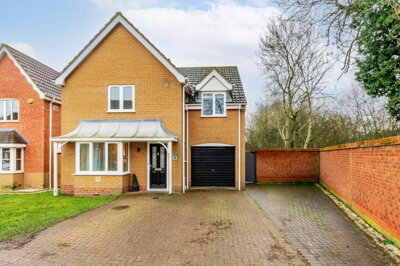
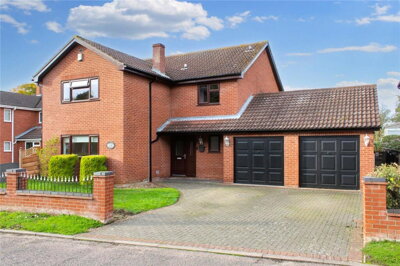
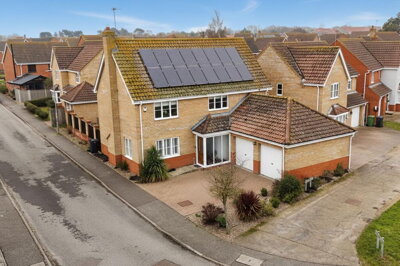
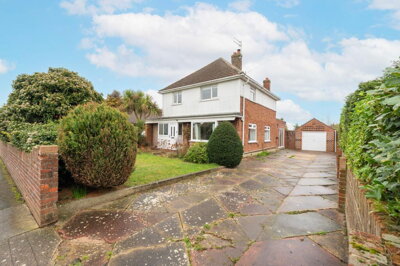
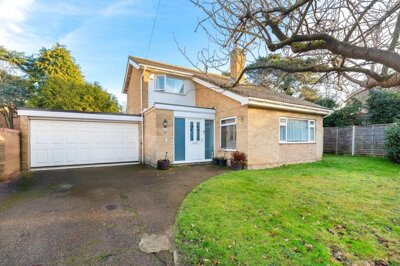
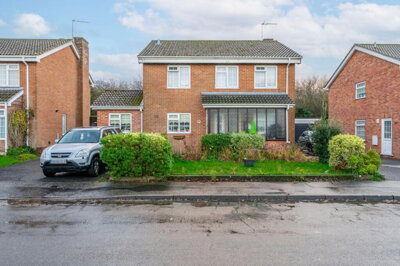
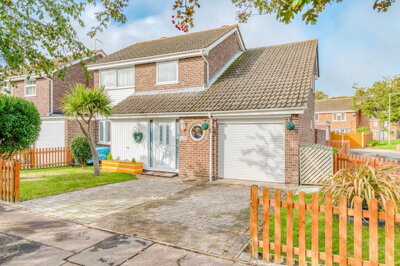
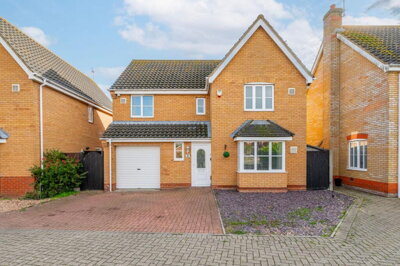
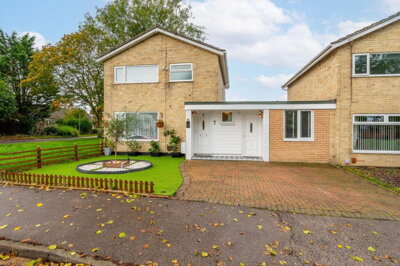
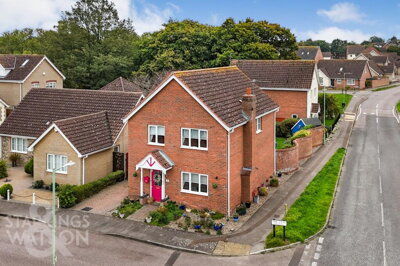
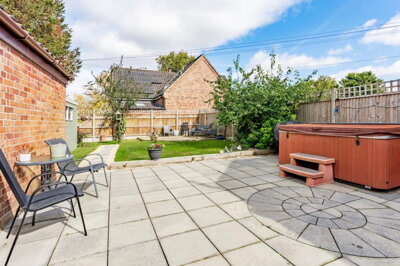
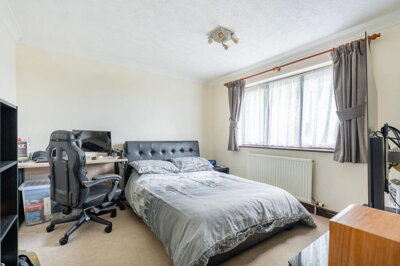
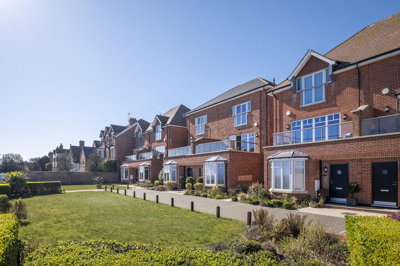
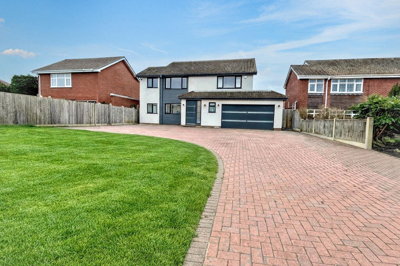
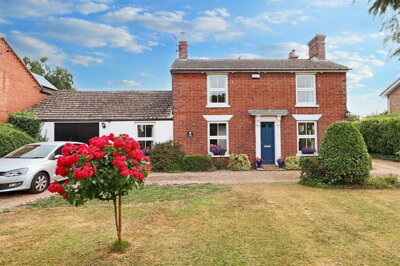
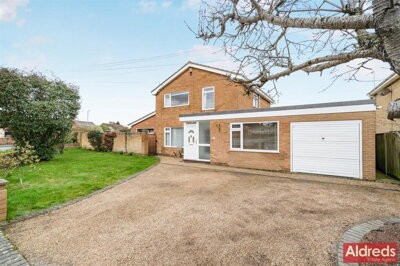
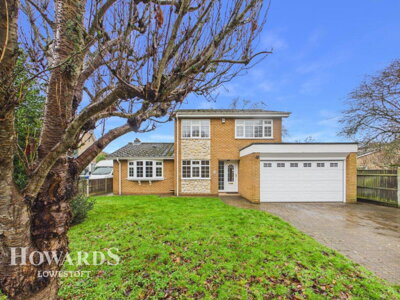
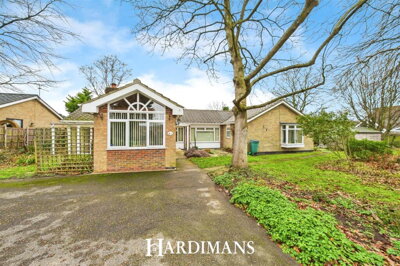
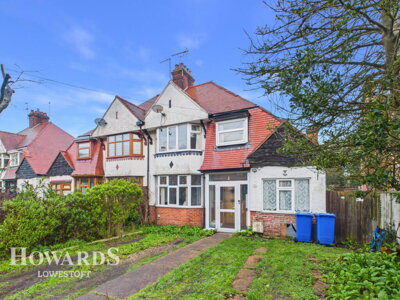
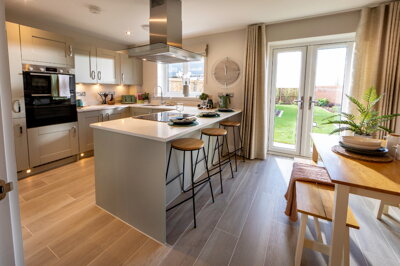
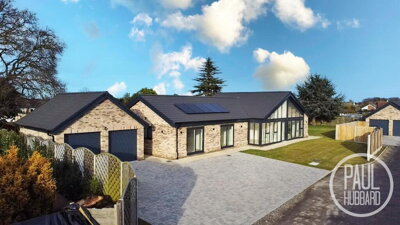
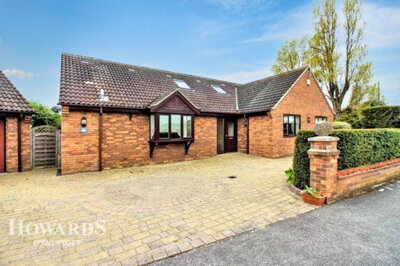
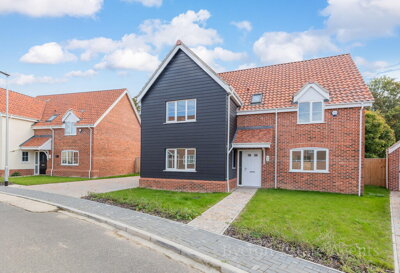
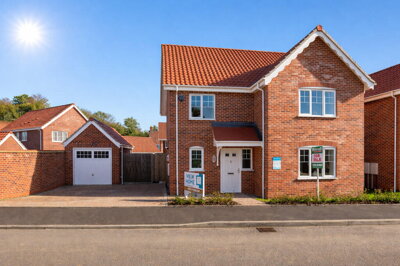
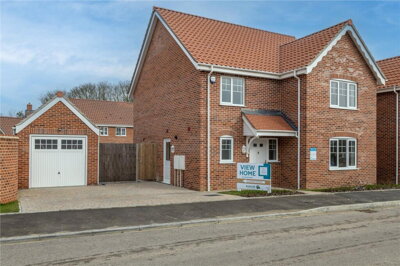
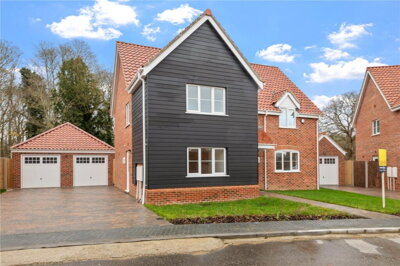
Browse 64 homes for sale in Corton, East Suffolk from local estate agents.
The larger property sector typically features multiple bathrooms, substantial reception space, and private gardens or off-street parking. Four bedroom houses in Corton span detached, semi-detached, and occasionally terraced configurations, with styles ranging from period properties to modern executive homes.
£0k
0
0
0
Source: home.co.uk
Showing 0 results for 4 Bedroom Houses for sale in Corton, East Suffolk.
The Corton property market reflects its status as a smaller coastal village in East Suffolk, offering a diverse range of property types to suit different buyer requirements. Detached houses represent the most prevalent housing style in the area, with 253 households occupying this property type according to available census data, followed by 176 semi-detached properties and 107 terraced homes. The village features properties spanning several architectural eras, from Victorian and Edwardian terraces around the conservation area to post-war semi-detached houses and more contemporary builds, creating a varied streetscape that appeals to diverse tastes and lifestyle preferences.
Price trends in Corton have shown significant correction in recent years, with sold prices approximately 32% lower than previous peaks and 21% below the 2021 peak of £322,148. The current 12-month trend shows a modest -0.5% change, suggesting the market may be stabilising after this adjustment. This correction has created genuine opportunities for buyers seeking value in the coastal Suffolk market, with terraced properties available from around £132,500 and semi-detached homes from £220,000. The overall average price currently sits at approximately £265,000, making Corton notably more affordable than nearby Great Yarmouth or Southwold, where average prices frequently exceed £350,000 for comparable property types.
First-time buyers and those seeking coastal lifestyle without premium pricing will find Corton particularly attractive, though limited new build activity in the immediate area means most stock comes from the existing housing stock. No active new-build developments have been verified within the Corton postcode area (IP11 9), though smaller infill developments or individual self-builds may occur without extensive online promotion. The housing stock divides roughly between pre-1919 period properties in the conservation area, post-war semis and terraces from the 1945-1980 period, and more modern post-1980 constructions, with a significant proportion of properties likely over 50 years old where thorough due diligence becomes especially important.

Corton encapsulates the appeal of Suffolk coastal living, combining village charm with easy access to larger town amenities. The village economy centres on local services, traditional pubs, and small businesses that serve the resident community and visitors alike. Tourism plays a meaningful role in the local economy, with holiday parks and coastal attractions drawing visitors to the area throughout the year, providing seasonal employment opportunities for residents. The proximity to Lowestoft, approximately 3 miles away, opens up additional employment in sectors including offshore energy, fishing, food processing, healthcare, and retail, making Corton suitable for those who work in the town but prefer village-style living away from the busier urban environment.
The village community organises regular events and maintains local facilities that foster social connection among its population of around 1,181 residents. The Corton Social Club and local pubs serve as community hubs where residents gather for events, while the village hall hosts various activities throughout the year. Older properties in Corton cluster around the historic conservation area near St Bartholomew's Church, featuring traditional brick construction with red and gault brickwork typical of Suffolk architecture, including some properties dating back to the Victorian and Edwardian periods. The newer developments complement these heritage properties without overwhelming the village character, with post-1980 housing providing modern options for those preferring contemporary layouts and improved energy efficiency.
Local amenities include a village shop for everyday essentials, pubs serving food where residents can enjoy traditional pub grub, and recreational areas including the village green where community events take place. The nearby coastline offers walking routes along the Suffolk Heritage Coast and beach access for residents to enjoy, with dog-friendly beaches particularly popular among the local community. The proximity to the Broads National Park provides additional recreational opportunities including boating, walking, and wildlife watching, making Corton an ideal base for outdoor enthusiasts who appreciate both coastal and wetland environments within easy reach of their home.

Families considering a move to Corton will find educational options available within the village and the surrounding area, though the village itself does not have its own primary school. Primary education is served by schools in nearby villages and the outskirts of Lowestoft, with Corton residents typically falling within catchment areas for establishments including schools in the adjacent areas. The village's proximity to Lowestoft means secondary school options include establishments in the town, with some schools operating catchment areas that extend to Corton residents. Parents should verify specific catchment arrangements with East Suffolk Council, as school admissions can be competitive in popular areas and catchment boundaries may change annually.
For families requiring grammar school provision, the nearby towns of King Edward VI School in Ipswich or highly-rated schools in Norwich may be accessible with appropriate transport arrangements, though daily commuting requires careful consideration of journey times and logistics. Some Corton families opt for boarding arrangements or choose to relocate closer to grammar schools when their children reach secondary age, while others take advantage of the comprehensive schools available in Lowestoft, which provide good secondary education without the selective entry requirements. The nearest mainstream secondary school accessible from Corton typically involves transport to one of the Lowestoft secondary schools, with school transport arrangements managed through Suffolk County Council for those meeting eligibility criteria.
Sixth form and further education provision is available at Lowestoft Sixth Form College and East Coast College, both of which offer a range of A-level and vocational courses accessible to Corton residents. Lowestoft Sixth Form College provides traditional A-level subjects alongside some vocational qualifications, while East Coast College offers more vocational routes including apprenticeships and technical qualifications. The presence of the University of East Anglia and University of Suffolk in nearby Norwich and Ipswich respectively provides higher education options for older children, with Corton's location making these institutions reachable for weekend visits while students maintain their family home connection in the village.
Corton benefits from its position on the eastern edge of Suffolk, offering reasonable connectivity to wider transport networks despite its village location. The village sits approximately 4 miles from Lowestoft railway station, which provides direct services to Norwich, with journey times of around 40 minutes to the county capital. Norwich station offers connections to Cambridge, London Liverpool Street via the Greater Anglia route, and Birmingham New Street, making day trips and business travel feasible for residents who need to access major cities. London Liverpool Street can be reached in approximately 2 hours from Norwich, positioning Corton within reasonable commuting distance for flexible workers or those working in the capital part-time.
Road connectivity from Corton centres on the A12, which runs through nearby villages and connects to Ipswich to the south and Great Yarmouth to the north, providing access to the wider East Anglia road network. The A146 provides access to Norwich via Beccles and Bungay, though this route can experience congestion during peak hours, particularly around Beccles where the road narrows. For those travelling further, the A14 provides connections to Felixstowe port and the Midlands, making Corton reasonably well-connected for those who need to transport goods or travel for business. Most residents find car ownership essential for daily commuting and accessing amenities, though the village's proximity to Lowestoft means many practical needs can be met without lengthy car journeys.
Bus services operated by First Group and other providers connect Corton to Lowestoft town centre and surrounding villages, though frequency may be limited compared to urban routes, making car ownership practical for most residents. The nearest bus stop is located on the main road through the village, with services to Lowestoft typically running hourly during daytime hours but with reduced evening and weekend frequencies. For air travel, Norwich International Airport offers domestic flights and some European destinations, while London Stansted provides broader international connections within approximately 90 minutes drive of Corton. Birmingham Airport and London Gatwick are also accessible for residents willing to travel further for specific flight routes or airlines.
Before viewing properties in Corton, obtain a mortgage agreement in principle from a lender to confirm your budget and demonstrate to sellers that you are a serious buyer. This step is particularly important in the Corton market where competitive coastal properties may attract multiple buyers, and having your financing arranged gives you an advantage when making offers. Contact several lenders or use a mortgage broker to compare rates, as different providers may offer varying terms for similar circumstances.
Study current listings, recent sold prices, and local property trends using our search tool and other property portals. Corton prices have shown correction recently, with the average currently around £265,000 compared to the 2021 peak of £322,148, creating opportunities for buyers. Understanding local factors like flood risk areas, conservation restrictions, and the condition of older coastal properties will help you make informed decisions about which properties to prioritise.
Schedule viewings of properties matching your criteria through our platform or directly with listed estate agents. Take time to assess the condition of properties during viewings, noting the age of the property, construction materials, and any signs of damp, structural issues, or maintenance needs common in older coastal properties. Bring a checklist and take photographs for reference when comparing properties later in your decision-making process.
Once your offer is accepted, arrange a RICS Level 2 Survey before completion to identify any defects or issues with the property. For Corton properties, surveys typically cost £400-£700 for terraced and semi-detached homes, rising to £600-£900 for larger detached properties. Given the local geology with Crag Group formations and moderate to high shrink-swell risk, a professional survey can identify foundation concerns, while the coastal location means assessing for damp, timber defects, and any signs of coastal erosion stress is particularly important.
Choose a solicitor to handle the legal transfer of ownership for the property in Corton. They will conduct searches with East Suffolk Council to check for planning constraints, environmental issues, and any other matters affecting the property, handle Land Registry documentation, and ensure all planning conditions are satisfied before completion. For properties in the Corton Conservation Area or listed buildings, additional checks regarding permitted development rights and listing status will be required.
Final arrangements involve transferring deposit funds, exchanging contracts with the seller, and completing on the agreed date when the property legally transfers to you. Your solicitor will coordinate these final steps, confirm the remaining balance is transferred, and register your ownership with the Land Registry. Once completed, you will receive the keys to your new Corton home and can begin the exciting process of moving in and settling into your new coastal village community.
Buyers considering properties in Corton should be aware of several area-specific factors that influence property condition and value. The local geology presents a notable consideration, as Corton sits on Crag Group formations with sand, silt, and clay composition that creates moderate to high shrink-swell risk for foundations. Properties built before the 1970s may have shallower foundations that could be vulnerable to ground movement during extended wet or dry periods, making a thorough structural assessment particularly valuable. Any trees or large vegetation near properties should be evaluated for root systems that could affect foundations over time, as the clay content in local soil makes properties more susceptible to subsidence from vegetation.
Coastal flooding and erosion represent genuine considerations for Corton properties, especially those near the cliff edge or in lower-lying parts of the village. While current flood risk from rivers and the sea is categorised as very low for the immediate area according to recent GOV.UK data, residents should be aware of the long-term coastal erosion risk that affects certain parts of the village, particularly properties close to the cliff top where erosion rates may impact foundations over time. Surface water flooding can occur during heavy rainfall when drainage infrastructure is overwhelmed, so checking the specific flood risk for any property address using official GOV.UK flood risk maps is advisable before committing to a purchase.
The Corton Conservation Area covers parts of the village around the historic church and older core, imposing additional planning controls on properties within its boundaries that limit permitted development rights. Any alterations, extensions, or significant changes to such properties may require Conservation Area Consent or Listed Building Consent, restricting what buyers can subsequently change without seeking planning permission. The village contains several listed buildings including St Bartholomew's Church and historic farmhouses and cottages, which buyers should be aware of as these may require specialist surveys and impose maintenance obligations under listed building regulations. Properties in leasehold arrangements, which are less common in Corton but do exist in some purpose-built blocks, require careful examination of remaining lease terms, ground rent obligations, and service charge arrangements before purchase.
The predominant building materials in Corton properties include traditional brick construction using red and gault brick typical of Suffolk architecture, with some render and timber cladding on modern extensions. Older properties typically feature solid wall construction which may have different insulation properties compared to modern cavity wall construction used in post-war properties. Roofs commonly use concrete tiles or slate, with condition varying significantly between properties of different ages. For properties over 50 years old, which make up a substantial portion of the Corton housing stock, buyers should be alert to potential issues including outdated electrics with old fuse boards, possible lead pipes, asbestos in artex ceilings or pipe lagging, and timber defects such as woodworm or rot in damp conditions.
The average house price in Corton is approximately £265,000 according to recent Land Registry data, with detached properties averaging around £330,000, semi-detached homes at approximately £220,000, and terraced properties typically ranging from £132,500 to £190,000. Flats in the area start from around £120,000, offering the most affordable entry point to the local property market. The market has experienced correction recently, with prices approximately 21% below the 2021 peak of £322,148, though the 12-month trend shows relative stability with a modest -0.5% change.
Properties in Corton fall under East Suffolk Council's jurisdiction and most residential properties in the village are likely to be in Bands A through D, reflecting the modest property values in the area compared to neighbouring coastal towns. Band A properties typically pay around £1,200-£1,400 annually, while Band D properties are approximately £1,600-£1,800 per year, with Bands B and C falling between these figures. Exact bands should be verified through the East Suffolk Council valuation list or the government council tax website before committing to a purchase, as band assignment affects ongoing ownership costs.
Primary education in Corton is served by schools in nearby villages and Lowestoft, with several Good and Outstanding Ofsted-rated primaries accessible to village residents, including establishments within the Lowestoft catchment area. Secondary schools in Lowestoft provide Key Stage 3 and 4 education, with some families travelling to Ipswich or Norwich for grammar school options where selective entry applies. Lowestoft Sixth Form College and East Coast College provide post-16 education with a range of A-level and vocational courses. Specific school catchment areas should be confirmed with East Suffolk Council admissions as boundaries can change and determine eligibility for popular schools.
Corton has limited public transport, with bus services connecting the village to Lowestoft town centre and surrounding villages, though frequencies are modest compared to urban routes, making car ownership practical for most residents. Lowestoft railway station, approximately 4 miles away, provides direct services to Norwich (40 minutes) with connections to London Liverpool Street (approximately 2 hours total). For daily commuting or accessing amenities beyond basic necessities, most Corton residents rely on private vehicles, though the village's proximity to Lowestoft means many practical needs can be met without lengthy journeys.
Corton offers potential for buyers seeking coastal lifestyle at relatively affordable prices compared to neighbouring towns like Southwold where average prices exceed £400,000 or Great Yarmouth where prices have remained more stable. The village benefits from proximity to growing employment sectors in Lowestoft including offshore energy related to the East Anglia Array wind farm development, while tourism provides additional seasonal economic activity. However, factors including long-term coastal erosion risk for certain properties, limited local amenities compared to larger towns, and moderate rental demand should be considered carefully before purchasing as an investment. Property values may be constrained long-term by the village's limited transport connections and amenities, though current pricing represents good value for those prioritising coastal living over investment returns.
For standard purchases, stamp duty land tax is 0% on the first £250,000, 5% on £250,001 to £925,000, 10% on £925,001 to £1.5 million, and 12% above that. At Corton's average price of approximately £265,000, a standard buyer would pay £750 in stamp duty calculated on the £15,000 portion above the £250,000 threshold. First-time buyers purchasing properties below £425,000 pay 0% on the first £425,000 and 5% between £425,001 and £625,000, meaning most first-time buyers would pay nothing on properties at or below average Corton prices. Properties priced above £625,000 do not qualify for first-time buyer relief on the full amount, so higher-value purchases incur proportionally larger tax bills.
No active new-build developments have been verified specifically within the Corton postcode area (IP11 9) as of early 2026, with most new housing activity occurring in nearby towns like Lowestoft or Hopton-on-Sea which are adjacent to Corton. This limited new build supply means buyers seeking modern properties may need to look at surrounding areas or consider older properties that have been modernised. It is possible that smaller infill developments or individual self-builds occur without extensive online promotion, so checking with local estate agents and East Suffolk Council planning records may reveal opportunities not listed on major property portals. Properties built before 1976, which make up a significant portion of Corton's housing stock, may require updating of electrics, plumbing, and insulation to meet modern standards.
From 3.89%
Compare mortgage rates from leading lenders to find the best deal for your Corton property purchase
From £499
Expert legal services for your property purchase including searches with East Suffolk Council
From £400
Professional survey to identify defects in Corton properties including damp, structural issues, and coastal property concerns
From £85
Energy performance certificate required for property sales
Understanding the full cost of purchasing property in Corton extends beyond the headline sale price to include various fees and taxes that buyers should budget for carefully. Stamp duty land tax represents a significant upfront cost for most buyers, calculated on a progressive scale from 0% to 12% depending on purchase price and buyer status. At Corton's average property price of approximately £265,000, a standard buyer would pay £750 in stamp duty on the £15,000 portion above the £250,000 nil-rate threshold, while first-time buyers purchasing properties below £425,000 would pay no stamp duty at all under current thresholds. Properties priced above £625,000 do not qualify for first-time buyer relief on the full amount, so higher-value detached properties averaging £330,000 would incur larger tax bills of around £4,000 for standard buyers.
Additional purchase costs include solicitor fees for conveyancing, which typically range from £499 for straightforward transactions to over £1,500 for more complex situations involving leasehold properties or those with planning complications. Searches conducted by your solicitor with East Suffolk Council, including local authority, drainage, and environmental searches, usually cost £250-£400 depending on the provider and scope. Land Registry fees for registering your ownership add approximately £150-£500 depending on property value, while teleport fees for any registered leasehold element may apply. Bank transfer fees and other administrative costs should also be factored into your conveyancing budget.
Survey costs should be budgeted separately from other purchase costs, with RICS Level 2 surveys for Corton properties typically ranging from £400 for smaller terraced homes to £600-£900 for larger detached properties with more complex construction or larger floor areas. Given that many Corton properties are over 50 years old with potential defects related to age, coastal exposure, or the local geology, investing in a thorough survey represents money well spent before committing to purchase. Removal services, reconnection fees for utilities, and potential furniture or decoration purchases should also factor into your budget calculations for moving day.
For those purchasing with a mortgage, the monthly repayment amount represents an ongoing cost that should be carefully calculated based on current interest rates. At typical interest rates of around 4-5% on a £200,000 loan over 25 years, monthly repayments would be approximately £1,050-£1,200, plus associated insurance costs including buildings insurance which is typically mandatory for mortgage holders. Mortgage arrangement fees, typically 0-0.5% of the loan amount, may be charged by lenders and should be compared when seeking the best mortgage deal, as some lenders offer fee-free mortgages in exchange for slightly higher interest rates. First-time buyers should also budget for potential costs if the property requires renovation, as older Corton properties may need updating of electrics, plumbing, or insulation to meet modern standards.
Properties for Sale In London

Properties for Sale In Plymouth

Properties for Sale In Liverpool

Properties for Sale In Glasgow

Properties for Sale In Sheffield

Properties for Sale In Edinburgh

Properties for Sale In Coventry

Properties for Sale In Bradford

Properties for Sale In Manchester

Properties for Sale In Birmingham

Properties for Sale In Bristol

Properties for Sale In Oxford

Properties for Sale In Leicester

Properties for Sale In Newcastle

Properties for Sale In Leeds

Properties for Sale In Southampton

Properties for Sale In Cardiff

Properties for Sale In Nottingham

Properties for Sale In Norwich

Properties for Sale In Brighton

Properties for Sale In Derby

Properties for Sale In Portsmouth

Properties for Sale In Northampton

Properties for Sale In Milton Keynes

Properties for Sale In Bournemouth

Properties for Sale In Bolton

Properties for Sale In Swansea

Properties for Sale In Swindon

Properties for Sale In Peterborough

Properties for Sale In Wolverhampton

Enter your details to see if this property is within your budget.
Loans, cards, car finance
Estimated property budget
Borrowing + deposit
You could borrow between
Typical borrowing
Monthly repayment
Est. at 4.5%
Loan-to-value
This is an estimate only. Your actual budget may vary depending on interest rates, credit history, and personal circumstances. For an accurate affordability assessment, speak to one of our free mortgage advisors.
This calculator provides estimates for illustrative purposes only and does not constitute financial advice. Your home may be repossessed if you do not keep up repayments on your mortgage. Estimates based on 4.5% interest rate, repayment mortgage. Actual rates depend on your circumstances.
Homemove is a trading name of HM Haus Group Ltd (Company No. 13873779, registered in England & Wales). Homemove Mortgages Ltd (Company No. 15947693) is an Appointed Representative of TMG Direct Limited, trading as TMG Mortgage Network, which is authorised and regulated by the Financial Conduct Authority (FRN 786245). Homemove Mortgages Ltd is entered on the FCA Register as an Appointed Representative (FRN 1022429). You can check registrations at NewRegister or by calling 0800 111 6768.

We use cookies to show you personalised content and improve your experience of our website. Find out more in our Privacy policy and Cookie policy.