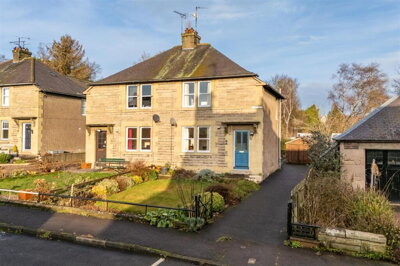
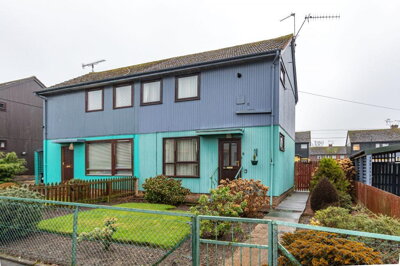
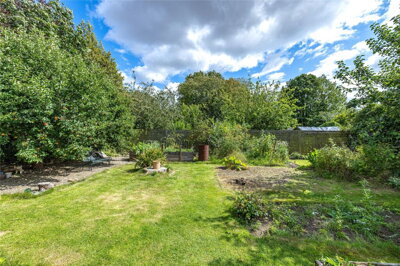
Browse 3 homes for sale in Cornhill-on-Tweed from local estate agents.
The 2 bed house market features detached, semi-detached, and terraced properties with two separate bedrooms plus living spaces. Properties in Cornhill On Tweed range from Victorian and Edwardian period homes to modern new builds, with pricing varying across different neighbourhoods.
The Cornhill-on-Tweed property market reflects the character of this intimate border village, with detached properties commanding the highest prices. Rightmove data shows detached homes achieved an average of £281,250 over the past year, with four sales recorded in this category. Semi-detached properties averaged £210,500, offering more accessible entry points for buyers seeking the rural lifestyle without premium detached pricing. The market has experienced a notable correction, with sold prices falling 25% compared to the previous year and sitting 19% below the 2021 peak of £304,394 according to Rightmove analysis. This price adjustment presents opportunities for buyers who were previously priced out of this desirable border location.
Terraced properties in Cornhill-on-Tweed show varied pricing depending on condition and location, with Rightmove recording an average of £224,000 based on three recent sales. GetAgent indicates an average selling price of £253,726 across all property types, with asking prices having changed by approximately -2.1% in the past six months. The dominant housing stock consists of period properties built between 1800 and 1911, reflecting the village's long agricultural history. Stone construction is prevalent throughout the area, a characteristic shared with much of Northumberland and the Scottish Borders. Flats remain virtually non-existent in the immediate village, as the housing stock consists almost entirely of houses suited to families, couples, or those seeking generous living space.
The TD12 postcode area encompassing Cornhill-on-Tweed and Coldstream offers a distinctive property market characterised by limited supply and steady demand from buyers seeking rural lifestyles. With no recorded flat sales in the past twelve months and semi-detached transactions also absent from recent data, the market is dominated by period houses and detached homes. Bricks&Logic records indicate the street named Cornhill-On-Tweed alone contains 235 houses built predominantly between 1800 and 1911, representing a significant concentration of historic housing stock in a single community. This predominance of older properties means buyers should budget for the maintenance requirements that come with traditional construction methods and period features.

The character of Cornhill-on-Tweed stems from its position as a traditional Northumbrian farming community that has evolved into a sought-after residential location. The village sits within the valley of the River Till, a tributary of the Tweed that flows through some of England's most unspoiled countryside. Local agriculture continues to play a role in the area's identity, with working farms scattered across the surrounding fells and fields. The village name itself reflects its geographic significance, marking the meeting point of two historic roads that have connected England and Scotland for centuries. Bricks&Logic records indicate 351 total addresses on Cornhill-On-Tweed street alone, with 235 houses and 116 other properties, suggesting a settled community with substantial historic roots.
Community life in Cornhill-on-Tweed centres on the parish church, local pub, and the village hall, where residents gather for events throughout the year. The proximity to Coldstream provides access to everyday amenities including convenience shopping, a pharmacy, and medical facilities. The wider area offers excellent opportunities for countryside pursuits, with walking, cycling, and shooting forming traditional activities enjoyed by residents. The River Tweed and its tributaries are renowned for salmon and trout fishing, attracting enthusiasts from across the country to this famous game fishing destination. The architecture throughout the village reflects its heritage, with B Listed and C Listed buildings contributing to the conservation area character that residents work to preserve. The village falls within a designated conservation zone where planning restrictions help maintain the traditional stone-built aesthetic that makes the area so visually appealing.
The surrounding countryside offers exceptional walking and outdoor recreation opportunities, with the Cheviot Hills visible to the north-west and providing terrain for hikers of all abilities. The Pennine Way national trail passes through the region, drawing walkers who tackle sections of this famous long-distance route. For those interested in heritage, the area is rich with historic sites including medieval castles, monastic ruins, and battlefield locations from conflicts between England and Scotland. The nearby town of Coldstream hosts regular markets and maintains a Georgian high street that retains much of its historic character. Local community events throughout the year, including agricultural shows and village fetes, reflect the agricultural heritage that remains important to residents.
Families considering a move to Cornhill-on-Tweed will find educational provision centred in nearby towns, with the village's small scale meaning primary pupils typically travel to schools in Coldstream or the surrounding villages. The primary school in Coldstream serves the local community with classes from Reception through to Year 6, providing a solid educational foundation for younger children. Secondary education is available in Berwick-upon-Tweed, where students travel daily to access the town's comprehensive schools and grammar schools that serve the wider area. The bus network connecting Cornhill-on-Tweed to these educational centres makes daily commuting feasible for secondary school students, though parents should factor travel time into their relocation planning.
For families seeking independent education, several well-regarded private schools operate within reasonable driving distance in Northumberland and the Scottish Borders. These include primary and secondary institutions that regularly achieve strong academic outcomes and offer broad extracurricular programmes. Parents should verify current catchment areas and admission arrangements directly with Northumberland County Council, as these can change and may affect which schools children can access from Cornhill-on-Tweed. The local education authority can provide detailed information about school performance data, Ofsted inspection results, and admission policies that apply to residents of this postcode area. Given the rural location, families may wish to consider boarding options for older children, particularly those with demanding GCSE or A-Level timetables.
The travel aspect of education from Cornhill-on-Tweed deserves consideration during property search. Secondary school students travelling to Berwick-upon-Tweed face a journey of approximately 25 minutes by car, or longer via public transport depending on bus schedules. Some families choose properties based on school bus routes and timing, while others factor in the driving responsibilities that school runs will require. Several families in the area opt for the independent school options available in the Scottish Borders, which include primary and secondary schools accessible via the A697 route north of Coldstream.
Transport connectivity from Cornhill-on-Tweed reflects its position in rural Northumberland, with residents relying primarily on road travel for daily commuting and access to services. The A697 trunk road passes through the area, providing a direct route north to Berwick-upon-Tweed and south to the A1 trunk road that runs through Northumberland. The journey to Berwick-upon-Tweed takes approximately 25 minutes by car, where the mainline railway station offers connections to Edinburgh, Newcastle, and London King's Cross. Edinburgh can be reached in around 90 minutes by car, while Newcastle city centre lies approximately one hour's drive to the south. Those working in the capital will find the drive to Edinburgh manageable as a regular commute, though many residents choose to work locally or remotely given the practical challenges of long-distance daily travel.
Public transport options are limited due to the village's rural setting, with bus services connecting Cornhill-on-Tweed to Coldstream and Berwick-upon-Tweed on specific routes and timetables. The nearest railway stations are located in Berwick-upon-Tweed, Alnmouth, and Berwick, offering national rail connections with varying frequencies depending on the route. For international travel, Edinburgh Airport provides the most convenient access for flights to European destinations and beyond, located approximately 75 miles north of the village. Those considering regular commuting from Cornhill-on-Tweed should factor fuel costs, vehicle maintenance, and journey times into their relocation planning, as the area rewards those who embrace rural living with significant lifestyle benefits that offset practical considerations.
The strategic position of Cornhill-on-Tweed between Edinburgh and Newcastle offers residents flexibility that many rural locations cannot provide. The A697 provides a scenic route through the North Northumberland countryside, connecting the village to the wider road network without requiring motorway driving. For those who work in either city but prefer rural living, the village offers a compromise that balances commute times against quality of life. Many residents take advantage of the excellent rail connections from Berwick-upon-Tweed, where the East Coast Main Line provides regular services to Edinburgh (approximately 45 minutes), Newcastle (approximately 1 hour), and London King's Cross (approximately 4 hours).
Begin your property search by exploring listings on Homemove to understand what is currently available in Cornhill-on-Tweed and surrounding areas. The market here moves slowly compared to urban centres, giving buyers time to consider options carefully. Average prices range from around £210,500 for semi-detached properties to over £280,000 for detached homes, though the limited number of sales means each transaction is unique. With only 4 detached sales and 3 terraced sales recorded in the past year, the market operates differently from urban areas where comparable transactions are more frequent.
Before viewing properties, obtain a mortgage agreement in principle from a lender to confirm your budget and demonstrate seriousness to sellers. With average prices around £245,000 to £270,000, most buyers will require mortgage financing. Contact our recommended mortgage advisors who can compare rates and help you find the most suitable product for your circumstances. Getting pre-approved before viewing helps narrow your search to properties within your true budget, particularly important given the current market where asking prices have reduced by approximately 2.1% over the past six months according to GetAgent data.
Visit properties that match your requirements, paying attention to the condition of older stone-built properties that dominate the local housing stock. Look for signs of damp, roof condition, and any maintenance issues that may require attention after purchase. Consider the proximity to the River Till when assessing flood risk, particularly for properties in lower-lying areas of the village. Given that most properties were built between 1800 and 1911, expect traditional construction methods and period features that may require ongoing maintenance investment.
Given that most properties in Cornhill-on-Tweed were built before 1911, a thorough survey is essential before committing to purchase. The RICS Level 2 HomeSurvey report costs from £350 and identifies defects common in period properties, including structural issues, damp, and outdated services. For older or listed properties, consider the more detailed Level 3 survey. Our inspectors have experience with traditional Northumbrian stone construction and understand the typical defect patterns found in period properties of this age, including issues with solid walls, traditional roofs, and original timber elements.
Appoint a conveyancing solicitor to handle the legal aspects of your purchase, including searches, contracts, and registration with HM Land Registry. Costs typically start from around £499 for standard purchases. Your solicitor will conduct local authority searches to identify any planning or environmental issues affecting the property, including conservation area restrictions that apply throughout Cornhill-on-Tweed village. Given the prevalence of B Listed and C Listed buildings in the area, title investigations may reveal additional considerations for listed property purchases.
Once surveys are satisfactory and legal queries are resolved, your solicitor will arrange the exchange of contracts and set a completion date. On completion day, the remaining funds are transferred and you receive the keys to your new home in Cornhill-on-Tweed. The village's small scale means completions are often low-key affairs handled by local solicitors familiar with transactions in this community, with removals arranged around the narrow country lanes that serve many village properties.
Buyers considering property in Cornhill-on-Tweed should pay particular attention to the construction and condition of period stone-built properties that make up much of the village's housing stock. The prevalent "period house built between 1800 and 1911" designation means many homes will have traditional features that require ongoing maintenance, including stone walls, slate or stone tile roofs, and original windows that may need restoration. These characteristics contribute to the village's charm but also require budget allocation for upkeep that newer properties would not demand. A thorough RICS Level 2 survey is strongly recommended before purchase, as issues such as rising damp, subsidence from ground movement, and roof condition are commonly found in properties of this age.
Flood risk assessment deserves careful attention given the village's position in a river valley near the River Till and its proximity to the River Tweed. While specific flood zone designations for Cornhill-on-Tweed require verification from the Environment Agency and Northumberland County Council planning records, buyers should satisfy themselves on this point before committing. Properties in lower-lying areas adjacent to watercourses warrant particularly careful investigation. The presence of B Listed and C Listed buildings in the area indicates that some properties may have listed status, which brings additional responsibilities regarding alterations and maintenance that buyers must understand before purchase. Planning restrictions in any conservation area will limit permitted development rights, affecting what changes owners can make to their properties.
Freehold ownership predominates in Cornhill-on-Tweed, with most properties sold as houses rather than flats. This means buyers are unlikely to encounter the leasehold complications, ground rent charges, and service charge obligations that affect urban property purchases. However, shared access arrangements, boundary disputes with neighbours, and rights of way across property should be investigated through the conveyancing process. Rural properties may also have obligations regarding the maintenance of shared lanes, drainage systems, or environmental agreements that form part of the property's title. Our team can recommend conveyancing solicitors experienced with rural Northumberland properties who understand these local considerations.
The age of the local housing stock means that electrical wiring, plumbing, and heating systems in many properties will require updating to modern standards. Original fuse boards, aging pipework, and obsolete heating systems are commonly encountered in period properties of this era. Buyers should budget for potential re-wiring projects, plumbing replacements, and heating system upgrades when calculating the total cost of purchase. Our RICS Level 2 survey will identify these issues before you commit, allowing you to make an informed decision and negotiate the purchase price accordingly.
The average house price in Cornhill-on-Tweed varies between sources, with Rightmove reporting £245,875 over the past year and Zoopla indicating £269,700. GetAgent places the average at £253,726, with OnTheMarket noting lower figures following significant market correction. Detached properties average around £281,250 based on four recent sales, semi-detached homes around £210,500, and terraced properties approximately £224,000. The market has experienced a 25% decline compared to the previous year and sits 19% below the 2021 peak of £304,394, presenting opportunities for buyers in this sought-after border village. With only seven property sales recorded in the past twelve months, each transaction is unique and pricing can vary significantly depending on property condition and features.
Properties in Cornhill-on-Tweed fall under Northumberland County Council's jurisdiction for council tax purposes. Band valuations for properties in this area typically reflect the rural location and period nature of much of the housing stock. Specific band assignments vary by property, with stone-built period cottages and farmhouses potentially attracting different valuations compared to more modern conversions. The village's conservation area status and the presence of listed buildings may also influence valuations in some cases. Prospective buyers should verify the council tax band for any specific property through the Valuation Office Agency website or by contacting Northumberland County Council directly, as bands affect ongoing annual costs.
Cornhill-on-Tweed is a small village without its own primary school, with children typically attending schools in nearby Coldstream for primary education. The primary school in Coldstream provides education from Reception through Year 6, serving families from across the TD12 postcode area. Secondary school pupils generally travel to schools in Berwick-upon-Tweed, including grammar schools that serve the wider north Northumberland area. Northumberland County Council can provide current information on catchment areas and school performance data. Several independent schools operate within reasonable driving distance in Northumberland and the Scottish Borders for families seeking private education options, with some offering boarding facilities for older students.
Public transport connectivity in Cornhill-on-Tweed is limited, reflecting its rural location in the TD12 postcode area. Bus services connect the village to Coldstream and Berwick-upon-Tweed on specific routes, with timetables designed around school runs and market day schedules rather than commuter needs. The nearest railway stations are located in Berwick-upon-Tweed and Alnmouth, offering national rail connections to Edinburgh, Newcastle, and London. Berwick-upon-Tweed station provides approximately 45-minute journeys to Edinburgh and connections to London King's Cross in around four hours. Most residents rely on private car ownership for daily commuting and access to services, with Edinburgh reachable in approximately 90 minutes by car via the A697 and A1.
Cornhill-on-Tweed offers a lifestyle investment rather than a high-yield rental opportunity, as the village's small scale and rural character mean limited rental demand compared to urban areas. The village's 351 addresses and predominance of owner-occupied period properties suggest a stable residential community rather than a rental market. The 25% price decline over the past year reflects broader market conditions but may present entry opportunities for long-term buyers seeking the border village lifestyle. Properties with historical character, particularly stone-built period homes, tend to hold their value well in desirable rural locations where supply remains constrained. The area appeals to buyers seeking a primary residence in an attractive border village rather than those focused on rental returns or rapid capital growth.
Stamp Duty Land Tax rates for 2024-25 apply 0% tax on the first £250,000 of property value, 5% on £250,001 to £925,000, 10% on £925,001 to £1.5 million, and 12% on amounts exceeding £1.5 million. First-time buyers benefit from relief on the first £425,000, with 5% applied between £425,001 and £625,000. For a typical Cornhill-on-Tweed property averaging £245,000 to £270,000, most buyers would pay no stamp duty under standard rates, while first-time buyers would definitely qualify for full relief under current thresholds. The nil-rate band for standard buyers covers the entire average property price in this village, making Cornhill-on-Tweed particularly accessible from a stamp duty perspective.
Period properties in Cornhill-on-Tweed, many built between 1800 and 1911 using traditional Northumbrian stone construction, require careful inspection of stone walls for cracking, weathering, or mortar deterioration that is common in properties of this age. Roofs should be examined for missing, slipped, or damaged slate and stone tiles, as traditional roofing materials are more susceptible to storm damage than modern alternatives. Evidence of damp in ground floor rooms, basements, and cellars requires particular attention given the solid wall construction and proximity to watercourses. Check the condition of original windows, heating systems, and electrical wiring, as older properties may have outdated services requiring updating. The presence of any listed building status should be confirmed through HM Land Registry records, as listed status brings additional obligations regarding alterations and permitted development rights that differ from standard residential properties.
From 4.5%
Compare rates from leading lenders to find the best mortgage for your Cornhill-on-Tweed purchase
From £499
Expert legal services for your property purchase, including local searches in Northumberland
From £350
Thorough survey by our inspectors experienced with period stone properties in Northumberland
From £60
Energy performance certificate for your Cornhill-on-Tweed property
Understanding the full cost of purchasing property in Cornhill-on-Tweed extends beyond the sale price to include stamp duty, legal fees, survey costs, and moving expenses. For properties priced at the area's average of around £245,000 to £270,000, standard rate buyers would pay no Stamp Duty Land Tax on the first £250,000, meaning most transactions in this village attract zero SDLT. First-time buyers purchasing properties up to £425,000 would pay no stamp duty at all, making Cornhill-on-Tweed particularly accessible for those entering the property market for the first time. Properties priced above £625,000 would see first-time buyer relief taper, with standard rates applying on amounts above this threshold.
Survey costs represent a particularly important budget item given the age of properties in Cornhill-on-Tweed, where the dominant housing stock dates from the 1800 to 1911 period. A RICS Level 2 HomeSurvey report typically costs from £350 for properties up to £500,000, rising for larger homes. This investment identifies defects before purchase, potentially saving thousands in remedial work costs that might otherwise be missed. Our team of surveyors has extensive experience with traditional Northumbrian stone construction and understands the typical defect patterns found in period properties of this era, including issues with solid wall insulation, traditional roofing, and aging building services.
Conveyancing fees for legal work, local authority searches, and registration typically start from £499 for standard purchases, though complex transactions involving listed buildings or unusual title arrangements may cost more. Northumberland County Council local authority searches will reveal planning history, conservation area designations, and any planning enforcement matters affecting the property. Mortgage arrangement fees, valuation fees, and removal costs complete the picture of upfront expenditure that buyers should budget for when calculating their total move costs to this charming border village. Given the rural location, removal costs may be higher than average, particularly for properties accessed via narrow country lanes that require careful logistics planning.

Properties for Sale In London

Properties for Sale In Plymouth

Properties for Sale In Liverpool

Properties for Sale In Glasgow

Properties for Sale In Sheffield

Properties for Sale In Edinburgh

Properties for Sale In Coventry

Properties for Sale In Bradford

Properties for Sale In Manchester

Properties for Sale In Birmingham

Properties for Sale In Bristol

Properties for Sale In Oxford

Properties for Sale In Leicester

Properties for Sale In Newcastle

Properties for Sale In Leeds

Properties for Sale In Southampton

Properties for Sale In Cardiff

Properties for Sale In Nottingham

Properties for Sale In Norwich

Properties for Sale In Brighton

Properties for Sale In Derby

Properties for Sale In Portsmouth

Properties for Sale In Northampton

Properties for Sale In Milton Keynes

Properties for Sale In Bournemouth

Properties for Sale In Bolton

Properties for Sale In Swansea

Properties for Sale In Swindon

Properties for Sale In Peterborough

Properties for Sale In Wolverhampton

Enter your details to see if this property is within your budget.
Loans, cards, car finance
Estimated property budget
Borrowing + deposit
You could borrow between
Typical borrowing
Monthly repayment
Est. at 4.5%
Loan-to-value
This is an estimate only. Your actual budget may vary depending on interest rates, credit history, and personal circumstances. For an accurate affordability assessment, speak to one of our free mortgage advisors.
This calculator provides estimates for illustrative purposes only and does not constitute financial advice. Your home may be repossessed if you do not keep up repayments on your mortgage. Estimates based on 4.5% interest rate, repayment mortgage. Actual rates depend on your circumstances.
Homemove is a trading name of HM Haus Group Ltd (Company No. 13873779, registered in England & Wales). Homemove Mortgages Ltd (Company No. 15947693) is an Appointed Representative of TMG Direct Limited, trading as TMG Mortgage Network, which is authorised and regulated by the Financial Conduct Authority (FRN 786245). Homemove Mortgages Ltd is entered on the FCA Register as an Appointed Representative (FRN 1022429). You can check registrations at NewRegister or by calling 0800 111 6768.

We use cookies to show you personalised content and improve your experience of our website. Find out more in our Privacy policy and Cookie policy.