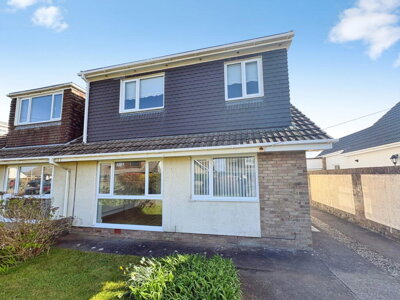
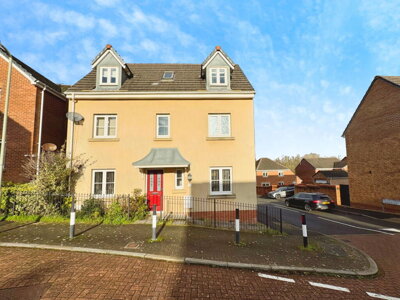
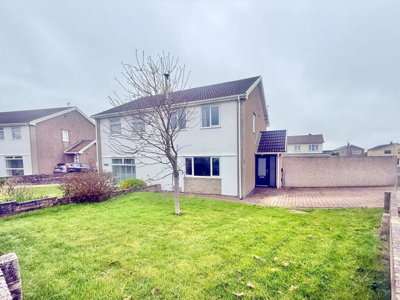
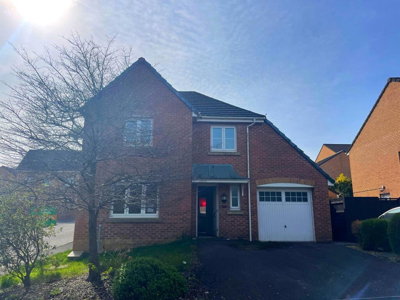
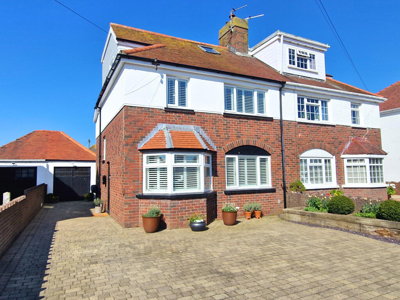
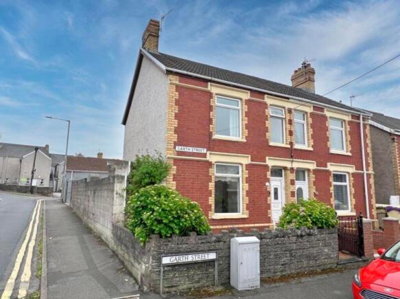
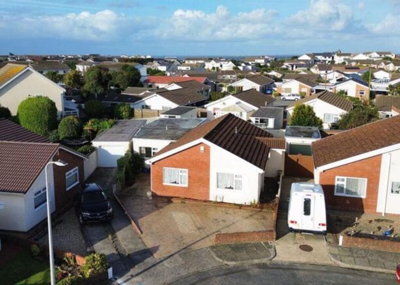
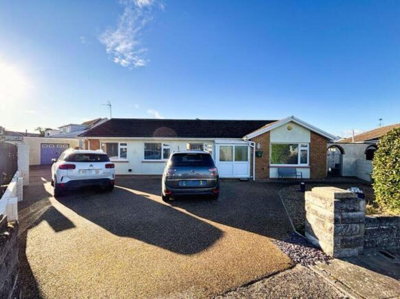
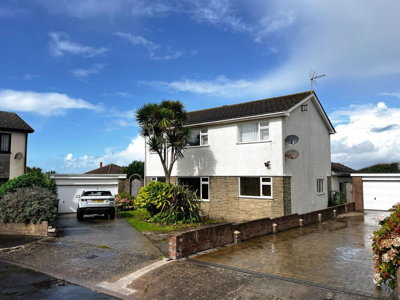
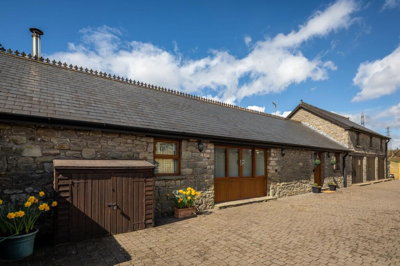
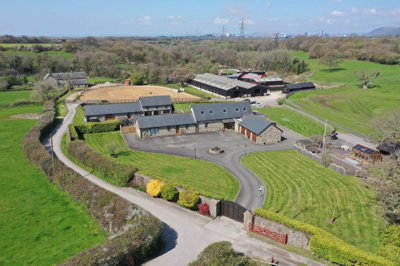
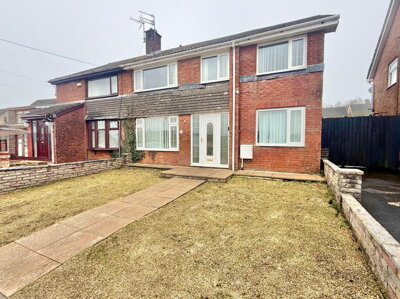
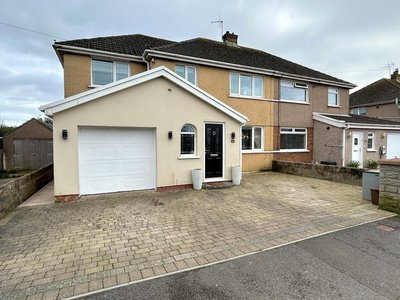
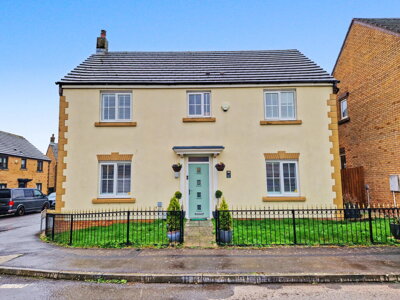
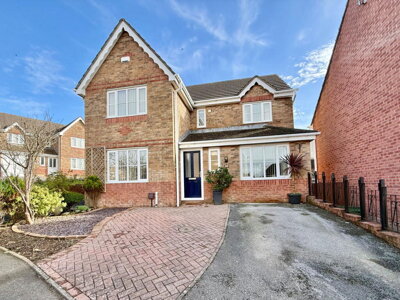
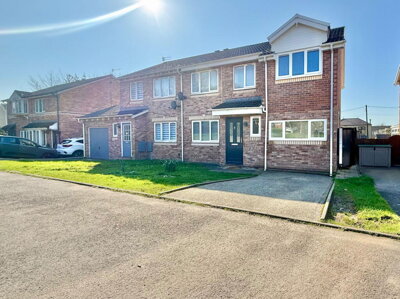
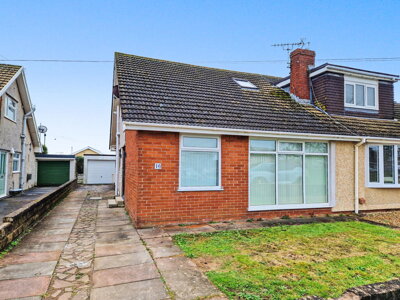
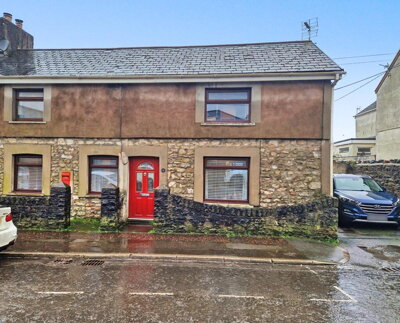
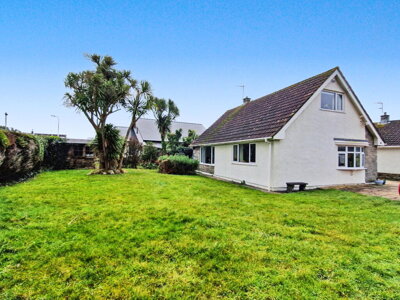
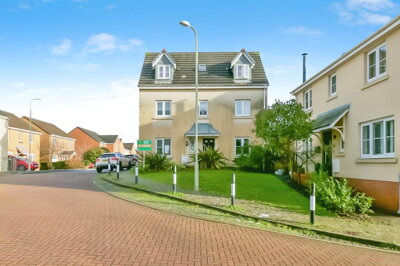
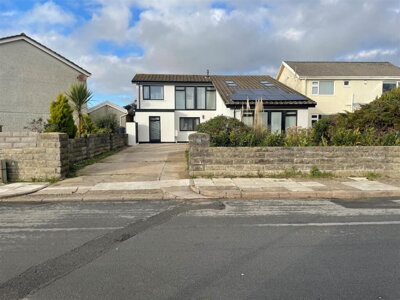
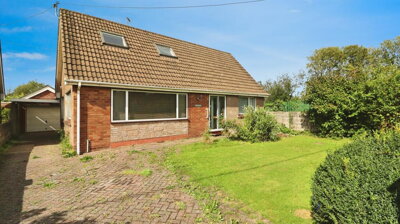
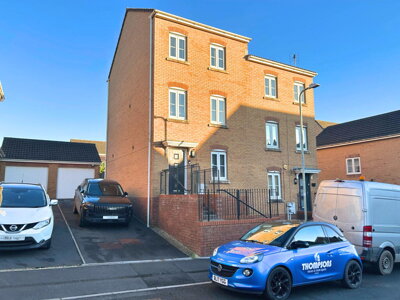
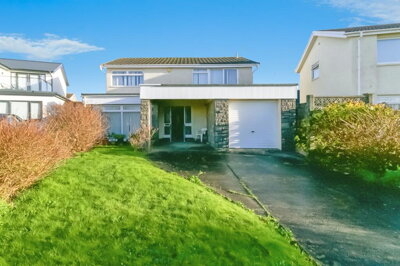
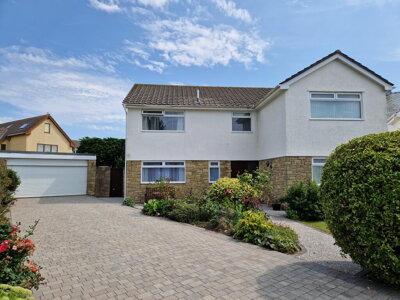
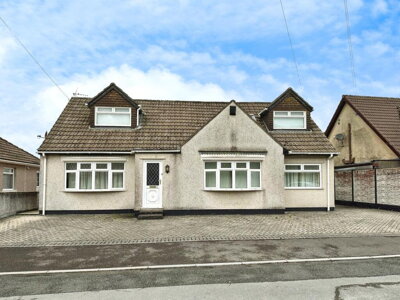
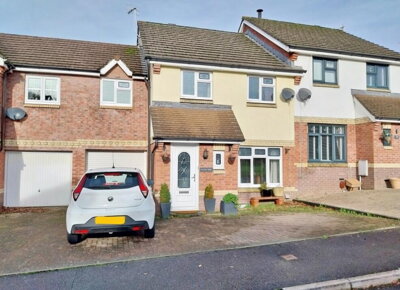
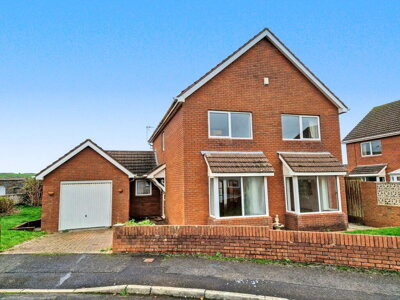
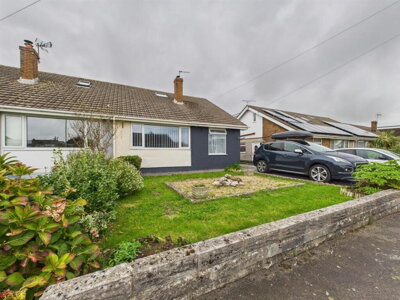
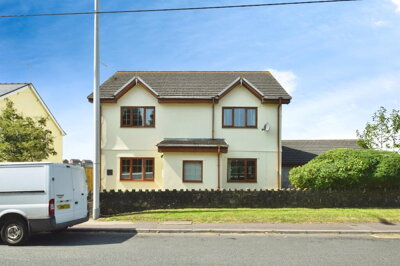
Browse 35 homes for sale in Cornelly, Bridgend from local estate agents.
The larger property sector typically features multiple bathrooms, substantial reception space, and private gardens or off-street parking. Four bedroom houses in Cornelly span detached, semi-detached, and occasionally terraced configurations, with styles ranging from period properties to modern executive homes.
£278k
6
0
36
Source: home.co.uk
Showing 6 results for 4 Bedroom Houses for sale in Cornelly, Bridgend. The median asking price is £277,500.
Source: home.co.uk
Detached
4 listings
Avg £291,250
Semi-Detached
2 listings
Avg £255,000
Source: home.co.uk
Source: home.co.uk
The Cornelly property market displays interesting dynamics between its northern and southern areas. North Cornelly offers more accessible entry points, with the overall average house price standing at around £201,746 according to Rightmove data. Property types here are predominantly semi-detached homes, followed by terraced properties and a smaller selection of detached houses and flats. The terraced properties in North Cornelly average approximately £159,833, making them particularly attractive to first-time buyers seeking their first step onto the property ladder in this part of South Wales.
South Cornelly presents a different market character, with detached properties dominating the sales mix and commanding premium prices. The average house price in South Cornelly reaches approximately £305,792, with detached homes averaging £408,333. Semi-detached properties in South Cornelly average £224,000 while terraced homes sit around £161,750. This price differential reflects the more spacious character of South Cornelly, where larger gardens and more generous plot sizes are common features of the local housing stock.
The area has seen particularly strong price growth over the past year, with South Cornelly showing a 39% increase and prices now sitting 29% above the 2023 peak. North Cornelly has also demonstrated resilience with a 6% increase over the same period. This growth reflects the area's growing popularity among buyers seeking more affordable housing options compared to Cardiff and Swansea, while still benefiting from excellent transport connections to these major employment centres. Historical sold prices data from Rightmove shows 108 transactions in South Cornelly over the last year, indicating healthy market activity despite the broader economic conditions.

Cornelly nestles between the communities of Pyle and Kenfig, offering residents access to the rich heritage of the Glamorgan coastline while maintaining its own distinct village character. The area is characterised by a mix of residential neighbourhoods that cater to various lifestyles and budgets. Historical elements punctuate the landscape, including Ty-maen with its Grade II listed garden gateway at the south end of South Cornelly, and Marlas House, a Grade II listed building situated on the south bank of the Afon Cynffig stream near the road from North Cornelly to Kenfig.
The local community benefits from several notable architectural landmarks, including the Pyle Calvinistic Methodist Chapel, Capel y Pil, and its schoolroom on Ffordd y Eglwys, which holds Grade II* listed status. The Prince of Wales Inn, also known as Ty Newydd, stands in the former borough of Kenfig west of North Cornelly, serving as a reminder of the area's long history as a settlement. For modern amenities, residents travel to nearby Pyle and Bridgend, which offer supermarkets, high street retailers, and leisure facilities. The proximity to the M4 motorway makes Cornelly particularly appealing to commuters who work in Cardiff, Swansea, or the wider South Wales region.
The nearby town of Pyle provides essential local services including convenience shopping, pharmacies, and independent retailers along its high street. Bridgend, just a short drive away, offers more extensive options including the McArthurGlen Designer Outlet for shopping, multiple supermarkets, healthcare facilities including the Princess of Wales Hospital, and leisure centres with swimming pools and gym facilities. The stunning Glamorgan coastline, including beaches at Porthcawl and Ogmore-by-Sea, is easily accessible for weekend outings and coastal walks. Community facilities in Cornelly include local pubs, village halls, and sports clubs that host regular events and activities throughout the year.

Families considering a move to Cornelly will find a selection of educational establishments serving the local community. Primary education is well catered for with schools in the surrounding area providing education for younger children. The nearby town of Pyle offers primary school options, while secondary education is available at schools within reasonable travelling distance of the ward. Parents are advised to research specific catchment areas and admission policies when considering properties, as school places can be competitive in popular areas.
For families requiring childcare and early years education, several settings operate within the Cornelly and Pyle areas. The presence of these facilities makes the area suitable for young families at various stages of their educational journey. Those seeking grammar school options will need to explore schools in nearby Bridgend, which hosts several highly regarded secondary schools. Further and higher education opportunities are readily accessible in Bridgend and Cardiff, making Cornelly a practical base for students continuing their studies while living at home.
The wider Bridgend area hosts several primary schools rated Good or Outstanding by Ofsted, serving different catchment zones across the Cornelly ward. These include schools in Pyle, North Cornelly, and the surrounding villages, each with varying capacities and admission criteria based on proximity. Parents should verify current school performance data and admission arrangements directly with the schools or through the Bridgend County Borough Council website, as catchment boundaries can affect property values in particular streets and developments. Many families choose to view properties within their preferred school catchment before proceeding with a purchase, as this can significantly impact long-term satisfaction with the location.
Transport connectivity ranks among Cornelly's strongest attributes for prospective homebuyers. The M4 motorway passes nearby, providing direct access to the major employment centres of Cardiff to the east and Swansea to the west. This makes Cornelly particularly attractive to commuters who work in these larger cities but prefer the more relaxed pace of life in a smaller community. Journey times to Cardiff city centre typically take around 35-40 minutes by car, while Swansea is accessible in approximately 30 minutes.
Public transport options connect Cornelly to the wider region through bus services operating along the A48 corridor and surrounding roads. The nearest railway stations can be found in Bridgend and Port Talbot, offering direct services to major destinations including Cardiff Central, Bristol Parkway, and London Paddington via the Great Western Railway network. For those who prefer sustainable commuting, the area benefits from road connections that make cycling feasible for shorter local journeys, while Bridgend railway station provides options for combined cycling and rail commuting to employment centres further afield.
Local bus services connect Cornelly with surrounding villages and towns, with stops along the main roads including the A48 and routes towards Pyle and Bridgend. First Cymru and other regional operators run services throughout the day, though frequencies may be reduced during evenings and weekends. Many residents find that a car is beneficial for daily commuting and errands, though the train station at Bridgend provides a viable option for those working in Cardiff or further afield without the stress of driving. The nearby J37 of the M4 provides easy access to the motorway network, making journeys to Bristol and London via the M4 corridor straightforward for those who need to travel longer distances.
Before viewing properties, obtain a mortgage agreement in principle from a lender. This demonstrates to estate agents and sellers that you are a serious buyer with financing already arranged. In Cornelly's competitive market, having this documentation ready can make the difference when multiple buyers are interested in the same property. Speak to our recommended mortgage broker for advice tailored to your circumstances.
Study the current listings and recent sales in Cornelly to understand the market dynamics. North Cornelly offers more affordable options around £200,000 on average, while South Cornelly commands premium prices for larger detached properties. Understanding these micro-markets helps you target your search effectively. Our platform provides up-to-date listings from local estate agents operating in the area.
Once you have identified properties that match your criteria, arrange viewings through Homemove. We aggregate listings from multiple estate agents operating in Cornelly, giving you comprehensive access to available properties. View several properties in each price range to compare condition, location, and potential. Take notes and photographs to help you compare properties later.
Before completing your purchase, arrange for a RICS Level 2 Homebuyer Report. This survey identifies any structural issues, maintenance concerns, or potential problems with the property. Given that many properties in Cornelly were built during periods of significant housing development, understanding the condition of the building is essential before committing to purchase.
Appoint a conveyancing solicitor to handle the legal aspects of your purchase. Your solicitor will conduct searches, review contracts, and manage the registration of your ownership with HM Land Registry. They will also coordinate with your mortgage lender to ensure all financial arrangements are properly documented.
Once all searches are satisfactory and financing is confirmed, you will exchange contracts and pay your deposit. On the agreed completion date, the remaining funds are transferred, and you receive the keys to your new Cornelly home.
Property buyers considering Cornelly should pay particular attention to several local factors that can affect their investment. While the area has no confirmed flood risk zones according to available records, it is prudent to enquire about the history of the property and any local drainage issues, particularly for properties situated near watercourses such as the Afon Cynffig. A thorough survey can identify any potential concerns with damp penetration or structural movement that may not be immediately apparent during a standard viewing.
The presence of listed buildings in and around Cornelly adds character to the neighbourhood but also carries implications for certain purchases. If you are considering a property with historical features, verify whether it holds listed status and understand the associated obligations for maintenance and alterations. Standard home insurance policies may differ for listed properties, and planning permission requirements are typically more stringent. Your solicitor should investigate these matters during the conveyancing process.
For buyers considering flats or leasehold properties in the area, understanding the terms of the lease, annual service charges, and ground rent arrangements is essential. These ongoing costs vary significantly between developments and can affect the long-term affordability of your purchase. Freehold properties, which are more common among terraced and semi-detached houses in North Cornelly, offer the advantage of sole ownership of both property and land. When viewing older properties, particularly those built before the 1980s, look for signs of previous maintenance issues such as damp, roof condition, or outdated electrical wiring that may require attention.
Many properties in North Cornelly were built during the mid-20th century housing boom, with construction typically using traditional brick and block methods with pitched roofs. These properties often feature solid floor constructions and may have original features such as windows, doors, and fireplaces that require ongoing maintenance. A thorough RICS Level 2 survey can identify any issues with these construction types, including potential problems with damp penetration through solid walls, condition of roof coverings, and the state of any original plumbing or electrical installations. Given the age of much of the housing stock, budgeting for potential maintenance and upgrade costs is advisable when purchasing in the area.
The average house price in Cornelly varies significantly between the two main areas. North Cornelly has a lower average price of approximately £201,746, according to Rightmove data, with terraced properties around £159,833 and semi-detached homes averaging £190,147. South Cornelly commands higher prices with an overall average of £305,792, and detached properties averaging £408,333. Both markets have shown strong price growth over the past year, with South Cornelly prices rising by 39% and North Cornelly increasing by 6%. This price differential reflects the different character of each area, with South Cornelly offering larger detached properties on more generous plots.
Properties in Cornelly fall under Bridgend County Borough Council's jurisdiction for council tax purposes. Bands range from A to I depending on the property's assessed value. Most terraced properties and smaller semi-detached homes in North Cornelly typically fall into bands A to C, while larger detached properties in South Cornelly may be categorised in higher bands. Prospective buyers should check the specific banding with the Valuation Office Agency or during the conveyancing process. Council tax bands can affect ongoing running costs, so understanding the banding for any property you are considering is an important part of budgeting for your purchase.
Cornelly is served by several primary schools in the surrounding area, with secondary education available at schools within commuting distance. The nearby town of Pyle provides additional educational options for primary-aged children. For secondary education, families should research the specific schools serving different parts of the ward and consider admission criteria and catchment areas when choosing a property location. Highly rated schools in the wider Bridgend area include Bridgend School, which serves students from Year 7 onwards. Parents are advised to check current Ofsted ratings and admission policies directly with schools, as catchment boundaries can affect eligibility for particular institutions.
Cornelly is well connected to the regional transport network despite not having its own railway station. Bus services operate along the main routes connecting Cornelly with Pyle, Bridgend, and Port Talbot. The nearest railway stations are located in Bridgend and Port Talbot, offering direct services to Cardiff, Bristol, and London. The M4 motorway provides excellent road connectivity, with Junction 37 giving access to the area. Journey times to Cardiff take approximately 35-40 minutes by car, making Cornelly a viable option for commuters who work in the capital but prefer living in a smaller community.
Cornelly presents a reasonable investment opportunity based on recent market performance. The area has demonstrated consistent price growth, particularly in South Cornelly where prices increased by 39% over the past year and now sit 29% above the 2023 peak. The proximity to major employment centres in Cardiff and Swansea, combined with relatively accessible property prices compared to these cities, suggests continued demand from commuters and families seeking more affordable housing options. The nearby Parc Tondu development of 405 new homes in Bridgend may influence local property values over time. As with any property investment, prospective buyers should consider their long-term plans and local market conditions before making a decision.
Stamp Duty Land Tax (SDLT) in Wales operates under Welsh rates. As of 2024-25, residential purchases incur 0% duty on the first £225,000 of the purchase price. Rates then increase to 5% on the portion between £225,000 and £400,000, 7.5% between £400,000 and £750,000, and 10% between £750,000 and £1,500,000. First-time buyers in Wales may benefit from relief on purchases up to £300,000, with reduced rates applying between £300,000 and £450,000. Your solicitor will calculate and submit the return to HMRC on your behalf. For example, a typical terraced property in North Cornelly at £159,833 would attract no SDLT, while a detached home in South Cornelly at around £408,333 would incur approximately £9,125 in SDLT charges.
Understanding the full cost of purchasing property in Cornelly extends beyond the advertised sale price. In addition to mortgage financing, you will need to budget for Stamp Duty Land Tax, which in Wales applies at a zero rate on the first £225,000 of residential property purchases. For a typical terraced property in North Cornelly priced at around £159,833, no SDLT would be payable. However, buyers of semi-detached properties averaging £190,147 in North Cornelly would similarly fall below the threshold, avoiding SDLT entirely on most transactions in this price range.
For buyers purchasing in South Cornelly, where detached properties average £408,333, SDLT becomes payable on the amount exceeding £225,000. This would result in a charge of approximately £9,125 on such a purchase. First-time buyers should note that Wales offers first-time buyer relief, which raises the zero-rate threshold to £300,000 for qualifying purchases. This relief is available on properties up to £450,000 and can significantly reduce the upfront costs for those meeting the eligibility criteria. The relief applies to the portion between £300,000 and £450,000 at a reduced rate, making first-time ownership more accessible in South Cornelly's higher-priced market.
Beyond SDLT, buyers should budget for solicitor conveyancing fees, typically ranging from £500 to £1,500 depending on the complexity of the transaction and property value. Survey costs for a RICS Level 2 Homebuyer Report average between £350 and £600 depending on property size and location. Mortgage arrangement fees vary by lender but commonly range from £0 to £2,000. Land Registry fees for registering your ownership and any mortgage total approximately £300 to £500. Buildings insurance should be arranged from the point of exchange of contracts, and removals costs complete the typical budget for a property purchase. It is advisable to set aside an additional contingency fund of around £1,000 to £2,000 for unexpected costs that may arise during the purchase process, such as repairs identified in surveys or issues discovered during conveyancing searches.
Properties for Sale In London

Properties for Sale In Plymouth

Properties for Sale In Liverpool

Properties for Sale In Glasgow

Properties for Sale In Sheffield

Properties for Sale In Edinburgh

Properties for Sale In Coventry

Properties for Sale In Bradford

Properties for Sale In Manchester

Properties for Sale In Birmingham

Properties for Sale In Bristol

Properties for Sale In Oxford

Properties for Sale In Leicester

Properties for Sale In Newcastle

Properties for Sale In Leeds

Properties for Sale In Southampton

Properties for Sale In Cardiff

Properties for Sale In Nottingham

Properties for Sale In Norwich

Properties for Sale In Brighton

Properties for Sale In Derby

Properties for Sale In Portsmouth

Properties for Sale In Northampton

Properties for Sale In Milton Keynes

Properties for Sale In Bournemouth

Properties for Sale In Bolton

Properties for Sale In Swansea

Properties for Sale In Swindon

Properties for Sale In Peterborough

Properties for Sale In Wolverhampton

Enter your details to see if this property is within your budget.
Loans, cards, car finance
Estimated property budget
Borrowing + deposit
You could borrow between
Typical borrowing
Monthly repayment
Est. at 4.5%
Loan-to-value
This is an estimate only. Your actual budget may vary depending on interest rates, credit history, and personal circumstances. For an accurate affordability assessment, speak to one of our free mortgage advisors.
This calculator provides estimates for illustrative purposes only and does not constitute financial advice. Your home may be repossessed if you do not keep up repayments on your mortgage. Estimates based on 4.5% interest rate, repayment mortgage. Actual rates depend on your circumstances.
Homemove is a trading name of HM Haus Group Ltd (Company No. 13873779, registered in England & Wales). Homemove Mortgages Ltd (Company No. 15947693) is an Appointed Representative of TMG Direct Limited, trading as TMG Mortgage Network, which is authorised and regulated by the Financial Conduct Authority (FRN 786245). Homemove Mortgages Ltd is entered on the FCA Register as an Appointed Representative (FRN 1022429). You can check registrations at NewRegister or by calling 0800 111 6768.

We use cookies to show you personalised content and improve your experience of our website. Find out more in our Privacy policy and Cookie policy.