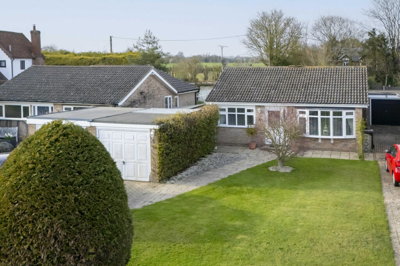
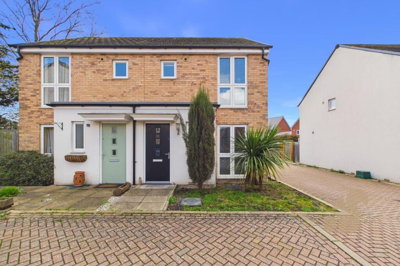
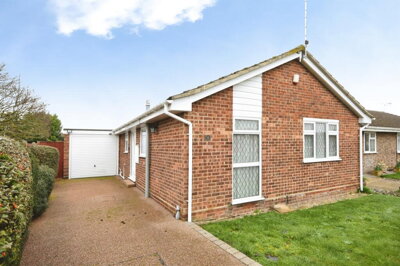
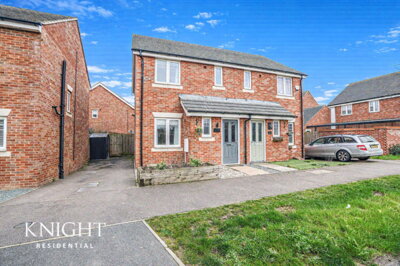
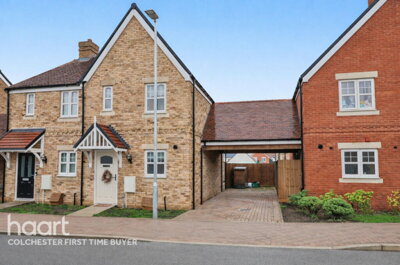
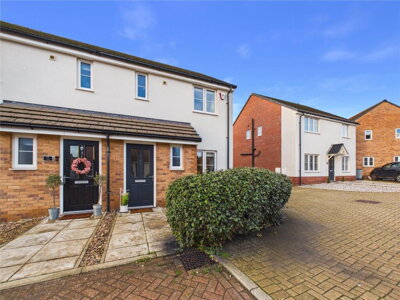
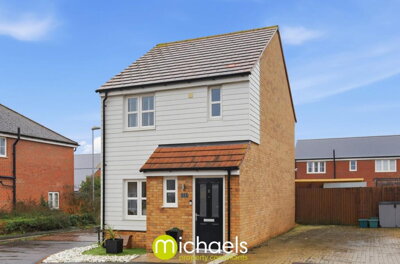
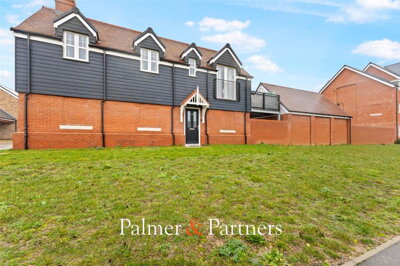
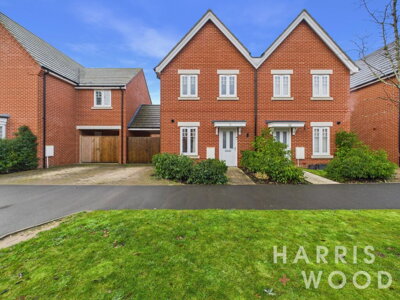
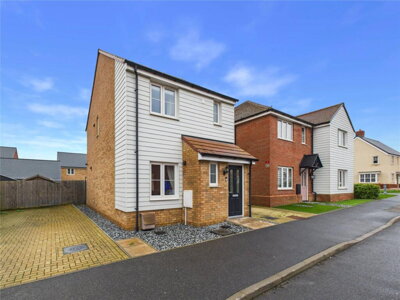
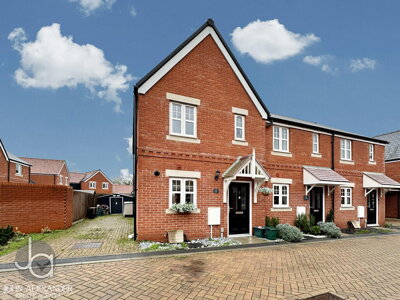
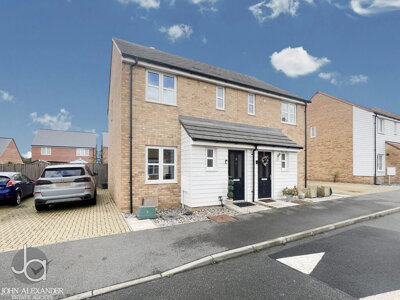
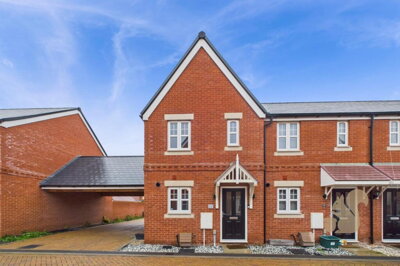
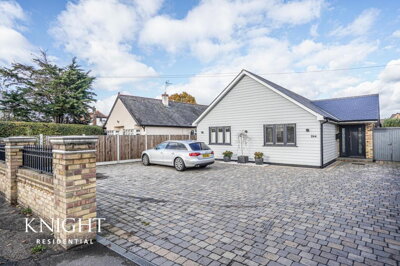
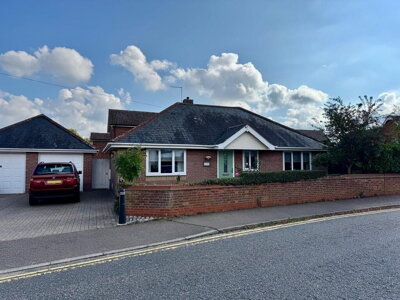
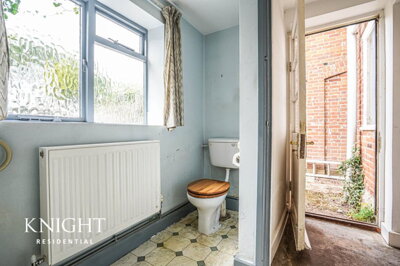
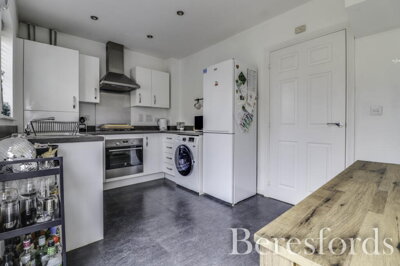
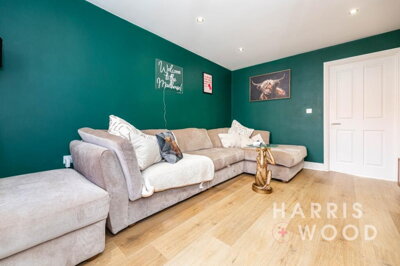
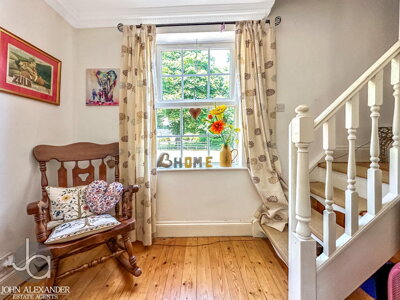
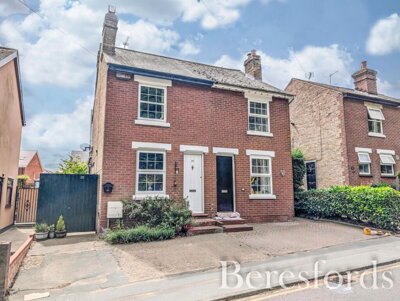
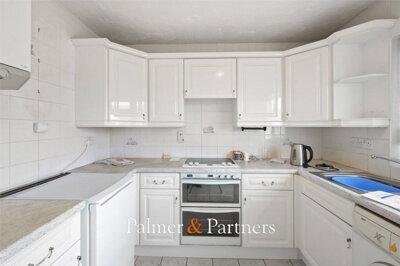
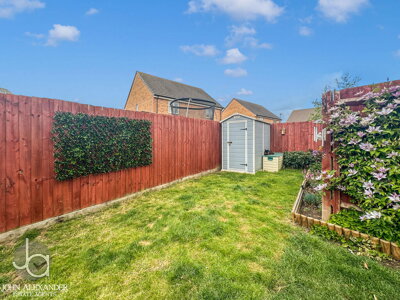
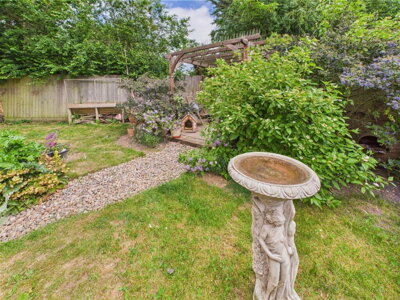
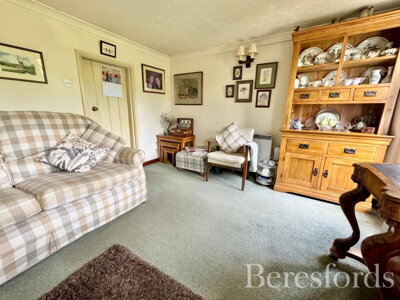
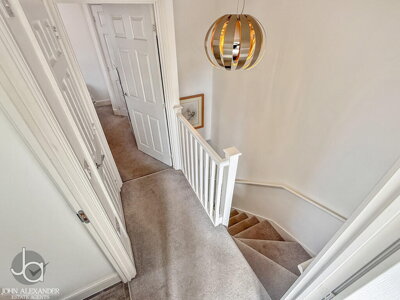
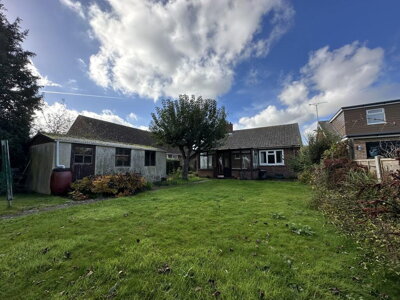
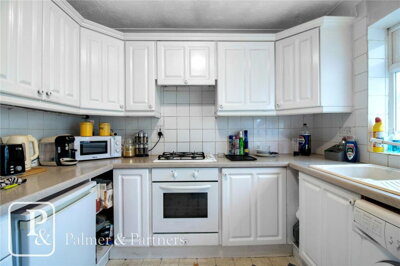
Browse 27 homes for sale in Copford, Colchester from local estate agents.
The 2 bed house market features detached, semi-detached, and terraced properties with two separate bedrooms plus living spaces. Properties in Copford range from Victorian and Edwardian period homes to modern new builds, with pricing varying across different neighbourhoods.
£0k
0
0
0
Source: home.co.uk
Showing 0 results for 2 Bedroom Houses for sale in Copford, Colchester.
The Copford property market reflects the broader trends affecting Essex villages near major hubs, with the average sold price currently sitting at £449,339 according to Land Registry records, and Zoopla reporting a similar figure of £457,417. Detached properties command the highest prices, averaging £526,471, while semi-detached homes offer more accessible entry points at around £403,438. Flats in Copford remain relatively scarce but when available average approximately £134,667, representing a significant discount compared to the national average for this property type. The market has experienced a correction over the past twelve months, with prices approximately 12% lower than the previous year and 19% below the 2022 peak of £557,850, creating potential opportunities for buyers who can act decisively in the current climate.
Property types in Copford reflect the village's historical development, with a notable concentration of larger detached and semi-detached houses that appeal to families seeking generous living space and gardens. The Queensberry Avenue Estate represents one of the village's most substantial residential areas, comprising approximately 250 houses, while the London Road and School Road neighbourhood contains roughly 190 dwellings. Copford Green and the surrounding conservation area features a different character, with smaller period properties and cottages that often date from the 16th to 19th centuries, offering buyers a choice between more modern family housing and characterful historic properties.
New build options are limited in Copford, with the Oaklands development by Dandara on Copford Road now fully reserved after offering 2, 3, 4, and 5 bedroom houses. However, a further 50 homes are planned for a site off Hall Road, of which 15 will be affordable housing units, designed to achieve EPC rating B or above. The Colchester Local Plan also proposes additional development sites, including land to the east of Queensberry Avenue and west of Hall Road, which are allocated for an additional 120 houses by 2033. These future developments may influence demand dynamics in the village over the coming years.

Life in Copford centres around the conservation area surrounding Copford Green, a designated area that preserves the village's historic character and includes many of its oldest properties alongside traditional cottages and farmhouses. The village maintains an eclectic mix of architectural styles reflecting its centuries of development, from timber-framed buildings dating back to the Tudor period through to Victorian-era houses and more modern additions. Building materials throughout Copford reflect the Essex tradition, with red and yellow stock bricks, white gault bricks, smooth rendering, and black or white-painted weatherboarding featuring prominently on period properties.
Traditional roofing materials in Copford include plain clay tiles, with clay pantiles typically reserved for single-storey ancillary buildings, alongside slates and occasionally thatch on older properties. Historic buildings in the area often incorporate reclaimed Roman brick, a characteristic feature of Essex construction due to the proximity of Colchester, formerly Camulodunum, where this durable material was originally produced. The Grade II listed Copford Place exemplified this heritage, originally timber-framed but refaced in Gault clay bricks around 1800, though it has recently suffered significant fire damage. The community spirit in Copford is evident through its facilities, including the well-maintained playing fields, village hall hosting regular events, and the popular Alma Public House, a Grade II listed building dating from 1857 that serves as a local gathering point.
The village supports essential amenities including a shop for everyday requirements, while the proximity to Colchester ensures access to comprehensive shopping, healthcare, and leisure facilities within a short drive. Copford's population of 1,726 according to the 2021 Census creates a close-knit community atmosphere where neighbours often know each other, while the village's position on the edge of Colchester means residents can easily access the cultural attractions and employment opportunities of the city when desired. The relatively flat terrain of Essex also makes cycling a practical option for shorter journeys, with several local roads offering pleasant routes through the surrounding countryside.
Education provision in Copford is anchored by Copford Church of England Voluntary Controlled Primary School, an established institution built in 1851 that serves families within the village and surrounding areas. The school occupies a significant position in the community and has educated generations of Copford children, reflecting the village's long history as a settled residential community. Parents should verify current admission arrangements and catchment area boundaries, as these can change and may affect which schools children from Copford can access.
For secondary education, pupils typically travel to schools in Colchester, with several well-regarded options available including Colchester Royal Grammar School, a selective grammar school with an excellent academic reputation, and Colchester High School with its related sixth form provision. The University of Essex is located in Colchester, providing higher education opportunities and in 2020 providing 2,100 direct jobs and supporting another 3,000 indirect positions in the local economy. Further education colleges in Colchester provide vocational routes and adult learning opportunities, ensuring families have comprehensive educational pathways available as their children progress through their academic careers.
The presence of quality education options within reasonable distance contributes significantly to Copford's appeal for families, reinforcing property values and demand in the village despite the limited on-site provision. The proximity to these established educational institutions makes Copford particularly attractive to buyers with school-age children, and properties in the village's sought-after streets often command premiums reflecting this demand.
Commuting from Copford benefits significantly from the village's position near Colchester, with the city providing direct rail connections to London Liverpool Street that reach the capital in approximately 50 minutes. Colchester Station offers regular services throughout the day, making it practical for professionals working in the city to commute while enjoying the lifestyle benefits of village living. The journey to Colchester station can be completed by car in around ten minutes, and local bus services connect Copford with Colchester, providing alternatives for those who prefer not to drive.
The A12 trunk road passes nearby, offering road connections to Chelmsford, Ipswich, and the wider motorway network for those travelling by car. For cyclists, the relatively flat terrain of Essex makes cycling a viable option for shorter journeys, while several local roads offer pleasant routes for recreational cycling through the surrounding countryside. Parking in Colchester can be challenging during peak hours, so residents often appreciate the option to use the train for London commutes rather than facing extended car journeys.
The combination of road, rail, and bus connections makes Copford well-connected for commuters while maintaining the peaceful village atmosphere that distinguishes it from more urban locations. Many residents find that the village provides an ideal balance, offering easy access to major employment centres while preserving the character and community spirit that makes village life appealing.
Before committing to a purchase, explore current listings in Copford to understand available properties, price ranges, and market conditions. Our platform shows properties from multiple estate agents, allowing you to compare options and identify properties that match your requirements and budget. Consider engaging a local estate agent with knowledge of Copford and the surrounding Colchester area, as they can provide insights into specific neighbourhoods such as the Queensberry Avenue Estate, the conservation area around Copford Green, or the London Road and School Road area, and can alert you to upcoming listings before they reach the wider market.
Contact lenders or mortgage brokers to obtain an Agreement in Principle before viewing properties. This document confirms how much you could borrow and demonstrates to sellers that you are a serious buyer with financing in place. With average prices around £449,339 in Copford, most buyers will need a substantial mortgage, and having this arranged before making offers can strengthen your position in a competitive market. Multiple lenders offer different rates and criteria, so comparing options carefully can save thousands over the life of a mortgage.
Once you have identified suitable properties, arrange viewings to assess them in person. In Copford's mix of period and modern properties, viewing at different times of day can reveal different characteristics, from natural light levels to traffic noise on busier roads. Take notes and photographs to help compare properties later, and do not hesitate to return for second viewings of properties that particularly interest you. Consider the surrounding neighbourhood as well as the property itself, exploring local amenities, road noise, and the atmosphere of the area. For properties near the Roman River or Domsey Brook, consider visiting after heavy rainfall to assess surface water conditions.
For most properties, particularly older homes in Copford with potential defects, we recommend commissioning a RICS Level 2 HomeBuyer Survey before proceeding. With properties ranging from Victorian cottages to post-war houses, an independent survey identifies structural issues, damp, roofing problems, and other defects that might not be visible during a viewing. Survey costs typically start from £375 excluding VAT in the Colchester area, with prices varying based on property value, size, and construction type. For listed buildings or properties with non-standard construction, a more detailed RICS Level 3 Building Survey may be more appropriate.
Once your offer is accepted, instruct a conveyancing solicitor to handle the legal aspects of your purchase. Your solicitor will conduct searches, review the contract, handle land registry transfers, and coordinate with your mortgage lender. Using a solicitor with experience in Essex property transactions can help navigate local issues such as planning restrictions in the conservation area, flood risk assessments, and any specific requirements affecting properties in Copford. Costs typically start from around £499 for standard transactions.
After searches are satisfactory and mortgage finance is confirmed, you will exchange contracts and pay your deposit, legally committing to the purchase. A typical deposit is 10% of the purchase price, though this is negotiable. Completion usually follows within weeks, at which point you will receive the keys and can move into your new Copford home. Your solicitor will coordinate the final transfer of funds and registration of your ownership with the Land Registry.
Properties in Copford present both opportunities and considerations that buyers should carefully evaluate before committing to a purchase. The village's geology comprises London Clay Formation with overlying Cover Sand deposits, which creates a shrink-swell risk that can lead to subsidence, particularly during extended dry periods when clay contracts and draws moisture from foundations. This risk is heightened in areas with mature trees whose root systems extract moisture from the clay, and any property with significant vegetation close to the structure warrants particularly careful inspection. Commissioning a detailed survey that assesses foundation condition and any signs of movement is especially valuable for period properties in Copford, and the British Geological Survey has identified Essex as likely to experience increased subsidence risk.
Flood risk requires careful consideration for Copford buyers, as the village sits within the Roman River valley, a tributary of the River Colne, with both the Roman River and Domsey Brook having associated flood plains. Properties near watercourses or in lower-lying areas of the village may face elevated flood risk, and buyers should review Environment Agency flood maps and ask vendors about any historical flooding incidents. The village has experienced flooding in the past, with fire crews called to Rectory Road due to flooding during a storm. Surface water flooding can also occur during heavy rainfall when drainage systems are overwhelmed, so understanding the specific topography and drainage of any property under consideration is important. Many buyers in Copford choose properties slightly elevated from waterways to minimise this risk.
The conservation area designation covering Copford Green brings specific planning considerations that affect what modifications and extensions owners can undertake. Any works that might affect the character of listed buildings require consent from Colchester Borough Council, and alterations must typically use appropriate traditional materials and methods. This preserves the village's character but means buyers should factor in potentially higher costs for maintenance and improvements that must meet heritage standards. When viewing properties, ask about recent works, any outstanding planning conditions, and the implications of conservation area status for your intended use of the property.
Building materials throughout Copford reflect centuries of Essex building traditions, and understanding these can help buyers assess maintenance needs. Traditional properties feature red and yellow stock bricks, white gault bricks, smooth rendering, and weatherboarding that require specific maintenance approaches. Roofing materials include plain clay tiles, slates, and occasionally thatch, each with different longevity and repair requirements. Properties with original features such as timber-framed construction or reclaimed Roman brickwork may require specialist contractors for any works, and buyers should factor these potential costs into their budget calculations.
Properties in Copford showcase the traditional building methods that have characterised Essex construction for centuries. Timber-framed buildings, some dating back to the Tudor period, form an important part of the village's architectural heritage, with many having been subsequently refaced in brick or rendered over. Copford Place exemplified this evolution, originally timber-framed but refaced in distinctive Gault clay bricks around 1800, demonstrating how buildings adapted to changing fashion and available materials. Understanding the construction type of any property you are considering is essential, as timber-framed buildings require specific maintenance approaches and may have different insulation properties than solid masonry construction.
Traditional brick and masonry construction dominates much of Copford's housing stock, with red and yellow stock bricks being particularly characteristic of the area. These traditional bricks were often produced locally and feature prominently on Victorian-era properties throughout the village. White gault bricks, made from the distinctive yellow-grey clay found in parts of Essex, also appear frequently and are associated with higher-status buildings from the late 18th and 19th centuries. Weatherboarding, typically painted black or white, provides visual interest oncottages and farmhouses and was commonly used for its weather-resistant properties and ease of maintenance.
Roofing across Copford reflects the variety of building ages and styles, with plain clay tiles being most common on residential properties. Clay pantiles, with their distinctive S-profile, were frequently used for single-storey additions and outbuildings. Slate roofs appear on some Victorian and Edwardian properties, while thatch remains a feature of a small number of the village's oldest buildings, though thatched properties require specialist maintenance and insurance considerations. These traditional materials contribute significantly to Copford's character but also require ongoing maintenance that buyers should budget for.
The average house price in Copford is currently £449,339 according to Land Registry data, with Zoopla reporting a similar figure of £457,417. Detached properties average £526,471 while semi-detached homes typically sell for around £403,438. Prices have adjusted over the past year, sitting approximately 12% below the previous year and 19% below the 2022 peak of £557,850, which may present opportunities for buyers who have been waiting for more favourable market conditions. Flats in Copford average approximately £134,667, though this property type remains relatively scarce in the village.
Properties in Copford fall under Colchester Borough Council for council tax purposes. Specific bandings depend on property value and type, with similar properties in the area typically ranging from Band C through to Band F for larger detached homes. You can verify the exact council tax band for any specific property through the Valuation Office Agency website or by checking the listing details. Council tax payments in Colchester fund local services including education, waste collection, and local authority facilities.
Copford Church of England Voluntary Controlled Primary School serves the village and has educated local children since 1851, providing a traditional education within a historic setting. For secondary education, pupils typically attend schools in Colchester, with Colchester Royal Grammar School being a notable selective option for academically inclined students. Parents should check current admission policies and catchment areas, as these can affect which schools children from Copford can access. The University of Essex in Colchester provides higher education opportunities for older students and contributes significantly to the local economy.
Copford benefits from good connectivity despite its village setting. Local bus services connect the village to Colchester, where direct trains reach London Liverpool Street in approximately 50 minutes. The A12 trunk road provides road access to Chelmsford, Ipswich, and the wider motorway network. Colchester Station is approximately ten minutes drive from Copford village centre. For daily commuting, the rail connection makes Copford practical for London workers who prefer village living.
Copford offers several factors that appeal to property investors, including its proximity to Colchester, strong transport links to London, good schools, and the village's character preserved through conservation area status. The planned development of 50 homes off Hall Road, including 15 affordable units, may influence future demand dynamics. However, like all property investments, returns depend on broader market conditions, interest rates, and the specific property purchased. The village's limited new supply and enduring appeal suggest stable demand, though buyers should conduct their own research and consider their investment timeframe.
Stamp Duty Land Tax rates for standard purchases start at 0% on the first £250,000 of property value, rising to 5% on the portion between £250,001 and £925,000. For properties above £925,000, the rate increases to 10% up to £1.5 million, then 12% above that threshold. First-time buyers benefit from relief on the first £425,000, paying 5% between £425,001 and £625,000. Given Copford's average price of £449,339, many buyers purchasing at around the average price would pay no stamp duty, while first-time buyers purchasing at this level would typically pay no SDLT at all.
Anglian Water has identified issues with Copford's sewage works, stating they cannot meet existing demand, and proposed developments would require major engineering and connection to the Colchester system. This infrastructure constraint is a consideration for the village's future development and may be relevant to buyers concerned about the local environment and capacity for new housing. Buyers should factor in this information when considering the long-term value of their purchase, though it is worth noting that existing residents are currently served by the existing system.
Copford sits within the Roman River valley, and properties near the Roman River, Domsey Brook, or in lower-lying areas face elevated flood risk. The village has experienced flooding in the past, particularly during heavy rainfall events. Surface water flooding can also occur when drainage systems are overwhelmed. Buyers should review Environment Agency flood maps, ask vendors about any historical flooding incidents, and consider the specific topography of any property under consideration. Properties slightly elevated from waterways typically face lower flood risk.
Understanding the full costs of purchasing property in Copford helps buyers budget accurately and avoid surprises during the transaction process. The Stamp Duty Land Tax (SDLT) represents the most significant government levy, with standard rates of 0% on the first £250,000, 5% between £250,001 and £925,000, 10% up to £1.5 million, and 12% above that threshold. At Copford's average price of £449,339, a typical buyer without first-time buyer status would pay SDLT of approximately £9,967. First-time buyers purchasing at or below the average price would likely qualify for full relief under the increased thresholds introduced in recent years.
Additional purchase costs include solicitor fees, which typically start from around £499 for standard conveyancing but can increase for more complex transactions involving listed buildings, conservation areas, or properties with title issues. Local searches through Colchester Borough Council and other authorities cost approximately £300-500, covering matters such as planning history, flood risk, and highway conditions. A RICS Level 2 HomeBuyer Survey costs from £375 excluding VAT in the Colchester area, with the final amount depending on property value, size, and type. Properties with non-standard construction, significant age, or suspected defects may require more detailed surveys that cost correspondingly more.
Moving costs, removals, and potential immediate repairs or renovations should also feature in your budget calculations. Properties in Copford's conservation area may require more expensive specialist contractors for any works, and older properties often reveal maintenance needs that prudent buyers factor into their offers. Setting aside a contingency fund equivalent to at least 5-10% of the purchase price for unexpected costs is prudent, particularly when buying period properties where original features and construction may conceal issues that only become apparent during renovation work.
Properties for Sale In London

Properties for Sale In Plymouth

Properties for Sale In Liverpool

Properties for Sale In Glasgow

Properties for Sale In Sheffield

Properties for Sale In Edinburgh

Properties for Sale In Coventry

Properties for Sale In Bradford

Properties for Sale In Manchester

Properties for Sale In Birmingham

Properties for Sale In Bristol

Properties for Sale In Oxford

Properties for Sale In Leicester

Properties for Sale In Newcastle

Properties for Sale In Leeds

Properties for Sale In Southampton

Properties for Sale In Cardiff

Properties for Sale In Nottingham

Properties for Sale In Norwich

Properties for Sale In Brighton

Properties for Sale In Derby

Properties for Sale In Portsmouth

Properties for Sale In Northampton

Properties for Sale In Milton Keynes

Properties for Sale In Bournemouth

Properties for Sale In Bolton

Properties for Sale In Swansea

Properties for Sale In Swindon

Properties for Sale In Peterborough

Properties for Sale In Wolverhampton

Enter your details to see if this property is within your budget.
Loans, cards, car finance
Estimated property budget
Borrowing + deposit
You could borrow between
Typical borrowing
Monthly repayment
Est. at 4.5%
Loan-to-value
This is an estimate only. Your actual budget may vary depending on interest rates, credit history, and personal circumstances. For an accurate affordability assessment, speak to one of our free mortgage advisors.
This calculator provides estimates for illustrative purposes only and does not constitute financial advice. Your home may be repossessed if you do not keep up repayments on your mortgage. Estimates based on 4.5% interest rate, repayment mortgage. Actual rates depend on your circumstances.
Homemove is a trading name of HM Haus Group Ltd (Company No. 13873779, registered in England & Wales). Homemove Mortgages Ltd (Company No. 15947693) is an Appointed Representative of TMG Direct Limited, trading as TMG Mortgage Network, which is authorised and regulated by the Financial Conduct Authority (FRN 786245). Homemove Mortgages Ltd is entered on the FCA Register as an Appointed Representative (FRN 1022429). You can check registrations at NewRegister or by calling 0800 111 6768.

We use cookies to show you personalised content and improve your experience of our website. Find out more in our Privacy policy and Cookie policy.