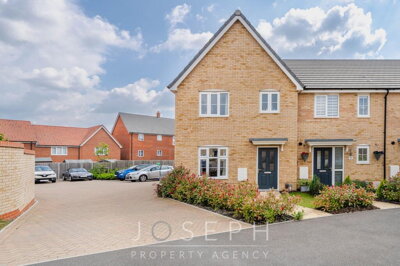
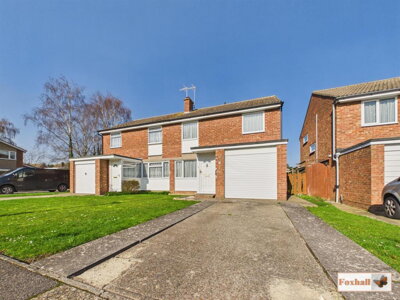
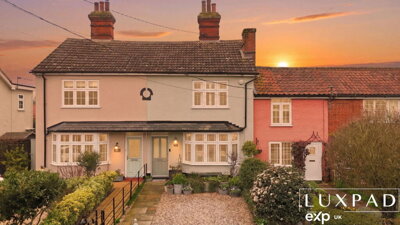
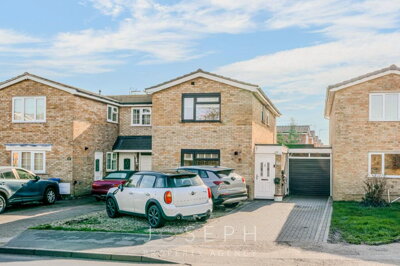
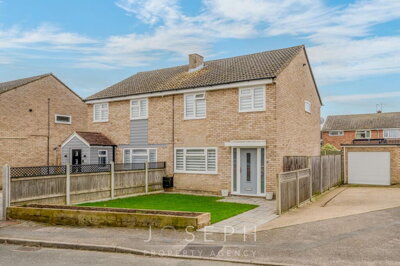
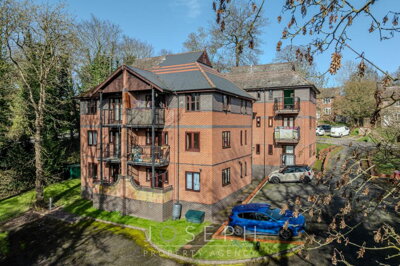
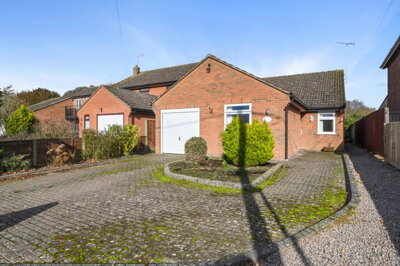
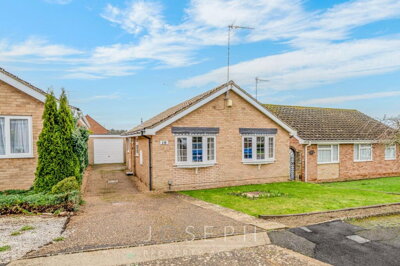
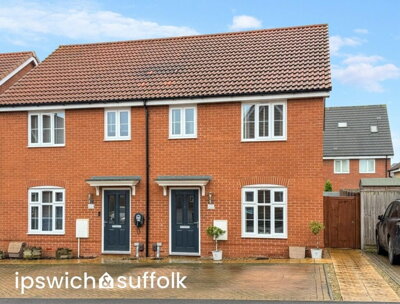
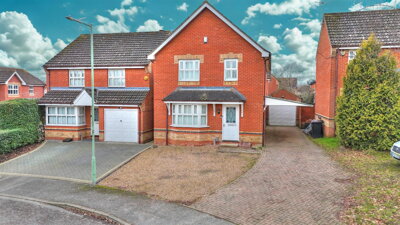
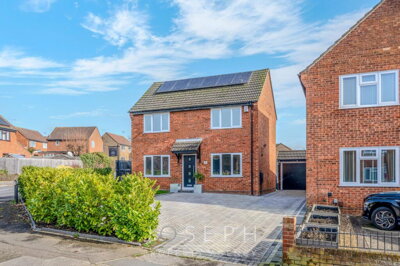
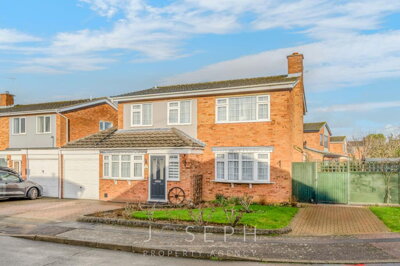
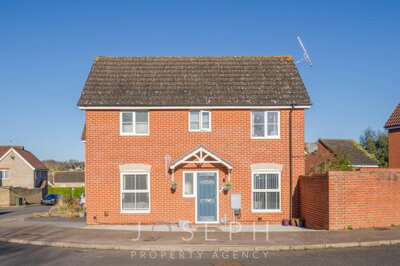
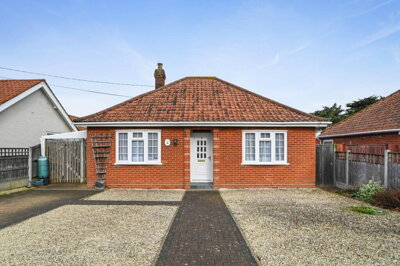
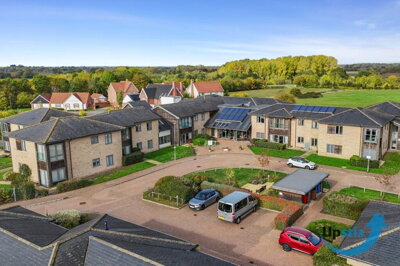
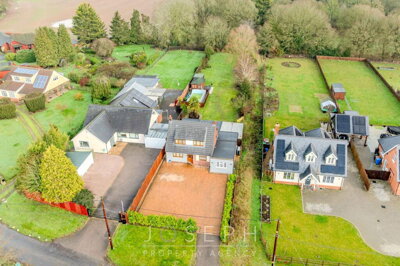
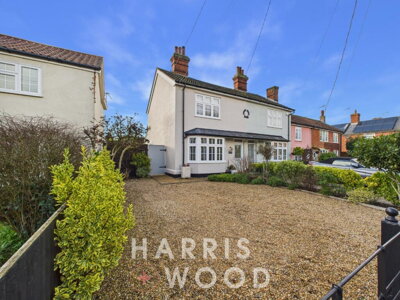
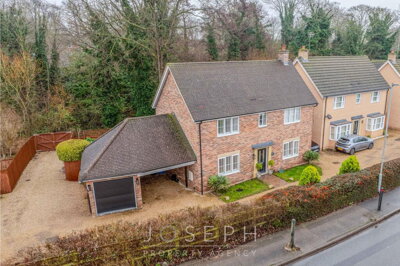
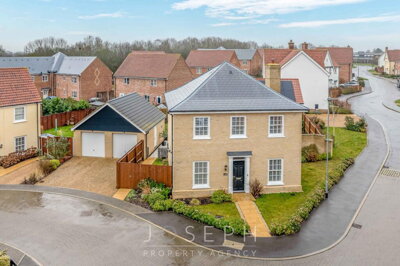
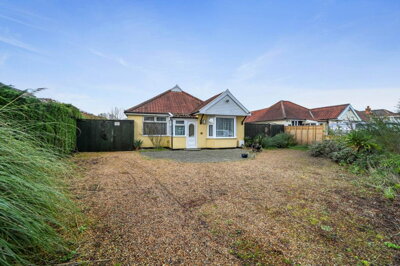
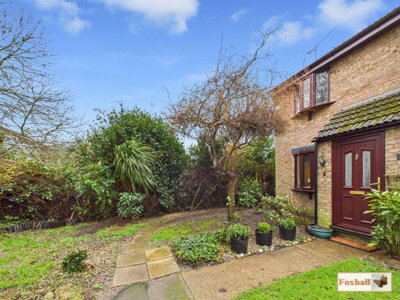
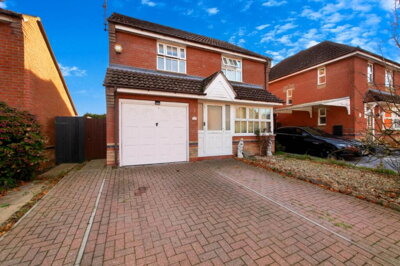
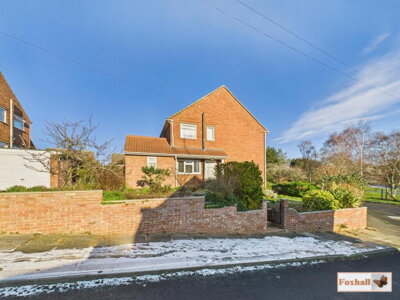
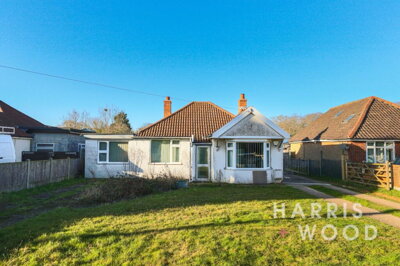
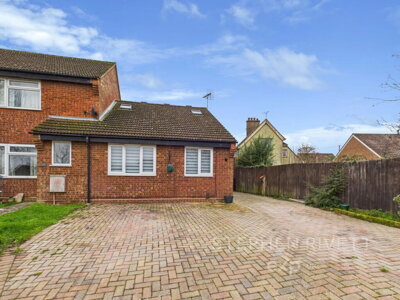
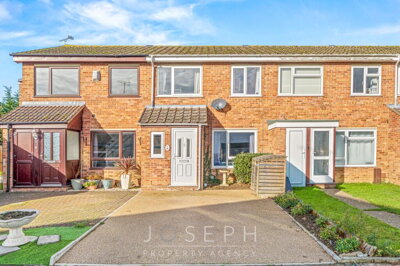
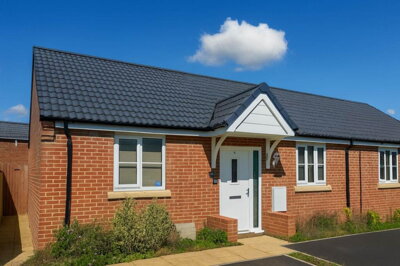
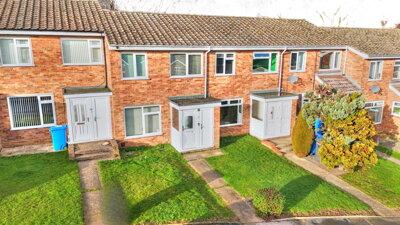
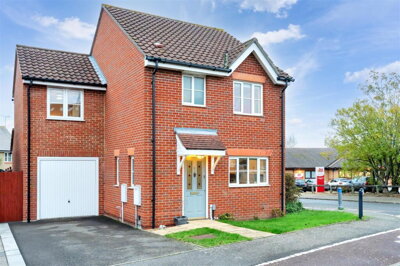
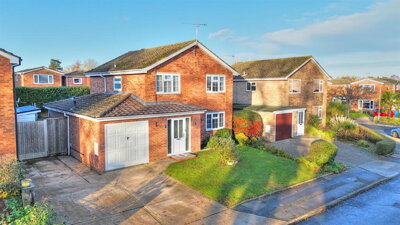
Browse 197 homes for sale in Copdock and Washbrook from local estate agents.
The Chester Castle property market reflects its unique position within a historic city centre conservation area, where period properties command premium values due to their scarcity and architectural significance. Our data shows Chester Castle has experienced an 18% increase in property values over the past year, demonstrating strong demand despite broader market fluctuations. The broader Chester city area recorded an average property price of £289,000 with a median of £245,000 over the past twelve months, while the wider Chester postcode area achieved an average of £255,000. New build properties in the region command approximately £337,000 on average, reflecting a significant premium over established homes valued at around £288,000.
Property types available within the Chester Castle vicinity are predominantly terraced houses and flats, consistent with the urban historic core documented in census data. Terraced properties on Castle Street and surrounding streets typically range from £182,500 to £440,750 depending on condition and position, while flats in the immediate castle area average between £225,381 and £310,000. The area saw 1.2k property sales in Chester city over the past twelve months, representing a 14.9% decrease in transaction volumes compared to the previous year. This reduction in available stock has contributed to sustained price growth in desirable central locations, making early viewing essential for serious buyers.
Within the Chester Castle postcode area, we are seeing particular interest in properties along The Castle and Castle Street, where Jacobean properties like Castle House with its distinctive 407-year history and Georgian facade attract buyers seeking authentic period character. Semi-detached properties in this micro-area average around £80,000, though these are rare finds in the immediate castle vicinity where terraced and flat configurations dominate. The CH1 2 postcode area specifically has shown 18.3% growth over the past year, outperforming the wider Cheshire West and Chester region which recorded 2.8% annual growth according to Land Registry data.
Market dynamics in Chester Castle differ notably from surrounding areas, with the conservation area status limiting supply of character properties while demand from buyers seeking city centre living continues to grow. Sellers of listed buildings and period homes benefit from this supply constraint, though buyers should anticipate competitive processes for well-presented properties. The reduction in overall transaction volumes across Chester city reflects national trends but has been particularly pronounced in historic quarters where stock is naturally limited by planning controls.

Life in Chester Castle means inhabiting a living museum where medieval architecture meets contemporary urban amenity. The immediate area is characterised by its distinctive red sandstone buildings, the famous black and white timber-framed properties of the Rows, and Georgian townhouses that line the approach to the castle itself. Chester's geology comprises Triassic sandstones and Mercia Mudstone Group, with the latter containing significant clay deposits that contribute to the area's characteristic red brick and sandstone construction. The historic built environment means residents enjoy waking views of ancient fortifications and cathedral spires, with the castle grounds providing green space within the heart of the city.
The local economy benefits from diverse sectors including tourism centred on Chester Castle and the Roman walls, retail along the Rows and city centre, financial services, and the University of Chester as a major employer. Chester Zoo, consistently rated among the UK's top visitor attractions, draws millions of visitors annually and supports significant employment in the hospitality sector. Public sector employment through Cheshire West and Chester Council and healthcare provision at the Countess of Chester Hospital further stabilise the local housing market. Residents appreciate the concentration of restaurants, cafes, and bars within walking distance, alongside cultural attractions including Chester Cathedral, the amphitheatre, and the historic racecourse.
The Rows remain one of Chester's most distinctive features, with their unique two-tier shopping galleries dating back to medieval times. Castle Street leads directly to the castle complex and provides access to these historic shopping precincts without requiring vehicle travel. Twice-daily racecourse meetings and annual events including the Chester Summer Music Festival bring additional vibrancy to the neighbourhood throughout the year, while the Chester Music Festival and various theatre productions at the Storyhouse venue ensure cultural offerings remain strong throughout all seasons.
Community life in Chester Castle centres on the castle grounds themselves, which provide a rare expanse of open space in the city centre. The grounds host regular events and provide a gathering point for residents, while the nearby River Dee offers opportunities for riverside walks and outdoor recreation. The compact nature of the quarter means that most amenities remain within a short walk, reducing reliance on car travel and contributing to the area's appeal for those seeking an active, walkable urban lifestyle.

Families considering a move to Chester Castle will find educational provision centred primarily within the wider Chester area, as the immediate city centre location is predominantly residential for professionals and older couples rather than families with children. Primary education options nearby include Chester Blue Coat Church of England Primary School, located within reasonable travelling distance and consistently achieving strong Ofsted ratings. Chester Cathedral Catholic Primary Academy provides faith-based primary education and also serves the city centre area with strong academic outcomes. Parents should research specific catchment areas, as admission policies for nearby primary schools are determined by home address and can be highly competitive in popular school zones.
The King's School, Chester, one of the oldest independent schools in England dating back to 1541, offers private education options for secondary-age children and is situated within the historic city walls. This co-educational day school maintains excellent academic results and draws students from across the region. For state secondary education, The Grammar School at Kingsmead provides academically selective places for pupils meeting the entrance criteria, while Christleton High School and Helsby High School serve surrounding areas with strong comprehensive provision.
The University of Chester maintains a significant presence in the city centre, offering higher education opportunities for adult learners and contributing to the vibrant student population in central Chester. The university campus provides access to undergraduate and postgraduate programmes across multiple disciplines, from humanities to business to health studies. Further education is also available at West Cheshire College, which offers vocational qualifications and apprenticeship programmes for those seeking practical career pathways.
For families prioritising educational access, considering properties slightly outside the immediate castle area may provide entry to schools with more established family catchment zones while maintaining proximity to Chester's amenities. Areas such as Hoole, Boughton, and Christleton offer good primary schools while retaining reasonable access to Chester Castle for work and leisure activities. School transport links and parking considerations should form part of any viewing arrangement when evaluating properties for family occupation in the wider Chester area.
Chester Castle enjoys exceptional transport connectivity despite its historic urban location, with Chester railway station situated within easy walking distance providing access to the national rail network. Direct train services reach London Euston in approximately two hours, Birmingham New Street in ninety minutes, and Manchester Piccadilly in under an hour, making Chester Castle viable for commuters working in major cities while enjoying city centre living. Liverpool Lime Street is accessible in forty-five minutes, connecting residents to Liverpool John Lennon Airport for international travel. The station also provides local services connecting Chester to North Wales, including regular trains to Llandudno and Holyhead for ferry connections to Ireland.
Road connectivity is equally strong, with the M53 motorway providing rapid access to the Merseyside area and the broader national motorway network via the M6. The A41 and A55 trunk roads serve regional connections, while the Chester Park and Ride system offers convenient access to the city centre without driving into the historic core. The park and ride facilities at Waverton, Boughton, and Countess provide affordable parking with regular bus services into the city centre, ideal for residents who need occasional vehicle access while preferring not to navigate the historic streets daily.
Local bus services operated by Chester and District Transport and other providers connect across the city and surrounding villages, with stops throughout the Chester Castle area. The bus network extends to Chester Zoo, the University campus, and residential suburbs including Blacon, Upton, and Vicars Cross. For those requiring international travel, Manchester Airport is accessible via direct train or approximately ninety minutes by road, offering a broader range of destinations than Liverpool John Lennon Airport.
For cyclists, the Chester Millennium Trail and dedicated cycle lanes on major routes offer sustainable commuting options, while electric vehicle charging points are increasingly available throughout the city centre. Chester's relatively flat terrain makes cycling a practical option for most residents, with the Chester Cycling Hub providing route information and community support for new cyclists. Several car clubs operate in the city centre, providing occasional vehicle access for residents who prefer not to maintain private cars.
Before viewing properties, understand current market conditions. Chester Castle averages £244,078 with terraced homes around £182,500 and flats ranging from £225,381 to £310,000. The CH1 2 postcode area has shown 18.3% growth over the past year, so acting decisively on suitable properties is advisable. Castle Street properties average £280,000, commanding a premium over the wider Chester Castle average due to their position adjacent to the castle complex.
Arrange mortgage agreement in principle before viewings to demonstrate your seriousness as a buyer. Chester has multiple high street and specialist lenders familiar with historic city centre properties, including those in conservation areas. Properties in Chester Castle may require non-standard construction considerations from lenders, particularly listed buildings and those with unusual features. A specialist broker familiar with Chester's historic property stock can help navigate these considerations and secure competitive rates.
Schedule viewings of Chester Castle properties with local estate agents. Note that many homes here are listed buildings or within the Chester City Centre Conservation Area, requiring careful inspection of condition and potential planning restrictions. Castle Street properties in particular feature a high concentration of listed buildings including Grade II Georgian and Victorian townhouses. We recommend attending viewings with a checklist focused on period property characteristics including damp evidence, roof condition, and service installation dates.
Given the age of properties in Chester Castle, a Level 2 Survey from a qualified RICS surveyor is essential. Our inspectors report that properties in this area commonly show signs of damp in solid wall construction, timber defects including wet and dry rot, and slate roof deterioration. Expect to pay £400-700 depending on property size and value, with specialist listed building surveys potentially costing more due to additional assessment requirements.
Appoint a conveyancing solicitor with experience in Chester's historic properties. They will conduct searches including local authority, drainage, environmental, and potentially mining risk reports for the area. Our team recommends specifically requesting a mining risk search given the historical sandstone quarrying in the Chester area and the presence of Mercia Mudstone Group clay deposits that may affect foundation performance.
Once searches are satisfactory and financing is confirmed, your solicitor will exchange contracts and set a completion date. Chester Castle properties may require additional considerations for listed building consent on any alterations, with works to Grade I or Grade II* listed structures requiring formal consent from Cheshire West and Chester Council planning department. Factor in time for these considerations when planning your move.
Purchasing property in Chester Castle requires particular attention to the unique characteristics of historic city centre homes, where conservation area status and listed building designations significantly impact renovation possibilities. Properties in the Chester City Centre Conservation Area face strict planning controls governing external alterations, extensions, and even changes to windows and doors. Many homes on Castle Street and surrounding roads are listed buildings, ranging from Grade I designation for the castle itself to Grade II for Georgian and Victorian townhouses, each carrying specific consent requirements for any works. Our inspectors frequently find that buyers underestimate the implications of listed building status, which can restrict everything from replacing windows to adding satellite dishes.
The underlying geology presents specific considerations for prospective buyers, as Chester sits on Mercia Mudstone Group containing significant clay deposits that create moderate to high shrink-swell risk for foundations. Properties with mature trees nearby require particular scrutiny, as root systems combined with clay soils can cause subsidence or heave movement over time. The River Dee creates flood risk for lower-lying properties, with our surveyors noting that surface water flooding can also affect areas with limited gardens or extensive hard standing. A thorough RICS Level 2 Survey will identify any signs of structural movement, crack patterns, or previous remedial works.
Service charges and leasehold arrangements deserve careful attention for flat purchasers, as period buildings converted to apartments may carry significant maintenance liabilities for roof repairs, facade maintenance, and communal area upkeep. Many Chester Castle properties feature single glazing, solid walls with limited insulation, and aging heating systems that will require modernisation investment. Electrical and plumbing systems in pre-1919 properties frequently require complete rewiring or repiping, with our inspectors noting that many Castle Street properties have not had significant service upgrades in decades. While these characteristics contribute to the charm and character of historic Chester living, buyers should factor ongoing maintenance requirements into their budget calculations.
When viewing properties in Chester Castle, pay particular attention to the condition of timber elements including floorboards, staircases, and roof structures. Our inspectors regularly identify woodworm activity and wet rot in period properties, particularly in areas with damp-proof course failures or inadequate ventilation. Check the condition of lead flashings around chimneys and roof penetrations, as these frequently require renewal in older properties. Finally, verify whether the property has current building regulations approval for any previous works, as alterations to listed buildings may require retrospective listed building consent.
Properties in Chester Castle average £244,078 according to recent market data, with terraced homes typically around £182,500 and flats ranging from £225,381 to £310,000. The wider Chester city area shows a median price of £245,000, while the broader Chester postcode area has a median of £220,000. Castle Street properties specifically average £280,000, commanding a premium for their position adjacent to the castle complex. Property prices in Chester Castle have risen 18% over the past year, with the CH1 2 postcode area showing 18.3% growth.
Properties in Chester Castle fall under Cheshire West and Chester Council. Most city centre period properties, including Victorian and Georgian terraced homes and flats, typically fall within council tax bands B through D, though specific properties should be checked individually as historic buildings sometimes carry unusual banding. Castle Street townhouses often fall into band D or E due to their size and central location. Contact Cheshire West and Chester Council directly or view the property on their council tax database for the exact band applicable to any specific property you are considering.
Primary schools in the wider Chester area include Chester Blue Coat Church of England Primary School and Chester Cathedral Catholic Primary Academy, both receiving strong Ofsted ratings. The King's School offers private education in the city centre, while state secondary options include Christleton High School and The Grammar School at Kingsmead for academically selective pupils. For families with younger children, the Hoole and Boughton areas slightly further from the castle offer primary schools with established family catchment zones while remaining within reasonable travelling distance of Chester Castle.
Chester Castle is exceptionally well connected, with Chester railway station within walking distance offering direct services to London Euston (approximately two hours), Birmingham (ninety minutes), Manchester (under one hour), and Liverpool (forty-five minutes). The Park and Ride system provides convenient access to the city centre from Waverton, Boughton, and Countess, while local bus services operated by Chester and District Transport connect across Chester and the surrounding region. The M53 motorway and A55 trunk road provide excellent road connectivity, with Manchester Airport accessible via direct train in approximately ninety minutes.
Chester Castle offers strong investment fundamentals, combining a historic city centre location with excellent transport connectivity to major employment centres. The tourism sector, University of Chester, and public sector employment provide stable economic foundations. Conservation area status limits new development, supporting existing property values. Our market data shows capital growth of 18% year-on-year in the Chester Castle area, though investors should note that period properties require ongoing maintenance investment, and leasehold flats carry service charge and ground rent obligations. Properties in conservation areas tend to maintain value well due to their scarcity and character.
Stamp Duty Land Tax rates from April 2025 are 0% on the first £250,000 of residential property, 5% on £250,001 to £925,000, 10% on £925,001 to £1.5 million, and 12% above £1.5 million. First-time buyers pay 0% up to £425,000 and 5% on £425,001 to £625,000. For a typical Chester Castle property at £244,078, standard buyers pay no SDLT, while first-time buyers would pay nothing on the full purchase price within current relief thresholds. At the Chester Castle average price of £244,078, most buyers will benefit from zero stamp duty costs.
Main risks include structural movement related to clay soil shrink-swell in the Mercia Mudstone Group geology, flooding from proximity to the River Dee, and planning restrictions from conservation area and listed building status. Properties may have outdated electrical systems, plumbing, and insulation requiring significant investment, with our inspectors frequently noting that pre-1919 properties have not had complete rewiring in many decades. A thorough RICS Level 2 Survey is essential before purchase to identify defects common to historic buildings, including damp, timber rot, and roofing deterioration. Properties with mature trees on clay soils require particular attention to foundation conditions.
A RICS Level 2 Survey is strongly recommended for any property in Chester Castle given the prevalence of pre-1919 construction and listed building status. Our inspectors are experienced in assessing period properties in Chester's historic city centre, identifying issues such as solid wall damp, timber defects, and clay-related subsidence risk. For Grade II listed properties, the Level 2 Survey will flag any works that may require listed building consent and document the property's current condition for reference. Survey costs range from £400-700 depending on property size and value, representing a worthwhile investment given the potential repair costs in historic properties.
The Chester Castle area has shown 18% year-on-year growth, outperforming the wider Chester city which experienced a 3% decline over the same period. Transaction volumes across Chester city dropped 14.9% to 1.2k sales, reflecting reduced stock availability in historic quarters. The CH1 2 postcode area specifically shows strong growth at 18.3%, suggesting continued demand for city centre properties. Our property search database shows ongoing interest in Chester Castle despite broader market conditions, with period properties in the conservation area attracting particular attention from buyers seeking character homes.
Understanding the full cost of purchasing property in Chester Castle extends beyond the asking price, with stamp duty, legal fees, survey costs, and moving expenses all contributing to the total investment required. For a property priced at the Chester Castle average of £244,078, buyers pay no Stamp Duty Land Tax under current thresholds, as the first £250,000 is taxed at 0%. First-time buyers benefit from relief extending to £425,000, meaning the entire purchase price would attract no SDLT. Higher-value properties at £300,000 would incur £2,500 SDLT at standard rates, while those exceeding £925,000 face significantly higher charges at the 10% band.
Additional purchasing costs include conveyancing fees typically ranging from £499 to £1,500 depending on complexity, with historic properties in conservation areas often requiring additional legal work for listed building searches and planning history verification. A RICS Level 2 Survey costs from £400 to £700 for properties in the Chester Castle area, reflecting the specialist assessment required for period construction. Electronic identification and anti-money laundering checks, mortgage arrangement fees, and search fees from Cheshire West and Chester Council typically add several hundred pounds to the total. Buildings insurance should be budgeted from completion day, while removals costs vary based on property size and distance.
Our team recommends setting aside approximately 3% to 5% of the property value for additional purchasing costs when planning your Chester Castle acquisition. For a £244,078 property, this means budgeting £7,300 to £12,200 on top of the purchase price for stamp duty, legal fees, surveys, and moving costs. Properties in Chester Castle may incur additional costs for specialist surveys on listed buildings, though the standard RICS Level 2 Survey is usually sufficient for most period properties in the area. Factor in potential renovation costs for properties requiring electrical rewiring, plumbing updates, or insulation improvements when calculating your total budget.
Properties for Sale In London

Properties for Sale In Plymouth

Properties for Sale In Liverpool

Properties for Sale In Glasgow

Properties for Sale In Sheffield

Properties for Sale In Edinburgh

Properties for Sale In Coventry

Properties for Sale In Bradford

Properties for Sale In Manchester

Properties for Sale In Birmingham

Properties for Sale In Bristol

Properties for Sale In Oxford

Properties for Sale In Leicester

Properties for Sale In Newcastle

Properties for Sale In Leeds

Properties for Sale In Southampton

Properties for Sale In Cardiff

Properties for Sale In Nottingham

Properties for Sale In Norwich

Properties for Sale In Brighton

Properties for Sale In Derby

Properties for Sale In Portsmouth

Properties for Sale In Northampton

Properties for Sale In Milton Keynes

Properties for Sale In Bournemouth

Properties for Sale In Bolton

Properties for Sale In Swansea

Properties for Sale In Swindon

Properties for Sale In Peterborough

Properties for Sale In Wolverhampton

Enter your details to see if this property is within your budget.
Loans, cards, car finance
Estimated property budget
Borrowing + deposit
You could borrow between
Typical borrowing
Monthly repayment
Est. at 4.5%
Loan-to-value
This is an estimate only. Your actual budget may vary depending on interest rates, credit history, and personal circumstances. For an accurate affordability assessment, speak to one of our free mortgage advisors.
This calculator provides estimates for illustrative purposes only and does not constitute financial advice. Your home may be repossessed if you do not keep up repayments on your mortgage. Estimates based on 4.5% interest rate, repayment mortgage. Actual rates depend on your circumstances.
Homemove is a trading name of HM Haus Group Ltd (Company No. 13873779, registered in England & Wales). Homemove Mortgages Ltd (Company No. 15947693) is an Appointed Representative of TMG Direct Limited, trading as TMG Mortgage Network, which is authorised and regulated by the Financial Conduct Authority (FRN 786245). Homemove Mortgages Ltd is entered on the FCA Register as an Appointed Representative (FRN 1022429). You can check registrations at NewRegister or by calling 0800 111 6768.

We use cookies to show you personalised content and improve your experience of our website. Find out more in our Privacy policy and Cookie policy.