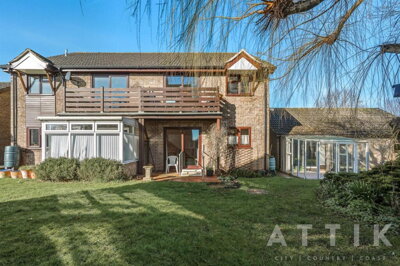
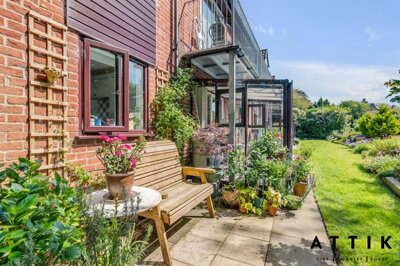
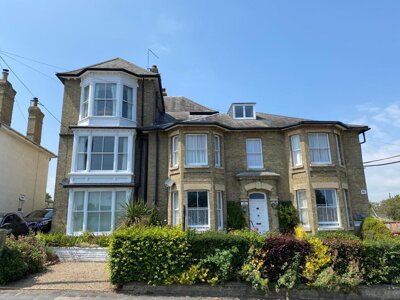
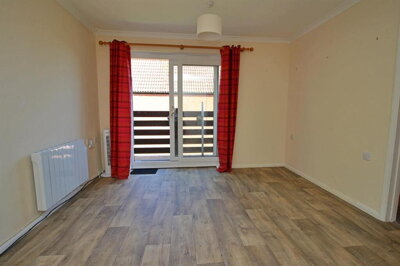
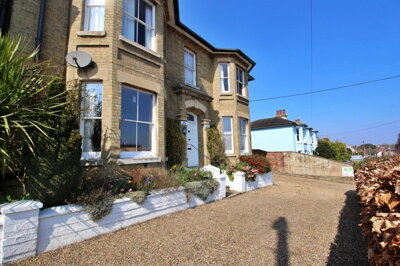
Browse 5 homes for sale in Cookley, East Suffolk from local estate agents.
The 2 bed flat sector typically includes two separate bedrooms, dedicated living areas, and bathroom facilities. Properties in Cookley span purpose-built blocks, converted period houses, and modern apartment complexes on various floors.
£0k
0
0
0
Source: home.co.uk
Showing 0 results for 2 Bedroom Flats for sale in Cookley, East Suffolk.
The Woolland property market reflects the dynamics of rural Dorset, where demand for character homes consistently outstrips supply. Recent data shows an average sold price of £695,000 in the village over the past twelve months, representing a 7% decrease from the 2005 peak of £750,000. This long-term perspective demonstrates the enduring value of property in this sought-after corner of Dorset, even as the market has experienced natural cyclical corrections. The DT11 postcode area, which encompasses Woolland and surrounding villages, shows prices remaining stable compared to the previous year, though still approximately 8% below the 2022 peak of £411,973.
Property types in the wider DT11 area show a clear preference for detached living, which dominates the sales mix. Detached properties average £503,867, while semi-detached homes command around £351,789 and terraced properties fetch approximately £284,306. This distribution indicates that buyers in Woolland are typically seeking generous living spaces and plot sizes rather than compact urban dwellings. The limited number of recorded sales, with 14 properties sold via Rightmove and 27 through PropertyResearch.uk, reflects the village's small scale and the tight-knit nature of its property market.
New build activity in the DT11 postcode area remains limited, with most new development occurring in nearby DT11 9 rather than Woolland itself. The village's historic character and likely conservation area status contribute to its restrained development pattern, which helps preserve property values over time. For buyers seeking modern specifications, the surrounding towns offer new build options, though these come without the character and history that define Woolland properties. Our listings reflect this mix, allowing you to weigh the benefits of period charm against contemporary convenience based on your priorities and preferences.

Woolland is a small but characterful village that exemplifies the Dorset countryside at its finest. The settlement is situated in the North Dorset district, an area renowned for its attractive villages, scenic landscapes, and strong community spirit. As is typical of villages in this part of Dorset, Woolland features a blend of historic properties built from the local stone that characterises the region, along with more recent additions that respect the traditional aesthetic. The village's rural setting means residents enjoy access to extensive footpaths, bridleways, and the rolling chalk downland that makes Dorset Walking Country so celebrated.
The local economy in this part of rural Dorset is traditionally tied to agriculture, with farming operations continuing to shape the landscape and community. Tourism also plays a significant role, as visitors are drawn to the area's natural beauty, historic churches, and the gentle pace of country life. Residents of Woolland typically find that larger neighbouring towns provide employment opportunities and essential services, with many choosing to commute to work while enjoying the peaceful village environment for family life. The combination of working countryside, traditional architecture, and genuine community bonds makes Woolland an appealing destination for those prioritising quality of life over urban convenience.
The village's historic character is evident in properties such as The Old School House and various 17th-century period homes scattered throughout the settlement. These traditional buildings, constructed using local stone and brick, form the architectural backbone of the community. The Dorset countryside around Woolland offers excellent walking and riding opportunities, with the chalk downland providing both scenic beauty and habitat for rare wildlife. Our local agents know the village intimately and can introduce you to the specific lanes, views, and neighbourhoods that make Woolland special for those seeking countryside living with genuine community spirit.
Families considering a move to Woolland will find educational provision spread across the surrounding villages and towns. The village's small scale means that primary education is typically accessed through schools in nearby communities, with the nearest options serving the local catchment area. Dorset maintains a network of primary schools in rural settings, many of which are rated favourably by Ofsted and offer the intimate class sizes that village education can provide. Parents should research specific catchment areas, as these are determined by home address and can significantly influence school placement for their children.
Secondary education options in the area include schools in the market towns of Blandford Forum, Sturminster Newton, and Shaftesbury, all of which are within reasonable commuting distance of Woolland. These towns offer comprehensive secondary schools with sixth form provision, allowing students to continue their education locally without the need for boarding. For families with older children requiring specialist subjects or alternative educational approaches, the wider Dorset area provides additional options including grammar schools and independent schools. The presence of quality educational establishments within easy reach adds to Woolland's appeal for family buyers seeking countryside living without compromising on academic opportunities.
Primary schools in nearby villages such as Child Okeford and Shillingstone serve the local Woolland catchment area and typically achieve good Ofsted ratings. These smaller rural schools benefit from close community ties and individual attention for each pupil. For secondary education, The Blandford School in Blandford Forum offers a wide curriculum and strong extracurricular programme, while Gillingham School provides comprehensive education for the surrounding villages. Parents are advised to verify current catchment boundaries and registration requirements, as these can affect school placement eligibility for their children.
Transport connectivity from Woolland reflects its rural village character, with residents typically relying on private vehicles for the majority of journeys. The A350 and A357 trunk roads pass through the wider Dorset area, providing routes to larger centres including Poole, Bournemouth, and Salisbury. The village's position away from major motorways contributes to its peaceful atmosphere but does mean that commuting requires careful route planning and realistic journey times. Many residents who work in the larger towns find the trade-off between travel time and countryside living entirely worthwhile for the quality of life they gain.
Public transport options in rural Dorset centre on bus services connecting villages to market towns, though frequencies are limited compared to urban areas. The nearest railway stations are likely to be found in larger towns, with services providing connections to major destinations including London. For those working in Bristol, Southampton, or beyond, these regional transport hubs prove essential for longer-distance commuting. Cyclists and walkers benefit from the network of country lanes and Bridleways that criss-cross the local area, making car-free local travel feasible for recreational purposes and shorter journeys.
The nearest mainline railway stations include Salisbury, which provides regular services to London Waterloo, and Gillingham, offering connections to the South West and major cities. For air travel, Bournemouth Airport provides a range of domestic and European flights, while Southampton Airport offers additional international connections. Commuters working in Poole or Bournemouth typically find the journey manageable at around 40-60 minutes by car, though this varies depending on traffic conditions. Those with longer-distance commutes often choose to work from home some days, taking advantage of the fast broadband that has become available in many rural Dorset villages.
Purchasing a property in Woolland requires attention to the specific characteristics of rural Dorset housing stock. Given the village's likely concentration of older properties, traditional construction methods using local stone, brick, and render are prevalent throughout the area. These materials contribute to the attractive appearance of village properties but may require ongoing maintenance and specialist repair knowledge. Prospective buyers should arrange thorough surveys for any property over 50 years old, with particular attention to roof condition, damp penetration, and the integrity of traditional building fabric. The age of many village homes means that electrical wiring and plumbing systems may require updating to modern standards.
Flood risk in Woolland is relatively low given the village's inland position, though surface water flooding should be assessed on a property-by-property basis depending on local topography. Properties in conservation areas or those with listed building status carry additional considerations including restrictions on alterations and the potential requirement for specialist surveys. Buyers should verify the precise flood risk for specific properties through the government flood risk checker and consult with the local planning authority regarding any conservation area designations. The prevalence of larger detached properties in the area means that garden sizes tend to be generous, though boundaries and maintenance responsibilities should be clearly established before purchase.
Given Dorset's diverse geology, which includes areas of chalk, clay, and limestone, buyers should be aware of potential shrink-swell risks associated with clay soils. This type of ground movement can affect foundations over time, particularly in properties with trees or vegetation close to the structure. Signs of foundation movement include cracking to walls and doors or windows that no longer close properly. Our recommended surveyors know how to identify these issues and can assess whether previous remedial work has been carried out correctly. For listed buildings, specialist surveys are essential as these properties often have unique construction features that require expert evaluation.
Begin by exploring property listings in Woolland through Homemove, reviewing current prices, available property types, and recent sale prices to understand market dynamics in this rural Dorset village. Our platform aggregates listings from multiple estate agents, giving you a comprehensive view of what is available. Take time to understand the seasonal nature of the market, as spring often brings increased listings and competition among buyers seeking countryside properties.
Contact lenders or mortgage brokers to obtain an agreement in principle before viewing properties, demonstrating your buying capacity to sellers and estate agents in what can be a competitive market. Our recommended mortgage brokers understand the rural property market and can advise on products suitable for character properties. Having your financing arranged before making offers puts you in a stronger position with sellers who want assurance that your purchase will proceed smoothly to completion.
Visit shortlisted properties with your agent, taking time to assess the village atmosphere, neighbouring properties, and practical considerations such as road noise, mobile signal, and distance from local amenities. We can arrange viewings that fit your schedule and provide local context about each property and neighbourhood. Take time to visit at different times of day to understand traffic patterns and community activity levels that might affect your enjoyment of the property.
For any property you are seriously considering, arrange a Level 2 Survey to identify structural issues, property defects, and areas requiring attention before purchase. Our approved surveyors know the common issues found in Dorset period properties, including traditional construction methods and local building materials. The survey report will give you a detailed picture of the property's condition and help you negotiate any necessary repairs with the seller before proceeding to completion.
Choose a conveyancing specialist to handle the legal aspects of your purchase, including searches, contracts, and registration of your ownership at the Land Registry. Our conveyancing partners have experience with rural Dorset properties and can advise on issues such as rights of way, easements, and any local planning restrictions that might affect the property. They will conduct local authority searches to check for any outstanding planning permissions or environmental concerns in the area.
Finalise your purchase by exchanging contracts with the seller, paying your deposit, and completing on the agreed date when ownership transfers to you. Your solicitor will coordinate the final logistics, including notifying your mortgage lender and arranging for the transfer of funds. On completion day, you will receive the keys to your new Woolland home, ready to begin the next chapter in this charming Dorset village.
Properties in Woolland predominantly feature traditional Dorset construction methods, with local stone, brick, and render forming the external walls of most period homes. The chalk geology of the surrounding downland has historically influenced building practices, with materials sourced locally to reduce transportation costs in generations past. These traditional methods result in characterful homes but require specific knowledge when assessing condition and planning maintenance. Our surveyors are experienced in evaluating Dorset stone properties and can identify issues that might be missed by those unfamiliar with the local building tradition.
Common defects found during surveys of Woolland properties include damp penetration through stone walls, which requires assessment by a specialist to determine whether the issue is cosmetic or indicative of more serious structural problems. Roof conditions also require careful inspection, as many village homes feature traditional slate or clay tile coverings that can be susceptible to damage from severe weather. Electrical systems in older properties frequently need updating to meet current safety standards, and our Level 2 Surveys specifically check for outdated wiring and potential hazards that could affect your safety.
The presence of clay soils in parts of Dorset means that shrink-swell ground movement can affect foundations, particularly for properties with nearby trees or changes in moisture levels. Signs of this type of movement include cracking to walls and doors or windows that no longer close properly. Our surveyors assess foundation condition and can recommend further investigation if needed. Listed buildings in Woolland require specialist consideration due to their historical significance, and any alterations must comply with conservation requirements. A thorough survey before purchase ensures you understand exactly what you are acquiring and can plan for any necessary works.
The average sold price for a property in Woolland over the last twelve months is £695,000, according to available data. This represents a 7% decrease from the 2005 peak of £750,000 in the village, though values have proven resilient over the longer term. In the broader DT11 postcode area, detached properties average £503,867, semi-detached homes around £351,789, and terraced properties approximately £284,306. The premium pricing in Woolland itself reflects the desirable rural location, generous property sizes, and the character of Dorset countryside homes that rarely come to market.
Properties in Woolland fall under North Dorset District Council for council tax purposes. Exact bands depend on property valuation and range from Band A for lower-value homes through to Band H for the highest-value properties. Rural Dorset properties, particularly detached homes with substantial gardens, often fall into mid-to-higher bands due to their size and value. Prospective buyers should verify the specific band for any property through the Valuation Office Agency website or by requesting this information during the conveyancing process.
As a small village, Woolland relies on schools in surrounding communities for primary education. Child Okeford Primary School and Shillingstone Primary School serve the local catchment area and have achieved favourable Ofsted ratings in recent inspections. Secondary education is available at The Blandford School in Blandford Forum and Gillingham School in Sturminster Newton, both offering education through to sixth form level. Parents should check current Ofsted ratings and catchment area boundaries, as these can change and directly affect school placement eligibility for their children.
Public transport connectivity in Woolland reflects its rural village setting, with limited bus services connecting the village to nearby towns on fixed schedules. The nearest railway stations are located in Salisbury and Gillingham, providing regional connections to London Waterloo and the South West. Most residents rely on private vehicles for daily commuting and essential journeys, with the A350 providing access to larger employment centres. Cyclists benefit from country lanes and Bridleways, though those requiring frequent public transport may wish to consider the practical implications of rural living before committing to a purchase.
Woolland and the wider Dorset countryside offers several investment considerations for property buyers seeking homes for sale in Woolland. The average sold price of £695,000 demonstrates solid values in the village, while the stable prices in the DT11 area suggest a market that has avoided the extreme volatility seen in some urban locations. Rural properties with land, traditional character, and good transport access tend to retain their appeal to buyers and tenants over time. However, the limited local employment and small village scale may affect rental demand for investors considering buy-to-let opportunities in Woolland.
Stamp Duty Land Tax rates for 2024-25 are 0% on the first £250,000 of residential property, 5% on £250,001 to £925,000, 10% on £925,001 to £1.5 million, and 12% above £1.5 million. First-time buyers benefit from relief on the first £425,000, with 5% charged between £425,001 and £625,000. For a typical Woolland property priced around the village average of £695,000, a standard buyer would pay approximately £22,250 in SDLT, while a first-time buyer would pay around £13,500. Your solicitor will calculate the exact amount based on your circumstances and the specific property price.
Understanding the full costs of buying a property in Woolland extends beyond the purchase price to include Stamp Duty Land Tax, solicitor fees, survey costs, and moving expenses. For properties in this Dorset village averaging £695,000, the SDLT liability for a standard buyer amounts to £22,250, calculated at 5% on the portion between £250,000 and £695,000. First-time buyers benefit from reduced rates, paying approximately £13,500 on the same property, as relief applies to the first £425,000 before the 5% rate begins on the next £200,000.
Additional purchasing costs typically include conveyancing fees ranging from £499 to £1,500 depending on complexity and whether the property is freehold or leasehold. A RICS Level 2 Survey costs from around £350 for standard homes, though larger or more complex properties may cost more. Mortgage arrangement fees, valuation fees, and broker costs should also be budgeted for, along with Land Registry fees for registering your ownership. Removal costs vary based on distance and volume of belongings. Altogether, buyers should anticipate spending an additional 2-4% of the property price on these associated costs when budgeting for their Woolland purchase.
Beyond the immediate purchase costs, ongoing expenses in Woolland include council tax, which varies by property band under North Dorset District Council. Buildings insurance is essential for all properties, and for older homes with traditional construction, specialist insurers may be required. Regular maintenance of stone walls, thatched roofs, and period features should be factored into annual budgeting for older properties. Our recommended brokers and conveyancers can provide detailed cost estimates tailored to your specific purchase, helping you avoid surprises during the transaction.

Properties for Sale In London

Properties for Sale In Plymouth

Properties for Sale In Liverpool

Properties for Sale In Glasgow

Properties for Sale In Sheffield

Properties for Sale In Edinburgh

Properties for Sale In Coventry

Properties for Sale In Bradford

Properties for Sale In Manchester

Properties for Sale In Birmingham

Properties for Sale In Bristol

Properties for Sale In Oxford

Properties for Sale In Leicester

Properties for Sale In Newcastle

Properties for Sale In Leeds

Properties for Sale In Southampton

Properties for Sale In Cardiff

Properties for Sale In Nottingham

Properties for Sale In Norwich

Properties for Sale In Brighton

Properties for Sale In Derby

Properties for Sale In Portsmouth

Properties for Sale In Northampton

Properties for Sale In Milton Keynes

Properties for Sale In Bournemouth

Properties for Sale In Bolton

Properties for Sale In Swansea

Properties for Sale In Swindon

Properties for Sale In Peterborough

Properties for Sale In Wolverhampton

Enter your details to see if this property is within your budget.
Loans, cards, car finance
Estimated property budget
Borrowing + deposit
You could borrow between
Typical borrowing
Monthly repayment
Est. at 4.5%
Loan-to-value
This is an estimate only. Your actual budget may vary depending on interest rates, credit history, and personal circumstances. For an accurate affordability assessment, speak to one of our free mortgage advisors.
This calculator provides estimates for illustrative purposes only and does not constitute financial advice. Your home may be repossessed if you do not keep up repayments on your mortgage. Estimates based on 4.5% interest rate, repayment mortgage. Actual rates depend on your circumstances.
Homemove is a trading name of HM Haus Group Ltd (Company No. 13873779, registered in England & Wales). Homemove Mortgages Ltd (Company No. 15947693) is an Appointed Representative of TMG Direct Limited, trading as TMG Mortgage Network, which is authorised and regulated by the Financial Conduct Authority (FRN 786245). Homemove Mortgages Ltd is entered on the FCA Register as an Appointed Representative (FRN 1022429). You can check registrations at NewRegister or by calling 0800 111 6768.

We use cookies to show you personalised content and improve your experience of our website. Find out more in our Privacy policy and Cookie policy.