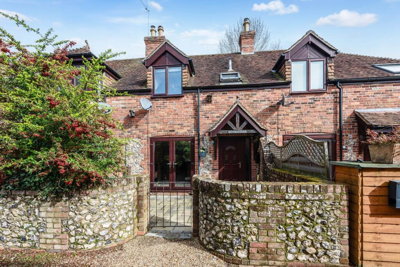
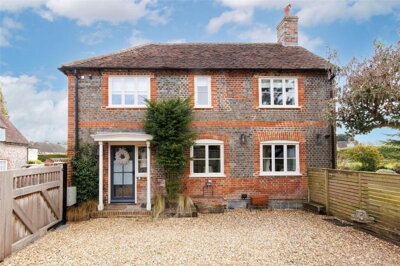
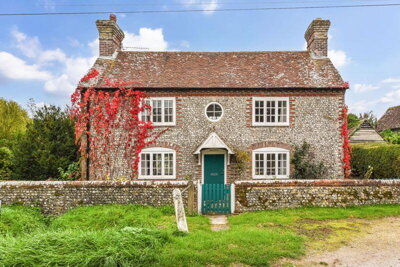
Browse 3 homes for sale in Compton, Chichester from local estate agents.
Three bedroom properties represent a significant portion of the Compton housing market, offering space for families with multiple reception rooms and gardens in many cases. Browse detached, semi-detached, and terraced options ranging from period character homes to contemporary developments.
£0k
0
0
0
Source: home.co.uk
Showing 0 results for 3 Bedroom Houses for sale in Compton, Chichester.
The Compton property market reflects its status as a desirable West Sussex village, with detached properties commanding the highest prices at an average of £825,000. Semi-detached homes average £465,000, while terraced properties fetch around £390,000. Flats are relatively scarce in this village setting, with an average price of £250,000, though they remain an affordable entry point to this sought-after area. Over the past 12 months, the market has shown remarkable stability with overall prices remaining flat, giving buyers confidence in long-term value retention. The limited supply of available properties means competition among buyers can be keen, particularly for the detached family homes that dominate the local housing stock.
Property types in Compton are predominantly detached houses, accounting for approximately 50-60% of the housing stock according to census data for the PO18 9 postcode sector. Semi-detached homes make up 20-30% of properties, with terraced houses representing 10-15% and flats comprising less than 5% of the total housing stock. This predominance of family-sized detached and semi-detached homes makes Compton particularly attractive to families seeking space and privacy in a village environment. The limited availability of new build properties in the village means most homes are characterful period properties with traditional construction methods that require careful inspection before purchase.
Recent sales data indicates approximately 10 properties changed hands in the past 12 months within the PO18 9 postcode sector, suggesting a relatively quiet but stable market. Detached properties saw marginal price growth of around 1% over this period, while semi-detached and terraced homes experienced slight reductions of 1-2%. This pattern indicates sustained demand for larger family homes while smaller properties face more price sensitivity. For buyers, this suggests that premium detached homes hold their value well in Compton, while terraced properties may offer better scope for negotiation.

Compton nestles in the heart of West Sussex, approximately three miles north of Chichester, offering residents the best of both rural tranquility and urban accessibility. The village forms part of the ancient landscape of the South Downs, with chalk geology underlying much of the area and traditional brick and flint construction reflecting centuries of local building heritage. The village centre features St Mary's Church, a notable listed building that has stood the community for generations, alongside historic cottages and farmhouses that line the winding country lanes. Many of these older properties predate the Victorian era, with some dating back to the 17th and 18th centuries, lending the village its distinctive character.
The population of approximately 1,000-1,500 residents across 400-600 households creates an intimate village atmosphere where neighbours know one another and community spirit runs strong. Local employment opportunities include agricultural work, positions in the village's pubs and shops, and roles in the growing tourism sector supported by the area's walking routes and scenic beauty. The South Downs National Park designation has boosted visitor numbers to the area, supporting local businesses and creating part-time employment opportunities. Many residents commute to larger towns such as Chichester, Petersfield, and Portsmouth, benefiting from the village's position that offers countryside living without complete seclusion from employment centres.
The village benefits from a traditional pub serving meals and drinks, while a village shop provides essential supplies without requiring a trip to town. St Mary's Church hosts regular services and community events throughout the year, including the annual village fete and harvest celebrations that draw residents together. The surrounding countryside offers an extensive network of public footpaths and bridleways, with the Serpent Trail and other long-distance routes passing close to the village. These paths connect Compton to neighbouring villages and into the heart of the South Downs, making the area particularly popular with dog owners and outdoor enthusiasts who appreciate the immediate access to open countryside.
Education is a significant consideration for families moving to Compton, and the village benefits from proximity to several well-regarded schools in the surrounding West Sussex area. Primary education is available at nearby village schools, with families often prioritising admissions based on catchment areas and Ofsted ratings. The historic nature of many local schools reflects the long-established communities in this part of Sussex, with several primary schools serving the surrounding villages and providing solid foundations for young learners. Parents should note that school catchments in rural areas can span considerable distances, so checking specific admission zones is essential before committing to a property purchase.
Secondary education options in the wider area include highly regarded schools in Chichester, where students can access a broader range of GCSE and A-level subjects. The city's schools have built strong reputations for academic achievement and extracurricular activities, making the daily commute from Compton manageable for families committed to particular institutions. Chichester College, situated in the city centre, offers sixth-form courses and vocational qualifications for older students, while the University of Chichester provides higher education opportunities within reasonable commuting distance. Parents considering relocation should research specific school catchments and admission policies, as competition for places at popular schools can be keen given the rural nature of the surrounding area.
Several primary schools within a 10-mile radius of Compton have achieved Good or Outstanding Ofsted ratings, serving families from Compton and surrounding villages. These include schools in Funtington, West Harting, and Harting, each offering small class sizes and strong community links that are characteristic of village primary education. The Catholic primary school in Chichester provides faith-based education for families who prioritise this, while the wider Chichester area offers several alternatives for families seeking different educational approaches. Transport arrangements for secondary school students typically involve school bus services, though many families choose to drive their children given the rural setting.
Compton enjoys a strategic position that balances rural seclusion with practical transport connections. The village sits near the A272, providing straightforward road access to Petersfield to the north and Chichester to the south. For those working in Portsmouth or travelling further afield, the A3(M) and M27 motorway network are accessible within reasonable driving time, making coastal and metropolitan areas within comfortable reach. Local bus services connect Compton with surrounding villages and towns, though car ownership remains common among residents given the frequency of rural bus routes. The bus route through Compton provides connections to Chichester several times daily, useful for those without private vehicles or for school transport purposes.
Rail connections are available from nearby stations in Chichester and Petersfield, offering direct services to London, Brighton, and the South Coast. Chichester station provides regular trains to London Victoria with journey times of approximately 90 minutes, while Petersfield offers alternative routes into the capital via different train operators. Portsmouth Harbour station, accessible within 30 minutes by car, connects to London Waterloo via Havant, providing an additional route option for commuters. For commuters working from home or seeking a quieter lifestyle, the village's position away from major roads creates a peaceful environment conducive to home working. The South Downs National Park offers excellent walking and cycling opportunities right on the doorstep, reducing car dependency for recreational purposes.
Gatwick Airport is reachable within approximately 90 minutes by car, making international travel feasible for residents without proximity to a major airport. Southampton Airport offers another option within similar driving time, serving a range of domestic and European destinations. For daily commuting to London, Chichester station remains the most practical option given its direct service to Victoria, though Petersfield station provides an alternative for those working in different parts of the capital. Many residents appreciate the ability to work from home some days while maintaining straightforward access to London when required, combining the benefits of rural and urban living.
Spend time exploring Compton at different times of day and week to understand the community atmosphere. Visit local amenities, check commute times to your workplace, and speak with residents about their experience of village living. The historic properties and Conservation Area status mean you should understand any planning restrictions that might affect your plans. We recommend walking the country lanes, visiting the local pub, and timing journeys to Chichester and Petersfield to assess realistic travel times for your circumstances.
Before viewing properties, obtain a mortgage agreement in principle from a lender. This strengthens your position when making offers and demonstrates to sellers that you are a serious buyer with financing in place. Our mortgage comparison tool helps you find competitive rates suited to your financial situation. Given that most Compton properties are period homes valued at £400,000 to £800,000, having your finance arranged is essential for a competitive offer.
When viewing properties in Compton, remember that many homes are older constructions with traditional brick and flint building methods. Consider arranging a RICS Level 2 Survey before purchase to identify any structural issues, damp problems, or timber defects common in period properties. For listed buildings or homes with significant alterations, a more detailed RICS Level 3 Building Survey may be more appropriate given the specialist considerations involved.
Once you find your ideal home, submit an offer through the estate agent. Instruct a conveyancing solicitor experienced with historic and listed properties to handle the legal work, including searches related to Conservation Area requirements and any local planning considerations. Our conveyancing partners understand the specific requirements of purchasing period properties in conservation areas and can advise on listed building consent implications.
After surveys, negotiations, and legal checks are complete, you will exchange contracts and pay a deposit. Completion typically follows within a few weeks, after which you will receive the keys to your new Compton home. Allow time to arrange utility connections and update your address details. Buildings insurance should be in place from the point of exchange, particularly given the age and construction of many local properties.
Properties in Compton require careful inspection due to the prevalence of older construction methods and historic building materials. Traditional brick and flint walls, while charming, can present challenges including damp penetration, especially in properties without modern damp-proof courses. Roofs on period properties often feature clay or slate tiles that may have deteriorated over decades, and timber roof structures can suffer from woodworm or wet rot if ventilation has been compromised. A thorough RICS Level 2 Survey is strongly recommended for any property in this village, particularly given the high proportion of homes over 50 years old and the specialist construction methods common in West Sussex period properties.
The Conservation Area status affecting parts of Compton means any exterior alterations or extensions require planning permission from Chichester District Council, and works to listed buildings need special consent from the local planning authority. Prospective buyers should obtain a planning history for any property they are considering and understand how these designations might affect future renovation plans. Properties with significant clay deposits in their gardens may be subject to shrink-swell movement, particularly near trees where root systems can affect soil moisture levels and foundation stability. The chalk geology underlying much of the area is generally stable, but the interface between chalk and clay deposits can create localised ground movement issues.
Surface water flood risk affects some lower-lying parts of the village, particularly near minor watercourses and drainage ditches that are common in rural areas. While Compton is not on a major river and coastal flooding is not applicable, buyers should check the Environment Agency flood maps for any specific property and ensure adequate buildings insurance is obtainable. Energy efficiency in older properties may require attention, as solid wall construction and single-glazed windows are common features that will impact heating costs and may require improvement works. Many buyers factor in the cost of installing secondary glazing, adding insulation, or upgrading heating systems when budgeting for their purchase.
Electrical and plumbing systems in Compton properties often date from the mid-20th century or earlier, requiring assessment by qualified professionals. Rewiring is frequently necessary in period homes that have not been updated, and many properties will require complete renewal of plumbing systems. Asbestos-containing materials may be present in properties built or renovated before 2000, particularly in artex coatings, pipe lagging, or floor tiles. A thorough RICS Level 2 Survey will identify these concerns and allow you to budget for necessary works before completing your purchase.

The average property price in Compton, West Sussex is approximately £604,500 based on recent sales data for the PO18 postcode area. Detached properties average £825,000, semi-detached homes around £465,000, terraced properties £390,000, and flats approximately £250,000. The market has remained stable over the past 12 months with no significant overall price movement, suggesting steady demand for this desirable village location close to the South Downs National Park. Detached properties have shown marginal growth of around 1%, while terraced homes have seen slight reductions of approximately 2%, reflecting different demand patterns within the local market.
Properties in Compton fall under Chichester District Council, with most homes in Bands D through H reflecting the village's character of larger period properties and detached houses. Specific bandings depend on the property's assessed value, and you can verify the exact banding through the Valuation Office Agency website. As a guide, detached family homes in the village typically occupy higher council tax bands given their size and value, with many three and four-bedroom detached properties falling into Band F or G. The annual council tax bills for these properties reflect both the desirable nature of the homes and the standard Chichester District Council rates for West Sussex.
Primary schools in the surrounding villages serve the Compton community, with several rated Good or Outstanding by Ofsted within easy driving distance. Schools in Funtington, West Harting, and Harting each serve different catchment areas and offer small class sizes with strong community connections typical of village primary schools. Secondary education options in Chichester include well-regarded schools offering comprehensive curricula and strong academic results, with the city's grammar schools providing selective places for students who pass the entrance examination. Parents should note that school transport arrangements in rural areas often require advance planning, with school bus services operating from Compton to secondary schools in Chichester.
Compton is served by local bus routes connecting the village with Chichester, Petersfield, and surrounding villages, though services are less frequent than in urban areas with typically two to four buses daily in each direction. Rail connections are available from Chichester station, offering direct trains to London Victoria in approximately 90 minutes, and from Petersfield with alternative routes to the capital. Most residents rely on private vehicles for daily commuting, and the village is well-positioned for access to the A3(M) and M27 for those travelling to Portsmouth or Southampton. Gatwick Airport is reachable within approximately 90 minutes by car, making international travel accessible for residents.
Compton offers solid investment potential due to its desirable village location, limited supply of properties, and proximity to the South Downs National Park. The predominance of detached family homes and the Conservation Area status help maintain property values in the area by restricting new development and preserving the village character. Rental demand comes from professionals seeking countryside living within commuting distance of Chichester, Portsmouth, and London, making both long-term lets and family rentals viable investment strategies. The village's limited new build activity means demand consistently outstrips supply for quality period properties, supporting long-term capital growth in this part of West Sussex.
Stamp Duty Land Tax rates from April 2024 are 0% on the first £250,000 of property value, 5% on £250,001 to £925,000, 10% on £925,001 to £1.5 million, and 12% on any value above £1.5 million. First-time buyers qualify for relief on the first £425,000, paying 5% between £425,001 and £625,000. For most properties in Compton averaging £604,500, standard buyers pay approximately £17,725 in stamp duty, while first-time buyers pay around £8,975. Properties at the upper end of the local market, such as detached homes averaging £825,000, attract stamp duty of approximately £28,725 for standard buyers.
Given the presence of numerous listed buildings and the Conservation Area in Compton, properties within these designations often require specialist survey attention. A RICS Level 2 Survey may highlight general issues, but a more detailed RICS Level 3 Building Survey (formerly a Full Structural Survey) is typically recommended for Listed Buildings or properties within Conservation Areas. These more comprehensive surveys provide detailed advice on traditional construction methods and potential issues that require specialist conservation knowledge. The additional cost is justified for complex historic properties where standard surveys may not capture all relevant concerns.
Purchasing a property in Compton involves several costs beyond the purchase price, with stamp duty being a significant consideration for most buyers. For a typical Compton home priced at £604,500, standard buyers pay approximately £17,725 in Stamp Duty Land Tax using current thresholds. First-time buyers benefit from reduced rates, paying around £8,975 on the same property value thanks to relief on the first £425,000 of purchase price. Properties at the higher end of the market, such as the detached homes averaging £825,000, attract stamp duty of approximately £28,725 for standard buyers and £20,975 for first-time buyers.
Survey costs should be budgeted at £450 to £900 for a RICS Level 2 Survey, with the higher end of this range appropriate for larger detached properties or those with complex historic construction. Given the age of most properties in Compton, where well over 70-80% of the housing stock exceeds 50 years old, this investment is particularly valuable for identifying issues such as damp, timber defects, structural movement, or outdated electrical systems before you commit to purchase. For listed buildings or properties with significant historic features, a RICS Level 3 Building Survey may be more appropriate despite the higher cost, as it provides more detailed assessment of traditional construction methods and conservation considerations.
Legal fees for conveyancing typically start from £499 for standard transactions, rising for leasehold properties or those with additional complications such as Planning Listed Building Consent requirements. Our conveyancing partners understand the specific requirements of purchasing period properties in conservation areas and can advise on the additional searches and consents that may be necessary. Additional costs to factor include removal expenses, mortgage arrangement fees typically ranging from £0 to £2,000 depending on the lender, and Land Registry registration charges of approximately £300 to £500. Buildings insurance should be arranged from the point of exchange, and you may wish to budget for immediate repairs or improvements identified during survey.
Setting aside funds for a contingency equivalent to 10-15% of your purchase price is prudent when buying an older property in a historic village, as unexpected issues with traditional construction methods are not uncommon. Common findings in Compton property surveys include damp requiring treatment, roof repairs or renewal, electrical rewiring, and heating system upgrades. Our conveyancing and mortgage partners can provide detailed cost estimates tailored to your specific transaction, helping you budget accurately for all associated costs of purchasing your new Compton home.
From 4.5% APR
Compare mortgage rates from leading lenders
From £499
Expert conveyancing for Compton properties
From £450
Professional survey for Compton homes
From £650
Detailed building survey for historic properties
Properties for Sale In London

Properties for Sale In Plymouth

Properties for Sale In Liverpool

Properties for Sale In Glasgow

Properties for Sale In Sheffield

Properties for Sale In Edinburgh

Properties for Sale In Coventry

Properties for Sale In Bradford

Properties for Sale In Manchester

Properties for Sale In Birmingham

Properties for Sale In Bristol

Properties for Sale In Oxford

Properties for Sale In Leicester

Properties for Sale In Newcastle

Properties for Sale In Leeds

Properties for Sale In Southampton

Properties for Sale In Cardiff

Properties for Sale In Nottingham

Properties for Sale In Norwich

Properties for Sale In Brighton

Properties for Sale In Derby

Properties for Sale In Portsmouth

Properties for Sale In Northampton

Properties for Sale In Milton Keynes

Properties for Sale In Bournemouth

Properties for Sale In Bolton

Properties for Sale In Swansea

Properties for Sale In Swindon

Properties for Sale In Peterborough

Properties for Sale In Wolverhampton

Enter your details to see if this property is within your budget.
Loans, cards, car finance
Estimated property budget
Borrowing + deposit
You could borrow between
Typical borrowing
Monthly repayment
Est. at 4.5%
Loan-to-value
This is an estimate only. Your actual budget may vary depending on interest rates, credit history, and personal circumstances. For an accurate affordability assessment, speak to one of our free mortgage advisors.
This calculator provides estimates for illustrative purposes only and does not constitute financial advice. Your home may be repossessed if you do not keep up repayments on your mortgage. Estimates based on 4.5% interest rate, repayment mortgage. Actual rates depend on your circumstances.
Homemove is a trading name of HM Haus Group Ltd (Company No. 13873779, registered in England & Wales). Homemove Mortgages Ltd (Company No. 15947693) is an Appointed Representative of TMG Direct Limited, trading as TMG Mortgage Network, which is authorised and regulated by the Financial Conduct Authority (FRN 786245). Homemove Mortgages Ltd is entered on the FCA Register as an Appointed Representative (FRN 1022429). You can check registrations at NewRegister or by calling 0800 111 6768.

We use cookies to show you personalised content and improve your experience of our website. Find out more in our Privacy policy and Cookie policy.