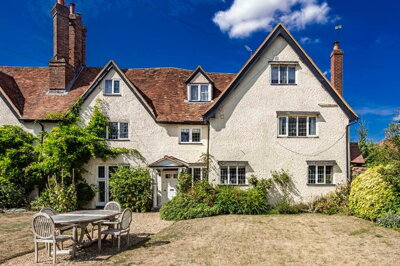
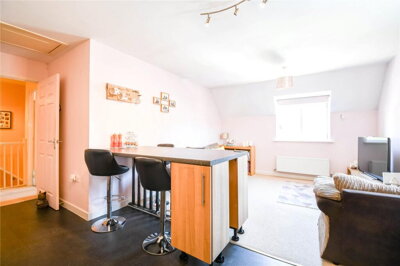
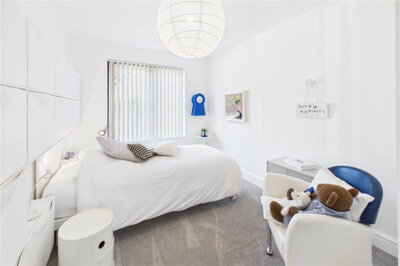
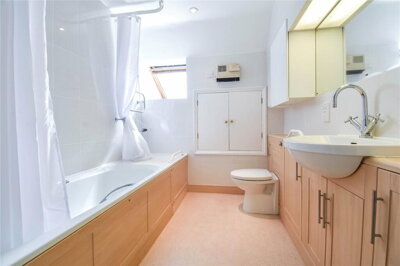
Browse 4 homes for sale in Compton from local estate agents.
Studio apartments feature open-plan living spaces without separate bedrooms, incorporating sleeping, living, kitchen, and bathroom facilities. The Compton studio market includes properties in modern apartment complexes, converted Victorian and Georgian buildings, and purpose-built developments.
The Wickhambrook property market reflects the broader appeal of Suffolk village life, with detached properties averaging £476,143 in the past year. Semi-detached homes typically sold for around £398,400, while terraced properties averaged £271,000 as of September 2023. The market saw a 34% increase in sold prices compared to the previous year, though values have softened by 12% from the 2023 peak of £501,497. This pattern suggests a market that experienced pandemic-era growth but is now stabilising at more sustainable levels, potentially offering opportunities for buyers who missed the earlier buying surge.
New build activity continues to shape the village, with Denbury Homes proposing 43 dwellings on Bunters Road, including two, three, four, and five-bedroom homes with 17 affordable properties. The planning application (reference DC/25/1736/HYB) is currently before West Suffolk Council, with a decision expected by 19th February 2026. Outline permission is also being sought for two commercial units as part of this development, which would bring additional local services to the village. The Meadows development, completed in early 2022 by Logan Homes, delivered 17 private sale dwellings alongside six affordable homes in partnership with The Havebury Housing Partnership. Properties at The Meadows in postcode CB8 8GW have achieved average sold prices of £385,000 in recent months, demonstrating strong demand for modern homes in the village.
The village's architectural heritage significantly influences property values, with historic timber-framed properties commanding premiums over newer construction. Properties near the conservation area centred on All Saints Church benefit from their proximity to the village's original Saxon settlement, where easily-worked silty gravel soils once supported early agriculture. The contrast between these historic cores and newer developments such as The Meadows illustrates the evolution of Wickhambrook's built environment over centuries. Most properties sold in recent months were detached homes, reflecting buyer preference for space and privacy characteristic of rural Suffolk living.

Life in Wickhambrook centres on community spirit and traditional English village values, with a population that has grown steadily by 11% over the past two decades. The demographic profile shows an aging community, with residents aged 65 and over increasing by 60% in 20 years and now comprising almost one-third of the population. This trend reflects the appeal of rural Suffolk for retirees seeking tranquility and high-quality living, while also indicating strong demand for properties suitable for older buyers, including single-storey homes and bungalows. The village maintains essential services including a post office and shop, a garage, Wickhambrook Surgery, and The Greyhound pub, ensuring daily needs are met without requiring lengthy journeys.
The village spans 4,348 acres of diverse landscape, from easily-worked silty gravel soils near the original Saxon settlement around All Saints Church to heavier forested lands in other areas. The conservation area centred on All Saints Church preserves the architectural character of the original village, with timber-framed and rendered buildings reflecting centuries of local building tradition. Notable historic properties include Old High Hall in Boyden End, a Grade II listed late C15 or early C16 timber-framed building with thatch roof, and Clopton Hall, a C16 manor house with tiled roof and distinctive red brick chimney stacks. These properties represent the finest examples of local building craftsman ship that still defines Wickhambrook's visual character today.
Wickhambrook Parish Council actively manages community services and events, including an annual Farmers Market that brings residents together and supports local producers. The presence of 60 listed buildings throughout the village, from Grade I manor houses such as Gifford's Hall to modest Grade II farm cottages like Street Farmhouse in Wickham Street, creates a built environment rich in historical character. Badmondisfield Hall, a Grade II* listed property, represents another significant heritage asset. The village's proximity to Bury St Edmunds provides access to broader retail, healthcare, and cultural amenities while maintaining the peaceful character that residents value.

Families considering a move to Wickhambrook will find educational facilities serving the village and surrounding countryside, though the rural setting means schools are spread across wider catchment areas than in urban locations. Primary education is available through schools in nearby villages, with secondary schools located in market towns such as Haverhill and Bury St Edmunds. The presence of several large farmhouses dating from the early 1500s in the parish suggests that Wickhambrook has long supported agricultural communities who required local schooling for their children, and this tradition of education continues today through modern primary schools serving the catchment area. Parents should verify current catchment boundaries with Suffolk County Council, as these can change and may affect school placement decisions.
For families requiring childcare or early years education, facilities within the village and neighbouring communities provide essential services. The village's location means that school transport arrangements are often necessary for families living further from school gates, and budgeting for fuel or transport costs forms part of the overall cost of living in rural Suffolk. Secondary education options in Bury St Edmunds include comprehensive schools with strong academic records and sixth form colleges offering a wide range of A-level subjects, while Haverhill provides additional local options for families preferring shorter journeys.
Independent schools in the wider West Suffolk area provide additional choices for families seeking alternative educational approaches. Schools in Newmarket, Cambridge, and the surrounding region offer independent education options for those willing to travel, including preparatory schools feeding into prestigious secondary schools. The proximity to Cambridge, reachable within 45 minutes by car under normal traffic conditions, extends educational options to include some of the region's most sought-after schools. Families should factor school travel times and transport arrangements into their decision-making when considering properties at different locations within the village.
Transport connectivity from Wickhambrook reflects its rural character, with the village positioned away from major rail hubs but accessible via local road networks. The A143 runs through nearby communities, providing connections to Haverhill and Bury St Edmunds for shopping, healthcare, and employment. Residents typically rely on private vehicles for daily commuting, with the nearest railway stations located in towns offering services to Cambridge, Ipswich, and London Liverpool Street. Bus services operate on limited schedules, making car ownership essential for most residents who need to access employment, education, or services beyond the village.
For commuters working in Cambridge or London, the journey involves traveling to larger stations in surrounding towns, with journey times varying based on destination and connection availability. Cambridge station provides access to the Cambridge to London King's Cross route, while Bury St Edmunds offers direct services to London Liverpool Street. The strategic location between Cambridge, Bury St Edmunds, and Colchester offers flexibility for employment, though distances require planning and an appreciation that rural living involves trade-offs in commute times. Many residents find that remote working opportunities have made Wickhambrook more viable as a residential location, reducing the importance of daily commuting.
Cycling infrastructure varies throughout the area, with country lanes providing scenic but sometimes challenging routes for leisure and occasional commuting. The village's position within 4,348 acres of mixed agricultural and forested landscape offers extensive rural cycling opportunities, though hilly sections on heavier soils require appropriate fitness levels. Major trunk roads provide access to the wider region, with Newmarket approximately 11 miles away offering racing industry employment and amenities, while Cambridge is reachable within 45 minutes by car under normal traffic conditions. The planning application at Bunters Road includes proposals for commercial units that could eventually reduce the need for some local journeys.
Explore Wickhambrook's property listings and understand local prices. The average property costs £443,750, with detached homes averaging £476,143. Consider proximity to the conservation area around All Saints Church and the 60 listed buildings when evaluating locations within the village. The difference between timber-framed period properties and modern homes at The Meadows (CB8 8GW) represents fundamentally different purchasing considerations, from maintenance expectations to planning constraints.
Contact local estate agents to arrange property viewings. Obtain a mortgage agreement in principle before viewing homes to demonstrate your position to sellers in what remains a competitive village market. With 12 dwellings sold in recent months, transaction volumes are reasonable, though the aging demographic profile means some properties come to market with older owners seeking to downsize. The market has softened 12% from its 2023 peak, potentially creating negotiating opportunities for buyers who move quickly.
Commission a RICS Level 2 Survey for properties in reasonable condition, or a Level 3 Building Survey for older or listed properties. With 60 listed buildings and many historic timber-framed properties in Wickhambrook, professional surveys identify issues such as damp, structural movement, timber decay, or period-specific defects common to properties built using traditional methods. The village's varied geology, from silty gravel soils near the original settlement to heavier forested lands elsewhere, can affect ground conditions in some areas.
Appoint a conveyancing solicitor to handle the legal aspects of your purchase. They will conduct searches with West Suffolk Council, check title deeds, and manage the conveyancing process through to completion. Given the number of listed buildings in the village, your solicitor should investigate any historic covenants or restrictions that may affect the property. Planning searches should verify compliance with past approvals on period properties.
Once searches are satisfactory and mortgage offers are finalised, your solicitor will exchange contracts and agree a completion date. On completion day, the remaining balance transfers and you receive the keys to your new Wickhambrook home. Consider arranging buildings insurance from exchange date to protect your interests on historic or listed properties where maintenance obligations may be significant.
Buyers considering properties in Wickhambrook should pay particular attention to construction materials and property age, as many homes are timber-framed period properties built using traditional methods. Properties near the conservation area around All Saints Church may face planning restrictions affecting alterations and extensions, so prospective buyers should verify permitted development rights with West Suffolk Council planning department. The presence of 60 listed buildings throughout the village means that owning a listed property carries obligations regarding maintenance and alterations that must preserve architectural significance. Grade I and Grade II* properties such as Gifford's Hall, Church of All Saints, Badmondisfield Hall, and Clopton Hall represent the highest heritage designations.
The village's geology varies from silty gravel near the original Saxon settlement to heavier forested soils elsewhere, which can affect ground conditions and drainage in some areas. No specific flood risk areas were identified in Wickhambrook, providing reassurance for buyers concerned about flooding. Properties built on heavier forested soils may have different drainage characteristics than those on the original settlement's more freely-draining silty gravels, so understanding the local topography helps inform purchase decisions. A thorough survey addresses these ground condition concerns, particularly for properties in lower-lying areas.
New developments such as The Meadows offer modern construction, warranties, and energy-efficient homes, while period properties provide character but may require more maintenance investment. The 2021 Census recorded 559 dwellings in the parish, with a housing stock skewed toward larger properties with four or more bedrooms. Service charges and leasehold arrangements apply to some properties, particularly newer developments, so understanding these ongoing costs is essential for budgeting accurately. Many period properties are freehold, which appeals to buyers seeking to avoid ground rent and service charge complications. Buyers should also investigate whether any planning applications, such as the Denbury Homes proposal for 43 dwellings on Bunters Road, might affect their chosen location.
The average house price in Wickhambrook is £443,750 based on recent sales data. Detached properties average £476,143, semi-detached homes around £398,400, and terraced properties approximately £271,000. Prices rose 34% compared to the previous year but have softened by 12% from the 2023 peak of £501,497, suggesting a stabilising market offering reasonable entry points for buyers. Properties at The Meadows development in postcode CB8 8GW have achieved average sold prices of £385,000, providing a benchmark for modern homes in the village.
Properties in Wickhambrook fall under West Suffolk Council's council tax system. Specific band distributions for the village are set by the Valuation Office Agency, with bands ranging from A through H based on property values. The mix of period properties including timber-framed cottages and historic farmhouses alongside newer developments like The Meadows means that council tax bands in the village vary considerably. Buyers should check the council tax band for any specific property through the gov.uk website or request this information during the conveyancing process.
Wickhambrook is served by primary schools in the surrounding villages and catchment areas, with secondary education available in nearby towns such as Haverhill and Bury St Edmunds. Parents should verify current catchment boundaries with Suffolk County Council as these can change and may affect school placement decisions for families moving to the village. The proximity to Bury St Edmunds provides access to excellent secondary schools and sixth form colleges, making the area suitable for families with children of all ages. Independent schooling options in Cambridge and the wider region are accessible for families willing to travel.
Wickhambrook is a rural village with limited public transport options, primarily bus services operating on reduced schedules that make car ownership essential for most residents. The nearest railway stations are located in surrounding towns offering services to Cambridge, Ipswich, and London Liverpool Street, with Bury St Edmunds providing the most frequent connections to the capital. The village's position between Cambridge and Bury St Edmunds, with Newmarket 11 miles to the northeast, provides flexibility for commuters who can access the rail network from these larger centres. Remote working has made Wickhambrook more viable as a residential location for those whose employers support hybrid arrangements.
Wickhambrook offers several investment considerations for buyers. The village has seen steady population growth of 11% over two decades and ongoing new development activity, including 43 proposed new homes at Bunters Road under planning application DC/25/1736/HYB. The demographic profile shows strong demand from retirees seeking rural Suffolk living, potentially supporting rental demand for appropriate properties. However, the rural location and limited employment opportunities within the village may limit capital growth compared to towns with stronger economic foundations. The village's heritage character and conservation area protections may limit development potential, which could support values of period properties.
Stamp duty rates for 2024-25 are 0% on the first £250,000 of property value, 5% on £250,001 to £925,000, 10% on £925,001 to £1.5 million, and 12% above £1.5 million. First-time buyers benefit from 0% on the first £425,000 and 5% between £425,001 and £625,000. Most Wickhambrook properties priced at the village average of £443,750 would attract stamp duty of £9,688 for standard buyers or £938 for first-time buyers after relief. This means a first-time buyer purchasing an average Wickhambrook home would save £8,750 compared to a standard buyer, funds that could support moving costs or property improvements.
Wickhambrook contains numerous timber-framed properties dating from the 15th and 16th centuries, including Grade II listed Old High Hall in Boyden End and Grade II* listed Clopton Hall. These properties feature traditional construction with rendered or plastered walls, thatched or tiled roofs, and red brick chimney stacks typical of high-status period buildings. Buyers considering timber-framed properties should commission thorough surveys to identify issues such as timber decay, beetle infestation, or movement in structural frames. Listed building obligations apply to many period properties, requiring planning permission for alterations that might affect character. The village's conservation area centred on All Saints Church adds further planning considerations for any works to properties in that locality.
From £400
A detailed inspection for properties in reasonable condition, ideal for Wickhambrook's mix of period and modern homes. Highlights defects like damp, subsidence, and structural movement.
From £600
A comprehensive building survey recommended for older, listed, or timber-framed properties. Essential for heritage properties in Wickhambrook's conservation area.
From £60
Energy Performance Certificate required for all property sales. Important for older period properties which may have lower ratings.
From £499
Legal services for your property purchase including West Suffolk Council searches and title checks on listed properties.
From 4.5%
Finance your Wickhambrook home with competitive rates available for rural properties.
Buying a property in Wickhambrook involves several costs beyond the purchase price, with stamp duty being a significant consideration for most buyers. For a typical Wickhambrook home priced at £443,750, standard buyers pay stamp duty of £9,688 after the £250,000 nil-rate threshold. First-time buyers benefit substantially, paying only £938 in stamp duty thanks to the higher £425,000 nil-rate threshold and reduced 5% rate on the portion between £425,001 and £625,000. These savings can be redirected toward moving costs or property improvements, making a meaningful difference to the overall moving budget for first-time purchasers.
Additional buying costs include solicitor fees typically ranging from £500 to £2,000 depending on complexity, mortgage arrangement fees of 0% to 1.5% of the loan amount, and valuation fees from £150 to £1,500 based on property value. A RICS Level 2 Survey costs between £400 and £1,000, with the higher end appropriate for more valuable properties or older homes where detailed inspection provides valuable insights. Given that many Wickhambrook properties are period homes dating from the 15th and 16th centuries, a thorough survey is particularly valuable for identifying issues such as timber decay, thatch condition, or structural movement that may not be apparent during viewings.
Budgeting 3% to 5% of the property price for these additional costs ensures buyers are financially prepared for the full commitment of purchasing their Wickhambrook home. For an average-priced property at £443,750, this suggests additional costs of approximately £13,300 to £22,200 on top of the purchase price and stamp duty. Buyers of listed properties should budget for specialist surveys and potentially higher maintenance costs, while those purchasing new builds like those at The Meadows should factor in any service charges or estate management fees that may apply to the development.
Properties for Sale In London

Properties for Sale In Plymouth

Properties for Sale In Liverpool

Properties for Sale In Glasgow

Properties for Sale In Sheffield

Properties for Sale In Edinburgh

Properties for Sale In Coventry

Properties for Sale In Bradford

Properties for Sale In Manchester

Properties for Sale In Birmingham

Properties for Sale In Bristol

Properties for Sale In Oxford

Properties for Sale In Leicester

Properties for Sale In Newcastle

Properties for Sale In Leeds

Properties for Sale In Southampton

Properties for Sale In Cardiff

Properties for Sale In Nottingham

Properties for Sale In Norwich

Properties for Sale In Brighton

Properties for Sale In Derby

Properties for Sale In Portsmouth

Properties for Sale In Northampton

Properties for Sale In Milton Keynes

Properties for Sale In Bournemouth

Properties for Sale In Bolton

Properties for Sale In Swansea

Properties for Sale In Swindon

Properties for Sale In Peterborough

Properties for Sale In Wolverhampton

Enter your details to see if this property is within your budget.
Loans, cards, car finance
Estimated property budget
Borrowing + deposit
You could borrow between
Typical borrowing
Monthly repayment
Est. at 4.5%
Loan-to-value
This is an estimate only. Your actual budget may vary depending on interest rates, credit history, and personal circumstances. For an accurate affordability assessment, speak to one of our free mortgage advisors.
This calculator provides estimates for illustrative purposes only and does not constitute financial advice. Your home may be repossessed if you do not keep up repayments on your mortgage. Estimates based on 4.5% interest rate, repayment mortgage. Actual rates depend on your circumstances.
Homemove is a trading name of HM Haus Group Ltd (Company No. 13873779, registered in England & Wales). Homemove Mortgages Ltd (Company No. 15947693) is an Appointed Representative of TMG Direct Limited, trading as TMG Mortgage Network, which is authorised and regulated by the Financial Conduct Authority (FRN 786245). Homemove Mortgages Ltd is entered on the FCA Register as an Appointed Representative (FRN 1022429). You can check registrations at NewRegister or by calling 0800 111 6768.

We use cookies to show you personalised content and improve your experience of our website. Find out more in our Privacy policy and Cookie policy.