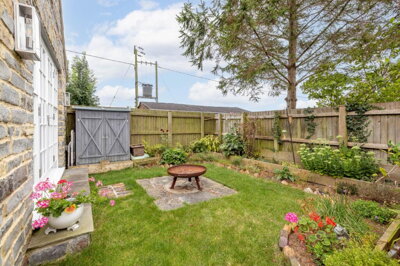
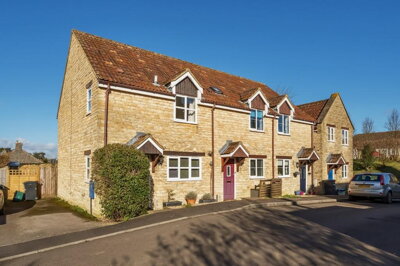
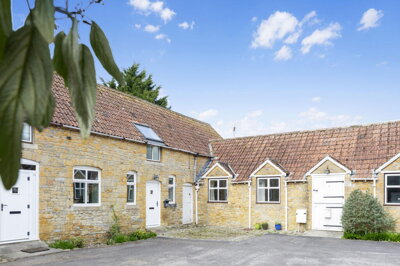
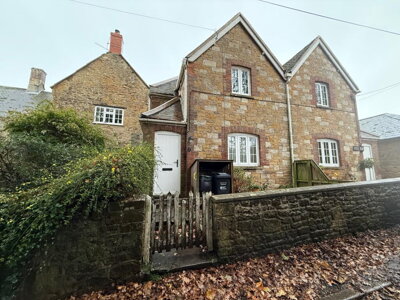
Browse 4 homes for sale in Compton Pauncefoot from local estate agents.
The 2 bed house market features detached, semi-detached, and terraced properties with two separate bedrooms plus living spaces. Properties in Compton Pauncefoot range from Victorian and Edwardian period homes to modern new builds, with pricing varying across different neighbourhoods.
The Compton Pauncefoot property market is notably exclusive, with Land Registry data recording around one sale per quarter across this small village community. Our data shows the overall average sold price stands at £750,000, though this figure reflects the premium nature of properties changing hands rather than entry-level pricing. Detached family homes dominate the market, commanding median prices of £750,000 in 2025, representing a 4.2% increase from the previous year and demonstrating sustained demand for this calibre of rural Somerset property.
Property values in Compton Pauncefoot have shown remarkable resilience despite broader market fluctuations, with semi-detached homes reaching £810,000 in 2024 according to recorded sales data. Recent transactions include Chaff Barn on Compton Road, sold for £810,000 in October 2024, and The Wagon House, which achieved £720,000 in January 2024. The village's status as a Conservation Area with strict planning controls helps maintain property values by preserving the hamlet's distinctive character and preventing inappropriate development.
New build opportunities remain extremely limited but highly desirable, with Hopkins Estates presenting two upcoming projects in the village. The Nursery Site on New Road will deliver two contemporary detached homes of approximately 3,900 square feet with five bedrooms each, while the Higher Farm development features an exceptional Dutch-style barn conversion named Samaras, offering 4,000 square feet of accommodation. These bespoke properties attract buyers willing to pay premiums for modern construction methods within this coveted village setting. Both developments are explicitly located within the BA22 7 postcode area of Compton Pauncefoot.

Life in Compton Pauncefoot centres on the timeless rhythms of rural Somerset, where the population of just 130 residents maintains a close-knit community atmosphere. The village traces its origins to the Domesday Book of 1086, when 24 households were recorded in the parish. Today, the scattered settlement encompasses the main village of 35 homes alongside the neighbouring hamlet of Blackford, creating a combined community of approximately 70 properties spread across the picturesque valley. The parish church of St Mary, dating from the 15th century and constructed of local hamstone, stands as the spiritual heart of the community.
The village character reflects centuries of architectural heritage, with The Manor House containing elements dating back to the 15th century alongside its mainly 18th-century structure. The Crescent, built around 1815, exemplifies the Georgian influence on local development, while Compton Castle, The Old Rectory and The Manor House all hold Grade II listed status, with Compton Castle and St Marys Church additionally holding Grade II* designation. This concentration of historic buildings ensures the village maintains its essential character and makes Compton Pauncefoot particularly appealing to buyers who appreciate architectural heritage and traditional building methods.
Despite its modest size, Compton Pauncefoot offers practical access to comprehensive amenities within a 10-mile radius, with Yeovil providing supermarkets, healthcare facilities, and retail therapy just a short drive away. The surrounding Somerset countryside offers extensive walking opportunities, with public footpaths crossing farmland and woodland throughout the parish. Local pubs in neighbouring villages provide traditional hospitality, while seasonal events and village gatherings maintain community spirit throughout the year.

Families considering a move to Compton Pauncefoot will find educational provision concentrated in the surrounding market towns, with Yeovil offering the closest primary and secondary schools. Within easy commuting distance, pupils can access a range of educational establishments from village primary schools through to secondary schools with sixth-form provision. The rural setting means school transport arrangements are an important consideration for families, with several schools operating bus services from outlying villages including Compton Pauncefoot.
South Somerset benefits from several well-regarded secondary schools, including schools in Yeovil, Crewkerne and Martock, providing comprehensive secondary education with strong academic records and extensive extracurricular programmes. For families seeking independent education, the area offers several preparatory and senior schools within reasonable driving distance, with historic institutions in Sherborne and Taunton serving the wider Somerset region. The Sherborne Schools, comprising Sherborne School for boys and Sherborne School for Girls, are particularly noted for their academic excellence and long-standing reputations in the region.
Early years education is available through a network of village nurseries and preschool groups operating across South Somerset, with several settings within a few miles of Compton Pauncefoot. Many families combine village primary provision with private tutoring or home education for certain subjects, particularly as children approach secondary school age. Prospective buyers should research specific school catchment areas and admission policies, as these can significantly impact property values and family logistics in this sought-after rural location.
Compton Pauncefoot enjoys excellent strategic positioning for commuters, with the A303 trunk road providing a direct route to London and the South West peninsula. The village sits at a convenient distance from the A303, offering straightforward access to this major transport corridor without the noise and visual impact of through-traffic. Journey times to London are achievable in approximately two hours by car, making regular commuting feasible for those working in the capital or along the M3 corridor.
Rail connections from nearby Yeovil provide access to the wider national rail network, with services connecting to Bristol, Exeter and London Waterloo. The mainline station at Yeovil Pen Mill offers regular services to key destinations, while the services from Castle Cary provide additional options for London commuters. Castle Cary station, located approximately 12 miles from Compton Pauncefoot, provides direct services to London Paddington, making it a valuable option for regular commuters seeking faster rail journeys.
Local bus services operate in the surrounding area, connecting Compton Pauncefoot with market towns and larger villages where additional amenities are available. However, private vehicle ownership remains practical necessity for most residents given the village's rural setting. The extensive footpath network provides excellent opportunities for walking and cycling within the parish, while the flat Somerset countryside accommodates cycling for both leisure and practical transport purposes.
130 residents
Population
35 homes in village
Properties
£750,000
Average Sold Price
100% detached homes
Property Type
Bands D-H (South Somerset)
Council Tax
Explore property listings and recent sales data for Compton Pauncefoot to understand current pricing and availability. With limited stock and premium valuations, patience is often required to find the right property in this sought-after village. Monitor new listings closely, as properties in Conservation Areas like Compton Pauncefoot attract significant interest and sell quickly when correctly priced.
Contact a mortgage broker to obtain an agreement in principle before viewing properties. Given the higher property values in this area, with most detached homes exceeding £750,000, a strong financial position strengthens your offer when competing for limited properties. Specialist rural mortgage advisors can help of financing properties in small rural communities.
Schedule viewings of suitable properties through Homemove, taking time to assess the condition of older buildings and considering the implications of the Conservation Area status on any potential purchases. Pay particular attention to the hamstone construction common to period properties and note any signs of maintenance requirements typical of historic buildings.
Book a RICS Level 2 Home Survey before completing your purchase. Given the prevalence of period properties built between 1800 and 1911, with many containing elements dating to the 15th century, a thorough survey is essential to identify any structural issues or needed renovations. For properties above £500,000, survey costs typically range from £400 to £800, with listed buildings potentially adding £150-£400 to this figure.
Appoint a local conveyancing solicitor experienced in Somerset property transactions to handle the legal aspects of your purchase, including searches related to flood risk and conservation area requirements. Our conveyancing partners understand the specific considerations of buying in designated Conservation Areas with listed building concentrations.
Finalise your purchase by completing all legal requirements, paying stamp duty, and arranging your move into your new Compton Pauncefoot home. At the average price of £750,000, budget approximately £25,000 for stamp duty at current rates.
Properties in Compton Pauncefoot require careful inspection given the prevalence of historic buildings and the village's Conservation Area status. The dominant housing stock dates from the 1800-1911 period, with many structures containing original features that require ongoing maintenance. Prospective buyers should pay particular attention to roof conditions, damp penetration in stone walls, and the integrity of traditional construction methods. Hamstone, the local golden-yellow limestone used extensively in buildings including St Marys Church, requires specific maintenance approaches that differ from brick or concrete structures.
Flood risk represents a genuine consideration for some properties in Compton Pauncefoot, with the stream flowing through the village classified as a Main River and experiencing increased flooding due to severe weather events and heavy rainfall. The Somerset Rivers Authority has identified the East Cam Valley area for investigation, and the parish of Blackford and Compton Pauncefoot has been included in flood risk management programmes. Buyers should review the extent to which specific properties may be affected by fluvial flooding from rising river levels or pluvial flooding from surface water runoff. Properties in lower-lying positions near the stream require particular scrutiny during surveys.
Planning restrictions within the Conservation Area add complexity to any future alterations or extensions. The Grade II and Grade II* listed status of several properties imposes additional consent requirements beyond standard planning permission. Buildings at The Manor House, Compton Castle, The Old Rectory, and The Crescent all carry listed status, with Compton Castle additionally holding Grade II* designation. Buyers should investigate the specific listing details for any listed property and budget accordingly for specialist surveys and conservation-grade materials that may be required for renovation works.
The distinctive character of Compton Pauncefoot stems largely from its traditional building materials, with hamstone serving as the defining architectural feature of this Somerset village. Hamstone, a warm golden-yellow limestone quarried locally from the Mendip hills, has been used for centuries in the construction of cottages, manor houses and ecclesiastical buildings throughout South Somerset. Properties constructed from hamstone require specialist maintenance knowledge, as the permeable nature of the stone makes it susceptible to weathering and moisture penetration if not properly maintained.
The dominant property construction period between 1800 and 1911 produced buildings using traditional methods including solid wall construction, lime mortar pointing, and traditional timber-framed roof structures with slate or clay tile coverings. Many properties retain original sash windows, some with single glazing, and period features such as exposed beam ceilings and open fireplaces that contribute to the village's character. These features require ongoing maintenance and may present challenges for energy efficiency improvements that buyers should factor into their renovation budgets.
Properties predating 1919 may exhibit defects common to traditional construction, including rising damp where original damp-proof courses have failed or were never installed, timber decay in floor joists and roof structures, and cracking in solid walls due to thermal movement or minor settlement over many decades. A thorough RICS Level 2 Home Survey will identify these issues and allow buyers to budget appropriately for necessary repairs. For properties with non-standard construction or unusual features, a more detailed RICS Level 3 survey may be recommended by your surveyor.
Compton Pauncefoot offers a compelling combination of rural charm, architectural heritage and strategic connectivity that makes it distinctive within the Somerset property market. The village's small population of just 130 residents creates an intimate community atmosphere rarely found larger towns and suburbs, while the proximity to the A303 ensures that the amenities of Yeovil and beyond remain easily accessible. For buyers seeking a primary residence or weekend retreat in South Somerset, the village represents an increasingly rare opportunity to purchase within a designated Conservation Area with such a strong concentration of historic architecture.
The property market in Compton Pauncefoot has demonstrated remarkable stability despite national economic uncertainties. With an average sold price of £750,000 and a consistent pattern of limited supply meeting steady demand, values have remained robust compared to larger towns where market fluctuations can be more pronounced. The Conservation Area designation effectively limits new development, ensuring that property supply remains constrained and supporting long-term value retention for existing homeowners.
For buyers relocating from urban areas, Compton Pauncefoot provides an introduction to rural Somerset living without the complete isolation that some more remote villages present. The nearby market towns of Yeovil and Castle Cary offer comprehensive retail, healthcare and educational facilities, while the proximity to the A303 connects residents to the national motorway network and London. Bristol Airport, located approximately 40 miles north, provides international travel options for frequent flyers. This balance of countryside tranquility with practical connectivity makes Compton Pauncefoot particularly appealing to downsizers, families seeking more space, and professionals working flexibly.
The average sold price in Compton Pauncefoot stands at £750,000 according to recent Land Registry data, with detached homes commanding median prices of £750,000 in 2025. Semi-detached properties have achieved £810,000 in recent sales, while terraced properties historically traded at lower price points around £177,500. The exclusive nature of this rural village market means limited comparable sales data, and buyers should expect premium valuations reflecting the village's sought-after location within South Somerset and its Conservation Area status.
Properties in Compton Pauncefoot fall under South Somerset District Council, with most homes likely to be in council tax bands D through H given their substantial size and rural location. Band D properties currently pay around £1,800 annually to South Somerset District Council, while larger period homes, manor houses and farmhouses may attract higher bandings in bands E through H. Prospective buyers should verify the specific banding with the local council before committing to a purchase, as bands can be contested if characteristics have changed.
The closest primary schools to Compton Pauncefoot are located in nearby villages and Yeovil, with several Good and Outstanding Ofsted-rated schools within a 10-mile radius including establishments in Yeovil and the surrounding market towns. Secondary education is available at secondary schools in Yeovil, with strong academic records at several institutions. For families seeking private education, the historic Sherborne Schools in the nearby town of Sherborne serve the wider Somerset region with both preparatory and senior school options. School catchment areas should be verified with Somerset County Council before purchasing.
Public transport options are limited given the village's rural setting, with private vehicle ownership being practical necessity for most residents. The nearest railway stations are Yeovil Pen Mill and Castle Cary, with Castle Cary offering direct services to London Paddington. The A303 provides excellent road connections to London and the South West, with journey times to the capital achievable in approximately two hours by car. Local bus services connect to market towns but operate on reduced frequencies typical of rural Somerset routes.
Compton Pauncefoot offers strong appeal for buyers seeking a peaceful rural lifestyle with excellent connectivity, and property values have demonstrated resilience despite broader market conditions. The village's Conservation Area status and limited development potential help maintain property values, while the exclusive nature of the market means demand consistently outstrips supply. The Somerset Rivers Authority has been working on flood risk management in the area, which should further protect property values long-term. Properties requiring renovation may offer value opportunities for investors willing to undertake works, particularly given the area's appeal to buyers seeking character homes in South Somerset.
Stamp duty rates for 2024-25 apply at 0% on the first £250,000 of property value, 5% between £250,001 and £925,000, and 10% up to £1.5 million, with 12% above that threshold. First-time buyer relief raises the nil-rate threshold to £425,000 with 5% applying between £425,001 and £625,000. Given the average property price of £750,000, a typical buyer would expect to pay approximately £25,000 in stamp duty, calculated as 5% on the portion between £250,001 and £750,000. Additional property purchases incur a 3% surcharge on all bands.
Purchasing a property in Compton Pauncefoot involves several costs beyond the purchase price, with stamp duty land tax representing the largest additional expense. At current 2024-25 rates, buyers purchasing at the village average price of £750,000 would pay approximately £25,000 in stamp duty, calculated at 5% on the portion between £250,001 and £925,000. First-time buyers may benefit from enhanced nil-rate thresholds up to £425,000, reducing their stamp duty liability accordingly. International buyers and additional property owners should note the 3% surcharge that applies on top of standard rates.
Professional fees typically include mortgage arrangement costs ranging from free to £2,000 depending on lender and product, survey fees of £400-£800 for a standard RICS Level 2 Home Survey on properties of this value, and conveyancing costs typically ranging from £500-£1,500 for a straightforward transaction. For period properties in Compton Pauncefoot built before 1919, expect a 20-40% increase in survey costs due to the additional expertise required. Listed buildings may add a further £150-£400 to survey fees. Given the prevalence of older properties and Conservation Area considerations in Compton Pauncefoot, additional searches may be required, including flood risk assessments and conservation area enquiries that add modest costs to the legal process.
Moving costs for rural Somerset locations include removal expenses, potential temporary storage if the move requires coordination with property chain timing, and connection charges for utilities at your new address. Buildings insurance must be in place from the point of completion, and life or mortgage protection insurance provides prudent financial planning for buyers taking on significant lending. Setting aside 10-15% of the purchase price for these associated costs ensures a smooth transaction without financial surprises during the purchasing process.
From £350
Professional home survey for period properties
From £500
Detailed structural survey for older properties
From £80
Energy performance certificate
From £499
Legal services for your purchase
Properties for Sale In London

Properties for Sale In Plymouth

Properties for Sale In Liverpool

Properties for Sale In Glasgow

Properties for Sale In Sheffield

Properties for Sale In Edinburgh

Properties for Sale In Coventry

Properties for Sale In Bradford

Properties for Sale In Manchester

Properties for Sale In Birmingham

Properties for Sale In Bristol

Properties for Sale In Oxford

Properties for Sale In Leicester

Properties for Sale In Newcastle

Properties for Sale In Leeds

Properties for Sale In Southampton

Properties for Sale In Cardiff

Properties for Sale In Nottingham

Properties for Sale In Norwich

Properties for Sale In Brighton

Properties for Sale In Derby

Properties for Sale In Portsmouth

Properties for Sale In Northampton

Properties for Sale In Milton Keynes

Properties for Sale In Bournemouth

Properties for Sale In Bolton

Properties for Sale In Swansea

Properties for Sale In Swindon

Properties for Sale In Peterborough

Properties for Sale In Wolverhampton

Enter your details to see if this property is within your budget.
Loans, cards, car finance
Estimated property budget
Borrowing + deposit
You could borrow between
Typical borrowing
Monthly repayment
Est. at 4.5%
Loan-to-value
This is an estimate only. Your actual budget may vary depending on interest rates, credit history, and personal circumstances. For an accurate affordability assessment, speak to one of our free mortgage advisors.
This calculator provides estimates for illustrative purposes only and does not constitute financial advice. Your home may be repossessed if you do not keep up repayments on your mortgage. Estimates based on 4.5% interest rate, repayment mortgage. Actual rates depend on your circumstances.
Homemove is a trading name of HM Haus Group Ltd (Company No. 13873779, registered in England & Wales). Homemove Mortgages Ltd (Company No. 15947693) is an Appointed Representative of TMG Direct Limited, trading as TMG Mortgage Network, which is authorised and regulated by the Financial Conduct Authority (FRN 786245). Homemove Mortgages Ltd is entered on the FCA Register as an Appointed Representative (FRN 1022429). You can check registrations at NewRegister or by calling 0800 111 6768.

We use cookies to show you personalised content and improve your experience of our website. Find out more in our Privacy policy and Cookie policy.