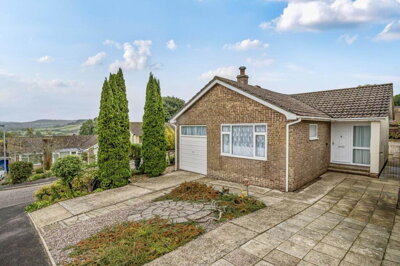
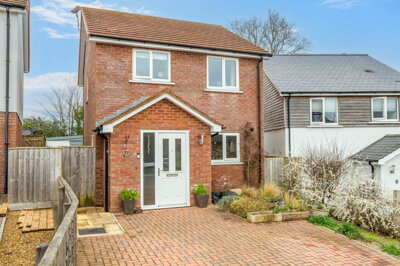
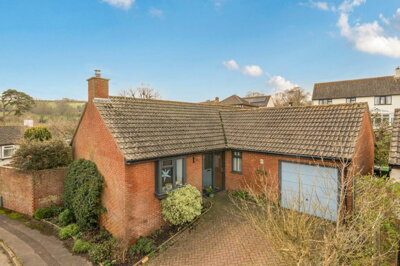
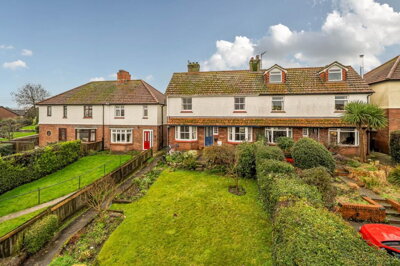
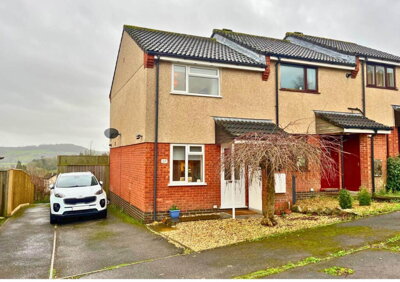
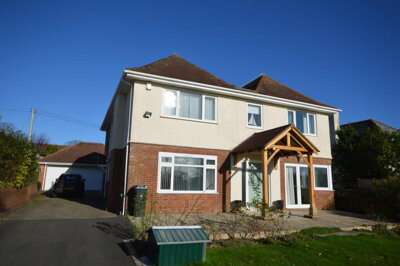
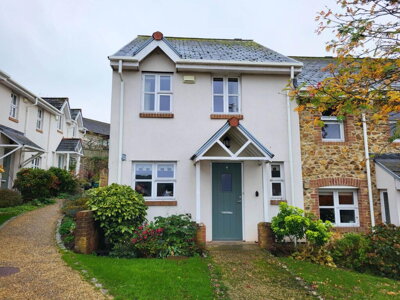
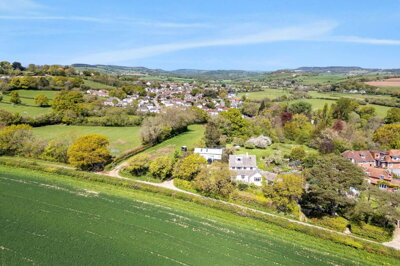
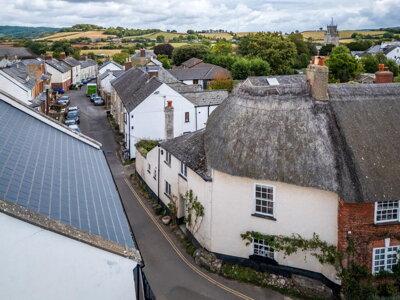
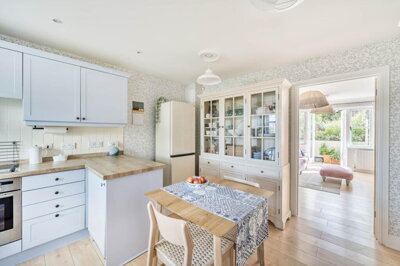
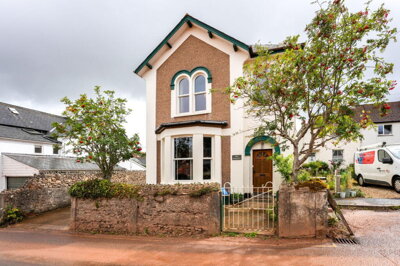
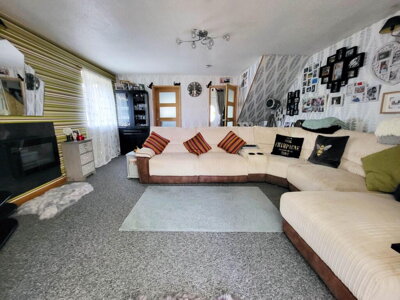
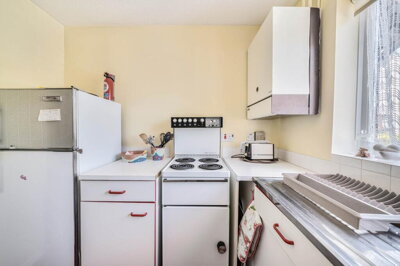
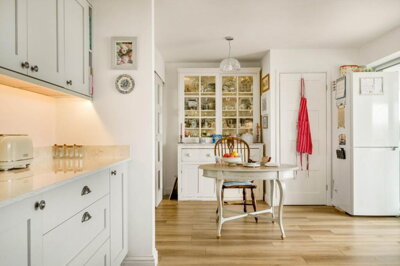
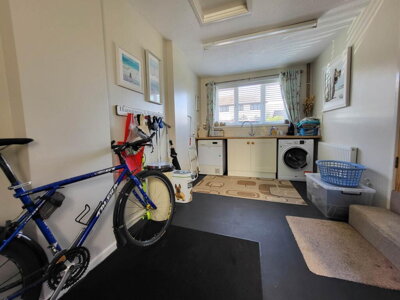
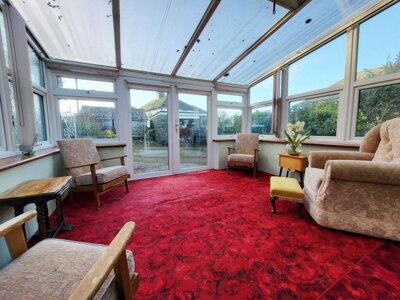
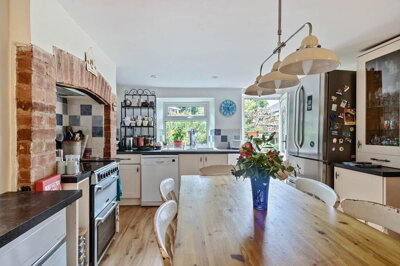
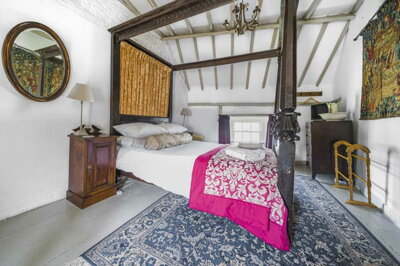
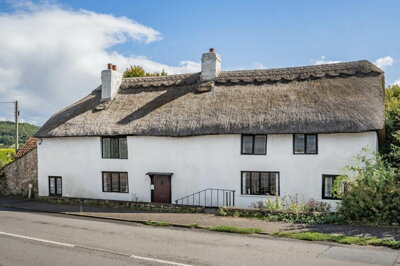
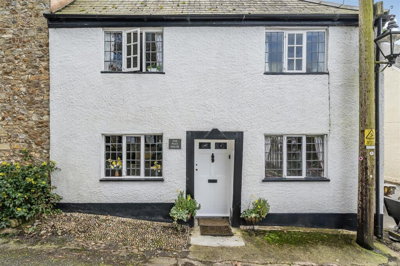
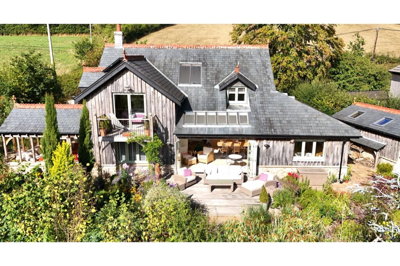
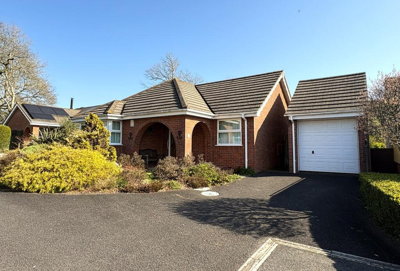
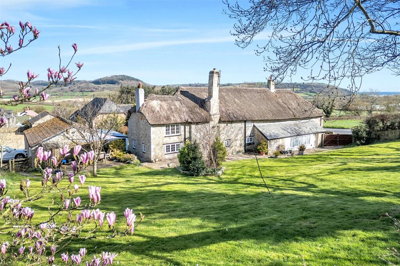
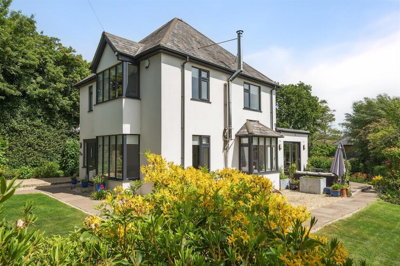
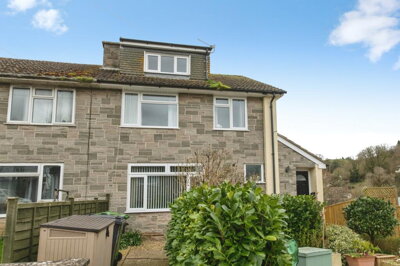
Browse 84 homes for sale in Colyton, East Devon from local estate agents.
£392k
22
1
171
Source: home.co.uk
Source: home.co.uk
Detached
12 listings
Avg £732,075
End of Terrace
2 listings
Avg £285,000
House
2 listings
Avg £724,000
Semi-Detached
2 listings
Avg £390,000
Terraced
2 listings
Avg £317,475
Detached Bungalow
1 listings
Avg £375,000
Detached bungalow
1 listings
Avg £275,000
Source: home.co.uk
Source: home.co.uk
The Cathays property market has shown remarkable resilience despite broader national trends, with 128 property sales recorded in the area over the past twelve months. While prices have experienced a modest contraction of 1.03% annually, this represents a much smaller decline than many comparable urban areas have seen, suggesting sustained demand from buyers who recognise the area's long-term value. The market benefits from a consistent stream of buyers attracted to the combination of period architecture, central location, and strong rental yields driven by Cardiff University's student population.
Property types in Cathays reflect its Victorian and Edwardian heritage, with terraced houses comprising approximately 62% of the housing stock according to the 2021 Census. These properties typically feature the distinctive red brick facades and slate roofs that characterise Cardiff's historic residential areas. Semi-detached homes, though less common at just 1.2% of stock, offer larger accommodation and command prices around £310,000, while detached properties remain rare at 0.2% and can reach £390,000. Flats and maisonettes make up 36.3% of available properties, with purpose-built and converted options available from approximately £165,000, making them popular among first-time buyers and investors alike.
New build activity within the Cathays postcode area (CF24) remains limited, with most new developments concentrated in surrounding areas such as Cardiff Bay and Pontprennau. This scarcity of new stock has helped preserve the value of period properties, which continue to attract buyers seeking character, solid construction, and the distinctive aesthetic of historic Cardiff terraces. For buyers considering renovation projects, the area offers opportunities to add significant value through sympathetic improvements to properties that have retained their original features.

Cathays is home to 18,916 residents across 5,096 households according to the 2021 Census, creating a dense yet vibrant community that pulses with academic energy and urban convenience. The neighbourhood sits immediately north of Cardiff city centre, placing residents within easy walking distance of shops, restaurants, theatres, and cultural attractions. Cathays Park itself is a particular highlight, a formal civic space featuring the National Museum Wales, Cardiff Castle, and the elegant buildings of Cardiff University. The park's landscaped gardens and mature trees provide a tranquil escape from city life, while the surrounding architecture showcases some of the finest Victorian and Edwardian civic design in Wales.
The character of Cathays is defined by its Victorian and Edwardian development, with the majority of properties dating from before 1919. These period homes were built using traditional methods, typically featuring solid 9-inch brick walls, timber suspended floors, and pitched slate roofs. The red brick construction that dominates the area reflects Cardiff's maritime heritage and the availability of local building materials. Many properties have retained their original sash windows, fireplaces, and decorative plasterwork, though others have been updated with modern uPVC windows and contemporary fittings.
The local economy is heavily influenced by Cardiff University, one of Britain's leading higher education institutions located just moments from most Cathays properties. This creates significant demand for rental accommodation and houses in multiple occupation (HMOs), making the area particularly attractive to property investors. Healthcare also plays a vital role through proximity to the University Hospital of Wales at Heath Park, which employs thousands of medical professionals who often choose Cathays for its convenient commute. The public sector, retail, and service industries complete the economic picture, providing diverse employment opportunities for residents across all sectors.
Education provision in Cathays benefits enormously from the presence of Cardiff University, one of Britain's largest and most prestigious universities. However, for families with children, the area also offers access to a range of primary and secondary schools that serve the local community. Several primary schools within and adjacent to Cathays provide strong foundations for young learners, with many families choosing to settle in the area specifically for educational reasons. The proximity to university facilities also means access to excellent libraries, sports centres, and cultural events that enrich the educational experience for older children and teenagers.
At secondary level, Cathays residents have options including nearby comprehensives and the well-regarded Cardiff High School, which serves the local authority area. For those seeking grammar school education, Cardiff and the surrounding area offer several Welsh and English medium options, though admission is based on catchment areas and academic selection criteria. Parents should research specific catchment zones, as property boundaries can affect school placements significantly. The presence of numerous further education colleges in Cardiff, including the University of Wales Trinity Saint David and Cardiff and Vale College, provides clear progression pathways for students completing their secondary education.
Beyond formal education, Cathays offers,with parks, community centres, and sports facilities providing enrichment for children of all ages. The area's university connection means access to world-class cultural institutions including the National Museum Wales and Chapter Arts Centre, which regularly host family-friendly exhibitions and events. Music tuition, sports clubs, and arts activities are readily available through both school programs and community organisations, making Cathays an excellent base for families prioritising their children's development and enrichment.
Cathays enjoys exceptional transport connectivity that makes it one of Cardiff's most accessible residential areas. The area sits within easy walking distance of Cardiff Central Station, which provides direct rail services to major UK destinations including London Paddington (approximately 2 hours), Bristol Temple Meads (around 1 hour 20 minutes), and Birmingham New Street (roughly 3 hours). Regular services operated by Great Western Railway and Transport for Wales connect Cardiff to cities across South Wales including Newport, Pontypridd, and Bridgend, making Cathays an excellent base for commuters who work in different parts of the region.
Within Cardiff itself, bus services radiate from the city centre, providing frequent connections to all parts of the capital. Major bus routes serving Cathays include services to Cardiff Bay, the University Hospital of Wales, and the suburban areas of Pontprennau and Llanishen. The Cardiff Bus network is comprehensive and affordable, with single fares and day tickets making car-free living practical for many residents. Cycling infrastructure has improved significantly in recent years, with dedicated cycle lanes along key routes and connections to the wider Cardiff cycle network making cycling a viable option for commuters and recreational riders alike.
For drivers, Cathays benefits from proximity to major road arteries including the A48, which connects to the M4 motorway at junction 29. This provides straightforward access to the rest of the M4 corridor, linking Cardiff to Swansea to the west and Newport, Bristol, and London to the east. The area's central location means that most destinations within Cardiff are accessible within 15-20 minutes by car, though parking can be challenging in the busiest periods. Many Cathays properties benefit from on-street parking permits through the local authority scheme, though availability varies by specific street.
Before property hunting in Cathays, get mortgage agreement in principle from a lender to understand your true budget. With average prices around £233,485, factor in additional costs including Stamp Duty, solicitor fees, and survey costs when calculating your total budget.
Use Homemove to browse all 128 currently listed properties in Cathays, filtering by property type, price range, and number of bedrooms. The area offers terraced houses from around £250,000, flats from £165,000, and larger semi-detached properties reaching £310,000.
Contact estate agents to arrange viewings of properties that interest you. When viewing Victorian and Edwardian properties in Cathays, pay particular attention to roof condition, damp evidence, and the state of original features like sash windows and fireplaces.
Before committing to purchase, book a RICS Level 2 Survey to assess the property condition. For a typical 3-bedroom terraced house in Cathays, expect to pay between £450 and £700. This will identify any structural issues, damp problems, or needed repairs.
Choose a solicitor experienced in Cardiff property transactions to handle the legal work. They will conduct searches, check title deeds, and manage the complex process of transferring ownership. Budget from £499 for conveyancing services.
Once all searches are satisfactory and your mortgage is finalized, you will exchange contracts and pay your deposit. Completion typically follows within 2-4 weeks, when you will receive your keys and take ownership of your new Cathays home.
Properties in Cathays are predominantly Victorian and Edwardian constructions, which brings specific considerations that buyers should understand before purchasing. The underlying geology consists of Triassic Mercia Mudstone Group, a clay-rich formation that can experience shrink-swell movement when moisture levels change. This means foundations, particularly the shallow strip foundations typical of the era, can be affected by nearby trees and seasonal weather patterns. When viewing properties, look for signs of cracking to walls and door frames, which may indicate foundation movement that requires further investigation.
The solid wall construction common to Cathays terraces means these properties typically have poor thermal performance compared to modern homes. Many have solid brick walls without cavity insulation and may have single-glazed sash windows, leading to higher heating costs. However, this also presents opportunities for buyers planning renovations, as schemes like the Great British Insulation Scheme and ECO4 grants may help fund improvements to energy efficiency. A RICS Level 2 Survey will assess insulation levels and identify opportunities for making the property more comfortable and economical to run.
Cathays contains the designated Cathays Park Conservation Area, where properties and their settings enjoy special protection. Any alterations to properties in this area may require planning permission and Listed Building Consent from Cardiff Council. Buyers considering properties in the conservation area should research these restrictions carefully, as they can affect plans for extensions, window replacements, and external alterations. Listed buildings require particular care, with specialist surveys recommended to assess their condition and the likely costs of maintaining period features using appropriate traditional materials and methods.
The overall average house price in Cathays is £233,485, based on recent sales data. Terraced houses average around £250,000, semi-detached properties reach approximately £310,000, and flats start from £165,000. Detached properties are rare in the area and typically command prices around £390,000. Prices have shown a modest decline of 1.03% over the past twelve months, which is smaller than many comparable urban areas, suggesting continued demand from buyers who recognise the value of this central Cardiff location.
Properties in Cathays fall under Cardiff Council's jurisdiction, with most Victorian and Edwardian terraced houses typically in council tax bands A through D. The specific band depends on the property's assessed value, with band A properties attracting the lowest charges and band D properties at the higher end. Buyers should check the exact band with the Land Registry or during the conveyancing process, as this affects ongoing annual costs. Cardiff Council provides online search facilities for checking council tax bands using the property address.
Cathays offers strong educational provision at all levels, with Cardiff University providing world-class higher education on the doorstep. For younger children, several primary schools serve the immediate area, while secondary options include nearby comprehensatives that typically admit from defined catchment zones. Parents should verify current catchment boundaries and admission criteria with Cardiff Council, as these can change and directly affect school placement eligibility. The area's proximity to university facilities also provides access to libraries, museums, and cultural events that enrich the educational experience.
Cathays is exceptionally well-connected, sitting within walking distance of Cardiff Central Station where regular trains serve destinations including London Paddington, Bristol, and across South Wales. Bus services operated by Cardiff Bus and other providers provide frequent connections throughout the city, with major routes passing through or near the area. The nearby A48 and M4 junction 29 provide road connections for drivers, while improved cycling infrastructure makes cycling a practical option for commuting and leisure. This excellent connectivity is a major factor in the area's popularity with commuters and those who work across Cardiff.
Cathays offers several investment advantages that make it attractive to property investors. The strong student population driven by Cardiff University creates consistent demand for rental accommodation, including houses in multiple occupation (HMOs) that can generate attractive yields. The limited new build activity in the area means existing properties maintain their appeal, while the central location ensures continued demand from professionals and families. However, investors should be aware of the regulations governing HMO licensing in Cardiff, which require registration and compliance with specific standards for safety, facilities, and management.
Stamp Duty Land Tax (SDLT) in Wales applies to purchases above £225,000 at the following rates: nothing on the first £225,000, then 5% on the portion up to £1,050,000, and 10% on amounts above that. First-time buyers in Wales may qualify for relief on purchases up to £450,000, paying no SDLT on the first £225,000 and 5% on amounts between £225,000 and £450,000. For an average priced property in Cathays at £233,485, a standard buyer would pay SDLT of around £425, while first-time buyers would typically pay nothing under current thresholds.
Cathays benefits from a generally low river and coastal flood risk due to its inland location relative to the Rivers Taff and Ely. However, surface water flooding can occur in localised areas during periods of heavy rainfall, particularly where drainage systems are under pressure. The underlying clay geology can also create ground movement risks during extended dry spells or periods of heavy rain. A thorough property survey will assess any specific flood risk factors and the condition of drainage systems, while the Law Society's standard searches include information about flood risk from various sources.
From 4.5% APR
Compare mortgage rates and find the best deal for your Cathays property purchase
From £499
Expert solicitors to handle your property purchase in Cathays
From £450
Comprehensive homebuyer report for your new Cathays property
From £85
Energy performance certificate required for your property sale
When purchasing a property in Cathays, budgeting for all associated costs is essential to avoid financial surprises. The most significant additional cost is Stamp Duty Land Tax (SDLT), which applies to all purchases above the relevant threshold. For standard buyers purchasing a property at Cathays' average price of £233,485, SDLT in Wales is calculated at 5% on the amount above £225,000, resulting in a charge of approximately £425. This is considerably more affordable than equivalent purchases in many English regions, where thresholds are lower and rates can apply to larger portions of the purchase price.
First-time buyers in Wales benefit from relief on purchases up to £450,000, meaning those buying at or below the average Cathays price would typically pay no SDLT at all. This first-time buyer relief has been extended and reformed over recent years, so buyers should verify current eligibility criteria and rates with HM Revenue and Customs or a conveyancing solicitor. For those purchasing buy-to-let properties or second homes, an additional 3% surcharge applies to the SDLT rates, significantly increasing the total bill and affecting the financial calculations for investors.
Beyond Stamp Duty, buyers should budget for solicitor conveyancing fees from approximately £499, a RICS Level 2 Survey costing between £450-£700 for a typical terraced house, and an Energy Performance Certificate if one is not already available. Mortgage arrangement fees, valuation fees, and insurance costs also add to the total, while searches from Cardiff Council typically cost a few hundred pounds. For properties in the Cathays Park Conservation Area or listed buildings, additional specialist surveys may be required, increasing costs but providing valuable protection for buyers investing in historically significant properties.
Properties for Sale In London

Properties for Sale In Plymouth

Properties for Sale In Liverpool

Properties for Sale In Glasgow

Properties for Sale In Sheffield

Properties for Sale In Edinburgh

Properties for Sale In Coventry

Properties for Sale In Bradford

Properties for Sale In Manchester

Properties for Sale In Birmingham

Properties for Sale In Bristol

Properties for Sale In Oxford

Properties for Sale In Leicester

Properties for Sale In Newcastle

Properties for Sale In Leeds

Properties for Sale In Southampton

Properties for Sale In Cardiff

Properties for Sale In Nottingham

Properties for Sale In Norwich

Properties for Sale In Brighton

Properties for Sale In Derby

Properties for Sale In Portsmouth

Properties for Sale In Northampton

Properties for Sale In Milton Keynes

Properties for Sale In Bournemouth

Properties for Sale In Bolton

Properties for Sale In Swansea

Properties for Sale In Swindon

Properties for Sale In Peterborough

Properties for Sale In Wolverhampton

Enter your details to see if this property is within your budget.
Loans, cards, car finance
Estimated property budget
Borrowing + deposit
You could borrow between
Typical borrowing
Monthly repayment
Est. at 4.5%
Loan-to-value
This is an estimate only. Your actual budget may vary depending on interest rates, credit history, and personal circumstances. For an accurate affordability assessment, speak to one of our free mortgage advisors.
This calculator provides estimates for illustrative purposes only and does not constitute financial advice. Your home may be repossessed if you do not keep up repayments on your mortgage. Estimates based on 4.5% interest rate, repayment mortgage. Actual rates depend on your circumstances.
Homemove is a trading name of HM Haus Group Ltd (Company No. 13873779, registered in England & Wales). Homemove Mortgages Ltd (Company No. 15947693) is an Appointed Representative of TMG Direct Limited, trading as TMG Mortgage Network, which is authorised and regulated by the Financial Conduct Authority (FRN 786245). Homemove Mortgages Ltd is entered on the FCA Register as an Appointed Representative (FRN 1022429). You can check registrations at NewRegister or by calling 0800 111 6768.

We use cookies to show you personalised content and improve your experience of our website. Find out more in our Privacy policy and Cookie policy.