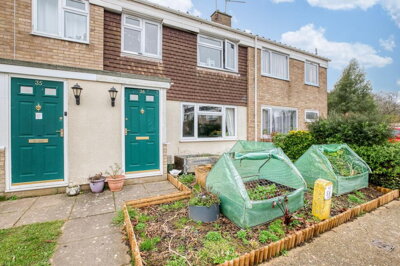
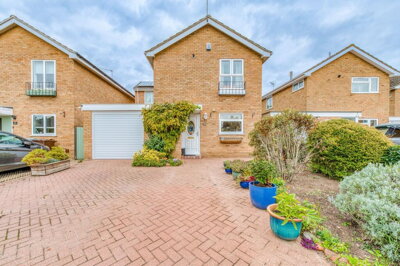
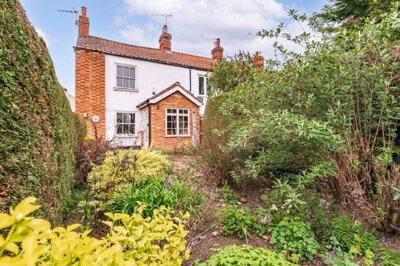
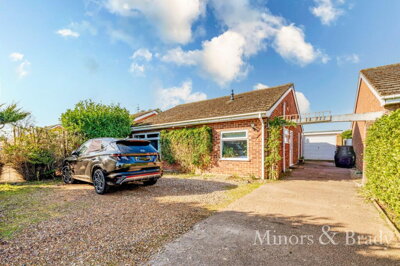
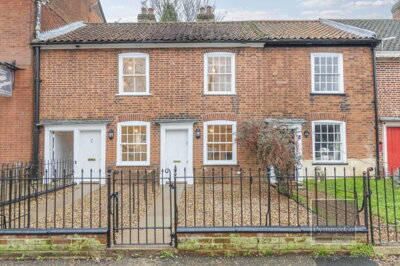
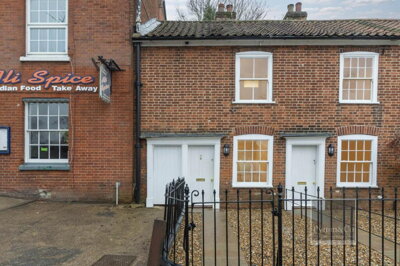
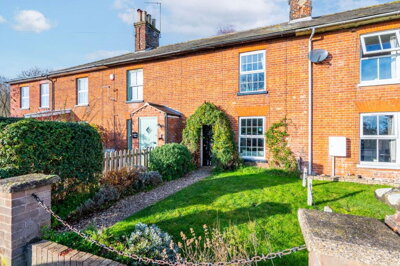
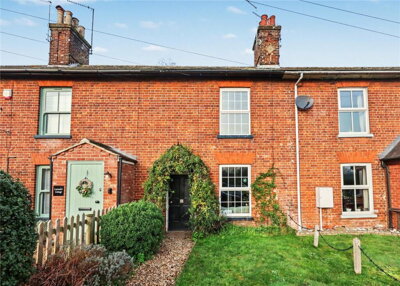
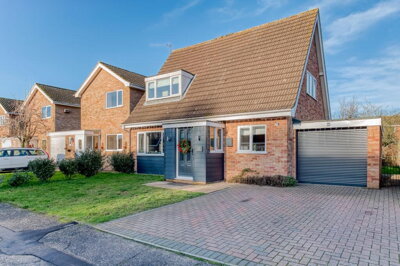
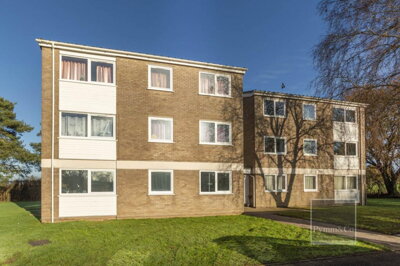
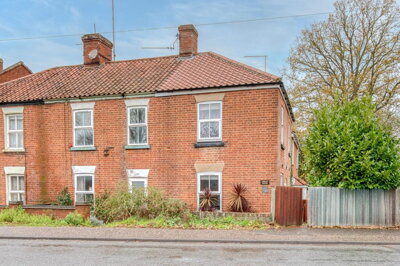
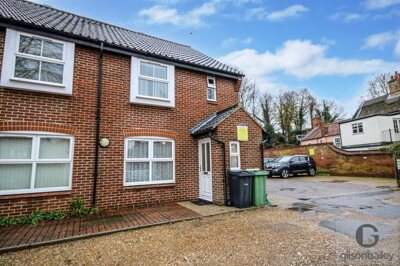
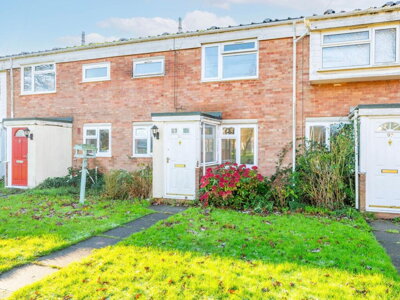
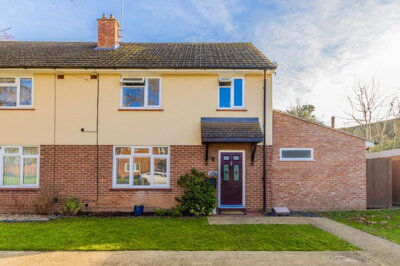
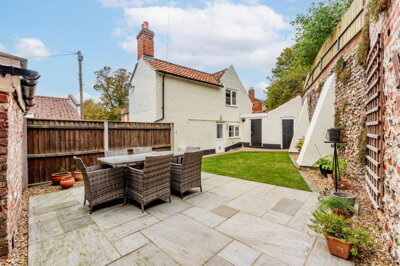
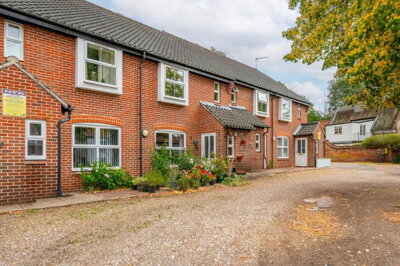
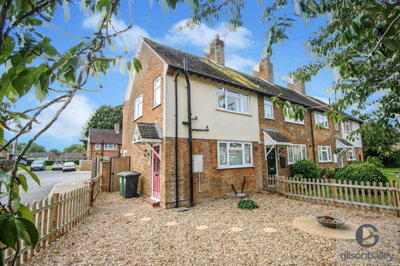
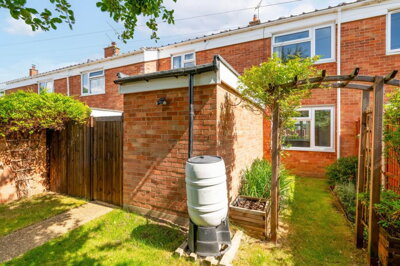
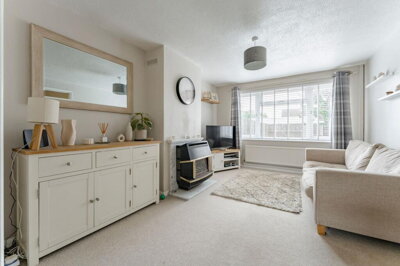
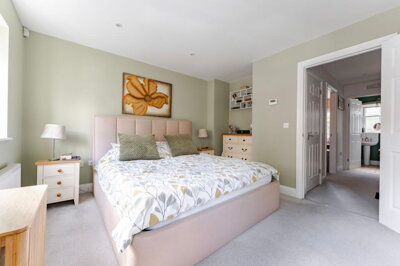
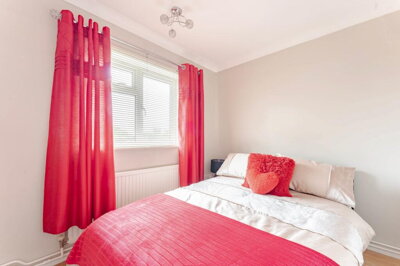
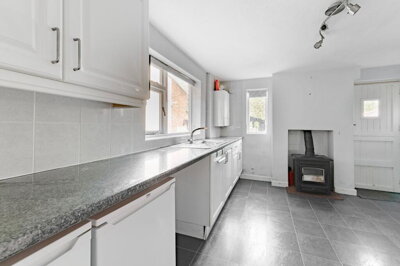
Browse 102 homes for sale in Coltishall, Broadland from local estate agents.
£475k
27
2
160
Source: home.co.uk
Source: home.co.uk
Detached
12 listings
Avg £748,333
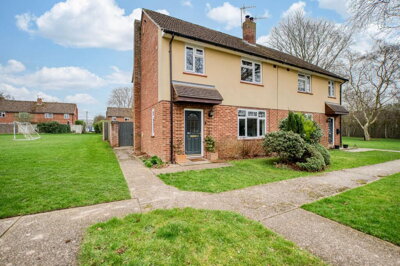
Semi-Detached
4 listings
Avg £365,000
Cottage
3 listings
Avg £368,333
Character Property
2 listings
Avg £600,000
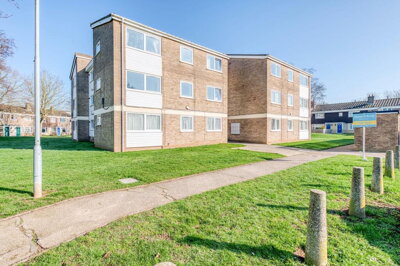
Flat
2 listings
Avg £135,000
Terraced
2 listings
Avg £205,000
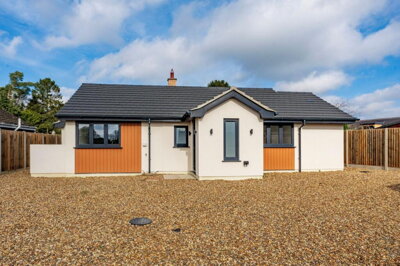
Detached Bungalow
1 listings
Avg £475,000
End of Terrace
1 listings
Avg £325,000
Source: home.co.uk
Source: home.co.uk
The property market in Gayton le Wold operates as a quiet corner of the wider East Lindsey housing landscape, characterised by limited transaction volumes typical of small rural villages. Historical data from 2018 recorded a median sale price of £355,000 for properties in the village, with detached homes accounting for all recorded sales that year. This figure reflects the premium often associated with larger detached properties in desirable rural locations within the Lincolnshire Wolds, though buyers should note that transaction frequency is low, meaning each sale represents a unique opportunity rather than a regular market occurrence.
In the broader East Lindsey district, recent market analysis shows an annual price change of approximately 0.9% as of December 2025, with semi-detached properties demonstrating stronger growth at 2.4% year-on-year. Terraced properties in the district average around £148,000, while flats and maisonettes sit at approximately £91,000. However, Gayton le Wold itself is characterised primarily by detached and semi-detached family homes, with very few flats or terraced properties forming part of the local housing stock. The village attracts buyers specifically seeking the rural lifestyle, character properties, and generous plot sizes that are difficult to find in more urbanised areas.
Prospective buyers should approach the market with patience, as opportunities in Gayton le Wold are infrequent but tend to attract genuine interest from buyers seeking the Lincolnshire Wolds lifestyle. The sparse nature of the local market means that property values are influenced more by individual property characteristics than broader market movements, making thorough research and quick action when listings appear essential for serious buyers.
Gayton le Wold embodies the essence of rural Lincolnshire living, situated within the Lincolnshire Wolds Area of Outstanding Natural Beauty. The village enjoys a tranquil setting with access to rolling countryside, historic churches, and traditional English farmland that has shaped the landscape for centuries. Residents benefit from a close-knit community atmosphere where local events, village halls, and country pubs serve as social hubs, providing regular opportunities for neighbours to connect and participate in village life.
The surrounding area offers extensive walking and cycling routes, including the Viking Way long-distance trail that passes through the region, attracting outdoor enthusiasts throughout the year. This historic trail spans approximately 147 miles from Barton-upon-Humber to Oakham, with sections passing through the scenic landscapes surrounding Gayton le Wold. Cyclists and walkers can also explore the network of quiet country lanes and designated bridleways that thread through the Lincolnshire Wolds, though safety awareness is necessary when sharing rural roads with larger agricultural vehicles during harvest seasons.
The village location places residents within reasonable reach of market towns providing essential amenities. Louth, known as the capital of the Lincolnshire Wolds, lies nearby and offers a weekly market, independent shops, restaurants, and supermarkets. The nearby village of Donington-on-Bain provides additional local services, while the cathedral city of Lincoln is accessible for those requiring more extensive cultural, shopping, or employment opportunities. The demographic profile of the wider East Lindsey district shows an aging population typical of rural England, with many residents drawn to the area for its quality of life, affordable property compared to southern England, and strong community connections.

Families considering a move to Gayton le Wold will find educational provision spread across the surrounding villages and towns, reflecting the rural nature of the area. Primary education is typically accessed through local village schools in nearby communities such as Donington-on-Bain or in the market town of Louth, where several primary schools serve the wider area. These smaller schools often benefit from strong community ties and individual attention for pupils, though parents should research current Ofsted ratings and catchment areas, as these can be competitive for popular rural schools.
Secondary education options include schools in Louth, such as King Edward VI Grammar School for academically selective students, or Cordeaux Academy which serves a broader intake. For families prioritising educational excellence, researching individual school performance data, admission policies, and transport arrangements is essential, as journey times from Gayton le Wold to secondary schools can be significant. The rural location means that school transport arrangements are particularly important, and parents should factor in the logistics of daily travel when evaluating educational options for their children.
Sixth form provision is available at schools in Louth and the surrounding market towns, while further education colleges in Lincoln and Grimsby offer expanded vocational and academic courses for older students. Families are advised to contact East Lindsey local education authority directly for the most current information on school admissions, catchment boundaries, and any transport arrangements available for pupils living in rural villages like Gayton le Wold. Planning ahead for educational needs is particularly important in this area, as popular schools may have waiting lists and limited places available.

Transport connectivity from Gayton le Wold reflects its rural village status, with private vehicle travel being the primary means of getting around. The village is situated approximately 8 miles from the A16 trunk road, which runs through Louth and provides access to the wider Lincolnshire road network. This main road connects northward to Grimsby and the M180 motorway, while southward routes lead to Spalding and Peterborough. For residents commuting to larger employment centres, a car is generally considered essential, though the peaceful rural setting more often attracts buyers working remotely or running home-based businesses.
Public transport options are limited but do exist for those without vehicles. Bus services operating in the area provide connections to Louth and neighbouring villages, though frequency is typically reduced compared to urban routes, making them more suitable for occasional journeys rather than daily commuting. The nearest railway stations are located in Market Rasen and Cleethorpes, with the latter offering direct services to Sheffield, Manchester, and Nottingham. For air travel, Humberside Airport near Grimsby provides domestic and limited international connections, while Robin Hood Doncaster Sheffield Airport offers a broader range of destinations.
For those working from home, which is common among residents of Lincolnshire Wolds villages, broadband connectivity should be investigated before purchasing. Rural broadband speeds can vary significantly, and many village properties may only receive limited service. Checking current speeds and understanding what connectivity improvements are planned under government broadband rollout schemes is important for maintaining productivity when working remotely.
Spend time exploring Gayton le Wold and surrounding villages to understand what each area offers. Given limited property availability in this small village, consider neighbouring communities as well and monitor property portals regularly for new listings. The Lincolnshire Wolds area attracts buyers seeking rural lifestyles, so competition for quality properties can emerge quickly when listings appear on the market.
Contact local mortgage brokers or lenders to obtain an agreement in principle before making offers. This demonstrates your seriousness as a buyer and helps you understand your budget, especially important in a market where rural properties can vary significantly in price. Rural properties with land or character features may require specialist mortgage products, so discussing your requirements with an experienced broker is advisable.
Work with local estate agents who know the Gayton le Wold area intimately. View properties in person to assess condition, character, and any specific considerations such as access, broadband speed, or proximity to amenities. Given the age of many properties in the village, viewing during different weather conditions can reveal potential issues with drainage, damp, or heating efficiency.
Before purchasing an older rural property, book a RICS Level 2 Survey to identify any structural issues, damp, or needed repairs. Given that many properties in Gayton le Wold are likely to be pre-1919 construction, professional surveys are particularly valuable. A thorough survey can identify issues common to older rural properties, including timber defects, roof condition, and the condition of traditional construction methods.
Choose a solicitor experienced in rural property transactions to handle the legal aspects of your purchase. They will conduct searches, handle contracts, and coordinate with your mortgage lender. Rural properties may involve additional considerations such as rights of way, agricultural drainage obligations, orCommon land issues that an experienced solicitor can address.
Once all searches are satisfactory and your mortgage is confirmed, you will exchange contracts and pay a deposit. Completion typically follows within a few weeks, after which you will receive your keys and can move into your new home. In quiet rural markets like Gayton le Wold, completions may sometimes take longer as the pool of buyers is smaller and transactions can be more complex.
Purchasing a property in Gayton le Wold requires attention to specific factors that differ from urban property buying. The age of local housing stock is a primary consideration, as many homes in this rural village are likely to be pre-1919 construction, potentially featuring older construction methods, solid walls rather than cavity insulation, and traditional building materials. These properties offer tremendous character but may require more maintenance and updating compared to newer homes. A thorough RICS Level 2 Survey is essential to identify any structural concerns, roof condition, damp penetration, or timber defects that commonly affect older rural properties in the Lincolnshire Wolds region.
Flood risk assessment should be undertaken using government flood maps, as rural properties near watercourses or in low-lying areas of the Lincolnshire Wolds may face occasional flooding. Prospective buyers should also investigate planning restrictions that may apply in this village setting, including any conservation area designations or planning conditions that affect alterations and extensions. Information regarding conservation areas should be obtained from East Lindsey District Council planning department. Given the agricultural nature of the surrounding area, prospective buyers should also be aware of any farming activities that may occasionally create noise, traffic, or odour, which are normal aspects of rural living.
Broadband connectivity varies significantly in rural villages, so testing current speeds and understanding what connectivity improvements are planned is important for those working from home. Additionally, septic tank or private drainage systems are common in rural areas and may require maintenance or upgrade to comply with current regulations. Properties with private water supplies, rather than mains water, may also be encountered and should be tested for quality and reliability. Energy efficiency in older properties can be a consideration, though modern heating systems and insulation upgrades can significantly improve comfort levels in character homes.
Specific recent transaction data for Gayton le Wold is limited due to the village's sparse property market, with no verified sales recorded in the past 12 months on public databases. Historical records from 2018 showed a median sale price of £355,000 for detached properties. In the wider East Lindsey district, the average house price stands at approximately £219,000 as of late 2025, with detached properties averaging around £292,000. Rural properties in desirable village locations like Gayton le Wold typically command premiums reflecting their setting within the Lincolnshire Wolds AONB and the generous plot sizes often associated with traditional rural homes. Buyers should note that property in this village appears infrequently on the market, making each opportunity unique and potentially subject to local demand from buyers seeking the Lincolnshire Wolds lifestyle.
Properties in Gayton le Wold fall under the council tax jurisdiction of East Lindsey District Council. Specific bandings depend on the property valuation, but rural properties with larger gardens or land may attract higher banding. You can check current council tax bands for specific properties through the East Lindsey District Council website or the government valuation office website. Typical council tax charges in this part of Lincolnshire are generally lower than urban areas in the south of England, making the village an affordable option for buyers seeking rural living without excessive ongoing costs. Energy costs should also be factored into overall household budgeting, as older period properties may have higher heating requirements than modern homes.
The best schools near Gayton le Wold include primary schools in nearby villages and in Louth, with some schools such as Queen Elizabeth Grammar School in Louth serving secondary education needs. Families should research current Ofsted ratings and consider admission criteria, as popular schools in the Lincolnshire Wolds area can be competitive due to the rural catchment patterns. Transport arrangements should be factored in, as journey times from Gayton le Wold to schools may be longer than in urban areas, and parents should investigate school transport provision from East Lindsey education authority. Private school options in the wider area include St Mary's School in Grantham and Louth's independent education providers, though these require consideration of daily transport logistics.
Public transport connectivity from Gayton le Wold is limited, reflecting its status as a small rural village in the Lincolnshire Wolds. Bus services operate in the area providing connections to Louth and neighbouring villages, though frequencies are reduced compared to urban services. The nearest railway stations are in Market Rasen and Cleethorpes, offering regional train connections to major cities. For daily commuting, a private vehicle is essentially required, though the peaceful setting makes car ownership a minor trade-off for the lifestyle on offer. Occasional journeys to local towns can be accommodated by bus services, and local taxi services operate in the wider area, though booking in advance is recommended for rural journeys.
Property investment in Gayton le Wold should be approached with realistic expectations regarding rental demand and capital growth. As a small rural village within the Lincolnshire Wolds AONB, tenant demand is likely limited compared to larger towns, with rental opportunities primarily appealing to those seeking a countryside lifestyle. The relative affordability compared to southern England could attract remote workers or retirees looking to relocate to a scenic rural area. Capital growth in East Lindsey has shown modest annual increases of around 0.9%, which is slower than some urban markets but offers stability without the volatility of city property markets. Buyers seeking strong rental yields or rapid capital appreciation may find better options in larger towns, while those prioritising lifestyle and long-term holding may find Gayton le Wold appealing as a stable, character-rich property investment.
Stamp Duty Land Tax for purchases in Gayton le Wold follows standard UK thresholds. For residential purchases, you pay 0% on the first £250,000 of property value, 5% on £250,001 to £925,000, 10% on £925,001 to £1.5 million, and 12% on any amount above £1.5 million. First-time buyers benefit from relief on the first £425,000, paying 5% between £425,001 and £625,000. Given that most properties in Gayton le Wold are likely valued between £200,000 and £500,000, many buyers will fall into the lower tax brackets. For a typical detached property in Gayton le Wold priced around £300,000 to £400,000, a standard buyer would pay approximately £2,500 to £7,500 in SDLT. Always verify your position with a solicitor or tax adviser, particularly if purchasing a higher-value property or a second home.
When viewing properties in Gayton le Wold, pay particular attention to the age and condition of the structure, as many homes are likely to be older period properties requiring ongoing maintenance. Check the roof for signs of wear, examine walls for damp or cracking, and assess the condition of windows and doors. Given the rural setting, investigate the type of drainage system in place, as private septic tanks require regular maintenance and may need upgrading to meet current regulations. Test water pressure and inquire about the water supply source, as some rural properties use private boreholes or wells. Broadband speed should be tested on-site, and the condition of heating systems, which may be older oil or LPG systems rather than mains gas, should be assessed carefully.
Buying a property in Gayton le Wold involves several costs beyond the purchase price that buyers should budget for in advance. Stamp Duty Land Tax represents the most significant additional cost, with standard rates starting at 0% for properties up to £250,000, rising to 5% on the portion between £250,001 and £925,000. For a typical detached property in Gayton le Wold valued between £300,000 and £400,000, this would result in SDLT of approximately £2,500 to £7,500 depending on your buyer status. First-time buyers purchasing properties up to £625,000 benefit from relief that increases the zero-rate threshold to £425,000, potentially saving several thousand pounds compared to standard rates.
Solicitor conveyancing fees for rural property transactions in Lincolnshire typically start from around £499 for basic legal work, though more complex purchases involving mortgages, agricultural land, or unusual terms may cost significantly more. Survey costs should be factored in, particularly given the likely age of properties in Gayton le Wold. A RICS Level 2 Survey typically costs between £400 and £900 depending on property size and value, providing valuable insight into the condition of older rural properties and identifying any repairs or maintenance required before purchase.
Search fees, Land Registry fees, and mortgage arrangement fees add further costs, with the total budget typically ranging from £3,000 to £6,000 depending on property value and whether you are a first-time buyer. Additional considerations for rural properties include the cost of any specialist surveys that may be required, such as electrical or gas safety checks, and the potential cost of upgrading septic tanks or drainage systems to meet current regulations. Obtaining a mortgage agreement in principle before viewing properties is strongly recommended, as it clarifies your budget and demonstrates seriousness to sellers in what can be a competitive local market where quality properties attract multiple interested buyers.
Properties for Sale In London

Properties for Sale In Plymouth

Properties for Sale In Liverpool

Properties for Sale In Glasgow

Properties for Sale In Sheffield

Properties for Sale In Edinburgh

Properties for Sale In Coventry

Properties for Sale In Bradford

Properties for Sale In Manchester

Properties for Sale In Birmingham

Properties for Sale In Bristol

Properties for Sale In Oxford

Properties for Sale In Leicester

Properties for Sale In Newcastle

Properties for Sale In Leeds

Properties for Sale In Southampton

Properties for Sale In Cardiff

Properties for Sale In Nottingham

Properties for Sale In Norwich

Properties for Sale In Brighton

Properties for Sale In Derby

Properties for Sale In Portsmouth

Properties for Sale In Northampton

Properties for Sale In Milton Keynes

Properties for Sale In Bournemouth

Properties for Sale In Bolton

Properties for Sale In Swansea

Properties for Sale In Swindon

Properties for Sale In Peterborough

Properties for Sale In Wolverhampton

Enter your details to see if this property is within your budget.
Loans, cards, car finance
Estimated property budget
Borrowing + deposit
You could borrow between
Typical borrowing
Monthly repayment
Est. at 4.5%
Loan-to-value
This is an estimate only. Your actual budget may vary depending on interest rates, credit history, and personal circumstances. For an accurate affordability assessment, speak to one of our free mortgage advisors.
This calculator provides estimates for illustrative purposes only and does not constitute financial advice. Your home may be repossessed if you do not keep up repayments on your mortgage. Estimates based on 4.5% interest rate, repayment mortgage. Actual rates depend on your circumstances.
Homemove is a trading name of HM Haus Group Ltd (Company No. 13873779, registered in England & Wales). Homemove Mortgages Ltd (Company No. 15947693) is an Appointed Representative of TMG Direct Limited, trading as TMG Mortgage Network, which is authorised and regulated by the Financial Conduct Authority (FRN 786245). Homemove Mortgages Ltd is entered on the FCA Register as an Appointed Representative (FRN 1022429). You can check registrations at NewRegister or by calling 0800 111 6768.

We use cookies to show you personalised content and improve your experience of our website. Find out more in our Privacy policy and Cookie policy.