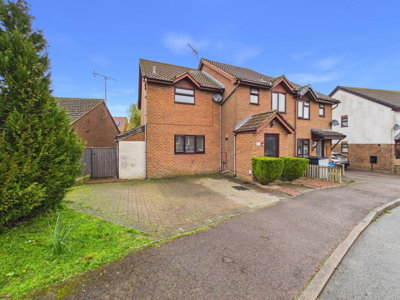
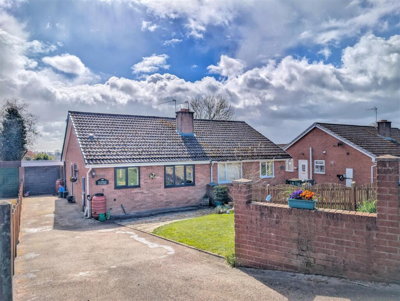
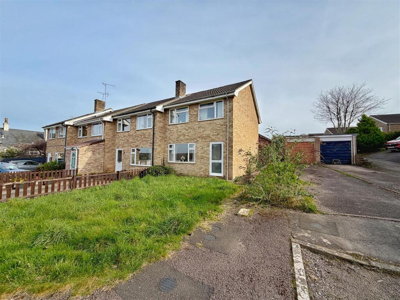
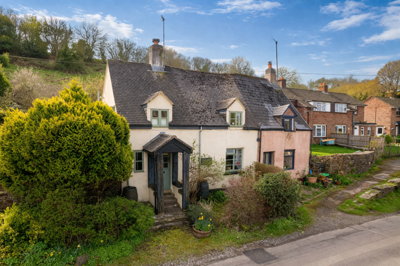
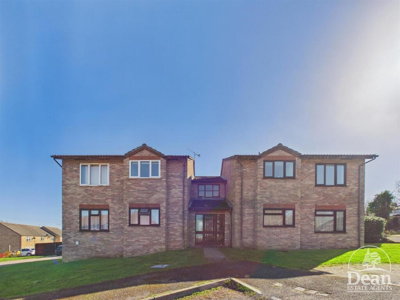
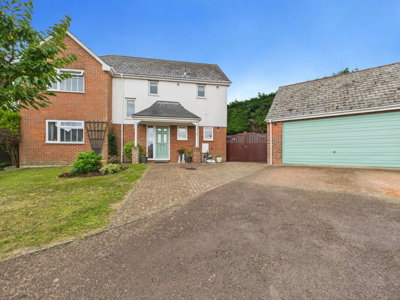
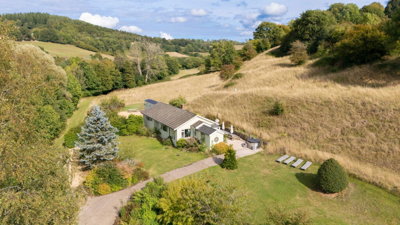
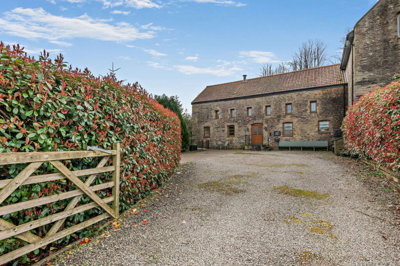
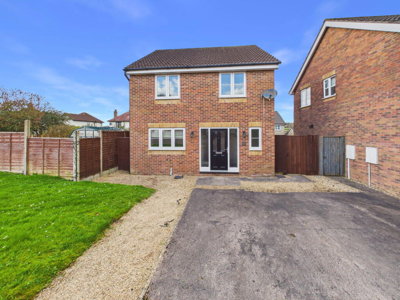
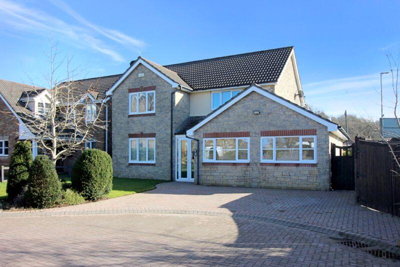
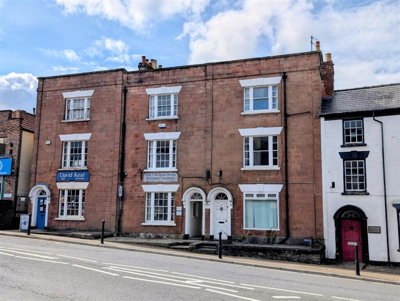
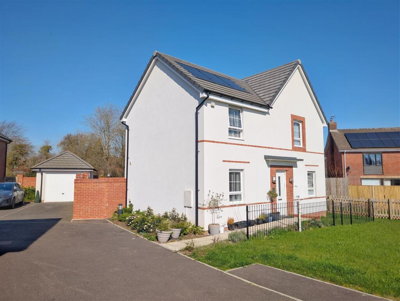
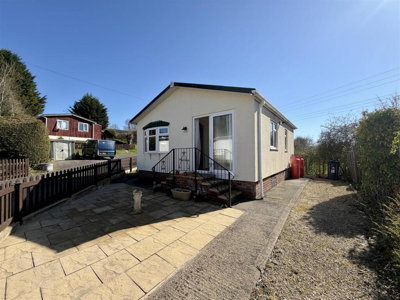
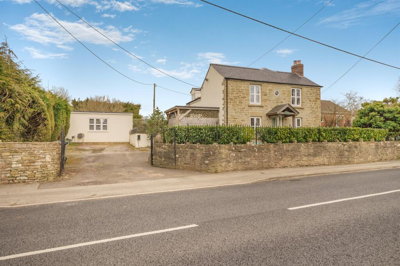
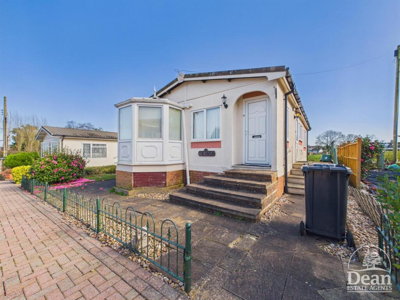
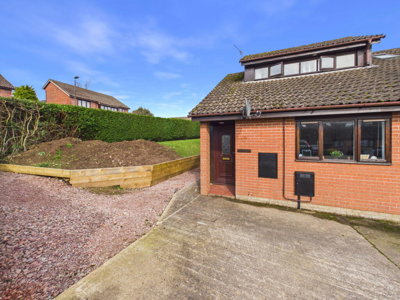
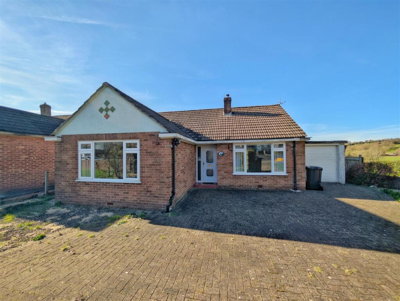
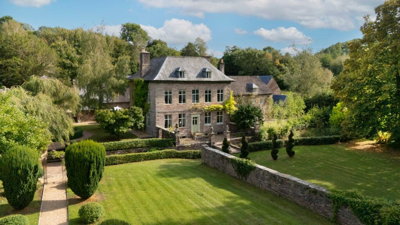
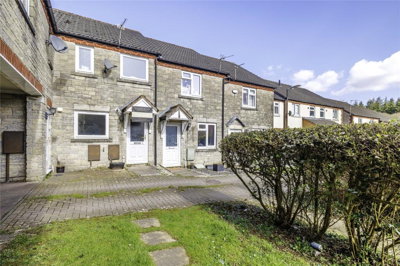
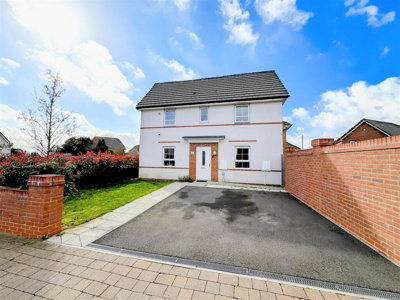
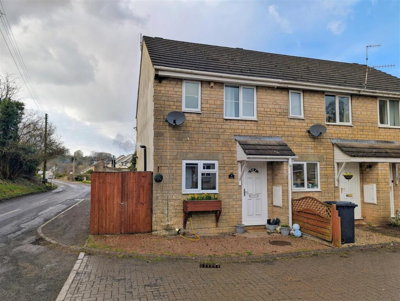
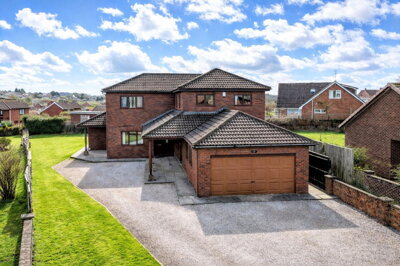
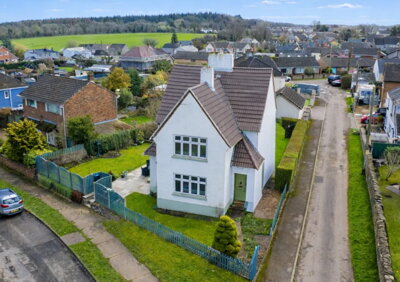
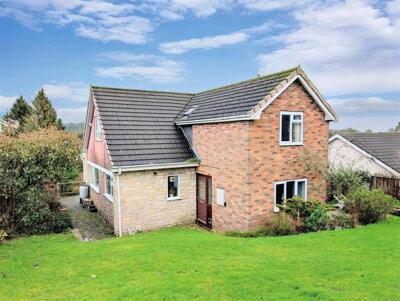
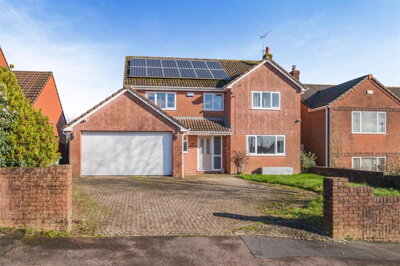
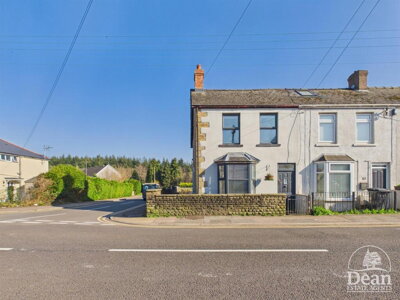
Browse 268 homes for sale in Coleford, Forest of Dean from local estate agents.
£300k
126
4
149
Source: home.co.uk
Source: home.co.uk
Detached
46 listings
Avg £399,951
Semi-Detached
30 listings
Avg £268,548
Terraced
10 listings
Avg £201,795
Detached Bungalow
8 listings
Avg £322,481
Semi-Detached Bungalow
6 listings
Avg £240,833
Bungalow
5 listings
Avg £310,900
End of Terrace
5 listings
Avg £187,000
Flat
4 listings
Avg £106,125
Link Detached House
4 listings
Avg £277,488
Cottage
3 listings
Avg £333,333
Source: home.co.uk
Source: home.co.uk
The Coleford property market has experienced a notable correction over the past year, with Rightmove reporting that sold prices fell 12% compared to the previous year and sit 9% below the 2021 peak of £253,372. Property Solvers recorded 60 residential transactions in the twelve months to late 2025, representing a 15% decrease in volume compared to the prior year. Despite this cooling, the market fundamentals remain solid, with the unemployment rate in the electoral division standing at just 3.51% in February 2025, lower than the England average of 4.35% and suggesting continued economic stability for local residents.
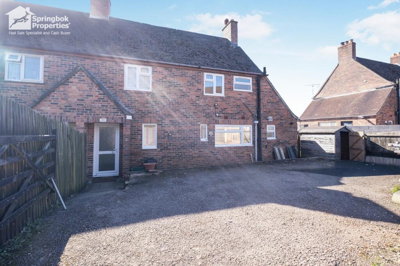
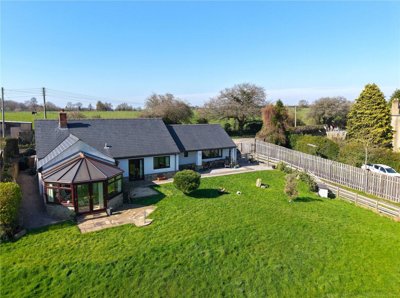
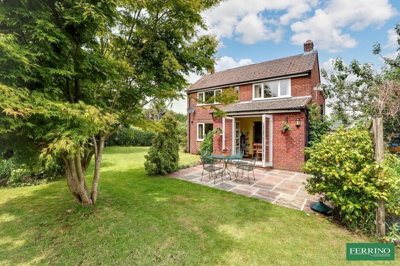
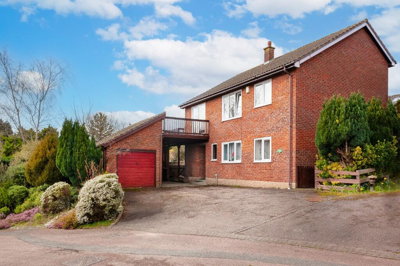
Property type significantly influences purchase price in Coleford. Detached homes command the highest averages, with Zoopla reporting £359,712 and Rightmove citing £339,464. Semi-detached properties average around £230,000, making them accessible for families seeking more space without the premium attached to detached living. Terraced homes start from approximately £186,000 to £196,000, offering an attractive entry point for first-time buyers, while flats in the town centre typically sell for around £186,000. The variation between sources reflects different methodologies and the mix of properties sold in any given period.
Several new-build developments are bringing fresh stock to the local market. Forest Grove by Barratt Homes at Berry Hill is delivering 204 homes across the parish, featuring three and four-bedroom properties with energy-efficient designs. Bellway's Ellwood Place development at Milkwall offers two, three, and four-bedroom options including dormer bungalows, while a new scheme at Poolway Farm received planning approval in January 2026 for 140 homes that will retain the historic farmhouse. These developments cater to demand from growing households while expanding the choice available to buyers seeking modern construction and lower running costs.

Coleford is a town of contrasts, where centuries of industrial history meet the serene expanse of the Forest of Dean. The parish, with a population of 9,273 according to the 2021 Census, retains a strong sense of identity rooted in iron production and the railway industry that shaped its development. Walking through the town centre, you will encounter the distinctive local stone and orangey brick that characterise period properties, alongside the Victorian and Edwardian architecture that defines residential streets such as Victoria Road, Boxbush Road, and Albert Road. The Clock Tower and the Kings Head pub stand as landmarks of the town centre, while the Parish Church of St. John dominates the skyline.
The cultural heritage of Coleford extends beyond its buildings. The area is home to scheduled monuments including the Dark Hill Iron Works and Whitecliff Furnace, testaments to the iron ore mining and steelmaking that once drove the local economy. Scowles, features of early open-cast mining, can be explored in Dingle Wood and Blake's Wood within the parish. These archaeological sites offer a tangible connection to the past for residents and visitors alike. The town also supports a vibrant community calendar, with regular markets, events at the local cinema, and easy access to the Forest of Dean activity centres offering cycling, walking, and outdoor pursuits.
Everyday life in Coleford is well served by local amenities. The town centre contains a range of independent shops, cafes, and pubs, while larger supermarkets are within easy reach. For healthcare, the Gloucestershire Royal Hospital in Gloucester is approximately 45 minutes away by car. The area attracts families partly because of its demographic balance, with net internal migration data for Gloucestershire showing a positive flow of residents aged 30 and over, indicating that established professionals and growing families are choosing to relocate to the county. This trend bodes well for community stability and property values over the medium term.

Understanding local building construction is essential when buying property in Coleford, as the predominant materials directly affect maintenance requirements and potential defect patterns. The older residential areas, particularly those within the town centre and Conservation Area, feature locally quarried sandstone and the distinctive orangey bricks once manufactured by the Coleford Brick & Tile company. These traditional materials are characteristic of the 18th and 19th-century buildings that give Coleford its historic character, but they require ongoing maintenance using appropriate techniques and materials. Modern infill development typically uses brick and render with concrete or clay tiles, reflecting contemporary building practices.
The residential streets radiating from the town centre tell a story of different eras. Victoria Road, Boxbush Road, Albert Road, Sparrow Hill, and Staunton Road comprise predominantly 19th and early 20th-century buildings with solid walls, features that were common before cavity wall construction became standard. Properties on these streets often have original lath and plaster partitions internally and single-glazed windows. Some council houses in Albert Road were erected in the late 1920s using brick construction with tiled roofs, while Angelfield, a cul-de-sac of detached houses, was built in the mid-20th century. Bells Place dates from the 1970s, representing later post-war development. This mix means buyers should expect varying maintenance needs depending on property age and construction type.
The geological setting of Coleford within the Forest of Dean syncline has shaped both its industrial heritage and potential property risks. The clay-rich geology creates conditions where shrink-swell movement can occur, potentially affecting foundations of older properties. Climate projections for the region indicate hotter, drier summers ahead, which may increase the risk of clay soil shrinkage and associated subsidence in properties with shallow foundations. Our inspectors routinely assess these geological factors when surveying properties in the area, identifying any signs of movement that buyers should factor into their decision and budget.
When our team surveys properties in Coleford, we regularly encounter defects that reflect the local housing stock. Many Victorian and Edwardian properties built with solid walls suffer from penetrating damp, particularly where original guttering has deteriorated or porous stonework has absorbed moisture over decades. Rising damp can affect properties without functioning damp-proof courses, especially those with solid ground floors. Our inspectors check timber conditions in these older buildings, looking for wet rot in roof structures and woodworm in ground-floor joists where prolonged dampness has been present. The quality of original joinery and decorative features also forms part of our assessment, as these add value but require ongoing care.
Roof condition is another focus area for our inspectors in Coleford. Properties from the Victorian and Edwardian periods typically have slate or clay tile coverings that reach the end of their serviceable life around 25-30 years. We assess ridge tile condition, flashings around chimneys, and the condition of any felt underlay in the roof space. Missing or slipped tiles, cracked ridge mortar, and deteriorating leadwork commonly require attention in older properties. The state of the roof covering directly affects the overall condition of a property and can represent a significant repair cost if extensive work is needed.
Electrical and plumbing systems in older Coleford properties frequently require updating. Original wiring with round-pin sockets, rubber-sheathed cables, and junction boxes does not meet modern safety standards and poses fire risks. Similarly, lead or galvanised steel water pipes found in some period properties are prone to internal corrosion and leaks. Our survey reports clearly identify these safety concerns and recommend necessary upgrades before purchase. For properties within the Conservation Area or listed buildings, our inspectors also assess any historic alterations and advise on compliance with planning requirements and Building Regulations that affect what works can be carried out.
Property buyers in Coleford should pay particular attention to flood risk when evaluating homes. Some areas of the town face a low-to-moderate risk from river and surface water flooding, particularly in pockets adjacent to Highbury Street where the annual chance of flooding is between 0.1% and 1%. Properties on higher ground near the town centre generally face less risk, but it is worth checking the Environment Agency maps for any specific address. Climate change projections suggest that intense rainfall events will become more frequent, potentially increasing flood risk over the lifetime of your ownership. Flash flooding along the brooks that drain into the valley can affect low-lying areas during heavy rainfall.
The historical mining activity in the Forest of Dean creates additional considerations for property buyers. The area contains numerous former mining sites, iron works, and evidence of early open-cast working. While specific ground stability risks vary by location, our inspectors assess whether properties show signs of movement that might relate to historical underground workings or shallow mine shafts. Properties near former mining areas may require a more detailed investigation of ground conditions. The scheduled monuments including Dark Hill Iron Works and Whitecliff Furnace are archaeological features rather than direct risks to residential properties, but they do indicate the depth of historical activity in the locality.
The geological conditions in Coleford warrant careful consideration during the survey process. The area sits on clay-rich geology with the potential for shrink-swell movement, which can cause subsidence in properties with shallow foundations. This risk is particularly relevant for the many Victorian and Edwardian homes built before modern building standards. A thorough RICS Level 2 survey will assess whether any movement has occurred and whether previous owners have addressed any structural issues. Given the prediction of hotter, drier summers for the region, the risk of clay soil shrinkage may increase in coming years, making this a longer-term consideration for buyers.
Education provision in Coleford serves families at every stage of their journey, from early years through to further education. The town and surrounding Forest of Dean area offer a network of primary schools catering to children aged 4 to 11, with several conveniently located within walking distance of residential areas. These schools provide the foundation for children's education in a community setting, with smaller class sizes often enabling more individual attention. Parents researching the local market frequently prioritise proximity to good-rated primary schools when choosing where to buy, making this a significant factor in the attractiveness of different neighbourhoods within Coleford.
Secondary education in the area centres on thorough-bred schools that draw students from across the Forest of Dean. These institutions typically offer a broad curriculum, extracurricular activities, and preparation for GCSE and A-level examinations. For families considering secondary school options, catchment areas are an important consideration, and our platform allows you to explore properties within relevant zones. Sixth-form provision is available locally, with students also travelling to Gloucester and other nearby towns for specialist courses or particular subject choices. The presence of good secondary schools is consistently cited by relocating families as a key driver in their decision to settle in Coleford.
Beyond school-age education, Coleford benefits from further education links to colleges in the wider Gloucestershire area. Young people progressing from secondary school can access vocational and academic courses at colleges in Gloucester, Cheltenham, and the Forest of Dean campus. The proximity of the University of Gloucestershire and University of the West of England in Bristol provides progression routes for those pursuing higher education. For adult learners, various training and part-time courses are available through local providers, supporting the ongoing skills development of the local workforce and contributing to the economic vitality of the area.
Coleford sits at the junction of several A-roads, providing straightforward access to the surrounding region. The A4136 runs through the town, connecting Coleford to Monmouth to the west and Gloucester to the east. The A48 provides a route toward the M5 motorway, giving residents access to the national motorway network via junction 11A or junction 12 near Gloucester. For a town of its size, Coleford offers surprisingly good connectivity, with Bristol accessible within approximately one hour by car. The road network does experience typical rural congestion during peak hours, but overall journey times compare favourably to many other locations in the South West.
Public transport options serve the town and surrounding villages, though they reflect the more rural character of the Forest of Dean. Bus services connect Coleford with nearby towns including Gloucester, Cinderford, and Ross-on-Wye, providing alternatives to car travel for those who prefer not to drive. Rail connections are accessed via stations in the wider area, with journey times to London Paddington achievable from stations such as Gloucester or Lydney. The Severn Tunnel provides a direct route to South Wales, opening employment and leisure opportunities across the border. For commuters working in Gloucester or Bristol, the relatively manageable drive times make Coleford a viable base, provided you have access to a vehicle.
Parking in Coleford town centre is generally adequate for a town of its size, with public car parks serving shoppers and visitors. The town is relatively walkable, with most amenities accessible on foot from residential areas, reducing the need for car journeys for daily errands. Cycling is popular in the Forest of Dean, with dedicated trails and quieter country lanes offering routes for recreational and utilitarian cycling alike. As part of Gloucestershire's economic strategy for sustainable growth, investment in active travel infrastructure continues across the county, which should gradually improve conditions for cyclists and pedestrians in and around Coleford.
Spend time exploring different neighbourhoods in Coleford, considering proximity to schools, transport links, and local amenities. The Forest of Dean setting means some areas may be further from the town centre than they first appear on a map, so physical visits are invaluable.
Contact a mortgage broker or lender to obtain an agreement in principle before you start viewing properties. This strengthens your position when making offers and demonstrates to sellers that you have financing in place. Average property prices in Coleford range from £186,000 for flats to £360,000 for detached homes.
Use Homemove to browse current listings and book viewings through estate agents. Take notes on property condition, noting that many homes in Coleford are period properties where issues such as damp or roof repairs may require attention. New-build properties come with warranties but typically command a premium.
Before committing to purchase, commission a Level 2 survey to assess the property condition. For older Victorian and Edwardian properties common in Coleford, this is particularly important to identify defects such as subsidence risk from clay soils, outdated electrics, or timber defects. Survey costs typically range from £400 to £600 depending on property size.
Choose a solicitor experienced in local transactions to handle the legal work. They will conduct searches with Forest of Dean District Council, check drainage and water supplies, and manage the transfer of ownership. Factor in search fees specific to Gloucestershire when budgeting.
Once searches are satisfactory and your mortgage offer is confirmed, your solicitor will exchange contracts and agree a completion date. On the day, the remaining funds are transferred and you receive the keys to your new Coleford home.
Purchasing a property in Coleford involves several costs beyond the purchase price itself. The largest additional expense for most buyers is stamp duty, officially called Stamp Duty Land Tax. For the tax year 2024-25, properties up to £250,000 attract zero stamp duty. Between £250,001 and £925,000, the rate is 5%. Given that the average property price in Coleford sits around £250,000, many purchases will fall into the nil or minimal stamp duty bracket, offering meaningful savings compared to buyers in more expensive regions.
First-time buyers in Coleford benefit from enhanced relief that raises the nil-rate threshold to £425,000. Properties priced up to £425,000 require no stamp duty for first-time buyers, with 5% applied to the portion between £425,001 and £625,000. This relief is available only to buyers who do not own any other residential property and who have never claimed first-time buyer relief before. For a first-time buyer purchasing a typical terraced home at £190,000, no stamp duty would be payable at all, making the transition into homeownership significantly more affordable.
Other buying costs include mortgage arrangement fees, which can range from nothing to £2,000 depending on the lender and product chosen. Survey costs for a RICS Level 2 Homebuyer Report typically start from £400 for a modest property and rise to £600 or more for larger homes. Solicitor fees for conveyancing in the Forest of Dean area generally start from £499 for the legal work, plus additional costs for local authority searches, which can take several weeks to process. Buyers should budget for mortgage valuation fees, which lenders charge to assess the property as security for the loan, and for buildings insurance, which must be in place from completion day. Life insurance and content cover are additional considerations for protecting your new investment.
Average house prices in Coleford vary between sources, with Zoopla reporting £272,429 and Rightmove citing £231,483 over the past twelve months. Property Solvers estimates £220,000 as the current average. Detached properties command around £340,000 to £360,000, semi-detached homes average £230,000, and terraced properties start from approximately £186,000. Prices have fallen by around 7% to 12% over the past year from the 2021 peak of £253,372, presenting buying opportunities for those entering the market.
Properties in Coleford fall under Forest of Dean District Council. Council tax bands range from A through to H, with the majority of residential properties in the area likely falling within bands A to D, reflecting the mix of property values and sizes typical of the town. You can check the specific band for any property through the Valuation Office Agency website using the property address.
Coleford and the surrounding Forest of Dean area offer good primary and secondary education options. Primary schools in the town serve children aged 4 to 11, with several rated positively by Ofsted. Secondary schools in the area draw from across the Forest of Dean catchment. Parents should research individual school performance data and consider catchment boundaries when house-hunting, as these can significantly impact which school your children can attend.
Coleford has bus services connecting it to nearby towns including Gloucester, Cinderford, and Ross-on-Wye, though frequencies reflect the rural nature of the area. Rail access requires travel to stations in the wider region, with journey times to London achievable from Gloucester or Lydney via the Severn Tunnel. For commuting to Bristol or Gloucester, car travel is typically necessary given the current public transport provision, with Bristol approximately one hour away by road.
Coleford offers several factors that may appeal to property investors. House prices are more affordable than many comparable towns in the South West, with average prices around £250,000. The local unemployment rate of 3.51% is below the England average, indicating job security for residents. Net migration patterns show people aged 30 and over moving into Gloucestershire, suggesting demand for family housing. However, the recent 12% price correction and reduced transaction volumes indicate a market that has cooled, so investors should adopt a medium-term perspective.
Stamp duty rates for 2024-25 are 0% on the first £250,000 of purchase price, 5% between £250,001 and £925,000, 10% from £925,001 to £1.5 million, and 12% above £1.5 million. First-time buyers benefit from relief on the first £425,000, with 5% applied between £425,001 and £625,000. Given that most Coleford properties sell for under £400,000, many buyers will pay minimal or no stamp duty, though you should calculate your specific liability based on purchase price and buyer status.
Yes, several environmental factors are relevant to property buyers in Coleford. The area has clay-rich soils that are susceptible to shrink-swell movement, potentially causing subsidence in properties with older foundations. Some areas face surface water and river flood risk, particularly during heavy rainfall events which climate projections suggest will become more frequent. Coleford also has historical mining activity, with potential for past underground workings. A thorough survey will assess these risks for any specific property you are considering.
Properties for Sale In London

Properties for Sale In Plymouth

Properties for Sale In Liverpool

Properties for Sale In Glasgow

Properties for Sale In Sheffield

Properties for Sale In Edinburgh

Properties for Sale In Coventry

Properties for Sale In Bradford

Properties for Sale In Manchester

Properties for Sale In Birmingham

Properties for Sale In Bristol

Properties for Sale In Oxford

Properties for Sale In Leicester

Properties for Sale In Newcastle

Properties for Sale In Leeds

Properties for Sale In Southampton

Properties for Sale In Cardiff

Properties for Sale In Nottingham

Properties for Sale In Norwich

Properties for Sale In Brighton

Properties for Sale In Derby

Properties for Sale In Portsmouth

Properties for Sale In Northampton

Properties for Sale In Milton Keynes

Properties for Sale In Bournemouth

Properties for Sale In Bolton

Properties for Sale In Swansea

Properties for Sale In Swindon

Properties for Sale In Peterborough

Properties for Sale In Wolverhampton

Enter your details to see if this property is within your budget.
Loans, cards, car finance
Estimated property budget
Borrowing + deposit
You could borrow between
Typical borrowing
Monthly repayment
Est. at 4.5%
Loan-to-value
This is an estimate only. Your actual budget may vary depending on interest rates, credit history, and personal circumstances. For an accurate affordability assessment, speak to one of our free mortgage advisors.
This calculator provides estimates for illustrative purposes only and does not constitute financial advice. Your home may be repossessed if you do not keep up repayments on your mortgage. Estimates based on 4.5% interest rate, repayment mortgage. Actual rates depend on your circumstances.
Homemove is a trading name of HM Haus Group Ltd (Company No. 13873779, registered in England & Wales). Homemove Mortgages Ltd (Company No. 15947693) is an Appointed Representative of TMG Direct Limited, trading as TMG Mortgage Network, which is authorised and regulated by the Financial Conduct Authority (FRN 786245). Homemove Mortgages Ltd is entered on the FCA Register as an Appointed Representative (FRN 1022429). You can check registrations at NewRegister or by calling 0800 111 6768.

We use cookies to show you personalised content and improve your experience of our website. Find out more in our Privacy policy and Cookie policy.