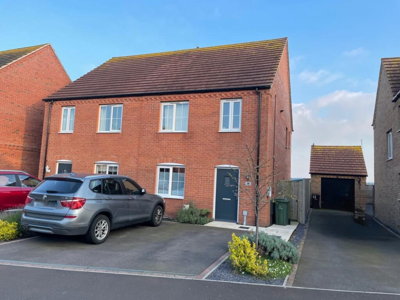
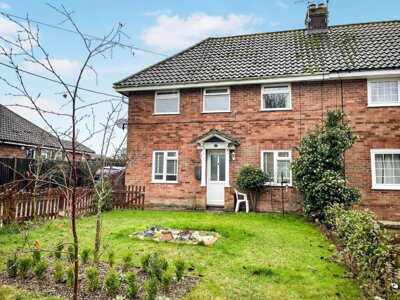
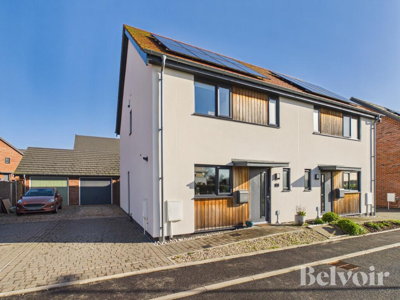
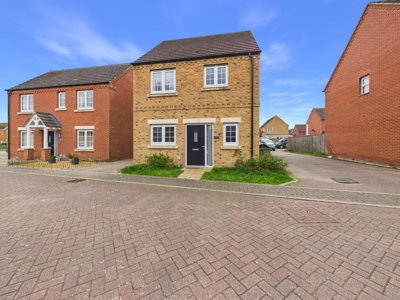
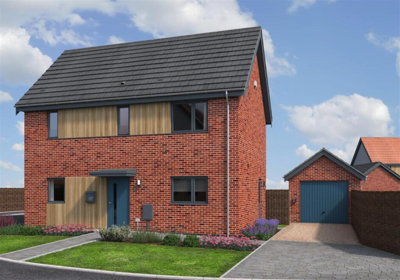
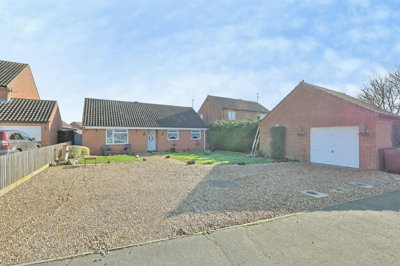
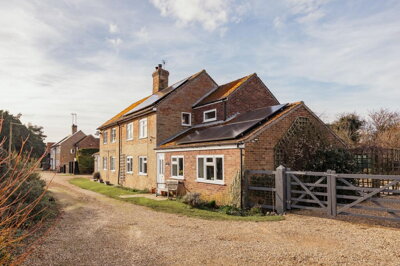
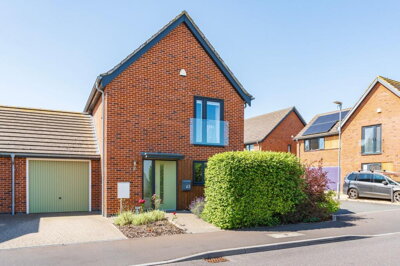
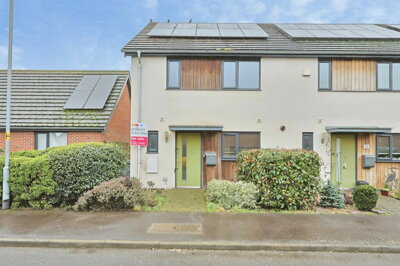
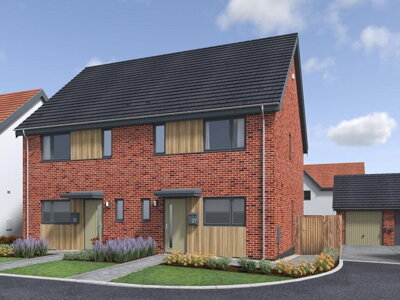
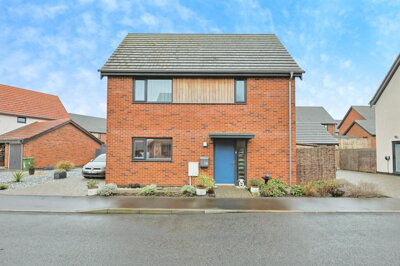
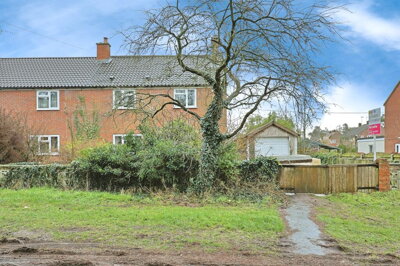
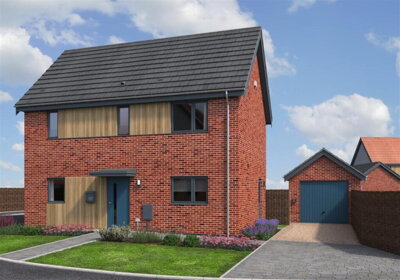
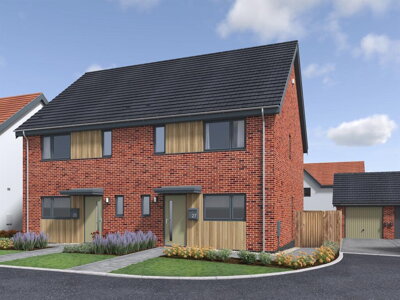
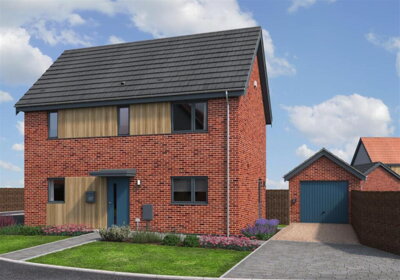
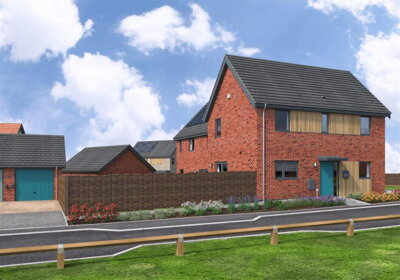
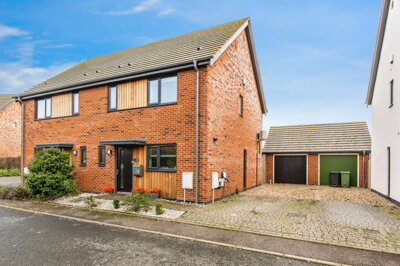
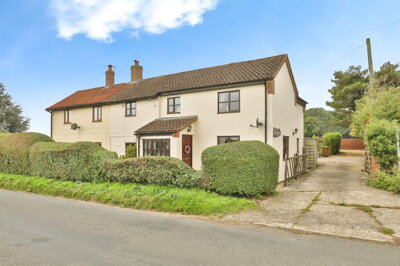
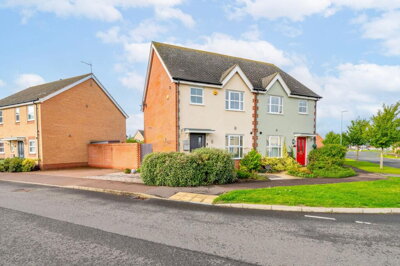
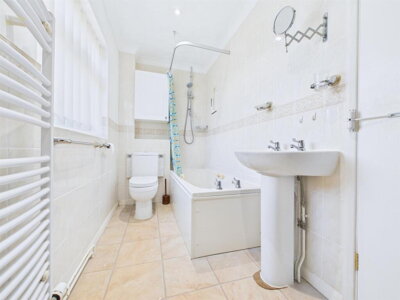
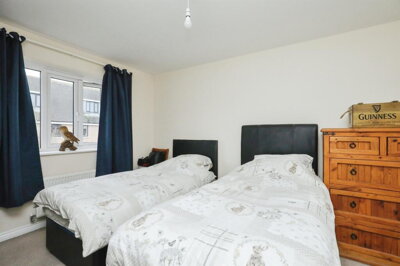
Browse 22 homes for sale in Cockley Cley from local estate agents.
Three bedroom properties represent a significant portion of the Cockley Cley housing market, offering space for families with multiple reception rooms and gardens in many cases. Browse detached, semi-detached, and terraced options ranging from period character homes to contemporary developments.
The Cockley Cley property market reflects its rural character, with limited stock and a tight-knit community of homeowners. We feature detached properties commanding an average price of £400,000, while semi-detached homes offer more accessible entry at around £275,000. Recent data shows only 2 property sales completed in the village over the past 12 months, underscoring how rare opportunities in this sought-after location can be.
Price trends in Cockley Cley show a modest correction of -10.6% over the past year, which buyers should view in context of the village's already premium rural positioning. This adjustment brings some properties within closer reach for those with budgets previously at the upper end of the market. The housing stock itself is predominantly older construction, with many properties predating 1945 and featuring the traditional Norfolk blend of brick, flint, and render that defines the area's distinctive character.
Given the scarcity of new-build developments in the PE37 postcode area, buyers seeking modern specifications may need to consider nearby towns or accept that Cockley Cley properties offer character and authenticity that newer builds cannot replicate. The conservation designation ensures the village maintains its historic appearance, protecting your investment against inappropriate development in the surrounding area. Our team regularly monitors new listings across the village and can alert you when properties matching your criteria come to market.

Life in Cockley Cley centres on community spirit and the rhythms of rural Norfolk living. With a population of just 159 residents, the village offers an escape from the pressures of modern urban life while maintaining essential connections to wider Norfolk. The Cockley Cley public house serves as a focal point for social gatherings, and the ancient parish church provides both spiritual focus and a gathering place for village events throughout the year.
The surrounding Breckland landscape offers exceptional opportunities for outdoor recreation. Residents enjoy walking through farmland and woodland, cycling along quiet country lanes, and exploring the diverse heathland habitats that make this part of Norfolk unique. The proximity to the Oxburgh Estate, managed by the National Trust, provides an additional cultural draw with its historic manor house, beautiful gardens, and year-round events programme that attracts visitors from across the region.
For everyday amenities, residents typically travel to nearby Swaffham, which offers a selection of shops, supermarkets, healthcare facilities, and schools within approximately 15 minutes' drive. The town provides essential services including a GP surgery, pharmacy, and post office alongside its traditional market. King's Lynn, further north, provides comprehensive retail, dining, and entertainment options alongside mainline railway connections to London and Cambridge. This balance of village serenity with accessible urban conveniences makes Cockley Cley particularly appealing to those seeking the best of both worlds.

Families considering a move to Cockley Cley will find educational options within reasonable driving distance across the Breckland area. For younger children, the village falls within the catchment areas for several well-regarded primary schools in nearby villages and towns. These schools typically serve small communities, allowing teachers to provide individual attention and fostering close relationships between staff, pupils, and parents.
The nearest primary schools to Cockley Cley include those in the surrounding villages of the Breckland district, many of which have been rated Good or Outstanding by Ofsted. These smaller rural schools often benefit from dedicated teaching staff who know each child individually, creating supportive learning environments that some families prefer over larger urban settings. Parents should verify current catchment boundaries with Norfolk County Council, as these can affect which school your child will be allocated.
Secondary education options in the region include notable schools in Swaffham and the wider Breckland district. The Hamond's High School in Swaffham serves as a key secondary option for village families, offering a range of GCSE and A-Level courses. Parents should verify current catchment arrangements and admission policies directly with Norfolk County Council, as these can change and may influence school placements. Transport arrangements for secondary school pupils often involve school buses serving villages across the rural hinterland.
For families seeking independent education, Norfolk hosts several well-established preparatory and senior schools, many of which offer boarding facilities. The cathedral city of Ely, within approximately 45 minutes' drive, provides additional options including the renowned King's School Ely. University access is convenient via Norwich, Cambridge, and the wider East Anglia region, with excellent road and rail connections from nearby King's Lynn and Ely.
While Cockley Cley embraces its rural character away from major transport routes, residents benefit from reasonable connectivity to the wider region. The village sits approximately 15 miles east of King's Lynn, which provides mainline railway services to London King's Cross (journey time approximately 1 hour 40 minutes) and Cambridge (around 50 minutes). These rail connections make day commuting to these major centres feasible for those working in professional services, healthcare, or education.
Road transport forms the backbone of daily commuting for most Cockley Cley residents. The A1065 provides direct access to Swaffham to the west and connects to the A11 trunk road heading toward Norwich. The A47 passes nearby to the north, offering routes to Norwich and toward the midlands. For those travelling to Cambridge, the A10 via Ely remains the preferred route. Weekend travel to the Norfolk coast, Areas of Outstanding Natural Beauty, and Broads National Park is straightforward via the county's well-signposted road network.
Public transport options from the village are limited, reflecting its small population. Bus services connecting Cockley Cley to neighbouring villages and market towns operate on reduced frequencies typical of rural Norfolk routes. The 46 bus service provides connections between surrounding villages, though timetables are designed primarily for school runs and market day trips rather than daily commuting. Residents planning to commute by public transport should verify current timetables with Norfolk County Council or local operators. Many households in the village maintain two vehicles, with cycling popular for local journeys when weather permits.
Properties in Cockley Cley require careful inspection due to their age and traditional construction methods. The village's housing stock is predominantly older, with many homes dating from the Victorian era and earlier, constructed using solid wall techniques rather than modern cavity construction. Our inspectors frequently identify damp as a primary concern in these older properties, whether rising damp from failed or absent damp-proof courses, penetrating damp through porous brick and flint walls, or condensation resulting from outdated ventilation systems.
The traditional Norfolk construction using brick, flint, and render presents specific challenges that differ from modern buildings. Solid walls lack the insulation properties of cavity construction, leading to heat loss and potential condensation issues, particularly in rooms with limited airflow. Our surveyors pay close attention to the condition of render finishes, as these can trap moisture against the underlying structure when damaged or cracked, leading to deterioration of the brick and timber elements beneath.
Roof conditions represent another area of concern in Cockley Cley's older properties. Many homes feature slate or clay tile roofing with traditional timber roof structures that can be susceptible to rot and woodworm infestation over decades of exposure. Our inspectors check thoroughly for signs of slipped or missing tiles, deterioration of leadwork around chimneys and valleys, and any sagging or movement in roof timbers that might indicate structural issues requiring attention.
The local geology of the Cockley Cley area, comprising predominantly chalk and sand deposits with some clay pockets, can contribute to subsidence concerns in certain properties. Those near mature trees or in areas with variable ground conditions may experience ground movement as clay soils shrink and swell with seasonal moisture changes. Our surveyors assess the position of properties relative to trees and watercourses, checking for crack patterns and other signs of structural movement that might indicate foundation issues.
The Cockley Cley Conservation Area designation imposes specific restrictions on external alterations to properties within the village boundaries. If you are considering purchasing a property here and plan any modifications, you should understand that changes to windows, doors, roof materials, external paint colours, or boundary features may require consent from Breckland Council planning department. These controls exist to preserve the village's historic character and protect the investment of all property owners.
The village contains several listed buildings, including the Grade I listed Church of St Mary the Virgin, which represents the highest level of architectural and historic significance. Properties carrying Grade II or Grade II* listed status are subject to additional controls administered by Historic England in conjunction with the local planning authority. Any works to listed buildings, inside or out, that might affect their character or structure require Listed Building Consent before proceeding.
Our team understands the complexities of buying heritage properties in conservation areas and can connect you with surveyors experienced in assessing historic buildings. For listed properties in Cockley Cley, we often recommend a RICS Level 3 Survey (Building Survey) rather than a standard Level 2 assessment, as this provides more detailed analysis of traditional construction techniques, historic building materials, and the specific issues affecting older properties. The additional cost is justified by the more comprehensive inspection and expert recommendations these surveys provide.
Start by exploring our current listings and understanding what makes Cockley Cley unique. With only 2 sales in the past year, opportunities are infrequent, so monitoring listings regularly and understanding the local market dynamics is essential for timing your purchase effectively. We can set up property alerts to notify you when new homes matching your criteria become available in the village.
Before viewing properties, obtain a mortgage agreement in principle from a lender. This demonstrates your financial credibility to sellers and estate agents, strengthening your position in a competitive market where rural properties can attract multiple interested buyers. Rural properties sometimes take longer to sell due to their limited buyer pool, so having your finances arranged shows serious intent.
Contact local estate agents representing properties in Cockley Cley to arrange viewings. Given the village's conservation status and older housing stock, viewings allow you to assess each property's character, condition, and suitability for your needs in person. We recommend viewing properties at different times of day and in various weather conditions to understand how they perform throughout the year.
Given that most Cockley Cley properties are over 50 years old with traditional construction methods involving brick, flint, and solid walls, a thorough survey is essential. Our network of RICS qualified surveyors can identify issues such as damp, roof defects, timber decay, and any signs of subsidence before you commit to purchase. For listed properties, consider upgrading to a Level 3 Building Survey for more comprehensive analysis.
Once your offer is accepted, instruct a solicitor with experience in rural Norfolk properties to handle the legal transfer. Conveyancing for heritage properties may require additional checks on listed building consents, conservation area restrictions, and any unusual title arrangements common in older village properties. Your solicitor should also investigate drainage arrangements, as some rural properties may use private water supplies or septic tanks rather than mains services.
Work closely with your solicitor and mortgage lender to complete all legal documentation and funds transfer. On completion day, you will receive the keys to your new Cockley Cley home and can begin enjoying village life in this charming Norfolk community. We recommend arranging buildings insurance from exchange of contracts, as this becomes your responsibility at that point even before you take ownership.
Properties in Cockley Cley require careful inspection due to their age and construction methods. The predominant use of traditional Norfolk brick and flint, often in solid wall construction without cavity insulation, means damp prevention requires particular attention. Prospective buyers should look for signs of rising damp, particularly in ground-floor rooms and basements, and check whether properties have been equipped with modern damp-proof courses where original construction predates their standard installation.
The village's conservation area designation imposes restrictions on external alterations, so buyers should understand what changes they can and cannot make without planning permission. Properties listed as Grade I, Grade II*, or Grade II are subject to additional controls administered by Historic England and Breckland Council. Any plans to modify windows, doors, roof materials, or external features on listed buildings require Listed Building Consent, adding complexity to renovation projects.
Flood risk in Cockley Cley requires individual assessment for each property. While the village generally enjoys low risk from river and tidal flooding, surface water pooling in low-lying areas during heavy rainfall can affect certain properties. The Environment Agency flood risk maps show that areas near watercourses and in valley bottoms carry higher surface water flood risk than properties on higher ground. A local drainage history check and review of the property's position relative to nearby watercourses provides valuable context.
Properties near mature trees should receive particular scrutiny for potential subsidence issues, as clay pockets within the predominantly chalk geology can cause ground movement. Our inspectors examine properties for diagonal cracking around door and window frames, uneven floors, and gaps between walls and skirting boards, which may indicate historic or ongoing subsidence. Trees in close proximity, particularly those with high moisture demand, can exacerbate shrink-swell issues in clay-rich subsoils.
The average house price in Cockley Cley currently stands at £357,500 according to recent market data. Detached properties command around £400,000 on average, while semi-detached homes typically sell for approximately £275,000. The market has experienced a modest correction of -10.6% over the past 12 months, reflecting broader rural property trends. Given the village's limited stock and the rarity of sales, with only 2 transactions recorded in the past year, buyers should expect competitive conditions when quality properties become available.
Properties in Cockley Cley fall under Breckland Council's jurisdiction for council tax purposes. Specific banding depends on property valuation, but most traditional Norfolk properties in the village, including older detached houses and converted farm buildings, typically fall within bands C through E. Prospective buyers should verify exact council tax bands with Breckland Council or on the Valuation Office Agency website, as this forms part of the ongoing costs of ownership.
Cockley Cley itself does not have a school within the village, so families typically rely on nearby primary schools in surrounding villages such as those serving the broader Breckland catchment area. Good-rated primary schools within approximately 20 minutes' drive include those in Swaffham and surrounding villages, many of which serve small rural communities similar to Cockley Cley. Swaffham hosts several well-regarded primary and secondary schools within approximately 15 minutes' drive, including The Hamond's High School for secondary education. Parents should consult Norfolk County Council's school admissions portal to confirm current catchment areas and application deadlines, as these can change annually.
Public transport options from Cockley Cley are limited, reflecting the village's small population of 159 residents. Rural bus services connect the village to nearby market towns on weekdays, though frequencies are reduced compared to urban routes, with some services operating only on specific days for market visits. The nearest railway stations are in King's Lynn and Ely, both requiring a drive of approximately 15-20 miles, with direct trains to London and Cambridge available from both stations. Most residents rely primarily on private vehicles for daily commuting and errand-running, with the village benefiting from reasonable road access to surrounding towns via the A1065 and connections to the A11 and A47.
Cockley Cley offers distinct investment characteristics shaped by its rural location and conservation status. The village's desirability stems from its tranquil lifestyle offering, proximity to Norfolk's natural attractions including the Breckland heaths and the National Trust's Oxburgh Estate, and limited supply of available properties. While capital growth may not match urban hotspots, the scarcity of stock means properties rarely lose value during market downturns. The conservation area designation protects the village's character, ensuring the local environment remains attractive to future buyers. Properties requiring renovation may appeal to investors, though listed building status adds complexity and cost to any improvement projects.
Stamp duty Land Tax (SDLT) applies to your Cockley Cley purchase based on the property price and your buyer status. Standard rates for 2024-25 start at 0% on the first £250,000, rising to 5% on the portion between £250,001 and £925,000. If you are a first-time buyer purchasing a property under £625,000, you qualify for relief on the first £425,000, paying 5% only on amounts between £425,001 and £625,000. Properties priced above £625,000 do not receive first-time buyer relief, while those above £1.5 million incur the 12% rate on amounts exceeding that threshold.
Given that most properties in Cockley Cley predate 1945 with traditional solid-wall construction using brick, flint, and render, a RICS Level 2 Survey (Homebuyer Report) is strongly recommended. This comprehensive assessment covers walls, roofs, floors, dampness, timber conditions, and signs of subsidence. For listed buildings or properties showing significant structural concerns, a RICS Level 3 Survey (Building Survey) provides more detailed analysis of construction materials and potential defects. Survey costs in Norfolk typically range from £400 to £900 depending on property size and complexity, with detached properties at the higher end.
Cockley Cley generally enjoys low risk from river and tidal flooding, though surface water flooding requires individual assessment for each property. The Environment Agency's flood maps indicate that areas near watercourses and in low-lying positions within the village carry higher surface water flood risk during periods of heavy rainfall. Properties on elevated ground away from drainage channels typically face minimal flooding concerns. We recommend requesting a property-specific flood risk report and checking the position of nearby drainage ditches and watercourses before purchasing.
Period properties in Cockley Cley commonly present maintenance challenges related to their traditional construction and age. Our inspectors frequently identify damp issues resulting from absent or failed damp-proof courses, outdated plumbing and electrical systems requiring updating to meet current regulations, and deterioration of traditional building materials including flint pointing and render finishes. Roof maintenance is often required, with issues including slipped tiles, decaying leadwork, and timber rot in roof structures. Properties may also lack modern insulation levels, making them less energy-efficient than newer homes, though upgrading solid walls is complicated by listed building restrictions in many cases.
Understanding the full cost of purchasing property in Cockley Cley extends beyond the sale price to encompass SDLT, legal fees, survey costs, and ongoing expenses. For a typical detached home at the village average of £400,000, a standard buyer without first-time buyer status would pay £7,500 in stamp duty, calculated as £0 on the first £250,000 plus 5% on the remaining £150,000. First-time buyers would pay £0 on the first £425,000, making such a purchase SDLT-free under current relief provisions.
Survey costs warrant particular attention given the village's older property stock. RICS Level 2 Surveys for properties in Norfolk typically range from £400 for smaller terraced homes to £900 or more for substantial detached properties with complex roof structures or annexes. An Energy Performance Certificate is mandatory and costs from £80 depending on property size. Conveyancing fees for a straightforward rural property purchase start from around £500, though listed buildings or those with complex titles may incur additional charges.
Additional costs to budget for include mortgage arrangement fees (often 0.5-1% of the loan amount), search fees covering local authority, drainage, and environmental searches (approximately £300-500), and removals expenses. Buildings insurance should be in place from exchange of contracts, and buyers should also consider the ongoing costs of council tax, utilities, and maintenance reserves. Engaging with a fee-based mortgage broker rather than bank-only options can help ensure you secure the most competitive rate for your rural property purchase.
Properties for Sale In London

Properties for Sale In Plymouth

Properties for Sale In Liverpool

Properties for Sale In Glasgow

Properties for Sale In Sheffield

Properties for Sale In Edinburgh

Properties for Sale In Coventry

Properties for Sale In Bradford

Properties for Sale In Manchester

Properties for Sale In Birmingham

Properties for Sale In Bristol

Properties for Sale In Oxford

Properties for Sale In Leicester

Properties for Sale In Newcastle

Properties for Sale In Leeds

Properties for Sale In Southampton

Properties for Sale In Cardiff

Properties for Sale In Nottingham

Properties for Sale In Norwich

Properties for Sale In Brighton

Properties for Sale In Derby

Properties for Sale In Portsmouth

Properties for Sale In Northampton

Properties for Sale In Milton Keynes

Properties for Sale In Bournemouth

Properties for Sale In Bolton

Properties for Sale In Swansea

Properties for Sale In Swindon

Properties for Sale In Peterborough

Properties for Sale In Wolverhampton

Enter your details to see if this property is within your budget.
Loans, cards, car finance
Estimated property budget
Borrowing + deposit
You could borrow between
Typical borrowing
Monthly repayment
Est. at 4.5%
Loan-to-value
This is an estimate only. Your actual budget may vary depending on interest rates, credit history, and personal circumstances. For an accurate affordability assessment, speak to one of our free mortgage advisors.
This calculator provides estimates for illustrative purposes only and does not constitute financial advice. Your home may be repossessed if you do not keep up repayments on your mortgage. Estimates based on 4.5% interest rate, repayment mortgage. Actual rates depend on your circumstances.
Homemove is a trading name of HM Haus Group Ltd (Company No. 13873779, registered in England & Wales). Homemove Mortgages Ltd (Company No. 15947693) is an Appointed Representative of TMG Direct Limited, trading as TMG Mortgage Network, which is authorised and regulated by the Financial Conduct Authority (FRN 786245). Homemove Mortgages Ltd is entered on the FCA Register as an Appointed Representative (FRN 1022429). You can check registrations at NewRegister or by calling 0800 111 6768.

We use cookies to show you personalised content and improve your experience of our website. Find out more in our Privacy policy and Cookie policy.