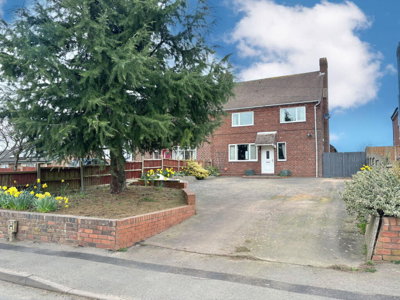
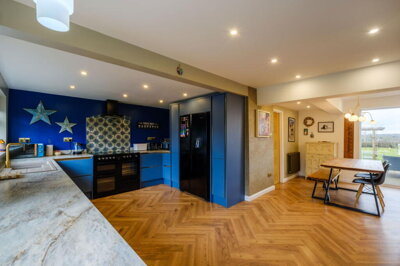
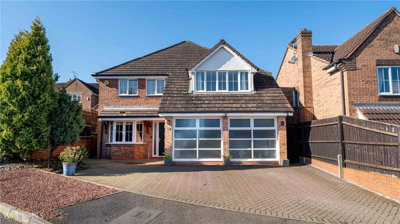
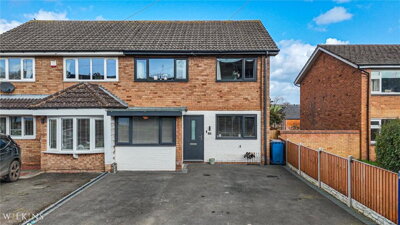
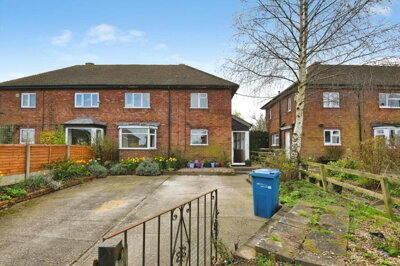
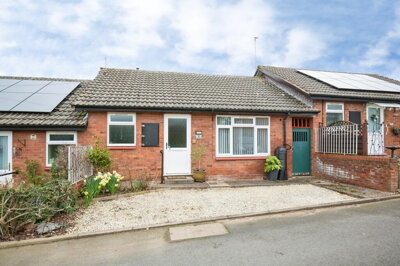
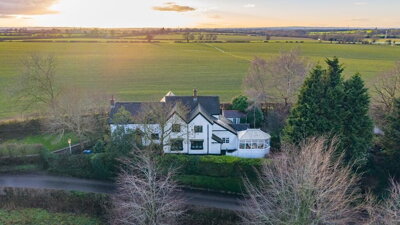
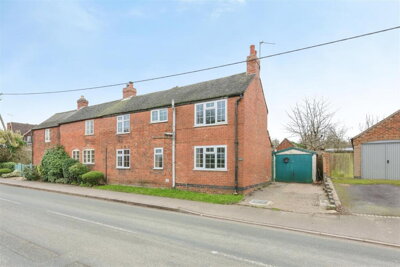
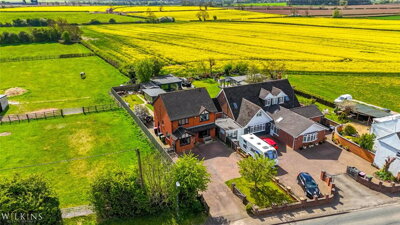
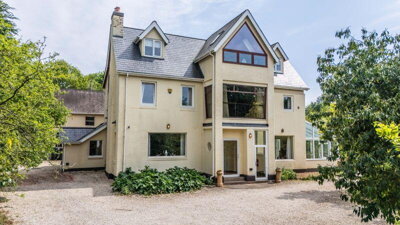
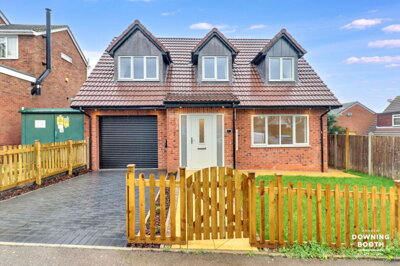
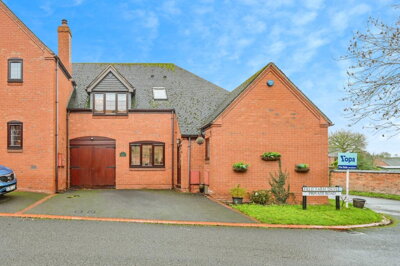
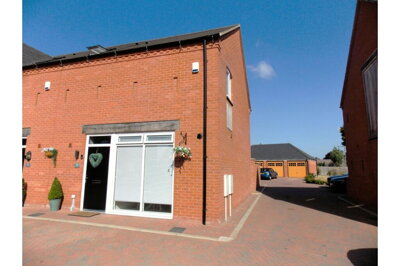
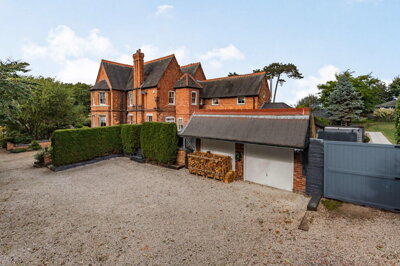
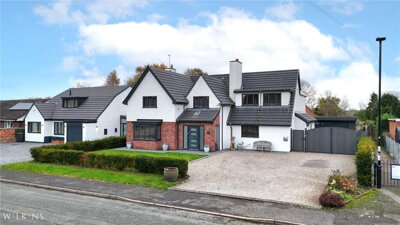
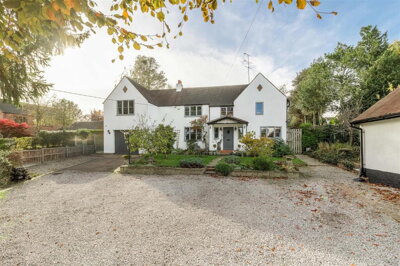
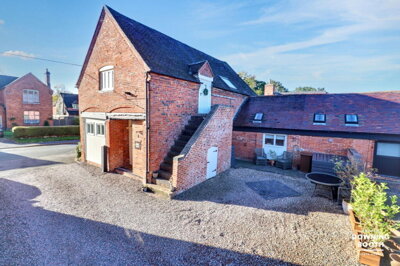
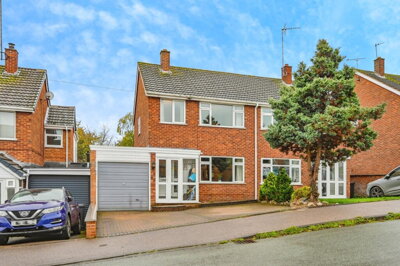
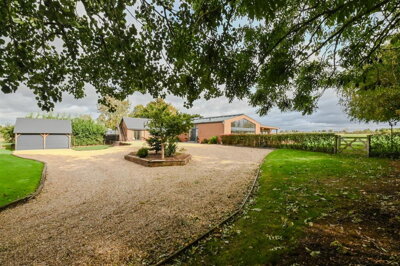
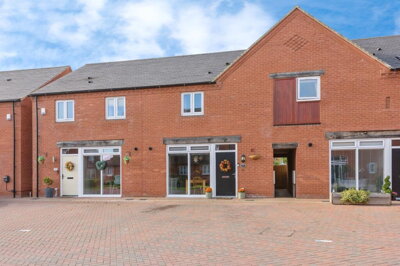
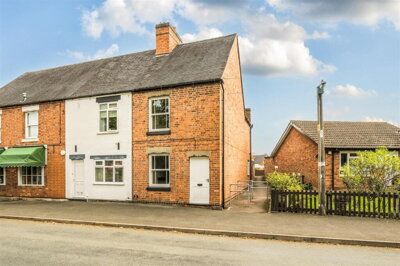
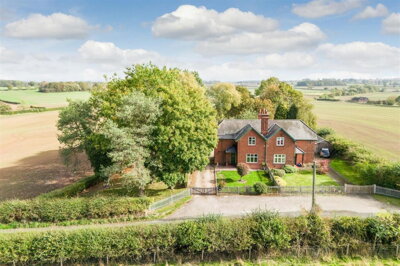
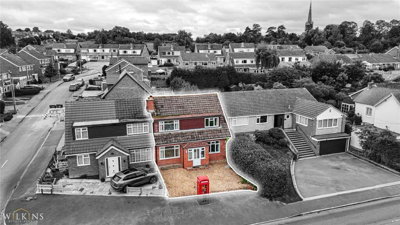
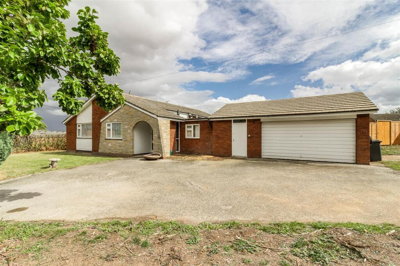
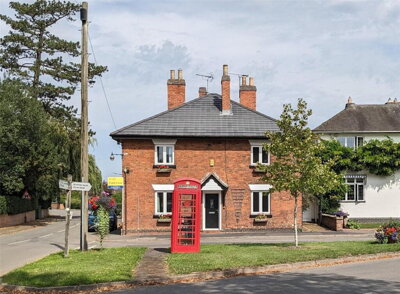
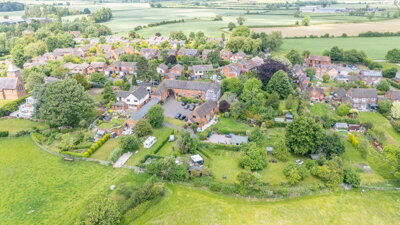
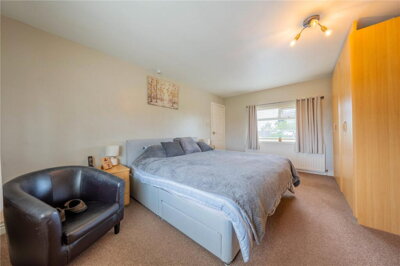
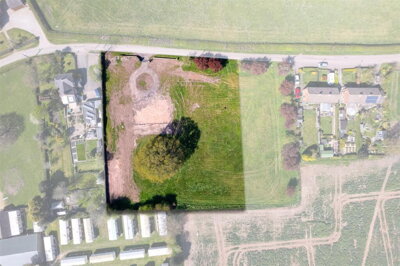
Browse 37 homes for sale in Clifton Campville from local estate agents.
The property market in Whenby operates within a unique context shaped by the village small scale and rural character. Whenby comprises approximately 20-31 traditional cottages and houses, making it one of North Yorkshire's smallest communities. This limited housing stock means that properties rarely come to market, and when they do, they attract significant interest from buyers seeking an authentic rural lifestyle. The village falls within the YO60 and YO61 postcode districts, with the YO61 4SE postcode specifically serving the parish.
Detailed property price data for Whenby itself is aggregated at the wider postcode district level by property portals and the Land Registry, reflecting the village tiny footprint. However, the broader YO61 area around York provides useful context for understanding property values in this part of North Yorkshire. Given the village desirable rural location, character properties, and proximity to York, values in the area typically reflect premium pricing for traditional North Yorkshire homes. Properties in Whenby tend to be older, character-filled homes constructed from local ironstone and traditional materials, rather than modern developments.
The strict planning permissions that govern the village have prevented significant new construction, meaning that almost all available housing consists of established homes with substantial history and charm. Most properties in Whenby date from before 1919, with many being significantly older given the village long history dating back to the Domesday Book. This age profile means that virtually all housing stock is over 50 years old, with construction methods typically involving solid wall construction using local stone and traditional building techniques.
New build activity in Whenby is essentially non-existent due to the village strict planning controls and the predominantly agricultural nature of the surrounding land. Any new construction would likely be individual, bespoke projects requiring specialist planning permission rather than large-scale developments. This means buyers seeking a home in Whenby should expect to purchase an established period property rather than a new-build home.

Life in Whenby revolves around its strong agricultural heritage and the peaceful rhythms of rural North Yorkshire. The village maintains its character as a small farming community, with local farms and related agricultural businesses forming the backbone of the local economy. The population has grown modestly from 222 residents in 2011 to 246 by 2021, reflecting a quiet but steady interest in village living. Residents enjoy a strong sense of community forged through shared appreciation for the area natural beauty and historical significance.
The village is home to St Martin Church, a Grade II listed building that dates largely from around 1400, serving as a visible testament to Whenby long history. The parish church construction from ironstone with Welsh slate roofs reflects the traditional building materials that characterise much of the village architecture. This religious landmark stands as one of the most significant historical features of the village and provides a tangible connection to centuries of local heritage.
While Whenby itself has limited commercial amenities, the surrounding countryside offers extensive walking routes through farmland and countryside paths. The proximity to the Howardian Hills AONB provides easy access to some of Yorkshire most stunning landscapes, including rolling hills, historic estates, and picturesque villages. The nearby market towns of Easingwold and York supply essential services, supermarkets, and recreational facilities within a short drive, ensuring that residents have access to all necessary amenities while enjoying rural village life.
The village position just outside the Howardian Hills Area of Outstanding Natural Beauty adds to its appeal, offering residents easy access to protected landscapes and outdoor activities. Walking routes from the village connect to the broader public footpath network, allowing residents to explore the surrounding countryside through farmland, past historic landmarks, and into nearby villages. The peaceful setting and strong community atmosphere make Whenby particularly attractive to families, retirees, and those seeking an escape from urban areas.

Families considering a move to Whenby will find educational options available within the wider area, with primary schools located in nearby villages and towns. The village small scale means that younger children typically attend schools in surrounding communities, with school transport arrangements providing access to facilities beyond the immediate locality. Parents should research specific catchment areas and admission policies for schools in the YO61 district to understand which institutions serve Whenby residents.
For primary education, schools in surrounding villages such as Stillington, Foston, and Brandsby typically serve the local area. These smaller rural schools offer intimate class sizes and strong community connections, though parents should verify current catchment boundaries as these can affect placement eligibility. School transport provided by North Yorkshire Council helps ensure that younger children can access education even when the nearest suitable school is beyond walking distance from the village.
For secondary education, students typically travel to schools in Easingwold or York, both of which offer a range of secondary schools and colleges. Easingwold hosts several primary schools and a secondary school that serves the surrounding rural communities, while York provides additional options including grammar schools and independent schools for families seeking alternative educational approaches. The proximity to York, with its array of educational institutions including York College and the University of York, provides extensive options for older students and those pursuing further education.
Families are advised to check current Ofsted ratings and admission criteria for schools they are considering, as catchment boundaries can vary and may affect school placement. York offers an exceptional range of educational options including grammar schools, private schools, and the University of York for higher education. The quality of schooling in the wider area makes Whenby attractive to families seeking rural living without compromising on educational opportunities for their children.
Transport connections from Whenby reflect its rural character while providing access to major urban centres. The village is situated approximately 12 miles north of York, with road connections via the A19 and A64 providing routes to the city and beyond. These major roads offer reliable access to York city centre and connect to the broader motorway network, including the A1(M) for travel to Newcastle, Leeds, and the broader north of England.
For those commuting to York, the journey by car typically takes around 30-40 minutes depending on traffic conditions and the specific route taken. The A64 provides a direct route to York southern and eastern areas, while the A19 offers access to York northern areas and connects to the city ring road. Many residents find that driving to one of York park and ride facilities near the city provides a practical solution for regular commuting, avoiding city centre parking costs and congestion.
York railway station offers excellent connectivity to destinations including London, Edinburgh, Leeds, and Newcastle, with fast intercity services making day trips and business travel practical for residents. Direct trains to London take approximately two hours, making day commuting to the capital feasible for those working in finance, government, or other sectors with London offices. The station is accessible by car or bus from Whenby, typically requiring travel to York first.
Bus services connect Whenby with surrounding villages and towns, though frequencies may be limited given the rural nature of the area. The village position also offers reasonable access to the A1(M) motorway for travel to Newcastle, Leeds, and the broader north of England. Most residents rely on private vehicles for daily transport, though car sharing and occasional bus services provide alternatives for those working locally in agriculture or the surrounding rural economy.
Spend time exploring Whenby and surrounding villages to understand what daily life is like. Visit at different times of day and week, check out local amenities in nearby Easingwold, and speak to residents about community life. Given the small number of properties available, being prepared before a suitable home comes to market gives you a significant advantage. Walking the local footpaths and visiting the village pub or community events can help you understand whether Whenby suits your lifestyle.
Before viewing properties, obtain a mortgage agreement in principle from a lender. This demonstrates to sellers that you are a serious buyer with financing in place. Given Whenby traditional property stock of old cottages, some lenders may require specialist assessments for older properties with non-standard construction, so discuss this with your broker early in the process. Older properties may also require specialist valuation for insurance purposes.
Work with local estate agents who know the Whenby area to arrange viewings as soon as suitable properties are listed. Given the village small size and limited turnover, properties can sell quickly when they become available. Be prepared to act decisively while still conducting thorough due diligence on any property you are considering. Properties in Whenby often appeal to multiple buyers, so having your finances in order and being ready to move quickly can be advantageous.
Given that most properties in Whenby are older cottages, a RICS Level 2 Homebuyer Report is essential. This survey will identify common issues in traditional rural properties including damp (rising, penetrating, and condensation), roof condition, potential subsidence from clay soils, timber defects (woodworm and rot), and outdated electrical systems. The clay loam soil in the area presents a shrink-swell risk that can affect foundations, making professional surveys particularly valuable. Book through Homemove for competitive local surveyor pricing.
Choose a solicitor experienced in rural property transactions to handle the legal aspects of your purchase. They will conduct local authority searches, check for planning restrictions (Whenby has strict planning controls), and manage the transfer of ownership. Given the village position near the Howardian Hills AONB, additional searches may be needed regarding environmental designations. Use Homemove conveyancing service for expert assistance.
Once all searches are satisfactory and financing is confirmed, your solicitor will exchange contracts and set a completion date. On completion day, the property legally transfers to you and you can collect your keys and move into your new Whenby home. Given the village close-knit community, completing on a move-in day that allows time for settling in before neighbours introduce themselves can be a good approach.
Purchasing a property in Whenby requires careful attention to issues specific to traditional rural homes. The village properties are predominantly old cottages constructed from local ironstone and traditional materials, which bring character but also potential challenges. The rich clay loam soil in the area presents a shrink-swell risk that can affect foundations, particularly for older properties with shallower footings. A thorough RICS Level 2 survey is essential to identify any signs of subsidence or movement that might require remedial work.
The clay soil shrink-swell risk is particularly relevant for Whenby properties given that most homes date from before 1919 with foundations designed to different standards than modern construction. Properties showing signs of subsidence may require underpinning or other specialist foundation work, which can be costly. Look for diagonal cracks in walls, doors that stick, or uneven floors as potential indicators of movement that a survey should investigate further.
Buyers should investigate the condition of roofs, as traditional slate and clay tile coverings can deteriorate over time and may require costly replacement. The use of Welsh slate on many period properties means that replacement materials can be expensive and difficult to source. Pointing on slate and tile roofs also requires maintenance, with failing mortar allowing water ingress that can lead to timber decay in the roof structure. A thorough inspection of the roof void is essential to assess the condition of timbers, insulation, and any signs of water penetration.
Electrical and plumbing systems in older cottages frequently fall below modern standards and often need updating. Rewiring a period property to meet current regulations is disruptive and expensive, requiring careful planning to preserve the property character while ensuring safety compliance. Damp is another common concern in period properties, whether rising damp through solid stone walls lacking a damp-proof course, penetrating damp through the porous stone, or condensation resulting from solid wall construction with limited insulation. Properties in Whenby may also include historic features that require specialist maintenance using appropriate traditional materials and methods, such as lime mortar pointing rather than cement.
Specific average house price data for Whenby village itself is not published separately due to the village tiny size. Data is aggregated at the wider YO61 postcode district level by property portals and the Land Registry. Given the village desirable rural location, character properties, and proximity to York, values in the area typically reflect premium pricing for traditional North Yorkshire homes. Properties in Whenby are predominantly period cottages constructed from local ironstone, and these traditional homes with their historic character and restricted supply command prices in line with similar rural North Yorkshire villages. Contact local estate agents for current pricing on any properties available in the village.
Properties in Whenby fall under North Yorkshire Council for council tax purposes. Bands are assigned based on property value as of 1991 and can be verified through the Valuation Office Agency website or your solicitor during conveyancing. Given that Whenby consists mainly of traditional cottages dating from before 1919, many properties may be in lower to mid-range council tax bands, though this varies by individual property based on its specific value assessment. Your solicitor can confirm the exact band during the conveyancing process as part of the local authority searches.
Whenby itself does not have schools within the village, with primary education typically provided by schools in surrounding villages such as Stillington, Foston, and Brandsby. For secondary education, students often attend schools in Easingwold or York, both of which offer good secondary schools serving the wider area. Research current Ofsted ratings and admission catchment areas for schools in the YO61 postcode district, as boundaries can affect placement eligibility. York offers an exceptional range of educational options including grammar schools, private schools, and the University of York for higher education, making the area attractive to families with children of all ages.
Public transport options from Whenby are limited due to its rural nature, with bus services providing connections to surrounding villages and towns, though frequencies may be limited. The nearest railway station is in York, offering excellent intercity connections including direct services to London taking approximately two hours, Edinburgh, Leeds, and Newcastle. Most residents rely on private vehicles for daily transport, though car sharing arrangements among villagers provide alternatives for those working locally in agriculture or the surrounding rural economy. The village position near the A19 and A64 provides reasonable road access for those with cars.
Whenby strict planning permissions and small housing stock mean that properties rarely come to market, creating sustained demand from buyers seeking rural village life near York. The village proximity to the Howardian Hills AONB, beautiful setting, and historical character make it attractive to families, retirees, and those seeking escape from urban areas. However, the limited liquidity of the market means properties may take longer to sell, and investment returns should be considered over longer timeframes. For those seeking rental income, the village small size and limited amenities mean tenant demand may be limited, though the character of period cottages can appeal to those seeking rural living.
Stamp Duty Land Tax applies at standard rates for purchases in England: 0% on the first 250,000 pounds, 5% on 250,001 to 925,000 pounds, 10% on 925,001 to 1.5 million pounds, and 12% above 1.5 million pounds. First-time buyers receive relief on the first 425,000 pounds, paying 5% on the portion between 425,001 and 625,000 pounds. Given Whenby property values for traditional cottages, most purchases fall within the 0-5% bracket. Your solicitor will calculate the exact amount due based on the purchase price and your first-time buyer status.
When budgeting for a property purchase in Whenby, you need to account for several costs beyond the purchase price. Stamp Duty Land Tax applies to all freehold and leasehold purchases in England, with current thresholds (2024-25) setting zero tax on the first 250,000 pounds of property value. For properties priced between 250,001 and 925,000 pounds, the rate is 5%, rising to 10% for properties between 925,001 and 1.5 million pounds, and 12% for anything above that threshold.
First-time buyers benefit from increased thresholds, paying zero tax on the first 425,000 pounds and 5% on the portion between 425,001 and 625,000 pounds. For example, a first-time buyer purchasing a traditional cottage in Whenby priced at 400,000 pounds would pay no stamp duty at all. Given Whenby property market predominantly consists of period cottages valued in the traditional rural property range, most purchases will fall within the lower tax brackets, though individual circumstances and property values will determine the exact amount.
Additional costs include solicitor fees typically ranging from 500 to 1,500 pounds for conveyancing, though complex rural transactions may cost more. Surveyor fees for a RICS Level 2 Homebuyer Report typically range from 350 to 600 pounds depending on property size and value, with larger detached cottages commanding higher fees. Given that virtually all properties in Whenby are over 50 years old and many are pre-1919, a thorough survey is particularly important to identify issues common to period properties.
Factor in search fees of approximately 250-400 pounds for local authority, drainage, and environmental searches, Land Registry fees for registration of title, and moving costs which can vary significantly based on distance and volume of belongings. For period cottages in Whenby, additional costs may include specialist surveys for historic features, building regulations approval for any renovation works, and specialist insurance requirements. Your solicitor will provide a detailed breakdown of anticipated costs as part of the conveyancing quote.
Properties for Sale In London

Properties for Sale In Plymouth

Properties for Sale In Liverpool

Properties for Sale In Glasgow

Properties for Sale In Sheffield

Properties for Sale In Edinburgh

Properties for Sale In Coventry

Properties for Sale In Bradford

Properties for Sale In Manchester

Properties for Sale In Birmingham

Properties for Sale In Bristol

Properties for Sale In Oxford

Properties for Sale In Leicester

Properties for Sale In Newcastle

Properties for Sale In Leeds

Properties for Sale In Southampton

Properties for Sale In Cardiff

Properties for Sale In Nottingham

Properties for Sale In Norwich

Properties for Sale In Brighton

Properties for Sale In Derby

Properties for Sale In Portsmouth

Properties for Sale In Northampton

Properties for Sale In Milton Keynes

Properties for Sale In Bournemouth

Properties for Sale In Bolton

Properties for Sale In Swansea

Properties for Sale In Swindon

Properties for Sale In Peterborough

Properties for Sale In Wolverhampton

Enter your details to see if this property is within your budget.
Loans, cards, car finance
Estimated property budget
Borrowing + deposit
You could borrow between
Typical borrowing
Monthly repayment
Est. at 4.5%
Loan-to-value
This is an estimate only. Your actual budget may vary depending on interest rates, credit history, and personal circumstances. For an accurate affordability assessment, speak to one of our free mortgage advisors.
This calculator provides estimates for illustrative purposes only and does not constitute financial advice. Your home may be repossessed if you do not keep up repayments on your mortgage. Estimates based on 4.5% interest rate, repayment mortgage. Actual rates depend on your circumstances.
Homemove is a trading name of HM Haus Group Ltd (Company No. 13873779, registered in England & Wales). Homemove Mortgages Ltd (Company No. 15947693) is an Appointed Representative of TMG Direct Limited, trading as TMG Mortgage Network, which is authorised and regulated by the Financial Conduct Authority (FRN 786245). Homemove Mortgages Ltd is entered on the FCA Register as an Appointed Representative (FRN 1022429). You can check registrations at NewRegister or by calling 0800 111 6768.

We use cookies to show you personalised content and improve your experience of our website. Find out more in our Privacy policy and Cookie policy.