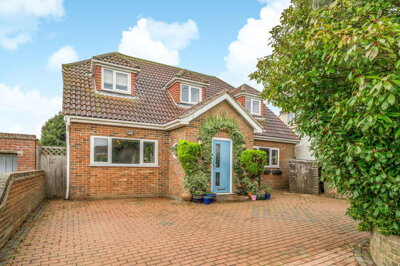
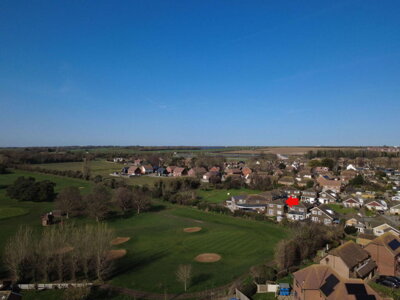
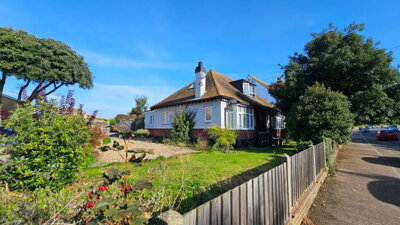
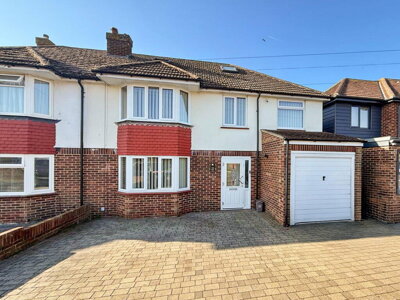
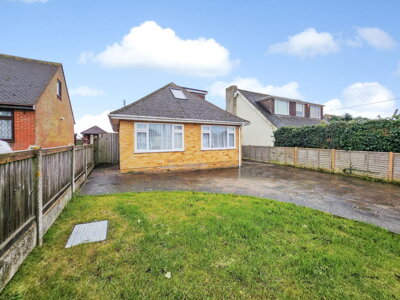
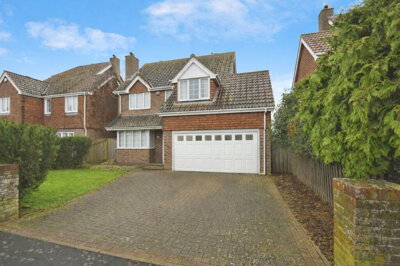
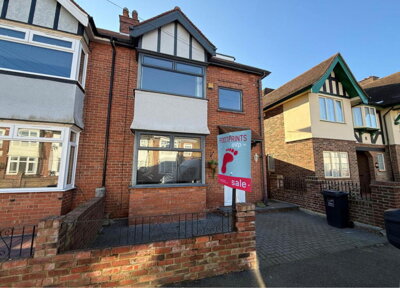
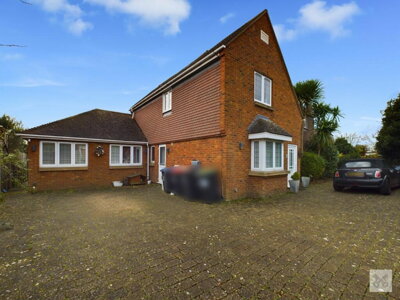
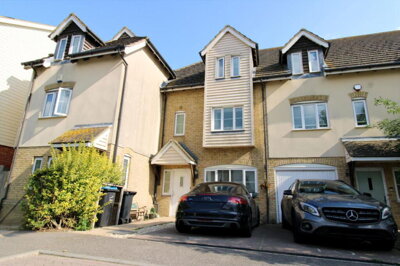
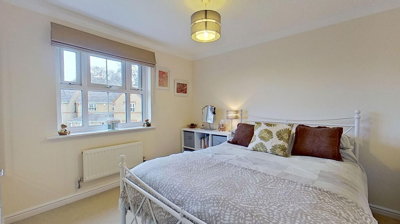
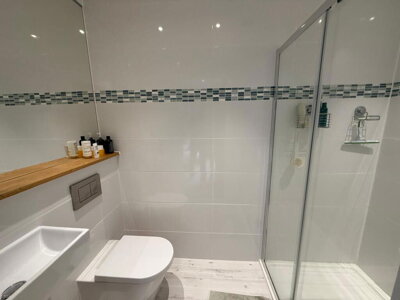
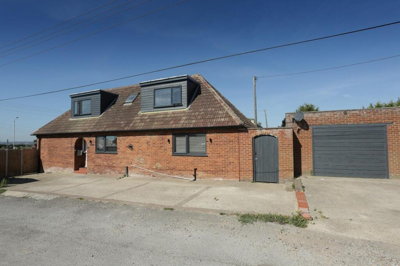
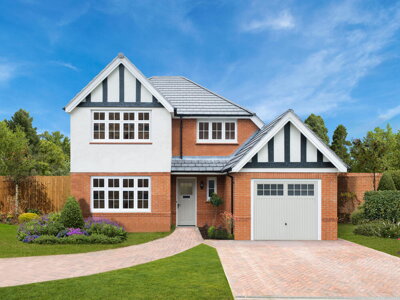
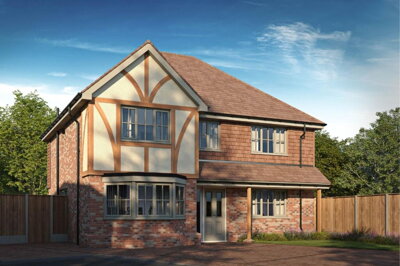
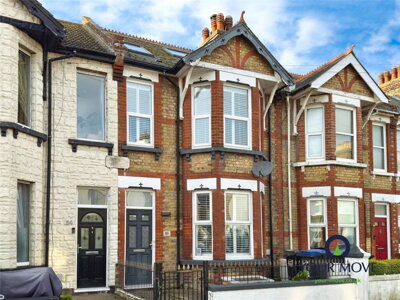
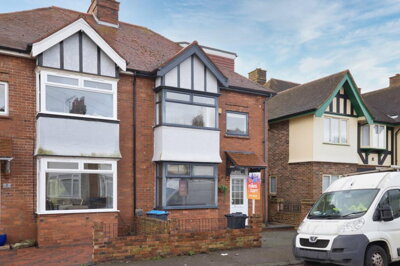
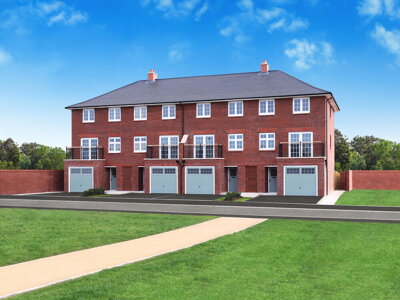
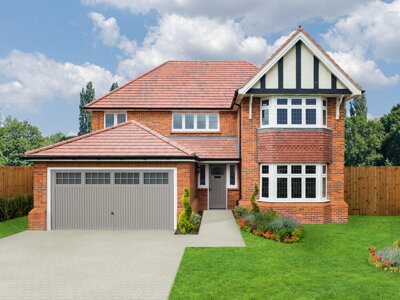
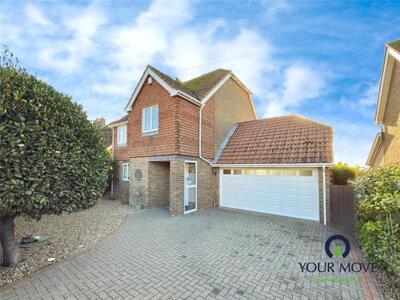
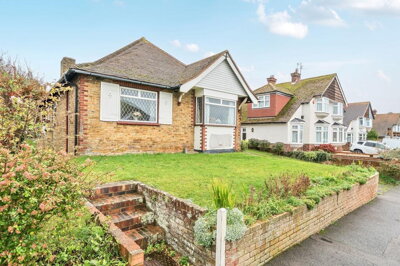
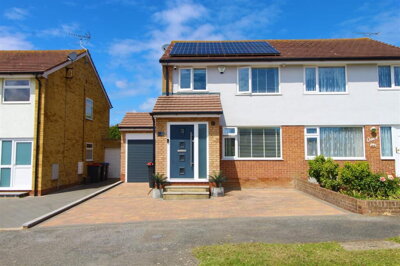
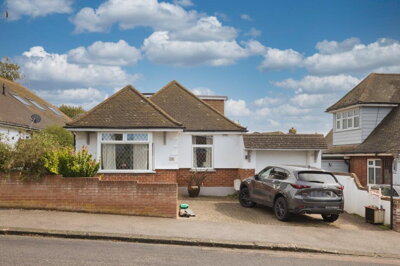
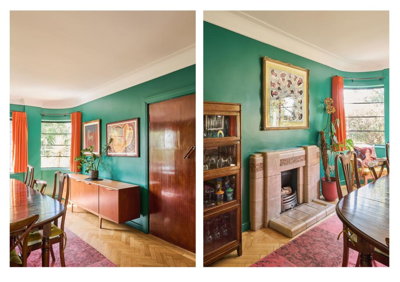
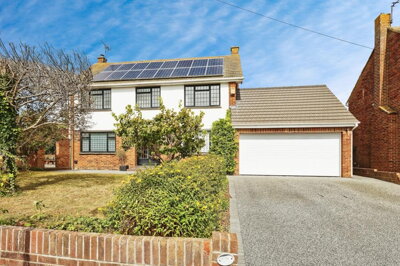
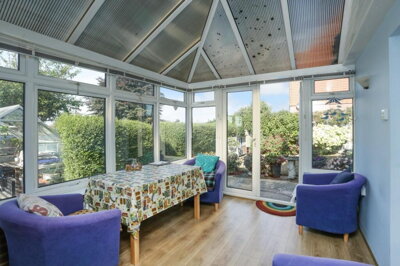
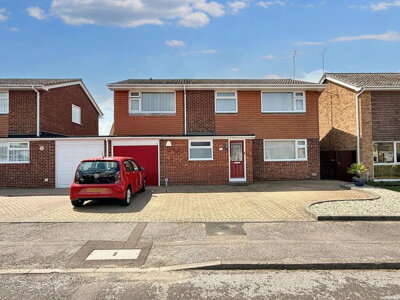
Browse 34 homes for sale in Cliffsend, Thanet from local estate agents.
The larger property sector typically features multiple bathrooms, substantial reception space, and private gardens or off-street parking. Four bedroom houses in Cliffsend span detached, semi-detached, and occasionally terraced configurations, with styles ranging from period properties to modern executive homes.
£465k
3
0
36
Source: home.co.uk
Showing 3 results for 4 Bedroom Houses for sale in Cliffsend, Thanet. The median asking price is £465,000.
Source: home.co.uk
Detached
3 listings
Avg £455,000
Source: home.co.uk
Source: home.co.uk
The Chiddingfold property market offers diverse options across all price brackets, with detached properties commanding the highest values at an average of £1,220,000. Semi-detached homes average around £620,000, while terraced properties provide more accessible entry points at approximately £510,000. Flats in the village start from around £290,000, though these represent a smaller segment of the housing stock at just 8.4% of all properties. Over the past 12 months, the Chiddingfold market has seen a modest 1% decrease across all property types, suggesting a stable environment where buyers can negotiate with confidence while sellers maintain realistic expectations about achievable prices.
Two notable new-build developments currently add fresh options to the local market. The Old Dairy by Metis Homes on Petworth Road offers 3, 4, and 5 bedroom homes priced from £795,000 to £1,395,000. This development occupies the GU8 4SL postcode and represents quality construction from an established regional developer. Chiddingfold Green by Shanly Homes on Coxcombe Lane provides additional 3, 4, and 5 bedroom options ranging from £895,000 to £1,595,000, with the GU8 4QA postcode confirming its Chiddingfold location. Both developments appeal to buyers who prefer the energy efficiency, modern heating systems, and warranties offered by new homes. The continued developer interest in Chiddingfold signals confidence in local demand, though buyers should note that new-build premiums often apply compared to equivalent older properties.
Property values in Chiddingfold benefit from several structural factors that support long-term demand. The Surrey Hills Area of Outstanding Natural Beauty designation limits development potential, helping to maintain supply constraints. The village falls within the catchment areas of well-regarded schools, and the excellent transport links via Haslemere station and the A3 ensure accessibility to major employment markets. The Waverley Borough Council local plan has historically maintained conservation protections for the village centre, further restricting the supply of new properties and supporting existing home values. These factors combine to make Chiddingfold a stable investment destination within Surrey's premium rural property sector.

Chiddingfold Ward is home to a population of approximately 2,900 residents across 1,100 households, creating an intimate community atmosphere that is characteristic of Surrey's most desirable villages. The local economy centres on small businesses, agriculture, hospitality including several well-regarded pubs and restaurants, and essential services that serve both residents and visitors to the area. The village contains a traditional post office and stores, a primary school, recreational facilities including tennis courts and a village hall, and regular community events that bring residents together throughout the year. Many commuters choose Chiddingfold precisely because it offers this rural character while maintaining straightforward access to major employment centres.
The architecture in Chiddingfold reflects its heritage and the local geology, with buildings traditionally constructed using Bargate stone, local brick, and timber framing techniques that have shaped Surrey vernacular style for centuries. The village green and surrounding streets feature numerous period properties built from Bargate sandstone, a locally sourced material that gives the village its distinctive warm golden appearance. Properties along Petworth Road and the lanes leading to the village green include several Grade II listed buildings, while the Grade I listed St Mary's Church anchors the conservation area and provides a focal point for village life. Understanding these architectural traditions helps buyers appreciate why Chiddingfold properties command premiums over comparable properties in less characterful locations.
Approximately 25% of the housing stock dates from before 1919, lending the village its distinctive character of historic cottages and period homes with thick walls, original fireplaces, and traditional features. A further 14% was built between 1919 and 1945, representing the interwar period of suburban expansion that added semis and bungalows to the village. The remaining 30% represents more recent construction including contemporary developments built after 1945 through to the present day. This variety means buyers can choose between centuries-old character properties with original features and modern homes with current insulation standards and layouts suited to contemporary living. The mix of housing types ensures that Chiddingfold can accommodate various buyer requirements, from first-time purchasers seeking terraced cottages to families requiring spacious modern family homes.

Transport connectivity ranks among Chiddingfold's strongest assets, with the village offering convenient access to both road and rail networks. The A3 trunk road runs nearby, providing a direct route to Guildford to the north in approximately 20 minutes by car and Portsmouth to the south in around 45 minutes. The A3 connects to the wider motorway network including the M25 at Wisley, giving access to Heathrow and Gatwick airports, the Thames Valley, and destinations further afield. For daily commuting, the proximity to the A3 makes Chiddingfold particularly attractive to those working in Guildford, Woking, or travelling further afield.
For rail travel, Haslemere station offers South Western Railway services to London Waterloo in approximately 55 minutes, with trains running throughout the day from early morning to late evening. Witley station provides additional options with similar journey times, and both stations offer car parking facilities for residents who combine driving with rail travel. The Haslemere station car park operates on a season ticket basis, and demand for parking spaces can be high during peak commuting hours, which buyers should factor into their travel planning. Those considering a regular commute should check current timetables and consider whether home working arrangements might reduce the frequency of travel.
Local bus services connect Chiddingfold to nearby towns including Godalming and Cranleigh, serving residents who prefer public transport for daily travel or occasional trips. The bus services are less frequent than urban routes, so buyers who rely on public transport should verify current timetables and consider whether a car would be necessary for certain journeys. Cycling infrastructure in the Surrey Hills has improved in recent years, with scenic routes available for recreational cycling and commuter purposes where distances allow. The National Cycle Network passes through the area, and the traffic-free paths in the Surrey Hills provide safe cycling opportunities for leisure and fitness. Parking provision within the village accommodates residents and visitors, though the historic layout of the Conservation Area means that on-street parking dominates in the older central section, and properties with dedicated off-road parking command a premium.
Spend time in Chiddingfold at different times of day and week to understand the community, traffic patterns, and noise levels. Visit local amenities including the village shops, pubs, and cafes to experience daily life in the village. Speak to residents about their experience of village living and ask about any local issues such as parking, flooding, or planning matters. Check the Chiddingfold Conservation Area boundaries via the Waverley Borough Council planning portal and familiarise yourself with planning constraints that may affect property alterations or extensions.
Before viewing properties, obtain a mortgage agreement in principle from a lender to confirm your budget and demonstrate seriousness to sellers. With average prices around £896,000, most buyers in Chiddingfold will require substantial mortgages, and having finance confirmed strengthens your position when making offers in what remains a competitive market. Speak to a whole-of-market mortgage broker who can advise on the best products for your circumstances, including options for self-employed buyers, those with complex income structures, or those requiring larger loans for premium properties. Factor in stamp duty, solicitor fees, and survey costs when calculating your total budget.
Work with local estate agents familiar with Chiddingfold to arrange viewings of suitable properties. Take notes on property condition during viewings, note any signs of damp or timber issues common in older properties, and assess the orientation, natural light, and garden aspects that will affect daily life. Ask vendors about the reason for selling, how long the property has been on the market, and whether there have been any offers. For properties in the Conservation Area or listed buildings, ask about any planning permissions granted or refused, and whether there are any ongoing enforcement notices.
Given that nearly 70% of Chiddingfold properties were built before 1980, a thorough survey is essential before committing to purchase. RICS Level 2 surveys in Chiddingfold typically cost between £500 and £900 depending on property size and complexity. The survey will identify issues including damp, subsidence risk from local clay soils, timber defects, and roof condition. For listed buildings or properties in the Conservation Area with complex construction, consider the more comprehensive RICS Level 3 Survey which provides detailed assessment and advice on maintenance and repair. Survey reports can be used to negotiate price reductions or request that sellers address issues before completion.
Choose a conveyancing solicitor with experience handling Surrey properties, particularly those involving Conservation Areas or listed buildings where additional searches and considerations apply. Your solicitor will conduct local authority searches with Waverley Borough Council, check flooding and drainage records relevant to the River Arun tributaries, and manage the legal transfer of ownership. For properties near water features or in known flood risk areas, additional drainage and flood risk searches should be instructed. The legal process typically takes 8-12 weeks in straightforward cases but may take longer for leasehold properties, properties with title complications, or transactions involving new-build developments.
Once surveys are satisfactory and legal enquiries resolved, your solicitor will coordinate the exchange of contracts and set a completion date. At exchange, the transaction becomes legally binding and a deposit typically 10% of the purchase price is paid. Completion is when the remaining funds are transferred and keys are released, at which point you become the official owner of your Chiddingfold home. On completion day, coordinate with the estate agent to collect keys and arrange for utilities to be transferred to your name. Allow time to familiarise yourself with the property systems, locate meter readings, and note any immediate maintenance priorities identified in your survey report.
Properties in Chiddingfold require careful inspection due to the geological and environmental factors specific to this part of Surrey. The local geology features the Wealden Group including Atherfield Clay, which creates a moderate to high shrink-swell risk that can affect foundations over time. This clay soil expands when wet and contracts during dry periods, causing ground movement that can lead to subsidence in properties with inadequate foundations. Buyers should look for signs of subsidence such as cracking that appears suddenly or has changed over time, uneven floors, or doors and windows that stick or fail to close properly. Properties with large trees nearby are particularly susceptible as tree roots extract moisture from the clay, accelerating shrink-swell cycles. A thorough RICS Level 2 Survey will assess foundation condition and identify any past movement or repair work such as underpinning.
Flood risk requires specific attention in Chiddingfold due to the River Arun and its tributaries flowing through the area. Properties in low-lying positions or those near water features face both fluvial flooding during periods of sustained rainfall and surface water accumulation during heavy storms. The Environment Agency flood maps show varying risk zones throughout the village, and buyers should check these maps for any specific property under consideration. Insurance implications of flood risk should be confirmed before proceeding with a purchase, as some properties may face higher premiums or require specialist cover. Buyers should also check whether flood resilience measures such as non-return valves, raised electrics, or property-level flood barriers have been installed by current owners.
The extensive Conservation Area designation means that many properties are subject to planning restrictions that affect permitted development rights. External alterations, extensions, dormer conversions, and even some interior changes to listed buildings may require consent from Waverley Borough Council planning department. Permitted development allowances are reduced in Conservation Areas, and what might be permissible in a non-designated location may require a full planning application in Chiddingfold. The planning department can provide pre-application advice, and buyers should budget for planning fees and longer timescales if significant alterations are intended. Properties built with traditional materials like Bargate stone require specialist maintenance knowledge, and ongoing conservation responsibilities may affect future maintenance costs.
Understanding the predominant construction methods in Chiddingfold helps buyers appreciate property characteristics and anticipate maintenance requirements. The village features a mix of traditional Surrey vernacular architecture with buildings constructed using locally sourced Bargate stone, which varies in colour from warm yellows to deeper browns depending on the specific quarry and strata level. Older properties often feature solid wall construction with walls 300-450mm thick, providing excellent thermal mass but requiring different insulation approaches compared to modern cavity wall construction. Many period cottages along the village lanes feature exposed timber framing with rendered infill panels, a construction method that requires regular maintenance to prevent water ingress and timber decay.
Roof construction in Chiddingfold properties typically features pitched roofs with traditional cut timber rafters, though older properties may use collar beam or couple roof structures that limit loft conversion potential. Roof coverings historically used clay tiles quarried locally or imported Welsh slate, with some properties featuring decorative ridge tiles or finials that add character but require specialist repair skills. Rainwater goods were traditionally cast iron, and many period properties retain original ironwork that may need restoration or replacement with matching materials to comply with Conservation Area requirements. Buyers should assess roof condition carefully, as roof failures can lead to extensive water damage in the ceiling structures and upper floors below.
Later construction in Chiddingfold from the post-war period onwards follows standard cavity wall construction techniques using brick or rendered blockwork with insulation-filled cavities. These properties typically feature concrete or clay tile roofs, uPVC windows and doors, and modern plumbing and electrical systems. However, some properties built in the 1950s through 1970s may have single-glazed windows, original electrics, or heating systems nearing the end of their service life. The newer developments at The Old Dairy and Chiddingfold Green feature contemporary construction with high insulation standards, 10-year structural warranties, and modern heating systems that should provide years of trouble-free occupation with minimal maintenance requirements.
The average house price in Chiddingfold currently stands at approximately £896,000 according to recent market data from Rightmove. Detached properties average £1,220,000, semi-detached homes around £620,000, terraced properties at £510,000, and flats starting from £290,000. Prices have remained relatively stable over the past 12 months, showing a modest 1% decrease across all property types. With approximately 30 property sales recorded in the GU8 postcode area over the past year, Chiddingfold represents a smaller but active market within Surrey's premium property sector. The high proportion of detached properties at over 50% of the housing stock pulls the average price higher than median prices might suggest, and first-time buyers or those seeking more modest properties may find the terraced and flat segments offer more accessible entry points to the local market.
Council tax in Chiddingfold is administered by Waverley Borough Council, which sets the rates based on property valuations determined by the Valuation Office Agency. Property bands vary according to value, with the village's diverse housing stock spanning all bands from A through to H. Newer detached properties and larger period homes typically fall into higher bands G and H due to their premium values, while smaller cottages, flats, and terraced properties often occupy bands B through E. The current annual council tax charges for Waverley properties start from around £1,400 for Band A properties and increase progressively through to over £2,700 for Band H properties. Prospective buyers should check the specific band for any property of interest via the Valuation Office Agency website, as this affects ongoing annual costs that should be factored into the overall budget for property ownership.
Chiddingfold hosts Chiddingfold Primary School which serves the immediate community and has an established reputation for providing good quality education within the village. Additional primary schools are available in nearby villages including Dunsfold, which has a small village school, and the surrounding area offers further options for families seeking primary education. Secondary education options in the surrounding area include schools in Godalming and the highly selective state grammar schools in nearby towns including Guildford, for which Chiddingfold falls within reasonable catchment distances. Surrey County Council maintains current school admission information including catchment boundaries, oversubscription criteria, and transport eligibility. Parents should verify current arrangements directly with the council and individual schools, as admissions policies are reviewed annually and catchment boundaries can change depending on application patterns in any given year.
Chiddingfold enjoys good connectivity despite its rural character, with Haslemere station offering South Western Railway services to London Waterloo in approximately 55 minutes via direct trains throughout the day. Witley station provides additional rail access with similar journey times to the capital, and both stations offer car parking facilities for residents who combine driving with rail travel. The village is served by local bus routes connecting to Godalming and Cranleigh, though service frequencies are limited compared to urban areas and timetables should be checked before relying on buses for regular commuting. The nearby A3 provides road access to Guildford and Portsmouth, with the M25 accessible for wider journeys. For those working in London or commuting to coastal destinations, Chiddingfold's transport position represents a significant advantage over more isolated rural locations further from major road and rail connections.
Chiddingfold offers several factors that support property investment value, including its location within the Surrey Hills Area of Outstanding Natural Beauty and proximity to excellent schools, transport links, and the capital. The village's Conservation Area status limits new development, helping to maintain property values by preserving supply constraints that prevent oversupply of the housing market. The presence of two active new build developments indicates developer confidence in local demand, and developers typically conduct extensive viability assessments before committing to sites in smaller markets. However, buyers should note that recent price trends show slight decreases of around 1% over the past 12 months, and that the premium average price point limits the pool of potential buyers for higher-value properties. Properties with good commuter access via nearby stations, off-road parking, and modern heating systems tend to retain value most strongly in this segment of the Surrey property market.
Stamp duty rates for 2024-25 apply as follows: no tax on properties up to £250,000, 5% on the portion from £250,001 to £925,000, 10% from £925,001 to £1,500,000, and 12% above £1,500,000. First-time buyers benefit from relief on properties up to £625,000, paying 0% up to £425,000 and 5% between £425,001 and £625,000. Given Chiddingfold's average price of £896,000, a typical buyer without first-time buyer status would pay approximately £32,300 in stamp duty on a median-priced property. First-time buyers claiming full relief would pay around £23,550 on the same property. Properties at the upper end of the market such as the new-build homes at Chiddingfold Green priced up to £1,595,000 would incur stamp duty of approximately £61,300 for non-first-time buyers, representing a significant additional cost that buyers must budget for alongside legal fees, surveys, and moving costs.
The main risks when buying property in Chiddingfold relate to the age of much of the housing stock and the local environmental conditions that affect property condition. Approximately 70% of properties were built before 1980, meaning that many homes will have original construction elements that require maintenance, repair, or replacement. The presence of shrink-swell clay soils in the local geology creates subsidence risk, particularly for properties with inadequate foundations or those affected by tree roots. Flood risk from the River Arun and surface water accumulation affects certain properties, and buyers should check Environment Agency flood maps and consider whether appropriate insurance is available and affordable. Conservation Area restrictions limit what buyers can do to properties without planning consent, which may affect renovation budgets or future plans. Commissioning a thorough RICS Level 2 Survey before purchase is essential to identify these and other issues, allowing buyers to make informed decisions and negotiate appropriate terms based on the property's actual condition.
Purchasing property in Chiddingfold involves several costs beyond the purchase price that buyers should factor into their budget from the outset. Stamp duty land tax represents the most significant additional cost, calculated on the purchase price using bands that have remained in place since the 2024-25 tax year. On the village average price of £896,000, a standard buyer would incur approximately £32,300 in stamp duty, while first-time buyers might reduce this to around £23,550 by claiming relief where eligible. Properties exceeding £925,000 move into the higher 10% band, and those above £1,500,000 face the full 12% rate on amounts above that threshold. The stamp duty calculation becomes particularly significant for buyers of premium properties in Chiddingfold, where the average detached property price of £1,220,000 attracts stamp duty of approximately £57,050.
Survey costs in Chiddingfold typically range from £500 to £900 for a RICS Level 2 Survey, depending on property size and complexity. Given that approximately 70% of properties in the village predate 1980, surveys often identify issues requiring attention, making this expenditure valuable for negotiating repairs or price adjustments before completion. For listed buildings or properties with complex construction, a RICS Level 3 Survey may be recommended, with costs ranging from £1,000 to £2,500 depending on property size. Conveyancing fees generally start from around £499 for straightforward transactions but may increase to £1,000 or more for properties involving Conservation Areas, listed buildings, or flood risk assessments where additional searches and legal enquiries are required.
Local authority searches with Waverley Borough Council, drainage and water searches, and environmental data searches typically total £300 to £500. The local authority search covers planning history, building control records, highways information, and contaminated land data relevant to the specific property and surrounding area. Drainage searches confirm whether the property is connected to mains sewerage and identify any relevant water company apparatus that might affect the property. Land Registry registration fees for transferring ownership are based on purchase price and typically range from £150 to £500. Mortgage arrangement fees where applicable can vary significantly between lenders and should be compared carefully when selecting a mortgage product. These combined costs typically add between £2,000 and £4,000 to the purchase price for a typical Chiddingfold property, though larger or more complex transactions may incur higher charges.
From £500
Professional survey to identify defects in Chiddingfold properties
From £1,000
Comprehensive building survey for older or complex properties
From £85
Energy performance certificate for your new property
From 4.5% APR
Compare mortgage deals for your Chiddingfold purchase
From £499
Expert legal services for your property purchase
Properties for Sale In London

Properties for Sale In Plymouth

Properties for Sale In Liverpool

Properties for Sale In Glasgow

Properties for Sale In Sheffield

Properties for Sale In Edinburgh

Properties for Sale In Coventry

Properties for Sale In Bradford

Properties for Sale In Manchester

Properties for Sale In Birmingham

Properties for Sale In Bristol

Properties for Sale In Oxford

Properties for Sale In Leicester

Properties for Sale In Newcastle

Properties for Sale In Leeds

Properties for Sale In Southampton

Properties for Sale In Cardiff

Properties for Sale In Nottingham

Properties for Sale In Norwich

Properties for Sale In Brighton

Properties for Sale In Derby

Properties for Sale In Portsmouth

Properties for Sale In Northampton

Properties for Sale In Milton Keynes

Properties for Sale In Bournemouth

Properties for Sale In Bolton

Properties for Sale In Swansea

Properties for Sale In Swindon

Properties for Sale In Peterborough

Properties for Sale In Wolverhampton

Enter your details to see if this property is within your budget.
Loans, cards, car finance
Estimated property budget
Borrowing + deposit
You could borrow between
Typical borrowing
Monthly repayment
Est. at 4.5%
Loan-to-value
This is an estimate only. Your actual budget may vary depending on interest rates, credit history, and personal circumstances. For an accurate affordability assessment, speak to one of our free mortgage advisors.
This calculator provides estimates for illustrative purposes only and does not constitute financial advice. Your home may be repossessed if you do not keep up repayments on your mortgage. Estimates based on 4.5% interest rate, repayment mortgage. Actual rates depend on your circumstances.
Homemove is a trading name of HM Haus Group Ltd (Company No. 13873779, registered in England & Wales). Homemove Mortgages Ltd (Company No. 15947693) is an Appointed Representative of TMG Direct Limited, trading as TMG Mortgage Network, which is authorised and regulated by the Financial Conduct Authority (FRN 786245). Homemove Mortgages Ltd is entered on the FCA Register as an Appointed Representative (FRN 1022429). You can check registrations at NewRegister or by calling 0800 111 6768.

We use cookies to show you personalised content and improve your experience of our website. Find out more in our Privacy policy and Cookie policy.