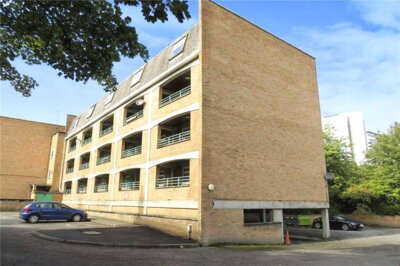
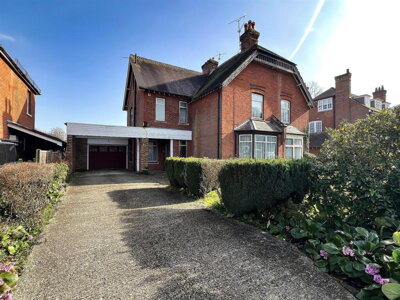
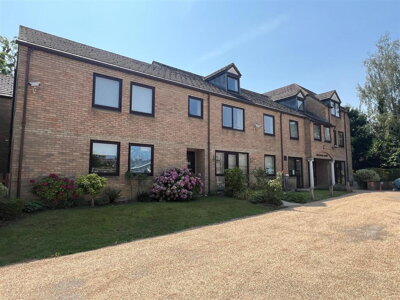
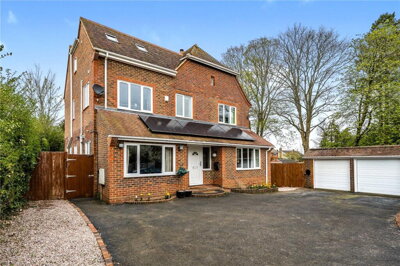
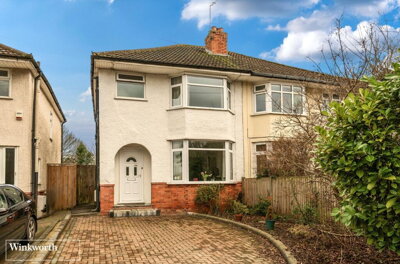
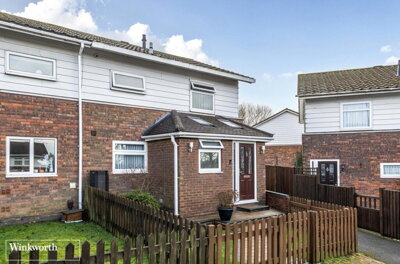
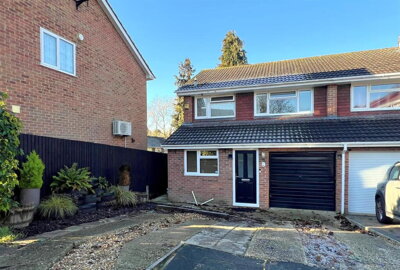
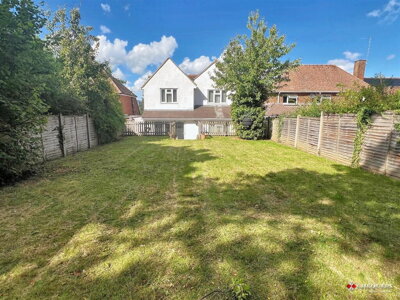
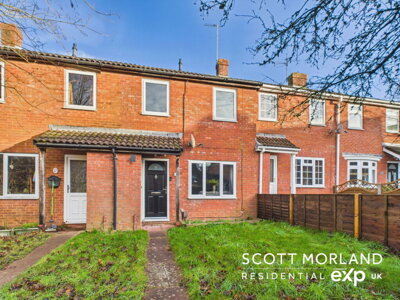
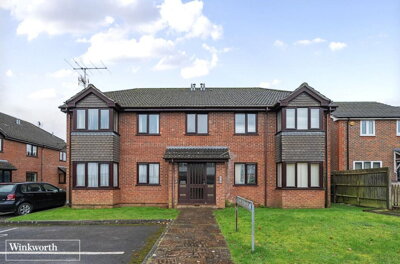
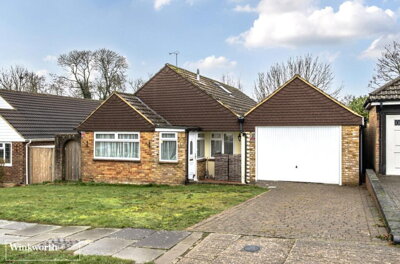
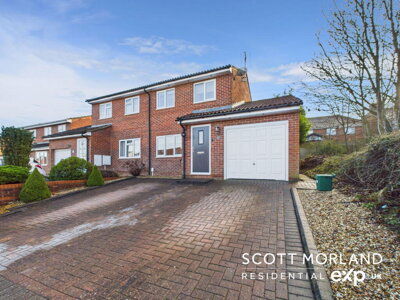
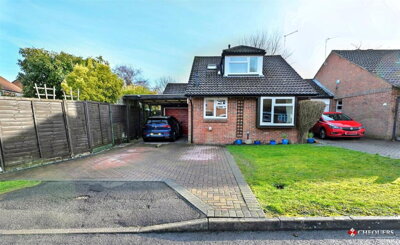
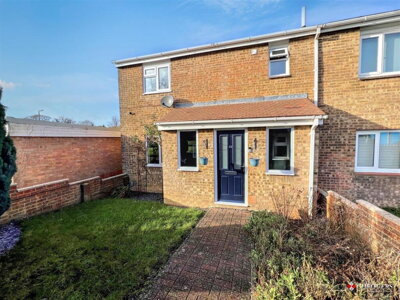
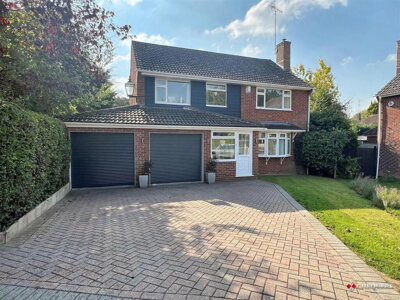
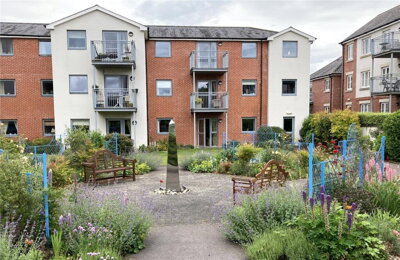
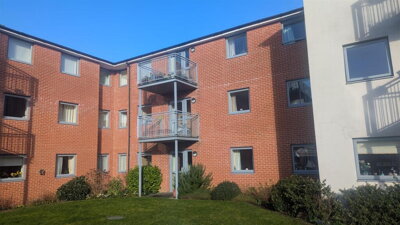
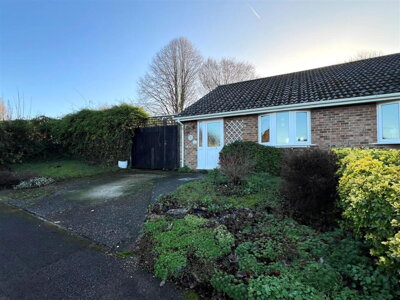
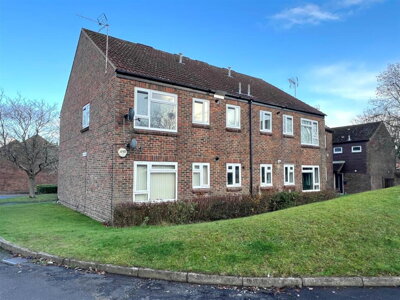
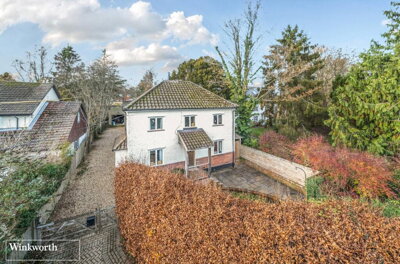
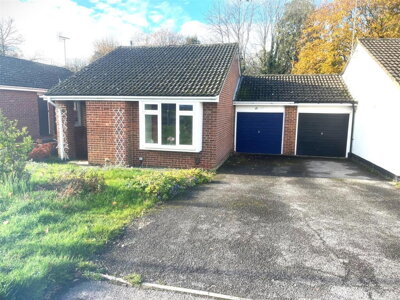
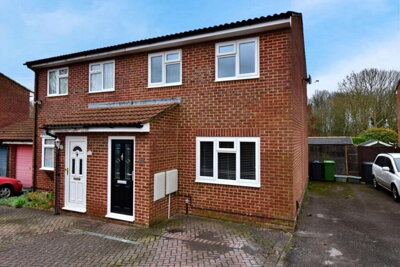
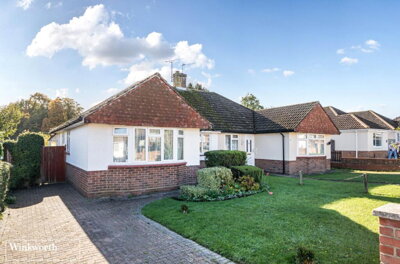
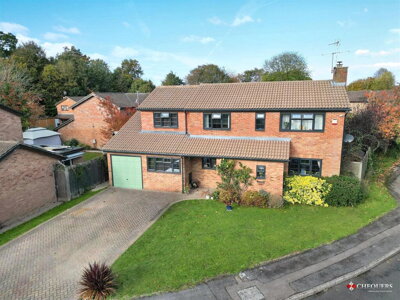
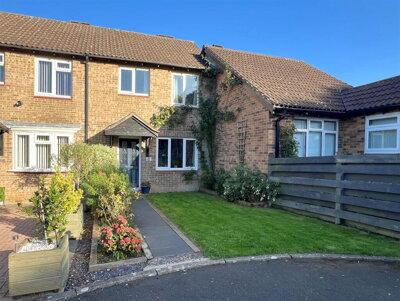
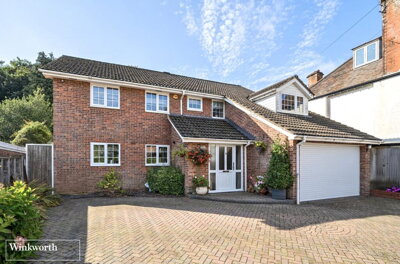
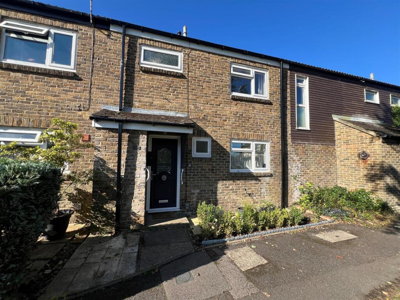
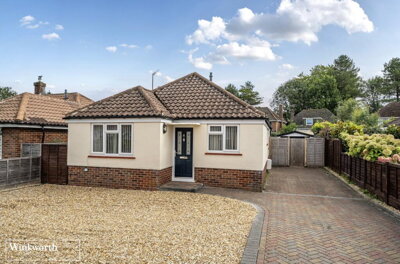
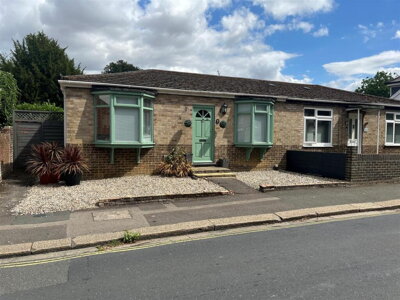
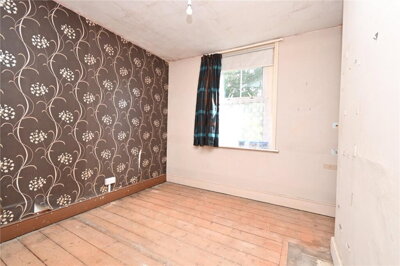
Browse 361 homes for sale in Cliddesden, Basingstoke and Deane from local estate agents.
£825k
4
0
114
Source: home.co.uk
Source: home.co.uk
Detached
3 listings
Avg £833,333
Semi-Detached
1 listings
Avg £525,000
Source: home.co.uk
Source: home.co.uk
The Cawood property market has experienced some correction in recent months, with Land Registry data showing an 8.1% decline in house prices over the past 12 months. Rightmove records indicate prices are approximately 2% down on the previous year and also 2% below the 2020 peak of £382,856. Despite this softening, the YO8 3 postcode area has shown resilience with 2.7% growth in the last year. This mixed picture presents opportunities for buyers looking to enter the North Yorkshire village market at more competitive price points than peak years.
Detached properties dominate the Cawood sales mix, accounting for 47.4% of all transactions in 2025. These larger family homes command significant premiums, with average prices reaching £551,555 according to Rightmove data and a median of £500,000 based on nine recorded sales. Semi-detached homes represent a smaller segment with just two sales recorded at a median of £250,000, while terraced properties made up eight sales with a median price of £216,500. Flats remain relatively scarce in this village setting, with limited data suggesting median prices around £156,750 from 2023 transactions.
For buyers considering the Cawood market, understanding the sales volume provides important context. With only 19 recorded sales in 2025, the village experiences relatively low transaction volumes compared to urban areas. This limited supply means that desirable properties can sell quickly, while buyers may need patience to find the right home. The predominance of detached properties reflects the rural character of Cawood and the larger plot sizes typical of North Yorkshire villages. When evaluating properties for sale in Cawood, comparing asking prices against recent comparable sales helps ensure fair valuation in a market where comparable transactions may be few and far between.

Cawood embodies the charm of traditional North Yorkshire village life, sitting alongside the River Ouse with scenic waterway views and peaceful riverside walks. The village centre retains much of its historic character, with properties dating back centuries contributing to an architectural heritage that includes 17th-century buildings and period cottages throughout the conservation-minded streets. Local amenities include a village pub, convenience shopping, and community facilities that serve day-to-day needs without requiring journeys to larger towns.
The community spirit in Cawood remains strong, with regular village events and a welcoming atmosphere that appeals to families and retirees alike. The surrounding countryside offers extensive walking routes, cycling paths, and access to North Yorkshire's renowned rural landscape. Proximity to the River Ouse provides opportunities for boating and fishing, while the nearby Yorkshire Wolds and Howardian Hills Areas of Outstanding Natural Beauty are within easy driving distance for weekend excursions. The village sits within the Selby District Council area, providing local authority services and council tax arrangements applicable to the YO8 postcode region.
The village pub serves as a focal point for community gatherings and provides a traditional setting for meals and social occasions without leaving the village. Local events throughout the year bring residents together, fostering the sense of belonging that makes village communities distinctive. For families, the presence of a primary school within Cawood reduces the need for school runs to nearby towns, while the relatively short distances to secondary schools in Selby remain manageable for older children. The pace of life in Cawood differs markedly from urban environments, with less traffic, quieter streets, and greater emphasis on outdoor activities and community interaction. Residents often report that the transition to village life brings unexpected benefits in terms of quality of life and neighbourly relationships.

Families considering a move to Cawood will find educational provision available at the primary level within the village itself. Cawood Church of England Voluntary Controlled Primary School serves local children and maintains links with the surrounding Christian community. For secondary education, pupils typically travel to schools in nearby Selby, where Selby High School and other establishments provide a wider range of GCSE and A-Level courses. Parents are advised to check current catchment area arrangements and admissions policies, as these can influence school placement decisions.
Beyond state education, the Cawood area offers access to independent schooling options within reasonable driving distance, including institutions in York and the surrounding region. The presence of the University of York and York St John University provides higher education opportunities for older children, while further education colleges in Selby and York serve vocational and academic pathways. When purchasing property in Cawood, families should verify current school performance data and Ofsted ratings, as these factors significantly influence both educational outcomes and property values in this rural location.
The journey from Cawood to secondary schools in Selby typically involves transport arrangements, whether by school bus services, parental transport, or for older pupils, cycling along the A19 corridor. The approximately 4-mile distance means that school travel forms part of daily routine for families with secondary-age children. Some parents choose to prioritise properties within walking distance of Cawood Primary School for younger children, recognising that the primary years form the foundation of educational development. School performance metrics for Cawood Church of England Primary School fluctuate over time, and prospective buyers should consult the most recent Ofsted reports available on the government website. Property values in village locations often correlate with school accessibility, making proximity to educational facilities an important factor in both lifestyle and investment considerations.
Transport connectivity from Cawood centres on road networks, with the A19 running nearby and providing direct routes to York, Selby, and connections to the broader North Road network. The village sits approximately 4 miles south of Selby, where the A63 provides east-west connectivity, and journey times to York city centre take around 30 minutes by car under normal traffic conditions. The M62 motorway is accessible for those commuting towards Leeds, Hull, and the national motorway network, placing Cawood within reasonable reach of major employment centres.
Public transport options in Cawood reflect its village status, with bus services operating routes connecting the village to Selby and surrounding settlements. Rail services are available in Selby, offering direct connections to York, Leeds, Sheffield, and London Kings Cross, with the capital reachable in approximately two hours. Those working in York benefit from the relatively short commute, while Leeds remains accessible for those willing to make the longer journey. Parking provision within the village accommodates resident vehicles, though the limited public transport options make car ownership practically essential for most daily activities.
For commuters working in York, the daily journey from Cawood provides a manageable balance between rural living and urban employment. The A19 route generally handles well outside peak hours, though morning and evening rush periods on approaches to York can extend journey times. Many residents who work in York choose to travel outside traditional peak hours where job flexibility allows. Those employed in Leeds face longer commutes of approximately one hour each way, which appeals to some but represents a significant commitment for others. The availability of direct rail services from Selby to London Kings Cross makes Cawood viable for London commuters who can work from home several days per week, reducing the frequency of longer journeys. Village parking generally proves adequate for resident needs, with off-street parking typically available at most properties and on-street spaces for visitors.
Properties in Cawood range from modern builds to centuries-old cottages, and each category carries distinct considerations for prospective buyers. Older properties offer character and traditional construction but may require more maintenance and updating. The presence of listed buildings in the village means some properties will have restrictions on alterations and improvements, requiring Listed Building Consent for certain works. Always verify the listing status of any property before committing to purchase.
Flood risk awareness is important when considering properties in Cawood, given the village location adjacent to the River Ouse. While not all properties face significant risk, those closer to the river or in lower-lying areas may require specialist insurance and could face occasional flooding. Obtain an environmental search that includes flood risk assessment and factor any premium insurance costs into your budget. Drainage and soakaway conditions should also be investigated, particularly for older properties with original drainage systems.
Freehold versus leasehold tenure varies across Cawood, with most houses sold freehold but some flats and retirement properties operating on leasehold arrangements. Verify ground rent terms and service charge levels for leasehold properties, as these ongoing costs can substantially affect affordability. For family houses, confirm boundaries match the title plan and check for any rights of way or easements that cross the property. Given the village setting, agricultural rights of way and countryside stewardship arrangements may be relevant in some locations.
The construction of properties in Cawood typically follows patterns common throughout North Yorkshire, with brick being the predominant external material for many period properties. Older cottages may feature traditional solid wall construction without modern cavity insulation, which affects both thermal performance and condensation management. Roof structures vary between properties, with some featuring original timber and slate or tile coverings while others have been re-roofed with modern materials. When viewing properties, pay attention to signs of settlement cracks, uneven floors, and door alignment issues that might indicate structural movement. Properties positioned close to the River Ouse may experience elevated ground moisture levels, affecting basements, cellars, and ground floor accommodation. A thorough survey by a qualified RICS surveyor helps identify these issues before purchase, potentially saving significant sums on remediation works.
Begin by exploring our listings for Cawood properties and understanding local price trends. With prices currently down 8.1% year-on-year, the market offers potential opportunities for buyers. Consider visiting at different times of day and week to gauge the village atmosphere and neighbour relations. Take time to walk the village streets, visit local amenities, and speak with residents about their experience of living in Cawood.
Before viewing properties, obtain a mortgage agreement in principle from a lender. This strengthens your position when making offers and demonstrates to sellers that you have secured financing. Current first-time buyer thresholds extend to £425,000 for stamp duty relief. Having mortgage documentation ready allows you to move quickly when you find the right property in a market with limited stock.
View multiple properties in Cawood to compare character, condition, and value. Pay attention to the age of properties, any signs of damp in period cottages, and proximity to the River Ouse which may affect insurance costs. Take photographs during viewings and note questions to ask the seller or their agent about specific features or history.
Once you have an offer accepted, arrange a RICS Level 2 Survey, particularly important given the number of older properties in Cawood. This homebuyer report identifies defects before you commit to purchase. For listed buildings or older cottages, consider whether a more detailed RICS Level 3 Survey might be appropriate given the potential for age-related issues.
Appoint a conveyancing solicitor to handle legal searches, property checks, and registration with the Land Registry. Local search fees apply for the Selby district area. Your solicitor will conduct drainage and water searches, environmental searches covering flood risk, and verify title details specific to the property.
Your solicitor will coordinate the exchange of contracts and set a completion date. On completion day, keys are released and you become the legal owner of your new Cawood home. Ensure buildings insurance is in place from this date, particularly important for properties near the River Ouse where specialist insurers may be required.
The average sold price for properties in Cawood is approximately £374,734 according to recent Zoopla data, with Rightmove recording a similar figure of £374,092. Detached properties average £551,555, semi-detached homes around £250,000, and terraced properties approximately £205,469. Prices have softened by around 8.1% over the past year according to Land Registry data, presenting potential buying opportunities in this North Yorkshire village market. The YO8 3 postcode area has shown more resilience, with 2.7% growth in the last year, suggesting that the Cawood village market may be tracking slightly differently from the broader postcode area.
Properties in Cawood fall within the Selby District Council area and are subject to North Yorkshire Council tax bands. Specific band distribution varies by property, with period cottages typically falling into bands A through D, while larger detached family homes may be in higher bands. Prospective buyers should check the specific council tax band for any property through the Land Registry title or through local authority searches. Council tax payments fund local services including education, waste collection, and highway maintenance throughout the Selby district. The amount payable depends on the property valuation band assigned by the Valuation Office Agency.
Cawood Church of England Voluntary Controlled Primary School serves the village and provides education for children up to age 11. For secondary education, pupils typically attend schools in Selby, including Selby High School which serves the wider area. Parents should verify current catchment areas and Ofsted ratings, as school performance can significantly impact family decisions and property values in the village. The primary school sits centrally within the village, making it accessible for families living in different parts of Cawood without requiring vehicle transport for younger children.
Public transport options from Cawood are limited, reflecting its village status. Bus services connect Cawood to Selby and surrounding villages, while Selby railway station provides mainline services to York, Leeds, and London Kings Cross. Most residents rely on car ownership for daily activities, with the nearby A19 providing road access to York and Selby. Those commuting to major cities should factor in journey times and parking arrangements. The rail services from Selby station include direct routes to London Kings Cross taking approximately two hours, making day commuting to the capital feasible for those with flexible working arrangements.
Cawood offers potential for investors seeking North Yorkshire village property with long-term prospects. The village provides a desirable rural lifestyle within reach of employment centres in York and Leeds. Property prices have softened recently, which could present buying opportunities, while the limited new build supply helps protect existing property values. Rental demand may arise from professionals seeking village living while working in nearby towns. As with any investment, thorough local research and professional advice are essential. The low transaction volume in Cawood means that investment properties may take longer to sell than in more active markets, so capital growth expectations should account for this liquidity consideration.
Stamp duty land tax applies to all property purchases in England. For primary residences, buyers pay 0% on the first £250,000, 5% on £250,001 to £925,000, 10% on £925,001 to £1.5 million, and 12% above £1.5 million. First-time buyers receive relief on the first £425,000, paying 5% between £425,001 and £625,000. For buy-to-let or additional properties, a 3% surcharge applies to all bands. For a typical Cawood property at the village average of £374,734, a buyer purchasing with a mortgage would pay approximately £6,237 in stamp duty, calculated at 5% on the £124,734 above the threshold.
Given the village character and presence of period properties including listed buildings, buyers should arrange thorough surveys for older properties. A RICS Level 2 Survey is recommended to identify defects such as damp, roof condition, and timber issues common in older construction. For listed buildings, verify what permissions apply and factor potential renovation restrictions into your plans. Flood risk proximity to the River Ouse should also be investigated through environmental searches. Properties with original features such as timber windows, flagstone floors, and open fireplaces may require ongoing maintenance investment, and buyers should budget accordingly for preservation of these character elements.
Properties in Cawood located near the River Ouse face varying levels of flood risk depending on their specific position relative to the river and local topography. Buyers should obtain a detailed flood risk assessment through environmental searches conducted during the conveyancing process. Properties in lower-lying areas closer to the river may require specialist insurance that accounts for flood exposure, and premium costs should be factored into overall affordability calculations. Some properties may have experienced historical flooding events that the vendor is required to disclose. Properties with basements or cellars near the river level require particular scrutiny, as these areas face elevated flood risk during periods of high water levels.
Understanding the full cost of purchasing property in Cawood extends beyond the advertised price. Stamp duty land tax represents the most significant additional cost, with standard rates starting at 0% for the first £250,000 of the purchase price. For a typical Cawood property at the village average of £374,734, a buyer purchasing with a mortgage would pay stamp duty calculated at 5% on the amount above £250,000, equating to £6,237. First-time buyers benefit from an increased threshold of £425,000, potentially reducing or eliminating this cost entirely.
Additional purchase costs include solicitor fees typically ranging from £500 to £1,500 for conveyancing work covering local searches, title registration, and contract preparation. A RICS Level 2 Survey costs from £350 depending on property size and complexity, with this investment particularly valuable given Cawood's older property stock. Surveyors will check structural integrity, identify damp or rot, assess roof conditions, and flag any maintenance concerns requiring attention. Mortgage arrangement fees vary by lender but typically range from £0 to £1,500, while valuation fees may add a further £300 to £500 depending on the property value.
Local search fees for the Selby district area cover drainage and water searches, environmental searches, and planning history checks. These typically total around £300 to £400. Land Registry registration fees for transferring ownership cost approximately £200 to £300. Buyers should budget for moving costs including removal services, potential temporary storage, and connection charges for utilities at the new property. Buildings insurance must be in place from completion day, and proximity to the River Ouse may influence insurance premiums. Setting aside funds for immediate post-purchase requirements such as furnishing and any urgent repairs identified during survey ensures a smooth transition to your new Cawood home.
When calculating total purchase costs, buyers should also consider ongoing costs associated with property ownership in Cawood. Annual buildings insurance premiums may run higher for properties near the River Ouse due to flood risk considerations. Council tax bands range from A to higher bands depending on property value, with annual charges payable to North Yorkshire Council. Properties may also incur service charges if they form part of a management company arrangement, particularly relevant for any leasehold elements. Budgeting for regular maintenance of period properties helps preserve condition and value, as older homes in Cawood typically require more frequent attention than modern constructions.
From 3.89% APR
Expert mortgage advice tailored to your purchase, with competitive rates available from 3.89% APR
From £499
Professional property solicitors handling your legal work, local searches in the Selby district, and Land Registry registration
From £350
Thorough homebuyer report recommended for Cawood's older properties, identifying defects before purchase
From £80
Energy performance certificate required for all property sales, rating energy efficiency from A to G
Properties for Sale In London

Properties for Sale In Plymouth

Properties for Sale In Liverpool

Properties for Sale In Glasgow

Properties for Sale In Sheffield

Properties for Sale In Edinburgh

Properties for Sale In Coventry

Properties for Sale In Bradford

Properties for Sale In Manchester

Properties for Sale In Birmingham

Properties for Sale In Bristol

Properties for Sale In Oxford

Properties for Sale In Leicester

Properties for Sale In Newcastle

Properties for Sale In Leeds

Properties for Sale In Southampton

Properties for Sale In Cardiff

Properties for Sale In Nottingham

Properties for Sale In Norwich

Properties for Sale In Brighton

Properties for Sale In Derby

Properties for Sale In Portsmouth

Properties for Sale In Northampton

Properties for Sale In Milton Keynes

Properties for Sale In Bournemouth

Properties for Sale In Bolton

Properties for Sale In Swansea

Properties for Sale In Swindon

Properties for Sale In Peterborough

Properties for Sale In Wolverhampton

Enter your details to see if this property is within your budget.
Loans, cards, car finance
Estimated property budget
Borrowing + deposit
You could borrow between
Typical borrowing
Monthly repayment
Est. at 4.5%
Loan-to-value
This is an estimate only. Your actual budget may vary depending on interest rates, credit history, and personal circumstances. For an accurate affordability assessment, speak to one of our free mortgage advisors.
This calculator provides estimates for illustrative purposes only and does not constitute financial advice. Your home may be repossessed if you do not keep up repayments on your mortgage. Estimates based on 4.5% interest rate, repayment mortgage. Actual rates depend on your circumstances.
Homemove is a trading name of HM Haus Group Ltd (Company No. 13873779, registered in England & Wales). Homemove Mortgages Ltd (Company No. 15947693) is an Appointed Representative of TMG Direct Limited, trading as TMG Mortgage Network, which is authorised and regulated by the Financial Conduct Authority (FRN 786245). Homemove Mortgages Ltd is entered on the FCA Register as an Appointed Representative (FRN 1022429). You can check registrations at NewRegister or by calling 0800 111 6768.

We use cookies to show you personalised content and improve your experience of our website. Find out more in our Privacy policy and Cookie policy.