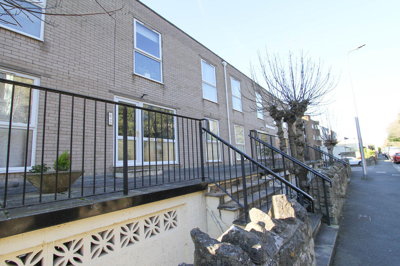
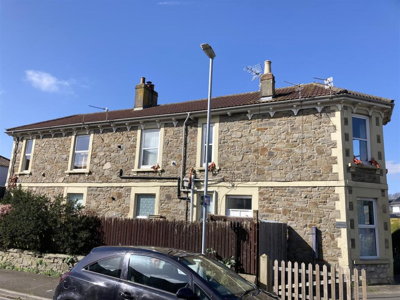
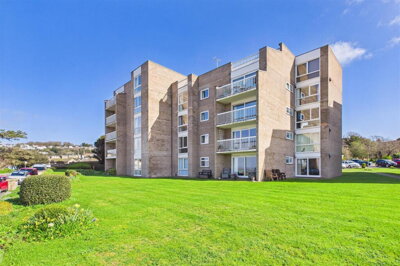
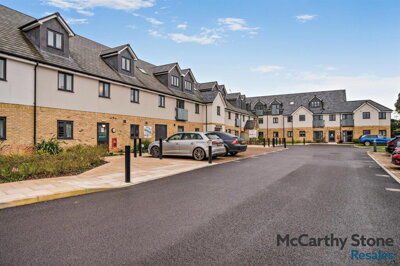
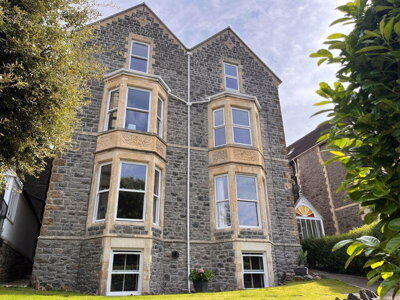
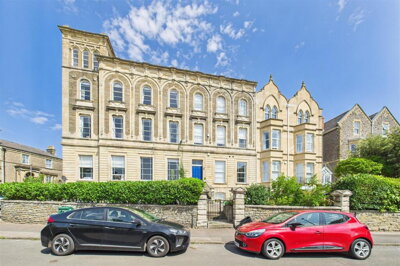
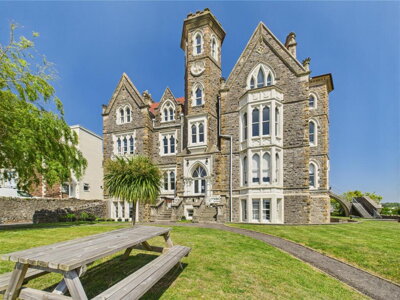
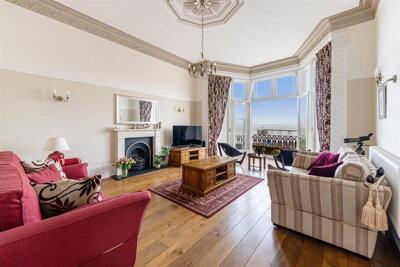
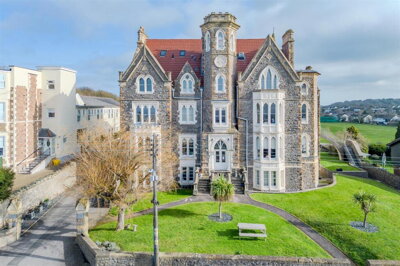
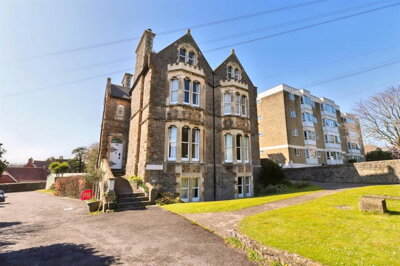
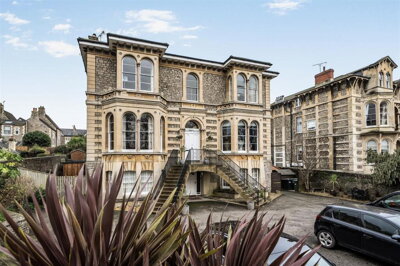
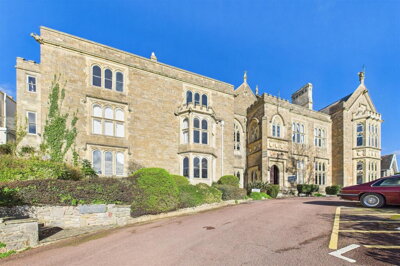
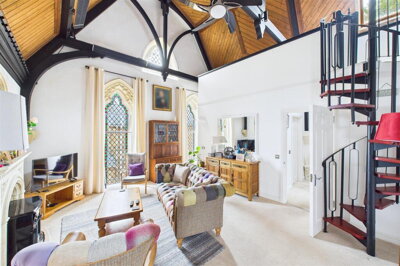
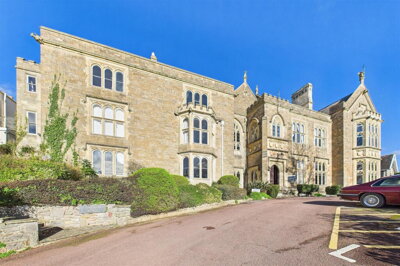
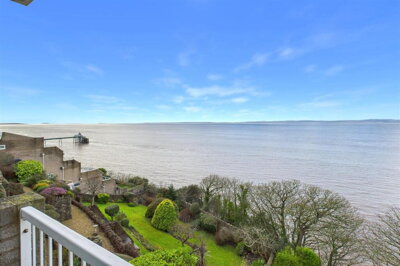
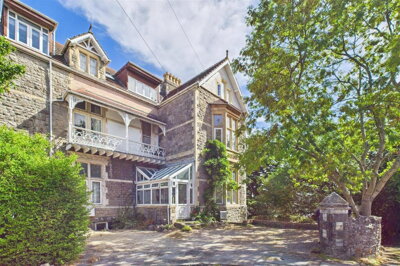
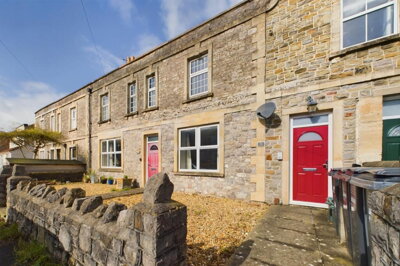
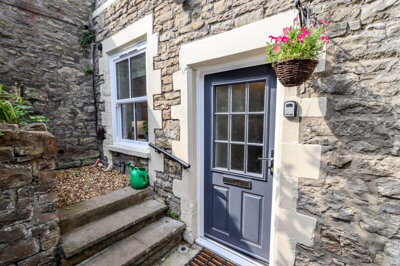
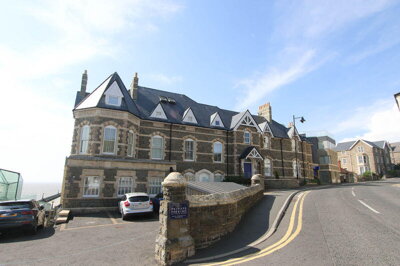
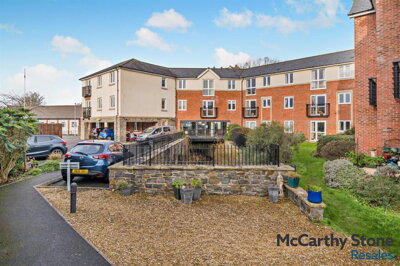
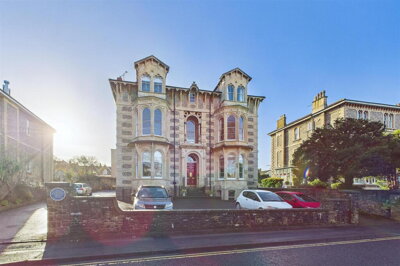
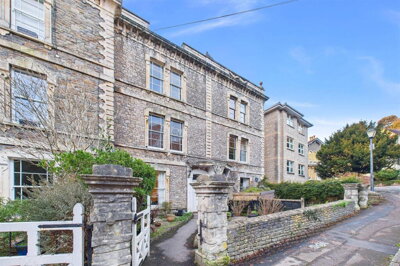
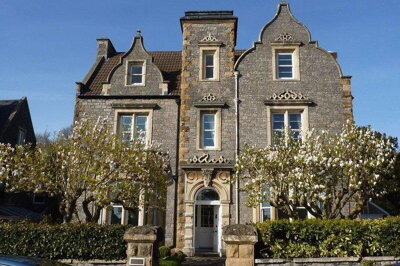
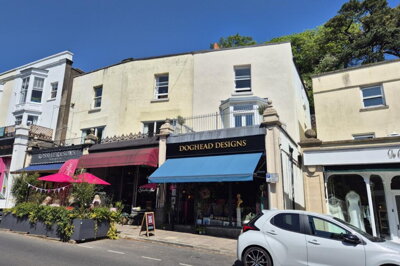
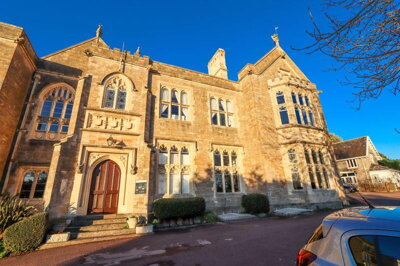
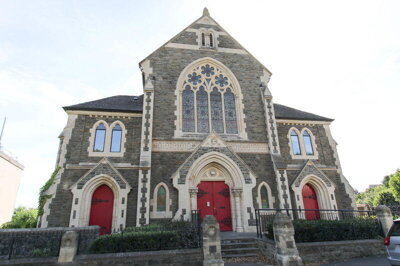
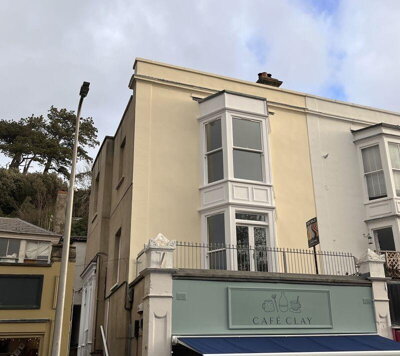
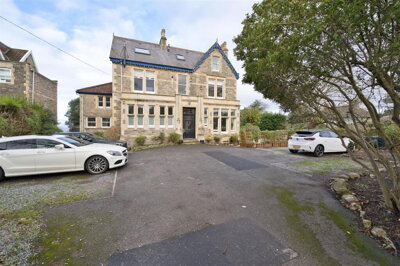
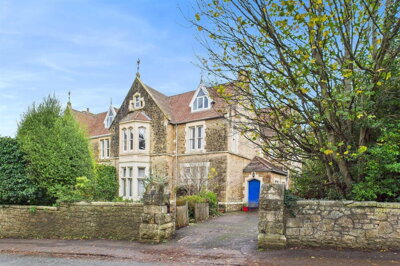
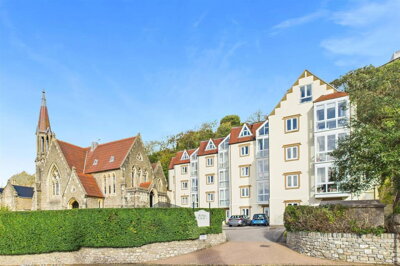
Browse 51 homes for sale in Clevedon, North Somerset from local estate agents.
The 2 bed flat sector typically includes two separate bedrooms, dedicated living areas, and bathroom facilities. Properties in Clevedon span purpose-built blocks, converted period houses, and modern apartment complexes on various floors.
£345k
14
0
77
Source: home.co.uk
Showing 14 results for 2 Bedroom Flats for sale in Clevedon, North Somerset. The median asking price is £344,975.
Source: home.co.uk
Flat
14 listings
Avg £357,057
Source: home.co.uk
Source: home.co.uk
The Mere property market reflects its status as a desirable rural village within Wiltshire. Our data shows an average house price of approximately £373,930, with Rightmove reporting £372,254 based on transactions over the last year. Property Solvers indicates a slightly higher average of £385,000 using HM Land Registry data, suggesting some variation depending on the data source. The market has shown modest growth, with Property Solvers reporting a 4.13% increase in property prices over the last 12 months, though Rightmove data indicates historical sold prices were 2% down on the previous year. This discrepancy likely reflects different methodologies and the relatively small sample size in a village of this size.
Property types in Mere are dominated by detached homes, which command an average price of around £456,278 according to Zoopla or £444,940 per Rightmove data. Semi-detached properties sold for approximately £306,500, while terraced homes averaged £313,000. Notably, 27 residential property sales were recorded in Mere over the 12 months ending March 2024 according to Property Solvers, with Home.co.uk showing 16 sold properties in the last six months alone. Flats are relatively uncommon in the village itself, though the Wiltshire county average for flats sits at £164,000. The limited flat supply reflects the predominantly houses and cottages character of the area rather than apartment-style living.
The village has seen limited new-build development in recent years, with one notable exception being a three-bedroom semi-detached house constructed in 2020 by developer cg, demonstrating that modern homes do occasionally become available in the area. Most housing stock in Mere dates from the 19th century or earlier, meaning buyers should expect traditional construction methods including solid wall builds rather than modern cavity wall insulation. The Wiltshire county market overall has shown a 1% increase over the past twelve months according to Property Solvers, while the Office for National Statistics reports a 3.4% rise in average house prices in Wiltshire between December 2024 and December 2025.

Mere sits in a hollow of the Wiltshire countryside, at the southern edge of the Salisbury Plain and close to the border with Dorset. The village has evolved over centuries from its origins as a market town, and today it serves as a service centre for surrounding hamlets and farms. The River Biss flows through the village, contributing to its verdant character and providing pleasant riverside walks for residents. The geology of this part of Wiltshire is characterised by chalk and limestone deposits, which influence both the local building materials and the agricultural nature of the surrounding land.
The village centre features a traditional high street with a selection of independent shops, a butcher, a baker, and several pubs serving local ales and hearty meals. The parish church of St Michael the Archangel dates from the 13th century and stands as a focal point for the community. Cultural life in Mere includes various village events throughout the year, from fetes and markets to seasonal celebrations that bring residents together. The Wiltshire Wildlife Trust manages nearby nature reserves, offering opportunities for birdwatching and environmental education.
For those moving from urban areas, the transition to rural Wiltshire living brings certain considerations. Daily shopping needs can be met within the village, though larger grocery runs typically require a trip to Warminster or Gillingham. The absence of national chain supermarkets means supporting local businesses is a natural part of village life. Weekend activities centre on the countryside, with the Cranborne Chase and West Wiltshire Downs providing extensive walking and cycling territory. The community spirit in Mere is notable, with new residents quickly finding themselves welcomed through local events and village organisations.

Education provision in Mere serves families with children of all ages, from nursery through to secondary school age. The village primary school provides education for younger children, with parents generally satisfied with the standard of teaching and the caring environment offered. Class sizes in rural primary schools often remain smaller than in urban areas, allowing for more individual attention and a strong community feel within the school. For primary education, Ofsted ratings should be checked directly on the government website, as these are updated regularly and reflect the current performance of each institution.
Secondary education options for Mere residents typically include schools in nearby towns such as Warminster, Gillingham, or Shaftesbury. These schools cater to a wide geographic area and often operate catchment zones that include Mere and surrounding villages. Parents should verify current catchment boundaries and admissions policies, as these can change and may affect which school their child is allocated. For families prioritising grammar school education, the nearby towns may offer selective schools, though competition for places can be intense. Sixth form provision is available at secondary schools in larger towns, while further education colleges in Salisbury and Trowbridge offer vocational and academic courses for older students.
Private schooling options in Wiltshire include a range of independent schools within reasonable driving distance of Mere. Families should consider travel times and logistics when evaluating educational options, as school transport arrangements can significantly impact daily routines. The relatively compact nature of the village means that primary school-age children can often walk or cycle to school, a benefit that appeals to many families relocating from busier areas.
Transport connections from Mere provide access to major urban centres while maintaining the village's rural character. The A303 trunk road passes nearby, providing a direct route to Southampton and the south coast to the south, and to Salisbury and the A34 corridor to the north. This main road is a lifeline for commuters and those needing to travel further afield for work. Bus services operate between Mere and neighbouring towns including Warminster, Gillingham, and Shaftesbury, connecting residents to railway stations and additional amenities. The frequency of bus services in rural areas can be limited, so residents often find a car essential for daily life.
Railway access is available from nearby stations including Gillingham, Tisbury, and Warminster, all within reasonable driving distance of Mere. Gillingham station offers regular services to London Waterloo with journey times of approximately two hours, while Tisbury provides similar connections with slightly shorter travel times to the capital. Warminster station offers services to Southampton, Bristol, and Salisbury, making it practical for commuters working in these regional centres. For those working in Salisbury, the cathedral city is accessible via the A30 and offers a broader range of employment opportunities.
For air travel, Bournemouth Airport offers international destinations including European holiday hotspots, while Bristol Airport provides additional flight options including transatlantic connections. Cyclists benefit from country lanes and designated routes in the surrounding Wiltshire countryside, though the hilly terrain requires a reasonable level of fitness. The Nadder Valley and surrounding downland provide challenging but rewarding routes for cycling enthusiasts.
Understanding the predominant housing stock in Mere helps buyers know what to expect when searching for property in this Wiltshire village. The majority of properties in Mere are detached homes, reflecting the rural character and generous plot sizes typical of the area. These detached properties range from substantial Victorian and Edwardian houses on the village periphery to more modest mid-20th-century bungalows. The average price for detached properties in Mere stands at approximately £456,278 according to Zoopla data, making them the premium segment of the local market.
Semi-detached properties in Mere offer more affordable entry points to the village property market, averaging around £306,500. These homes often feature Victorian or Edwardian origins, with original features such as fireplaces, high ceilings, and sash windows that appeal to buyers seeking period character without the premium attached to fully detached homes. Terraced properties in Mere average £313,000 and include historic workers' cottages and artisan homes dating from the 19th century. Many of these terraces feature the local limestone construction that gives Mere's streets their distinctive character.
The construction methods used in Mere's period properties reflect the local geology and building traditions of southwest Wiltshire. Traditional solid wall construction is prevalent in homes built before the mid-20th century, meaning walls typically lack cavity insulation and may be thicker than modern equivalents. Local stone, often limestone from nearby quarries, features prominently in both exterior walls and boundary walls throughout the village. Understanding these construction methods is essential for assessing maintenance requirements and planning improvements to older properties.
Before viewing properties, obtain a mortgage agreement in principle from a lender. This document confirms your borrowing capacity and strengthens your position when making offers on homes in Mere. Given that average property prices in the village are around £373,930, having your financing arranged demonstrates serious intent to sellers in what is a relatively small market with limited annual transactions.
Explore property listings on Homemove and understand price trends in the Mere area. With average prices around £373,930, research comparable properties sold recently to gauge fair market value. Given that only around 27 properties sell in Mere annually according to recent data, understanding the limited supply is crucial for timing your purchase and making competitive offers on desirable properties.
Schedule viewings of properties matching your criteria. In a village market with limited annual sales, opportunities may arise periodically, so act promptly when suitable properties appear. When viewing period properties in Mere, pay particular attention to the condition of stone walls, roof coverings, and any signs of damp or structural movement that are common in older properties.
For older properties like the 19th-century cottages common in Mere, a Level 2 Survey identifies defects in walls, roofs, and foundations before purchase. Given the prevalence of solid wall construction and traditional building methods in the village, a professional survey is particularly valuable for uncovering issues that may not be apparent during viewings. Survey costs start from approximately £350 depending on property size.
Appoint a solicitor to handle legal work including searches, contracts, and land registry checks for the Mere and Wiltshire local authority areas. Your solicitor will conduct local authority searches through Wiltshire Council, checking for planning decisions, highways information, and environmental matters that may affect your property.
Finalise your purchase by completing financial transactions and receiving keys to your new Mere home. On completion day, you will receive the keys to your property and can begin moving into your new Wiltshire village home.
Properties in Mere include a significant proportion of period homes, including 19th-century cottages and character properties that may feature traditional construction methods. When purchasing older properties, be aware that solid wall construction, rather than modern cavity wall insulation, is common in these buildings. This affects thermal performance and may require consideration of heating costs and potential improvements. The presence of traditional materials like local stone and brick means exterior maintenance requirements may differ from newer properties, with repointing and rendering upkeep being regular considerations.
Listed buildings exist in Mere, including Grade II listed cottages, which carry restrictions on alterations and require listed building consent for significant works. If you are considering a listed property, factor in the additional costs and planning requirements associated with maintaining its historic character. Properties in conservation areas, which are likely to exist given the village character, may also carry planning restrictions on external alterations and improvements. A RICS Level 3 Survey may be more appropriate than a Level 2 for listed properties due to the specialist assessment required.
Flood risk in Mere should be assessed on a property-by-property basis, with particular attention to surface water drainage in low-lying areas near the River Biss. Drainage and soakaway conditions should be investigated, especially for older properties where original systems may be inadequate for modern needs. While no specific flood risk areas were identified in available research data, the geography of the village valley warrants careful assessment of individual property locations. The chalk and limestone geology of the area generally provides good drainage, though clay pockets may exist that affect subsurface conditions.
Freehold properties predominate in Mere, though some cottages and conversions may have unusual tenure arrangements that require careful investigation. Service charges and ground rent on any leasehold elements should be reviewed thoroughly before purchase. The Wiltshire local authority will determine council tax bands for your property, which can be verified once you have an address. Energy Performance Certificates will indicate the current energy efficiency of any property you are considering, with older period homes often requiring upgrades to meet modern standards. Many Victorian and Edwardian properties in Mere have EPC ratings in the D or E range, indicating significant potential for improvement through insulation and heating upgrades.
The average house price in Mere is approximately £373,930 according to Zoopla data, with Rightmove reporting £372,254 for the last year. Property Solvers indicates an average of £385,000 based on HM Land Registry information. Detached properties average around £456,278, semi-detached homes approximately £306,500, and terraced properties around £313,000. The Wiltshire county market overall has shown a 1% increase over the past twelve months, with the Office for National Statistics reporting a 3.4% rise between December 2024 and December 2025. Given the relatively small number of annual transactions in Mere, typically around 27 sales per year, individual property prices can vary significantly based on condition, location within the village, and specific characteristics.
Properties in Mere fall under Wiltshire Council jurisdiction for council tax purposes. Specific bands depend on property value and characteristics, with homes in this area typically ranging from Band A through to Band E. Period properties with historical features may have been assessed on different criteria to modern homes, so bands can vary within the same street. You can verify the exact council tax band for any specific property through the Wiltshire Council website or by requesting this information during the conveyancing process. Council tax payments fund local services including police, fire brigade, and local authority amenities.
Mere has a primary school serving the village and immediate surrounding area, providing education for children up to age 11. Secondary education is available at schools in nearby towns including Warminster and Gillingham, with catchment areas determined by Wiltshire Council admissions policies. Parents should check current Ofsted ratings and admission criteria directly, as these are subject to regular review and can affect school allocations. The travel distance to secondary schools means many families factor school transport arrangements into their decision-making when buying in Mere. Private schooling options in the region include several independent schools within reasonable driving distance.
Public transport options from Mere include bus services connecting the village to nearby towns including Warminster, Gillingham, and Shaftesbury. However, service frequencies in this rural area are limited compared to urban centres, and a car is often necessary for daily commuting. Railway stations at Gillingham, Tisbury, and Warminster provide access to mainline services including routes to London Waterloo, with journey times of approximately 90 minutes to two hours. Those working in Salisbury can commute by train from nearby stations, while commuters to Southampton or Bristol benefit from the strategic position of the A303 connecting to major employment centres.
Mere offers potential for property investment given its rural character, limited new-build supply, and proximity to major transport routes including the A303. The village attracts buyers seeking countryside living within reach of employment centres in Southampton, Salisbury, and beyond. With around 27 property sales annually and limited flat supply, family houses and period cottages tend to maintain their value. However, investors should consider the rural nature of the market and potential challenges with liquidity when holding property in smaller villages. Rental demand in Mere is likely to be modest given the limited local employment, though the village may appeal to renters seeking affordable countryside living within commuting distance of larger towns.
For properties purchased in England, stamp duty rates start at 0% on the first £250,000 of purchase price. Between £250,001 and £925,000, the rate is 5%, rising to 10% up to £1.5 million, and 12% above that threshold. First-time buyers benefit from increased relief, paying 0% on the first £425,000 with 5% applied between £425,001 and £625,000. For a typical Mere property at the village average of £373,930, a first-time buyer would pay no stamp duty under current thresholds. A standard buyer would pay approximately £6,196.50 in SDLT on a property at this price point.
When viewing the Victorian and Edwardian properties common in Mere, pay particular attention to the condition of stone walls, which may show signs of weathering, cracking, or previous repair work using different materials. Roof conditions on period homes frequently require inspection, as original slate or tile coverings may have been replaced over the years with varying quality materials. Check for evidence of damp in ground floor rooms and basements, as traditional solid wall construction lacks the damp-proof courses found in modern buildings. The condition of original sash windows should be assessed, as restoration is often preferable to replacement in listed properties to maintain character and comply with planning requirements.
Planning restrictions in Mere reflect the village's historic character and may include conservation area designations affecting external alterations to properties. Grade II listed buildings require listed building consent for significant works, including alterations to windows, doors, roofing materials, and exterior finishes. Any plans to extend period properties or change their appearance should be discussed with Wiltshire Council planning department before purchase. Building regulations apply to structural changes, conversions, and certain types of renovation work regardless of planning permission status. Understanding these restrictions is essential for buyers planning to modernise or alter properties in the future.
Understanding the full costs of buying property in Mere, Wiltshire, helps you budget accurately for your purchase. The stamp duty land tax (SDLT) rates for England apply to your transaction, with standard rates starting at 0% for the first £250,000 of purchase price. For properties between £250,001 and £925,000, the rate increases to 5%, with further bands at 10% and 12% for higher-value purchases. At the current Mere average price of approximately £373,930, SDLT would be calculated at 5% on the amount above £250,000, equating to £6,196.50 for a standard buyer.
First-time buyers purchasing in Mere benefit from SDLT relief, with 0% charged on the first £425,000 and 5% applied to the portion between £425,001 and £625,000. This means a first-time buyer purchasing at the Mere average price of £373,930 would pay no stamp duty under current thresholds. Additional buying costs include conveyancing fees, which typically start from around £499 for standard transactions but may increase for leasehold properties or those with complex titles. Survey costs for a RICS Level 2 Survey in the Mere area start from approximately £350, depending on property size and the surveying firm employed.
Local authority searches through Wiltshire Council form part of the conveyancing process, providing information on planning decisions, highways, and environmental matters affecting the property. Surveyors should consider the prevalence of older properties in Mere when conducting inspections, as period homes may require more detailed assessment of roof condition, dampness, and structural integrity. Factor in removals costs, potential redecoration, and any immediate repairs when setting your overall budget for moving to your new Mere home. Buildings insurance should be arranged from the point of exchange of contracts, as you become legally responsible for the property at this stage.
Properties for Sale In London

Properties for Sale In Plymouth

Properties for Sale In Liverpool

Properties for Sale In Glasgow

Properties for Sale In Sheffield

Properties for Sale In Edinburgh

Properties for Sale In Coventry

Properties for Sale In Bradford

Properties for Sale In Manchester

Properties for Sale In Birmingham

Properties for Sale In Bristol

Properties for Sale In Oxford

Properties for Sale In Leicester

Properties for Sale In Newcastle

Properties for Sale In Leeds

Properties for Sale In Southampton

Properties for Sale In Cardiff

Properties for Sale In Nottingham

Properties for Sale In Norwich

Properties for Sale In Brighton

Properties for Sale In Derby

Properties for Sale In Portsmouth

Properties for Sale In Northampton

Properties for Sale In Milton Keynes

Properties for Sale In Bournemouth

Properties for Sale In Bolton

Properties for Sale In Swansea

Properties for Sale In Swindon

Properties for Sale In Peterborough

Properties for Sale In Wolverhampton

Enter your details to see if this property is within your budget.
Loans, cards, car finance
Estimated property budget
Borrowing + deposit
You could borrow between
Typical borrowing
Monthly repayment
Est. at 4.5%
Loan-to-value
This is an estimate only. Your actual budget may vary depending on interest rates, credit history, and personal circumstances. For an accurate affordability assessment, speak to one of our free mortgage advisors.
This calculator provides estimates for illustrative purposes only and does not constitute financial advice. Your home may be repossessed if you do not keep up repayments on your mortgage. Estimates based on 4.5% interest rate, repayment mortgage. Actual rates depend on your circumstances.
Homemove is a trading name of HM Haus Group Ltd (Company No. 13873779, registered in England & Wales). Homemove Mortgages Ltd (Company No. 15947693) is an Appointed Representative of TMG Direct Limited, trading as TMG Mortgage Network, which is authorised and regulated by the Financial Conduct Authority (FRN 786245). Homemove Mortgages Ltd is entered on the FCA Register as an Appointed Representative (FRN 1022429). You can check registrations at NewRegister or by calling 0800 111 6768.

We use cookies to show you personalised content and improve your experience of our website. Find out more in our Privacy policy and Cookie policy.