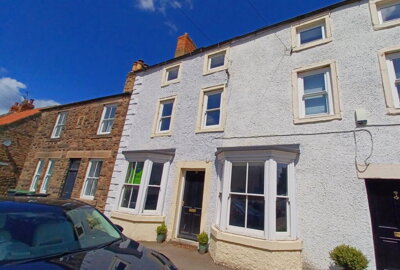
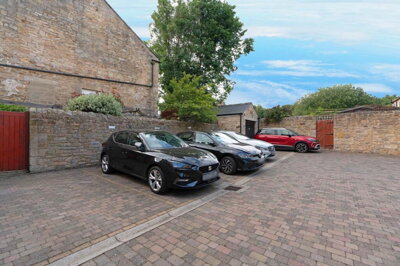
Browse 2 homes for sale in Cleatlam, County Durham from local estate agents.
The larger property sector typically features multiple bathrooms, substantial reception space, and private gardens or off-street parking. Four bedroom houses in Cleatlam span detached, semi-detached, and occasionally terraced configurations, with styles ranging from period properties to modern executive homes.
£0k
0
0
0
Source: home.co.uk
Showing 0 results for 4 Bedroom Houses for sale in Cleatlam, County Durham.
The Cleatlam property market offers a distinctive mix of housing types that reflect its heritage as a rural County Durham village. Detached properties dominate the local market at approximately 60% of available stock, with these substantial homes typically commanding prices around £350,000. The village's rural character means many detached properties enjoy generous gardens and open views across the surrounding farmland, making them particularly attractive to families seeking space away from the busier urban centres.
Semi-detached homes in Cleatlam represent roughly 25% of the housing stock and provide excellent value at approximately £220,000. These properties often date from the post-war period through to the 1980s, offering buyers a chance to acquire well-proportioned family accommodation with the benefit of modern construction methods including cavity wall insulation. Terraced properties, accounting for around 10% of homes, typically start from £180,000 and include charming stone cottages that reflect the traditional architecture of the Teesdale area. Flats remain rare in Cleatlam at approximately 5% of properties, though these rarely available units generally fetch around £150,000.
The 12-month price trend data shows Cleatlam has experienced a 3.5% increase in property values, demonstrating consistent growth in this sought-after village location. Eight property sales were recorded over the past year, a healthy transaction volume for a village of Cleatlam's size. While no active new-build developments were identified specifically within the Cleatlam postcode area, the existing housing stock provides opportunities for buyers willing to undertake renovation projects, particularly given the number of pre-1919 traditional stone properties in the village. Properties along the village's main lanes and those bordering farmland often benefit from additional land that could potentially be used for extensions or garden enlargement, subject to planning permission.

Life in Cleatlam offers residents a peaceful rural lifestyle while maintaining access to the employment centres and amenities of larger towns in County Durham. The village is home to approximately 250 residents spread across 100 households, creating a close-knit community atmosphere where neighbours know one another and local events bring the community together. The predominantly detached housing stock, at 60% of all properties, ensures that residents enjoy privacy and space, with many homes sitting on generous plots that take full advantage of the surrounding countryside.
The local economy of Cleatlam and the wider Teesdale area is largely rooted in agriculture, with farming operations continuing to shape the landscape and character of the region. However, many residents commute to larger towns including Barnard Castle, Bishop Auckland, and Darlington for employment, taking advantage of the village's position in the Durham Dales. Tourism also contributes to the local economy, with visitors drawn to the area's natural beauty, historic buildings, and proximity to the Yorkshire Dales National Park. The regular agricultural shows and farmers markets in nearby Barnard Castle provide opportunities for residents to engage with the local food economy and purchase fresh produce directly from producers in the surrounding area.
The construction of properties in Cleatlam reflects its rural heritage and the geology of the County Durham uplands. Traditional sandstone construction, typically using locally sourced materials, characterises the older farmhouses and cottages that make up approximately 35% of the housing stock. These pre-1919 properties feature thick walls, traditional joinery, and period details that appeal to buyers seeking character homes with authentic North East architecture. Red brick is also prevalent, with slate and clay tile roofs completing the traditional aesthetic that defines much of the village. The village's setting in the Teesdale valley means many properties enjoy views across rolling farmland and the distinctive limestone geology of the area.

Families considering a move to Cleatlam will find educational provision centred in the nearby market towns, with the village's small population meaning local primary education is typically accessed in surrounding villages and towns. The surrounding County Durham area offers a range of primary schools, many of which serve rural communities and maintain strong community ties. Schools in the nearby market towns of Barnard Castle and surrounding villages typically serve the Cleatlam catchment area, with transport arrangements available for families living in more isolated rural locations.
The property age distribution in Cleatlam, with approximately 35% of homes built before 1919 and a further 30% constructed between 1945 and 1980, reflects the historical presence of families in the village across generations. This multigenerational community aspect means that schools in the wider area often have established relationships with local families and benefit from strong parental engagement. The rural location also means that children growing up in Cleatlam have access to extensive countryside, providing excellent opportunities for outdoor education and recreation. The nearby Bowes Museum in Barnard Castle offers educational programs and cultural experiences that complement the curriculum for local schoolchildren.
For families requiring further education, the nearby town of Darlington offers sixth form colleges and further education institutions, while Durham city provides access to the prestigious Durham University for older students. The proximity of Cleatlam to these educational centres, combined with the strong family values embedded in the village community, makes it an attractive location for buyers at various stages of family life. Bishop Auckland College provides vocational courses and apprenticeships that serve the wider County Durham area, offering practical career-focused education options for young people not pursuing traditional university routes.
Cleatlam's position in the Teesdale valley provides residents with access to the rural beauty of County Durham while maintaining reasonable transport connections to the wider region. The village sits in close proximity to the A66, which runs through Barnard Castle and provides a direct route to Darlington to the east and the A1(M) motorway beyond. This connectivity means that residents can reach larger employment centres within reasonable commuting times, making Cleatlam a viable option for those who work in towns but prefer village living. The journey time to Darlington by car is typically around 30 minutes, while Newcastle can be reached in approximately one hour via the A68 or A1(M).
Public transport options include bus services connecting Cleatlam with nearby market towns, though frequency is naturally limited given the rural nature of the location. The nearest railway stations are located in Darlington, which offers regular services to major cities including Newcastle, York, and Leeds, as well as direct connections to London King's Cross. For residents working in Durham or Newcastle, the journey from Darlington provides access to the East Coast Main Line. Grand Central services also stop at Darlington, offering additional connections to London and the North East coast.
The local road network in and around Cleatlam is generally well-maintained, though the rural nature of some lanes means that journey times can vary depending on weather conditions. During winter months, some of the minor roads surrounding Cleatlam may require additional travel time due to or icy conditions, and residents should factor this into commuting plans. Parking provision in the village is typically generous given the detached nature of much of the housing stock, with most properties offering off-street parking. Cyclists will find the surrounding countryside both beautiful and challenging, with the topography of Teesdale providing excellent opportunities for recreational cycling alongside routes suitable for commuting. The C2C coast to coast cycle route passes through the nearby Teesdale area, attracting cycling enthusiasts and providing another connection to the wider regional cycle network.
Begin by exploring current property listings in Cleatlam and the surrounding County Durham villages. With approximately 8 sales in the past year and prices ranging from £180,000 for terraced properties to £350,000 for detached homes, understanding the local market will help you identify suitable properties and make competitive offers. Register with estate agents in the Barnard Castle and Teesdale area, as properties in Cleatlam are often marketed through these offices rather than national portals alone.
Before arranging viewings, obtain a mortgage agreement in principle from a lender. This demonstrates your buying capacity to estate agents and sellers, strengthening your position when you find the right property in Cleatlam. With average prices at £280,000, most buyers will require a mortgage to fund their purchase. Speak to a mortgage broker who understands the County Durham market, as they may identify specialist lenders familiar with rural properties and older construction types.
Visit properties that match your requirements, paying particular attention to the construction type and age of properties. Many homes in Cleatlam were built before 1919 using traditional sandstone construction, so understanding the condition of these period properties is essential before making an offer. View properties at different times of day to assess lighting, noise levels from nearby farms, and the general atmosphere of the neighbourhood. Take photographs and notes to help compare properties later.
For properties in Cleatlam, a RICS Level 2 Survey is strongly recommended given the age of much of the housing stock. Survey costs for a typical 3-bedroom property range from £450 to £700. The survey will identify common issues in older properties including damp, roof condition, timber defects, and outdated electrics. Choose a surveyor with experience in traditional North East properties, as they will be familiar with common defects in sandstone construction and period features.
Once your offer is accepted, instruct a solicitor to handle the legal aspects of your purchase. They will conduct searches, review contracts, and manage the transfer of ownership. For properties in the surrounding County Durham area, your solicitor should also check for any mining legacy issues and verify the property title thoroughly. Given the number of listed buildings in Cleatlam, ensure your solicitor has experience with heritage properties and understands any restrictions on alterations or improvements.
After all searches are satisfactory and finances are arranged, you will exchange contracts and agree a completion date with the seller. On completion day, the remaining funds are transferred and you receive the keys to your new Cleatlam home. Plan your move carefully, particularly if relocating from a distance, as removal firms in the area may have limited availability during peak moving periods.
Purchasing a property in Cleatlam requires careful consideration of the village's rural character and the age of much of its housing stock. Approximately 80% of properties were built before 1980, meaning most homes in the village are over 45 years old and may require attention to their fabric and services. When viewing properties, pay close attention to the condition of traditional sandstone walls, which can be susceptible to damp penetration if not properly maintained. The thick walls that provide excellent thermal mass in summer can also harbour moisture issues if damp-proof courses have failed or ventilation is inadequate. Look for signs of mortar deterioration, salt deposits on wall surfaces, and any musty odours that might indicate ongoing damp problems.
The geology of Cleatlam, primarily consisting of Carboniferous Limestone and sandstone with areas of glacial till, means that ground conditions are generally stable. However, the presence of boulder clay in some areas introduces a low to moderate shrink-swell risk, particularly where trees are present or drainage is poor. Buyers should consider commissioning a specialist foundation investigation if purchasing a property where subsidence signs are visible, such as cracking to walls or uneven floors. While significant structural issues are not common in well-maintained properties, older homes should always be thoroughly surveyed before purchase. Pay particular attention to extensions and alterations, as these may have been constructed with different foundations than the original building.
Several properties in Cleatlam are Grade II listed, including Cleatlam Hall and various farmhouses and cottages throughout the village. These listed buildings require specialist consideration and any alterations must receive Listed Building Consent from the local planning authority. If you are considering a listed property, budget for potentially higher renovation costs and longer project timescales. A RICS Level 3 Survey (Building Survey) is particularly recommended for listed properties due to their unique construction and the specialist knowledge required to assess their condition and maintenance needs. Ensure your solicitor includes a thorough review of the listed building status and any existing consents or violations in their enquiries.
Surface water flooding represents the primary flood risk in Cleatlam, particularly in low-lying areas where drainage may be overwhelmed during heavy rainfall. While the village is not adjacent to major rivers and has no significant coastal flood risk, buyers should consult the Environment Agency flood risk maps for specific properties and consider the drainage history of any property they are intending to purchase. Ask the seller about any previous flooding incidents and check the condition of drainage systems, particularly for properties with large gardens where land drainage may be critical to keeping the property dry. Consider requesting a drainage survey as part of your due diligence for properties in areas identified as having surface water risk.
As of February 2026, the average property price in Cleatlam is £280,000. Detached properties average around £350,000, semi-detached homes cost approximately £220,000, and terraced properties are typically priced from £180,000. Flats in the village are rare but generally fetch around £150,000. Property prices in Cleatlam have increased by 3.5% over the past 12 months, indicating steady demand for homes in this rural County Durham location. The premium for detached properties reflects the village's rural character and the generous plot sizes typically associated with these homes in the Teesdale area.
Properties in Cleatlam fall under Durham County Council tax jurisdiction. Specific banding depends on the property's valuation, but most homes in the village, particularly the traditional stone properties and modern detached houses, typically fall within bands B to E. You can check the exact council tax band for any specific property through the Valuation Office Agency website or your solicitor during the conveyancing process. Council tax rates for Durham County Council are competitive compared to many urban areas, making Cleatlam an affordable option for families seeking rural living.
Cleatlam is a small village, so primary and secondary schools are located in nearby towns and villages. The wider Teesdale area is served by primary schools in surrounding communities and secondary schools in Barnard Castle, which has well-regarded educational options. For families considering Cleatlam, researching the catchment areas for specific schools is advisable, as admissions policies can affect which schools your children attend. Schools in Barnard Castle include King James I Academy and The Grove School, which serve the Teesdale area and have established reputations for academic achievement and extracurricular activities.
Cleatlam is connected to surrounding towns by local bus services, though frequencies reflect the rural nature of the village and are less frequent than urban routes. The nearest railway stations are in Darlington, offering direct services to Newcastle, York, Leeds, and London. For commuters, the A66 provides road access to the A1(M) and onward connections to the wider North East road network. Many residents of Cleatlam choose to drive for daily commuting, with parking typically readily available at properties. The journey to Newcastle typically takes around one hour by car, while Durham can be reached in approximately 45 minutes.
Cleatlam offers potential for property investment, particularly given the 3.5% price increase recorded over the past year. The village's rural appeal, traditional housing stock, and proximity to employment centres in Barnard Castle, Bishop Auckland, and Darlington make it attractive to buyers seeking village living. The limited supply of properties, with only approximately 100 households in the village, means demand typically outstrips supply for quality homes. Properties suitable for renovation, particularly traditional stone cottages, may offer value-add opportunities for investors. The growing interest in rural locations following changes to remote working patterns has increased demand for village properties in the Teesdale area.
Stamp Duty Land Tax (SDLT) rates for standard buyers start at 0% on the first £250,000 of property value, rising to 5% on the portion between £250,001 and £925,000. With the average Cleatlam property priced at £280,000, most buyers would pay SDLT only on the £30,000 above the £250,000 threshold, resulting in £1,500 stamp duty. First-time buyers benefit from relief on the first £425,000, meaning no SDLT would be due on properties up to that value. Above £625,000, standard SDLT rates apply to all first-time buyers. Additional SDLT surcharges apply for non-UK residents purchasing property in England.
Given that approximately 80% of properties in Cleatlam were built before 1980, several common defects relate to the age of the housing stock. Traditional stone and brick properties frequently exhibit damp issues, including rising damp, penetrating damp, and condensation, often due to failed damp-proof courses or inadequate ventilation. Roof condition is another common concern, with older slate and clay tile roofs suffering from slipped or broken tiles, failing pointing to verges and ridges, and deterioration of leadwork. Timber defects including woodworm and both wet and dry rot can affect structural timbers and floorboards, especially in properties with damp issues. Many older properties also have electrical systems and plumbing that do not meet current standards and may require updating.
While Cleatlam itself is not identified as a major historic mining area, County Durham has a broader history of coal mining. The glacial till deposits present in some areas around Cleatlam are not typically associated with significant mining activity, and the primary geology of limestone and sandstone provides generally stable ground conditions. However, buyers purchasing properties in the wider County Durham region may wish to commission a Coal Authority mining report for additional , particularly for older properties where ground conditions may have been affected by historic extraction activities. Your solicitor should include appropriate mining searches as part of the conveyancing process for any property purchase in the region.
From 4.5% APR
Compare mortgage deals from leading lenders
From £499
Expert conveyancing solicitors for your property purchase
From £450
Detailed inspection for conventional properties
From £600
Comprehensive survey for older or complex properties
Understanding the full costs of purchasing property in Cleatlam is essential for budgeting effectively. The property prices in this County Durham village, ranging from around £180,000 for terraced properties to £350,000 for detached homes, mean that SDLT considerations vary significantly depending on your buyer status and the property price. For a typical Cleatlam property at the village average of £280,000, a standard buyer purchasing with a mortgage would pay £1,500 in stamp duty on the portion above the £250,000 threshold. First-time buyers purchasing properties under £425,000 would pay no SDLT thanks to the increased first-time buyer relief threshold.
Beyond stamp duty, buyers should budget for solicitor conveyancing costs, which typically range from £499 for basic transactions to £1,500 or more for complex purchases including listed buildings or properties with title issues. Survey costs represent another important budget item, with RICS Level 2 Surveys for 3-bedroom properties in Cleatlam generally ranging from £450 to £700 depending on the property and surveyor. For traditional stone properties or listed buildings, a more comprehensive RICS Level 3 Survey starting from around £600 may be advisable given the potential for complex defects in older construction.
Additional costs to consider include land registry fees, search fees charged by your solicitor (typically £200 to £400 for local authority, drainage, and environmental searches), mortgage arrangement fees (often 0% to 1% of the loan amount), and removal costs. Buildings insurance must be in place from the day of completion, and you may also need to factor in the cost of moving, furnishing your new home, and any immediate repairs or renovations identified during survey. Given that many properties in Cleatlam are over 100 years old, setting aside a contingency fund of at least 5% to 10% of the purchase price for unexpected works is strongly recommended. Emergency repair funds for period properties should account for the higher costs of sourcing traditional materials and specialist contractors familiar with historic building techniques.
Properties for Sale In London

Properties for Sale In Plymouth

Properties for Sale In Liverpool

Properties for Sale In Glasgow

Properties for Sale In Sheffield

Properties for Sale In Edinburgh

Properties for Sale In Coventry

Properties for Sale In Bradford

Properties for Sale In Manchester

Properties for Sale In Birmingham

Properties for Sale In Bristol

Properties for Sale In Oxford

Properties for Sale In Leicester

Properties for Sale In Newcastle

Properties for Sale In Leeds

Properties for Sale In Southampton

Properties for Sale In Cardiff

Properties for Sale In Nottingham

Properties for Sale In Norwich

Properties for Sale In Brighton

Properties for Sale In Derby

Properties for Sale In Portsmouth

Properties for Sale In Northampton

Properties for Sale In Milton Keynes

Properties for Sale In Bournemouth

Properties for Sale In Bolton

Properties for Sale In Swansea

Properties for Sale In Swindon

Properties for Sale In Peterborough

Properties for Sale In Wolverhampton

Enter your details to see if this property is within your budget.
Loans, cards, car finance
Estimated property budget
Borrowing + deposit
You could borrow between
Typical borrowing
Monthly repayment
Est. at 4.5%
Loan-to-value
This is an estimate only. Your actual budget may vary depending on interest rates, credit history, and personal circumstances. For an accurate affordability assessment, speak to one of our free mortgage advisors.
This calculator provides estimates for illustrative purposes only and does not constitute financial advice. Your home may be repossessed if you do not keep up repayments on your mortgage. Estimates based on 4.5% interest rate, repayment mortgage. Actual rates depend on your circumstances.
Homemove is a trading name of HM Haus Group Ltd (Company No. 13873779, registered in England & Wales). Homemove Mortgages Ltd (Company No. 15947693) is an Appointed Representative of TMG Direct Limited, trading as TMG Mortgage Network, which is authorised and regulated by the Financial Conduct Authority (FRN 786245). Homemove Mortgages Ltd is entered on the FCA Register as an Appointed Representative (FRN 1022429). You can check registrations at NewRegister or by calling 0800 111 6768.

We use cookies to show you personalised content and improve your experience of our website. Find out more in our Privacy policy and Cookie policy.