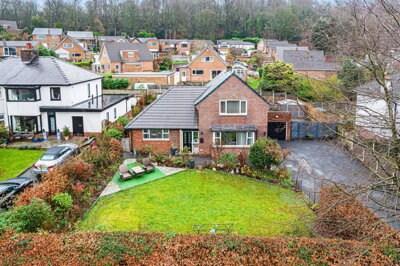
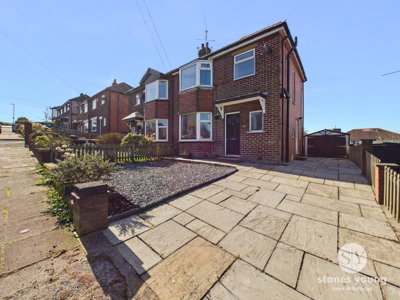
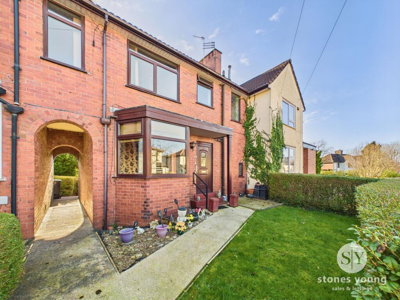
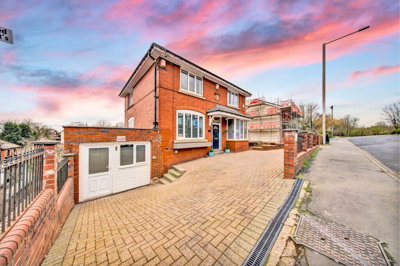
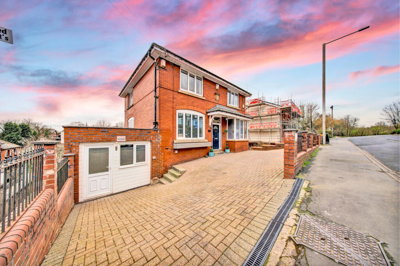
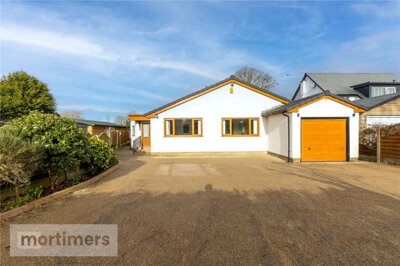
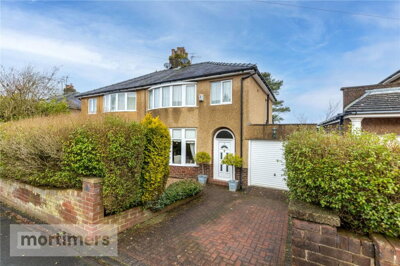
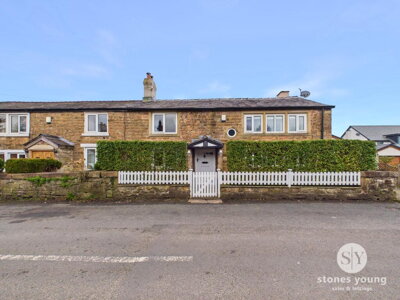
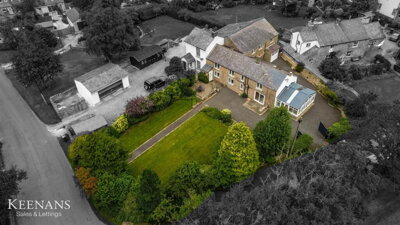
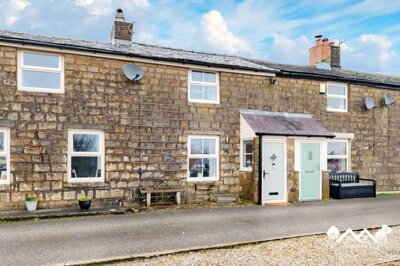
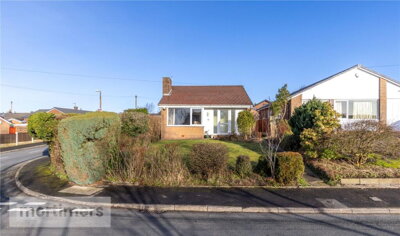
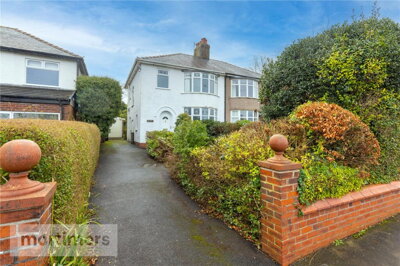
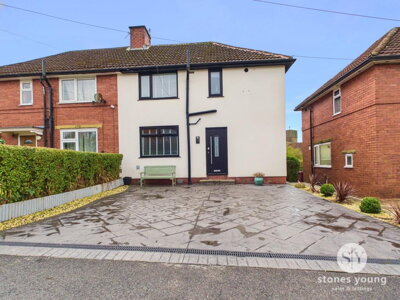
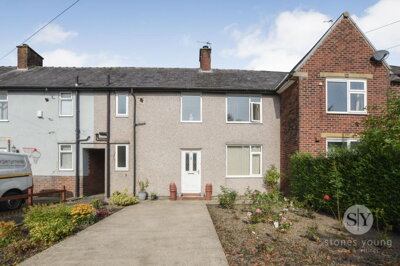
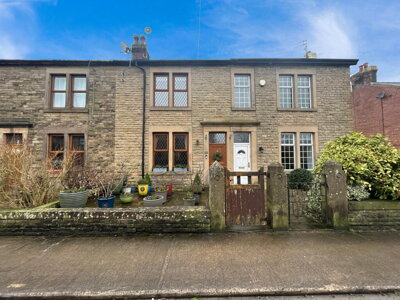
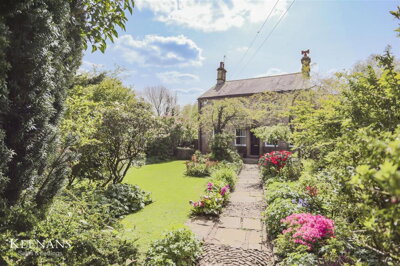
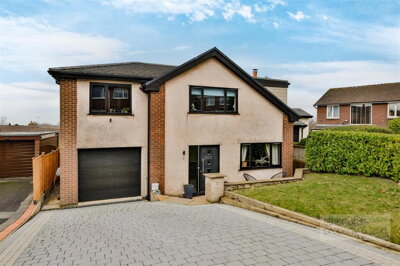
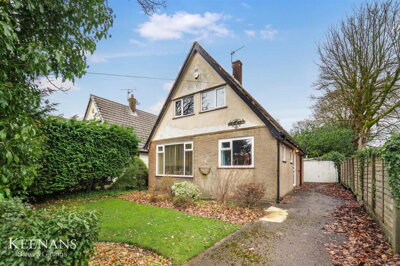
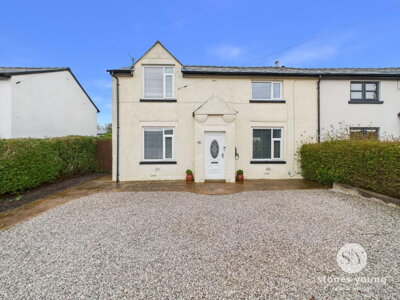
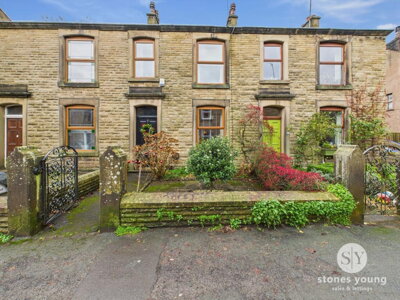
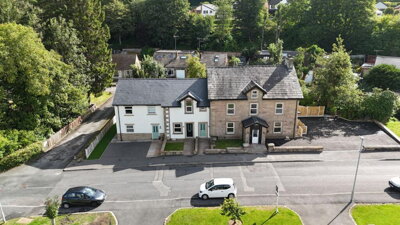
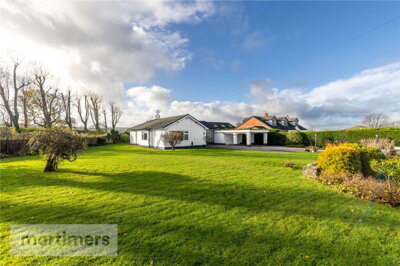
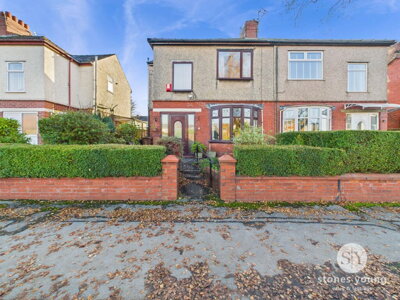
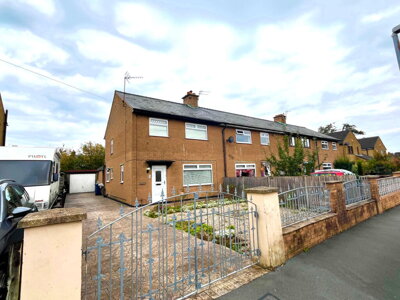
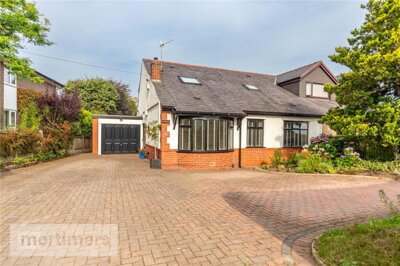
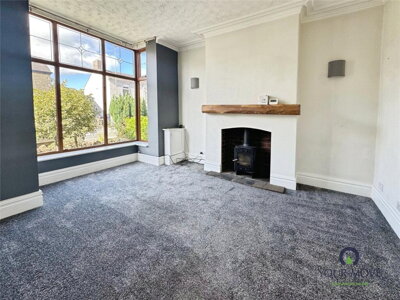
Browse 46 homes for sale in Clayton-le-Dale from local estate agents.
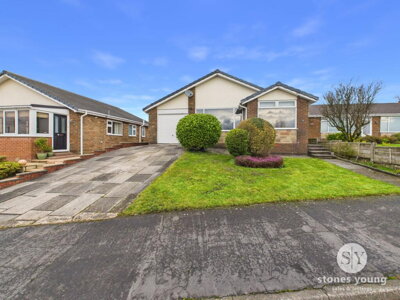
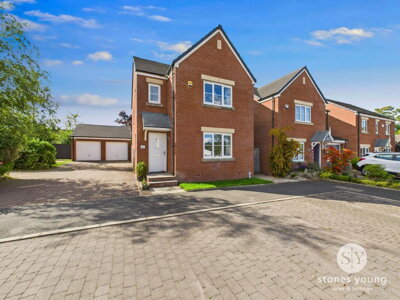
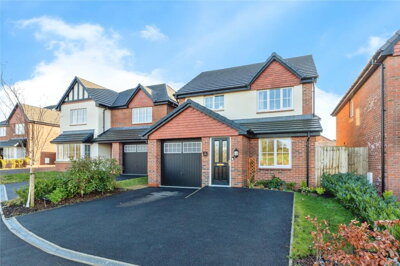
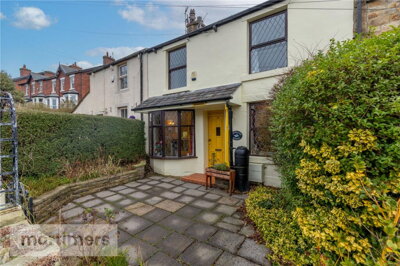
Three bedroom properties represent a significant portion of the Clayton Le Dale housing market, offering space for families with multiple reception rooms and gardens in many cases. Browse detached, semi-detached, and terraced options ranging from period character homes to contemporary developments.
The Clayton-le-Dale property market has experienced a modest adjustment over the past year, with average house prices decreasing by 0.3% according to Rightmove data from February 2026. This stability makes the village an attractive option for buyers seeking value in the Ribble Valley without the premium associated with larger towns nearby. Ten property sales have been recorded in the village over the past twelve months, indicating a quieter market typical of smaller rural communities where properties change hands less frequently but attract dedicated buyers drawn to the location and lifestyle.
Property prices in Clayton-le-Dale vary considerably by type, providing options across different budget ranges that accommodate various buyer circumstances. Detached properties command the highest prices, with an average of £438,200, reflecting the desirability of generous garden spaces and privacy in this semi-rural setting where larger plots are available compared to urban alternatives. Semi-detached homes average £276,667, offering excellent value for families seeking spacious accommodation at a more accessible price point while benefiting from the village's strong community atmosphere and excellent transport connections. Terraced properties, averaging £195,000, represent the most affordable entry into village life and often feature charming period characteristics including exposed stone walls, open fires, and original wooden floors that appeal to those seeking character homes with genuine heritage.
The modest 0.3% price adjustment over the past twelve months reflects the resilient nature of the Clayton-le-Dale property market, which continues to attract buyers despite broader economic uncertainties affecting national housing markets. Properties in this village benefit from consistent demand driven by commuters working in Blackburn, Preston, and Manchester who value the rural lifestyle without accepting excessive commuting times. The limited supply of available properties, typical of a village with only around 500 households, means that well-priced homes can attract multiple interested parties, making it advisable for buyers to move quickly when they identify suitable properties.

Clayton-le-Dale embodies the essence of Lancashire village life, offering residents a close-knit community atmosphere within stunning natural surroundings that change beautifully with each season. The village sits within the broader Ribble Valley, an Area of Outstanding Natural Beauty that draws visitors throughout the year to explore its rolling countryside, scenic river valleys, and picturesque villages connected by ancient footpaths and bridalways. Residents enjoy access to extensive walking and cycling routes that traverse the surrounding farmland and woodland, making the area particularly appealing to outdoor enthusiasts and those seeking an active lifestyle away from urban congestion. The Pennine Way and various local trails provide direct access to the surrounding fells and moors for those seeking more challenging adventures.
The local economy in Clayton-le-Dale is closely linked to the wider Ribble Valley and the nearby town of Blackburn, with employment opportunities spanning manufacturing, retail, healthcare, and education sectors that form the backbone of the regional economy. Many residents choose to commute to larger employment centres, taking advantage of the village's strategic position that offers relatively straightforward access to the M6 and M65 motorways connecting to major business districts. The village itself maintains essential amenities including a local pub and community facilities, while more comprehensive shopping, dining, and entertainment options are available in the neighbouring towns of Whalley and Blackburn, both within easy reach by car. Whalley in particular offers a charming high street with independent shops, cafes, and restaurants that complement the village's more limited amenities.
Community life in Clayton-le-Dale revolves around several annual events and gatherings that bring residents together throughout the year, fostering the strong social bonds characteristic of successful rural villages. The local pub serves as a focal point for community activities, while village halls in surrounding settlements host various clubs, societies, and events that cater to diverse interests. Families appreciate the safe environment where children can play outdoors and explore natural surroundings, while older residents value the peaceful atmosphere and sense of belonging that comes with village living. The village's position within easy reach of larger towns means that urban amenities remain accessible when needed without requiring daily confrontation with urban congestion and associated lifestyle pressures.

Families considering a move to Clayton-le-Dale will find a range of educational options available within the surrounding Ribble Valley area that cater to children of all ages and learning requirements. The village falls within the catchment areas of several well-regarded primary schools in nearby villages and towns, providing young families with choices for their children's early education within reasonable travelling distances. Primary schools in the surrounding area have historically achieved positive outcomes, and parents are advised to check current Ofsted ratings and catchment boundaries when selecting properties based on school admissions, as these factors can significantly influence educational journeys. The infant and junior schools in Whalley, for example, serve several surrounding villages and benefit from established reputations within the local community.
Secondary education options include both state and independent schools within reasonable travelling distance, with several secondary schools in the Ribble Valley and Blackburn areas serving the local population with diverse curriculum offerings. Parents should research specific school performance data, available subjects, and extracurricular activities when evaluating secondary school options, as these factors can significantly influence children's educational outcomes and university preparation. For families seeking sixth form or further education provision, Clitheroe Royal Grammar School and Blackburn College offer comprehensive options with strong academic and vocational pathways respectively. The presence of quality educational facilities in the wider area enhances Clayton-le-Dale's appeal to families, reinforcing the village's reputation as a desirable location for those at various life stages seeking comprehensive educational provision.
Independent schooling options in the wider region provide additional choices for families seeking private education, with several well-established independent schools operating within commuting distance of Clayton-le-Dale. These schools typically offer smaller class sizes, extensive extracurricular programmes, and strong academic records that appeal to families prioritising educational outcomes. Transport arrangements to schools throughout the region are well-established, with school bus services operating from the village to various educational establishments. Parents considering independent education should budget for tuition fees alongside property purchase costs, as these ongoing expenses form an important part of overall family financial planning when relocating to the area.
Transport connectivity from Clayton-le-Dale balances the appeal of rural tranquility with practical access to major employment centres that define the modern commuter lifestyle. The village benefits from proximity to the M6 motorway, which provides direct routes north to Lancaster and the Lake District and south towards Preston, Liverpool, and beyond to the national motorway network. The M65 motorway is also readily accessible, connecting residents to Blackburn, Burnley, Preston, and beyond with relative ease for a village of this size. These road connections make Clayton-le-Dale particularly attractive to commuters who work in larger cities but prefer to live in a more peaceful rural environment, with typical journey times to Blackburn taking around fifteen minutes and Manchester accessible within approximately forty-five minutes outside peak hours.
Public transport options in the village include bus services connecting Clayton-le-Dale to neighbouring towns and villages, though services may be less frequent than in urban areas and buyers should verify current timetables. The nearest railway stations are located in Whalley and Clitheroe, offering connections to Manchester, Leeds, and Lancaster via the Ribble Valley line, a scenic route that follows the river valley through some of Lancashire's most attractive countryside. Train services from these stations provide practical alternatives to car commuting for those working in larger cities, with regular services connecting to major rail hubs and onward national destinations. For international travel, Manchester Airport and Liverpool John Lennon Airport are accessible within approximately one hour's drive, providing convenient connections for business travellers and holidaymakers alike without requiring overnight stays or complicated multi-modal journeys.
Daily commuting considerations should factor into property search decisions, with potential buyers advised to test commute times during typical working hours before committing to a purchase in Clayton-le-Dale. Road conditions on local routes can vary significantly depending on time of day and season, with agricultural traffic particularly prevalent during harvest periods and adverse weather potentially affecting rural roads. Parking availability at railway stations should also be considered, as spaces can be limited during peak periods. Many residents find that working from home arrangements, increasingly common following recent changes to employment practices, combine effectively with the village's broadband connectivity and peaceful environment to reduce the frequency of commuting journeys.
Properties in Clayton-le-Dale reflect the traditional building methods prevalent throughout the Lancashire portion of the Ribble Valley, characterised by robust construction using locally sourced materials that have proven durable over many decades. Traditional stone and brick construction dominates the older housing stock, with properties built before 1980 accounting for approximately 69% of the village's homes, including 17% constructed before 1919 using traditional techniques. Local stone, typically sourced from quarries in the surrounding area, provides excellent weathering properties and aesthetic appeal that distinguishes Ribble Valley properties from those in other regions. Many period properties feature exposed stonework, sometimes rendered or painted, that reflects the architectural heritage of the area and requires ongoing maintenance to preserve both appearance and weather resistance.
Roof construction throughout Clayton-le-Dale predominantly uses slate or clay tile coverings, reflecting the availability of these materials from regional sources and the practical requirements of the local climate. Properties built during the mid-twentieth century often feature concrete tiles or artificial slates, which offer different maintenance characteristics compared to natural materials and may require replacement after specific lifespan periods. Roof pitches in the area typically reflect traditional construction methods, with steeper slopes appropriate for the significant rainfall experienced in this part of Lancashire. Prospective buyers should pay particular attention to roof condition during property viewings, as roof replacement represents a significant expense that can affect overall purchase economics.
Foundation construction in Clayton-le-Dale reflects the underlying geological conditions, with traditional strip foundations common for older properties built before modern building regulations established more comprehensive requirements. The presence of boulder clay throughout the local area presents specific considerations for foundation design, as clay soils are susceptible to shrink-swell movement in response to moisture changes that can affect structural integrity over time. Properties with large trees nearby, inadequate existing foundations, or those built during particularly dry or wet periods may require particular scrutiny during survey. Our inspectors frequently identify foundation concerns in properties throughout this area, and a thorough structural assessment is advisable before completing any purchase in Clayton-le-Dale.
Before beginning your property search in Clayton-le-Dale, obtain a mortgage agreement in principle from a lender. This document confirms how much you can borrow and strengthens your position when making offers on properties in this competitive village market where dedicated buyers frequently pursue limited available stock.
Explore current listings in Clayton-le-Dale and compare prices with similar properties in the surrounding Ribble Valley area. Understanding the local market trends, including the 0.3% price decrease over the past year and the variation between detached, semi-detached, and terraced property prices, helps you make informed decisions and identify fairly priced properties that represent genuine value.
Visit properties that match your criteria, taking time to assess the neighbourhood, nearby amenities, and the condition of the property in detail. Given the village's mix of older properties with 69% built before 1980, viewing multiple homes helps establish what represents good value in the local market and allows buyers to appreciate the range of construction types and conditions available.
Once your offer is accepted, arrange a RICS Level 2 Survey to assess the property's condition thoroughly before committing to completion. With over 69% of homes in Clayton-le-Dale built before 1980, a professional survey can identify issues such as damp, roof defects, potential subsidence concerns related to local boulder clay soils, outdated electrical systems, and timber defects that commonly affect period properties throughout the Ribble Valley.
Appoint a solicitor to handle the legal aspects of your purchase, including searches, contracts, and registration with the Land Registry. Your solicitor will coordinate with the seller's representatives, conduct necessary local authority searches through Ribble Valley Borough Council, and ensure all environmental and drainage searches are completed for the specific village area.
Once all enquiries are satisfied and your mortgage is finalised, you will exchange contracts and set a completion date that allows adequate time for moving arrangements. Your solicitor will transfer funds and register the property in your name, completing your purchase of your new Clayton-le-Dale home and marking the beginning of your life in this attractive Lancashire village.
Purchasing a property in Clayton-le-Dale requires careful consideration of several local factors that distinguish this village from urban housing markets and require specific attention during the due diligence process. The geological conditions beneath the village warrant particular attention, as the underlying Carboniferous Limestone and Millstone Grit, overlaid with significant areas of boulder clay, can present shrink-swell risks to property foundations that may not be apparent during initial viewings. A thorough structural survey is particularly important for older properties, as ground movement related to clay soil moisture changes can cause subsidence or heave issues, especially in properties with large nearby trees or inadequate foundations that fail to account for local soil conditions.
Common defects in Clayton-le-Dale's older housing stock reflect the age distribution of properties throughout the village, with over 69% built before 1980 using traditional construction methods. Rising damp and penetrating damp frequently affect period properties with solid walls or inadequate existing damp proof courses, requiring remedial work that can involve significant cost if neglected. Roof conditions often require attention, with wear and tear to slate or tile coverings, defective flashings, and blocked gutters presenting maintenance issues that may not be immediately visible from ground level. Electrical wiring in properties built before 1980 typically requires assessment by a qualified electrician, as systems installed during earlier periods frequently fail to meet current standards and may present safety concerns requiring immediate attention or eventual upgrade.
Timber defects including woodworm infestation and both wet and dry rot affect wooden elements throughout older properties in the area, particularly where moisture has penetrated structural timbers through roof defects, plumbing leaks, or inadequate ventilation. Properties with original wooden windows, floorboards, or structural elements warrant careful inspection by a qualified surveyor who can assess the extent of any damage and advise on remedial costs. Flood risk assessment is another crucial consideration for prospective buyers in Clayton-le-Dale, with areas facing surface water flooding risks during periods of heavy rainfall that can affect properties not directly on the River Ribble flood plain. Property buyers should review Environment Agency flood maps and consider the flood history of specific streets when evaluating properties throughout the village.
Listed building status represents an important consideration for properties in Clayton-le-Dale, as while no specific conservation areas have been identified within the village itself, individual listed properties may exist throughout the area and carry legal protections affecting alterations and renovations. Buyers should verify whether any property of interest carries listed building status through the planning portal or during conveyancing searches, as works to listed buildings require specific consents that can affect future renovation plans and costs. Mining searches are advisable throughout the wider Lancashire area given the Carboniferous geology underlying the region, which can be associated with historical mining activity requiring specialist assessment and potential liability considerations.
The average property price in Clayton-le-Dale was £341,944 as of February 2026, according to Rightmove data, positioning the village competitively within the broader Ribble Valley market where premium locations command significantly higher prices. Prices vary significantly by property type, with detached homes averaging £438,200, semi-detached properties at £276,667, and terraced homes around £195,000, providing options across various budget ranges. The market has shown relative stability with only a 0.3% decrease over the past twelve months, making it an attractive time to purchase for those seeking value in the Ribble Valley area. Ten property sales have been recorded over the past year, indicating consistent but quiet market activity typical of smaller rural communities.
Properties in Clayton-le-Dale fall under Ribble Valley Borough Council for council tax purposes, which manages local services including waste collection, planning, and community facilities throughout the village and surrounding area. The specific council tax bands for individual properties depend on their valuation and range from Band A through to Band H, with most family homes in the village falling within Bands C to E based on property values and sizes. Prospective buyers should verify the council tax band for any specific property through the Valuation Office Agency website or their solicitor during the conveyancing process, as bands can affect annual running costs. Annual council tax charges in the Ribble Valley area are generally competitive compared to urban Lancashire centres, reflecting the rural nature of the borough and its relatively lower service delivery costs.
Clayton-le-Dale is served by primary schools in the surrounding villages and towns, with several schools in the Ribble Valley area achieving positive Ofsted ratings that reflect strong educational provision for younger children. Primary schools in Whalley and the surrounding area provide practical options for families, with established reputations for academic achievement and caring environments that parents frequently cite when selecting properties. Secondary education options include schools in Clitheroe and Blackburn, accessible via school transport or regular bus services, with diverse curriculum offerings that cater to different academic strengths and career aspirations. Parents are advised to research current school performance data and catchment area boundaries, as these can change and may influence which properties best suit families with school-age children seeking specific educational outcomes.
Public transport options in Clayton-le-Dale include local bus services connecting the village to neighbouring towns including Whalley and Clitheroe, providing essential connectivity for residents without private vehicles or those preferring not to drive. The nearest railway stations at Whalley and Clitheroe provide access to the Ribble Valley line, offering direct train services to Manchester, Leeds, Preston, and Lancaster that connect to broader national rail networks. While service frequencies may be more limited than urban areas, with buses potentially running hourly rather than every few minutes, the village's position near major motorways including the M6 and M65 provides alternative connectivity for commuters seeking flexibility. Residents without access to a car should check current bus and train timetables carefully when planning daily travel, as weekend and evening services may be significantly reduced compared to weekday provision.
Clayton-le-Dale offers several characteristics that make it appealing for property investment, including its rural village setting within a designated Area of Outstanding Natural Beauty and its proximity to major transport routes serving major employment centres. The village benefits from consistent demand driven by commuters seeking countryside living and families attracted to the local schooling options throughout the Ribble Valley area. While the property market is quieter than urban areas with only around ten sales annually, properties in the Ribble Valley have historically maintained their value through economic cycles, reflecting the enduring appeal of this attractive corner of Lancashire. Investors should consider factors including potential rental demand from commuters working in Blackburn, Preston, or Manchester, with rental yields likely to reflect the village's semi-rural character and limited local amenities compared to larger towns.
Stamp duty land tax in England applies to property purchases based on the purchase price, with current thresholds providing significant benefits for buyers at typical Clayton-le-Dale price points. For standard buyers, there is no SDLT on the first £250,000 of the purchase price, 5% on the portion between £250,001 and £925,000, 10% on the portion between £925,001 and £1,500,000, and 12% on any amount exceeding £1,500,000. First-time buyers purchasing properties up to £625,000 pay no SDLT on the first £425,000 and 5% on the portion between £425,001 and £625,000. At Clayton-le-Dale's average price of £341,944, most buyers would pay no stamp duty as a first-time buyer or approximately £4,597 as a subsequent purchaser after nil rate on the first £250,000.
Given that over 69% of properties in Clayton-le-Dale were built before 1980, prospective buyers should pay particular attention to defects common in older traditional construction throughout the Ribble Valley. Damp issues including rising damp, penetrating damp, and condensation frequently affect period properties with solid walls, inadequate ventilation, or degraded damp proof courses that require investigation during survey. Roof conditions warrant close inspection, as slate and tile coverings deteriorate over time and may reveal defects in flashings, joists, and insulation not immediately apparent from ground-level viewing. The underlying boulder clay geology presents potential shrink-swell risks for foundations, particularly in properties with large trees nearby or those built with traditional strip foundations that may prove inadequate for current standards. Electrical systems installed before 1980 typically require testing and likely upgrading, as wiring standards have evolved significantly and older installations may present safety concerns. Timber elements including floorboards, structural beams, and window frames should be assessed for woodworm, wet rot, and dry rot that commonly affect older wooden components throughout traditional Lancashire properties.
From 4.5%
Competitive mortgage rates available for Clayton-le-Dale properties
From £499
Expert legal services for your property purchase
From £400
Professional survey for properties in Clayton-le-Dale
From £80
Energy performance certificate for your new home
Understanding the additional costs of purchasing property in Clayton-le-Dale is essential for budgeting effectively and ensuring a smooth transaction without unexpected financial pressures during what is already a significant undertaking. Beyond the property price, buyers should account for stamp duty land tax, which for a property at the village's average price of £341,944 would be £0 for first-time buyers under current thresholds that provide generous nil-rate bands for eligible purchasers. Standard buyers purchasing at this price point would also pay no SDLT on the first £250,000, with a 5% charge applying only to the amount between £250,001 and £341,944, totalling approximately £4,597 that represents a manageable additional cost for most purchasing arrangements.
Additional purchase costs include survey fees, with a RICS Level 2 Survey typically ranging from £400 to £900 depending on property size and value, though properties at the upper end of the Clayton-le-Dale market may require fees at the higher end of this range. Given that most properties in the village are older constructions with potential defects, investing in a comprehensive survey represents money well spent that can reveal issues before completion and potentially justify price negotiations. Conveyancing fees for legal work typically start from around £499 for straightforward transactions, though costs may increase for leasehold properties or those with complex titles that require additional investigation during the conveyancing process.
Local searches through Ribble Valley Borough Council, drainage and water searches, and Land Registry fees add further costs of approximately £300 to £500 that cover essential due diligence on the property and surrounding area. Environmental searches examining ground conditions, flood risk, and potential contamination provide important information about the specific location, particularly relevant given the local geology and historical land uses throughout the Lancashire region. Buyers should also budget for mortgage arrangement fees, which vary by lender but typically range from £0 to £2,000 depending on the product selected, and removal costs for moving day that can vary significantly based on distance and volume of belongings. Setting aside funds equivalent to approximately 3-5% of the purchase price for these additional costs ensures a smooth transaction without unexpected financial pressure, allowing buyers to proceed with confidence through each stage of the purchase process.
Properties for Sale In London

Properties for Sale In Plymouth

Properties for Sale In Liverpool

Properties for Sale In Glasgow

Properties for Sale In Sheffield

Properties for Sale In Edinburgh

Properties for Sale In Coventry

Properties for Sale In Bradford

Properties for Sale In Manchester

Properties for Sale In Birmingham

Properties for Sale In Bristol

Properties for Sale In Oxford

Properties for Sale In Leicester

Properties for Sale In Newcastle

Properties for Sale In Leeds

Properties for Sale In Southampton

Properties for Sale In Cardiff

Properties for Sale In Nottingham

Properties for Sale In Norwich

Properties for Sale In Brighton

Properties for Sale In Derby

Properties for Sale In Portsmouth

Properties for Sale In Northampton

Properties for Sale In Milton Keynes

Properties for Sale In Bournemouth

Properties for Sale In Bolton

Properties for Sale In Swansea

Properties for Sale In Swindon

Properties for Sale In Peterborough

Properties for Sale In Wolverhampton

Enter your details to see if this property is within your budget.
Loans, cards, car finance
Estimated property budget
Borrowing + deposit
You could borrow between
Typical borrowing
Monthly repayment
Est. at 4.5%
Loan-to-value
This is an estimate only. Your actual budget may vary depending on interest rates, credit history, and personal circumstances. For an accurate affordability assessment, speak to one of our free mortgage advisors.
This calculator provides estimates for illustrative purposes only and does not constitute financial advice. Your home may be repossessed if you do not keep up repayments on your mortgage. Estimates based on 4.5% interest rate, repayment mortgage. Actual rates depend on your circumstances.
Homemove is a trading name of HM Haus Group Ltd (Company No. 13873779, registered in England & Wales). Homemove Mortgages Ltd (Company No. 15947693) is an Appointed Representative of TMG Direct Limited, trading as TMG Mortgage Network, which is authorised and regulated by the Financial Conduct Authority (FRN 786245). Homemove Mortgages Ltd is entered on the FCA Register as an Appointed Representative (FRN 1022429). You can check registrations at NewRegister or by calling 0800 111 6768.

We use cookies to show you personalised content and improve your experience of our website. Find out more in our Privacy policy and Cookie policy.