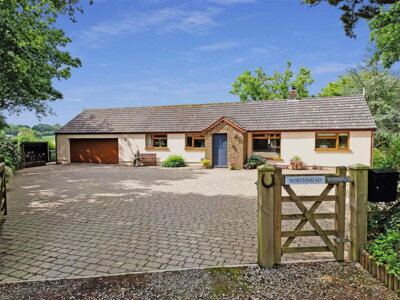
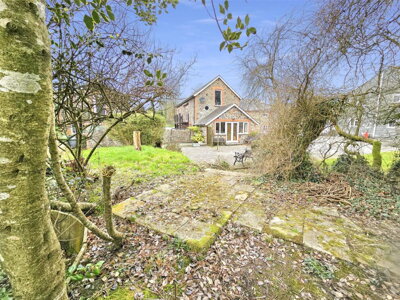
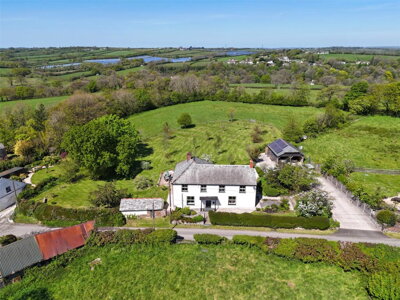
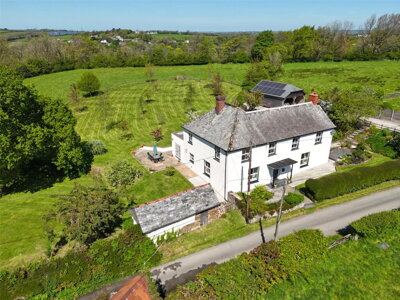
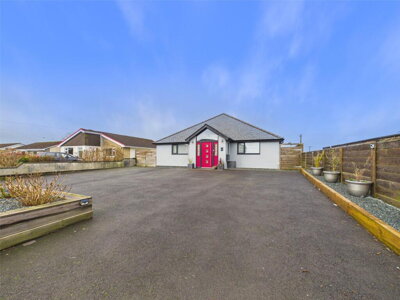
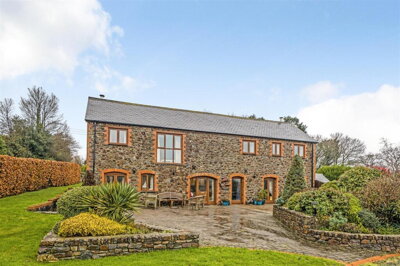
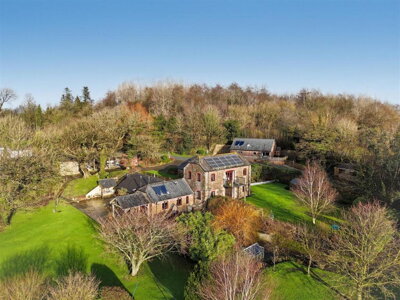
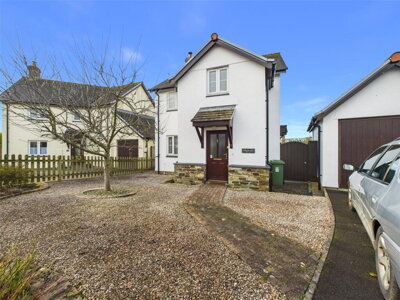
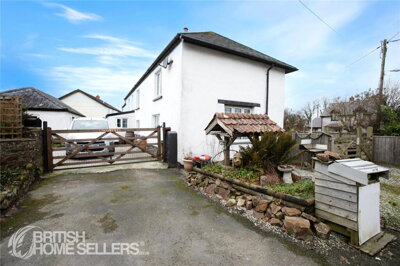
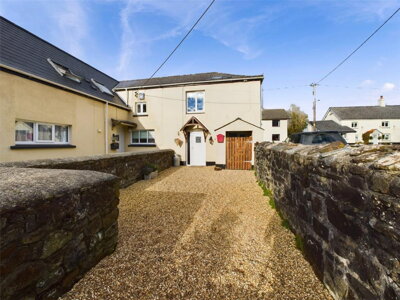
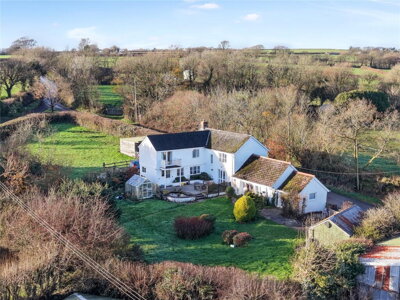
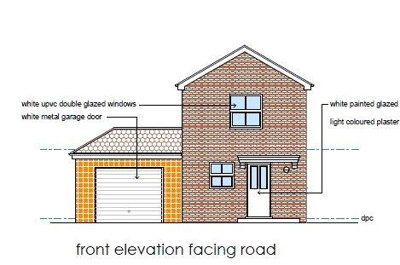
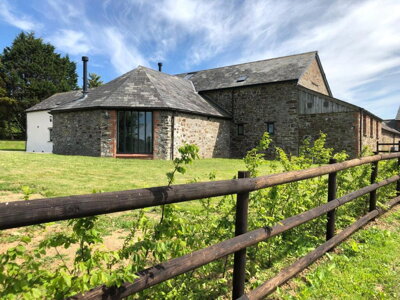
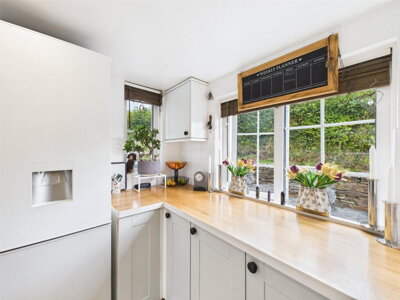
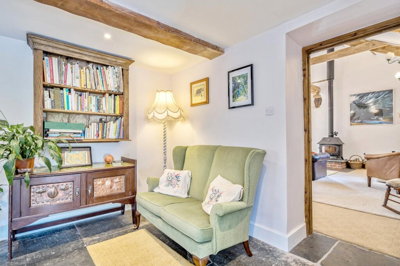
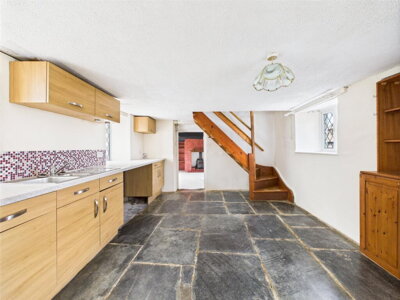
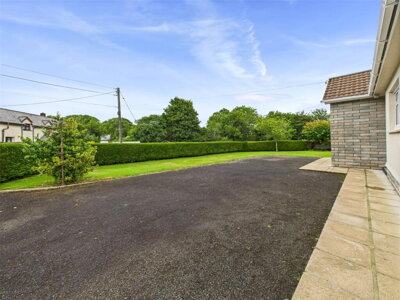
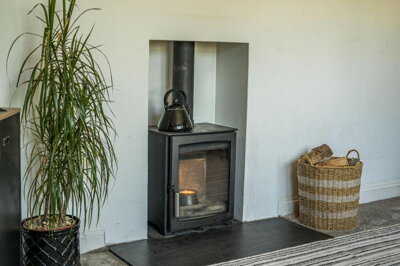
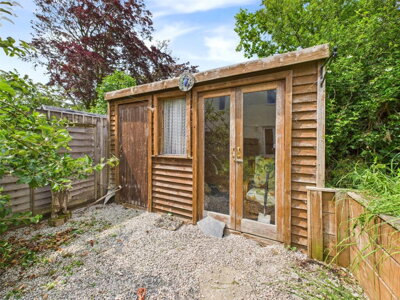
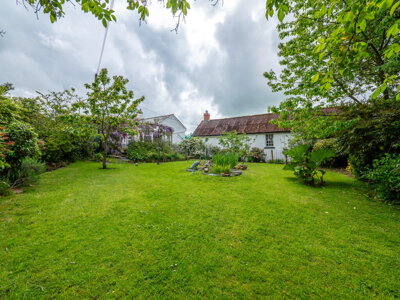
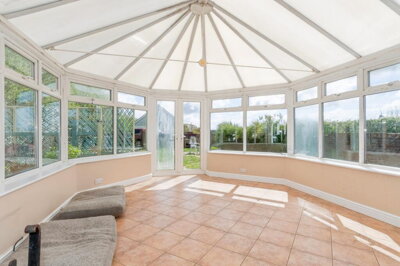
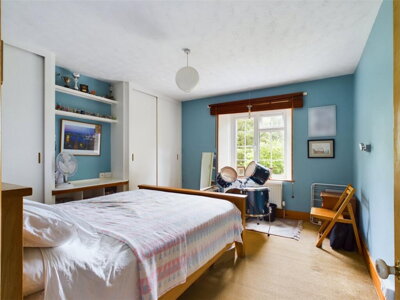
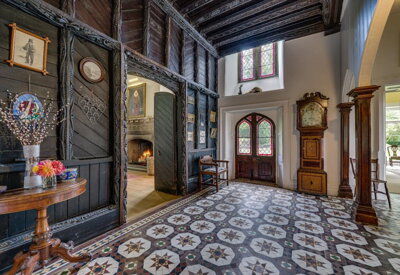
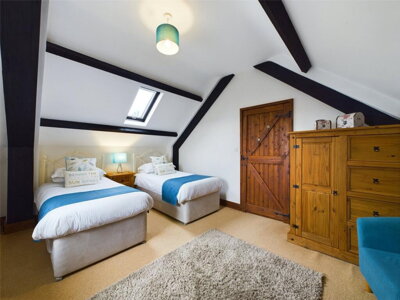
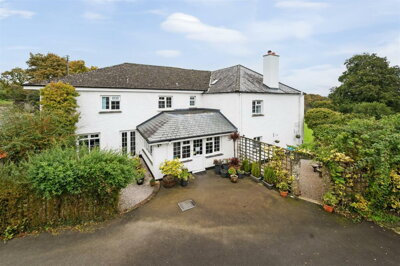
Browse 25 homes for sale in Clawton, Torridge from local estate agents.
The Clawton property market offers detached, semi-detached, and terraced houses spanning various price ranges and neighbourhoods. Each listing includes detailed property information, photographs, and direct contact with the marketing agent.
£265k
1
0
315
Source: home.co.uk
Showing 1 results for Houses for sale in Clawton, Torridge. The median asking price is £265,000.
Source: home.co.uk
Semi-Detached
1 listings
Avg £265,000
Source: home.co.uk
Source: home.co.uk
The Lewtrenchard property market reflects the broader character of rural West Devon, offering a diverse range of properties that cater to different buyer requirements and budgets. Our current listings include detached family homes with generous gardens, traditional stone cottages ideal for those seeking period charm, and well-proportioned semi-detached properties that represent excellent value for first-time buyers. The village's housing stock skews notably towards larger properties, with 36.6% of homes featuring four or more bedrooms, significantly higher than the England and Wales average of 21.1%, making Lewtrenchard particularly attractive to growing families or those requiring home office space.
Property prices in Lewtrenchard have demonstrated remarkable stability despite broader national market fluctuations. Detached properties consistently achieve the highest values, averaging £488,438, while semi-detached homes typically sell for around £328,000 and terraced properties for approximately £240,833. The market has seen limited new build activity within the village itself, meaning buyers seeking modern homes may wish to explore nearby developments in Tavistock and Lifton, where new properties range from around £299,950 for three-bedroom houses up to £699,995 for premium five-bedroom detached homes. This scarcity of new stock within Lewtrenchard parish has helped preserve the character of the area while maintaining stable property values.
Recent sales data indicates the market in Lewtrenchard moves at a measured pace, with only a handful of properties changing hands each year. This limited transaction volume reflects both the size of the village and the desirability of remaining in such a scenic location, with properties often held for generations. For buyers, this means competition for well-presented homes can be surprisingly strong, making it advantageous to have mortgage financing arranged early and to act decisively when a suitable property becomes available.
Our comprehensive property listings encompass the full spectrum of housing available in Lewtrenchard and the surrounding EX20 postcode area. Whether you are searching for a character-filled stone cottage with original features, a spacious detached family home set within generous grounds, or a more modern property offering low-maintenance accommodation, our search tools allow you to filter by price, property type, number of bedrooms, and other criteria to identify homes that match your specific requirements.

The housing stock in Lewtrenchard reflects centuries of continuous occupation, with properties ranging from medieval farmhouses to interwar semidetached homes. Traditional stone cottages built from locally quarried Raddon stone and granite represent a significant proportion of the village's smaller properties, often featuring thick walls, exposed beams, inglenook fireplaces, and slate or thatched roofs. These historic properties require understanding of traditional building methods, including the use of lime mortar and breathable construction techniques that differ substantially from modern building standards.
Larger properties in the parish include handsome Georgian and Victorian houses that were built as farmhouses and estate workers' cottages during the agricultural prosperity of the 18th and 19th centuries. Many of these homes have been sympathetically modernised over the years, though original features such as sash windows, working fireplaces, and flagstone floors remain intact in numerous properties. The Dower House and various barns converted under Class Q permitted development rights have created unique residential opportunities that blend historic character with contemporary living requirements.
Semi-detached properties, while less prevalent than in urban areas, offer practical options for families seeking good value in the village. These homes typically date from the early-to-mid 20th century and benefit from relatively straightforward maintenance requirements compared to older period properties. Given the limited availability of new build properties within the parish itself, buyers should also consider the nearby market towns of Tavistock and Okehampton, where developments such as Tor View and Oakdene offer modern alternatives within a short drive of Lewtrenchard.
Life in Lewtrenchard offers a quintessentially English rural experience, where community spirit thrives and the pace of life allows residents to truly appreciate their surroundings. The village sits amid beautiful rolling countryside, with the River Thrushel flowing nearby and extensive footpaths connecting residents to neighbouring villages and the open moorland beyond. The parish has a population distribution that reflects its family-friendly nature, with 40.3% of households comprising two people and 35.9% containing three or more residents, creating a balanced demographic of couples, families, and individuals who appreciate countryside living without the isolation sometimes associated with very rural locations.
The economic profile of Lewtrenchard reveals fascinating insights into how residents sustain themselves in this rural setting. An impressive 41.1% of the parish population work mainly from home, reflecting the growing trend towards remote work that has made rural locations more attractive to professionals. A further 58.8% are economically active and in employment, while the unemployment rate stands at a very low 1.1%. The average household income for those registered with Devon Home Choice with a local connection to Lewdown (within the parish) is £14,000 annually, suggesting a mix of residents including those in agricultural work, rural trades, and remote workers who have chosen to make this beautiful corner of Devon their home.
Community amenities in Lewtrenchard include a popular village pub, The Lewtrenchard Manor hotel restaurant, and regular parish council meetings that help maintain the village's facilities and appearance. The nearby towns of Tavistock and Okehampton provide access to supermarkets, banks, medical services, and other essential amenities within a 15-minute drive. For cultural and leisure activities, the proximity to Dartmoor National Park offers outstanding walking, riding, and cycling opportunities, while the historic towns of Tavistock and Okehampton host regular markets, festivals, and community events throughout the year.
Lewtrenchard's history is deeply intertwined with its architecture, with the village dominated by the impressive Lewtrenchard Manor (also known as Lew House), a Grade II* listed early 17th-century mansion that stands as the historic centrepiece of the parish. The manor, built in 1620 with dressed coursed Raddon stone and granite with granite dressings, exemplifies the quality of craftsmanship that characterises buildings throughout the village. The estate has passed through several notable hands over the centuries, and its continued prominence helps maintain the historic character of the surrounding area.
The Dower House, dating from the early to mid-16th century, represents an even older layer of the village's history, constructed from stone rubble with elements of cob and slate roofing that reflect the building materials available locally. Throughout the parish, visitors can spot numerous other listed structures including barns, a medieval cross shaft, a dovecote, decorative gate piers, and drinking troughs that speak to the agricultural heritage of Lewtrenchard. Galford Farmhouse and Cottage, along with various other historic dwellings, form a concentration of listed buildings that makes the parish particularly special from a heritage perspective.
For prospective buyers, purchasing a listed property in Lewtrenchard brings both opportunities and responsibilities. The external appearance of listed buildings is protected, and any works that might affect the character of the building require Listed Building Consent from West Devon Borough Council. Interior alterations are generally less restricted, though works to historic features such as fireplaces, staircases, and original joinery also require consent. While these considerations add complexity to renovation projects, they also help preserve the unique character that makes Lewtrenchard properties so desirable.
Families considering a move to Lewtrenchard will find a selection of educational options within reasonable driving distance, serving the village and surrounding West Devon communities. Primary education is available at local schools in nearby villages, with the nearest primary schools typically serving catchment areas that include Lewtrenchard families. Secondary education options include schools in Okehampton and Tavistock, both of which are accessible via school transport services that serve the rural parish. Parents are advised to check current catchment areas and admission policies with Devon County Council, as these can affect school placement decisions for families moving into the area.
For families seeking alternative educational approaches, Devon offers various options including academy schools, faith schools, and independent establishments in the wider region. The presence of Dartmoor's edge nearby means some families may also consider schools in the broader Devon area, with transport arrangements varying by institution. Sixth form and further education provision is available at colleges in Exeter, Plymouth, and Truro, accessible via the excellent road networks that connect Lewtrenchard to these major Devon centres. Planning a move with school-age children should involve early enquiries to the local education authority regarding catchment schools and any relevant admission criteria that may apply to the specific postcode areas within Lewtrenchard parish.
The village's demographic profile suggests a strong family presence, with 17.8% of households comprising four or more people. This concentration of families reflects the suitability of Lewtrenchard for raising children in a safe, rural environment with access to good schools in the surrounding towns. The proportion of two-person households at 40.3% also indicates the area appeals to couples and older residents, creating a balanced community where families and retirees coexist harmoniously.
Lewtrenchard enjoys convenient connectivity to the wider region despite its rural village setting, making it suitable for commuters and those who need to access services in larger towns regularly. The A30 trunk road passes nearby, providing direct access to Exeter to the east and Cornwall to the west, while the A386 connects the area to Tavistock and Plymouth. For rail travel, the nearest mainline stations are in Exeter and Plymouth, offering regular services to London Paddington, Bristol, and beyond. Okehampton station, currently undergoing restoration, provides additional local rail connections that serve the broader West Devon area.
Local bus services operate in the area, connecting Lewtrenchard with nearby villages and market towns where additional amenities and services are available. Those working from home, which represents 41.1% of the parish population, benefit from increasingly reliable broadband services being rolled out across rural Devon. The village's position on the edge of Dartmoor National Park makes it ideal for outdoor enthusiasts, with walking, cycling, and riding routes accessible directly from the village. For international travel, Exeter Airport offers flights to European destinations and is approximately 45 minutes' drive from Lewtrenchard, while Bristol Airport provides additional long-haul and international connections within reasonable driving distance.
For daily commuting, the journey to Exeter takes approximately 40 minutes via the A30, making it feasible for those working in the city who wish to enjoy rural living. Plymouth is similarly accessible via the A386, while the growing trend of remote working means many residents complete their professional duties without the need for daily travel at all. The village's excellent broadband connectivity supports this way of life, with residents able to participate in video conferences and access cloud-based work systems without the connectivity issues that previously plagued rural locations.
Start by exploring current listings in Lewtrenchard and surrounding West Devon villages. Understanding price trends, with the current average at £406,615, helps set realistic expectations. Consider property types from detached homes averaging £488,438 to more affordable terraced properties at around £240,833. Take time to visit the village in person to get a feel for the community and its amenities before committing to a purchase.
Before viewing properties, arrange a mortgage agreement in principle with a lender. This strengthens your position when making offers and demonstrates you're a serious buyer with financing secured, which is particularly important in a market where rural properties can attract multiple interested parties. Given the prevalence of period properties in Lewtrenchard, some lenders may require specific surveys or valuations for older or non-standard construction, so it is worth discussing these requirements early in the process.
Visit properties that match your requirements, taking time to assess the character of the area, nearby amenities, and the condition of individual properties. Given the prevalence of older properties in Lewtrenchard, viewings offer opportunity to identify period features and any maintenance considerations. Pay particular attention to the condition of roofs, walls, and foundations, as well as signs of damp or timber issues that are common in period properties built with traditional materials.
Once you have had an offer accepted, arrange a RICS Level 2 Survey to assess the property condition thoroughly. Given the age of many properties in Lewtrenchard, including 16th and 17th-century listed buildings, this survey helps identify any structural issues, damp problems, or necessary repairs before you commit. For more complex period properties, a RICS Level 3 Building Survey may be recommended to provide more detailed analysis of construction and defects.
Appoint a solicitor to handle the legal aspects of your purchase, including local searches, contract review, and registration with HM Land Registry. They will liaise with your mortgage provider and ensure all funds are transferred correctly on completion day. Local searches in Devon will reveal information about planning permissions, highways, and environmental factors relevant to the specific property location.
After all searches are satisfactory and financing is confirmed, you will exchange contracts and agree a completion date. On completion day, the remaining balance is transferred, and you receive the keys to your new Lewtrenchard home. At this point, you should arrange for the transfer of utilities and update your address records with banks, employers, and other organisations.
Properties in Lewtrenchard include numerous listed buildings and historic homes that require careful consideration during the purchasing process. Lewtrenchard Manor holds Grade II* listing, while The Dower House and various barns, farmhouses, and cottages throughout the parish hold Grade II status. If you are considering a listed property, be aware that any alterations, extensions, or significant renovations will require Listed Building Consent from West Devon Borough Council, adding complexity and potential costs to any future plans. The character-defining features of these properties, including their traditional construction using Raddon stone, granite, and cob, contribute to their appeal but require ongoing maintenance and specialist care.
The geology of the Lewtrenchard area warrants consideration when assessing properties, particularly older buildings constructed with traditional materials. Clay-rich soils are prevalent across many parts of Devon and can cause shrink-swell movement affecting foundations, a factor that may be relevant given the presence of period properties in the village. Signs of subsidence or structural movement, such as cracks in walls, uneven floors, or sticking doors and windows, should be carefully assessed. Trees planted too close to properties can exacerbate these issues by drawing moisture from the soil.
A thorough RICS Level 2 Survey will assess any signs of structural movement, subsidence, or timber defects that are common in older rural properties. Additionally, those purchasing stone-built properties should understand that traditional lime mortar and breathable construction methods differ significantly from modern building practices, and inappropriate modern materials can cause long-term damage to these historic structures. Common defects to watch for in Lewtrenchard properties include rising damp (particularly in properties with solid floors), timber decay such as wet rot and dry rot (often associated with poor ventilation or plumbing leaks), and roof defects including missing slates and deteriorated leadwork.
Understanding the full costs of purchasing property in Lewtrenchard is essential for budgeting effectively, particularly given the higher average property values in this desirable West Devon village. The current SDLT thresholds (2024-25) offer relief for buyers, with standard purchases paying nothing on the first £250,000, then 5% on amounts between £250,001 and £925,000. Given the average property price of £406,615, a non-first-time buyer purchasing an average home would pay SDLT on £156,615 at 5%, equating to £7,830.75. First-time buyers benefit from the increased nil-rate threshold of £425,000, meaning most properties in Lewtrenchard would attract no SDLT liability for qualifying purchasers.
Beyond stamp duty, buyers should budget for additional costs including legal fees (conveyancing typically starts from £499), mortgage arrangement fees (which vary by lender but can range from £0 to £2,000 or more), and valuation fees arranged through your mortgage provider. A RICS Level 2 Survey costs between £395 and £1,250 depending on property value and size, while an Energy Performance Certificate is a legal requirement starting from approximately £85. Survey costs are particularly relevant in Lewtrenchard given the age of many properties and the potential for period defects including damp, timber decay, and structural movement. Factor in removal costs, potential renovation expenses if purchasing a property requiring updating, and ongoing costs including council tax, utility bills, and building insurance when calculating the true cost of your new home in Lewtrenchard.
Buildings insurance deserves particular attention for period properties in Lewtrenchard, as specialist insurers may be required to cover the full reinstatement cost of historic buildings accurately. Standard lender-arranged buildings insurance may not adequately reflect the true cost of rebuilding a traditional stone property, so obtaining specialist cover is advisable. Similarly, listed building insurance requirements may differ from standard policies, so discuss your specific circumstances with a broker experienced in historic properties.
The average property price in Lewtrenchard over the last year was £406,615. Detached properties sold for an average of £488,438, semi-detached homes for approximately £328,000, and terraced properties for around £240,833. Prices have remained relatively stable, sitting just 4% below the 2022 peak of £422,114, suggesting a steady market that offers good value for those seeking rural Devon property. Given the limited number of sales in this small village, individual transactions can have a significant impact on average figures, so it is worth seeking specific comparables for the type of property you are considering.
Properties in Lewtrenchard fall under West Devon Borough Council jurisdiction. Council tax bands in the area range from Band A for lower-value properties through to Band H for the most expensive homes. Given the prevalence of larger detached properties in the village, many homes fall into mid-to-higher bands. Prospective buyers should check specific properties with the local council or using online valuation tools to confirm the exact band applicable to any property they are considering purchasing. The average band for properties in this part of West Devon tends to skew higher than national averages due to the substantial size of period homes in the parish.
Lewtrenchard is served by primary schools in surrounding villages and secondary schools in nearby towns such as Okehampton and Tavistock. The specific "best" school depends on individual requirements and current catchment allocations, which are determined by Devon County Council. Parents should contact the local education authority to confirm which schools serve their specific postcode and understand any oversubscription criteria that might affect applications. Okehampton College offers secondary education with a strong reputation for academic achievement, while several primary schools in the surrounding villages provide good local options for younger children.
Lewtrenchard has limited public transport, with local bus services connecting to nearby towns and villages. The A30 trunk road provides excellent road connectivity to Exeter and Cornwall. Rail connections are available at Okehampton and major stations in Exeter and Plymouth. Residents who work from home, representing 41.1% of the parish population, benefit from reliable broadband services, though those requiring daily commuting should factor transport arrangements into their decision-making process. The village is well-positioned for accessing Exeter for work or leisure, with the journey taking approximately 40 minutes by car under normal traffic conditions.
Lewtrenchard offers several factors that may appeal to property investors. The stable price trend, with values only 4% below the recent peak, suggests a resilient market. The high proportion of residents working from home indicates demand from professionals seeking rural lifestyles. Properties with four or more bedrooms make up 36.6% of the housing stock, suggesting demand from families. However, the limited number of sales (3 properties in the last 12 months) indicates a relatively quiet market, which could affect liquidity. Those considering buy-to-let should carefully assess rental demand in the broader West Devon area, as the village's small size means tenant demand may be limited compared to larger towns.
Stamp Duty Land Tax (SDLT) applies to all property purchases in England. For standard purchases, there is no SDLT on the first £250,000 of property value, 5% on the portion from £250,001 to £925,000, 10% up to £1.5 million, and 12% above that. First-time buyers relief raises the nil-rate threshold to £425,000. With the average property in Lewtrenchard at £406,615, most buyers would pay no SDLT as first-time purchasers or would pay on the amount above £250,000 under standard rules, equating to approximately £7,830.75 for a non-first-time buyer.
Lewtrenchard is an inland village, so coastal flooding and erosion are not concerns. However, as with any property purchase, prospective buyers should check the Environment Agency's flood risk maps for the specific postcode (EX20 4) to assess risks from rivers, surface water, and groundwater. Properties near watercourses or in low-lying areas may warrant additional investigation. The River Thrushel flows through the valley below the village, and properties located close to the river or in natural drainage channels may have some exposure to fluvial flooding during periods of heavy rainfall. A RICS Level 2 Survey will assess any visible signs of damp or water damage that might indicate historical flooding issues.
If you are purchasing a listed property in Lewtrenchard, such as those at Lewtrenchard Manor, The Dower House, or other Grade II listed buildings, we recommend a RICS Level 3 Building Survey rather than a standard Level 2 Survey. The Level 3 provides more detailed analysis of the construction, condition, and defects specific to historic buildings, including assessment of traditional building materials and techniques. Listed properties may have non-standard construction, hidden defects, or heritage considerations that require specialist expertise to identify and evaluate properly. The additional cost of a Level 3 Survey is money well spent when protecting your investment in a historic property.
Properties for Sale In London

Properties for Sale In Plymouth

Properties for Sale In Liverpool

Properties for Sale In Glasgow

Properties for Sale In Sheffield

Properties for Sale In Edinburgh

Properties for Sale In Coventry

Properties for Sale In Bradford

Properties for Sale In Manchester

Properties for Sale In Birmingham

Properties for Sale In Bristol

Properties for Sale In Oxford

Properties for Sale In Leicester

Properties for Sale In Newcastle

Properties for Sale In Leeds

Properties for Sale In Southampton

Properties for Sale In Cardiff

Properties for Sale In Nottingham

Properties for Sale In Norwich

Properties for Sale In Brighton

Properties for Sale In Derby

Properties for Sale In Portsmouth

Properties for Sale In Northampton

Properties for Sale In Milton Keynes

Properties for Sale In Bournemouth

Properties for Sale In Bolton

Properties for Sale In Swansea

Properties for Sale In Swindon

Properties for Sale In Peterborough

Properties for Sale In Wolverhampton

Enter your details to see if this property is within your budget.
Loans, cards, car finance
Estimated property budget
Borrowing + deposit
You could borrow between
Typical borrowing
Monthly repayment
Est. at 4.5%
Loan-to-value
This is an estimate only. Your actual budget may vary depending on interest rates, credit history, and personal circumstances. For an accurate affordability assessment, speak to one of our free mortgage advisors.
This calculator provides estimates for illustrative purposes only and does not constitute financial advice. Your home may be repossessed if you do not keep up repayments on your mortgage. Estimates based on 4.5% interest rate, repayment mortgage. Actual rates depend on your circumstances.
Homemove is a trading name of HM Haus Group Ltd (Company No. 13873779, registered in England & Wales). Homemove Mortgages Ltd (Company No. 15947693) is an Appointed Representative of TMG Direct Limited, trading as TMG Mortgage Network, which is authorised and regulated by the Financial Conduct Authority (FRN 786245). Homemove Mortgages Ltd is entered on the FCA Register as an Appointed Representative (FRN 1022429). You can check registrations at NewRegister or by calling 0800 111 6768.

We use cookies to show you personalised content and improve your experience of our website. Find out more in our Privacy policy and Cookie policy.