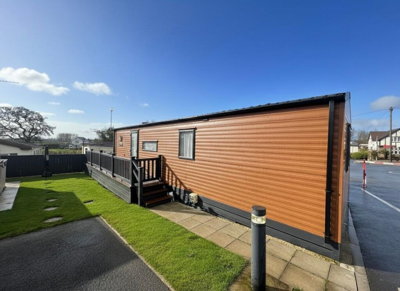
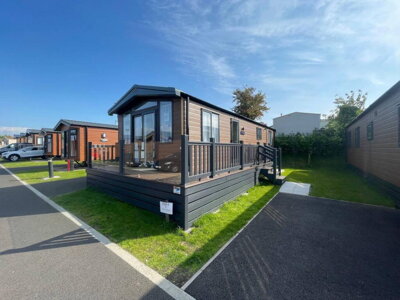
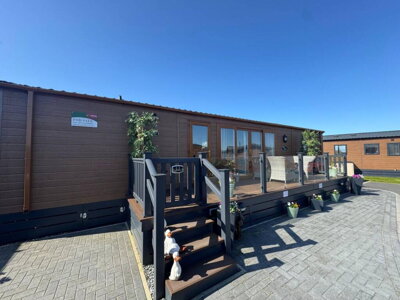
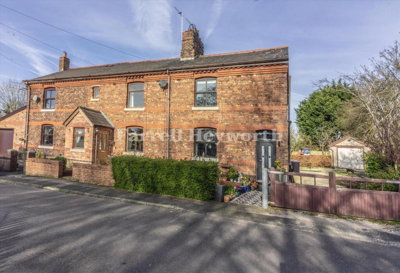
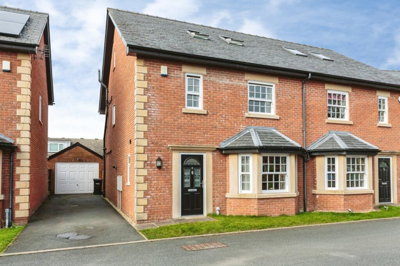
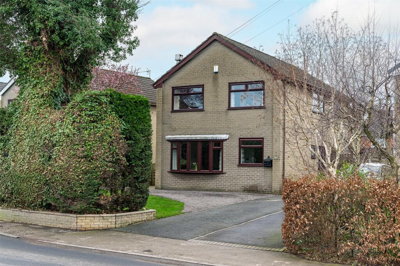
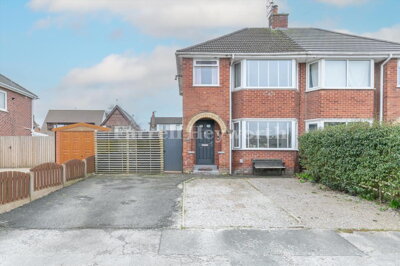
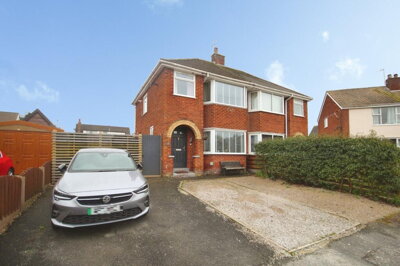
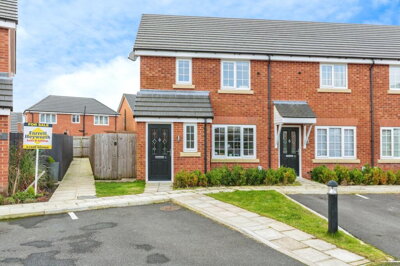
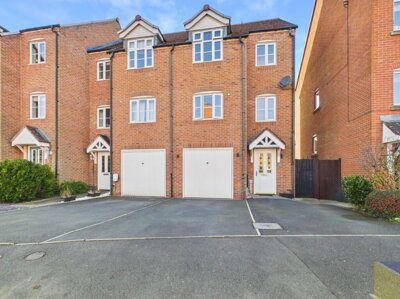
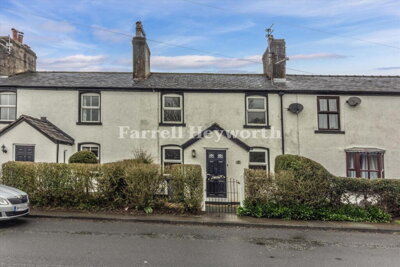
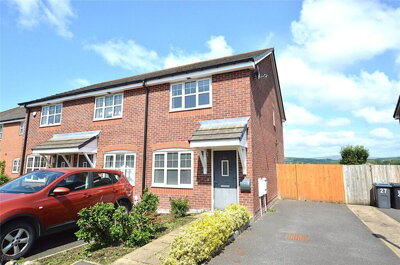
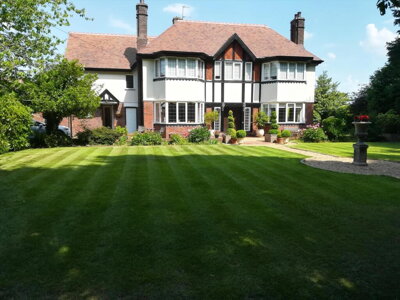
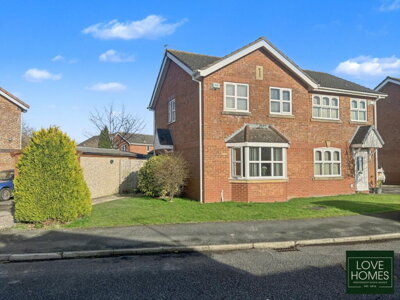
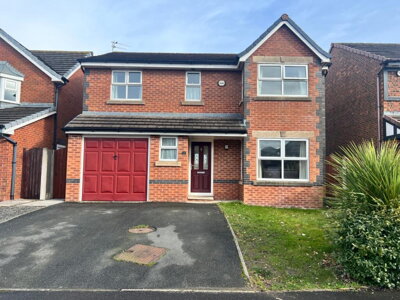
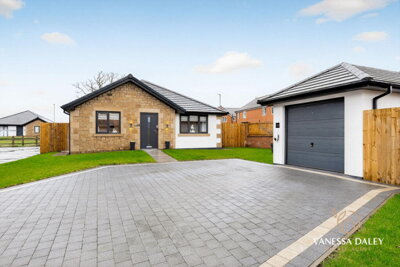
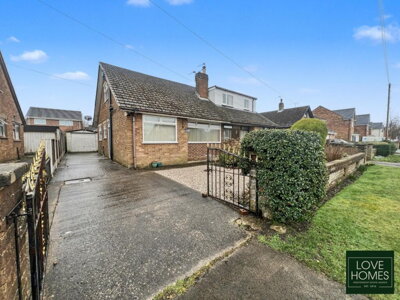
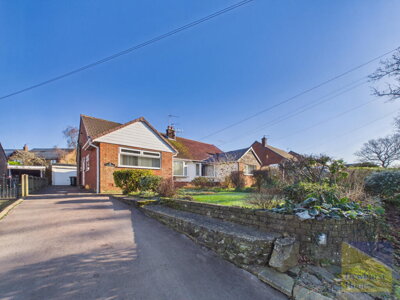
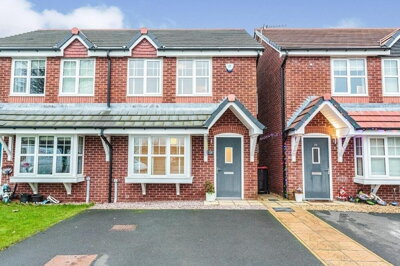
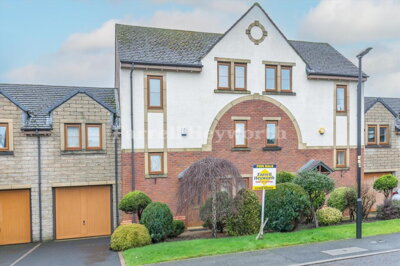
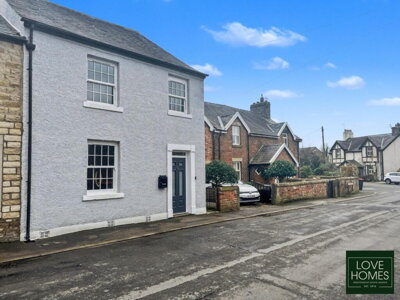
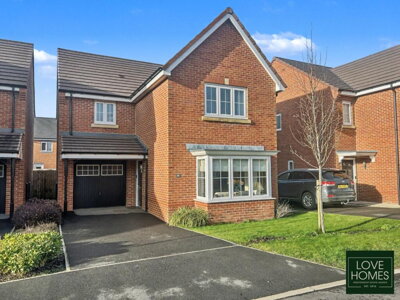
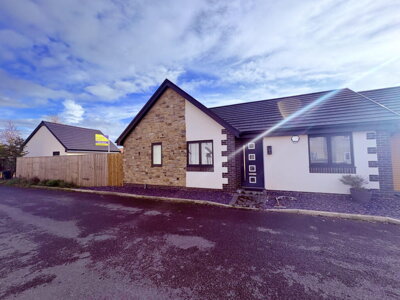
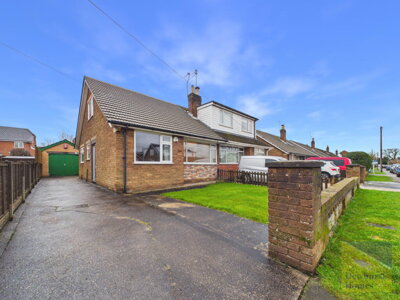
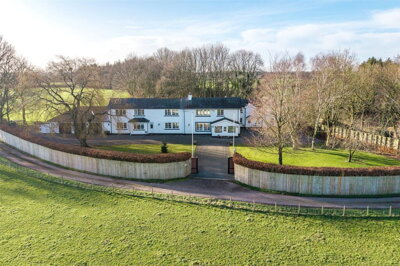
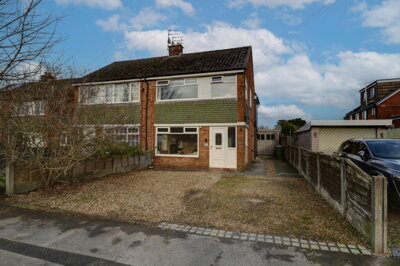
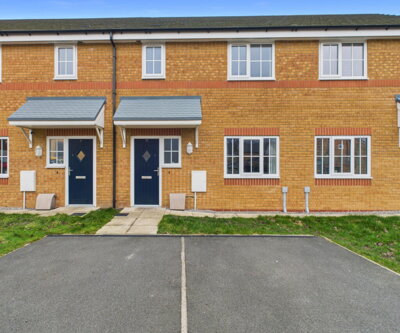
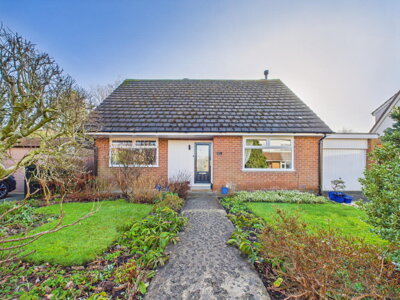
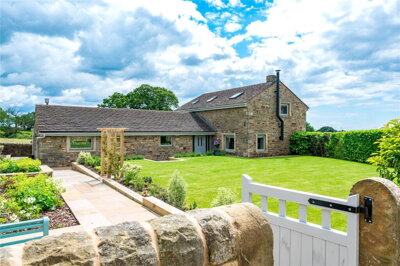
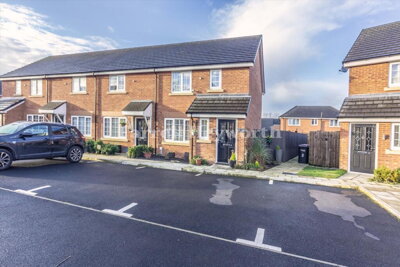
Browse 95 homes for sale in Claughton, Wyre from local estate agents.
The Claughton property market offers detached, semi-detached, and terraced houses spanning various price ranges and neighbourhoods. Each listing includes detailed property information, photographs, and direct contact with the marketing agent.
£258k
8
0
143
Source: home.co.uk
Showing 8 results for Houses for sale in Claughton, Wyre. The median asking price is £258,495.
Source: home.co.uk
Semi-Detached
5 listings
Avg £240,798
Detached
3 listings
Avg £386,665
Source: home.co.uk
Source: home.co.uk
The East Cambridgeshire property market presents a compelling mix of established housing stock and exciting new developments. Detached properties command an average price of £474,863, reflecting strong demand for family homes with generous gardens and off-street parking. Semi-detached homes average £306,477, representing excellent value for buyers seeking spacious accommodation in a sought-after location. Terraced properties average £265,373 and remain popular among first-time buyers and investors, particularly in towns like Ely and Soham where character properties line historic streets.
New build activity is robust across the district, with several significant developments bringing modern homes to the market. The Sycamores in Bottisham offers 2, 3, and 4-bedroom homes from £340,000, while The Pavilions in Ely provides larger 3, 4, and 5-bedroom options from £379,995 from David Wilson Homes. Kingfisher Meadow in Fordham features Taylor Wimpey homes from £315,000, and Wicken Green offers 3 and 4-bedroom properties from £430,000. These developments reflect ongoing demand in the area, though the overall market has seen a modest 2.3% price decrease over the past 12 months, creating opportunities for buyers who act decisively.
The housing stock breakdown reveals a district dominated by larger properties, with 36.1% detached homes and 30.1% semi-detached properties creating a family-oriented character throughout. Flats comprise only 13% of the housing stock, making East Cambridgeshire less suitable for those seeking urban apartment living but ideal for buyers wanting space and privacy. Understanding these market dynamics helps you position your search effectively and negotiate from an informed standpoint when you find a property that meets your criteria.

East Cambridgeshire stretches across the flat Fenland landscape, encompassing a population of approximately 90,300 residents across 37,200 households according to the 2021 Census. The district combines the grandeur of Ely's medieval architecture with the unspoiled charm of rural villages, creating a living environment that feels genuinely connected to both history and nature. The characteristic Fenland geology, with its chalk and clay deposits, shapes not only the built environment but also the agricultural landscape that defines the area's visual character and economy. Local employers span agriculture, tourism centred on Ely Cathedral, and growing numbers of residents working in Cambridge's technology and biotechnology sectors, with logistics and distribution businesses benefiting from the excellent A10 and A14 road connections.
The area's building heritage reflects its agricultural origins and geological conditions, with traditional properties constructed using local brick in various shades alongside rendered finishes. Properties built before 1919 comprise 19.3% of the housing stock, predominantly in Ely's conservation areas and historic village centres where timber-framed structures and Georgian facades create streetscapes of considerable character. The post-1980 construction boom brought 39.4% of modern properties to the district, including purpose-built developments that have expanded housing choice while maintaining the area's predominantly low-rise, low-density character.
Local amenities throughout East Cambridgeshire serve daily needs without requiring journeys to Cambridge, with market towns providing supermarkets, independent shops, healthcare facilities, and recreational venues. Ely city centre offers cultural attractions including the magnificent cathedral, regular markets, and a selection of restaurants and cafes that attract visitors from across the region. The presence of strong agricultural and tourism sectors provides local employment, while excellent transport links enable commuting to Cambridge's technology, education, and biotechnology employers, supporting the area's continued popularity among professionals seeking more affordable housing than the city provides.

Families considering East Cambridgeshire will find a range of educational options across all phases, with primary schools serving village communities and secondary options in the larger towns. The district's school landscape reflects its mix of urban and rural settings, with some schools serving small village catchments while others draw from broader areas. Understanding school catchments and admission arrangements proves essential when selecting a family home, as proximity to good schools significantly influences both family quality of life and long-term property values in this desirable Cambridgeshire district.
Several primary schools throughout East Cambridgeshire have earned strong reputations for academic achievement and pupil welfare, serving communities from Bottisham in the south to Littleport in the north. Secondary education centres on schools in Ely, Soham, and other towns, with some families also considering grammar school options in neighbouring areas or independent schools in Cambridge. Parents should research individual school performance data, Ofsted ratings, and admission policies when evaluating properties, as school places are allocated based on catchment area rather than proximity alone.
Sixth form and further education provision in East Cambridgeshire includes school sixth forms in the larger towns, with additional options available in Cambridge and surrounding areas for students seeking specialist courses or a broader range of A-level subjects. The proximity to Cambridge's world-renowned universities creates progression pathways for students aspiring to higher education, though sixth forms throughout the district maintain strong track records for university admissions. When viewing properties in East Cambridgeshire, prospective buyers with school-age children should confirm current school arrangements and any planned changes to admission policies that might affect their household.
Transport connectivity ranks among East Cambridgeshire's strongest assets, with the A10 providing direct access to Cambridge and the A14 offering links to Cambridge, Peterborough, and connections to the national motorway network. Ely railway station sits on the Fen Line, providing regular services to Cambridge with journey times of approximately 15-20 minutes and onward connections to London Liverpool Street via Cambridge. These transport links explain why East Cambridgeshire has become increasingly popular among commuters who want to escape higher Cambridge house prices while maintaining practical access to the city.
The district's road network serves local journeys effectively, with main routes connecting market towns and villages throughout the Fenland landscape. Bus services operate throughout the area, with regular routes serving Ely, Soham, and Littleport, though frequencies reduce in rural villages compared to the main towns, making car ownership practically essential for many residents. Cycling infrastructure has improved in recent years, with the flat Fenland terrain making cycling viable for both leisure and commuting purposes, though adverse weather conditions during winter months can challenge year-round cycling commuters.
Parking provision varies across East Cambridgeshire, with Ely city centre offering public car parks serving shoppers and visitors while village communities typically rely on on-street parking and private driveways. Ely station provides parking facilities for commuters, though demand often exceeds availability during peak hours. The generous proportion of detached and semi-detached properties with off-street parking (66.2% of the housing stock) means most residents enjoy parking convenience that urban areas cannot match. For those working in Cambridge or beyond, East Cambridgeshire's transport advantages translate directly into property value, with commuter-friendly locations commanding premiums in the local market.
Property buyers in East Cambridgeshire should understand the typical defects found in the district's housing stock, given that 60.6% of properties were built before 1980. Damp issues are particularly common in older properties, especially those in low-lying Fenland areas where rising damp, penetrating damp, or condensation can affect walls and timbers. Our inspectors regularly identify damp problems in Victorian and Georgian properties throughout Ely's conservation areas and in riverside locations where groundwater levels remain high throughout the year.
The presence of shrink-swell clay soils throughout East Cambridgeshire creates a moderate to high risk of subsidence and heave damage, particularly for properties with inadequate foundations or those located near mature trees. During dry periods, clay soils contract and can cause structural movement, while during wet conditions the same soils expand and push foundations upward. Signs of subsidence include cracked walls, doors that stick, and uneven floors. Properties in Fordham, Burwell, and the southern parts of the district near clay deposits require careful structural assessment before purchase.
Timber defects including woodworm and rot commonly affect older properties with damp issues, particularly in roof structures, floor joists, and window frames. Many pre-1980s properties also have electrical systems and plumbing that do not meet current standards, requiring significant investment after purchase. Original wiring in Victorian and Edwardian properties often poses safety concerns, while older plumbing systems may use galvanised steel pipes prone to corrosion and reduced water pressure. A thorough survey identifies these issues before you commit to purchase, allowing you to negotiate repairs or adjust your offer accordingly.
Roof defects are frequently encountered in East Cambridgeshire's older properties, with slipped tiles, worn felt, deteriorated lead flashing, and blocked gutters causing water ingress into roof spaces. Original clay or slate tiles on period properties often reach the end of their serviceable life, requiring re-roofing or significant repair work. Properties in conservation areas face additional considerations when replacing traditional roofing materials, as planning consent may be required to maintain the visual character of historic streetscapes.
Explore East Cambridgeshire's different towns and villages to understand which best matches your priorities. Ely offers cathedral city amenities, while Fordham, Bottisham, and Littleport each provide distinct community characters. Factor in school catchments, commuting requirements, and property types when narrowing your search.
Before viewing properties, obtain a mortgage agreement in principle from a lender to confirm your budget and demonstrate your seriousness to sellers. Our mortgage partners can provide quotes tailored to your circumstances, helping you understand what you can afford within East Cambridgeshire's price range of £177,500 for flats to £474,863 for detached homes.
Use our property search to arrange viewings of homes matching your criteria. When viewing properties in East Cambridgeshire, assess the local area at different times of day, speak to neighbours if possible, and check proximity to amenities, schools, and transport links that matter to your household.
Given that 60.6% of properties in East Cambridgeshire were built before 1980, a thorough survey is essential. Our data shows RICS Level 2 surveys in the area range from £400 to £700 or more depending on property size. The survey will check for damp, subsidence risk from clay soils, and roof condition common in the district's older housing stock.
Choose a conveyancing solicitor to handle the legal aspects of your purchase. They will conduct searches with East Cambridgeshire District Council, investigate flood risk areas, and ensure all planning permissions and listed building consents are in order for older properties in conservation areas.
Once surveys and searches are satisfactory, your solicitor will arrange contract exchange with the seller's representative. On completion day, the remaining funds are transferred and you receive the keys to your new East Cambridgeshire home.
Property buyers in East Cambridgeshire should pay particular attention to flood risk, given the district's low-lying Fenland geography and proximity to the River Great Ouse and its tributaries. Properties in areas around Ely, Littleport, and riverside communities face elevated flood risk from both fluvial sources and surface water flooding during heavy rainfall. The extensive drainage networks that serve the Fens can be overwhelmed during exceptional weather events, making flood risk assessments essential before committing to any purchase in vulnerable locations. Surface water flooding affects low-lying areas throughout the district during periods of heavy rain when drainage systems reach capacity.
The presence of clay soils throughout East Cambridgeshire creates a moderate to high shrink-swell risk that demands careful property assessment, particularly for older properties with potentially inadequate foundations. Signs of subsidence or heave damage may indicate foundation issues exacerbated by mature trees drawing moisture from clay soils during dry periods or soils expanding during wet conditions. A thorough RICS Level 2 Survey will identify structural concerns, and buyers should verify whether any previous subsidence has been professionally repaired and what guarantees exist for that work.
Properties in conservation areas, particularly around Ely's historic core and villages like Soham, Fordham, and Burwell, carry planning restrictions that affect what alterations homeowners can undertake. Listed buildings require Listed Building Consent for most works and often need specialist surveyors experienced with traditional construction methods and materials. If you are considering a period property in one of East Cambridgeshire's numerous conservation areas, factor the cost of specialist surveys and potential limitations on renovations into your budget and expectations.
For buyers considering flats or leasehold properties, service charges and ground rent arrangements require careful review alongside lease terms and any major maintenance contributions. The predominance of detached and semi-detached properties (66.2% of the housing stock) means most buyers will purchase freehold houses, but apartment developments do exist, particularly in Ely and the larger villages. Understanding the difference between freehold and leasehold arrangements and their long-term financial implications protects buyers from unexpected costs after purchase.
Understanding the construction methods used in East Cambridgeshire properties helps buyers assess potential issues and maintenance requirements. Pre-1919 properties typically feature solid brick construction, sometimes with timber frames, slate or clay tile roofs, and lime mortar between brickwork. These traditional construction methods require different maintenance approaches than modern properties, with lime mortar needing re-pointing rather than cement-based alternatives that can trap moisture and cause brickwork deterioration. Properties in Ely's conservation areas and historic village centres often feature these traditional construction methods that require specialist knowledge to maintain properly.
Mid-century properties built between 1945 and 1980 commonly use cavity wall construction with brick or rendered finishes, concrete tiled roofs, and timber or metal windows. These properties may have solid ground floors rather than suspended timber, and many have original single-glazed windows and insulation levels below modern standards. The cavity wall construction in these properties can suffer from insulation fill degradation over time, reducing thermal performance. Our surveyors assess these construction elements carefully, as cavity wall tie failure and render cracking are common issues in rendered mid-century properties throughout the district.
Post-1980 properties in East Cambridgeshire predominantly feature cavity wall construction using brick and block, often with a mix of brick, render, and various cladding materials. Pitched roofs with concrete tiles are standard, along with uPVC windows and doors that require minimal maintenance compared to traditional materials. New build properties on modern developments like Kingfisher Meadow in Fordham and The Pavilions in Ely benefit from modern building standards but may still exhibit defects in snagging reviews. For older post-1980 properties, common issues include condensation related to inadequate ventilation and roof tile weathering that may require attention after two or three decades of exposure to Fenland weather conditions.
The average house price in East Cambridgeshire currently stands at £350,974 based on recent sales data. Detached properties average £474,863, semi-detached homes average £306,477, terraced properties average £265,373, and flats average £177,500. The market has experienced a modest 2.3% decrease over the past 12 months, creating opportunities for buyers in a market that has seen consistent long-term growth driven by Cambridge commuting demand.
Council tax bands in East Cambridgeshire follow the national banding system from Band A through to Band H, with most family homes falling in Bands B through E. The specific band depends on the property's assessed value, and bands are set by the Valuation Office Agency. East Cambridgeshire District Council sets the council tax rates, and buyers can check current bands for any property through the council's website or the Valuation Office Agency online service.
East Cambridgeshire offers primary schools across its villages and towns, with several achieving strong results in Key Stage 2 assessments. Secondary education options include schools in Ely, Soham, and surrounding communities, serving their respective catchments. Parents should research individual school Ofsted ratings, examination results, and admission policies, as school places are allocated based on catchment areas and proximity rather than parental preference. Cambridge's wider school options are accessible to some families willing to commute children to the city.
East Cambridgeshire benefits from good public transport connections relative to its rural character. Ely railway station provides regular services to Cambridge (15-20 minutes) and onward connections to London Liverpool Street. Bus services operate throughout the district, though frequencies are more limited in rural villages compared to the main towns. The A10 and A14 roads provide excellent access for car commuters to Cambridge and beyond, with journey times to Cambridge city centre typically 20-30 minutes from most East Cambridgeshire locations.
East Cambridgeshire offers strong investment fundamentals, with proximity to Cambridge continuing to drive demand from commuters seeking more affordable housing than the city provides. The local economy benefits from agriculture, tourism centred on Ely Cathedral, logistics distribution due to good road links, and growing numbers of residents working in Cambridge's technology and biotechnology sectors. The 1,228 property sales in the past 12 months demonstrate active market activity, while the ongoing new build developments from major developers like Taylor Wimpey and David Wilson Homes indicate sustained developer confidence in the area's prospects.
Stamp Duty Land Tax rates for 2024-25 start at 0% on the first £250,000 of residential property purchase price. The rate increases to 5% on the portion between £250,001 and £925,000, 10% between £925,001 and £1.5 million, and 12% above £1.5 million. First-time buyers benefit from relief on the first £425,000 (0% rate) with 5% applying between £425,001 and £625,000, though no relief applies above £625,000. Given East Cambridgeshire's average price of £350,974, many buyers will pay stamp duty on the portion above £250,000 at the 5% rate.
Key risks include flood risk from the Fenland geography affecting properties near rivers and in low-lying areas, subsidence risk from clay soils that expand and contract with moisture changes, and planning restrictions in conservation areas around Ely and other historic villages. Older properties may have electrical and plumbing systems requiring upgrading, and listed buildings carry additional obligations for maintenance and alterations. A comprehensive RICS Level 2 Survey will identify property-specific risks and help you make an informed purchasing decision.
Journey times from East Cambridgeshire to Cambridge vary by location and transport mode. By rail from Ely, services take approximately 15-20 minutes to Cambridge station with trains running throughout the day. By road via the A10, travel times range from 20 minutes for southern villages like Bottisham to around 35 minutes from Ely city centre, depending on traffic conditions. The A14 provides access to Cambridge's science parks and northern areas, with typical journey times of 30-40 minutes from Ely during off-peak hours.
Flood risk in East Cambridgeshire concentrates around rivers and low-lying areas, particularly Ely, Littleport, and communities along the River Great Ouse and River Lark. Properties near these waterways face fluvial flood risk during periods of high river levels, while the flat topography means surface water flooding can affect areas distant from rivers during heavy rainfall. The extensive drainage networks that serve the Fens can become overwhelmed during exceptional weather events. Buyers should check Environment Agency flood maps for specific properties and consider whether flood resilience measures have been implemented in any property they are considering purchasing.
Understanding the full cost of purchasing property in East Cambridgeshire extends beyond the headline purchase price, with stamp duty, solicitor fees, survey costs, and moving expenses all contributing to your budget. For a typical East Cambridgeshire property at the district average of £350,974, a standard buyer would pay stamp duty of approximately £5,049, calculated at 0% on the first £250,000 and 5% on the remaining £100,974. First-time buyers with qualifying purchases would pay £0 stamp duty on the first £425,000, meaning many first-time buyers in this price range would incur no stamp duty whatsoever.
Solicitor conveyancing costs in East Cambridgeshire typically range from £499 for basic transactions to higher amounts for more complex purchases involving listed buildings, conservation areas, or unusual tenure arrangements. Additional costs include local authority searches with East Cambridgeshire District Council, drainage and water searches, environmental searches to check for flood risk and contamination, and potentially specialist surveys for older properties. Land Registry fees for registering your ownership are generally modest, and your solicitor will provide a detailed breakdown of all costs before you commit to instruction.
Survey costs warrant particular attention in East Cambridgeshire given the significant proportion of older properties with potential defects. RICS Level 2 Surveys in the area typically range from £400 to £700 or more depending on property size and complexity, with larger detached homes commanding higher fees than terraced properties or flats. For older properties in conservation areas or listed buildings, a more comprehensive RICS Level 3 Building Survey may prove more appropriate despite the higher cost, providing the detailed assessment that complex historic structures require. Budgeting for these costs before making an offer ensures you have complete financial clarity when you find your ideal East Cambridgeshire home.
From 4.5% APR
Expert mortgage advice tailored to your East Cambridgeshire purchase
From £499
Solicitors experienced in East Cambridgeshire property transactions
From £400
Thorough inspection of the property condition before purchase
From £80
Energy performance certificate for your East Cambridgeshire property
Properties for Sale In London

Properties for Sale In Plymouth

Properties for Sale In Liverpool

Properties for Sale In Glasgow

Properties for Sale In Sheffield

Properties for Sale In Edinburgh

Properties for Sale In Coventry

Properties for Sale In Bradford

Properties for Sale In Manchester

Properties for Sale In Birmingham

Properties for Sale In Bristol

Properties for Sale In Oxford

Properties for Sale In Leicester

Properties for Sale In Newcastle

Properties for Sale In Leeds

Properties for Sale In Southampton

Properties for Sale In Cardiff

Properties for Sale In Nottingham

Properties for Sale In Norwich

Properties for Sale In Brighton

Properties for Sale In Derby

Properties for Sale In Portsmouth

Properties for Sale In Northampton

Properties for Sale In Milton Keynes

Properties for Sale In Bournemouth

Properties for Sale In Bolton

Properties for Sale In Swansea

Properties for Sale In Swindon

Properties for Sale In Peterborough

Properties for Sale In Wolverhampton

Enter your details to see if this property is within your budget.
Loans, cards, car finance
Estimated property budget
Borrowing + deposit
You could borrow between
Typical borrowing
Monthly repayment
Est. at 4.5%
Loan-to-value
This is an estimate only. Your actual budget may vary depending on interest rates, credit history, and personal circumstances. For an accurate affordability assessment, speak to one of our free mortgage advisors.
This calculator provides estimates for illustrative purposes only and does not constitute financial advice. Your home may be repossessed if you do not keep up repayments on your mortgage. Estimates based on 4.5% interest rate, repayment mortgage. Actual rates depend on your circumstances.
Homemove is a trading name of HM Haus Group Ltd (Company No. 13873779, registered in England & Wales). Homemove Mortgages Ltd (Company No. 15947693) is an Appointed Representative of TMG Direct Limited, trading as TMG Mortgage Network, which is authorised and regulated by the Financial Conduct Authority (FRN 786245). Homemove Mortgages Ltd is entered on the FCA Register as an Appointed Representative (FRN 1022429). You can check registrations at NewRegister or by calling 0800 111 6768.

We use cookies to show you personalised content and improve your experience of our website. Find out more in our Privacy policy and Cookie policy.