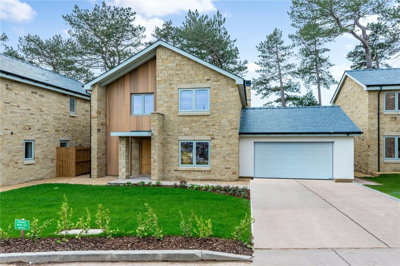
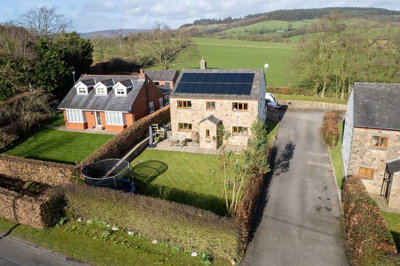
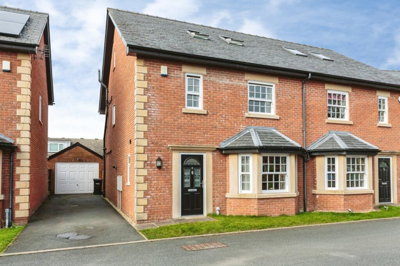
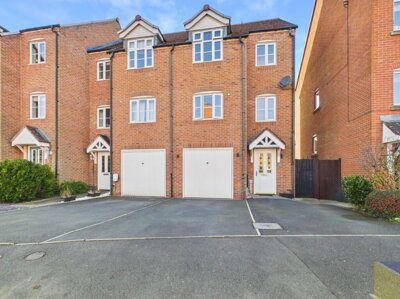
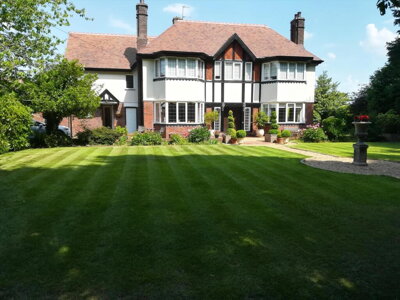
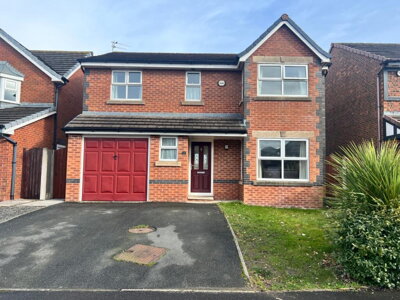
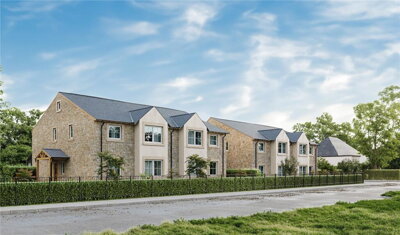
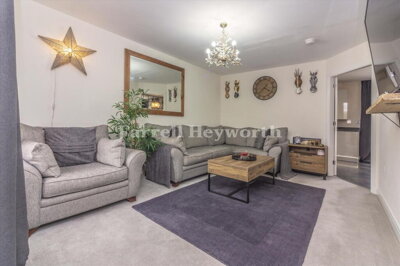
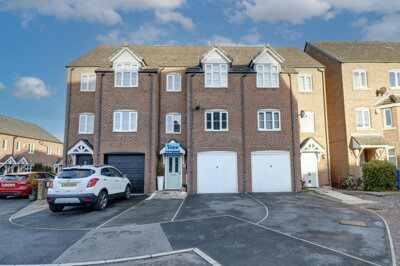
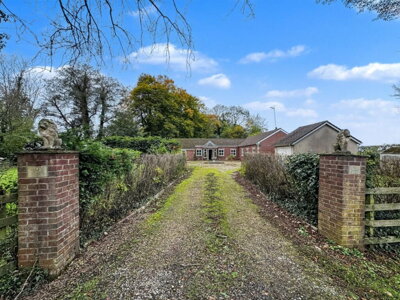
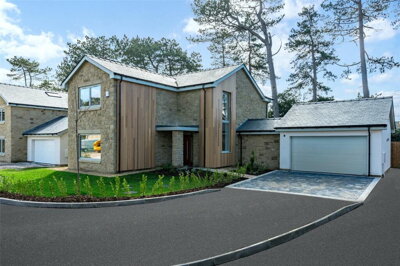
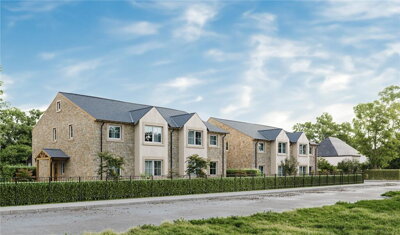
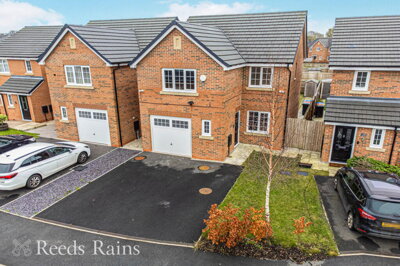
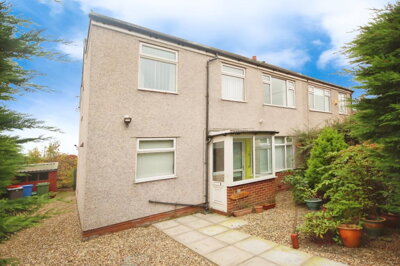
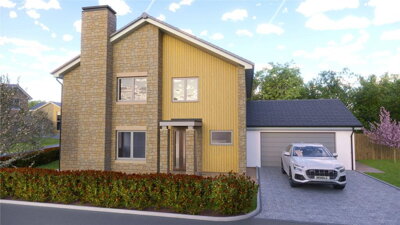
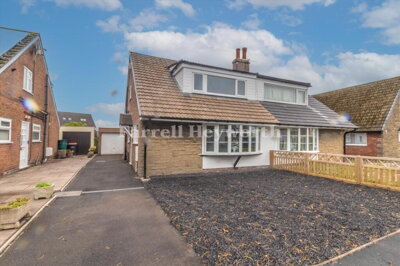
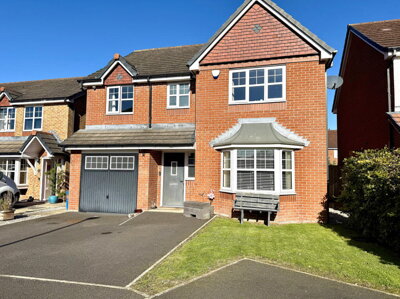
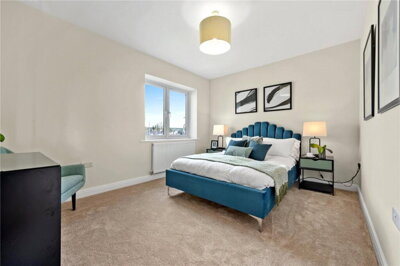
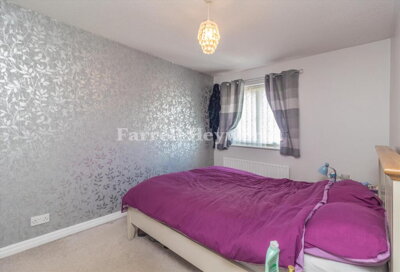
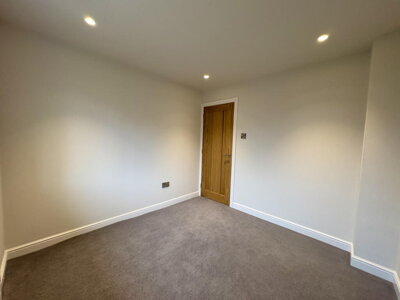
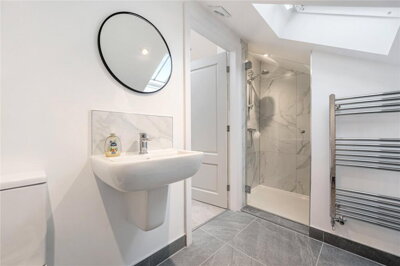
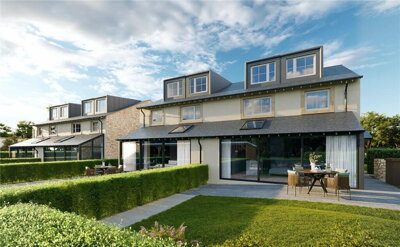
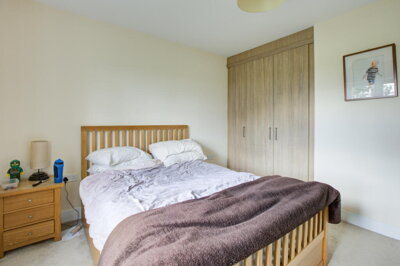
Browse 31 homes for sale in Claughton, Wyre from local estate agents.
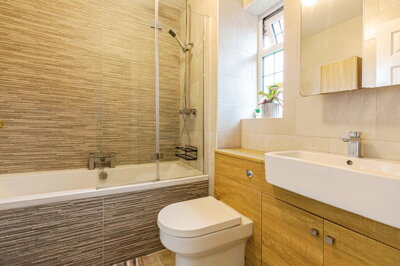
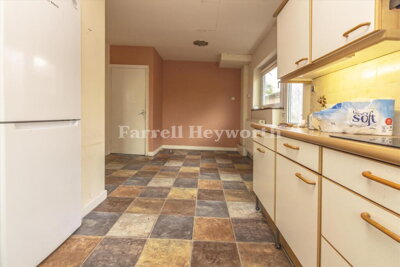
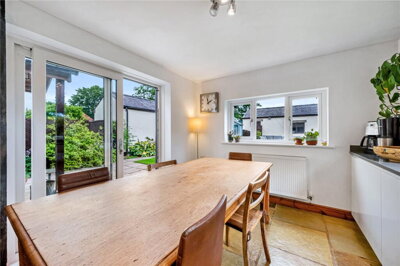
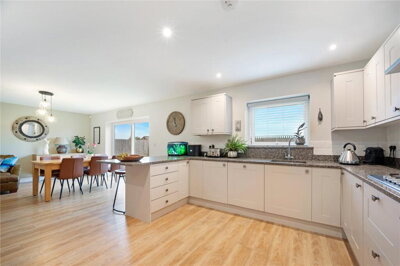
The larger property sector typically features multiple bathrooms, substantial reception space, and private gardens or off-street parking. Four bedroom houses in Claughton span detached, semi-detached, and occasionally terraced configurations, with styles ranging from period properties to modern executive homes.
£405k
2
0
213
Source: home.co.uk
Showing 2 results for 4 Bedroom Houses for sale in Claughton, Wyre. The median asking price is £404,998.
Source: home.co.uk
Detached
2 listings
Avg £404,998
Source: home.co.uk
Source: home.co.uk
The Claughton property market reflects the character of this small rural village, with a diverse range of property types catering to different buyer requirements. Our current listings include detached homes commanding median prices of around £445,000, semi-detached properties at approximately £405,000, and more affordable terraced homes beginning from £195,000. The village has recorded 28 property sales over the past twelve months according to Rightmove data, with a total of 53 sales documented across recent history by PropertyResearch.uk, indicating a steady level of market activity in this desirable location.
The Lancaster postcode area has seen property prices decline by approximately 4% over the past year, with the average property dropping £8,900 in value. However, Claughton's premium village location and limited housing stock mean properties here often hold their value well relative to the broader market. Historical data shows that prices in Claughton reached a peak of £596,000 in 2010, and current values sit approximately 25% below that peak, suggesting potential for long-term capital growth as the market stabilises and recovers. The Lune Valley market tends to experience less volatility than urban areas, making it particularly attractive to buyers seeking stability over speculation.
New build activity in Claughton itself remains limited, with no verified active developments within the LA2 9XX postcode area. Buyers seeking modern specifications may wish to explore neighbouring villages such as Caton or Hornby, where new-build opportunities occasionally arise. For those prioritising character and authenticity, the village's traditional sandstone construction and period properties offer irreplaceable charm that modern developments cannot replicate. We regularly update our listings as new properties come to market, so registering with us ensures you do not miss opportunities in this tightly held village location.

Claughton is a small parish village situated along the Lune Valley in the Lancaster district of Lancashire, approximately five miles north-east of Lancaster city centre. The village centre retains much of its historic character, with buildings predominantly constructed from locally-sourced sandstone that has been quarried in the area for centuries. Lancaster freestone, known for its workability and durability, was extracted from local quarries and used extensively in the construction of Claughton Hall and numerous listed buildings throughout the village, creating an architectural heritage that defines the area's distinctive appearance. The presence of Claughton Brickworks also contributed to the village's building tradition, with some properties featuring brick elements alongside the characteristic sandstone.
The surrounding landscape consists of rolling countryside, farmland, and open fields that form part of the Forest of Bowland Area of Outstanding Natural Beauty, which lies just beyond the village boundaries. The River Lune flows through the valley, providing scenic walking routes and outdoor recreational opportunities including riverside walks, cycling, and fishing. The village itself offers essential amenities including a village hall and parish church, while comprehensive shopping, dining, and leisure facilities are readily accessible in the nearby city of Lancaster. The Lunesdale Arts venue in the nearby Hornby provides cultural activities, while the village hall hosts regular events that contribute to community life.
The demographic profile of Claughton reflects that of a prosperous rural village, with a settled population comprising families, professionals, and retirees drawn to the area's quality of life and strong community spirit. Local events, parish meetings, and village activities contribute to a close-knit atmosphere that appeals to buyers seeking a slower pace of life away from urban pressures. The proximity to Lancaster also ensures residents have access to excellent healthcare facilities, cultural attractions, and a wider range of employment opportunities when needed. Property types in the village include traditional sandstone cottages, Victorian and Edwardian terraces, and more substantial inter-war and post-war detached homes, providing options across various budgets and preferences.

Families considering a move to Claughton will find a selection of educational options available within the local area, ranging from primary schools in nearby villages to comprehensive secondary schools in Lancaster. For younger children, primary education is available at Hornby Primary School, which serves the Lunesdale valley including Claughton, with children from Caton and Quernmore also attending. The village's rural setting means parents should verify specific catchment boundaries and admission arrangements with Lancashire County Council before purchasing property, as school placements can be competitive in popular rural areas and waiting lists are common for oversubscribed schools.
Secondary education options in Lancaster include both state schools and grammar schools, providing families with a choice of educational pathways. Lancaster's grammar schools, including the Royal Grammar School and Lancaster Girls' Grammar School, regularly achieve strong academic results and attract pupils from across the wider area including Claughton. These schools require pupils to pass the Lancashire 11-plus entrance examination, and preparation for this should be considered when evaluating educational options. Comprehensive schools in the city, such as Central Lancaster High School and the nearby Lunesdale School in Kirkby Lonsdale, offer broad curricula and have dedicated transport arrangements from outlying villages.
For sixth form and further education, students have access to Lancaster and Morecambe College and the sixth form facilities at Lancaster schools, providing comprehensive post-16 education pathways. The nearby University of Lancaster also serves the area, offering undergraduate and postgraduate programmes, making Claughton an attractive option for academic families or those seeking a university town environment within commuting distance. Parents are advised to research current Ofsted ratings and admission policies, as these can significantly impact educational placement decisions for families moving to the area. The rural school transport service operated by Lancashire County Council provides bus routes connecting Claughton to secondary schools in Lancaster, though journey times of 30-45 minutes should be factored into family planning.
Claughton's position in the Lune Valley provides reasonable connectivity to Lancaster and the surrounding region, though residents should be aware that this is a rural location where car ownership is typically essential for daily commuting. The village sits approximately five miles from Lancaster city centre, with the journey taking around fifteen minutes by car via the A683 road that passes through the village. This route connects to the M6 motorway at junction 34, approximately seven miles away, providing direct access to Manchester, Liverpool, and the wider national motorway network. The A683 also provides access to the M6 at junction 35, offering an alternative route for those travelling south towards Preston and beyond.
Lancaster railway station offers excellent regional and national rail connections, with regular services to Manchester, Liverpool, Leeds, and London Euston. The station is located approximately six miles from Claughton village centre, making it accessible by car or local bus services that operate between the village and the city. Train journey times from Lancaster to Manchester take approximately one hour and fifteen minutes, while London Euston is reachable in around two hours and thirty minutes, positioning Claughton within reasonable commuting distance for those who work in major cities but prefer rural living. Advance booking often secures significantly cheaper fares on intercity routes, so commuters should plan their journeys accordingly.
Local bus services connect Claughton to Lancaster and surrounding villages including Hornby, Caton, and Kirkby Lonsdale, providing essential public transport options for those without private vehicles. The 80 and 81 bus services operated by Stagecoach provide regular connections between Lunesdale villages and Lancaster, with limited Sunday services. The bus network operates several daily services, though frequency is limited compared to urban areas, so residents should check current timetables carefully when planning travel without a car. For cycling, the Lune Valley offers relatively flat terrain suitable for cycling, and National Cycle Route 90 passes through the area, connecting to Lancaster's network of cycle paths and providing traffic-free routes to the city and beyond.
Contact Lancashire mortgage brokers to obtain an agreement in principle before beginning your property search. Getting your finances in place early strengthens your position when making offers in a competitive rural market where properties can sell quickly. We can recommend local brokers who understand the Claughton property market and can help you secure competitive mortgage rates for rural properties, including those with non-standard construction or private drainage systems that may require specialist lending criteria.
Study recent sales data for Claughton, including comparable properties that have sold in the village and surrounding Lune Valley. Understanding price trends and typical property types helps you set realistic expectations and identify genuinely good value when it arises. Our team maintains detailed records of recent transactions in the LA2 postcode area, including prices achieved for different property types on streets such as Hornby Road and Low Lane. This local intelligence gives you an advantage when making purchasing decisions in this relatively opaque rural market.
Instruct a conveyancing solicitor with experience handling rural property transactions in the Lancaster area. Rural homes may have complications including septic tanks, private water supplies, or agricultural covenants that require specialist attention. We work with several conveyancing firms in the Lancaster area who have extensive experience handling traditional sandstone properties and can advise on the specific legal considerations that apply to Claughton homes.
Arrange viewings through Homemove or directly with local estate agents. Take time to assess the condition of properties, noting traditional construction methods, potential maintenance needs, and any renovation opportunities that may add value. When viewing properties in Claughton, pay particular attention to the condition of stone walls, roof coverings, and any signs of damp or structural movement. Older properties may have been maintained to varying standards, and a thorough viewing can identify properties that offer genuine value versus those requiring extensive renovation.
When you find your ideal home in Claughton, submit an offer through your estate agent along with evidence of your financial position. Be prepared to negotiate on price, particularly given the current market where prices have softened by around 4% over the past year. The current market conditions favour buyers in Claughton, with limited stock creating a balanced negotiating environment. Our team can provide comparable sales data to support your negotiations and help you achieve a fair purchase price.
Once your offer is accepted, your solicitor will handle conveyancing, searches, and contracts. Exchange contracts and complete your purchase, typically within 8-12 weeks for standard transactions. We recommend arranging a RICS Level 2 survey to assess the property condition, particularly important for older sandstone properties where structural issues may not be immediately apparent. For older or historic properties, a full RICS Level 3 building survey may be advisable to provide a comprehensive assessment of construction and condition.
Properties in Claughton are predominantly constructed from traditional sandstone, a locally quarried material that contributes to the village's charming character but requires specific knowledge when assessing condition. Prospective buyers should arrange a comprehensive building survey, particularly for older properties, as sandstone walls can be susceptible to weathering, structural movement, and damp penetration if not properly maintained. The Lancaster freestone used in many historic buildings is relatively soft and may show signs of erosion or repairs that require professional evaluation. Our recommended surveyors have extensive experience assessing traditional Lancashire stone properties and understand the common defects that affect this construction type.
Many properties in rural Claughton operate on private drainage systems rather than mains sewerage, which is an important consideration for buyers accustomed to urban living. Private septic tanks or sewage treatment plants require regular maintenance and may be subject to environmental regulations under the General Binding Rules. Your survey should investigate the drainage arrangements thoroughly, and factor any necessary upgrades into your budget alongside the purchase price. Properties with private drainage should have documentation including pumping station maintenance records, septic tank emptying receipts, and environmental agency registrations where applicable.
The village falls within a conservation area or near listed buildings in some instances, which can affect permitted development rights and restrictions on modifications to properties. Anyone purchasing a period property in Claughton should verify the planning implications with Lancaster City Council before committing to purchase, particularly if they have plans for extensions or alterations. Agricultural covenants may also apply to properties bordering farmland, potentially restricting activities or future development. Understanding these local factors helps avoid costly surprises after purchase and ensures your new home meets your expectations for the future. Listed buildings in Claughton may have additional restrictions on external alterations, and any works would require Listed Building Consent from the planning authority.
The average house price in Claughton is approximately £445,000 according to Rightmove data, though this figure is influenced by sales of larger detached properties. More affordable options are available, with terraced homes selling at a median price of £195,000, and semi-detached properties at around £405,000. On specific streets, Hornby Road properties average around £252,000 while Low Lane commands prices closer to £445,000. The broader Lancaster postcode area has seen prices decline by around 4% over the past twelve months, offering potential opportunities for buyers in this rural village setting. Prices in Claughton currently sit approximately 25% below the 2010 peak of £596,000, suggesting scope for capital growth as the market recovers.
Properties in Claughton fall under Lancaster City Council's jurisdiction, with most residential properties assigned council tax bands A through E. Specific bands depend on the property's valuation and characteristics, with smaller terraced cottages typically in lower bands and larger detached homes in higher brackets. For example, a typical terraced property in Claughton would likely be in band A or B, with monthly charges of around £1,400 to £1,500, while substantial detached homes could fall into bands D or E with monthly charges exceeding £2,000. Prospective buyers should verify the specific council tax band for any property they are considering, as this affects ongoing running costs alongside mortgage payments and utility bills.
Claughton itself has limited schooling within the village, with primary education typically accessed at Hornby Primary School in the neighbouring village, which serves the Lunesdale catchment area including Claughton. Secondary schools in Lancaster include the Royal Grammar School and Lancaster Girls' Grammar School, both requiring pupils to pass the Lancashire 11-plus examination for admission. The nearby Lunesdale School in Kirkby Lonsdale provides an alternative secondary option for families preferring a smaller school environment. Parents should verify current admission arrangements and catchment areas with Lancashire County Council, as school places can be competitive for properties in popular rural villages and transport arrangements should be confirmed before purchasing.
Claughton has limited public transport options, with local bus services connecting the village to Lancaster and surrounding villages on several routes daily. The Stagecoach 80 and 81 services provide regular connections to Lancaster, though frequency is reduced compared to urban areas, with last buses departing city centre in the early evening. Lancaster railway station, approximately six miles away, provides excellent regional and national rail connections including direct services to Manchester taking around one hour fifteen minutes and London Euston in approximately two hours thirty minutes. Most residents in Claughton rely on private car ownership for daily commuting, and this should be factored into lifestyle considerations when choosing to live in this rural village.
Claughton's rural village setting and proximity to Lancaster make it an attractive option for buyers seeking quality of life over maximum rental yields. Property values in the Lancaster postcode area have softened recently, down approximately 4% over the past year and sitting around 25% below the 2010 peak of £596,000. For long-term buyers, the village's character, limited housing supply, and proximity to the Forest of Bowland Area of Outstanding Natural Beauty suggest stable demand. Investors should be aware that rural village properties can experience longer void periods between tenants compared to urban locations, and rental demand may be more seasonal as the local population tends to be relatively stable rather than transient.
Stamp Duty Land Tax rates for England from April 2024 are 0% on the first £250,000 of property value, 5% on £250,001 to £925,000, 10% on £925,001 to £1.5 million, and 12% above £1.5 million. First-time buyers receive increased relief, paying 0% up to £425,000 and 5% between £425,001 and £625,000, though this relief does not apply above £625,000. For a typical Claughton property at £445,000, a standard buyer would pay £9,750 in stamp duty, calculated as 5% of the £195,000 above the £250,000 threshold. A first-time buyer purchasing the same property would pay £1,000, calculated as 5% of the £20,000 portion between £425,000 and £445,000.
Secure financing for your Claughton property purchase with competitive rates and expert advice on rural property mortgages.
From 4.5% APRC
Professional legal services for your Claughton property transaction, including advice on rural property complications such as private drainage and agricultural covenants.
From £499
Comprehensive homebuyer survey for your Claughton property, ideal for traditional sandstone construction and period properties.
From £350
Energy performance certificate for your Claughton property, required for all residential sales.
From £60
When purchasing a property in Claughton, budget carefully for all associated costs beyond the purchase price itself. The stamp duty land tax rates effective from April 2024 set the zero-rate threshold at £250,000 for standard buyers, with the 5% rate applying between £250,001 and £925,000. For a typical Claughton property priced around £445,000, this means calculating 5% on the £195,000 above the threshold, resulting in a stamp duty liability of £9,750. First-time buyers benefit from a higher threshold of £425,000, reducing their liability to £1,000 on a property at this price point. These costs must be paid within 14 days of completion, so ensure funds are available when you close your transaction.
Additional buying costs include solicitor fees for conveyancing, typically ranging from £500 to £1,500 depending on the complexity of the transaction and whether the property has any unusual features such as private drainage or agricultural covenants. Survey costs are essential, with a RICS Level 2 homebuyer report starting from around £350, rising to £600 or more for larger properties. Given Claughton's traditional sandstone construction, we strongly recommend budgeting for a thorough survey that can identify any structural or maintenance concerns specific to historic rural properties. For listed buildings or older properties showing signs of wear, a full RICS Level 3 building survey may be advisable despite the higher cost of around £1,000 to £1,500.
Other costs to factor include land registry fees of approximately £200 to £500, mortgage arrangement fees which can range from zero to £2,000 depending on your chosen deal, and removal costs which vary widely based on the distance and volume of your move. Properties in rural locations like Claughton may also have additional costs for septic tank emptying, private water supply testing, or drainage surveys that are not typically required for urban properties connected to mains services. Thorough budgeting before committing to purchase ensures you can complete your transaction without financial pressure and move into your new Claughton home with confidence. We recommend setting aside an additional 3% to 5% of the purchase price to cover these ancillary costs and any unexpected issues that may arise during the conveyancing process.
Properties for Sale In London

Properties for Sale In Plymouth

Properties for Sale In Liverpool

Properties for Sale In Glasgow

Properties for Sale In Sheffield

Properties for Sale In Edinburgh

Properties for Sale In Coventry

Properties for Sale In Bradford

Properties for Sale In Manchester

Properties for Sale In Birmingham

Properties for Sale In Bristol

Properties for Sale In Oxford

Properties for Sale In Leicester

Properties for Sale In Newcastle

Properties for Sale In Leeds

Properties for Sale In Southampton

Properties for Sale In Cardiff

Properties for Sale In Nottingham

Properties for Sale In Norwich

Properties for Sale In Brighton

Properties for Sale In Derby

Properties for Sale In Portsmouth

Properties for Sale In Northampton

Properties for Sale In Milton Keynes

Properties for Sale In Bournemouth

Properties for Sale In Bolton

Properties for Sale In Swansea

Properties for Sale In Swindon

Properties for Sale In Peterborough

Properties for Sale In Wolverhampton

Enter your details to see if this property is within your budget.
Loans, cards, car finance
Estimated property budget
Borrowing + deposit
You could borrow between
Typical borrowing
Monthly repayment
Est. at 4.5%
Loan-to-value
This is an estimate only. Your actual budget may vary depending on interest rates, credit history, and personal circumstances. For an accurate affordability assessment, speak to one of our free mortgage advisors.
This calculator provides estimates for illustrative purposes only and does not constitute financial advice. Your home may be repossessed if you do not keep up repayments on your mortgage. Estimates based on 4.5% interest rate, repayment mortgage. Actual rates depend on your circumstances.
Homemove is a trading name of HM Haus Group Ltd (Company No. 13873779, registered in England & Wales). Homemove Mortgages Ltd (Company No. 15947693) is an Appointed Representative of TMG Direct Limited, trading as TMG Mortgage Network, which is authorised and regulated by the Financial Conduct Authority (FRN 786245). Homemove Mortgages Ltd is entered on the FCA Register as an Appointed Representative (FRN 1022429). You can check registrations at NewRegister or by calling 0800 111 6768.

We use cookies to show you personalised content and improve your experience of our website. Find out more in our Privacy policy and Cookie policy.