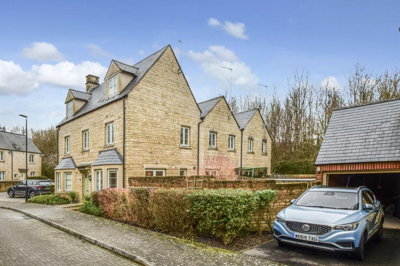
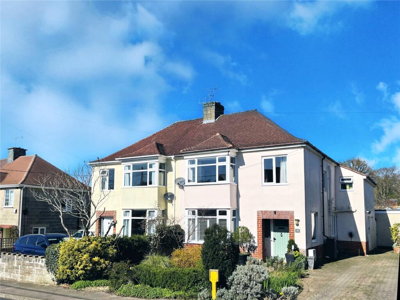
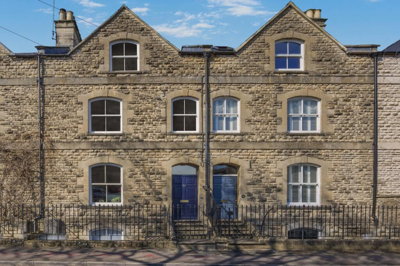
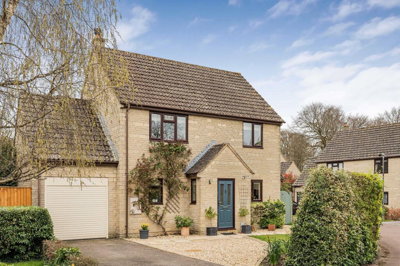
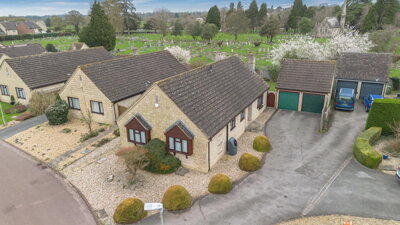
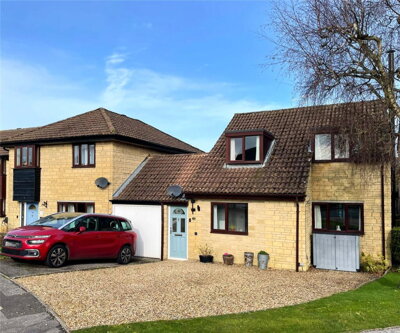
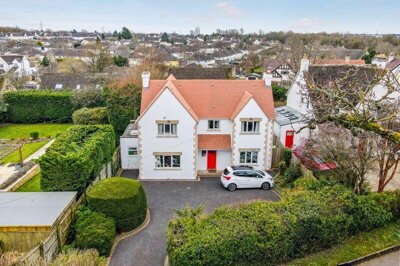
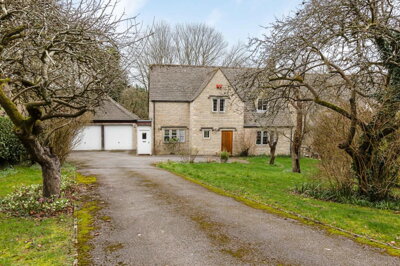
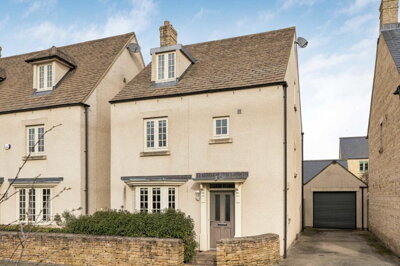
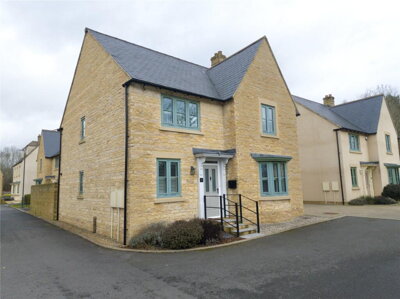
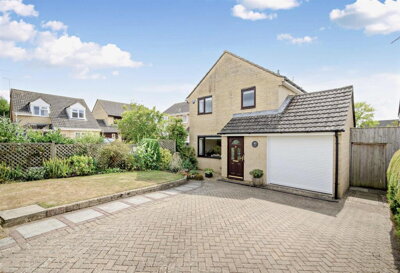
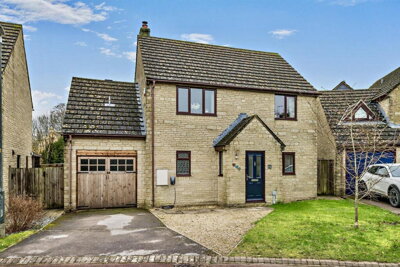
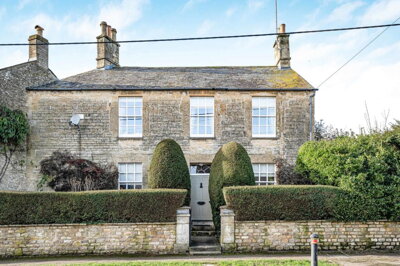
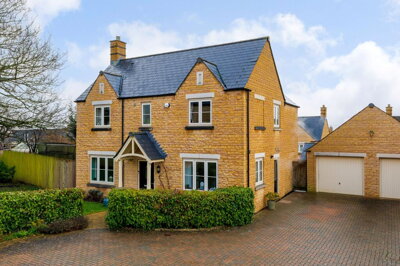
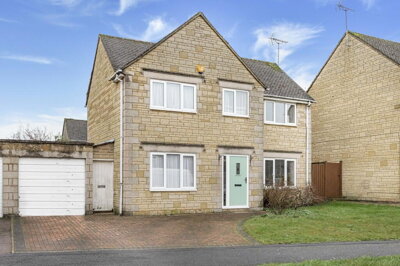
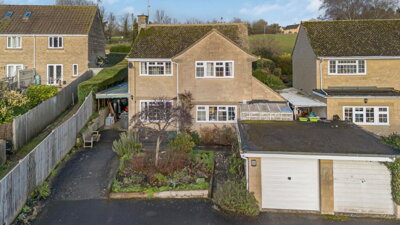
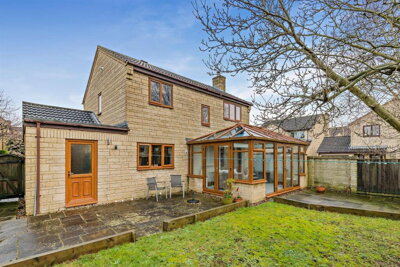
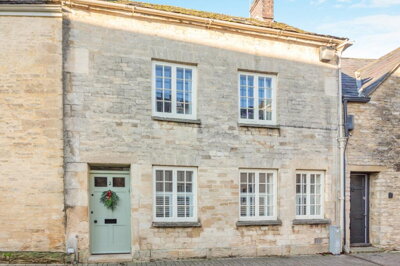
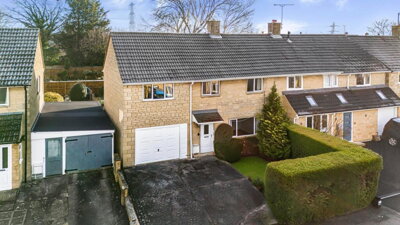
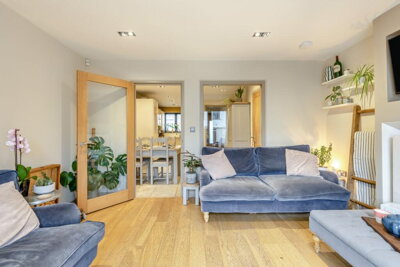
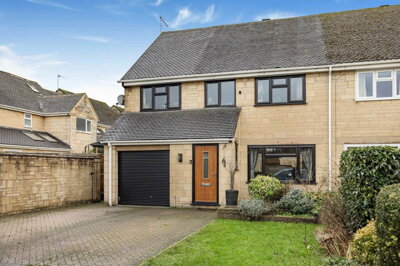
Browse 52 homes for sale in Cirencester, Cotswold from local estate agents.
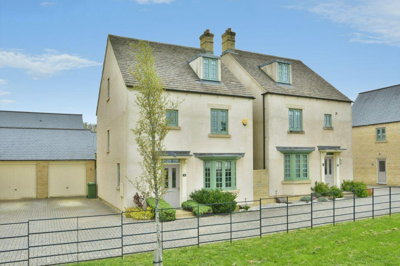
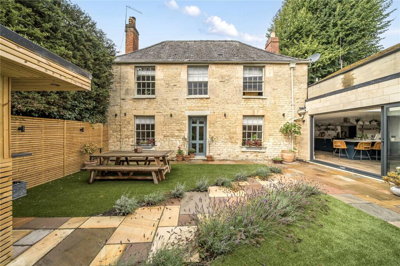
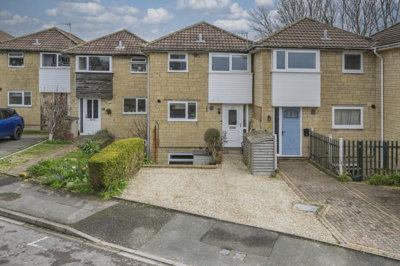
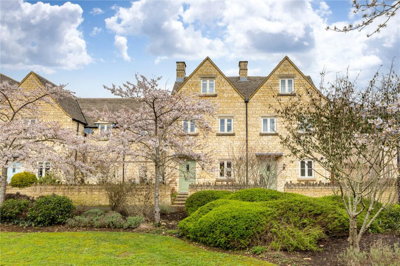
The larger property sector typically features multiple bathrooms, substantial reception space, and private gardens or off-street parking. Four bedroom houses in Cirencester span detached, semi-detached, and occasionally terraced configurations, with styles ranging from period properties to modern executive homes.
£584k
16
2
65
Source: home.co.uk
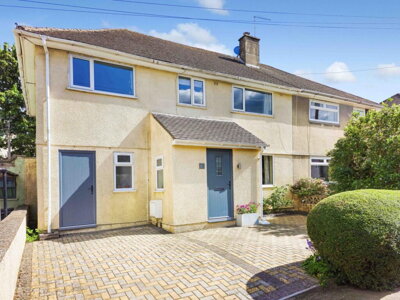
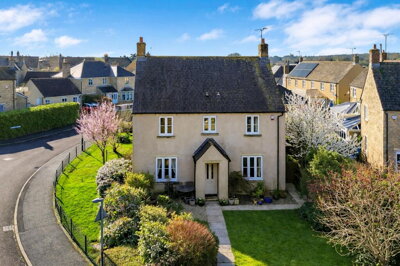
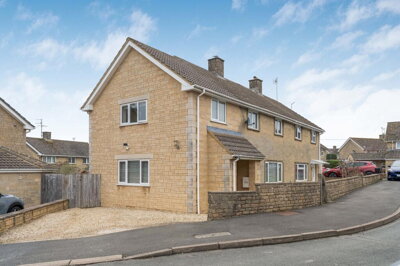
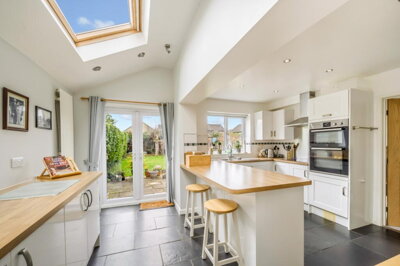
Showing 16 results for 4 Bedroom Houses for sale in Cirencester, Cotswold. 2 new listings added this week. The median asking price is £583,750.
Source: home.co.uk
Detached
7 listings
Avg £611,771
Terraced
5 listings
Avg £511,600
Semi-Detached
4 listings
Avg £718,750
Source: home.co.uk
Source: home.co.uk
The Cirencester property market offers a varied mix of property types that reflect the town's rich architectural heritage and modern growth. Detached properties command an average price of around £600,000, representing the premium end of the market where Cotswold stone family homes with generous gardens are highly sought after. Semi-detached homes average £360,000, offering excellent value for buyers seeking characterful accommodation in a convenient location, while terraced properties at approximately £300,000 provide an accessible entry point into this desirable market town.
Recent market data from the past twelve months shows that 245 properties have changed hands in Cirencester, indicating healthy transaction volumes despite a modest 2.59% price reduction over the same period. This slight softening in values presents opportunities for buyers who may find previously expensive properties now within reach. The new build sector is particularly active with three major developments currently underway, including The Steadings on Siddington Road offering 3, 4, and 5 bedroom homes from Redrow from £449,995, Chesterton Farm by David Wilson Homes providing 2 to 5 bedroom properties from £319,995, and Wildmoor by Barratt Homes with 2, 3, and 4 bedroom homes starting from £319,995.
The combination of historic stone cottages in the town centre, Victorian and Edwardian terraces in sought-after areas such as Coxwell Road and Victoria Road, and modern family homes in developments like Chesterton Farm means buyers have genuine variety when searching for property in Cirencester. Flats typically start from around £200,000, making them suitable for first-time buyers or those seeking a low-maintenance lifestyle close to the town's amenities. Investment buyers are also active in the rental market, supported by the town centre's popularity with professionals working in the surrounding area.

Cirencester's housing stock reflects its evolution from a Roman settlement through medieval prosperity to a thriving modern town, creating a built environment of remarkable diversity and character. According to the most recent census data, detached properties comprise 29.5% of homes, semi-detached houses account for 29.3%, with terraced properties at 24.3% and flats, maisonettes, or apartments making up the remaining 16.5%. This balanced mix means buyers can choose between elegant period homes, spacious family houses, and convenient modern apartments depending on their needs and preferences.
The age distribution of properties in Cirencester reveals that approximately 67.4% of homes were built before 1980, with a notable 25.4% of the housing stock pre-dating 1919. These historic properties predominantly feature the distinctive yellow oolitic limestone known as Cotswold stone, which gives the town its characteristic golden appearance and creates homes of considerable charm and solidity. The remaining 32.6% of properties constructed since 1980 provides options for those preferring modern construction methods, updated insulation, and contemporary layouts while still benefiting from proximity to the historic centre.
The town's economy centres on tourism, agriculture, retail, and public services, with the Royal Agricultural University and Cotswold District Council serving as major employers. Independent businesses thrive in the picturesque market place, and the town serves as a regional centre for the surrounding rural Cotswold communities. Residents enjoy access to a good range of shops, restaurants, and cultural attractions, with the Corinium Museum housing one of the most important collections of Roman antiquities outside London.
Different neighbourhoods in Cirencester offer distinct character profiles, from the historic streets surrounding the market place and St Marys Church to the more residential areas of Chesterton and Stratton. The newer developments around Chesterton Farm and the southern approaches to the town offer modern amenities and good road connections, while properties in areas like The Whiteway provide access to green spaces and family-friendly surroundings. Understanding these different areas helps buyers narrow their search to neighbourhoods that best match their lifestyle preferences.

Education provision in Cirencester is a significant draw for families considering a move to the area, with options ranging from highly regarded primary schools to further education establishments. The town hosts several primary schools serving different catchment areas, including Cirencester Primary School, which serves the town centre and surrounding neighbourhoods, and St. Mary's Church of England Junior School, which works in partnership with St. Mary's Infant School to provide education from reception through to Year 6. Parents should research specific catchment areas, as these can influence property values and school accessibility.
Secondary education in Cirencester is served primarily by Cirencester College, which is one of the largest and most successful sixth form colleges in the South West, offering a wide range of A-level and vocational courses. For secondary-aged students, there are also options including The Cotswold School, located in the nearby village of Bourton-on-the-Water, and students from Cirencester may also travel to schools in surrounding towns. The presence of the Royal Agricultural University adds to the educational profile of the town, offering undergraduate and postgraduate degrees and contributing to the academic atmosphere of the area.
For younger children, several nursery schools and pre-school facilities operate in and around Cirencester, providing early years education in supportive environments. The quality of education in the area is reflected in the proportion of families who choose to remain in Cirencester as their children progress through the school system, with good Ofsted-rated schools helping to maintain strong demand for family housing. Buyers with school-age children should verify current school performance data and catchment area boundaries before committing to a purchase, as these can change and will significantly impact your day-to-day life.
Private education options in the surrounding area include schools in Cheltenham and Stroud, which are accessible by car for families seeking alternative educational provision. The availability of good schools across all levels makes Cirencester particularly attractive to families, and this demand is reflected in the premium commanded by properties in strong school catchment areas.
Transport connectivity is one of Cirencester's strengths, with the town benefiting from proximity to major road routes that provide access across the region and beyond. The A417 runs to the north of the town, connecting Cirencester to Cheltenham to the northwest and providing access to the M5 motorway. The A429 passes through the town centre and connects northward to Stow-on-the-Wold and southward towards Malmesbury. For those needing to travel further afield, Swindon is accessible within approximately 30 minutes by car, offering direct rail links to London Paddington.
While Cirencester itself does not have a railway station, the nearby Kemble station provides regular services to London Paddington with journey times of around 75 minutes, making it practical for commuters who work in the capital. The station is located approximately 6 miles from Cirencester town centre and is accessible by bus or car. For local travel, regular bus services connect Cirencester with surrounding villages and towns, though those relying heavily on public transport should check current timetables and routes to ensure they meet their specific needs.
Cycling infrastructure in Cirencester has been improved in recent years, with designated bike lanes on some major routes and the Cotswolds offering excellent opportunities for recreational cycling. The town has several car parks for those driving into the centre, though parking can become congested during market days and peak tourist seasons. For international travel, Bristol Airport and Birmingham Airport are both accessible within approximately 90 minutes by car, providing connections to destinations across Europe and beyond.
Commuters working in Cheltenham or Gloucester benefit from straightforward road access via the A417, typically taking 30-40 minutes to reach these employment centres. The town also attracts professionals working in Swindon, where major employers include the Honda manufacturing plant and various distribution centres, making Cirencester an attractive base for those seeking a balance between countryside living and career connectivity.
Start by exploring our listings to understand what is available within your budget. With properties ranging from £200,000 for flats to over £600,000 for detached family homes, identify areas that match your requirements. Consider factors like proximity to schools, transport links, and whether you prefer a period stone property or a modern new build. The distinctive Cotswold stone properties in conservation areas offer different considerations to modern homes in developments like Chesterton Farm.
Before viewing properties, obtain a mortgage agreement in principle from a lender to confirm your borrowing capacity. This strengthens your position when making offers and demonstrates to sellers that you are a serious buyer. With current mortgage rates varying, our mortgage comparison tool helps you explore rates and find the best deal for your circumstances. Allow 2-3 weeks for the full mortgage application process once you have found a property.
Schedule viewings of properties that meet your criteria, taking time to assess the condition of the property and its surroundings. Pay particular attention to signs of damp, roof condition, and any alterations that may require planning permission. Ask about the age of the property, recent renovations, and any known issues from the current owners. In Cirencester, many properties are in conservation areas or listed, so always enquire about any planning permissions that have been granted for the property and neighbours.
Before completing your purchase, arrange for a RICS Level 2 Survey to assess the condition of the property. Given that approximately 67.4% of Cirencester properties were built before 1980, with many featuring traditional Cotswold stone construction, a professional survey is essential to identify any defects specific to these property types. Survey costs in Cirencester typically range from £400 to £900 depending on property size and value. Our inspectors have extensive experience surveying period properties in the Cotswolds and understand the common issues affecting local construction.
Appoint a solicitor to handle the legal aspects of your purchase, including searches, contracts, and registration with the Land Registry. Local knowledge is valuable for properties in conservation areas or those with listed building status, as additional regulations may apply. Our conveyancing comparison service connects you with experienced solicitors who can manage your transaction efficiently and understand the specific requirements of buying property in Cirencester.
Once your mortgage is approved, searches are satisfactory, and all parties agree on terms, you will exchange contracts and pay your deposit. Completion typically follows within a few weeks, after which you will receive the keys to your new Cirencester home. Ensure you have buildings insurance in place from the point of exchange. For properties in flood risk areas, particularly those near the River Churn floodplain, discuss appropriate insurance coverage with your provider.
Properties in Cirencester require careful scrutiny due to the prevalence of historic construction methods and the town's unique geological characteristics. Given that many homes are constructed from Cotswold stone using traditional lime mortar techniques, specialist attention to damp is essential. Rising damp, penetrating damp, and condensation issues are common in older stone properties with solid walls, particularly those lacking modern damp-proof courses. A thorough survey will identify these issues and their severity, potentially saving you significant remediation costs.
The underlying geology of Cirencester presents particular considerations for buyers, as the area sits primarily on Jurassic limestone, specifically the Great Oolite Group and Inferior Oolite Group, with clay deposits in certain locations. While the limestone bedrock generally offers good stability, areas with superficial deposits of the Oxford Clay Formation found to the north and east of Cirencester could present moderate to high shrink-swell potential. Properties built on clay soils may be susceptible to foundation movement, especially where trees are planted close to foundations. Trees such as oaks, poplars, and willows are particularly problematic on clay sites due to their high moisture demand.
The extensive conservation area covering much of Cirencester's historic centre means that many properties carry listed building status, with various restrictions on alterations and improvements. If you are considering a property within the conservation area or a listed building, research the specific restrictions that apply and factor in the potential costs of specialist maintenance and repairs. Properties with permitted development rights may have more flexibility, but always verify with the local planning authority before making assumptions about what works you can undertake.
Flood risk should be assessed carefully when buying in Cirencester, as the River Churn runs through the town and its floodplain poses a risk to properties in lower-lying areas. Surface water flooding can also occur in various locations during periods of heavy rainfall due to drainage capacity and local topography. Check the Environment Agency flood risk maps for specific properties and consider whether flood resilience measures have been installed. Buildings insurance costs may be higher in flood-risk areas, and lenders may require specific flood risk assessments before approving mortgages.
The average house price in Cirencester is currently around £385,897 according to recent market data from Zoopla. Detached properties average approximately £600,000, semi-detached homes around £360,000, terraced properties at £300,000, and flats at £200,000. Prices have decreased by 2.59% over the past twelve months, which may present opportunities for buyers in a market that has historically seen strong demand for Cotswold properties. The recent price adjustment follows national trends but remains modest compared to other desirable Cotswold market towns.
Properties in Cirencester fall under Cotswold District Council, with council tax bands ranging from A to H depending on the property's assessed value. Most standard family homes in the town typically fall within bands C to E, while larger detached properties and those in prestigious locations may be in bands F or G. You can check the specific band for any property through the Valuation Office Agency website using the property address. Budget approximately £1,400 to £2,200 per year for band C to E properties, with higher bands commanding proportionally more.
Cirencester offers good educational provision at all levels, with primary schools including Cirencester Primary School and St. Mary's Church of England Junior School serving younger children. For secondary education, Cirencester College provides excellent sixth form provision with a wide range of A-level and vocational courses. The Royal Agricultural University also offers higher education opportunities within the town itself. Families should verify current Ofsted ratings and consider catchment areas, as these can significantly influence which schools your children can attend.
While Cirencester does not have its own railway station, Kemble station is located approximately 6 miles away and provides regular services to London Paddington in around 75 minutes. Bus services connect Cirencester with surrounding towns and villages, though car ownership remains beneficial for maximum flexibility. The town is well positioned for road travel, with the A417 providing access to the M5 motorway at Cheltenham and the A429 connecting to other Cotswold towns. For commuting to Swindon, the journey takes approximately 30 minutes by car.
Cirencester has historically demonstrated strong property values due to its desirable location, excellent schools, and limited new development opportunities within the town itself. The combination of a thriving local economy, tourism appeal, and proximity to major employment centres makes it attractive to both owner-occupiers and investors. The recent modest price reduction may present a buying opportunity before values potentially stabilise or increase again. Rental demand is supported by professionals working in the area and those drawn to the Cotswold lifestyle.
For standard purchases, stamp duty land tax is charged at 0% on the first £250,000 of property value, 5% on the portion between £250,001 and £925,000, 10% on the portion between £925,001 and £1,500,000, and 12% on any amount exceeding £1,500,000. For a typical £385,897 property, this means approximately £6,795 in SDLT. First-time buyers may benefit from relief on properties up to £625,000, paying 0% on the first £425,000 and 5% on the remainder between £425,001 and £625,000. Always verify current thresholds as these can change with fiscal statements.
Cirencester has areas at risk of flooding, primarily from the River Churn which runs through the town and its floodplain. Surface water flooding can also occur in various locations during periods of heavy rainfall due to drainage capacity and local topography. Properties in lower-lying areas near the river and in parts of the town centre are particularly susceptible during periods of high rainfall. Buyers should check the Environment Agency flood risk maps for specific properties and consider whether flood resilience measures have been installed. Buildings insurance costs may be higher in flood-risk areas, and some insurers may require additional information before providing cover.
Given that approximately 67.4% of properties in Cirencester were built before 1980, common defects include damp issues in traditional stone construction with solid walls, deterioration of stone slate roofs common on period properties, timber defects such as woodworm and wet or dry rot affecting floor and roof timbers, and outdated electrical and plumbing systems that may not meet current standards. Properties built on clay deposits may show signs of foundation movement or subsidence. A RICS Level 2 Survey is strongly recommended to identify these issues before purchase, particularly for period properties where defects can be hidden behind traditional finishes.
From 3.9%
Compare rates from multiple lenders to find the best mortgage for your purchase
From £499
Expert solicitors to handle your legal work and property searches
From £400
Professional property survey covering all major defects and conditions
From £80
Energy Performance Certificate required for all property sales
Understanding the full cost of purchasing property in Cirencester requires careful budgeting beyond the advertised purchase price. The stamp duty land tax thresholds for 2024-25 mean that for a typical Cirencester property at the average price of £385,897, a standard buyer would pay nothing on the first £250,000 and 5% on the remaining £135,897, totalling approximately £6,795. First-time buyers may qualify for relief on properties up to £625,000, potentially reducing their SDLT liability significantly depending on their purchase price and whether they have previously owned property.
Additional purchasing costs include solicitor fees for conveyancing, which typically range from £500 to £2,000 depending on complexity and whether the property is freehold or leasehold. A RICS Level 2 Survey costs between £400 and £900 for Cirencester properties, with larger or more valuable homes at the higher end of this range. An Energy Performance Certificate is a legal requirement and costs approximately £80 to £150 depending on property size. Mortgage arrangement fees, valuation fees, and broker costs should also be factored into your budget.
For those purchasing new build properties in Cirencester, such as the homes available at The Steadings, Chesterton Farm, or Wildmoor developments, additional considerations include reservation fees, potential Help to Buy scheme participation, and the timing of payments across the build process. New build properties also benefit from a two-year warranty and should have no chain of ownership issues, but buyers should still arrange an independent survey to check for any construction defects that may not be immediately apparent. Factor in potential costs for furnished specification upgrades if purchasing directly from a developer.
When budgeting for your move, do not forget removals costs, potential estate agent fees if you are selling simultaneously, and the cost of any immediate repairs or renovations you plan to undertake. Setting aside a contingency fund of around 5-10% of your purchase price is advisable to cover unexpected costs that may arise during the buying process or in the early months of homeownership.
Properties for Sale In London

Properties for Sale In Plymouth

Properties for Sale In Liverpool

Properties for Sale In Glasgow

Properties for Sale In Sheffield

Properties for Sale In Edinburgh

Properties for Sale In Coventry

Properties for Sale In Bradford

Properties for Sale In Manchester

Properties for Sale In Birmingham

Properties for Sale In Bristol

Properties for Sale In Oxford

Properties for Sale In Leicester

Properties for Sale In Newcastle

Properties for Sale In Leeds

Properties for Sale In Southampton

Properties for Sale In Cardiff

Properties for Sale In Nottingham

Properties for Sale In Norwich

Properties for Sale In Brighton

Properties for Sale In Derby

Properties for Sale In Portsmouth

Properties for Sale In Northampton

Properties for Sale In Milton Keynes

Properties for Sale In Bournemouth

Properties for Sale In Bolton

Properties for Sale In Swansea

Properties for Sale In Swindon

Properties for Sale In Peterborough

Properties for Sale In Wolverhampton

Enter your details to see if this property is within your budget.
Loans, cards, car finance
Estimated property budget
Borrowing + deposit
You could borrow between
Typical borrowing
Monthly repayment
Est. at 4.5%
Loan-to-value
This is an estimate only. Your actual budget may vary depending on interest rates, credit history, and personal circumstances. For an accurate affordability assessment, speak to one of our free mortgage advisors.
This calculator provides estimates for illustrative purposes only and does not constitute financial advice. Your home may be repossessed if you do not keep up repayments on your mortgage. Estimates based on 4.5% interest rate, repayment mortgage. Actual rates depend on your circumstances.
Homemove is a trading name of HM Haus Group Ltd (Company No. 13873779, registered in England & Wales). Homemove Mortgages Ltd (Company No. 15947693) is an Appointed Representative of TMG Direct Limited, trading as TMG Mortgage Network, which is authorised and regulated by the Financial Conduct Authority (FRN 786245). Homemove Mortgages Ltd is entered on the FCA Register as an Appointed Representative (FRN 1022429). You can check registrations at NewRegister or by calling 0800 111 6768.

We use cookies to show you personalised content and improve your experience of our website. Find out more in our Privacy policy and Cookie policy.