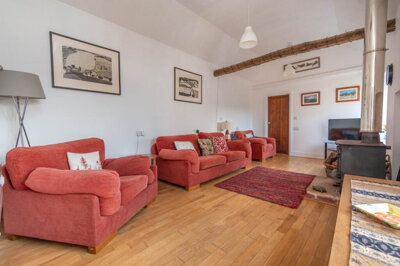
Browse 1 home for sale in Choseley, King's Lynn and West Norfolk from local estate agents.
£375k
1
0
239
Source: home.co.uk
Source: home.co.uk
Barn Conversion
1 listings
Avg £375,000
Source: home.co.uk
Source: home.co.uk
The Isle of Skye property market has attracted significant attention over recent years, driven by buyers seeking escape from urban living, improved remote working infrastructure, and the enduring appeal of Scotland's western seaboard. Property prices on Skye have shown resilience and steady growth, reflecting the limited supply of homes against consistently strong demand from buyers drawn to the island's outstanding natural beauty. While specific median price data for the immediate vicinity of Dun Beag is not publicly recorded due to the rural and archaeological nature of the area, the broader Skye and Lochalsh housing market provides a reliable reference point for prospective purchasers. Detached properties in scenic locations command significant premiums, reflecting the limited supply of suitable homes on the island.
The housing stock on Skye is characterised by a high proportion of detached properties, many of which are traditional stone-built homes dating back several decades or longer. Semi-detached and terraced properties are available primarily within the larger settlements such as Portree, Broadford, and Kyle. Flats on the island are relatively scarce, with most residential accommodation taking the form of houses rather than apartments. Properties in the Dun Beag and Struan area often include traditional croft houses constructed from local stone with harled finishes and slate roofs, reflecting the building methods that have characterised western Skye for generations. New build activity is limited on Skye due to geographical constraints, planning considerations, and the high cost of construction in remote locations, meaning that the majority of properties available are pre-owned homes. This scarcity of new supply contributes to the sustained value of existing properties and creates opportunities for buyers willing to undertake renovation projects.
The underlying geology of Skye, which includes basaltic lava flows, sedimentary rocks, and metamorphic formations, has historically influenced the building materials available for local construction. Traditional properties near Dun Beag frequently feature local stone construction, with drystone walls a common feature both in historic structures and agricultural buildings throughout the area. The basalt formations of the Cuillin hills visible from many properties on western Skye represent some of the most dramatic geological features in Scotland, while the underlying bedrock influences drainage patterns and ground conditions that property buyers should be aware of when assessing potential purchases.

Life on the Isle of Skye is defined by its extraordinary landscape, which includes the Cuillin hills, dramatic sea cliffs, inland lochs, and open moorland. The area around Dun Beag and Struan on the western coast exemplifies the peaceful rural character that draws many buyers to the island, with stunning views across Loch Bracadale to the Western Isles beyond. The local economy is supported primarily by tourism, crofting, fishing, and an increasing number of residents who work remotely in digital industries. Community events, local produce, and traditional music sessions are integral to daily life, creating a cultural richness that belies the island's modest population of approximately 10,000 residents.
The village of Struan, serving as the closest settlement to the Dun Beag Iron Age broch, provides essential local services for residents in this part of western Skye. The area is home to crofting communities whose traditions stretch back generations, as well as historic sites including the Iron Age Dun Beag broch itself, a scheduled monument that represents the archaeological heritage of the Skye and Lochalsh region. Local amenities in the broader area include village shops, pubs, and community facilities, while more comprehensive services require travel to Portree, the island's main town and administrative centre. Buyers considering a move to this area should expect a fulfilling but deliberately slower pace of life, with the understanding that access to specialist services may require a journey to Portree or the mainland.
The climate on western Skye is characterised by high rainfall, strong Atlantic winds, and relatively mild temperatures thanks to the Gulf Stream. Properties in coastal locations such as those near Dun Beag and Loch Bracadale are exposed to salt-laden winds that can accelerate weathering of external finishes and building materials. This climate influence means that maintenance of traditional harled walls, slate roofs, and timber elements requires regular attention, and buyers should factor ongoing maintenance costs into their purchasing decisions. The dramatic scenery that makes this part of Skye so desirable also brings seasonal visitors, and the tourism economy supports local businesses throughout the year, though visitor numbers peak during the summer months from May to September.

Education on the Isle of Skye is served by a network of primary schools across the island's villages, with secondary education provided by Portree High School, the main secondary institution serving Skye and Lochalsh pupils. Primary schools in settlements such as Broadford, Kilmuir, and Staffin provide education for younger children within their local communities, reducing the need for long daily journeys. For families in the Dun Beag and Struan area, the nearest primary school will be in the local village, with secondary pupils typically travelling to Portree for their education. The catchment area system operated by Highland Council determines which schools pupils can attend, and parents should verify current arrangements with the council before committing to a property purchase.
Portree High School offers a broad curriculum including standard academic subjects, vocational options, and prepares pupils for a range of Scottish Qualifications Authority examinations. The school also provides opportunities in music, drama, and sports, reflecting the broader extracurricular activities available across Skye. School transport links connect outlying areas including Dun Beag and Struan to Portree, though journey times for secondary pupils in more remote parts of the island can be substantial. For families requiring early years childcare, several nurseries operate across the island, and the Highland Council provides information on available placements. Further and higher education typically requires travel to the mainland, with Inverness College and the University of the Highlands and Islands offering courses at various locations throughout the region.
Families relocating to western Skye should be aware that school roll figures fluctuate year by year, and some smaller primary schools may have limited capacity for additional pupils. The long-term sustainability of small rural schools depends on pupil numbers, and parents are advised to discuss current and projected school rolls with Highland Council education department before purchasing property. Many families on Skye choose to remain on the island through secondary education before pupils pursue further studies elsewhere, making the quality of local schooling a significant factor in family purchasing decisions. The tight-knit nature of school communities on Skye means that children quickly become integrated into local social networks, supporting families making the transition to island life.
Transport on the Isle of Skye combines road travel with ferry and air connections to the Scottish mainland. The Skye Bridge at Kyleakin connects the island to the mainland road network, providing direct access to Inverness, approximately two hours drive to the east. The bridge transformed accessibility to Skye when it opened in 1995, and the A87 trunk road runs the length of the island from Kyleakin in the east to Uig in the west. For properties near Dun Beag and Struan, the journey to Portree takes approximately 30 minutes by car, while Kyleakin and the bridge are around 45 minutes to the east. Internal travel relies primarily on private vehicles, as public transport options are limited compared to urban areas, with bus services operating on main routes but with reduced frequencies, particularly in the evenings and at weekends.
For travel beyond Skye, Western Skye railway station at Glenfinnan on the Mallaig extension of the West Highland Line provides scenic rail connections to Glasgow and Fort William, with the famous Jacobite steam train passing through the area. Ferries connect various points on Skye to the mainland and surrounding islands, including the service from Uig to Lochboisdale on South Uist and Armadale on the Sleat peninsula. Inverness Airport offers flights to major UK destinations and some international connections, located approximately 90 minutes drive from the Skye Bridge. Prospective buyers should consider that car ownership is effectively essential for comfortable daily living on Skye, and the cost of ferrying vehicles to and from the mainland should be factored into relocation budgets.
Cyclists are drawn to Skye for its dramatic scenery, but the hilly terrain, single-track roads without dedicated cycle lanes, and unpredictable weather conditions mean that cycling is primarily a summer activity rather than a practical mode of daily transport. Walking is popular for recreation, with numerous waymarked trails across the island including routes near Dun Beag that explore the archaeological heritage of the area. Properties with garages or workshops are highly valued on Skye due to the need for secure storage of outdoor equipment, bicycles, and the tools required for maintaining traditional properties in a challenging climate. Planning a move to Skye requires careful consideration of logistics, whether transporting goods by bridge or ferry, and buyers should research ferry booking systems well in advance of their intended move date.
Take time to explore different parts of Skye before committing to a purchase. Visit various villages and settlements to understand which area best suits your lifestyle needs, considering proximity to schools, shops, and your workplace if applicable. The property market on Skye operates differently from urban areas, with fewer transactions and longer timeframes typical for completing sales. For those interested in the Dun Beag and Struan area specifically, we recommend spending time in the village, speaking with local residents, and understanding what daily life looks like in this part of western Skye throughout different seasons.
Arrange a mortgage agreement in principle before beginning property viewings. Contact lenders familiar with rural and island property to discuss your borrowing options, as some mortgage products have restrictions on properties in remote locations or those with non-standard construction. Having your finances confirmed strengthens your position when making an offer and demonstrates seriousness to sellers. Budget for additional costs specific to island purchasing, including potential ferry costs for transported goods and longer legal timescales that are typical for property transactions in Highland Scotland.
We bring together listings across the Skye and Lochalsh area, making it easy to browse available homes and arrange viewings through listed estate agents. Note that some properties may be remote and require advance booking, particularly those in the more rural parts of Skye such as the Dun Beag and Loch Bracadale area. When viewing properties, pay attention to property condition, access arrangements, and any specific issues related to traditional construction methods common on Skye such as stone walls, slate roofs, and private water supplies or septic systems. The age of much of Skye's housing stock means that properties may require updating or renovation, and this should be reflected in your offer price.
Commission a RICS Level 2 Survey for any property you intend to purchase, particularly for older properties which are prevalent on Skye. This survey will identify any structural issues, defects in construction, or areas requiring attention. Given the age of much of Skye's housing stock, with many properties built before 1980 using traditional stone and harled construction, a thorough survey is essential for informed purchasing decisions and price negotiations. Common issues identified in surveys of traditional Skye properties include damp penetration, slate roof damage, timber defects, and problems with private water supplies and drainage systems. A RICS Level 2 Survey typically costs between £400 and £900 depending on property size and value, with larger or older properties attracting higher fees.
Appoint a solicitor experienced in Scottish property transactions to handle the legal aspects of your purchase. Your solicitor will conduct searches, handle title deeds, and manage the completion process through the Registers of Scotland Land Registry. Scottish conveyancing differs from the English system, and it is important to work with a solicitor familiar with the Scottish legal process. Factor in longer timescales than typical mainland purchases, as remote locations, solicitor availability in Highland, and the additional searches required for properties with private water and drainage can extend the process by several weeks or months.
Once all legal work is complete and funds are transferred, you will receive the keys to your new home. Plan your move carefully, considering ferry schedules if transporting goods by sea, or bridge access if using road transport. Allow time to settle into the community, introduce yourself to neighbours, and register with local services such as GP surgeries, which may have waiting lists in some areas of Skye. The transition to island life often takes several months as you establish new routines, find local suppliers, and become familiar with the rhythms of your new community. Many newcomers find that neighbours are welcoming and happy to offer advice on local services, suppliers, and the practicalities of living in this special part of Scotland.
Purchasing property on the Isle of Skye presents unique considerations that buyers may not encounter in urban or suburban locations. Many properties on Skye rely on private water supplies such as boreholes, springs, or rainwater collection systems rather than mains water, and prospective buyers should verify the quality, reliability, and maintenance history of any private supply. Water quality testing is advisable before purchase, particularly for properties using spring or borehole supplies that may be susceptible to contamination from agricultural runoff or wildlife. Drainage arrangements are similarly important, with many properties using septic tanks or private treatment systems that require appropriate registration with SEPA and regular maintenance.
The construction of traditional Skye properties often features solid stone walls, harled finishes, and slate roofing, all of which have different maintenance requirements compared to modern cavity wall construction. Solid stone walls, while durable, can be susceptible to penetrating damp if pointing or harling deteriorates, and the harled finishes common on Skye require re-rendering every 15 to 25 years depending on exposure. Slate roofs on older properties may contain reclaimed or mismatched slates, and individual slate replacement can be difficult to source. Buyers should assess the condition of roofing materials, particularly given the island's exposure to Atlantic weather systems, and budget for ongoing roof maintenance when purchasing traditional properties. Properties in coastal locations such as those near Dun Beag and Loch Bracadale may face elevated risks of weathering and should be inspected for signs of salt damage to external timbers, metalwork, or stonework.
Some properties on Skye may fall within designated conservation areas or be listed buildings due to the island's rich heritage, imposing restrictions on alterations and requiring specialist considerations during purchase and renovation. Planning consent from Highland Council may be required for extensions, alterations, or changes to the external appearance of properties in conservation areas, and listed building consent is required for any works affecting the character of listed properties. Properties with shared accesses, rights of way, or crofting obligations should be investigated thoroughly, as these can affect how the property can be used and developed. The proximity of properties near Dun Beag to the scheduled monument means that any groundworks or excavations may require consent from Historic Environment Scotland, and this should be factored into renovation or extension plans.
Specific median price data for the immediate vicinity of Dun Beag is not publicly recorded due to the rural and archaeological nature of the area. However, the broader Isle of Skye property market has experienced steady growth in recent years, reflecting strong demand from buyers seeking island living. Property prices on Skye are generally higher than the Highland average due to the island's desirability and limited supply, with detached properties commanding significant premiums. The average price for a detached house on Skye typically exceeds the overall Highland average, particularly for properties with sea views or in sought-after locations. Prospective buyers should consult with local estate agents for current market values in specific areas, as prices vary considerably between settlements and property types.
Properties on the Isle of Skye fall within the Highland Council jurisdiction. Council tax bands range from A to H, determined by the assessed value of the property as of 1991. Rural and traditional properties on Skye often fall into lower bands due to their modest 1991 valuations, though this varies property by property. A property valued at under £35,000 in 1991 would fall into band A, while properties valued at £140,000 or above would be in band E. Buyers can verify the council tax band for any specific property through the Scottish Assessors Association website or by contacting Highland Council directly. Annual council tax charges in Highland are generally competitive compared to urban Scottish local authorities, though the actual amount payable depends on the property's banding.
Portree High School serves as the main secondary school for the island, offering a comprehensive curriculum and strong community connections. The school has approximately 500 pupils and offers a range of subjects at National 4, National 5, Higher, and Advanced Higher levels, with good facilities for science, technology, and creative arts. Primary education is available at multiple village schools across Skye, with Portree Primary being the largest in the town and smaller schools serving rural communities including the Staffin, Kilmuir, and Broadford areas. Parents should verify current school capacities and catchment arrangements with Highland Council, as some smaller schools may have limited places available. School transport is provided for pupils living beyond walking distance thresholds, and families should confirm arrangements for their specific location when considering a purchase.
Public transport on Skye is limited compared to urban areas, with bus services operating on main routes but with reduced frequencies outside peak hours and at weekends. The main bus routes connect Portree with Broadford, Kyle, Uig, and other settlements, but service frequency varies from hourly on some routes to only a few services per day on more rural lines. The Skye Bridge provides the primary road connection to the mainland, with the A87 trunk road running the length of the island. Ferries connect various points on Skye to surrounding islands and the mainland, including services from Uig to the Outer Hebrides and from Armadale to Mallaig. Inverness Airport, approximately 90 minutes from the Skye Bridge, offers flights to major UK destinations including London, Edinburgh, and Manchester. For daily living on Skye, private vehicle ownership is effectively essential, and prospective buyers should factor this into their relocation planning.
The Isle of Skye has attracted investor interest due to its popularity as a tourist destination and the potential for holiday let income from properties in scenic locations. Short-term letting regulations in Scotland require property owners to obtain planning permission from Highland Council for short-term rental use, and this has affected some investors' plans. The limited new build activity on the island means that existing properties maintain their value, though the seasonal nature of tourism and the island's remote location present considerations for rental income reliability. Long-term residential investment on Skye benefits from the enduring appeal of the island and the consistent demand from buyers seeking a permanent home in this special part of Scotland. Properties requiring renovation in desirable locations may offer value appreciation potential as the housing stock ages and demand continues to grow.
As part of Scotland, property purchases on the Isle of Skye are subject to Land and Buildings Transaction Tax rather than Stamp Duty Land Tax. LBTT rates for residential properties start at 0% for purchases up to £145,000, rising to 2% for purchases between £145,001 and £250,000, 5% between £250,001 and £325,000, 10% between £325,001 and £750,000, and 12% for purchases exceeding £750,000. First-time buyers in Scotland may qualify for relief on purchases up to £175,000. Your solicitor will calculate and submit the LBTT return as part of the conveyancing process, and it is advisable to budget for these costs alongside estate agent fees, survey costs, and legal fees when planning your purchase.
Given the age and traditional construction of much of Skye's housing stock, a property survey is particularly important for any purchase on the island. We recommend commissioning a RICS Level 2 Survey for most properties, which provides a thorough inspection of accessible areas and identifies defects in construction, condition, and services. For older properties, those with unusual construction, or listed buildings, a more comprehensive RICS Level 3 Building Survey may be more appropriate. Common issues identified in surveys of Skye properties include damp in solid stone walls, deterioration of slate roofing, timber defects in roof structures, and problems with private water supplies and septic tank drainage systems. Survey costs typically range from £400 to £900 depending on property size and value, with a surveyor experienced in traditional Scottish construction being preferable to one unfamiliar with local building methods.
The area around Dun Beag overlooks Loch Bracadale, and properties in this coastal location may be subject to flood risk from the loch, particularly in low-lying areas close to the shoreline. SEPA flood maps indicate that some coastal properties on Skye are at risk of flooding from the sea or from surface water runoff during periods of heavy rainfall. The underlying geology of Skye, which includes areas of peat and heavy clay soils, can affect drainage and stability, though specific subsidence risk varies by location. Properties built on or near the steep hillside slopes common on Skye should be inspected for any signs of ground movement or landslip. Salt weathering from coastal exposure is a particular concern for properties near the sea, accelerating the deterioration of external finishes, metalwork, and timber elements.
From 4.5%
Expert mortgage advice for Isle of Skye properties including rural and non-standard construction
From £499
Scottish conveyancing solicitors experienced in Highland property transactions
From £400
Thorough inspection of accessible areas for traditional Skye properties
From £80
Energy Performance Certificate required for all property sales
Purchasing a property on the Isle of Skye involves several costs beyond the property purchase price itself. Land and Buildings Transaction Tax is calculated on a sliding scale, starting at 0% for purchases up to £145,000 and increasing through bands to a maximum rate of 12% for purchases exceeding £750,000. First-time buyers in Scotland benefit from increased thresholds, with relief applying to purchases up to £175,000. Your solicitor will handle the LBTT calculation and submission, and this cost should be included in your overall budget alongside deposit, mortgage arrangement fees, and valuation charges. For a typical property priced at £250,000, LBTT would amount to £2,100, while a £400,000 purchase would incur LBTT of £11,350.
Legal fees for conveyancing typically range from £500 to £1,500 depending on the complexity of the transaction and the solicitor's experience with Scottish property law. Additional legal costs may arise from the additional searches required for properties with private water supplies, septic tanks, or unusual title arrangements common in rural Skye. A RICS Level 2 Survey costs between £400 and £900 depending on property size and value, while an Energy Performance Certificate is a mandatory requirement for any sale and costs from around £80. Removal costs may be higher than mainland moves due to the logistics of transporting goods to Skye, whether by bridge or ferry, with ferry charges for vehicles and household goods adding significantly to the cost of a long-distance move.
Registering with local services such as doctors' surgeries in Skye should be arranged promptly upon completion, as some practices may have patient lists that are currently closed to new registrations. The Broadford and Kyle doctors surgery and Portree health centre serve different parts of the island, and registration will depend on your property location. Setting up utilities including electricity, gas (where available), and internet services should be coordinated in advance, as appointment availability for connection visits may be limited. Internet connectivity in rural parts of Skye, including the Dun Beag and Struan area, may be via satellite or mobile broadband rather than fibre, and prospective buyers should research current connectivity options before purchase. The one-off costs of moving to a remote island location can be substantial, but many buyers find that the long-term benefits of island life far outweigh the initial expenses of establishing a new home on Skye.
Properties for Sale In London

Properties for Sale In Plymouth

Properties for Sale In Liverpool

Properties for Sale In Glasgow

Properties for Sale In Sheffield

Properties for Sale In Edinburgh

Properties for Sale In Coventry

Properties for Sale In Bradford

Properties for Sale In Manchester

Properties for Sale In Birmingham

Properties for Sale In Bristol

Properties for Sale In Oxford

Properties for Sale In Leicester

Properties for Sale In Newcastle

Properties for Sale In Leeds

Properties for Sale In Southampton

Properties for Sale In Cardiff

Properties for Sale In Nottingham

Properties for Sale In Norwich

Properties for Sale In Brighton

Properties for Sale In Derby

Properties for Sale In Portsmouth

Properties for Sale In Northampton

Properties for Sale In Milton Keynes

Properties for Sale In Bournemouth

Properties for Sale In Bolton

Properties for Sale In Swansea

Properties for Sale In Swindon

Properties for Sale In Peterborough

Properties for Sale In Wolverhampton

Enter your details to see if this property is within your budget.
Loans, cards, car finance
Estimated property budget
Borrowing + deposit
You could borrow between
Typical borrowing
Monthly repayment
Est. at 4.5%
Loan-to-value
This is an estimate only. Your actual budget may vary depending on interest rates, credit history, and personal circumstances. For an accurate affordability assessment, speak to one of our free mortgage advisors.
This calculator provides estimates for illustrative purposes only and does not constitute financial advice. Your home may be repossessed if you do not keep up repayments on your mortgage. Estimates based on 4.5% interest rate, repayment mortgage. Actual rates depend on your circumstances.
Homemove is a trading name of HM Haus Group Ltd (Company No. 13873779, registered in England & Wales). Homemove Mortgages Ltd (Company No. 15947693) is an Appointed Representative of TMG Direct Limited, trading as TMG Mortgage Network, which is authorised and regulated by the Financial Conduct Authority (FRN 786245). Homemove Mortgages Ltd is entered on the FCA Register as an Appointed Representative (FRN 1022429). You can check registrations at NewRegister or by calling 0800 111 6768.

We use cookies to show you personalised content and improve your experience of our website. Find out more in our Privacy policy and Cookie policy.