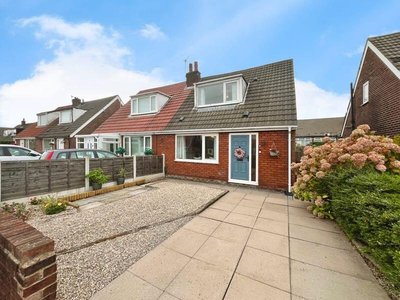
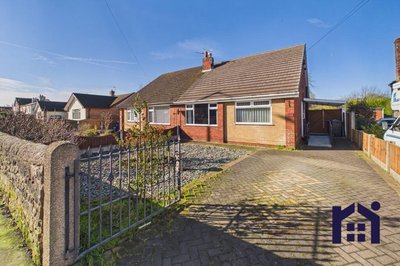
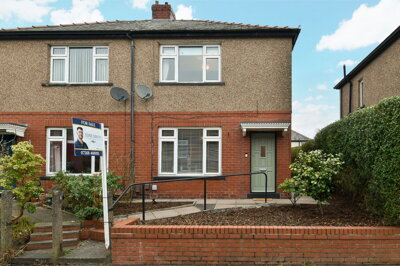
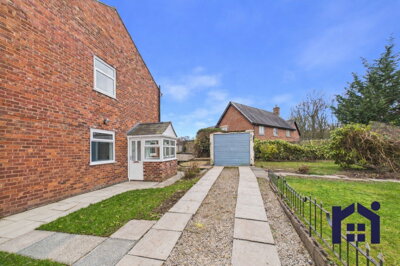
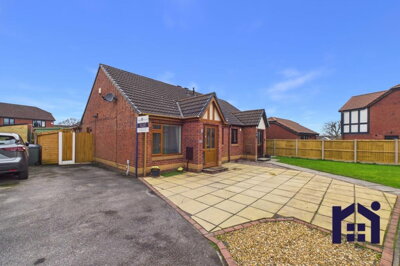
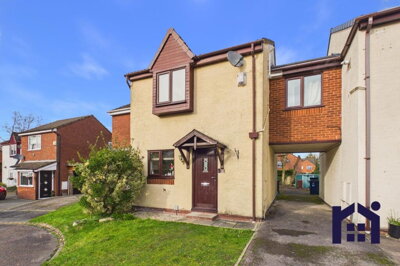
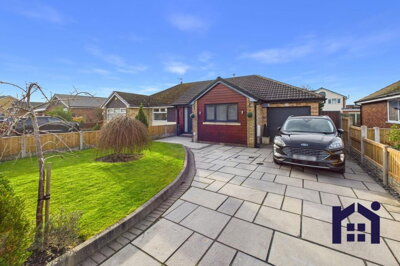
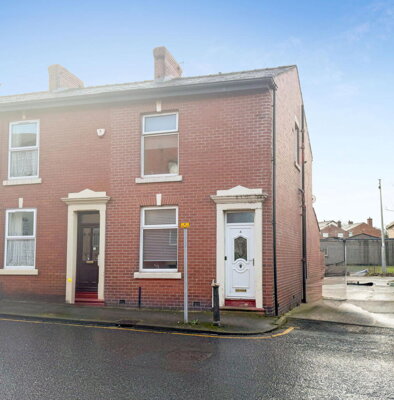
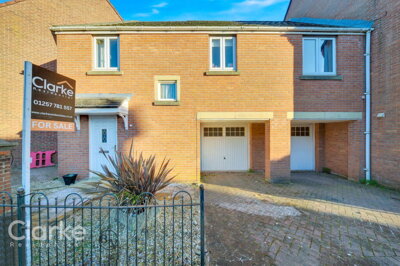
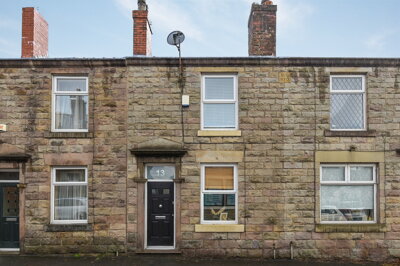
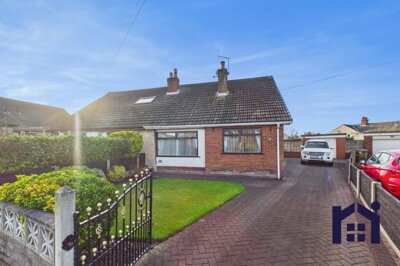
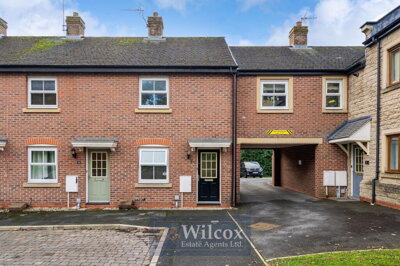
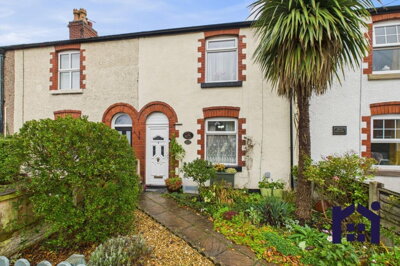
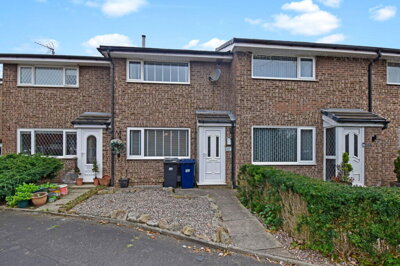
Browse 480 homes for sale in Chorley, Lancashire from local estate agents.
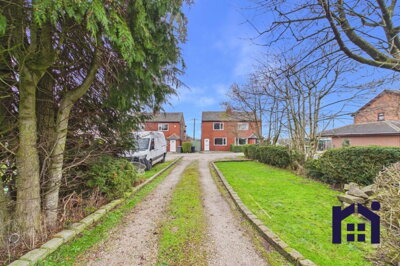
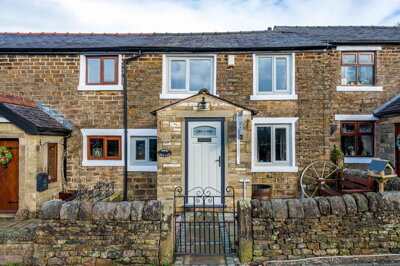
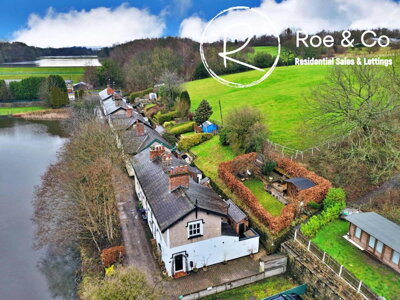
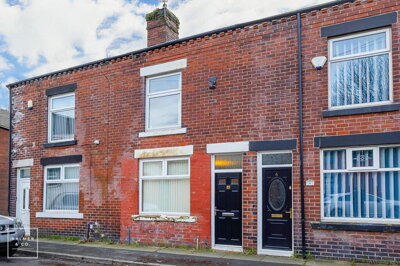
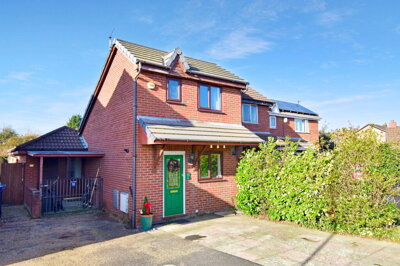
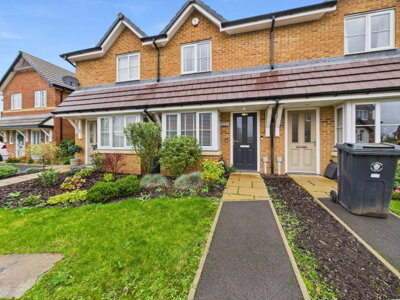
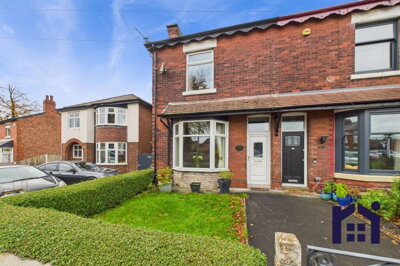
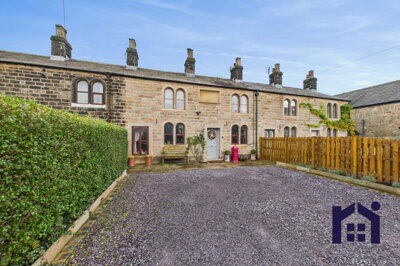
The 2 bed house market features detached, semi-detached, and terraced properties with two separate bedrooms plus living spaces. Properties in Chorley range from Victorian and Edwardian period homes to modern new builds, with pricing varying across different neighbourhoods.
£180k
49
12
81
Source: home.co.uk
Showing 49 results for 2 Bedroom Houses for sale in Chorley, Lancashire. 12 new listings added this week. The median asking price is £180,000.
Source: home.co.uk
Terraced
32 listings
Avg £175,745
Semi-Detached
16 listings
Avg £218,242
Detached
1 listings
Avg £249,995
Source: home.co.uk
Source: home.co.uk
Chorley's property market reflects its position as one of Lancashire's most desirable residential areas, with 1,029 property sales completing in the borough over the past twelve months. The market demonstrates a healthy mix of property types: semi-detached homes dominate at 35.8% of the housing stock, followed by detached properties at 28.5%, terraced houses at 20.3%, and flats or maisonettes accounting for 14.8%. This variety means buyers can find everything from affordable terraced starter homes around £147,733 to spacious detached family houses commanding premium prices, depending on location and specification.
The market has experienced a modest cooling in recent months, with overall prices decreasing by approximately 0.9% year-on-year. Detached properties have seen the most significant adjustment at 1.8%, while terraced homes remained remarkably stable with just a 0.1% change. These subtle shifts present opportunities for buyers who may find slightly more negotiating room compared to the overheated markets seen in some neighbouring regions. Semi-detached properties, which represent the backbone of Chorley's residential character, continue to attract strong interest from families seeking generous living space without the premium associated with detached homes.
Property age across Chorley varies considerably, with 67.2% of the housing stock built before 1983. This means many homes were constructed during periods of traditional building methods including solid brick walls, timber floor joists, and slate or clay tile roofs. Understanding the age and construction type of a property is crucial when assessing potential maintenance needs or renovation opportunities. The postcodes serving Chorley, primarily PR6 and PR7, offer distinct character areas: PR7 covers the town centre and southern areas including Eccleston and Clayton-le-Woods, while PR6 encompasses the northern areas towards Withnell and Heapey.
Looking at current listing trends, properties in Chorley typically spend 6-10 weeks on the market before securing a buyer, which is slightly faster than some neighbouring boroughs. This balanced timeframe suggests neither a rushed nor sluggish market, giving buyers adequate time to conduct thorough research while sellers can reasonably expect to find motivated purchasers. The stability of Chorley's market makes it particularly suitable for those who may be new to property purchase or relocating from more volatile metropolitan housing markets.

Chorley is a thriving Lancashire town with a population of approximately 117,100 residents across 49,000 households, offering a vibrant community atmosphere that balances historic character with modern amenities. The town centre features a mix of independent shops along Stanley Street and St Mary's Street, high street retailers in the Chapel Street area, and traditional market stalls operating from the historic market hall. The surrounding borough encompasses picturesque villages set against the backdrop of Lancashire's rolling countryside, from the conservation villages of Hoghton and Bretherton to the larger suburban communities of Buckshaw Village and Clayton-le-Woods.
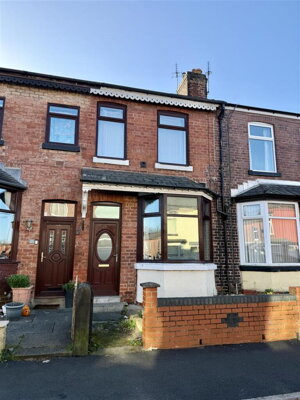
The town's industrial heritage remains visible in its distinctive red brick architecture, with many Victorian and Edwardian properties lining the residential streets leading away from the town centre towards areas like Clayton Brook and Peter Street. For those who appreciate outdoor pursuits, Chorley is bordered by beautiful countryside including the West Pennine Moors, with excellent walking routes accessible from areas like Rivington and Anglezarke reservoirs. The Iron Age hillfort at Rivington Pike and the ornamental gardens at Rivington Hall make popular destinations for families seeking active weekend activities within easy reach of the town.
Residents benefit from excellent local facilities including the Chorley and South Ribble Hospital on Preston Road, numerous GP surgeries across the borough, and a wide range of leisure centres featuring swimming pools, gyms, and sports facilities. The nearby market towns of Leyland and Kirkham provide additional shopping and leisure options within a short drive. Chorley's calendar includes popular events such as the annual food and drink festival, the Christmas lights switch-on, and regular farmers markets that draw visitors from across the region, contributing to a strong sense of community identity.
The borough's economy benefits from its strategic position between Preston, Manchester, and Liverpool, with major employers in manufacturing, logistics, healthcare, and retail sectors contributing to a stable employment market that supports local housing demand. The Buckshaw Village development has attracted significant commercial investment, with business parks hosting distribution centres and manufacturing facilities that provide local employment opportunities. This economic diversity means Chorley residents can often find work locally without commuting to larger cities, while those who do commute benefit from excellent motorway access via the M6 and M61.

Chorley offers a comprehensive range of educational options for families, with numerous primary and secondary schools serving the borough's young population. The town and surrounding areas host several well-regarded primary schools, many of which have achieved Good or Outstanding Ofsted ratings, including Southlands High School in Chorley and Marcus Stone Primary School. The primary schools in Clayton-le-Woods and Eccleston are particularly popular with families, often seeing strong demand for places due to their proximity to residential areas with young families. Parents should research specific catchment areas when considering properties, as school admissions in Chorley are typically determined by proximity, and availability can vary significantly between neighbouring streets.
Secondary education in Chorley includes a mix of academy schools, faith schools, and a grammar school option, with notable institutions serving students from across the borough. The presence of good secondary schools makes Chorley particularly attractive to families who want quality education without the cost of private schooling. Valley Academy and Holy Cross Catholic High School serve different areas of the borough, while the town's grammar school provides an academic pathway for those who pass the entrance assessment. These educational options are a significant factor in Chorley's appeal to families, with school performance regularly reviewed through published league tables and Ofsted reports.
For those seeking further education, the nearby towns of Preston and Leyland offer colleges and sixth form centres, while the University of Central Lancashire in Preston provides higher education opportunities within easy commuting distance. TheRunshaw College campus in Leyland is particularly accessible for Chorley residents and offers a wide range of vocational and academic courses. When purchasing a family home in Chorley, we recommend visiting local schools during term time, understanding admission criteria, and checking the latest Ofsted ratings before committing to a property. Properties in catchment areas for popular schools often command a premium and can appreciate more strongly when demand is high.
Chorley boasts exceptional transport connectivity that makes it a prime location for commuters working in Lancashire's major cities and beyond. The town is served by the M6 motorway to the west and the M61 motorway to the east, providing direct routes to Preston (approximately 15 minutes), Bolton (around 25 minutes), Manchester (40-45 minutes), and the wider motorway network. This strategic positioning means residents can access major employment centres within 30-45 minutes by car, while benefiting from significantly more affordable property prices compared to properties in closer proximity to Manchester or Liverpool city centres.
Rail services from Chorley railway station offer regular connections to Preston (approximately 15 minutes), Manchester (around 40 minutes), and Liverpool (approximately 1 hour 15 minutes). Northern Rail operates services throughout the day, with peak hour trains providing additional capacity for commuters. The station has undergone recent improvements to facilities and accessibility, making it a practical option for those who prefer public transport. The Liverpool service via Preston makes Chorley surprisingly accessible to the Merseyside employment market, opening up commuting options that many Lancashire towns cannot offer.
Local bus services connect Chorley town centre with surrounding villages and neighbouring towns, with Stagecoach and Arriva operating routes throughout the borough. Services to villages including Croston, Bretherton, and Ulnes Walton provide essential connections for residents without cars, while links to Preston and Leyland shopping centres are popular at weekends. Cycling infrastructure has improved in recent years with dedicated paths linking residential areas to the town centre and nearby employment zones, including the route along the former railway line to Eccleston. For commuters working in Manchester, the combined rail and Metrolink tram connection via Bolton provides an alternative to driving, particularly attractive given parking costs in Manchester city centre.
Before viewing any properties in Chorley, obtain a mortgage agreement in principle from a lender. This strengthens your position when making offers and demonstrates to estate agents that you are a serious buyer. Current mortgage rates for Chorley properties typically range from 3.89% for standard residential purchases, though rates vary based on deposit size, credit history, and loan-to-value ratio. Chorley lenders offer competitive rates for properties across all price ranges, from compact flats around £104,000 to substantial detached family homes exceeding £350,000.
Use Homemove to browse all available properties in Chorley and surrounding villages. Understanding current prices, typical time on market, and recent sales helps you identify genuine value and negotiate effectively in this stable market. With 1,029 sales in the past year and an average price of £225,249, Chorley offers transparent pricing data that serious buyers can use to assess whether a property is fairly valued. Pay particular attention to price trends in your target postcode area, as PR6 and PR7 can show different patterns.
Once you have identified suitable properties, arrange viewings through the listed estate agents. Take time to visit at different times of day and consider the neighbourhood character, local amenities, and commute times to work or school. In Chorley, visiting properties near the River Yarrow after heavy rainfall can reveal potential flood risk issues, while checking nearby schools during pick-up times helps assess the family atmosphere of an area. Properties in conservation areas around Astley Hall or Hoghton may have restrictions affecting your renovation plans.
Given that 67.2% of Chorley's properties were built before 1983, a thorough survey is essential. An RICS Level 2 Survey (homebuyer report) typically costs £400-700 for a standard 3-bedroom property and can reveal issues common to Chorley's housing stock including damp in solid-walled Victorian terraces, subsidence risk from the local clay geology, outdated electrics in properties without rewiring since the 1970s, and potential mining legacy issues in former coal areas. We work with qualified RICS surveyors who know Chorley's property types intimately.
Your solicitor will handle searches, contracts, and legal transfer of ownership. Local Chorley conveyancers are familiar with Lancashire-specific issues including mining reports for former coal areas of the borough, flood risk assessments near the River Yarrow and its tributaries, and local authority searches with Chorley Borough Council. Search costs typically range from £250-400 and are essential for identifying any issues that might affect your purchase.
Once all searches are satisfactory and financing is confirmed, you will exchange contracts and pay your deposit, typically 10% of the purchase price. Completion typically follows within 2-4 weeks, at which point you receive the keys and take ownership of your new Chorley home. On completion day, ensure you have buildings insurance in place, as this is a lender requirement, and collect all relevant documentation including warranties for any recently built properties.
Properties in Chorley span a wide range of construction eras and building types, each with their own considerations for prospective buyers. The town's Carboniferous geology, characterised by sandstone and mudstone overlain by glacial boulder clay, means that some areas carry a moderate to high shrink-swell risk. This can lead to ground movement and subsidence issues, particularly in properties with mature trees nearby, those built with shallower foundations on clay-rich soils, or homes in areas like Heapey and Wheelton where boulder clay deposits are particularly thick. Understanding the specific ground conditions of a plot is essential when assessing long-term maintenance requirements.
The historic mining legacy in parts of Chorley borough means that properties in former mining areas should be treated with additional caution. Mining activity was concentrated in the northern areas of the borough and around villages like Adlington and Heath Charnock, where abandoned coal seams were extracted. Obtaining a Coal Authority Report is advisable for properties in these zones, as abandoned mine workings can occasionally cause surface subsidence or methane gas ingress. Most residential areas in the southern part of the borough and in newer developments like Buckshaw Village do not have significant mining history, making them lower risk for these issues.
Conservation areas in Chorley town centre, around Astley Hall, and in villages like Hoghton and Heapey impose planning restrictions that buyers should understand before purchasing period properties. These designations protect the architectural character of the area but may limit permitted development rights and affect renovation plans. Properties within conservation areas often require planning permission for alterations that would otherwise be permitted, and the Chorley Borough Council planning department will be able to advise on specific restrictions. Listed buildings, including several Grade II properties throughout the borough, require listed building consent for any significant alterations.
Building materials across Chorley reflect the town's industrial heritage and local geology. Traditional properties built before the 1930s typically feature solid brick walls with lime mortar, timber floor joists, and slate or clay tile roofs. Properties built from the 1930s onwards generally use cavity wall construction, offering better insulation and moisture resistance. Many Victorian and Edwardian properties in areas like the town centre and Eccleston feature bay windows, original fireplaces, and decorative plasterwork that buyers should assess for condition and potential restoration costs.
The average house price in Chorley is approximately £225,249 as of February 2026. Property prices vary significantly by type: detached homes average £358,019, semi-detached properties around £204,407, terraced houses £147,733, and flats £104,809. The market has remained relatively stable over the past year with a modest 0.9% decrease in overall prices, suggesting healthy conditions for both buyers and sellers in this mature market.
Council tax bands in Chorley are set by Chorley Borough Council and follow the national banding system from A to H. Most properties fall within bands A through D, with band A typically applying to lower-value flats and terraced properties, while larger detached homes in areas like Eccleston, Buckshaw Village, and Clayton-le-Woods may be in bands E or F. Properties in premium locations near Astley Hall or in conservation villages may also be higher banded. You can check the specific band for any property through the Valuation Office Agency website using the property address.
Chorley offers several well-regarded primary and secondary schools, though school performance changes annually based on inspection results and examination outcomes. Primary schools across the borough have numerous Good and Outstanding Ofsted ratings, and catchment areas are highly valued by parents. Secondary options include academy schools, faith schools, and a grammar school, with Valley Academy and Holy Cross Catholic High School serving different areas of the borough. For families considering specific locations, verifying current school performance through the latest Ofsted reports and understanding catchment boundaries is essential before purchasing.
Chorley benefits from excellent public transport links that make it practical to live without a car. Chorley railway station provides regular Northern Rail services to Preston (15 minutes), Manchester (40 minutes), and Liverpool (1 hour 15 minutes). Local bus services operated by Stagecoach and Arriva connect the town centre with surrounding villages including Croston, Bretherton, and Ulnes Walton, as well as neighbouring towns Preston and Leyland. The strategic position of Chorley between the M6 and M61 motorways also makes car travel highly convenient for accessing the wider North West region, with Manchester accessible within 45 minutes via the M61.
Chorley represents an attractive investment opportunity given its stable house prices, strong rental demand, and proximity to major employment centres. The town's population of 117,100 supports consistent demand from both buyers and renters, while ongoing new developments like Buckshaw Village and Strawberry Fields continue to attract young professionals and families. Rental yields in Chorley tend to be competitive, typically ranging from 4.5% to 6% depending on property type and location, compared to Manchester or Liverpool where purchase prices are significantly higher but yields are often lower. The stable 0.9% price movement over the past year indicates a mature market less prone to speculative bubbles.
Stamp Duty Land Tax (SDLT) applies to all property purchases in England, including Chorley. Standard rates are 0% on the first £250,000 of property value, 5% on £250,001 to £925,000, 10% on £925,001 to £1.5 million, and 12% on amounts exceeding £1.5 million. First-time buyers benefit from relief on the first £425,000 (0% rate), with 5% payable between £425,001 and £625,000. For example, a first-time buyer purchasing a typical Chorley property at £225,249 would pay no stamp duty under current thresholds, as the entire purchase falls within the nil-rate band.
Flood risk in Chorley varies significantly by location, with the River Yarrow and its tributaries representing the primary river flood risk in the borough. Properties in low-lying areas near the river, particularly in the southern parts of the borough and near Clayton-le-Woods, may face elevated flood risk during periods of heavy rainfall. Surface water flooding is also a concern in some urbanised areas where drainage systems can become overwhelmed. We recommend requesting an environmental search that includes flood risk data for any specific property you are considering, and checking the Environment Agency flood maps for detailed local information.
Several areas of Chorley have planning restrictions that affect property purchases. Chorley Town Centre Conservation Area, Astley Hall Conservation Area, Hoghton Conservation Area, and Heapey and Wheelton Conservation Area all impose requirements on alterations and extensions. Properties in these areas may require planning permission or listed building consent for works that would otherwise be permitted development. Additionally, some newer developments like Buckshaw Village may have estate covenants or management company fees that buyers should investigate before purchasing.
Chorley continues to attract significant new housing development, with several active sites offering brand-new properties for buyers who prefer modern construction and warranties. Buckshaw Village represents one of the largest ongoing developments in the borough, spanning phases across PR7 7XX and PR7 6XX postcodes, featuring homes from major developers including Persimmon Homes, Taylor Wimpey, and Rowland Homes. This new community offers properties ranging from affordable apartments from around £180,000 to impressive detached family homes exceeding £400,000, all built to contemporary standards with energy-efficient features and NHBC or similar guarantees.
Strawberry Fields, developed by Barratt Homes at PR7 6AD off Euxton Lane, provides another popular option for families seeking new construction in Chorley. This development features thoughtfully designed 3 and 4 bedroom detached and semi-detached homes priced from approximately £240,000 to £350,000, appealing to buyers who value modern layouts, open-plan living spaces, and low-maintenance gardens. The development benefits from excellent transport links to the M61 at Euxton, making it popular with commuters working in Manchester or Preston.
Miller Homes' Weavers Fold development at Gill Lane in Whittle-le-Woods (PR6 7QS) offers premium 3, 4, and 5 bedroom homes from £250,000 to over £450,000, targeting buyers seeking higher specifications and larger plot sizes within the Chorley borough. This village location provides a semi-rural feel while remaining within easy reach of Chorley town centre and local schools. New build properties often command premiums over equivalent older homes but include developer warranties and superior energy efficiency ratings that can reduce ongoing utility costs.
Understanding the full costs of purchasing property in Chorley extends beyond the purchase price itself. In addition to Stamp Duty Land Tax (SDLT), buyers should budget for solicitor conveyancing fees (typically £500-1500 for a standard transaction), mortgage arrangement fees (£0-2000 depending on lender), valuation fees (£150-500), and a RICS Level 2 Survey costing approximately £400-700 for a typical Chorley property. For those purchasing in former mining areas of the borough, a Coal Authority Report may also be required at additional cost. These professional fees and surveys are essential investments that protect your purchase from hidden defects or legal complications.
Given that over 67% of Chorley's housing stock was built before 1983, the RICS Level 2 Survey is particularly valuable in this market. This detailed inspection can identify issues common to older properties such as damp, roof defects, outdated electrical systems, and potential subsidence related to the local clay geology. Survey costs vary based on property size and complexity: flats typically range from £350-550, terraced houses £400-600, semi-detached homes £450-700, and larger detached properties £550-800 or more. Our recommended surveyors have extensive experience with Chorley's property types, from Victorian terraces in the town centre to 1970s semis in Eccleston.
Additional costs to budget for include removal expenses (ranging from £300-1500 depending on distance and volume), buildings insurance from completion date (typically £200-500 annually for a standard property), and any immediate renovation or decoration works you may plan. If purchasing a leasehold property, you should also budget for service charges and ground rent, which vary significantly between developments. For freehold properties, annual maintenance costs for a typical Chorley home might include gardening (£300-600 annually), gutter clearing (£100-200 annually), and general upkeep of period features common in older properties.
From 3.89%
Competitive mortgage rates available for Chorley properties from local and national lenders
From £499
Expert conveyancing solicitors familiar with Chorley borough and Lancashire local authority requirements
From £400
Thorough homebuyer report ideal for Chorley's mix of older properties, essential for pre-1983 homes
From £60
Energy Performance Certificate required for all Chorley property sales
Properties for Sale In London

Properties for Sale In Plymouth

Properties for Sale In Liverpool

Properties for Sale In Glasgow

Properties for Sale In Sheffield

Properties for Sale In Edinburgh

Properties for Sale In Coventry

Properties for Sale In Bradford

Properties for Sale In Manchester

Properties for Sale In Birmingham

Properties for Sale In Bristol

Properties for Sale In Oxford

Properties for Sale In Leicester

Properties for Sale In Newcastle

Properties for Sale In Leeds

Properties for Sale In Southampton

Properties for Sale In Cardiff

Properties for Sale In Nottingham

Properties for Sale In Norwich

Properties for Sale In Brighton

Properties for Sale In Derby

Properties for Sale In Portsmouth

Properties for Sale In Northampton

Properties for Sale In Milton Keynes

Properties for Sale In Bournemouth

Properties for Sale In Bolton

Properties for Sale In Swansea

Properties for Sale In Swindon

Properties for Sale In Peterborough

Properties for Sale In Wolverhampton

Enter your details to see if this property is within your budget.
Loans, cards, car finance
Estimated property budget
Borrowing + deposit
You could borrow between
Typical borrowing
Monthly repayment
Est. at 4.5%
Loan-to-value
This is an estimate only. Your actual budget may vary depending on interest rates, credit history, and personal circumstances. For an accurate affordability assessment, speak to one of our free mortgage advisors.
This calculator provides estimates for illustrative purposes only and does not constitute financial advice. Your home may be repossessed if you do not keep up repayments on your mortgage. Estimates based on 4.5% interest rate, repayment mortgage. Actual rates depend on your circumstances.
Homemove is a trading name of HM Haus Group Ltd (Company No. 13873779, registered in England & Wales). Homemove Mortgages Ltd (Company No. 15947693) is an Appointed Representative of TMG Direct Limited, trading as TMG Mortgage Network, which is authorised and regulated by the Financial Conduct Authority (FRN 786245). Homemove Mortgages Ltd is entered on the FCA Register as an Appointed Representative (FRN 1022429). You can check registrations at NewRegister or by calling 0800 111 6768.

We use cookies to show you personalised content and improve your experience of our website. Find out more in our Privacy policy and Cookie policy.