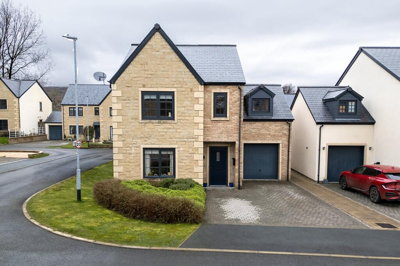
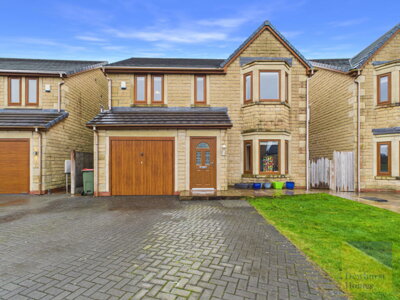
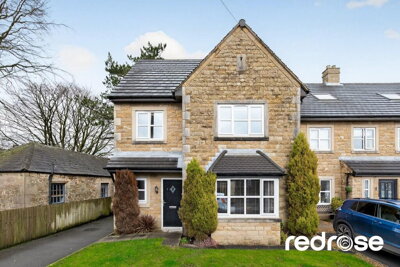
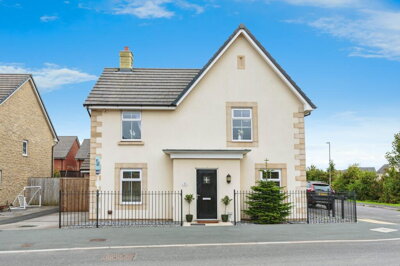
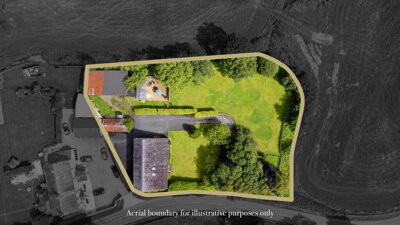
Browse 5 homes for sale in Chipping, Ribble Valley from local estate agents.
The larger property sector typically features multiple bathrooms, substantial reception space, and private gardens or off-street parking. Four bedroom houses in Chipping span detached, semi-detached, and occasionally terraced configurations, with styles ranging from period properties to modern executive homes.
£420k
2
0
38
Source: home.co.uk
Showing 2 results for 4 Bedroom Houses for sale in Chipping, Ribble Valley. The median asking price is £420,000.
Source: home.co.uk
Detached
2 listings
Avg £420,000
Source: home.co.uk
Source: home.co.uk
Chipping's property market reflects its status as a desirable rural village within the Ribble Valley, where the shortage of available properties means that homes meeting buyer criteria rarely stay on the market for long. Our current listings feature a variety of property types, from traditional stone cottages to substantial detached family homes, spanning price points from around £200,000 for terraced properties to over £500,000 for premium detached homes with land. The village has experienced a modest price increase of 0.4% over the past twelve months, indicating a stable market that has avoided the volatility seen in some urban areas while maintaining consistent demand from buyers seeking the village lifestyle.
The breakdown of property prices in Chipping reveals clear market segments for different buyer budgets and requirements. Terraced properties average around £200,000, making them an excellent choice for first-time buyers or those seeking a manageable lock-and-leave home in the village centre near St Bartholomew's Church. Semi-detached homes at approximately £245,000 offer additional space and flexibility for growing families, often featuring larger gardens than their terraced counterparts. At the premium end, detached properties averaging £434,800 provide generous proportions, larger gardens, and often include outbuildings or land that appeal to those seeking a more rural lifestyle with space for horses or smallholdings.
The limited new build activity in Chipping means that most buyers are looking at period properties built using traditional methods, which brings both charm and considerations that are important to understand before purchasing. Solid wall construction with stone external walls and lime mortar pointing is common in older properties, requiring different maintenance approaches compared to modern cavity wall construction. The village's position within the Forest of Bowland AONB contributes to its appeal and helps maintain property values, while also creating opportunities for those interested in holiday let investments or second homes in this scenic corner of Lancashire.

Chipping village centre retains much of its historic character, centred around the parish church of St Bartholomew and a traditional market place where weekly trading has continued for centuries. The village serves as a local hub for surrounding farms and hamlets, offering essential amenities including a post office, village shop, and several pubs serving quality local ales from Ribblesdale and the surrounding region. The weekly market, held on the stone cobbles of the village square, continues a tradition dating back centuries and provides an opportunity to purchase fresh local produce from the Ribble Valley's agricultural community, with local farms supplying vegetables, dairy products, and meat.
The population of approximately 1,090 residents across 466 households creates an intimate community where neighbours know one another and local events bring people together throughout the year, from the annual agricultural show to festive celebrations in the village hall. The surrounding countryside offers extensive walking and cycling opportunities, with the Forest of Bowland providing access to open moorland, woodland trails, and spectacular views across Lancashire, making the area particularly popular with outdoor enthusiasts and those seeking an active countryside lifestyle. The River Loud flows through the village, adding to its pastoral charm while also creating some areas where potential buyers should investigate flood risk more thoroughly before purchasing, particularly for properties on the lower lying areas near the watercourse.
Chipping's economy is largely rooted in agriculture and tourism, with local farms producing livestock and crops that supply the village's pubs, shops, and markets, while visitors drawn by the Forest of Bowland AONB support local accommodation providers and hospitality businesses. Many residents commute to larger towns like Preston or Longridge for employment, taking advantage of the village's position within easy reach of the A59 trunk road while enjoying the peaceful environment that rural village life provides. The appeal of the area to buyers seeking second homes or holiday let opportunities contributes to demand for quality period properties, though this is balanced by the primary residence market of families and individuals committed to village living.

Families considering a move to Chipping will find a selection of local educational establishments serving the village and surrounding rural communities, with Chipping Parish Primary School providing education for Reception through Year 6 children. The school maintains strong links with the local community and benefits from the supportive environment that small village schools can offer, though parents should verify current capacity and admissions arrangements directly with the school as rural primary schools can experience fluctuating roll numbers. For secondary education, pupils typically travel to schools in nearby towns, with several options within reasonable commuting distance that offer good Ofsted ratings and a range of academic and vocational courses to suit different learning styles and career aspirations.
The wider Ribble Valley area is well-served by grammar schools, with admissions determined by catchment area and entrance examination performance, meaning that property location significantly affects access to these oversubscribed schools. Parents should research specific school admissions criteria and travel arrangements when considering properties in Chipping, particularly for families with secondary-age children, as daily transportation to schools in towns like Clitheroe or Preston will require careful planning and may influence daily schedules significantly. Several independent schools in the wider Lancashire area also provide alternatives for families seeking educational options beyond the state sector, with transport arrangements available from the village.
Sixth form and further education options are available in Preston and surrounding towns, providing comprehensive progression routes for students completing their secondary education in the area. The journey to further education institutions typically involves daily travel, which families should factor into their decision-making when considering the overall costs and logistics of education in a rural village setting. Many families find that the benefits of village living and the quality of primary education available locally more than compensate for the secondary school commute, particularly when compared to the costs and pressures of urban schooling options.
Transport connections from Chipping reflect its rural village character, with the nearest railway stations located in larger towns requiring a short drive to access, the closest mainline stations being in Preston and Lancaster offering connections to major cities including Manchester, Liverpool, and London. The village sits approximately 8 miles from Longridge, which provides local services and access to Preston, the county town of Lancashire, while the A59 trunk road runs through nearby villages and connects to the M6 motorway network, making longer journeys accessible with reasonable travel times to the motorway network for those commuting by car to employment centres further afield.
Daily commuters should factor in transport arrangements when purchasing in Chipping, as bus services are limited compared to urban areas, with village bus routes serving local journeys and connections to market towns rather than direct routes to major employment centres. Many residents drive to work, with Preston being a common destination taking approximately 30-40 minutes by car depending on traffic conditions, while Manchester is accessible within around an hour for those working in the city or requiring rail connections from Manchester Piccadilly or Victoria stations. The village's position within the Forest of Bowland makes it popular with those working from home or seeking a countryside base, while the peaceful environment and good broadband connections support modern remote working requirements for those whose employment does not require daily commuting.
The A59 provides Chipping with reasonable access to the regional road network, connecting to the M6 at Preston to the west and to the A65 and M65 corridors heading towards Leeds and Bradford in the east, offering flexibility for commuters heading to different employment markets across the North West. Those working in professional services, healthcare, or education will find opportunities in Preston, while manufacturing and logistics roles are accessible in the wider Lancashire corridor. The village is also within reasonable distance of the Lake District for leisure purposes, though this is rarely a primary consideration for buyers, more of an added benefit of the village's accessible rural location.
Spend time exploring Chipping at different times of day and week to understand the village atmosphere, speak with local residents about the community, and identify which neighbourhood within the village suits your lifestyle best. Consider proximity to the River Loud if flooding is a concern, and explore walking routes across the surrounding countryside to appreciate the Forest of Bowland access that makes this village so appealing to outdoor enthusiasts.
Contact lenders or use Homemove's mortgage comparison tools to secure an agreement in principle before viewing properties. This demonstrates your seriousness as a buyer and helps you understand your true budget in Chipping's market, where property prices range from around £200,000 for terraced cottages to over £500,000 for premium detached homes with land. Given the limited number of properties available at any one time, having your finances arranged will allow you to move quickly when the right property becomes available.
Work with local estate agents to arrange viewings of properties matching your criteria, noting that most homes in Chipping are listed on the main property portals and local agents often have exclusive off-market opportunities for serious buyers. Given the limited number of listings in this small village, be prepared to act quickly on properties that meet your requirements, as desirable homes can sell within weeks of listing in this competitive market where demand consistently exceeds supply.
Before proceeding with a purchase, commission a RICS Level 2 Survey (HomeBuyer Report) to identify any structural issues, particularly important given the age of many properties in Chipping and the prevalence of traditional stone construction with solid walls, lime mortar pointing, and potential issues with damp penetration or timber deterioration that affect period properties across the Ribble Valley.
Appoint a solicitor experienced in rural property transactions to handle the legal aspects of your purchase, including any searches related to flood risk from the River Loud, conservation area restrictions, or listed building considerations that affect many properties in the village centre. The additional complexity of purchasing period property in a Conservation Area means that legal work may take longer than standard urban transactions, so factor this into your timeline expectations.
Once all surveys, searches, and mortgage arrangements are in place, your solicitor will coordinate the exchange of contracts and final completion, typically allowing 4-6 weeks from exchange to getting your keys. In Chipping's competitive market, be prepared to move quickly when your offer is accepted, and ensure that your mortgage broker, solicitor, and surveyor are all aware of your timeline to avoid unnecessary delays in the transaction process.
Properties in Chipping require careful consideration of several area-specific factors before purchase, given the village's historic character and the age of much of its housing stock. The village's Conservation Area designation means that exterior alterations, extensions, and certain renovations require consent from Ribble Valley Borough Council, adding both time and potential costs to any plans for property improvements. If you are considering any changes to a period property, factor in the time and potential costs of obtaining necessary permissions before committing to a purchase, as Conservation Area consent is a separate process from standard planning permission and may impose additional restrictions on materials and design.
Many historic properties in Chipping carry listed building status, which imposes additional restrictions on alterations and maintenance work that go beyond Conservation Area requirements. Listed building consent is required for any works that affect the character or appearance of the building, inside and out, with Grade II listing being the most common designation for village properties including traditional cottages and farmhouses that line the village streets. We recommend that buyers considering listed properties instruct a specialist surveyor with experience of historic buildings, as standard surveys may not adequately address the unique construction methods and potential issues found in protected period properties that form the majority of homes in Chipping's historic core.
The geology around Chipping is primarily underlain by Carboniferous rocks, including sandstones, shales, and limestones, with superficial deposits of glacial till (boulder clay) present in some areas that can create shrink-swell conditions in clay soils during periods of drought or sustained wet weather. Potential buyers should investigate foundation conditions and any history of structural movement in properties of interest, particularly for older buildings that may have shallow foundations unsuitable for current building standards. A thorough RICS Level 2 Survey will identify any signs of subsidence or movement that could require remedial work, while a more detailed RICS Level 3 Survey may be advisable for complex historic properties or those where initial surveys indicate concerns requiring specialist investigation.
The proximity to the River Loud means that properties near the watercourse should be checked for flood risk, and appropriate insurance arrangements should be confirmed before completing a purchase. Surface water flooding can also be a risk in areas with poor drainage or during heavy rainfall, particularly in low-lying parts of the village, so buyers should review the Environment Agency flood maps and discuss any concerns with their surveyor. Buildings insurance premiums may be higher for properties in flood risk areas, and mortgage lenders will require confirmation that adequate insurance is in place before completing the purchase, so factor these costs into your budgeting alongside the purchase price and associated fees.
Given that the majority of properties in Chipping were built before 1919 using traditional construction methods, buyers should be aware of the types of defects commonly found in period stone-built homes across the Ribble Valley. Rising damp is frequently encountered in solid wall properties where the original damp-proof course has failed or was never installed to modern standards, manifesting as tide marks on walls, peeling wallpaper, or musty smells in ground floor rooms. Penetrating damp can also affect stone walls, particularly where lime mortar pointing has deteriorated or where flashings around chimneys and roof junctions have failed, allowing water ingress that damages internal finishes and can lead to timber decay if left untreated.
Timber defects represent another significant category of issues in Chipping properties, where original structural timbers and joinery may be affected by woodworm, wet rot, or dry rot depending on moisture conditions within the property. Our inspectors frequently find evidence of woodworm activity in roof structures, floor joists, and wooden windowsills, particularly in properties where maintenance has been neglected or where ventilation is poor. Wet rot typically occurs where timbers are consistently damp, often due to leaking gutters, defective plumbing, or condensation issues, and can compromise structural integrity if the underlying moisture source is not addressed promptly by previous owners.
Roof condition is a critical area of investigation for any property in Chipping, where traditional slate or tile roofs on period properties require ongoing maintenance to prevent water ingress and associated defects. Common issues include slipped or broken slates, deterioration of lead flashings around chimneys and valleys, damaged or missing ridge tiles, and deterioration of timber bargeboards and fascias where water runoff from the roof has caused decay. Properties with stone slate roofs require particular attention, as these heavier traditional materials can be difficult to source for repairs and may indicate the need for structural assessment of roof timbers supporting the additional weight compared to modern clay or concrete tiles.
Electrical and heating systems in period properties often require upgrading to meet modern safety standards and accommodate contemporary household requirements. Original wiring systems may not have been updated since construction, presenting both safety concerns and practical limitations for households relying on multiple electrical appliances, modern lighting, and communication devices. Similarly, older heating systems based on solid fuel fires or outdated boiler technology may be inefficient and expensive to run, requiring significant investment to bring up to current standards and ensure adequate heating throughout the property, particularly important in stone-built homes where solid walls have higher thermal mass but can feel cold if insulation and heating are inadequate.
The current average house price in Chipping is £321,200, based on recent Rightmove market data for the PR3 postcode area. Detached properties average £434,800, semi-detached homes around £245,000, and terraced properties approximately £200,000. The market has shown modest growth of 0.4% over the past twelve months, with approximately 25 property sales completed in that period, indicating steady demand in this desirable rural village where limited supply continues to support values despite the national economic uncertainty affecting other property markets.
Properties in Chipping fall under Ribble Valley Borough Council jurisdiction for council tax purposes. Most period properties in the village, particularly traditional stone cottages and older farmhouses within the Conservation Area, typically fall within council tax bands B through E, depending on the property's valuation and size. Exact bands depend on the specific property's rateable value, and buyers should check the band with the local authority or on the property listing before purchasing, as council tax costs form part of the ongoing cost of homeownership that should be factored into your budgeting alongside mortgage payments and maintenance costs.
Chipping Parish Primary School serves the village for primary education, providing classes for Reception through Year 6 pupils in a small village school environment that many families find beneficial for younger children. For secondary education, families typically consider schools in nearby towns, with options including Clitheroe Royal Grammar School, which admits students based on entrance examination performance and catchment area, along with other secondary schools in Preston and the surrounding region accessible via daily transport arrangements. Parents should research specific admissions criteria and catchment areas relevant to their property of interest, as competition for grammar school places can be intense and transport logistics may significantly impact family routines.
Public transport options in Chipping are limited, reflecting its rural village character, with the nearest railway stations located in Preston and Lancaster requiring car travel to reach for onward rail connections to Manchester, Liverpool, and London. Bus services operate but with reduced frequency compared to urban areas, making private vehicle ownership essential for most residents for daily commuting, school runs, and access to essential services not available in the village. The A59 road provides the main route to Preston and the wider motorway network, with journey times to Preston taking approximately 30-40 minutes by car under normal traffic conditions, while Manchester is accessible within around an hour for those requiring national rail or air connections.
Chipping offers genuine appeal for property investment due to its desirable location within the Forest of Bowland AONB and the Ribble Valley, where demand for quality period properties consistently exceeds supply in this small village market. The shortage of new build development means that period properties maintaining their historic character should hold their value well, while the area's popularity with outdoor enthusiasts, retirees, and those seeking rural lifestyle properties supports demand from a range of buyer categories. Holiday let opportunities exist for those looking to generate rental income from visitors drawn by the Forest of Bowland walking and cycling opportunities, though owners should be aware of planning permission requirements for holiday lets in this Conservation Area village.
Stamp duty land tax (SDLT) for residential properties in Chipping follows standard UK thresholds, with properties up to £250,000 attracting zero SDLT for primary residence purchases by most buyers. From £250,000 to £925,000, the rate is 5% on the portion above £250,000, with higher rates applying above £925,000 and above £1.5 million where the rate increases to 12% on the amount exceeding that threshold. First-time buyers purchasing residential property as their primary home may qualify for relief on purchases up to £625,000, paying zero SDLT on the first £425,000 and 5% on the amount between £425,000 and £625,000, potentially saving thousands of pounds compared to additional property buyers or investors.
Properties near the River Loud should be investigated for potential fluvial flooding risk, particularly those on lower lying areas adjacent to the watercourse where floodwaters could reach during periods of sustained heavy rainfall or snowmelt from the surrounding hills. Surface water flooding can also affect areas with poor drainage in the village, so we recommend reviewing Environment Agency flood maps and discussing specific properties with your surveyor before purchase. Buildings insurance may be more expensive for properties in flood risk zones, and your conveyancing solicitor should obtain a specific flood risk search alongside standard local authority and drainage searches as part of the conveyancing process.
A RICS Level 2 Survey is particularly valuable for Chipping properties given the prevalence of period construction dating from the 18th and 19th centuries, where traditional stone walls, lime mortar pointing, and solid wall construction differ significantly from modern building standards. Our inspectors frequently identify defects including damp issues, timber deterioration, roof problems, and outdated electrical and heating systems that require attention before or shortly after purchase. The cost of a survey represents a minor investment compared to the property price and can reveal issues that affect your offer price or require remediation budgeting, making it an essential step for any buyer purchasing in this established village where properties rarely come to market and buyers need confidence in their purchase decision.
From 4.5%
Compare mortgage deals from leading lenders to find the right rate for your Chipping purchase
From £499
Expert solicitors handling property transactions in the Ribble Valley
From £400
Comprehensive survey for traditional stone properties in Chipping
From £80
Energy performance certificate for your Chipping property
Budgeting for your Chipping property purchase requires consideration of several costs beyond the advertised asking price, with stamp duty land tax (SDLT) forming a significant element of your purchase costs based on standard UK thresholds that apply to properties in this Lancashire village. First-time buyers purchasing residential property as their primary home may benefit from relief on purchases up to £625,000, potentially saving thousands of pounds compared to additional property buyers or those without first-time buyer status, so ensure you understand your eligibility before calculating your total budget.
Additional costs to budget for include solicitor conveyancing fees, which typically range from £500 to £1,500 depending on the complexity of the transaction and property type, with older properties in the village potentially requiring additional legal work relating to conservation area or listed building considerations that can increase costs above standard transactions. Survey costs should also be included, with RICS Level 2 Surveys recommended for most properties given the age and traditional construction of the local housing stock, typically ranging from £400 to £900 depending on property size and complexity, while larger or more complex historic properties may require the more detailed RICS Level 3 Survey which provides comprehensive assessment of construction, condition, and defects.
Mortgage arrangement fees, valuation fees, and local authority search costs complete the typical purchase expense package, with arrangement fees ranging from zero to around £2,000 depending on the lender and deal chosen, while survey and valuation costs vary based on property value and mortgage requirements. Removal costs, estate agent fees if you are selling simultaneously, and the potential cost of any immediate repairs or improvements identified during survey should also be factored into your overall moving budget to avoid financial pressure after completing your purchase of a property in this desirable village market where competitive conditions mean that being financially prepared gives you an advantage over less organised buyers.
Properties for Sale In London

Properties for Sale In Plymouth

Properties for Sale In Liverpool

Properties for Sale In Glasgow

Properties for Sale In Sheffield

Properties for Sale In Edinburgh

Properties for Sale In Coventry

Properties for Sale In Bradford

Properties for Sale In Manchester

Properties for Sale In Birmingham

Properties for Sale In Bristol

Properties for Sale In Oxford

Properties for Sale In Leicester

Properties for Sale In Newcastle

Properties for Sale In Leeds

Properties for Sale In Southampton

Properties for Sale In Cardiff

Properties for Sale In Nottingham

Properties for Sale In Norwich

Properties for Sale In Brighton

Properties for Sale In Derby

Properties for Sale In Portsmouth

Properties for Sale In Northampton

Properties for Sale In Milton Keynes

Properties for Sale In Bournemouth

Properties for Sale In Bolton

Properties for Sale In Swansea

Properties for Sale In Swindon

Properties for Sale In Peterborough

Properties for Sale In Wolverhampton

Enter your details to see if this property is within your budget.
Loans, cards, car finance
Estimated property budget
Borrowing + deposit
You could borrow between
Typical borrowing
Monthly repayment
Est. at 4.5%
Loan-to-value
This is an estimate only. Your actual budget may vary depending on interest rates, credit history, and personal circumstances. For an accurate affordability assessment, speak to one of our free mortgage advisors.
This calculator provides estimates for illustrative purposes only and does not constitute financial advice. Your home may be repossessed if you do not keep up repayments on your mortgage. Estimates based on 4.5% interest rate, repayment mortgage. Actual rates depend on your circumstances.
Homemove is a trading name of HM Haus Group Ltd (Company No. 13873779, registered in England & Wales). Homemove Mortgages Ltd (Company No. 15947693) is an Appointed Representative of TMG Direct Limited, trading as TMG Mortgage Network, which is authorised and regulated by the Financial Conduct Authority (FRN 786245). Homemove Mortgages Ltd is entered on the FCA Register as an Appointed Representative (FRN 1022429). You can check registrations at NewRegister or by calling 0800 111 6768.

We use cookies to show you personalised content and improve your experience of our website. Find out more in our Privacy policy and Cookie policy.