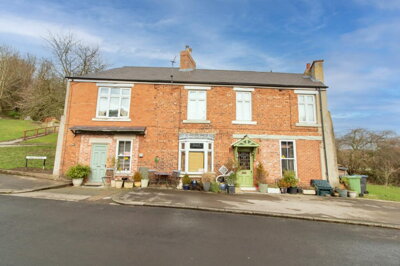
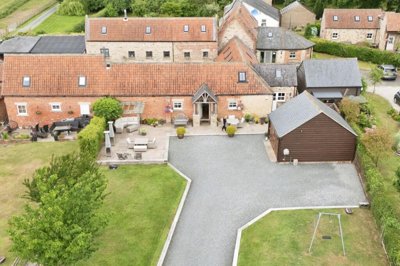
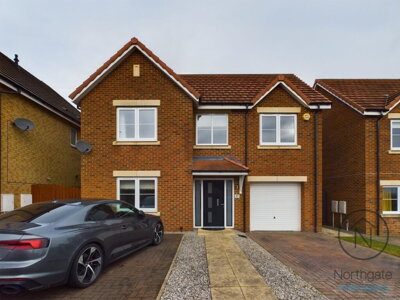
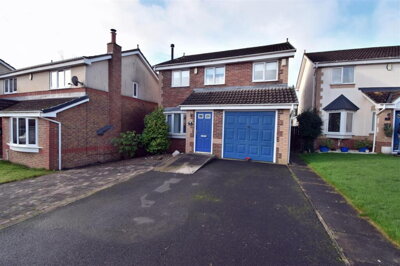
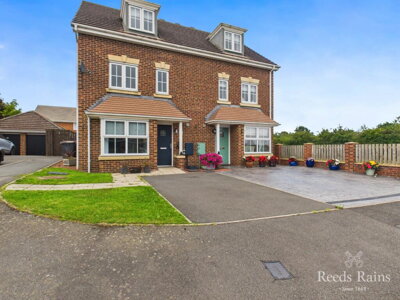
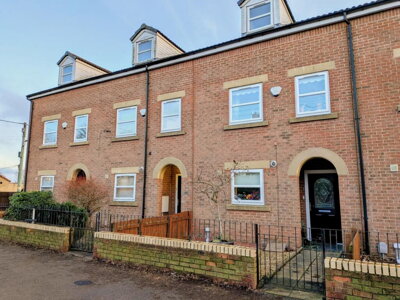
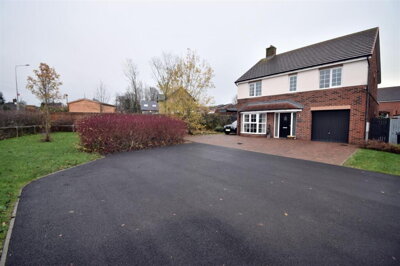
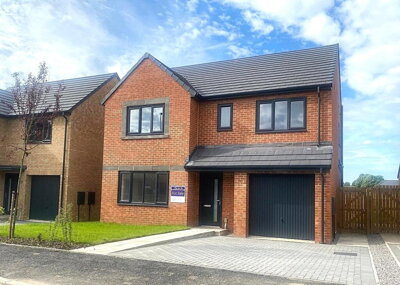
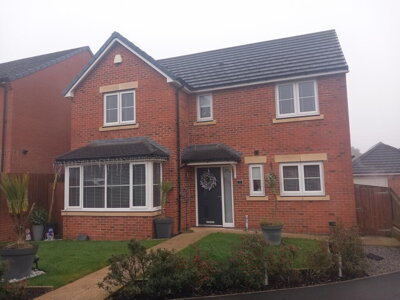
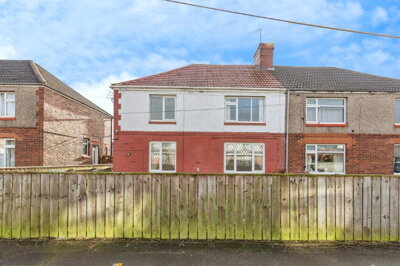
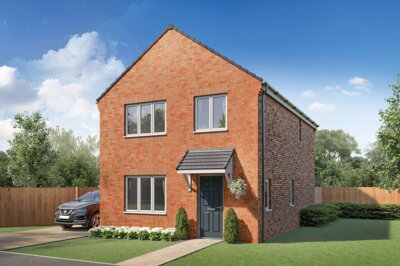
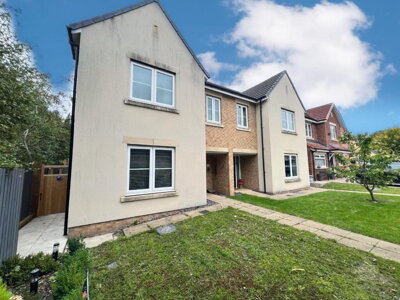
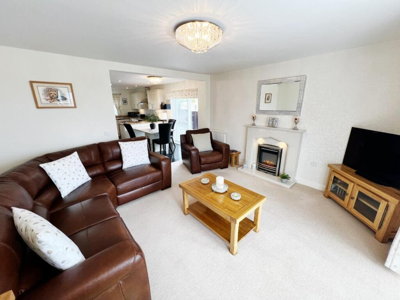
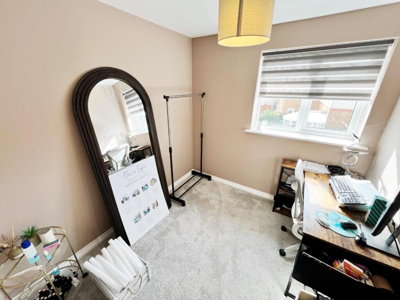
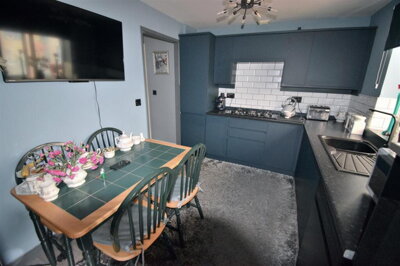
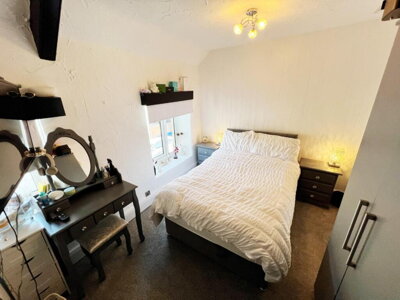
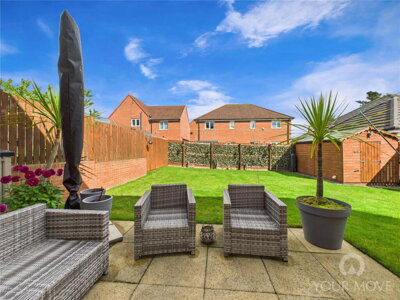
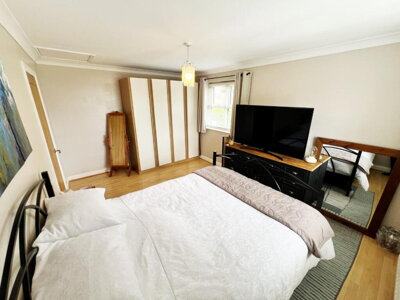
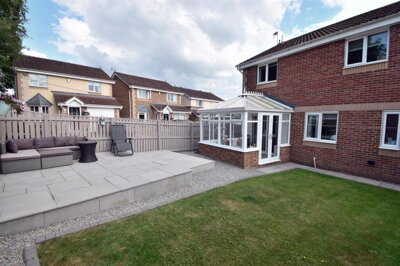
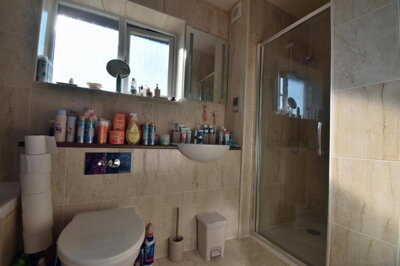
Browse 21 homes for sale in Chilton from local estate agents.
The larger property sector typically features multiple bathrooms, substantial reception space, and private gardens or off-street parking. Four bedroom houses in Chilton span detached, semi-detached, and occasionally terraced configurations, with styles ranging from period properties to modern executive homes.
The Chilton property market has demonstrated impressive resilience and growth, with 795 properties changing hands over the past decade. Current listing prices start from approximately £95,000 for entry-level properties, positioning the village as an accessible option for buyers entering the County Durham housing market. The recent price growth of 19.7% reflects increased demand for properties in this well-connected village, driven by its blend of affordable housing and strong transport links to employment centres across the North East.
Two major new build developments are currently shaping the local market. Windlestone Point, developed by Miller Homes on the northern edge of the village off West Chilton Terrace East, offers 2, 3, 4, and 5-bedroom homes priced from £180,000 to £395,000, with specific plots including the Denton (£180,000), Linton (£230,000), Charleswood (£310,000), Blackford (£350,000), and Denford (£380,000). Meanwhile, The Coppice from Dere Street Homes provides 2, 3, and 4-bedroom luxury homes ranging from £179,950 to £345,000, offering buyers a choice of contemporary designs in a quiet village location. These new developments complement the existing housing stock, which predominantly features terraced and semi-detached properties built to serve the historical mining community.
Looking at property types across County Durham, terraced properties account for 40.5% of the housing stock, with semi-detached homes at 32.3% and detached properties at 22.9%. Flats and maisonettes make up just 4.2% of the market, reflecting Chilton's character as a village where family homes predominate. This mix provides options across all budgets, from affordable terraced cottages on streets like Dale Street and Durham Road through to substantial detached homes on newer developments.

Chilton retains the warm community atmosphere typical of a traditional County Durham village, with roots stretching back centuries. The village is home to St. Aiden's Church, built in 1877, and the historic Chilton Hall, which dates back to 1351 and has been carefully restored over the years. These landmarks provide the village with genuine historical character, offering residents a tangible connection to the area's rich heritage. The village has evolved from its industrial past, when collieries and steel works provided employment, into a residential community that successfully balances heritage preservation with modern living.
For daily needs, Chilton provides essential local amenities including convenience stores and village shops, while recreation facilities ensure residents have access to leisure activities without travelling to larger towns. The football ground and recreation areas serve as community hubs, particularly for families with children. The village sits within easy reach of larger towns including Ferryhill, Spennymoor, and Newton Aycliffe, where additional shopping, dining, and entertainment options are available. The strategic location between Durham and Darlington gives residents access to major retail centres, hospitals, and employment opportunities while returning to the peaceful village environment.
The village has undergone significant transformation since the decline of its mining industry, with some areas of older terraced housing demolished as part of regeneration efforts. Despite these changes, Chilton has maintained its strong community identity, with local events and social activities bringing residents together throughout the year. New residents often comment on the welcoming atmosphere and the sense of belonging that develops quickly after moving to the village.

Education provision in Chilton centres on Chilton Primary School, which has earned an outstanding Ofsted rating, making it a significant draw for families considering relocation to the village. The school serves the local community with primary education, providing children with a strong foundation in a supportive environment. Parents consistently cite the school's reputation as a key factor in their decision to purchase property in Chilton, as the outstanding rating provides reassurance about educational quality without the uncertainty often associated with school admissions in larger towns.
For secondary education, students typically travel to schools in surrounding towns including Ferryhill, Spennymoor, and Durham, all accessible via the regular bus services that pass through Chilton. Several secondary schools in the wider County Durham area have established reputations for academic achievement and extracurricular programmes. Families moving to Chilton should research specific school catchment areas and admission arrangements, as these can influence property values in particular streets and neighbourhoods.
The presence of an outstanding primary school, combined with good secondary options within reasonable commuting distance, makes Chilton particularly attractive to families with children of all ages. Primary school catchment areas in the village typically cover properties within a defined radius of the school, and proximity to the school often correlates with higher property values on surrounding streets. We recommend parents verify catchment boundaries with Durham County Council before purchasing, as these can change and may affect future school placement applications.
Chilton benefits from excellent transport connections that make it practical for commuters working across the North East region. The village sits adjacent to the A1(M) at the Tursdale interchange, providing direct access to Newcastle, Leeds, and the wider national motorway network. This strategic positioning means residents can reach major employment centres including Newcastle upon Tyne, Sunderland, and Middlesbrough within reasonable driving times, while the journey to Durham city centre takes approximately 25 minutes by car. For those who prefer not to drive, the A1(M) interchange at Tursdale provides easy access to the road network.
Public transport options are well-developed, with regular bus services connecting Chilton to nearby towns and cities. Direct buses serve Ferryhill, Spennymoor, Durham, Hartlepool, and Darlington, enabling residents to access employment, education, and amenities without relying on private vehicles. Durham railway station, reachable by bus or car, offers mainline services to London King's Cross, Edinburgh, and major northern cities. For air travel, Newcastle International Airport and Durham Tees Valley Airport are both accessible within approximately one hour's drive, connecting residents to domestic and international destinations.
The combination of road, rail, and bus links makes Chilton a practical base for professionals working across the North East. Commuters particularly value the straightforward access to the A1(M) for reaching major business parks and industrial areas along the corridor. The village also attracts workers in the public sector, healthcare, and education, who benefit from the easy commute to hospitals and universities in Durham and Newcastle.
Before beginning your property search in Chilton, review current market conditions and establish a realistic budget. With average prices at £128,607 and new builds ranging from £180,000, understanding what you can afford will help you focus your search. Obtain a mortgage agreement in principle from a lender to demonstrate your purchasing power to estate agents when making offers. Consider using a mortgage broker who knows the local market, as they may have access to exclusive deals and can guide you through the application process.
Browse listings on Homemove and register with local estate agents to receive alerts about new properties coming to market. With 795 properties having sold in Chilton over the past decade, the market moves steadily. Consider both existing properties and new build options at Windlestone Point and The Coppice, as these developments offer different advantages including warranties and modern construction standards. Set up saved searches and alerts so you do not miss new listings, as desirable properties in this area can sell quickly given the strong demand.
Visit properties that meet your criteria to assess their condition, location, and suitability. Given Chilton's mining heritage, we strongly recommend booking a RICS Level 2 Survey before purchasing any property over 50 years old. This will identify potential issues with damp, roofing, electrics, and any signs of subsidence that may relate to historical mining activity. Your surveyor will also check for signs of Japanese knotweed, which can be present in older North East gardens and requires specialist treatment if found.
Once you have found your ideal home, submit an offer through the selling agent. Upon acceptance, instruct a conveyancing solicitor to handle the legal work. Your solicitor will conduct searches including local authority searches, drainage and water checks, environmental searches, and a mining search given Chilton's historical colliery activity. Budget approximately £500-1,500 for legal fees plus additional costs for searches, which typically range from £200-400 depending on the searches required.
Your solicitor will arrange for contracts to be exchanged once all conditions are satisfied, at which point you will pay your deposit. Completion typically follows within 2-4 weeks, when the remaining funds are transferred and you receive the keys to your new Chilton home. We recommend arranging buildings insurance from the point of exchange to protect your investment, and register with local services including doctors, dentists, and utility providers well in advance of your move.
Buyers considering properties in Chilton should be aware of the village's mining heritage, which may present specific considerations during the purchase process. Historical mining activity can sometimes result in ground instability, so we always advise commissioning a thorough structural survey for any property, particularly older terraced houses that may show signs of subsidence or movement. Your solicitor should conduct mining searches as part of the conveyancing process to identify any past mining activity that might affect the property or land. These searches typically reveal information about old mine shafts, tunnels, and recorded subsidence events.
The majority of Chilton's housing stock was built to serve the historical mining community, meaning a significant proportion of properties are likely over 50 years old. These properties may require ongoing maintenance and modernisation, so buyers should factor potential renovation costs into their budget. Common issues to watch for include outdated electrical systems that may not comply with current regulations, original windows requiring replacement, and central heating systems that may be nearing the end of their operational life. A RICS Level 2 Survey will help identify these concerns before you commit to the purchase.
While no specific conservation areas were identified in our research, Chilton Hall and St. Aiden's Church indicate the presence of historically significant buildings. If you are considering purchasing a period property, verify whether it has listed building status, as this will impose restrictions on alterations and renovations. New build properties at Windlestone Point and The Coppice offer alternative options for buyers seeking modern construction with the benefit of structural warranties, though we still recommend conducting appropriate surveys before completion to identify any snagging issues.
The average house price paid in Chilton over the last twelve months was £128,607, with the overall average listing price at approximately £95,000. The market has shown strong growth of 19.7% in the past year, significantly outpacing the County Durham average of 7.7% growth. County Durham averages show detached properties at £245,000, semi-detached at £144,000, terraced at £118,000, and flats at £81,000, indicating good value across all property types in the Chilton area compared to regional averages. First-time buyers will find terraced properties particularly affordable, with many available well below the national median house price.
Properties in Chilton fall under Durham County Council's jurisdiction and most homes fall within Council Tax Bands A to C, reflecting the village's mix of more affordable property values. Band A properties typically pay around £1,200-1,400 annually, with Band B around £1,400-1,600 and Band C around £1,600-1,850. Higher bands apply to more valuable properties, with Band D starting at approximately £1,850 per year. Exact bands depend on the specific property valuation, and you can verify the band for any listing by checking the Valuation Office Agency website or requesting this information from the selling agent.
Chilton Primary School has an outstanding Ofsted rating, making it the standout educational establishment within the village itself. Parents consistently rate the school highly for its teaching quality, supportive environment, and strong community links. For secondary education, students typically attend schools in surrounding towns, with several options accessible via the regular bus services. The nearest secondary schools are located in Ferryhill, Spennymoor, and Durham, with bus routes providing direct access for daily travel. Parents should research specific catchment areas and admission criteria for secondary schools in Ferryhill, Spennymoor, and Durham, as these can influence which school a child attends and may affect property values in certain streets.
Chilton has good public transport links with regular bus services connecting the village to Ferryhill, Spennymoor, Durham, Hartlepool, and Darlington. The village is particularly well-served for commuters given its proximity to the A1(M) at Tursdale, providing road connections to Newcastle, Leeds, and the broader motorway network. Durham railway station offers mainline services to London and Edinburgh, with the station reachable by bus or car in approximately 25 minutes. Newcastle International Airport and Durham Tees Valley Airport are both reachable within approximately one hour's drive, connecting residents to domestic and international destinations.
Chilton presents several attractive features for property investors looking at the County Durham market. The strong annual price growth of 19.7% demonstrates market momentum, while the affordable average price of £128,607 means properties remain accessible to a wide range of buyers. The presence of major new build developments from reputable developers like Miller Homes and Dere Street Homes indicates confidence in the local market and may support future price appreciation. The village's good transport connections and outstanding primary school make it appealing to tenants, while the mining heritage means some properties may benefit from renovation potential. Investors should consider both the rental yield potential and long-term capital growth prospects when evaluating properties in the area.
Standard stamp duty rates (2024-25) apply in Chilton as it is not a first-time buyer relief area: 0% on the first £250,000, 5% on £250,001 to £925,000, 10% on £925,001 to £1.5 million, and 12% above £1.5 million. Given that most Chilton properties are priced well below the £250,000 threshold, many buyers will pay minimal or no stamp duty. First-time buyers can claim relief on properties up to £625,000, paying 0% on the first £425,000 and 5% between £425,001 and £625,000. Only those purchasing premium new build properties at Windlestone Point priced at £350,000 or above would incur stamp duty at the 5% rate on the amount exceeding £250,000.
From 3.5% APR
Find competitive mortgage deals for your Chilton purchase
From £499
Expert solicitors to handle your property purchase
From £350
Essential for older properties in mining areas
From £60
Energy performance certificate for your new home
Most properties in Chilton fall within accessible price brackets, meaning stamp duty costs are generally manageable for buyers. With the average property priced at £128,607, many buyers purchasing at or below the median price would pay no stamp duty under current thresholds. Standard rates apply 0% duty on the first £250,000, 5% between £250,001 and £925,000, 10% between £925,001 and £1.5 million, and 12% above £1.5 million. Only buyers purchasing premium new build properties at the upper end of the market, such as 4 or 5-bedroom homes priced at £350,000 or above at Windlestone Point, would incur stamp duty at the 5% rate on amounts exceeding £250,000.
Beyond stamp duty, buyers should budget for additional purchasing costs including solicitor fees typically ranging from £500 to £1,500 for conveyancing, plus disbursements for searches which may include local authority searches, drainage and water searches, environmental searches, and a mining search given the historical colliery activity in the area. Survey costs start from approximately £350 for a RICS Level 2 Survey, rising for larger properties. Mortgage arrangement fees, if applicable, typically range from 0% to 1.5% of the loan amount. First-time buyers should also budget for removal costs and any immediate repairs or furnishings required for their new home.
Properties for Sale In London

Properties for Sale In Plymouth

Properties for Sale In Liverpool

Properties for Sale In Glasgow

Properties for Sale In Sheffield

Properties for Sale In Edinburgh

Properties for Sale In Coventry

Properties for Sale In Bradford

Properties for Sale In Manchester

Properties for Sale In Birmingham

Properties for Sale In Bristol

Properties for Sale In Oxford

Properties for Sale In Leicester

Properties for Sale In Newcastle

Properties for Sale In Leeds

Properties for Sale In Southampton

Properties for Sale In Cardiff

Properties for Sale In Nottingham

Properties for Sale In Norwich

Properties for Sale In Brighton

Properties for Sale In Derby

Properties for Sale In Portsmouth

Properties for Sale In Northampton

Properties for Sale In Milton Keynes

Properties for Sale In Bournemouth

Properties for Sale In Bolton

Properties for Sale In Swansea

Properties for Sale In Swindon

Properties for Sale In Peterborough

Properties for Sale In Wolverhampton

Enter your details to see if this property is within your budget.
Loans, cards, car finance
Estimated property budget
Borrowing + deposit
You could borrow between
Typical borrowing
Monthly repayment
Est. at 4.5%
Loan-to-value
This is an estimate only. Your actual budget may vary depending on interest rates, credit history, and personal circumstances. For an accurate affordability assessment, speak to one of our free mortgage advisors.
This calculator provides estimates for illustrative purposes only and does not constitute financial advice. Your home may be repossessed if you do not keep up repayments on your mortgage. Estimates based on 4.5% interest rate, repayment mortgage. Actual rates depend on your circumstances.
Homemove is a trading name of HM Haus Group Ltd (Company No. 13873779, registered in England & Wales). Homemove Mortgages Ltd (Company No. 15947693) is an Appointed Representative of TMG Direct Limited, trading as TMG Mortgage Network, which is authorised and regulated by the Financial Conduct Authority (FRN 786245). Homemove Mortgages Ltd is entered on the FCA Register as an Appointed Representative (FRN 1022429). You can check registrations at NewRegister or by calling 0800 111 6768.

We use cookies to show you personalised content and improve your experience of our website. Find out more in our Privacy policy and Cookie policy.