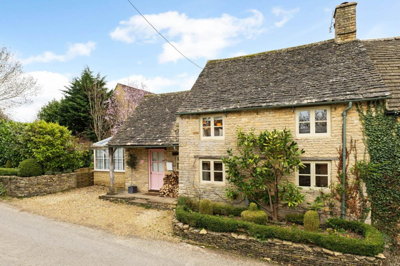
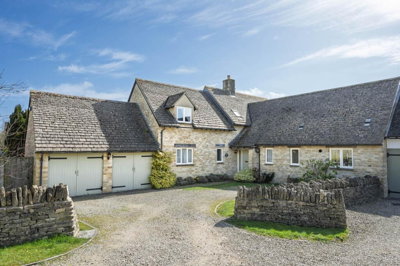
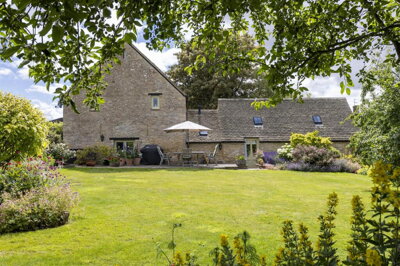
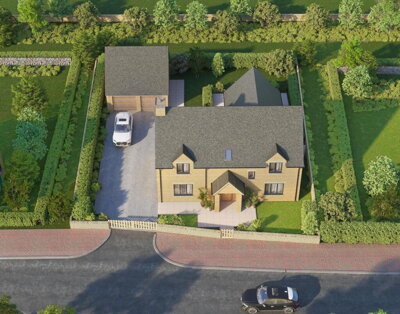
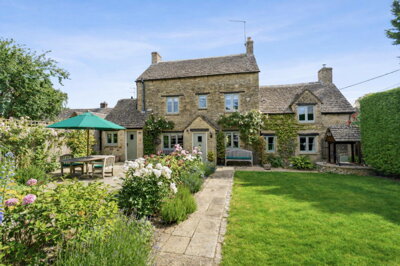
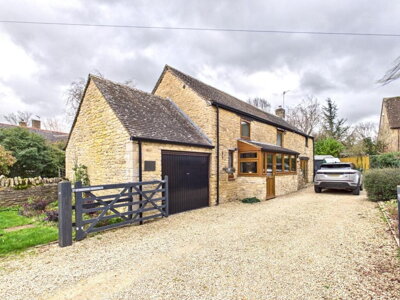
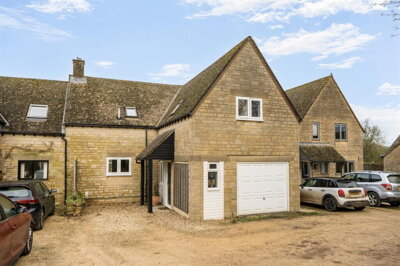
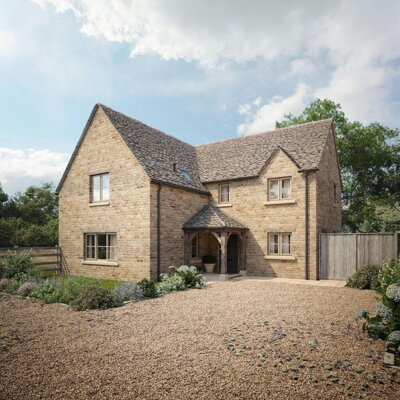
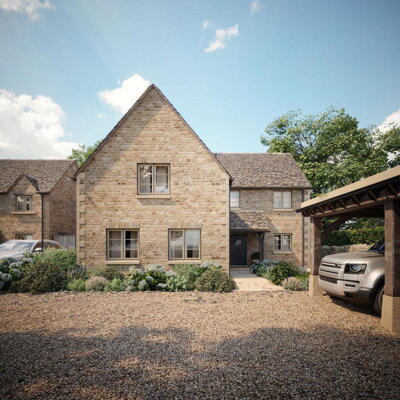
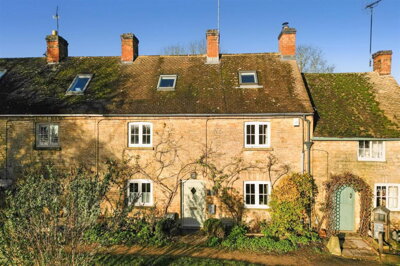
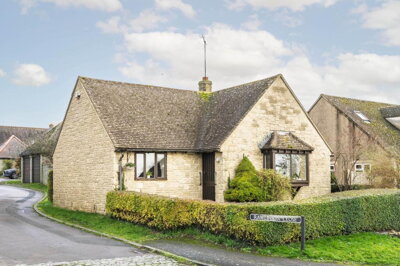
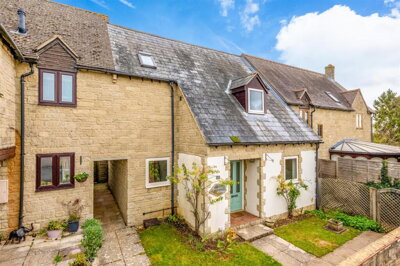
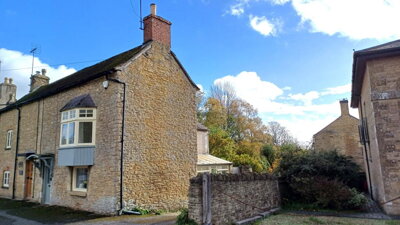
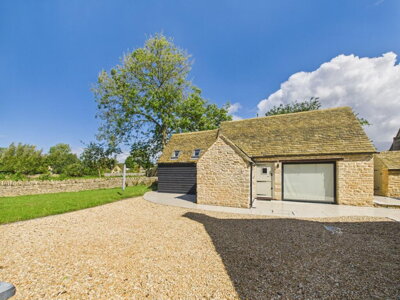
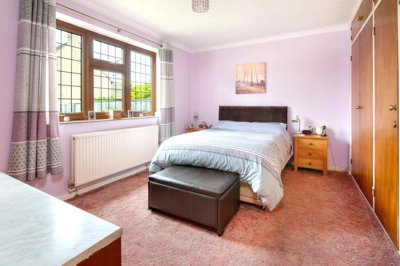
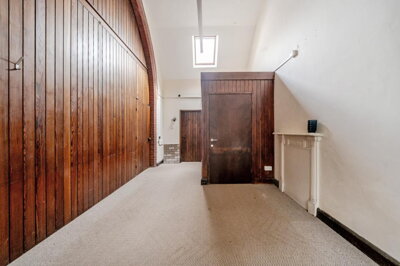
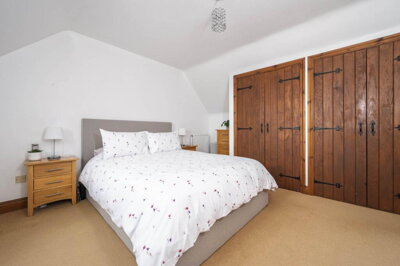
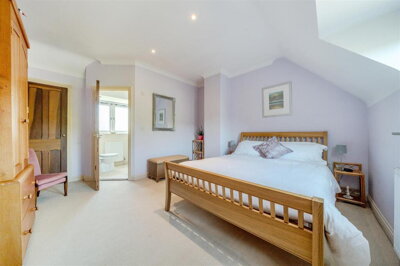
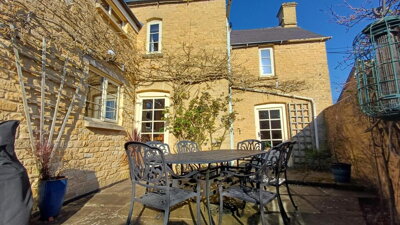
Browse 19 homes for sale in Chilson, West Oxfordshire from local estate agents.
The Chilson property market offers detached, semi-detached, and terraced houses spanning various price ranges and neighbourhoods. Each listing includes detailed property information, photographs, and direct contact with the marketing agent.
£0k
0
0
0
Source: home.co.uk
Showing 0 results for Houses for sale in Chilson, West Oxfordshire.
The Gisleham property market presents an attractive opportunity for buyers seeking rural Suffolk living at realistic price points. Our current listings show detached properties averaging £450,000, offering generous space and gardens that appeal to families and those working from home. Semi-detached homes at approximately £300,000 provide excellent value, while terraced properties from £250,000 serve as an accessible entry point to village life. Flats in the area start from around £180,000, though this property type represents only 5% of the local housing stock.
Property types in Gisleham reflect its blend of historic and mid-century housing. Detached properties dominate the landscape at 60% of stock, followed by semi-detached homes at 25%. The remaining 10% comprises terraced houses and just 5% flats. This prevalence of detached homes gives the village its distinctive character, with properties sitting on generous plots surrounded by mature gardens and the Suffolk countryside. The 3% annual price increase indicates steady demand, suggesting that well-priced properties move relatively quickly in this tight-knit community.
The age distribution of Gisleham's housing stock reveals why surveys matter so much in this village. Approximately 25% of properties were built before 1919, featuring traditional construction methods including timber framing and solid brick walls. A further 15% date from the inter-war period 1919-1945, while 35% represent post-war construction from 1945-1980. Properties built after 1980 make up the remaining 25%, offering more modern construction standards. With around 75% of homes in Gisleham exceeding 50 years old, the vast majority of purchases will benefit significantly from a professional survey identifying age-related defects.
New build activity in Gisleham itself remains limited, with no active developments verified within the NR34 8 postcode area. Buyers seeking brand-new homes typically explore nearby towns such as Beccles or Lowestoft, where larger housing developments offer contemporary construction and modern energy efficiencies. However, the existing stock in Gisleham includes properties built across various eras, from charming pre-1919 cottages to solid post-war family homes, meaning buyers can find character alongside practicality.

Life in Gisleham centres on the tranquil rhythms of rural Suffolk, where the pace of life allows residents to enjoy the natural beauty surrounding their homes. The village maintains a population of approximately 450 people across 180 households, creating an intimate community where neighbours know one another and local events foster connection. The parish encompasses rolling farmland, quiet lanes perfect for cycling and walking, and glimpses of historic Suffolk architecture that remind residents of the area's agricultural heritage.
The local economy relies substantially on agriculture, with farming operations shaping both the landscape and the character of the village. Many residents complement this rural base by commuting to larger towns including Beccles, Lowestoft, and even Norwich for employment in manufacturing, retail, and service sectors. This balanced approach to living allows Gisleham residents to enjoy countryside tranquility while maintaining access to comprehensive employment opportunities and urban amenities within reasonable driving distance.
The surrounding area offers practical everyday amenities. While Gisleham itself maintains a quiet residential character, nearby towns provide supermarkets, independent shops, pubs serving local ales, and restaurants showcasing Suffolk's excellent food traditions. The county is renowned for its coastline, heritage sites, and Areas of Outstanding Natural Beauty, meaning residents have ample options for weekend exploration and recreation without straying far from home. The village's position in East Suffolk places it within easy reach of both the Broads National Park to the north and the heritage coastline to the east.
Community life in Gisleham benefits from several local amenities including the parish church of St Mary, which dates from the medieval period and contributes to the village's historic character. Local events bring residents together throughout the year, strengthening the bonds that make rural living so rewarding. Our team has spoken with long-term residents who consistently highlight the welcoming nature of the community and the quality of life available to those who choose to put down roots here.

Families considering Gisleham will find educational provision accessible within reasonable driving distance. The village falls within the East Suffolk local education authority area, which maintains a network of primary schools serving rural communities. Parents should research specific catchment areas and admissions criteria, as school places are allocated based on proximity and availability. The small class sizes typical of rural primary schools often provide children with focused attention and strong pastoral care during their formative years.
Primary schools serving Gisleham are typically located within surrounding parishes, with distances varying depending on exact residence within the village. Schools in villages such as Frostenden, Southwold direction, and toward Beccles serve the area, with many offering the small-scale, community-focused education that suits younger children well. Parents are encouraged to visit schools, meet staff, and understand the specific catchment arrangements before committing to a property purchase, as these boundaries can directly affect which school children attend.
Secondary education options in the surrounding area include schools in Beccles and Lowestoft, both reachable by car and some bus services. These schools offer a range of GCSE and A-Level subjects, with sixth form provision allowing students to continue their education locally without needing to travel to larger towns. Parents are encouraged to visit potential schools, review recent Ofsted reports, and understand admission arrangements well before making a property purchase, as catchment boundaries can influence access to preferred schools.
Beyond state education, the area offers independent schooling options for families seeking alternative educational approaches. Several independent schools in Suffolk provide primary and secondary education, though these require separate applications and fee payment. For higher education, the proximity to University of East Anglia in Norwich and the University of Suffolk campuses in Ipswich and Bury St Edmunds provides accessible options for older students. The practical reality for Gisleham families involves planning school runs and understanding transport arrangements, making this a key consideration during property searches.
Transport connectivity defines the practical daily experience for Gisleham residents, balancing village tranquility against accessibility requirements. The nearest railway stations are located in nearby towns, with Beccles offering connections toward Norwich and Lowestoft, providing links to the wider rail network. Many residents rely on private vehicles for daily commuting, with the A146 and A12 providing routes to employment centres including Norwich, approximately 25 miles distant, and Ipswich further south.
Bus services connect Gisleham with surrounding villages and towns, though frequencies reflect the rural nature of the area and may not suit those requiring daily peak-hour commuting to urban workplaces. Planning ahead becomes essential for residents without private vehicles, with some choosing to combine public transport with cycling for journeys to local towns. The quiet country lanes surrounding Gisleham are popular with cyclists, though drivers should expect narrow roads and should share space considerately with walkers and horse riders.
For those working in Norwich, the daily commute by car typically takes 40-50 minutes outside peak hours, though this extends during busy periods. The journey to Lowestoft or Beccles is considerably shorter, making these towns practical options for daily commuting. Many residents have adapted to flexible working arrangements, reducing the frequency of required journeys and making village living more viable. The proximity to the A12 provides access to the Suffolk coast and connections toward London, though this requires travelling to larger towns rather than passing through Gisleham directly.
Those considering regular rail commuting should note that Beccles station offers services toward Norwich, where connections to London Liverpool Street are available via the Greater Anglia network. The journey to London from Norwich takes approximately two hours, making it feasible for occasional office days while benefiting from the lifestyle advantages of rural Suffolk living the rest of the time.
Before viewing properties in Gisleham, arrange a mortgage agreement in principle from a lender. This confirms your budget realistically and demonstrates your position as a serious buyer when making offers. Consider all costs including stamp duty, solicitor fees, and survey costs alongside your mortgage commitments. We recommend obtaining agreement in principle before beginning property viewings, as Gisleham's relatively active market means quick decision-making can be advantageous.
Search our comprehensive listings for homes for sale in Gisleham and surrounding East Suffolk villages. Register for alerts to stay informed about new listings matching your criteria. Gisleham's relatively small property market means acting quickly on suitable properties can prove advantageous. Given the limited stock and steady demand, we often see well-presented properties attracting multiple enquiries within their first week of listing.
Visit properties that meet your requirements, taking time to assess the neighbourhood at different times of day. Consider your commute needs, proximity to schools, and how the property condition aligns with your renovation expectations. Ask the estate agent about the property's history, any recent works, and why the current owners are selling. Our team can accompany viewings and provide context about the local market, specific developments, and neighbourhood characteristics that may not be immediately apparent.
Once your offer is accepted, arrange a RICS Level 2 Survey for most properties, or a Level 3 Building Survey for older homes or those with potential structural concerns. Given Gisleham's clay geology and the prevalence of properties over 50 years old, a thorough survey is particularly valuable for identifying issues like subsidence risk, damp, or timber defects before you commit. Our inspectors regularly find common problems in local properties including rising damp in solid-walled homes, timber rot in period properties, and roof condition issues on older constructions.
Your solicitor handles all legal work including searches, contracts, and Land Registry registration. They will liaise with the seller's representatives to ensure a smooth transaction. Local conveyancers familiar with East Suffolk properties can be particularly helpful when dealing with rural properties, listed buildings, or unusual title arrangements. We work with several local conveyancing firms who understand the specific characteristics of village properties and can efficiently handle the unique aspects of rural transactions.
Once all searches are satisfactory and conditions are met, both parties sign contracts and you pay your deposit. Completion typically follows within days or weeks, at which point you receive the keys and become the legal owner. At this stage, you should also arrange building insurance, which your mortgage lender will require. Our team can recommend local insurance providers who understand the specific risks associated with properties in this area, including those related to flooding and subsidence.
Property buyers in Gisleham should pay particular attention to the geological conditions affecting the local area. Properties built on clay soils face potential shrink-swell risks, where moisture changes cause the ground to expand and contract. This movement can stress foundations, particularly on older properties with shallow footings or those with large trees nearby. A thorough survey can identify signs of past movement, subsidence, or heave that might require remediation or indicate future maintenance needs. Our inspectors have encountered properties in similar East Suffolk villages where clay-related movement has caused visible cracking, requiring specialist structural assessment.
The village's rural setting means surface water flooding requires consideration, with some low-lying areas presenting low to medium flood risk. While the overall risk remains lower than in coastal or riverside locations, prospective buyers should review Environment Agency mapping and ask the current owners about any historical flooding. Properties near minor watercourses or in natural depressions may be more susceptible during periods of heavy rainfall, so viewing the property in different weather conditions provides useful additional information. Groundwater flooding after prolonged rainfall also merits consideration in this area, particularly for properties with basements or cellars.
Several Grade II listed buildings exist within the parish, and purchasing such a property carries specific responsibilities. Listed building consent is required for most alterations or extensions, and owners must maintain the property's historic character. If your search includes an older property potentially subject to listing, factor in the additional constraints and potential costs this represents. The absence of a designated conservation area in Gisleham simplifies some aspects, but the presence of listed buildings means understanding these obligations matters for certain purchases. Properties including the parish church of St Mary and various farmhouses throughout the village hold listed status.
Building materials throughout Gisleham reflect the area's construction heritage, with red brick, render, and timber framing featuring prominently. Older properties may lack modern damp-proof courses or have solid walls requiring different treatment for insulation and moisture management. Properties built post-1945 typically feature cavity wall construction, offering better thermal performance. Understanding the construction type helps anticipate maintenance requirements and renovation possibilities when evaluating a property's potential. Given that 75% of properties exceed 50 years of age, most homes in the village will present age-related issues that a professional survey can identify before purchase.
Common defects our team has observed in Gisleham properties include damp arising from missing or failed damp-proof courses, particularly in pre-1919 properties with solid walls. Roof condition issues frequently appear on older homes, with original clay or concrete tiles showing wear, perished felt underlay, and deteriorated timber bargeboards and fascias. Timber defects including rot and woodworm affect structural elements and floor joists in period properties, while outdated electrical systems and plumbing require updating to meet current standards in older homes. A RICS Level 2 or Level 3 Survey provides detailed assessment of all these potential issues.
Understanding how properties in Gisleham were constructed helps buyers appreciate their characteristics and potential maintenance requirements. The predominant building materials include red brick, often finished with render or pebble dash in common East Suffolk style. Traditional timber framing appears in older properties, sometimes exposed internally or concealed behind later linings. Roofs throughout the village typically feature pitched construction with clay or concrete tiles, reflecting the local building tradition that has shaped the area for centuries.
Pre-1919 properties in Gisleham commonly feature solid wall construction, which presents specific challenges for insulation and moisture management. These homes often lack modern damp-proof courses, making them susceptible to rising damp, particularly where ground levels have been raised over the years or where original lime-based construction has deteriorated. Our inspectors pay particular attention to these details when surveying period properties, as addressing damp issues early prevents more significant structural problems from developing.
Properties constructed between 1919 and 1945 often represent a transition period in building standards. Many feature cavity wall construction introduced during this era, though some retain solid wall characteristics. The inter-war period also saw improvements in foundation depths and structural design compared to earlier properties. Post-war homes from 1945-1980 typically demonstrate more consistent construction standards, though quality varied by developer and build period. Properties from this era may require attention to original windows, doors, and services that have reached the end of their useful life.
More recent construction from after 1980 generally offers better thermal performance and modern building regulations compliance. However, even these properties benefit from a professional survey to identify any defects in materials or workmanship. Our inspectors provide thorough assessments regardless of property age, ensuring buyers understand exactly what they are purchasing. For listed buildings or those with historic construction, we recommend our Level 3 Building Survey, which provides more detailed analysis of traditional building methods and specialist repair requirements.
The current average house price in Gisleham stands at £385,000 based on recent sales data. Detached properties average £450,000, semi-detached homes around £300,000, terraced properties at £250,000, and flats starting from approximately £180,000. Prices have increased by approximately 3% over the past year, indicating steady demand in this rural Suffolk village. Property prices can vary significantly based on condition, location within the village, plot size, and specific features, so working with a local estate agent helps identify the true value of individual properties. With around 25 property sales completing in the past 12 months, the market remains active though relatively small.
Properties in Gisleham fall under East Suffolk Council's jurisdiction for council tax purposes. Council tax bands in the area range from A through to H, with most family homes falling in bands C, D, or E. The specific band depends on the property's valuation as assessed by the Valuation Office Agency. Prospective buyers can check the council tax band for any specific property through the gov.uk website or by contacting East Suffolk Council directly. These charges fund local services including education, waste collection, and road maintenance. Band valuations can differ substantially between neighbouring properties, so verifying the specific band for any property you are considering forms part of standard pre-purchase budgeting.
Gisleham itself is a small village without its own primary or secondary school, so families rely on schools in nearby towns. Primary schools serving the village are typically located within a few miles in surrounding parishes, with catchment areas determining places allocation. Secondary education options include schools in Beccles and Lowestoft, both accessible by car and some bus services. When buying in Gisleham, parents should verify current school catchments, review Ofsted ratings, and understand transport arrangements before committing to a property purchase. The travel implications for daily school runs represent an important practical consideration that should inform property search areas.
Public transport connectivity in Gisleham reflects its rural character, with bus services linking the village to surrounding towns and villages, though frequencies are limited compared to urban areas. The nearest railway stations are in Beccles and Lowestoft, offering connections toward Norwich and the wider rail network. Many residents consider a car essential for daily commuting, though flexible working arrangements reduce the frequency of required journeys for many households. Those relying heavily on public transport should test bus routes and timetables before purchasing to ensure the arrangement suits their lifestyle needs. Weekend services may differ significantly from weekday timetables, so checking both provides accurate expectations.
Gisleham offers several factors that appeal to property investors, including its rural Suffolk location, relative affordability compared to nearby towns, and steady price growth of around 3% annually. The village attracts families seeking countryside living within commuting distance of employment centres, and this demand supports rental potential. However, the small population and limited local amenities mean rental demand may be concentrated among specific groups such as rural workers, small families, or those seeking a peaceful lifestyle. As with any property investment, thorough research into rental yields, void periods, and local demand patterns provides essential context for investment decisions. The limited property supply also suggests that well-presented homes could command premium rents from tenants seeking this particular lifestyle.
Stamp duty land tax rates for 2024-25 are 0% on the first £250,000 of residential property, 5% between £250,001 and £925,000, 10% from £925,001 to £1.5 million, and 12% above £1.5 million. First-time buyers benefit from increased thresholds, paying 0% on the first £425,000 and 5% between £425,001 and £625,000, though no relief applies above £625,000. For a typical Gisleham property at £385,000, standard buyers would pay £6,750 in stamp duty, while qualifying first-time buyers would pay nothing on the first £425,000. Always verify current thresholds as these can change with Budget announcements. The substantial difference between standard and first-time buyer rates makes eligibility verification worthwhile before calculating your total purchase costs.
Several area-specific risks merit consideration when purchasing in Gisleham. The underlying clay geology creates moderate to high shrink-swell risk, potentially affecting foundations of older properties, particularly those with large nearby trees or shallow footings. Surface water flooding affects some low-lying areas, requiring review of flood risk assessments before purchase. Properties pre-1980 may present common issues including outdated electrics, plumbing requiring upgrades, damp due to missing or failed damp-proof courses, and roof condition concerns. A comprehensive RICS Level 2 or Level 3 Survey identifies these issues before completion, allowing informed decisions about the property and any necessary remediation. Given that 75% of local properties exceed 50 years of age, the likelihood of encountering age-related defects remains high without professional assessment.
Given that approximately 75% of properties in Gisleham were built before 1980, a professional survey is highly recommended for most purchases. The village's clay geology creates potential for foundation movement, while the prevalence of period construction means issues such as damp, timber defects, and roof deterioration commonly affect local homes. A RICS Level 2 Survey typically costs between £500 and £750 for a detached property and identifies defects that may not be visible during viewings. For listed buildings or older properties with potential structural concerns, our Level 3 Building Survey provides more detailed assessment. The cost of a survey represents a small fraction of the property price and can save significant expense by identifying problems before you commit to purchase.
Understanding the full costs of buying property in Gisleham helps buyers budget accurately and avoid surprises during the transaction process. Beyond the property price itself, the most significant additional cost is stamp duty land tax, which applies to all purchases above £250,000 for standard buyers. For a typical Gisleham home priced at the current average of £385,000, this translates to approximately £6,750 in stamp duty. First-time buyers purchasing properties up to £425,000 would pay no stamp duty under current reliefs, representing meaningful savings for those eligible.
Professional services form another substantial cost category. Solicitors or licensed conveyancers typically charge between £500 and £1,500 for handling a residential purchase, with complex transactions or properties requiring extra investigation commanding higher fees. Survey costs vary based on property type and the level of detail required. A RICS Level 2 Survey for a typical 3-bedroom detached property in Gisleham generally costs between £500 and £750, while a detailed Level 3 Building Survey for larger or older properties starts from around £750 and can exceed £1,000 for particularly complex homes.
Additional costs include mortgage arrangement fees typically ranging from £0 to £2,000 depending on the lender and product selected, search fees around £300-£500, and Land Registry registration fees at approximately £200-£500. Buildings insurance must be in place from completion, while removals and potential decoration or renovation costs complete the picture. Careful budgeting for these expenses alongside the deposit and mortgage ensures a smoother path to completion, allowing buyers to move into their new Gisleham home with confidence rather than financial strain.
Our team can provide detailed cost breakdowns tailored to your specific purchase circumstances. We work with local conveyancers and surveyors who understand the Gisleham market and can provide competitive quotes for their services. Requesting quotes for multiple services before committing helps ensure you receive value while obtaining the professional support your purchase requires.
Properties for Sale In London

Properties for Sale In Plymouth

Properties for Sale In Liverpool

Properties for Sale In Glasgow

Properties for Sale In Sheffield

Properties for Sale In Edinburgh

Properties for Sale In Coventry

Properties for Sale In Bradford

Properties for Sale In Manchester

Properties for Sale In Birmingham

Properties for Sale In Bristol

Properties for Sale In Oxford

Properties for Sale In Leicester

Properties for Sale In Newcastle

Properties for Sale In Leeds

Properties for Sale In Southampton

Properties for Sale In Cardiff

Properties for Sale In Nottingham

Properties for Sale In Norwich

Properties for Sale In Brighton

Properties for Sale In Derby

Properties for Sale In Portsmouth

Properties for Sale In Northampton

Properties for Sale In Milton Keynes

Properties for Sale In Bournemouth

Properties for Sale In Bolton

Properties for Sale In Swansea

Properties for Sale In Swindon

Properties for Sale In Peterborough

Properties for Sale In Wolverhampton

Enter your details to see if this property is within your budget.
Loans, cards, car finance
Estimated property budget
Borrowing + deposit
You could borrow between
Typical borrowing
Monthly repayment
Est. at 4.5%
Loan-to-value
This is an estimate only. Your actual budget may vary depending on interest rates, credit history, and personal circumstances. For an accurate affordability assessment, speak to one of our free mortgage advisors.
This calculator provides estimates for illustrative purposes only and does not constitute financial advice. Your home may be repossessed if you do not keep up repayments on your mortgage. Estimates based on 4.5% interest rate, repayment mortgage. Actual rates depend on your circumstances.
Homemove is a trading name of HM Haus Group Ltd (Company No. 13873779, registered in England & Wales). Homemove Mortgages Ltd (Company No. 15947693) is an Appointed Representative of TMG Direct Limited, trading as TMG Mortgage Network, which is authorised and regulated by the Financial Conduct Authority (FRN 786245). Homemove Mortgages Ltd is entered on the FCA Register as an Appointed Representative (FRN 1022429). You can check registrations at NewRegister or by calling 0800 111 6768.

We use cookies to show you personalised content and improve your experience of our website. Find out more in our Privacy policy and Cookie policy.