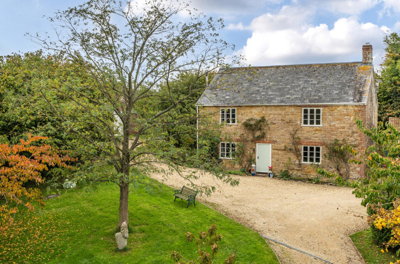
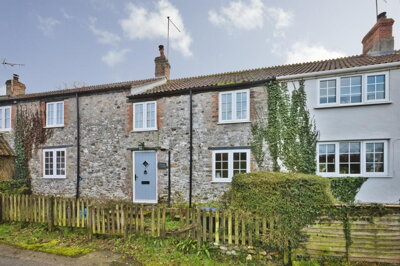
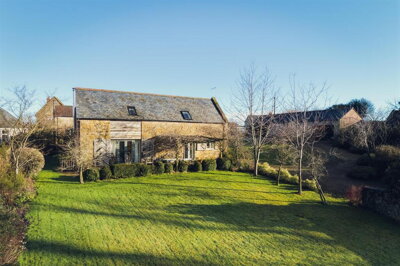
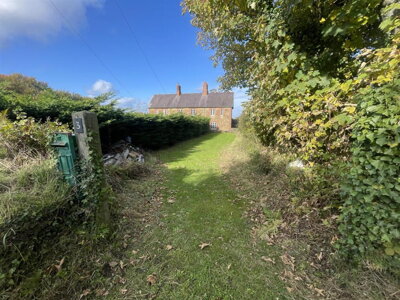
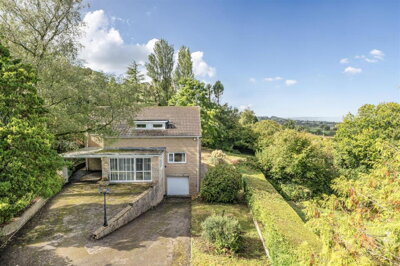
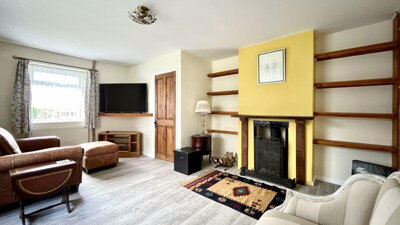
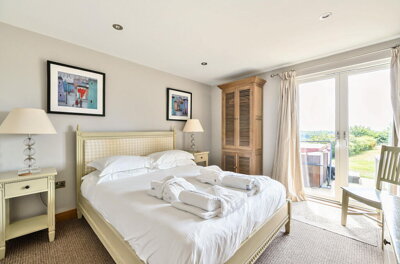
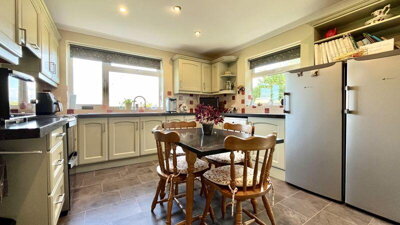
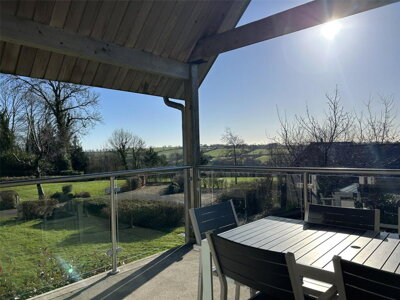
Browse 9 homes for sale in Chillington, Somerset from local estate agents.
£650k
3
1
162
Source: home.co.uk
Source: home.co.uk
Detached
2 listings
Avg £650,000
Detached Bungalow
1 listings
Avg £650,000
Source: home.co.uk
Source: home.co.uk
The Downholme property market operates as a niche segment within the wider Richmond and North Yorkshire housing market. Due to the village's tiny population and limited housing stock, transaction volumes are naturally low, with only a handful of sales recorded in recent years. This scarcity means that available properties tend to attract considerable interest from buyers drawn to the area's exceptional quality of life and protected landscape setting. Our local knowledge helps you understand the true value of properties in this sought-after location.
Recent sales data for the DL11 6AE postcode area provides useful context for prospective buyers. Home Farm, Downholme Village North, sold for £335,000 in June 2021, having previously changed hands for £311,800 in December 2019, indicating steady appreciation for quality period properties. A larger detached property in the area achieved £553,500 in April 2022, demonstrating the upper range of the market. Semi-detached homes, such as the property at 2 Downholme which sold for £281,784 in June 2021, offer more accessible entry points to village life. These figures reflect the premium associated with period properties in this designated Conservation Area, where stone-built homes with original features command strong prices.
New build activity within Downholme village itself remains virtually non-existent, with any contemporary developments typically located in nearby larger settlements. This absence of new construction serves to protect the village's historic character and means that buyers seeking a home in Downholme will be acquiring a property with genuine heritage credentials, whether that be a converted barn, a traditional farmhouse, or a charming period cottage. The Yorkshire Dales National Park Authority maintains strict controls on new development, ensuring that the village's essential character remains intact for future generations.

Life in Downholme revolves around the rhythms of the Yorkshire Dales landscape, where centuries of agricultural tradition have shaped both the physical environment and the tight-knit community spirit. The village derives its name from Old English, with "holme" referring to a river meadow, perfectly capturing the rural water meadows that still characterise the area today. Residents enjoy a pace of life that feels worlds away from the pressures of modern city living, with the village green, historic church, and the traditional Bolton Arms pub serving as focal points for community life. The pub, a vital social hub for a community of this size, provides a welcome stop for walkers exploring the extensive public rights of way network that criss-crosses the surrounding countryside.
The village's position within the Yorkshire Dales National Park brings both protections and benefits. The Downholme Conservation Area, whose revised boundary was formally designated by the Yorkshire Dales National Park Authority in March 2018, ensures that the village's historic character remains preserved for future generations. This designation covers important landmarks including the ruins of Downholme Hall, the former village smithy, the central green, an ancient pin fold used historically for stray animals, a traditional churn stand, the Vicarage, and the Church of Saint Michael and All Angels with its Norman inner doorway dating from the 12th century. The conservation area boundary was extended in 2018 to incorporate additional land within the National Park, reflecting the interconnected nature of the village with its surrounding landscape.
Demographically, Downholme reflects the challenges facing many small rural communities in England, with a population that has remained small throughout its recorded history. In 1891, the village contained approximately 18 households with around 60 residents, a figure that remained largely unchanged by 1911. The 2015 North Yorkshire County Council estimate put the population at approximately 50, making Downholme one of the smallest communities in the Richmondshire district. This continuity of scale means that the village has avoided the over-development that has altered the character of many other rural locations, though it also highlights the importance of new residents who can contribute to village life and local services. The village contains nine listed buildings recorded in the National Heritage List for England, including two structures graded II* and seven at Grade II, testament to the architectural significance of this small community.

Families considering a move to Downholme will need to factor in the rural nature of local education provision. The village itself does not contain a school, meaning that primary-aged children typically travel to schools in nearby villages or the market town of Richmond. The nearest primary schools serve the surrounding communities and generally maintain good standards of education within the context of small rural schools, though catchment areas and available spaces should be carefully researched before committing to a property purchase. The journey to school will typically involve travel along scenic country lanes, and parents should factor in transportation arrangements when evaluating properties in the village.
Secondary education options include schools in Richmond, which offers a range of educational establishments serving the wider Swaledale and Arkengarthdale area. Richmond School and Sixth Form College serves as the main secondary institution for the area, providing comprehensive education for students from across the scattered rural communities. Secondary schools in the region typically serve pupils from across the scattered rural communities, with school transport arrangements being an important practical consideration for families. The school transport network operated by North Yorkshire County Council ensures that pupils from villages like Downholme can access secondary education, though journey times will be longer than in urban areas.
The broader Richmond area provides further educational opportunities through sixth form colleges and further education establishments. North Yorkshire maintains a network of schools committed to providing quality education across its vast rural geography, and local education authorities are experienced in supporting families navigating school transport and placement issues in dispersed communities like Downholme. For families seeking grammar school provision, options exist in Darlington and other larger towns within reasonable driving distance, though this will require checking specific admission policies and catchment area requirements. Early application to schools is advisable given the limited spaces available in rural catchments.
Transport connections from Downholme reflect its status as a small, isolated village within a national park, requiring residents to travel to nearby towns for many services. The nearest major road connections lead to Richmond, approximately 4 miles away, which serves as the local service centre for the surrounding villages. From Richmond, the A1(M) provides access to the wider north-south road network, connecting residents to Leeds, Newcastle, and beyond. The village's position within the Yorkshire Dales means that road journeys to larger towns typically involve scenic but sometimes winding routes through the dales, and drivers should allow extra time during winter months when conditions can be challenging on higher ground.
Public transport options are limited, consistent with the pattern across most small rural communities in North Yorkshire. Bus services connecting Downholme to Richmond and other nearby villages operate on reduced timetables typical of rural routes, making access to a private vehicle practically essential for most residents. The nearest railway stations are located in Darlington to the south and Newcastle to the north, both requiring a drive to reach. Those working in larger towns will need to factor commuting times and costs into their decision-making, though the quality of life benefits offered by village living often outweigh these practical considerations for many buyers. North Yorkshire County Council operates subsidised bus routes serving rural communities, though frequencies are limited compared to urban services.
For those working in Richmond or the surrounding market towns, the commute can be managed comfortably by car, taking approximately 15-20 minutes depending on the specific destination. The journey through the Yorkshire Dales landscape, while longer in absolute terms than comparable urban commutes, offers scenery that transforms a daily necessity into a genuine pleasure. Cyclists and walkers will find an extensive network of public rights of way connecting Downholme to the wider dales network, making active travel a viable option for local journeys and leisure. The Pennine Journey and other long-distance footpaths pass through the area, while the quiet country lanes are popular with recreational cyclists enjoying the challenge of dales terrain.
Begin by understanding what life in Downholme truly involves. Visit at different times of day and week, explore the local footpaths, and spend time in Richmond to understand the services available nearby. Given the limited property supply, building relationships with local estate agents early gives you a competitive advantage when homes do become available. Understanding the Conservation Area boundaries and listed building designations will help you assess which properties might suit your plans for renovation or preservation.
Before viewing any property, obtain a mortgage agreement in principle from a lender. This demonstrates your seriousness as a buyer and speeds up the process once you find your ideal home. Given the higher values associated with period properties in the Yorkshire Dales, ensure your borrowing capacity matches the local market realities for stone cottages and farmhouses. Properties in Downholme typically range from £280,000 for semi-detached homes to over £550,000 for substantial detached period properties, so understanding your budget parameters is essential before beginning your search.
When properties do come to market, view them promptly as demand often exceeds supply in villages like Downholme. Take time to examine the condition of stone walls, roofs, and original features. Properties in Conservation Areas may have restrictions on alterations, so understand what changes you can and cannot make before committing. The village's nine listed buildings require Listed Building Consent for any significant works, and this should be factored into any purchase decision involving a historic property.
Given that most properties in Downholme are pre-1919 construction, a comprehensive survey is essential. The survey will identify common issues in older stone properties including damp, roof condition, structural movement, and outdated services. Our surveyors understand the specific construction methods used in Yorkshire Dales properties and will assess factors including the condition of solid walls, traditional timber-framed elements, and stone-outlined windows. Budget approximately £400-600 for this essential protection, with costs varying based on property size and complexity.
Once your offer is accepted, instruct a conveyancing solicitor with experience of rural property transactions. They will handle local authority searches, check the property's title, and ensure all Conservation Area and listed building regulations are properly addressed in the conveyancing process. Searches should include the Yorkshire Dales National Park Authority planning register to identify any historic consents or enforcement notices affecting the property.
The final steps involve signing contracts, transferring deposit funds, and agreeing a completion date. Your solicitor and mortgage lender will guide you through the final checks. On completion day, you will receive the keys to your new Downholme home and can begin your life in this historic Yorkshire Dales village. Allow time for utilities transfers and registration with local services, as the village's rural location may affect some connection timescales.
Properties in Downholme require careful scrutiny due to their age and traditional construction methods. Stone-built homes, which predominate in the village, were constructed using techniques that differ substantially from modern building standards. The vernacular construction of Yorkshire Dales properties typically features solid stone walls without cavity spaces, natural ventilation systems that differ from modern requirements, and traditional lime-based mortars and renders that allow the fabric of the building to breathe. Buyers should pay particular attention to the condition of walls, looking for signs of cracking, bulging, or previous repairs. The presence of a damp-proof course should be verified, as many historic properties were built without this protection and may have experienced rising damp over the decades.
The village's location near former mining areas means that ground stability warrants particular attention. Historical accounts reference visible coal and lead mining shafts on the hillsides connecting Downholme to Hudswell, suggesting potential for ground movement or subsidence issues that a thorough survey should address. The lead mining industry was active in this part of the Yorkshire Dales for centuries before vanishing by 1891, and quarrying continued into the early 20th century. Foundation condition should be examined carefully, with any signs of settlement or heave noted by a qualified surveyor. Properties built on clay soils may be susceptible to shrink-swell movement, particularly given the increasingly variable weather patterns associated with climate change, which can cause foundations to shift as soils expand and contract.
Conservation Area designation brings both benefits and responsibilities. Any significant external alterations to properties within the Downholme Conservation Area will require consent from the Yorkshire Dales National Park Authority, adding complexity to renovation plans. Listed buildings, of which there are nine in the village including the Church of Saint Michael and All Angels and the ruins of Downholme Hall, face even stricter controls, with all works requiring Listed Building Consent. The village green, ancient pin fold, and churn stand are also protected features within the Conservation Area, and understanding these designations helps buyers appreciate what makes the village special and what constraints they may face when maintaining or improving a property.
Understanding traditional stone construction is essential for anyone buying property in Downholme. The buildings here were constructed using locally sourced sandstone and limestone, materials that have shaped the distinctive character of Yorkshire Dales villages for centuries. The natural variations in stone colour and texture found across the dales mean that no two buildings are exactly alike, and this diversity is a key part of the area's architectural heritage. Traditional construction techniques used by local builders included the use of lime mortar rather than cement, which allows moisture to evaporate from the walls and prevents the trapped damp that can cause serious structural problems in older buildings.
The church of Saint Michael and All Angels, dating from the 12th century with its Norman inner doorway, demonstrates the exceptional craftsmanship of local medieval builders. Many farmhouses and cottages in Downholme were constructed using similar principles, with thick walls providing excellent thermal mass that helps regulate indoor temperatures throughout the year. The artificial slate roofs found on many properties, including the church and local farmhouses, were a practical choice given the availability of slate from quarries in the broader region. These traditional materials and methods require different maintenance approaches than modern construction, and prospective buyers should understand that caring for a period property involves ongoing commitment to appropriate repair techniques.
Our inspectors have extensive experience surveying stone-built properties throughout the Yorkshire Dales region. We understand how to identify the specific defects that affect traditional construction, from penetrating damp in solid walls to the deterioration of lime pointing that can allow water ingress into the building fabric. When surveying a property in Downholme, we pay particular attention to areas vulnerable to water saturation, the condition of traditional timber elements including floors and roof structures, and any signs of movement that might indicate foundation issues or the effects of past mining activity on the local ground conditions.
Precise average price data for Downholme is difficult to determine due to the village's tiny size and very low transaction volumes. Recent sales in the DL11 6AE postcode area show detached properties selling for between £311,800 and £553,500, with semi-detached homes achieving around £281,784. Home Farm, a detached property in Downholme Village North, sold for £335,000 in June 2021 and £311,800 in December 2019, indicating how values for quality period properties have appreciated over time. Properties in this Yorkshire Dales village command premiums reflecting their historic character, stone construction, and Conservation Area status. Buyers should expect to pay significantly for period properties with original features, with prices varying considerably depending on condition, size, and listed building status.
Properties in Downholme fall under Richmondshire District Council for council tax purposes. Specific bandings depend on the property's valuation, but traditional stone cottages and farmhouses in the Yorkshire Dales typically occupy bands B through E. The village's historic properties, many of which are listed buildings or within the Conservation Area, tend to have moderate valuations reflecting their character rather than modern development values. The council provides detailed banding information through the Valuation Office Agency, and your solicitor can confirm the specific banding during the conveyancing process. Richmondshire maintains standard council tax rates for North Yorkshire, with discounts available for single occupancy and certain exemptions.
The nearest primary schools to Downholme serve the surrounding rural communities, with the specific school depending on your exact location within the village's catchment area. Primary-aged children typically travel to schools in nearby villages or into Richmond, with journey times of 15-30 minutes by car. Richmond provides secondary education options, with Richmond School and Sixth Form College serving pupils from across the wider dales area. For grammar school provision, families should explore options in nearby larger towns including Darlington while checking relevant admission policies and catchment area requirements. Transport arrangements are essential for families, as rural school journeys can be lengthy, and North Yorkshire's education authority provides guidance on school placements and transport for specific addresses.
Public transport connections from Downholme reflect its status as a small, isolated village, with limited bus services operating on reduced rural timetables. North Yorkshire County Council operates subsidised routes connecting rural villages to market towns, though services typically run two to four times daily on weekdays with more limited weekend provision. The nearest railway stations are located in Darlington to the south, offering East Coast Main Line services to London and Edinburgh, and in Newcastle to the north. Most residents find that private vehicle ownership is essential for daily life, though the village's compact scale means that local journeys within the community can easily be made on foot or by bicycle along the network of public rights of way.
Property in Downholme can represent a sound investment given the village's position within the Yorkshire Dales National Park and its Conservation Area status, both of which restrict development and protect property values. The National Park designation means that new housing development is strictly limited, helping to maintain the scarcity that supports values in this sought-after location. However, investors should note that the small village size means limited rental demand and infrequent sales, which could affect exit strategies. The premium associated with period properties in this area tends to hold well over time, and demand from buyers seeking authentic rural lifestyles remains consistent. Any renovation work must respect Conservation Area requirements and listed building controls, which can affect the scope for value-add improvements.
Stamp Duty Land Tax applies to all property purchases in England, with current thresholds starting at 0% for the first £250,000 of purchase price. For properties between £250,001 and £925,000, the rate is 5%, rising to 10% for values between £925,001 and £1.5 million, and 12% for anything above that. Given that most period properties in Downholme fall within the £280,000 to £550,000 range, buyers should budget for SDLT at the 5% rate on the portion above £250,000. First-time buyers benefit from relief on the first £425,000, with 5% applying between £425,001 and £625,000, though this relief is not available to those who have previously owned property anywhere in the world.
Downholme is situated in the Yorkshire Dales, an area traversed by rivers and streams that carry potential for fluvial flooding during periods of heavy rainfall. The village sits near watercourses that drain the surrounding hillsides, and while specific flood risk data for the village itself is limited, the rural setting means that surface water flooding can occur when heavy rain overwhelms local drainage systems. Groundwater flooding can also affect areas underlain by permeable rocks or river gravels, which may be present in parts of the locality. Prospective buyers should request a specific flood risk assessment as part of their conveyancing searches and consider the proximity of any water features to the property when evaluating potential risk.
Historical records indicate that coal and lead mining were active in the hillsides surrounding Downholme, with visible mining shafts noted on the hills connecting the village to Hudswell. While the lead mining industry had largely vanished by 1891, the legacy of mining activity can affect ground conditions and foundation stability in some areas. Properties in affected locations may be at greater risk of subsidence or ground movement, and our surveyors pay particular attention to foundation condition and signs of settlement when inspecting properties in this part of the Yorkshire Dales. Quarrying also continued in the area into the early 20th century, and understanding the local geological history helps assess potential risks to property stability.
Competitive mortgage rates for Downholme property purchases
From 4.5%
Solicitors experienced in rural property transactions
From £499
Comprehensive surveys for period properties
From £400
Detailed structural surveys for older homes
From £600
Energy performance certificates for all properties
From £85
Purchasing a property in Downholme involves several costs beyond the purchase price itself, with stamp duty being a significant consideration for buyers at all price points. Current SDLT thresholds mean that properties up to £250,000 attract zero duty, with 5% applying to the portion between £250,001 and £925,000. Given that most period properties in this Yorkshire Dales village exceed these thresholds, budgeting for stamp duty costs of several thousand pounds is prudent for most buyers. A property priced at £400,000 would incur SDLT of £7,500, while a £500,000 purchase would attract duty of £12,500.
First-time buyers may qualify for relief under the increased thresholds introduced in recent years, with zero duty on the first £425,000 and 5% on the portion up to £625,000. However, this relief is only available to buyers who have never owned property anywhere in the world, and it does not apply above £625,000 regardless of first-time buyer status. Given the typical values of historic properties in Conservation Areas like Downholme, many purchases will exceed this threshold and fall into standard rate bands. Your conveyancing solicitor will calculate the exact SDLT liability based on your specific circumstances and the purchase price agreed.
Beyond stamp duty, buyers should budget for solicitor fees typically ranging from £500 to £1,500 for conveyancing, plus disbursements for searches and title registration. Local authority searches from Richmondshire District Council and Yorkshire Dales National Park Authority typically cost £200-400, with additional charges for environmental searches and drainage enquiries. A RICS Level 2 Survey costs approximately £400-600 for most properties, rising for larger or more complex buildings such as substantial period farmhouses. Survey costs increase with property value and size, so a large detached farmhouse would likely incur costs at the higher end of this range. Removal costs, mortgage arrangement fees, and potential renovation costs should all be factored into your overall budget when planning your Downholme purchase.
Properties for Sale In London

Properties for Sale In Plymouth

Properties for Sale In Liverpool

Properties for Sale In Glasgow

Properties for Sale In Sheffield

Properties for Sale In Edinburgh

Properties for Sale In Coventry

Properties for Sale In Bradford

Properties for Sale In Manchester

Properties for Sale In Birmingham

Properties for Sale In Bristol

Properties for Sale In Oxford

Properties for Sale In Leicester

Properties for Sale In Newcastle

Properties for Sale In Leeds

Properties for Sale In Southampton

Properties for Sale In Cardiff

Properties for Sale In Nottingham

Properties for Sale In Norwich

Properties for Sale In Brighton

Properties for Sale In Derby

Properties for Sale In Portsmouth

Properties for Sale In Northampton

Properties for Sale In Milton Keynes

Properties for Sale In Bournemouth

Properties for Sale In Bolton

Properties for Sale In Swansea

Properties for Sale In Swindon

Properties for Sale In Peterborough

Properties for Sale In Wolverhampton

Enter your details to see if this property is within your budget.
Loans, cards, car finance
Estimated property budget
Borrowing + deposit
You could borrow between
Typical borrowing
Monthly repayment
Est. at 4.5%
Loan-to-value
This is an estimate only. Your actual budget may vary depending on interest rates, credit history, and personal circumstances. For an accurate affordability assessment, speak to one of our free mortgage advisors.
This calculator provides estimates for illustrative purposes only and does not constitute financial advice. Your home may be repossessed if you do not keep up repayments on your mortgage. Estimates based on 4.5% interest rate, repayment mortgage. Actual rates depend on your circumstances.
Homemove is a trading name of HM Haus Group Ltd (Company No. 13873779, registered in England & Wales). Homemove Mortgages Ltd (Company No. 15947693) is an Appointed Representative of TMG Direct Limited, trading as TMG Mortgage Network, which is authorised and regulated by the Financial Conduct Authority (FRN 786245). Homemove Mortgages Ltd is entered on the FCA Register as an Appointed Representative (FRN 1022429). You can check registrations at NewRegister or by calling 0800 111 6768.

We use cookies to show you personalised content and improve your experience of our website. Find out more in our Privacy policy and Cookie policy.