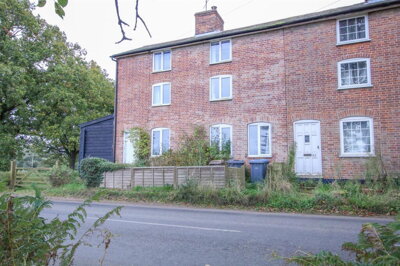
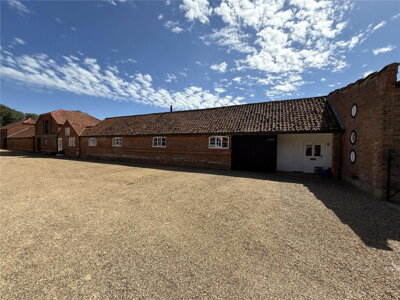
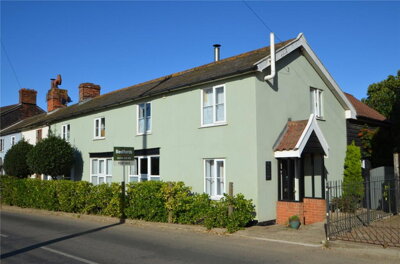
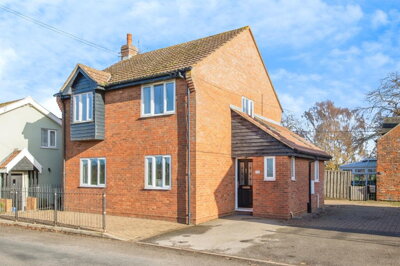
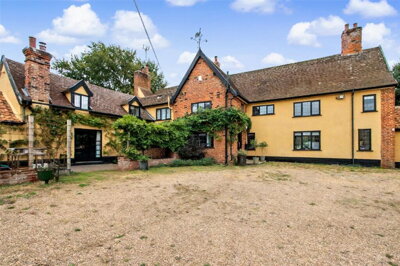
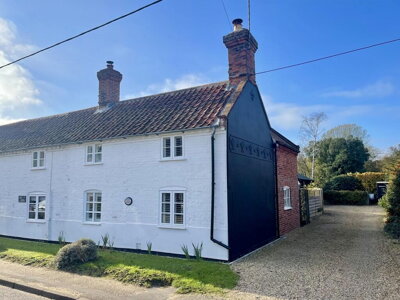
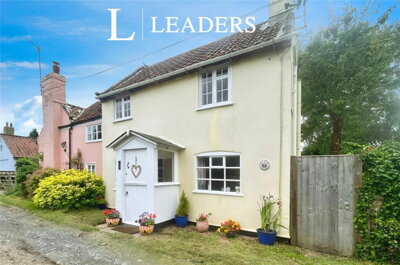
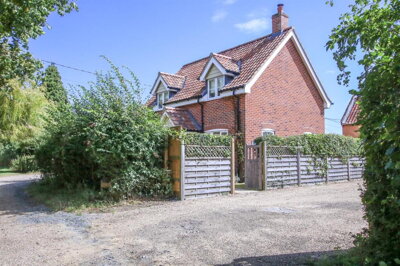
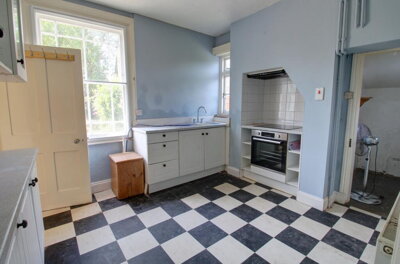
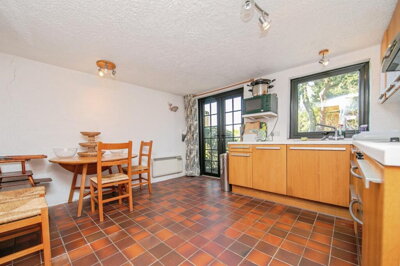
Browse 10 homes for sale in Chillesford, East Suffolk from local estate agents.
£485k
1
0
18
Source: home.co.uk
Source: home.co.uk
Terraced
1 listings
Avg £485,000
Source: home.co.uk
Source: home.co.uk
The Harleston property market has demonstrated resilience despite broader national fluctuations. Average asking prices in the town currently stand at £350,172 according to the latest figures, with historical sold prices averaging £355,000 according to HM Land Registry data. Property prices in Harleston showed modest growth of 0.3% over the past twelve months, while the IP20 postcode area experienced a 0.13% increase. This stability contrasts with the wider market, where asking prices have shifted by approximately -1.9% over the past six months. The market saw 65 residential sales completed in Harleston over the last year, representing a decrease of 20% compared to the previous year, suggesting that reduced stock availability is tempering transaction volumes rather than demand weakness.
Property prices in Harleston remain 4% below the 2023 peak of £282,513, presenting opportunities for buyers who missed the previous high point. The IP20 postcode area recorded 93 residential sales over the same period, down 32% from the previous year, reflecting the broader supply constraints affecting the regional market. For buyers willing to act decisively in the current climate, this combination of stable prices and limited competition may provide negotiating advantages that were absent during the peak activity of 2023. Average asking prices have softened by 1.9% over the past six months, potentially creating entry points for those with mortgage agreements already in place.
Property types in Harleston span an impressive range to suit diverse buyer requirements. Detached properties command the highest prices, with averages ranging from £334,719 to £342,800 and asking prices reaching £467,500 for larger family homes. Semi-detached properties, which form a significant portion of the local housing stock, average between £236,227 and £241,395, making them an attractive option for families seeking more space without premium pricing. Terraced homes in Harleston typically sell for £184,900 to £198,071, offering an accessible entry point to the local market, while flats start from approximately £138,000 to £152,999. The combination of these price points, alongside the town's excellent transport connections to Norwich and Cambridge, makes Harleston an increasingly popular choice for commuters seeking value beyond the capital cities.

Harleston is experiencing significant new development activity, with several schemes adding modern housing stock to the market. Valley View, located on Spirketts Lane (IP20 9JL) and developed by Cripps Developments, offers a selection of 2, 3, and 4 bedroom houses and bungalows. Phase one prices at this development range from £290,000 to £395,000, with 3-bedroom semi-detached houses starting from £290,000 and 4-bedroom detached homes priced at £375,000. This development provides buyers with the opportunity to purchase new-build property with modern construction methods and energy-efficient features, often including air source heat pumps as standard.
Briarswood, developed by Lovell Homes on Mendham Lane (IP20 9DN), presents another substantial new build option with 2, 3, and 4 bedroom homes alongside 2 and 3 bedroom bungalows. Shared ownership options are available through Flagship Homes, with initial shares starting from 10%, making this development particularly attractive to first-time buyers who may struggle to secure full mortgage lending on higher-value properties. Three-bedroom homes at Briarswood start from £310,000 to £350,000, while 2-bedroom properties are available from £245,000. The mix of house types and tenure options makes this development well-suited to households across different life stages and financial circumstances.
Harolds Gate, a partnership between Orbit Homes and Inside Land Group on land south of Spirketts Lane, secured full planning permission in December 2025 with details approved in February 2026. This scheme will deliver 162 affordable homes, including a mix of one, two, three, and four-bedroom houses and bungalows, all planned to include air source heat pumps. With work expected to conclude in 2028, Harolds Gate represents a significant investment in affordable housing provision for Harleston. Additionally, The Oaks independent living scheme by Saffron Housing, located east of Mendham Lane, will deliver 107 new homes for people aged 55 and over when it opens in 2027, including affordable apartments and shared ownership bungalows for older persons.

Harleston functions as a thriving market town, holding its traditional Wednesday markets where locals and visitors alike browse fresh produce, artisan goods, and crafts. The Market Place remains the social heart of the community, surrounded by an eclectic mix of independent shops, cafes, and traditional pubs that give the town its distinctive character. The 2021 Census recorded 6,127 residents living within the Harleston Electoral Ward across 2,836 households, with an average household size of 2.2 persons. The civil parish of Redenhall with Harleston encompasses a population of 4,640 based on the 2011 Census, though subsequent estimates suggested the town itself had grown to around 5,067 residents by 2018, indicating steady growth that continues to attract new residents seeking village charm with good connectivity.
The architectural heritage of Harleston reveals itself through its diverse building materials and construction methods. Georgian facades often conceal medieval structures dating back to the 13th and 14th centuries, with many timber-framed buildings now clad beneath later finishes. Brick dominates in the town centre, with traditional Norfolk Reds alongside rendered frontages, while flint appears commonly in boundary walls and occasionally in older structures. A distinctive local feature is the use of clay lump, unfired earth blocks mixed with straw, which were popular during the 19th century for cottages and farm buildings. The town's Conservation Area, established in 1975, protects this rich architectural diversity along Broad Street, London Road, and the Market Place, ensuring that new developments complement rather than compete with Harleston's historic character.
The absence of thatch roofing in Harleston town centre represents an interesting local characteristic that buyers may notice when exploring period properties. Historical records suggest this reflects a deliberate shift to clay tiles during the Georgian period, likely implemented to reduce fire risk in the tightly-packed town centre. Instead, the visual character of Harleston is defined by red brick facades, rendered frontages, and the distinctive black and white timber framing visible in several period properties. The Church of St John the Baptist and 'Old Flint Bank' represent notable exceptions where flint was used as a primary building material, standing out from the predominantly brick-dominated streetscape.
Harleston and the surrounding villages provide primary education options through several established schools serving the local community. Harleston Primary School serves as the main primary institution within the town, providing education for children from reception through to Year 6. Additional primary options in nearby villages serve families living in the surrounding countryside, with school transport links connecting these communities to the town centre. Secondary education is available at schools in nearby towns including Long Stratton and Bungay, with school transport links providing access to institutions across South Norfolk. Parents are advised to research specific catchment areas and admissions criteria, as these can significantly influence property values in certain streets and neighbourhoods.
The Harleston area attracts families partly due to the broader educational opportunities within commuting distance. Several grammar schools operate in Norfolk, with selective admissions based on the 11-plus examination, providing academic pathways for secondary-age children. For post-16 education, sixth forms and further education colleges in nearby towns including Norwich and Diss offer A-level programmes and vocational qualifications. Diss High School, located approximately 8 miles from Harleston, provides secondary education with a strong reputation in the region, while the city of Norwich offers additional grammar school options accessible via the regular bus services connecting Harleston to the city.
School performance data, including recent Ofsted inspection outcomes, should form part of any family's due diligence when searching for property in the Harleston area. Parents can access comparative performance data through government databases, comparing Key Stage 2 and GCSE results across local schools to inform their decisions. The presence of multiple educational options within the region, combined with the relative affordability of Harleston property compared to towns closer to Norwich, makes this an attractive location for families balancing educational aspirations with property budgets.
Harleston occupies a strategic position on the Norfolk-Suffolk border, offering residents convenient access to major employment centres while maintaining the character and pace of life associated with smaller market towns. The town lies approximately 13 miles south of Norwich, making it a popular choice for commuters who work in the city but prefer to live somewhere with more affordable property prices and a strong sense of community. Regular bus services connect Harleston to Norwich and surrounding towns, while the A143 runs through the town providing direct access to the A14 trunk road for travel to Cambridge and beyond. The nearby town of Diss offers direct rail services to Norwich and London Liverpool Street, with journey times to the capital taking around two hours.
For those who drive, the road network from Harleston provides reasonable connectivity to the wider region. The A143 links northward to Great Yarmouth and southward to Bury St Edmunds, while connections to the A11 and A47 make Norwich, Cambridge, and the Norfolk coast accessible within reasonable driving times. The journey to Norwich city centre takes approximately 30 minutes by car, making day trips and occasional office attendance practical for commuters working in the city. For longer-distance travel, the A14 provides access to Cambridge and the M11 towards London, while the port of Felixstowe is reachable for those with international business interests.
Local parking provision in Harleston town centre accommodates those who drive in for shopping and the weekly market, while cycle routes and improved pedestrian infrastructure within the town make car-free local travel practical for many residents. The combination of these transport options, alongside the relative affordability of property in Harleston compared to Norwich itself, positions the town as an increasingly attractive option for commuters seeking to maximise their property budget without sacrificing connectivity entirely.
Before committing to a purchase, explore current listings and recent sale prices in Harleston and the surrounding IP20 postcode area. Our data shows average prices ranging from £138,000 for flats to £467,500 for detached homes, helping you identify properties within your budget. Understanding local market trends, including the 0.3% annual price growth and the mix of period properties versus new build developments, will inform your search strategy.
Contact a mortgage broker or lender to obtain an Agreement in Principle before viewing properties. This document confirms how much you can borrow and demonstrates to sellers that you are a serious, financially prepared buyer. With current average prices around £270,583 in Harleston, most buyers will need mortgage finance to complete their purchase.
Visit properties that match your requirements, taking time to assess not just the property itself but the surrounding neighbourhood. Consider factors such as proximity to schools, local amenities, and transport connections. With Harleston's diverse housing stock spanning period cottages to new build homes at Valley View and Briarswood, viewing multiple properties will help you understand what represents value in the current market.
Before completing your purchase, arrange for a professional survey, particularly for older properties. Given that Harleston has over 146 listed buildings and many homes dating back to the Georgian era or earlier, a thorough survey can identify structural issues, damp problems, or required maintenance. Local surveyors covering the IP20 postcode area typically charge from around £375 to £500 for a Level 2 Home Survey.
Once your offer is accepted, instruct a solicitor to handle the legal aspects of your purchase. Your solicitor will conduct searches, review contracts, and coordinate with your mortgage lender to ensure a smooth transaction. Factor in typical conveyancing costs from £499 for basic legal services.
The final step involves signing contracts, paying your deposit, and arranging completion. Your solicitor will coordinate the transfer of funds and registration of ownership with HM Land Registry. On completion, you will receive the keys to your new Harleston home.
Buyers searching for property in Harleston should be aware of several area-specific factors that can influence purchasing decisions and long-term ownership costs. The underlying Boulder Clay geology creates potential for shrink-swell ground movement, which can affect properties with older, shallower foundations. The British Geological Survey GeoSure data identifies areas of potential ground movement in the region, making it prudent to commission a thorough structural survey, especially for period properties. Signs of structural movement, such as diagonal cracking wider than 5mm or uneven floors, should be investigated by a qualified surveyor before proceeding with a purchase.
Common defects found in Harleston's period properties include rising damp through aging brickwork, deteriorating roof coverings with slipped or cracked tiles, and timber defects such as rot and woodworm infestations. Many Georgian and Victorian properties in the town may retain original wiring or lead pipework that does not meet current safety standards, requiring updating before or shortly after purchase. The distinctive clay lump construction used in some 19th-century cottages requires specialist knowledge to assess properly, as the unfired earth blocks can be susceptible to moisture ingress and physical damage if not properly maintained.
Flood risk considerations also merit attention, despite Harleston sitting predominantly in Flood Zone 1 where river flooding is generally low risk. Surface water flooding represents a more significant concern, with inadequate drainage infrastructure in the town centre potentially leading to localised flooding during intense rainfall. Properties near Pulham Beck at the northern end of Harleston fall within a narrow floodplain, and buyers should review Environment Agency flood maps carefully when considering properties in these locations. Additionally, the extensive conservation designation and 146 listed buildings mean that alterations to period properties require planning permission and adherence to heritage guidelines, potentially adding complexity and cost to renovation projects.
The average overall house price in Harleston over the last year was £270,583 according to sold price data. Asking prices currently average around £350,172, while HM Land Registry figures show an average price of approximately £355,000. Property prices have shown modest growth of 0.3% annually, with the IP20 postcode area averaging £400,800. Detached properties command the highest prices at £334,000 to £467,500, while terraced homes and flats offer more affordable entry points from £138,000. Prices are currently around 4% below the 2023 peak of £282,513, which may present buying opportunities for those with finance in place.
Properties in Harleston fall under South Norfolk Council for council tax purposes. Specific band allocations vary by property depending on the valuation band assigned by the Valuation Office Agency. Most period properties and family homes in the town centre and surrounding streets typically fall within bands A through D, while larger detached properties and some converted properties may be in higher bands. Prospective buyers should check individual property details for exact council tax band information.
Harleston and the surrounding Redenhall with Harleston civil parish offer primary education options serving the local community, with Harleston Primary School providing the main educational provision within the town itself. Additional primary schools in nearby villages serve families living in the surrounding countryside, with school transport links available. Secondary education is available at schools in nearby towns including Long Stratton and Bungay, while Diss High School approximately 8 miles away provides secondary education with strong regional reputation. Grammar schools in Norfolk provide selective admissions accessible by bus, and further education options in Diss and Norwich offer A-level programmes and vocational qualifications. Parents should research current Ofsted ratings and specific catchment area boundaries, as these can vary and influence school placement.
Harleston benefits from regular bus services connecting the town to Norwich and surrounding market towns, making day trips to the city practical without requiring a car. The nearby town of Diss offers direct rail services to Norwich and London Liverpool Street, with journey times to the capital taking approximately two hours. The A143 provides road connectivity to the A14 for travel to Cambridge and Bury St Edmunds, while the route north to Norwich takes around 30 minutes by car. For commuters, Harleston offers a practical balance between accessible transport links and more affordable property prices compared to living closer to Norwich.
Harleston presents several factors that may appeal to property investors. The town functions as a service centre for surrounding villages, maintaining stable demand from local buyers and renters. New development activity, including the Valley View, Briarswood, and Harolds Gate schemes, indicates continued investment in the local housing stock. Average prices of £270,583 remain accessible compared to Norwich and other regional centres, potentially offering room for capital growth as infrastructure improvements and commuter demand increase. However, investors should carefully consider local rental demand, void periods, and management requirements alongside purchase costs.
Stamp Duty Land Tax rates for standard residential purchases in England start at 0% on the first £250,000 of property value, rising to 5% on the portion between £250,001 and £925,000, 10% up to £1.5 million, and 12% on amounts exceeding £1.5 million. First-time buyers benefit from increased thresholds, paying 0% on the first £425,000 with 5% applied between £425,001 and £625,000. For a typical Harleston property averaging £270,583, most buyers would pay no stamp duty, while first-time buyers would benefit from relief on the entire purchase price under current thresholds.
Harleston sits primarily on Boulder Clay over Crag geology, with soil types characterised as slowly permeable and seasonally wet (Soilscape 18) and lime-rich with impeded drainage (Soilscape 9). This clay-rich substrate creates potential for shrink-swell ground movement as moisture levels fluctuate, which can affect property foundations, particularly in older buildings with shallower footings. The British Geological Survey GeoSure dataset identifies areas of potential shrink-swell risk throughout the Harleston area, making professional surveys essential for older properties, especially those with original foundations. Surface water drainage has been identified as a constraint in some areas, with the town centre potentially experiencing flooding during intense rainfall due to infrastructure limitations.
From 4.5% APR
Compare mortgage rates and find the right deal for your Harleston purchase
From £499
Expert legal services for your property purchase
From £375
Professional survey for your new Harleston home
From £80
Energy performance certificate for your property
Understanding the full costs of purchasing property in Harleston extends beyond the advertised sale price. Current Stamp Duty Land Tax thresholds for standard residential purchases in England apply 0% duty on the first £250,000 of property value, making Harleston's average property price of £270,583 particularly attractive for buyers. A typical purchase at this price would attract stamp duty on approximately £20,583, amounting to around £821 at the standard rate. First-time buyers purchasing properties up to £425,000 benefit from enhanced relief, meaning most first-time purchases in Harleston would attract zero stamp duty under current thresholds.
Beyond stamp duty, buyers should budget for solicitor fees typically ranging from £499 to £1,500 depending on complexity, plus disbursements for searches and Land Registry registration fees which can add several hundred pounds. A RICS Level 2 Home Survey, essential given Harleston's prevalence of period properties, typically costs between £375 and £500 for a standard property in the IP20 postcode area. Mortgage arrangement fees, valuation fees, and broker charges can add another £1,000 to £2,000 to upfront costs, while buildings insurance must be in place from completion. Total buying costs for a typical Harleston property, excluding mortgage fees, often range between £2,000 and £4,000, though these vary significantly based on property value, transaction complexity, and individual solicitor fee structures.
For buyers considering new build properties at developments such as Valley View or Briarswood, additional costs may include new build incentive fees and the requirement to use the developer's nominated solicitor, though independent legal advice remains advisable. Shared ownership purchases through schemes like Briarswood involve different cost structures, including deposit payments for the initial share rather than the full property value. Buyers purchasing flats should also budget for service charges and ground rent, which vary depending on the development and management company.
Properties for Sale In London

Properties for Sale In Plymouth

Properties for Sale In Liverpool

Properties for Sale In Glasgow

Properties for Sale In Sheffield

Properties for Sale In Edinburgh

Properties for Sale In Coventry

Properties for Sale In Bradford

Properties for Sale In Manchester

Properties for Sale In Birmingham

Properties for Sale In Bristol

Properties for Sale In Oxford

Properties for Sale In Leicester

Properties for Sale In Newcastle

Properties for Sale In Leeds

Properties for Sale In Southampton

Properties for Sale In Cardiff

Properties for Sale In Nottingham

Properties for Sale In Norwich

Properties for Sale In Brighton

Properties for Sale In Derby

Properties for Sale In Portsmouth

Properties for Sale In Northampton

Properties for Sale In Milton Keynes

Properties for Sale In Bournemouth

Properties for Sale In Bolton

Properties for Sale In Swansea

Properties for Sale In Swindon

Properties for Sale In Peterborough

Properties for Sale In Wolverhampton

Enter your details to see if this property is within your budget.
Loans, cards, car finance
Estimated property budget
Borrowing + deposit
You could borrow between
Typical borrowing
Monthly repayment
Est. at 4.5%
Loan-to-value
This is an estimate only. Your actual budget may vary depending on interest rates, credit history, and personal circumstances. For an accurate affordability assessment, speak to one of our free mortgage advisors.
This calculator provides estimates for illustrative purposes only and does not constitute financial advice. Your home may be repossessed if you do not keep up repayments on your mortgage. Estimates based on 4.5% interest rate, repayment mortgage. Actual rates depend on your circumstances.
Homemove is a trading name of HM Haus Group Ltd (Company No. 13873779, registered in England & Wales). Homemove Mortgages Ltd (Company No. 15947693) is an Appointed Representative of TMG Direct Limited, trading as TMG Mortgage Network, which is authorised and regulated by the Financial Conduct Authority (FRN 786245). Homemove Mortgages Ltd is entered on the FCA Register as an Appointed Representative (FRN 1022429). You can check registrations at NewRegister or by calling 0800 111 6768.

We use cookies to show you personalised content and improve your experience of our website. Find out more in our Privacy policy and Cookie policy.