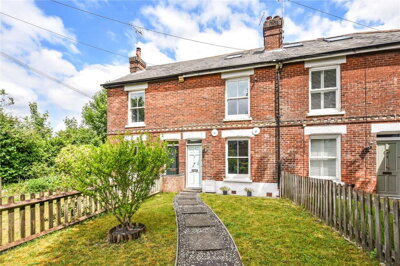
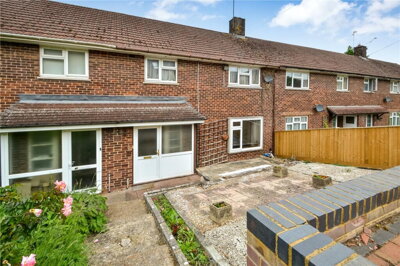
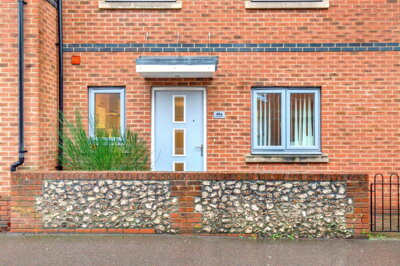
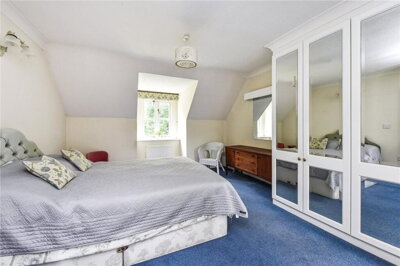
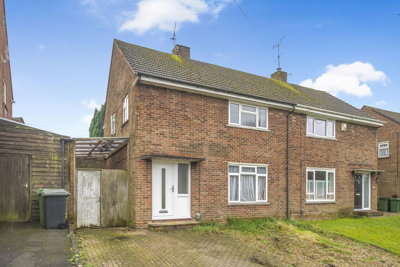
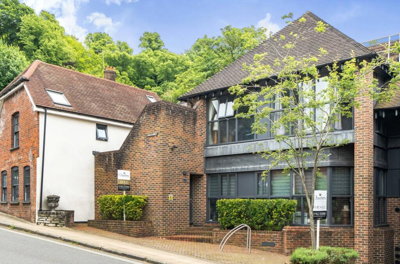
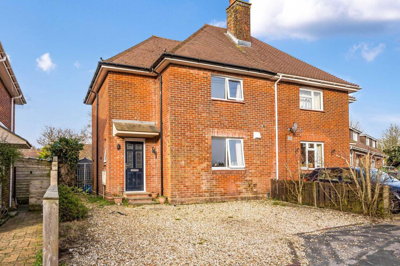
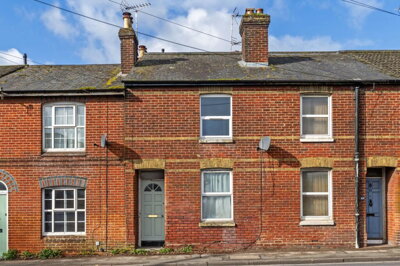
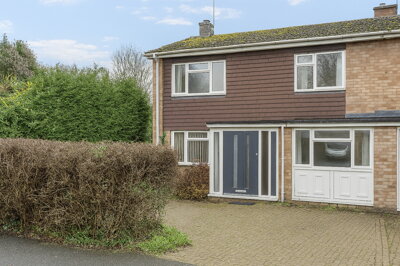
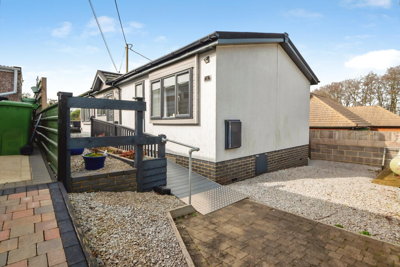
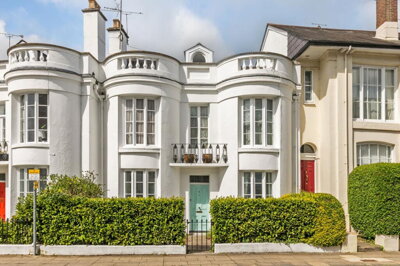
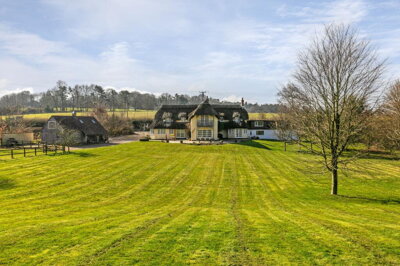
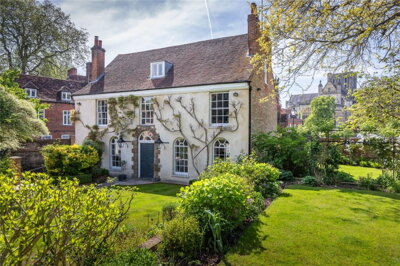
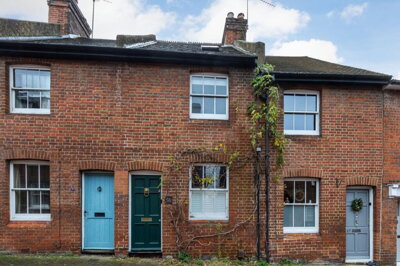
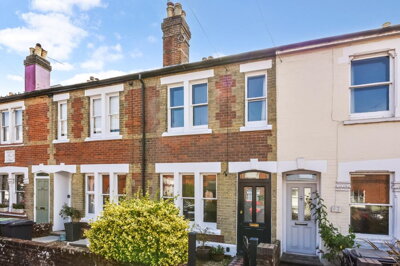
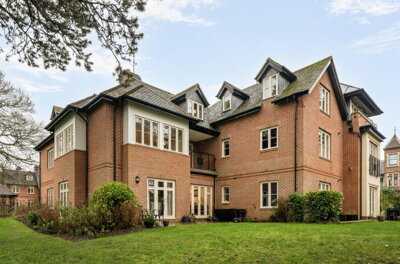
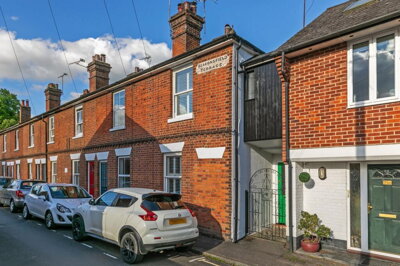
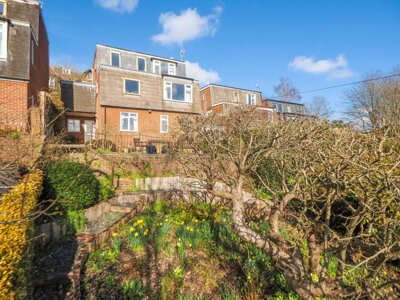
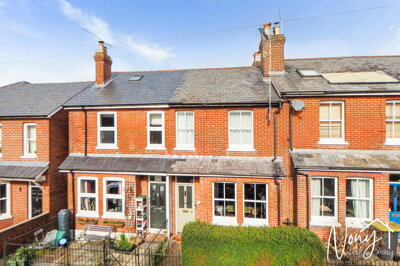
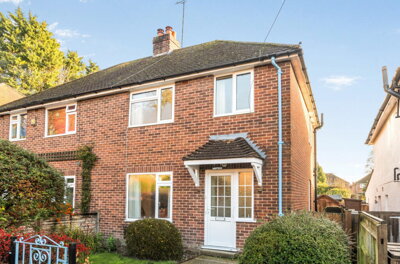
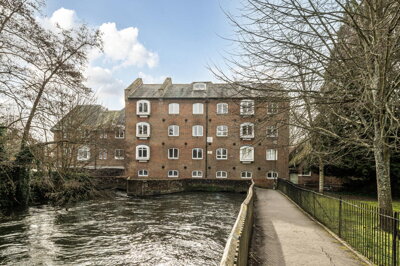
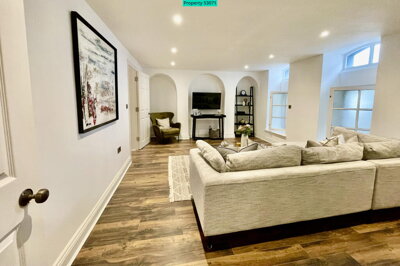
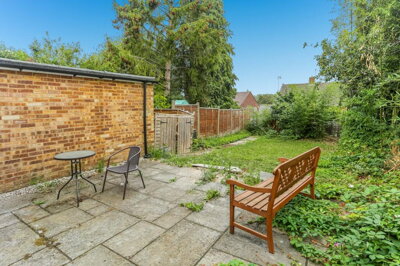
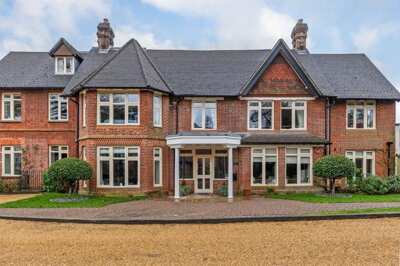
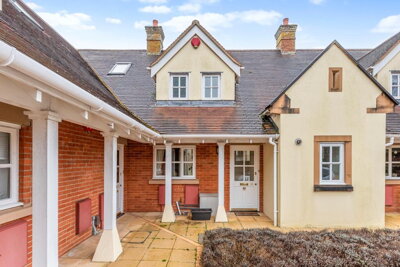
Browse 114 homes for sale in Chilcomb, Winchester from local estate agents.
£240k
3
0
110
Source: home.co.uk
Source: home.co.uk
Park Home
3 listings
Avg £251,667
Source: home.co.uk
Source: home.co.uk
The Hempstead property market reflects the character of the village itself: modest in volume but exceptional in quality. Over the past year, three property sales were recorded on The Street alone, while wider postcode data shows detached properties comprising approximately 80% of all transactions. The average price for a detached home in Hempstead reached £437,525, with semi-detached properties averaging around £295,000. For context, the NR25 6TW postcode area, which covers parts of this village, shows estimated property values averaging £896,524, though this figure likely reflects the mix of premium period properties and larger estates within the broader area.
Recent market trends show house prices in Hempstead fell by 6% compared to the previous year, following a broader softening across North Norfolk where prices decreased by 1.2%. The wider district saw more significant corrections, with the average property falling 3.6% to £289,000 in December 2025. Semi-detached properties across North Norfolk decreased by 2.0%, while flats experienced the largest drop at 6.6%, averaging £153,000. These conditions present a window for buyers seeking value in a traditionally premium market. Despite short-term fluctuations, the enduring appeal of North Norfolk villages like Hempstead means property values have historically held firm, supported by limited supply and consistent demand from buyers seeking rural lifestyles.
The tight supply in Hempstead parish reflects the village's enduring appeal. Of the 95 homes in the parish, 16 are used as holiday or second homes, with only two properties empty long-term. This means the pool of permanent family homes available at any time remains extremely limited. For buyers who secure a property here, the combination of conservation area status, restricted planning, and high demand from downsizers and second-home buyers suggests strong long-term value retention.

Life in Hempstead revolves around the gentle rhythms of rural Norfolk. The village takes its name from the Old English "haem" (hemlock) and "stead" (homestead), reflecting a history stretching back centuries. The linear settlement runs along The Street, where you will find the village hall, an early-twentieth century prefabricated structure dating from 1926, and the venerable Church of All Saints, whose origins trace to the 14th century. The churchyard contains memorials dating back to the 1700s, and the village sign depicts scenes from Hempstead's agricultural past. With just 95 homes in the parish according to 2024 data, including 16 holiday or second homes and only two long-term empty properties, the village maintains a vibrant resident community.
The local architecture showcases the finest traditions of North Norfolk building craft. Traditional flint, red brick, and red pantiles dominate the streetscape, with vernacular cottages predominantly built between 1800 and 1911. Larger detached houses and farmsteads sit to the south of the village, while terraced cottages cluster in the northern section along Marlpit Lane and surrounding roads. Properties like Brownwood, dated 1674, and Hempstead Hall from the Seventeenth Century demonstrate the deep heritage embedded in this small settlement. The Hempstead Conservation Area, designated in 1975 and covering most of the village including The Street, Pond Hills Road, and Marlpit Road, ensures that new development respects this treasured character.
Local planning guidance requires that buildings use flint and brick consistent with existing construction, with pale-coloured renders and occasional timber cladding providing visual variety while maintaining harmony with the traditional palette. Several buildings have been proposed for local listing, including The Old School Rooms, Hempstead Lodge, White Horse Cottages, and properties at 43, 44, and 45 Marlpit Lane, reflecting their architectural and historical interest within the community. A recent planning application near All Saints Church proposes five new dwellings on a former chicken farm site, demonstrating continued interest in development within the conservation area, though any works would need to meet strict design criteria.

Understanding the construction methods used in Hempstead properties helps buyers appreciate both the character and the maintenance requirements of homes here. The predominant building materials reflect centuries of local building tradition: flint, red brick, and red pantiles form the backbone of the village's architectural identity. Flint, sourced from local Quaternary deposits, was traditionally used as the primary wall material, with red brick employed for quoins, window and door surrounds, and chimneys. This combination creates the distinctive appearance that defines North Norfolk vernacular architecture and gives Hempstead its timeless character.
Single-skin wall construction is common in the older cottages built between 1800 and 1911. This construction method, where walls consist of only one leaf of material rather than the cavity walls found in modern construction, makes these properties particularly vulnerable to moisture penetration and heat loss if not properly maintained. Our inspectors frequently find that inappropriate modern interventions, such as the application of silicone-based paints, waterproof membranes, cement render, or Portland cement mortar, can trap moisture within these breathable traditional walls and cause significant damage over time.
The pitched roofs of Hempstead properties typically feature red clay pantiles, a roofing material that has been used in Norfolk for generations. While durable, pantile roofs require periodic maintenance to replace damaged or slipped tiles. The chimneys, constructed from red brick, may show signs of weathering and mortar deterioration, particularly in properties that have not been regularly maintained. Our surveyors pay close attention to the condition of roof coverings, flashing details, and chimney stacks when inspecting Hempstead properties, as these elements are critical to keeping the traditional construction weatherproof.
Families considering a move to Hempstead will find educational options spread across the surrounding North Norfolk towns. The village itself falls within reach of several primary schools in nearby communities. In Holt, approximately two miles away, parents can access primary education at St. Mary's Church of England Primary Academy and Holt Community Primary School, both serving the local catchment areas. Holt Community Primary School has earned recognition for its nurturing approach to primary education, while St. Mary's provides a faith-based curriculum within the village's own ecclesiastical tradition.
Further afield, the coastal towns of Sheringham and Cromer offer additional primary options, including Sheringham Community Primary School and Suffling's Church of England Primary School in Northrepps. These schools serve the wider coastal community and are accessible via the country roads connecting Hempstead to the sea. Secondary education in the area centres on the selective and non-selective schools in surrounding towns. Sheringham has a secondary school serving the northern coastal communities, while Holt hosts options for families seeking both grammar and non-selective education routes.
For sixth form and further education, the county college in Norwich provides extensive vocational and academic courses, accessible via the coast road or the Bittern Line rail connection. Given the relatively small size of Hempstead itself, most families will find themselves commuting a short distance to reach schools, with the compact nature of North Norfolk meaning that even distant schools remain within manageable driving distance. Parents are advised to check current catchment areas and admissions criteria, as these can change and may affect school placements.
Getting to and from Hempstead requires private transport or a combination of local bus services and rail connections. The village sits just a short drive from Holt, the nearest town for everyday amenities including supermarkets, independent shops, doctors' surgeries, and restaurants. The coast road runs nearby, connecting Hempstead to the charming towns of Blakeney, Cley Next the Sea, and Sheringham. These coastal communities offer further shopping, dining, and leisure facilities while maintaining the peaceful character that defines North Norfolk life. Norwich, the regional capital, lies approximately 25 miles south of Hempstead, accessible via the A148 and A1067 roads.
Rail connections are available from the nearby coastal towns. Sheringham station sits on the Bittern Line, which runs between Norwich and Sheringham via Cromer, with services operated by Greater Anglia. This scenic route takes passengers to Norwich in around 90 minutes, connecting with national rail services to London Liverpool Street. The bittern line passes through some of Norfolk's most beautiful countryside, making the commute an attractive feature rather than merely a necessity. For those travelling further, Norwich airport offers domestic flights and connections to European destinations. Within the village itself, a car remains essential for most daily activities, though the quiet country lanes are popular with cyclists and walkers exploring the surrounding countryside.
Local bus services provide connections to Holt, Sheringham, and the surrounding villages, though frequencies are limited compared to urban areas. The Sanders Coaches service and other local operators run routes that serve Hempstead, but residents planning daily commutes should verify current timetables as rural bus services can be subject to changes. For those without private transport, planning around bus schedules becomes an important consideration when evaluating daily life in the village.
Start by exploring current listings in Hempstead and comparing prices with similar properties across North Norfolk. With prices averaging £390,017 and the market showing a 6% annual decline, timing and negotiation room may favour buyers. The village has seen only three sales on The Street in the past year, so patience is essential when searching for the right property in this tight-knit community.
Contact local estate agents in the Holt and North Norfolk area to arrange viewings of properties that match your requirements. Given the limited number of sales in the village, acting quickly on new listings is advisable. Most properties in Hempstead are period homes that have been well-maintained, but careful viewing during different weather conditions can reveal any potential issues with damp or weather tightness.
Before making an offer, secure a mortgage agreement in principle from a lender. This strengthens your position when negotiating and demonstrates your seriousness to sellers. Properties in conservation areas with unusual construction methods may require specialist valuation, so discussing your mortgage options with a broker experienced in North Norfolk properties can smooth the process.
Given the age of Hempstead's housing stock, with most period properties built between 1800 and 1911, a Level 2 survey is essential to identify any structural issues, damp, or outdated electrics before purchase. The traditional flint and brick construction found in Hempstead properties can present specific challenges that require an experienced surveyor to assess properly. A Level 2 survey costs between £416 and £639 nationally, with Norfolk averages around £498.95.
Appoint a conveyancing solicitor with experience in North Norfolk properties, particularly those in conservation areas where additional searches may be required. Listed building status on eight properties in the village means some transactions involve additional consents and requirements. Your solicitor should be familiar with the Hempstead Conservation Area requirements and any proposed locally listed buildings.
Once all searches are satisfactory and contracts are signed, arrange completion. Your solicitor will transfer funds and register the transfer with HM Land Registry. Given the small number of property transactions in Hempstead, completion dates may need to be coordinated carefully with the limited local removal companies and conveyancing timescales.
Buying property in Hempstead requires attention to specific local factors that may not affect properties in other areas. The traditional construction of flint and red brick, while beautiful and durable, demands particular maintenance knowledge. Single-skin wall construction, common in older Norfolk cottages, can be vulnerable to moisture penetration and heat loss if not properly maintained. Prospective buyers should look for signs of damp, particularly in ground floor rooms and basements, and check that modern improvements such as insulation and double glazing have been installed without compromising the breathability of traditional walls.
The Hempstead Conservation Area designation imposes planning controls on external alterations, so any plans for extensions or modifications require careful consideration. Properties with listed building status, including the eight Grade II and II* buildings in the village, may require Listed Building Consent for alterations. The presence of a tributary of the River Glaven running through the village warrants investigation into drainage and any potential flood risk. Buyers should review environmental searches and speak with neighbours about any historical flooding or drainage issues.
Given that 16 of the village's 95 homes are holiday or second homes, the character of the neighbourhood varies seasonally, which is worth considering if you plan to live in Hempstead year-round. Some roads may feel quieter during winter months when holiday homes are unoccupied. The village hall, built in 1926, serves as a community hub, but the village lacks its own shop or pub, meaning residents rely on nearby Holt for everyday provisions. When viewing properties, ask about the history of any modifications and whether Listed Building Consent was obtained for any works, as retrospective applications can cause complications.
The average house price in Hempstead over the past year was £390,017, according to Rightmove data. Detached properties averaged £437,525, while semi-detached homes sold for around £295,000. For the NR25 6TW postcode area, estimated property values average higher at around £896,524, reflecting a mix of premium period properties and larger estates. Property prices have fallen 6% year-on-year, following a broader trend across North Norfolk where prices decreased 1.2%.
Hempstead falls under North Norfolk District Council. Council tax bands in the area follow Norfolk County Council banding, with most period cottages and smaller properties typically falling into bands A through D, while larger detached homes and estates may be in higher bands. The village hall and other community buildings appear on the local valuation list, and buyers can check specific bands via the Valuation Office Agency website using the property address. Given the mix of period cottages and larger farmsteads in the parish, council tax costs can vary significantly between property types.
Primary schools in the area include St. Mary's Church of England Primary Academy and Holt Community Primary School in the nearby town of Holt, approximately two miles from Hempstead. Holt Community Primary School has built a strong reputation for pupil development in recent OFSTED inspections, serving families from across the northern part of the district. Sheringham Community Primary School serves coastal communities to the north, while secondary options include schools in Sheringham and Holt offering both grammar and non-selective pathways. Parents should verify current catchment areas as these can change and may affect admissions.
Hempstead has limited public transport, and a car is essential for most daily needs. The Bittern Line rail service runs from Sheringham, approximately five miles away, connecting to Norwich in around 90 minutes. Local bus services connect Hempstead to Holt and surrounding villages via Sanders Coaches and other operators, though frequencies typically allow only a few return journeys per day. The nearest major road connections are via the A148 and A1067, which provide access to Norwich and the wider county. Cycle routes along quiet country lanes are popular, though hilly terrain requires moderate fitness.
Hempstead offers a unique investment proposition given its conservation village status, limited property supply, and enduring appeal of North Norfolk to buyers seeking rural lifestyles. With only 95 homes in the parish and 16 currently used as holiday or second homes, demand from buyers seeking permanent residences remains steady. However, the seasonal nature of the local population and the 6% annual price decline suggest capital growth may be modest compared to urban markets. Rental demand may be limited due to the village's small size and lack of direct employment, though the ongoing Heath Farm development in nearby Holt may generate rental interest from workers in the care sector.
For properties purchased in England, standard stamp duty rates apply: 0% on the first £250,000, 5% on £250,001 to £925,000, 10% on £925,001 to £1.5 million, and 12% above £1.5 million. First-time buyers receive relief on the first £425,000, with 5% on £425,001 to £625,000. Given the average Hempstead price of £390,017, most buyers would pay no stamp duty, while first-time buyers purchasing at average prices would pay nothing. Properties above £625,000 do not qualify for first-time buyer relief, and the village's historic properties including Hempstead Hall and The Red House may attract buyers in higher SDLT brackets.
Specific new-build developments within Hempstead itself remain limited, with most activity concentrated in the nearby town of Holt. The large Lovell development at Heath Farm on Holt's south-eastern edge is creating 213 new homes featuring traditional brick, render, and flint finishes, accessible via a new road to Hempstead Road. Within Hempstead parish, a recent planning application proposes five dwellings near All Saints Church on a former chicken farm site, though this development remains at the approval stage. Buyers seeking new-build properties in the immediate area may need to consider Holt or other nearby villages.
The primary risks associated with older Hempstead properties relate to their traditional construction methods and maintenance history. Single-skin flint and brick walls require breathable materials for any repairs or improvements, and our inspectors frequently find that previous owners have used inappropriate modern products that trap moisture. Other common issues include aging roof coverings requiring replacement, outdated electrical systems predating modern safety standards, and plumbing that may contain galvanized steel or lead pipes. Properties in the Hempstead Conservation Area may also face restrictions on alterations that affect future renovation plans, while listed buildings require consent for most external works.
From £455
A detailed survey essential for Hempstead's period properties built between 1800 and 1911. Our inspectors assess flint and brick construction, identify damp issues, and check traditional roof structures.
From £595
For buyers seeking comprehensive structural assessment of Hempstead's historic homes. Includes detailed analysis of construction defects specific to period properties.
From £60
Energy Performance Certificate required for all Hempstead property sales. Older properties typically score lower, but improvements may be possible with traditional materials.
From £499
Specialist conveyancing for Hempstead conservation area properties and listed buildings. Our team handles additional searches required for historic properties.
When purchasing a property in Hempstead, understanding the full cost of buying extends beyond the purchase price itself. Stamp Duty Land Tax (SDLT) is a significant consideration, though many buyers in this village will find their liability reduced or eliminated. At the current average price of £390,017, a standard buyer purchasing without first-time buyer relief would pay SDLT on £140,017 above the £250,000 threshold, resulting in a charge of approximately £7,000. First-time buyers purchasing at this price point would pay nothing, as the entire purchase falls within the first-time buyer relief threshold of £425,000. These calculations assume the purchase is of a single residential property; additional 3% surcharges apply for second homes and buy-to-let investments.
Beyond stamp duty, buyers should budget for survey costs, solicitor fees, and removal expenses. A RICS Level 2 survey, particularly important given the age of Hempstead's housing stock, typically costs between £416 and £639 nationally, with Norfolk averages around £498.95. Properties above £500,000 average around £586 for the survey alone. If the property you are considering is listed, additional specialist assessment fees of £150 to £400 may apply. Conveyancing fees in the Norfolk area typically start from £499 for standard transactions, though conservation area restrictions, listed building status, or the presence of a tributary watercourse may require additional searches that increase costs.
Removal companies serving North Norfolk generally charge between £500 and £2,500 depending on property size and distance. Given the age of many Hempstead properties, buyers should also budget for potential immediate maintenance costs, as period homes may require updating of heating systems, electrical rewiring, or roof repairs that emerge during the survey process. Ongoing costs include council tax, building insurance appropriate for traditional construction, and maintenance reserves for the flint and brick construction that defines Hempstead properties. Buildings insurance for older properties with non-standard construction may cost more than standard policies, so obtaining specialist quotes before completion is advisable.
Properties for Sale In London

Properties for Sale In Plymouth

Properties for Sale In Liverpool

Properties for Sale In Glasgow

Properties for Sale In Sheffield

Properties for Sale In Edinburgh

Properties for Sale In Coventry

Properties for Sale In Bradford

Properties for Sale In Manchester

Properties for Sale In Birmingham

Properties for Sale In Bristol

Properties for Sale In Oxford

Properties for Sale In Leicester

Properties for Sale In Newcastle

Properties for Sale In Leeds

Properties for Sale In Southampton

Properties for Sale In Cardiff

Properties for Sale In Nottingham

Properties for Sale In Norwich

Properties for Sale In Brighton

Properties for Sale In Derby

Properties for Sale In Portsmouth

Properties for Sale In Northampton

Properties for Sale In Milton Keynes

Properties for Sale In Bournemouth

Properties for Sale In Bolton

Properties for Sale In Swansea

Properties for Sale In Swindon

Properties for Sale In Peterborough

Properties for Sale In Wolverhampton

Enter your details to see if this property is within your budget.
Loans, cards, car finance
Estimated property budget
Borrowing + deposit
You could borrow between
Typical borrowing
Monthly repayment
Est. at 4.5%
Loan-to-value
This is an estimate only. Your actual budget may vary depending on interest rates, credit history, and personal circumstances. For an accurate affordability assessment, speak to one of our free mortgage advisors.
This calculator provides estimates for illustrative purposes only and does not constitute financial advice. Your home may be repossessed if you do not keep up repayments on your mortgage. Estimates based on 4.5% interest rate, repayment mortgage. Actual rates depend on your circumstances.
Homemove is a trading name of HM Haus Group Ltd (Company No. 13873779, registered in England & Wales). Homemove Mortgages Ltd (Company No. 15947693) is an Appointed Representative of TMG Direct Limited, trading as TMG Mortgage Network, which is authorised and regulated by the Financial Conduct Authority (FRN 786245). Homemove Mortgages Ltd is entered on the FCA Register as an Appointed Representative (FRN 1022429). You can check registrations at NewRegister or by calling 0800 111 6768.

We use cookies to show you personalised content and improve your experience of our website. Find out more in our Privacy policy and Cookie policy.