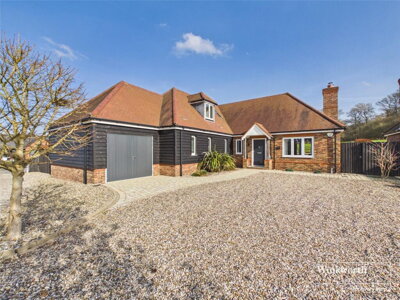
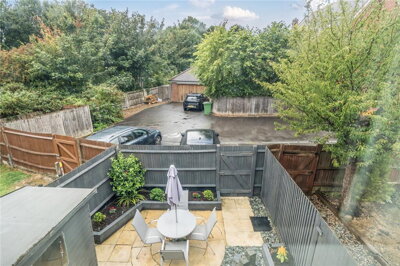
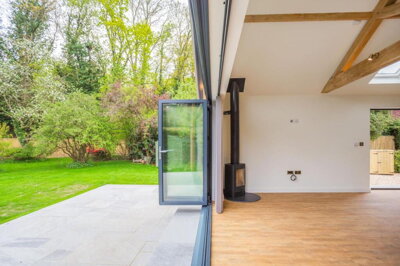
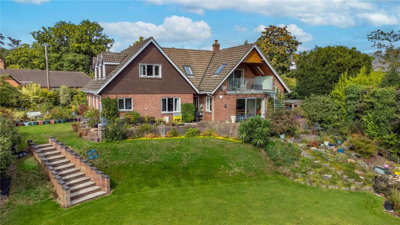
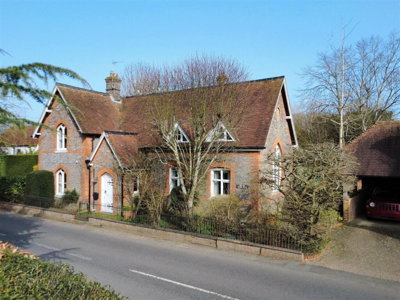
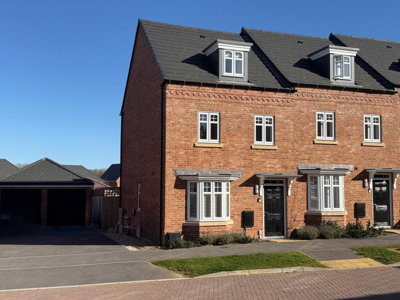
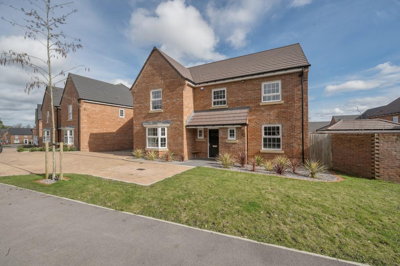
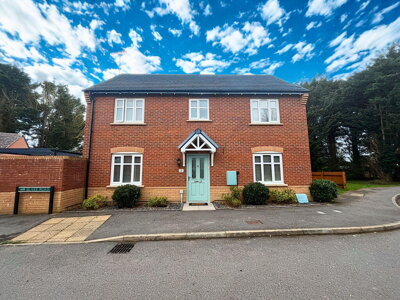
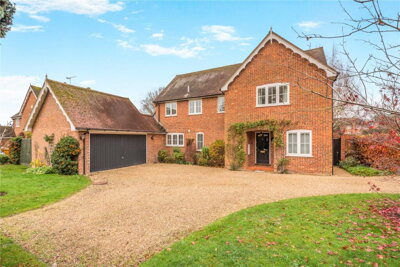
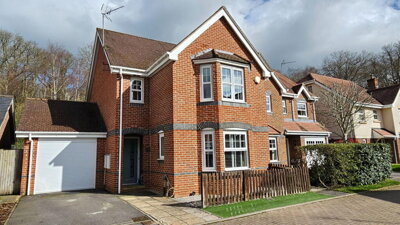
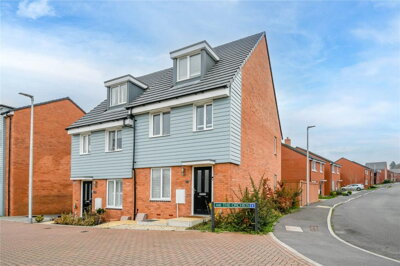
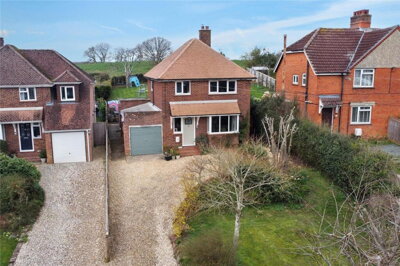
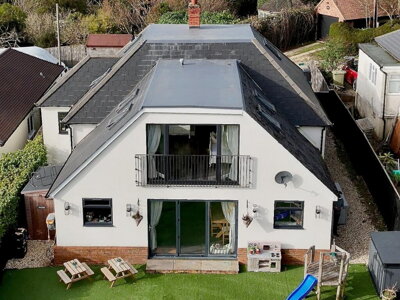
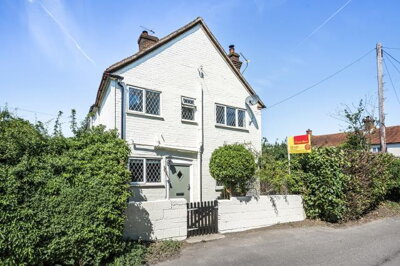
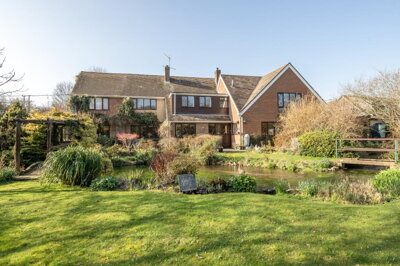
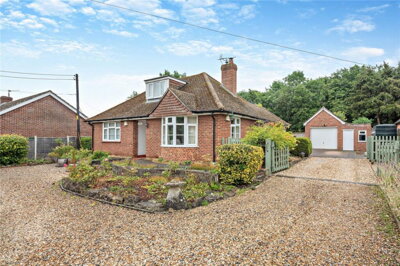
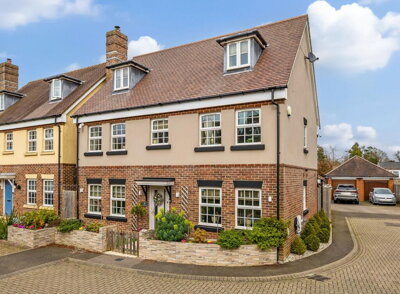
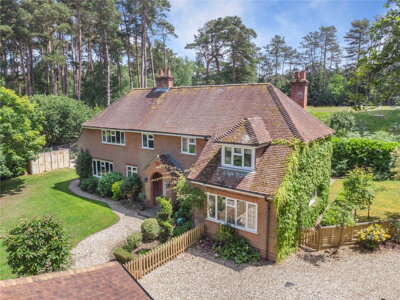
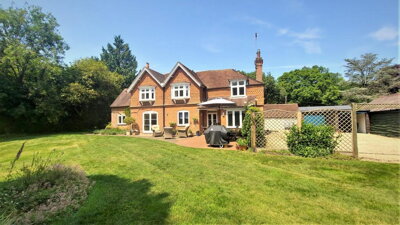
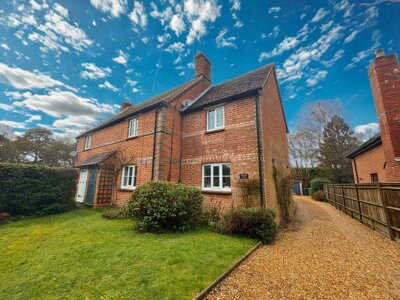
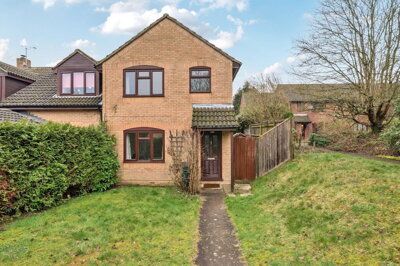
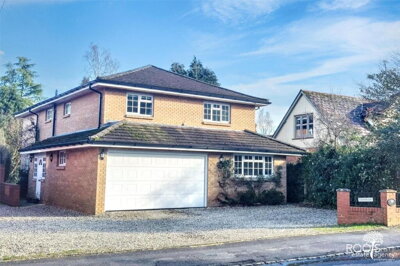
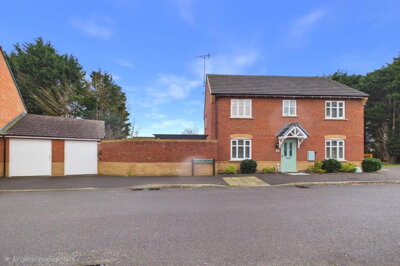
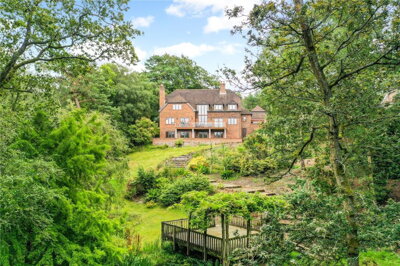
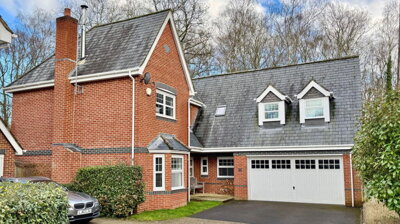
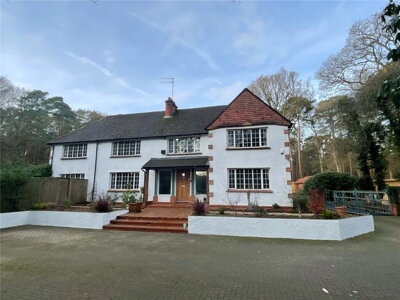
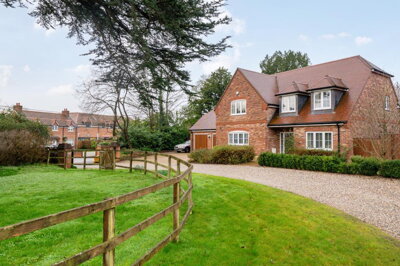
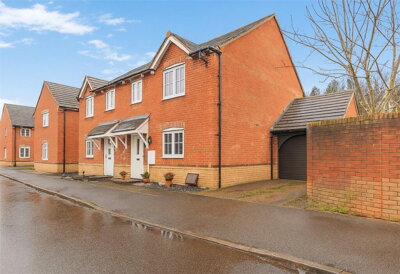
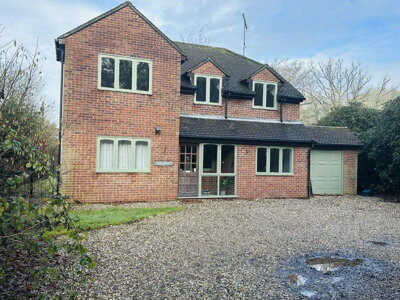
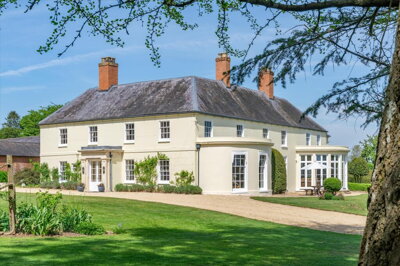
Browse 72 homes for sale in Chieveley, West Berkshire from local estate agents.
The Chieveley property market offers detached, semi-detached, and terraced houses spanning various price ranges and neighbourhoods. Each listing includes detailed property information, photographs, and direct contact with the marketing agent.
£888k
8
0
124
Source: home.co.uk
Showing 8 results for Houses for sale in Chieveley, West Berkshire. The median asking price is £887,500.
Source: home.co.uk
Detached
7 listings
Avg £1.11M
Semi-Detached
1 listings
Avg £365,000
Source: home.co.uk
Source: home.co.uk
The Kedington property market presents a diverse range of housing types to suit varying budgets and preferences. Detached properties command the highest average prices at £485,244, reflecting the desirability of spacious family homes with generous gardens in this semi-rural location. Semi-detached properties offer more accessible entry points at around £290,800, making them popular among first-time buyers and growing families seeking good value without compromising on space. Terraced properties in Kedington average approximately £320,000, providing an excellent alternative for those desiring the character of period homes at a more modest price point. Average sold prices over the last 12 months stood at £369,010, with the current market reflecting ongoing strength in demand for village properties.
Market activity in Kedington has been robust, with 329 properties changing hands over the past decade according to Property Market Intel data. The village has no active new-build developments within the CB9 postcode area, meaning buyers seeking modern construction may need to broaden their search to nearby Haverhill. The predominantly older housing stock, with many properties dating from the 16th century onwards, contributes to the village's distinctive character and architectural heritage. Flint, red brick, and timber construction with clay pantile or slate roofing reflects traditional Suffolk building practices that have endured for centuries. This scarcity of new-build stock helps maintain property values and desirability for character properties.
For buyers considering investment potential, the 27% annual price increase indicates robust market growth driven by demand for village properties with character. The gap between current prices and the 2022 peak suggests some room for further appreciation, particularly as remote working trends continue to boost interest in semi-rural locations with good transport links. Property types range from historic cottages to substantial family homes, ensuring the market caters to diverse requirements from compact starter homes to expansive period residences with ample land. The strong employment sectors in manufacturing, wholesale, retail, education, and healthcare across the Haverhill East and Kedington electoral division provide economic stability that supports the local housing market.
Kedington boasts a remarkable concentration of historic and listed buildings that define the village's distinctive character. The village is anchored by the Grade I listed Church of St Peter and St Paul, a stunning example of medieval ecclesiastical architecture that has stood the community for centuries. Beyond this landmark structure, numerous properties throughout the village hold listed status, including the Grade II* Ketton House and many Grade II listed dwellings such as Brook Cottage, Buckleys, Cotton Hall, Eagles Farmhouse, and Oakroyd on various roads throughout the village.
The traditional building materials used in Kedington's historic properties reflect centuries of Suffolk craftsmanship. We frequently see flint used extensively in medieval construction, particularly in ecclesiastical buildings and cottages, prized for its durability and aesthetic appeal. Red brick and timber framing appear throughout the village's older properties, while clay pantiles in black or orange and grey slates form the traditional roofing materials. These construction methods, while contributing to the village's considerable charm, require understanding when assessing maintenance requirements and potential issues. Properties like The Old Forge, The Old Stores, and Vine Cottage showcase the architectural heritage that makes Kedington particularly appealing to buyers seeking period character.
The White Horse Inn and The Barnardiston Arms public houses represent important landmarks within the village's social history, while structures such as the Water Mill and associated buildings reflect Kedington's agricultural past. Kedington War Memorial stands as a poignant reminder of the village's contribution to national history. For buyers acquiring period properties in Kedington, we strongly recommend commissioning a thorough survey given the age of the housing stock. Many properties will have undergone various alterations over the decades, and understanding the condition of structural elements, traditional building fabrics, and any previous renovations is essential before completing your purchase.

Life in Kedington centres around its strong community spirit and picturesque Suffolk countryside. The village population has remained relatively stable over recent decades, with 1,545 residents recorded in 2001, growing to 1,566 by 2011 and 1,778 by the 2021 census, with the 2024 estimate placing the figure at 1,733. This steady growth reflects Kedington's appeal as a place where residents choose to put down roots and raise families, creating a stable and cohesive community atmosphere that newcomers quickly come to appreciate. The village's demographic profile shows particular concentrations of residents aged 30-34 and 50-54, indicating a balanced community with both established families and those at family formation stage.
The local economy in the surrounding Haverhill East and Kedington electoral division is supported by diverse employment sectors including manufacturing, wholesale and retail trades, transport and storage, education, and healthcare. This economic diversity provides residents with varied job opportunities without requiring lengthy commutes to larger urban centres. The village itself features essential amenities including a traditional public house, The White Horse Inn, and several historic buildings that house local businesses serving both residents and visitors. The Barnardiston Arms provides an additional venue for socialising and community events, reinforcing the village's welcoming atmosphere.
The River Stour flows near Kedington, contributing to the area's attractive landscape of rolling Suffolk countryside and providing opportunities for riverside walks. Residents enjoy access to rural footpaths and outdoor pursuits, while the village's proximity to the Cambridgeshire border opens additional recreational opportunities including access to Cambridge's cultural amenities and facilities. The presence of numerous listed buildings throughout Kedington, including the striking Grade I listed Church of St Peter and St Paul, adds architectural interest and reinforces the village's historical significance within the region. For families, the village offers a supportive environment where children can participate fully in community life while benefiting from access to good schools and local amenities.
Families considering relocation to Kedington will find educational provision focused primarily on primary level within the village itself, with secondary options available in the nearby town of Haverhill. The local age profile data for the broader electoral division shows particular concentrations of residents aged 30-34 and 50-54, indicating a balanced community with both established families and those at family formation stage. This demographic mix underscores the importance of educational facilities for prospective buyers with children or those planning to start families. Primary education in the village and surrounding area serves younger children with options within reasonable travelling distance.
Parents should research current school performance data and admission arrangements carefully, as catchment areas can significantly influence placement availability. Schools serving Kedington typically include Kedington Primary Academy or other local primary schools within the village, where children can benefit from early education close to home. The village's young families benefit from primary provision that reduces the need for lengthy daily commutes and allows children to participate fully in community life and extracurricular activities. Visiting schools during the application process and understanding admission criteria well in advance of any house purchase is advisable for families with school-age children.
Secondary education opportunities extend to Haverhill, where several secondary schools serve the wider area including options that may accommodate students from Kedington depending on catchment boundaries. For families considering sixth form or further education provisions, Cambridge and the surrounding market towns offer diverse academic and vocational pathways including A-levels, BTECs, and apprenticeships. The strong employment sectors in education and health within the local economy suggest continued investment in educational provision, supporting families throughout their children's educational journeys. We recommend verifying current school admission arrangements and transport provision from Kedington as part of your property search.
Connectivity from Kedington combines the advantages of semi-rural living with practical access to major employment centres. The village sits within the CB9 postcode area of West Suffolk, positioned conveniently for access to the A1307 and subsequently the A11, which provides a direct route to Cambridge and the M11 corridor. This road infrastructure makes Kedington particularly attractive to commuters who work in Cambridge, Newmarket, Bury St Edmunds, or the surrounding towns but prefer village living with its associated lifestyle benefits. The journey to Cambridge typically takes around 35-40 minutes by car, making day commuting feasible for those with flexible working arrangements or hybrid arrangements.
Public transport options connect Kedington with neighbouring communities and towns, though prospective residents should verify current bus service frequencies and routes as rural services can be limited. Haverhill serves as the local service centre, providing additional transport links and amenities including connections to rail services. For longer-distance travel, Cambridge railway station offers regular connections to London King's Cross, with journey times of approximately 50 minutes making day commuting feasible for those with City employment. Audley End station further south provides additional rail options for Kedington residents.
The transport infrastructure contributes significantly to Kedington's property values and appeal, with easy access to employment centres balanced against the peaceful village environment. Parking provision within the village accommodates residents and visitors, while the relatively compact nature of Kedington means that most local amenities and facilities are accessible on foot. Cycling infrastructure varies throughout the area, with rural lanes popular among recreational cyclists and commuters comfortable with mixed-terrain routes. For those working from home, the village benefits from broadband connectivity that supports remote working, a factor that has increased village desirability significantly since the pandemic.
Explore properties available in Kedington and understand local price trends. With detached homes averaging £485,244 and semi-detached properties at £290,800, comparing similar properties helps establish realistic budgets. Consider visiting the village at different times to experience the community atmosphere and assess proximity to schools, transport links, and amenities. Use our platform to browse current listings and set up alerts for new properties matching your criteria.
Before arranging viewings, obtain a mortgage agreement in principle from a lender. This strengthens your position when making offers and demonstrates to sellers that you have financing secured. Given Kedington's average property price of £376,914, most buyers will require mortgage financing, and having agreement in principle helps streamline the process. Our mortgage partners can help you compare rates and find suitable products for your circumstances, including options for rural properties and listed buildings.
View shortlisted properties to assess condition, layout, and suitability. Given the age of many Kedington properties dating from the 16th century onwards, pay particular attention to roof condition, damp evidence, and any signs of structural movement. Take time to examine the quality of traditional building elements including flint work, timber framing, and period features. Our platform allows you to book viewings directly with local estate agents listing properties in Kedington.
Before completing your purchase, arrange a RICS Level 2 survey to assess the property condition thoroughly. Given the presence of boulder clay soils in West Suffolk and the age of local housing stock, this survey will highlight potential concerns including subsidence risk, damp, and timber defects. Survey costs typically range from £400 to £1,000 depending on property size and value. For older or listed properties, a more comprehensive RICS Level 3 survey may be advisable.
Appoint a conveyancing solicitor to handle the legal aspects of your purchase. They will conduct searches including local authority, drainage, and environmental checks, review contracts, and coordinate with the seller's representatives to ensure a smooth transaction. Searches in West Suffolk will include verification of conservation area status, listed building status, and any planning conditions affecting the property. Our conveyancing partners offer competitive rates for Kedington property purchases.
Once all searches are satisfactory and financing is confirmed, you will exchange contracts and pay your deposit, typically 10% of the purchase price. Completion typically follows shortly after, when the remaining funds are transferred and you receive the keys to your new Kedington home. On completion day, you can begin settling into your new village community and exploring all that Kedington has to offer.
Buyers considering properties in Kedington should be aware of several area-specific factors that can significantly impact property condition and value. The village's concentration of historic and listed buildings means that many properties are constructed using traditional Suffolk materials including flint, red brick, and timber framing with clay pantile or slate roofs. These construction methods, while charming, require understanding when assessing maintenance requirements and potential issues. We frequently identify concerns with traditional builds that differ significantly from modern construction, making professional surveys particularly valuable for Kedington properties.
The geology of West Suffolk presents important considerations for prospective buyers. The area is largely overlaid with boulder clay, which is susceptible to shrink-swell behaviour that can cause subsidence or heave due to changes in moisture content. Research indicates that clay-related subsidence accounts for approximately 70% of all subsidence cases in the UK, making this a relevant concern for Kedington properties. Signs to look for include cracks in walls that appear suddenly or worsen over time, doors or windows that stick, and uneven floor levels. Properties with mature trees nearby may be at increased risk due to moisture removal by tree roots.
Flood risk in Kedington is generally low, with no active flood warnings or alerts recorded as of early 2026. The River Stour runs near the village, and low-lying areas could experience flooding if river levels exceed 1.31m, with property flooding possible above 1.75m. However, the immediate flood risk remains very low for most properties in the village. Prospective buyers should verify the flood risk classification of any specific property through official flood maps and consider arranging appropriate insurance, which is typically readily available given the low overall risk profile.
For listed properties in Kedington, additional considerations apply including the need for listed building consent for certain alterations or improvements. The presence of many Grade II listed properties throughout the village means that works affecting the character of the building may require approval from West Suffolk Council. We recommend that buyers of listed properties budget for potentially higher maintenance costs and ensure any survey identifies any existing or required works that may need planning or listed building consent.
The average property price in Kedington stands at approximately £376,914 based on recent market data, with current listings averaging £379,000 as of February 2026. Detached properties command the highest prices at around £485,244, while semi-detached homes average £290,800 and terraced properties sell for approximately £320,000. Prices have increased by 27% over the past year, though they remain 2% below the 2022 peak of £383,999, suggesting continued market strength in this sought-after West Suffolk village. Recent sold prices average £369,010 over the last 12 months.
Properties in Kedington fall under West Suffolk Council's jurisdiction for council tax purposes. Specific bandings depend on property valuation, with typical residential properties in the village likely falling within bands B through E depending on size and character. The average property value in Kedington suggests many homes fall in bands C or D, though period properties with historic features may have been assessed differently. Prospective buyers should verify the council tax band for any specific property through the Valuation Office Agency website or during the conveyancing process, as this will factor into ongoing ownership costs.
Kedington offers primary education options within the village itself, with several Ofsted-rated schools serving local families. The local electoral division shows strong provision of educational services as a major employment sector, indicating community investment in schooling. Parents should research current Ofsted ratings and admission criteria for primary schools, as catchment areas can influence placement decisions and boundaries may change. For secondary education, schools in Haverhill serve the wider area with various academic and vocational pathways available, including options for sixth form education. Visiting schools during the admissions process is recommended to assess suitability for your family's needs.
Kedington is connected to neighbouring communities through local bus services, with Haverhill serving as a hub for public transport links providing connections to broader networks. Road connectivity is strong via the A1307 and A11, providing efficient access to Cambridge, Newmarket, and the M11 corridor for those commuting by car. Cambridge railway station offers regular services to London King's Cross, with journey times of approximately 50 minutes making longer-distance commuting feasible. The village's semi-rural position means that private transport remains practical for many residents, particularly for daily commuting needs and accessing amenities not available locally.
Property investment in Kedington appears attractive given the 27% annual price increase and the village's position within a growing semi-rural community. The steady population growth from 1,566 in 2011 to 1,778 in 2021 indicates sustained demand for housing in the area. The absence of new-build developments in the CB9 postcode maintains scarcity of modern properties, while the village's historic character and transport links continue to attract buyers seeking village living with good connectivity. However, as with any property investment, buyers should consider their long-term plans, potential maintenance costs for period properties, and local market conditions carefully before committing.
Stamp duty land tax rates for England apply to Kedington purchases. Standard rates start at 0% for properties up to £250,000, rising to 5% on the portion between £250,001 and £925,000, 10% up to £1.5 million, and 12% above that threshold. For a typical Kedington property priced at £376,914, a standard rate buyer would pay approximately £6,346 in stamp duty. First-time buyers benefit from relief on the first £425,000 at 0%, with 5% applying between £425,001 and £625,000. Given Kedington's average price of £376,914, many properties may attract no stamp duty for first-time buyers purchasing properties priced below the nil-rate threshold.
Kedington has a remarkable concentration of listed buildings, making it particularly special for buyers seeking period properties with historical significance. The village is anchored by the Grade I listed Church of St Peter and St Paul, while Ketton House holds Grade II* status. Numerous other properties are Grade II listed including Brook Cottage, Buckleys, Cotton Hall, Eagles Farmhouse, The Old Forge, The White Horse Inn, and many more throughout the village. Buying a listed property means accepting responsibility for maintaining its character, and any works affecting the building's special interest will require listed building consent from West Suffolk Council.
Given that many Kedington properties date from the 16th century onwards, we strongly recommend commissioning a thorough property survey before purchase. A RICS Level 2 survey is suitable for conventional properties in reasonable condition and will identify issues including damp, timber defects, roof condition, and structural movement. For older, more complex, or listed properties, a comprehensive RICS Level 3 survey may be more appropriate as it provides more detailed analysis and advice. Survey costs in the area typically range from £400 to £1,000 depending on property size and value, representing a worthwhile investment given the potential issues in period properties.
Competitive mortgage rates for Kedington buyers
From 4.5%
Expert solicitors for your property purchase
From £499
Comprehensive property surveys by qualified inspectors
From £400
Energy performance certificates for Kedington properties
From £80
Understanding the full costs of purchasing property in Kedington is essential for budgeting effectively. Beyond the property price, buyers must account for stamp duty land tax, which varies according to purchase price and buyer status. For a typical Kedington property priced at the village average of £376,914, a standard rate buyer would pay approximately £6,346 in stamp duty after the nil-rate threshold of £250,000. First-time buyers purchasing properties under £625,000 would benefit from relief, potentially reducing or eliminating stamp duty costs on properties within the average price range, making Kedington particularly accessible for first-time buyers.
Additional purchase costs include solicitor fees for conveyancing, which typically range from £499 to £1,500 depending on complexity and whether the property is freehold or leasehold. For Kedington properties, searches will include checks with West Suffolk Council, and if the property is listed, additional due diligence regarding listed building status and any historic consents will be required. Survey costs for a RICS Level 2 home buyer report, particularly important given the age of many Kedington properties and the local geology, generally range from £400 to £1,000 based on property size and value. Land registry fees, local authority search costs, and mortgage arrangement fees add further expenses, typically totalling between £1,500 and £3,000 on a standard transaction.
When selling an existing property to fund a Kedington purchase, sellers should also account for estate agent fees, typically around 1-3% of the sale price, along with removal costs and potential early repayment charges on existing mortgages. For buyers purchasing period or listed properties in Kedington, additional costs may arise for specialist surveys, building insurance premiums that reflect the property's character, and ongoing maintenance reserves. Careful financial planning and obtaining a mortgage agreement in principle before beginning property searches helps ensure a smooth purchasing experience. Our partners can provide detailed cost breakdowns and competitive quotes for all the services required when buying a home in Kedington.
Properties for Sale In London

Properties for Sale In Plymouth

Properties for Sale In Liverpool

Properties for Sale In Glasgow

Properties for Sale In Sheffield

Properties for Sale In Edinburgh

Properties for Sale In Coventry

Properties for Sale In Bradford

Properties for Sale In Manchester

Properties for Sale In Birmingham

Properties for Sale In Bristol

Properties for Sale In Oxford

Properties for Sale In Leicester

Properties for Sale In Newcastle

Properties for Sale In Leeds

Properties for Sale In Southampton

Properties for Sale In Cardiff

Properties for Sale In Nottingham

Properties for Sale In Norwich

Properties for Sale In Brighton

Properties for Sale In Derby

Properties for Sale In Portsmouth

Properties for Sale In Northampton

Properties for Sale In Milton Keynes

Properties for Sale In Bournemouth

Properties for Sale In Bolton

Properties for Sale In Swansea

Properties for Sale In Swindon

Properties for Sale In Peterborough

Properties for Sale In Wolverhampton

Enter your details to see if this property is within your budget.
Loans, cards, car finance
Estimated property budget
Borrowing + deposit
You could borrow between
Typical borrowing
Monthly repayment
Est. at 4.5%
Loan-to-value
This is an estimate only. Your actual budget may vary depending on interest rates, credit history, and personal circumstances. For an accurate affordability assessment, speak to one of our free mortgage advisors.
This calculator provides estimates for illustrative purposes only and does not constitute financial advice. Your home may be repossessed if you do not keep up repayments on your mortgage. Estimates based on 4.5% interest rate, repayment mortgage. Actual rates depend on your circumstances.
Homemove is a trading name of HM Haus Group Ltd (Company No. 13873779, registered in England & Wales). Homemove Mortgages Ltd (Company No. 15947693) is an Appointed Representative of TMG Direct Limited, trading as TMG Mortgage Network, which is authorised and regulated by the Financial Conduct Authority (FRN 786245). Homemove Mortgages Ltd is entered on the FCA Register as an Appointed Representative (FRN 1022429). You can check registrations at NewRegister or by calling 0800 111 6768.

We use cookies to show you personalised content and improve your experience of our website. Find out more in our Privacy policy and Cookie policy.